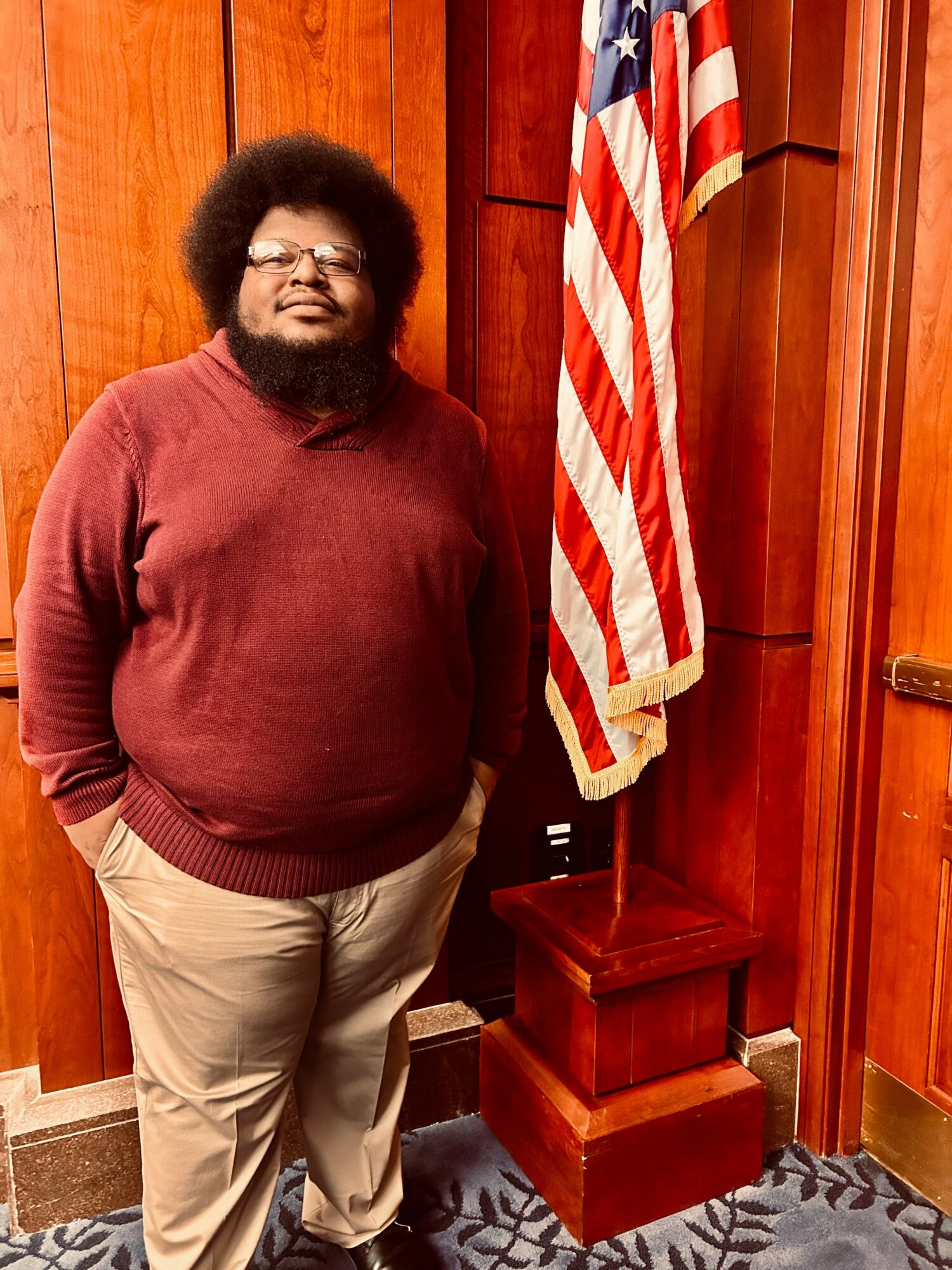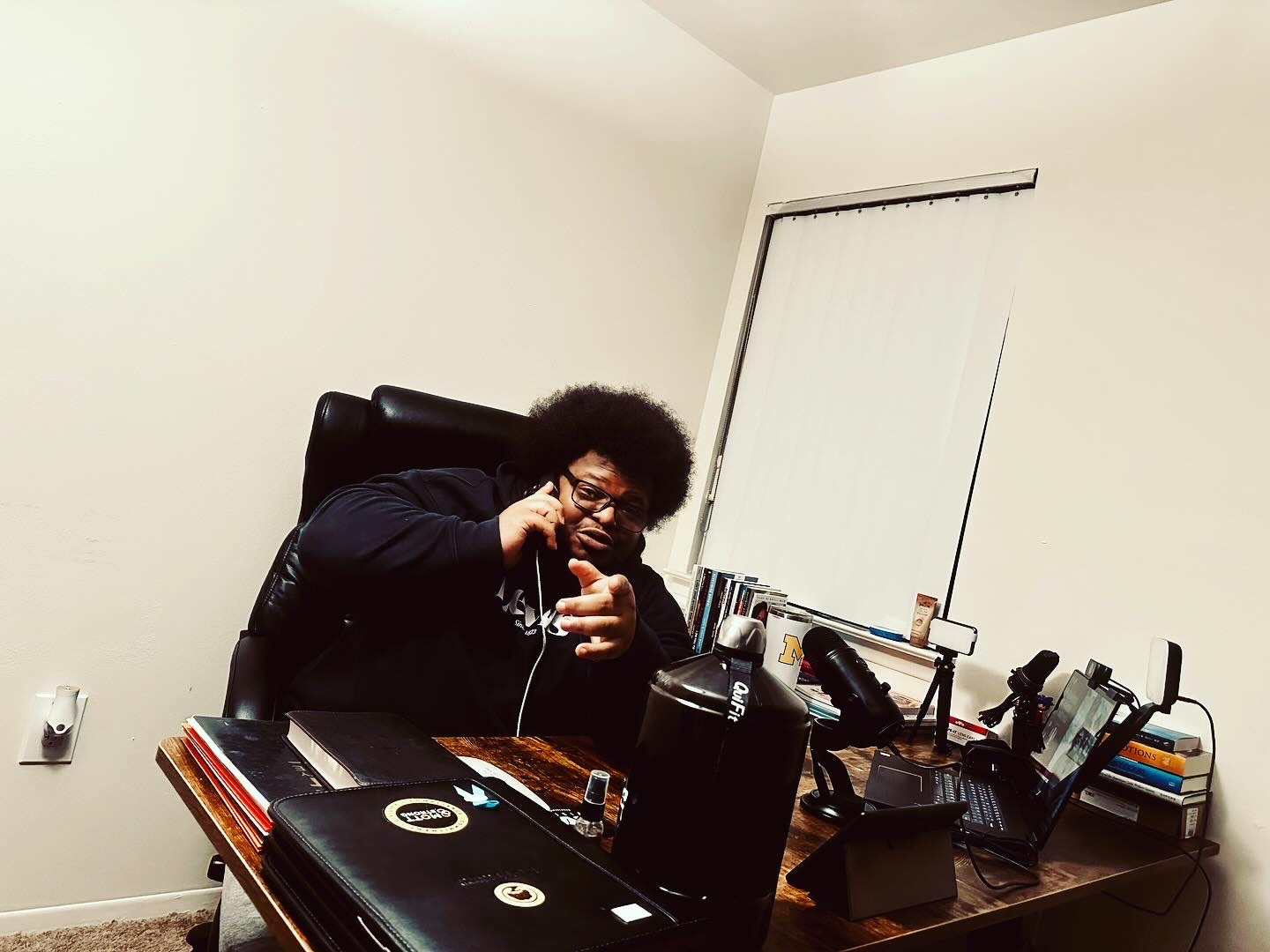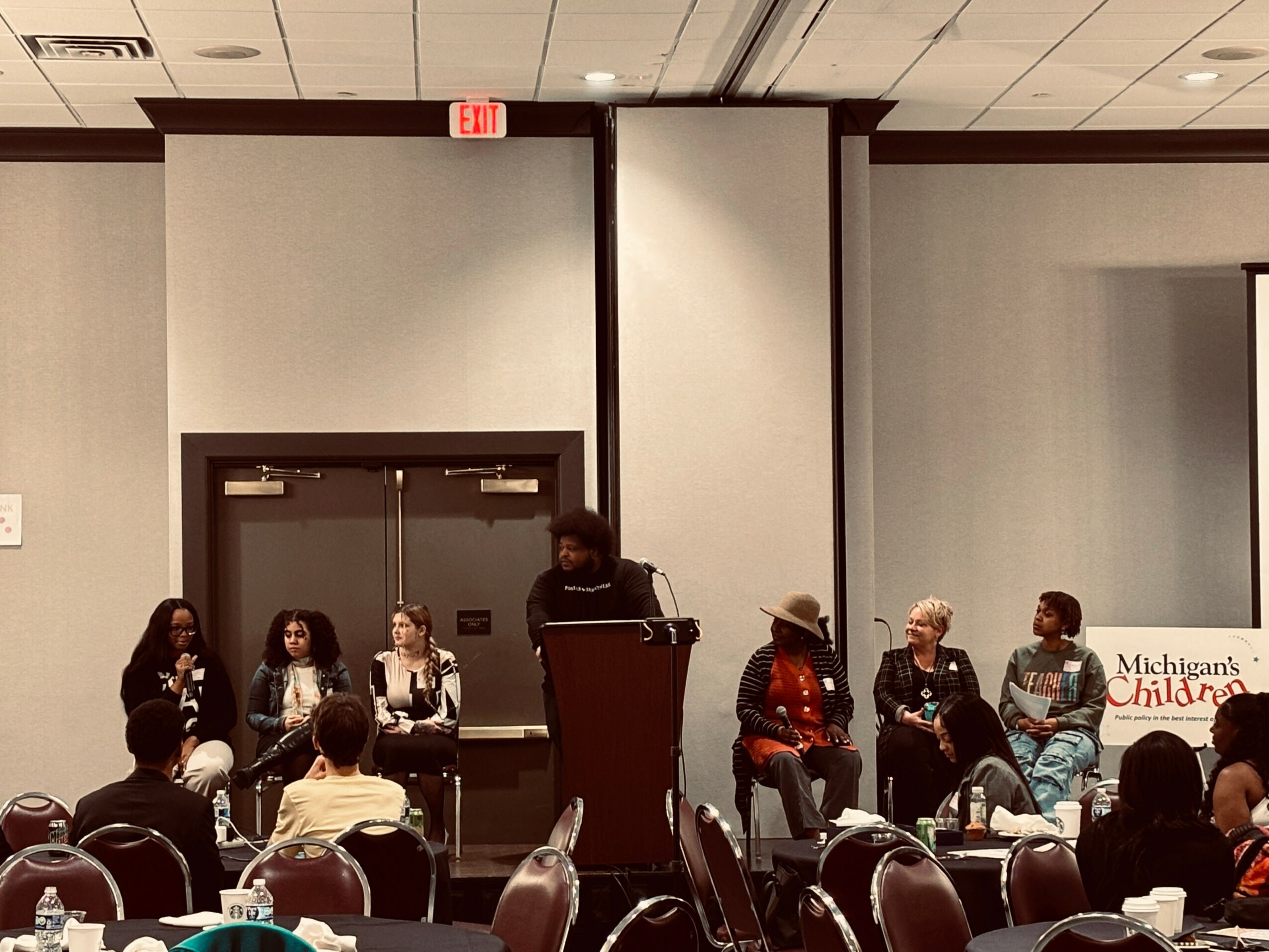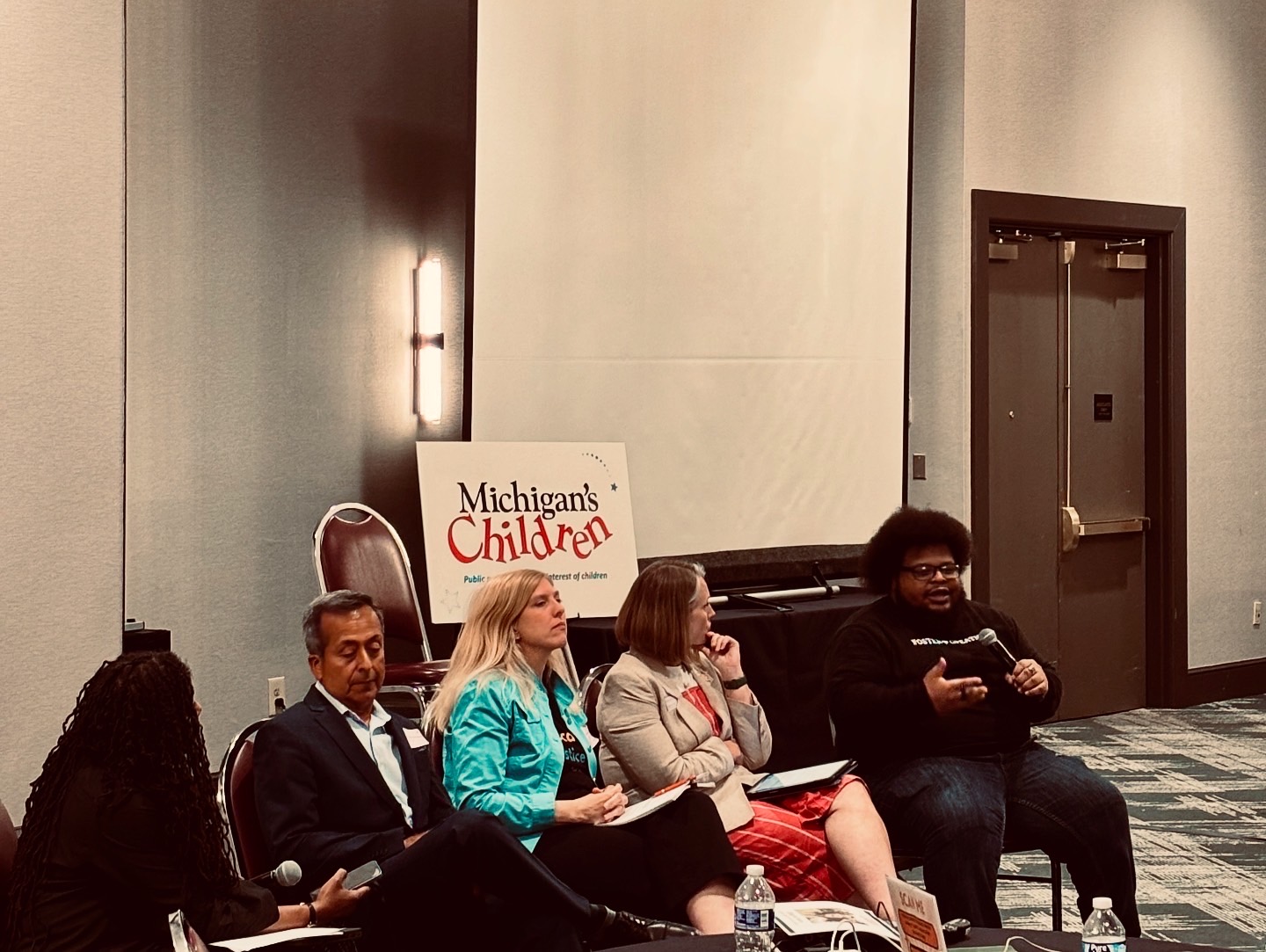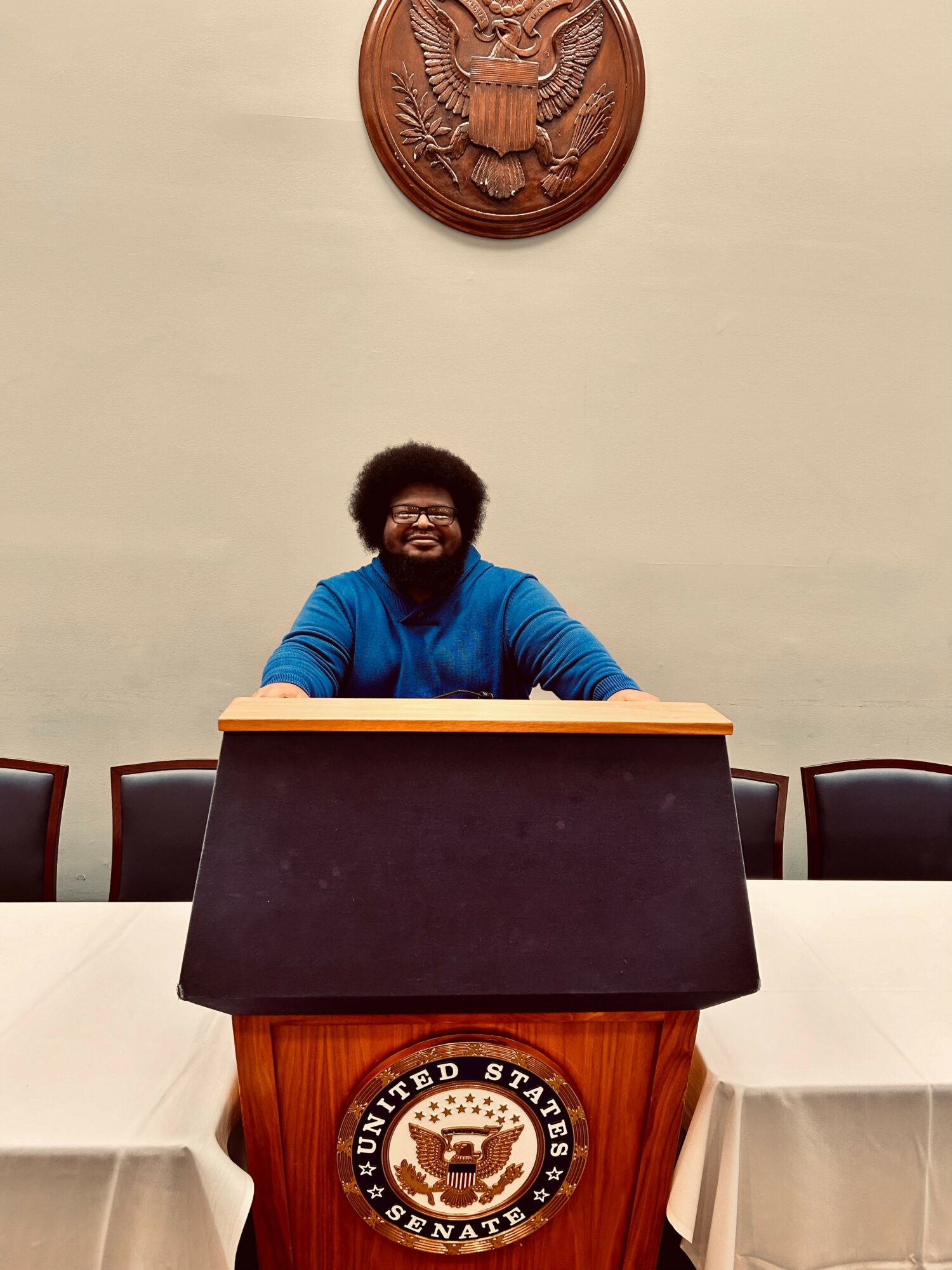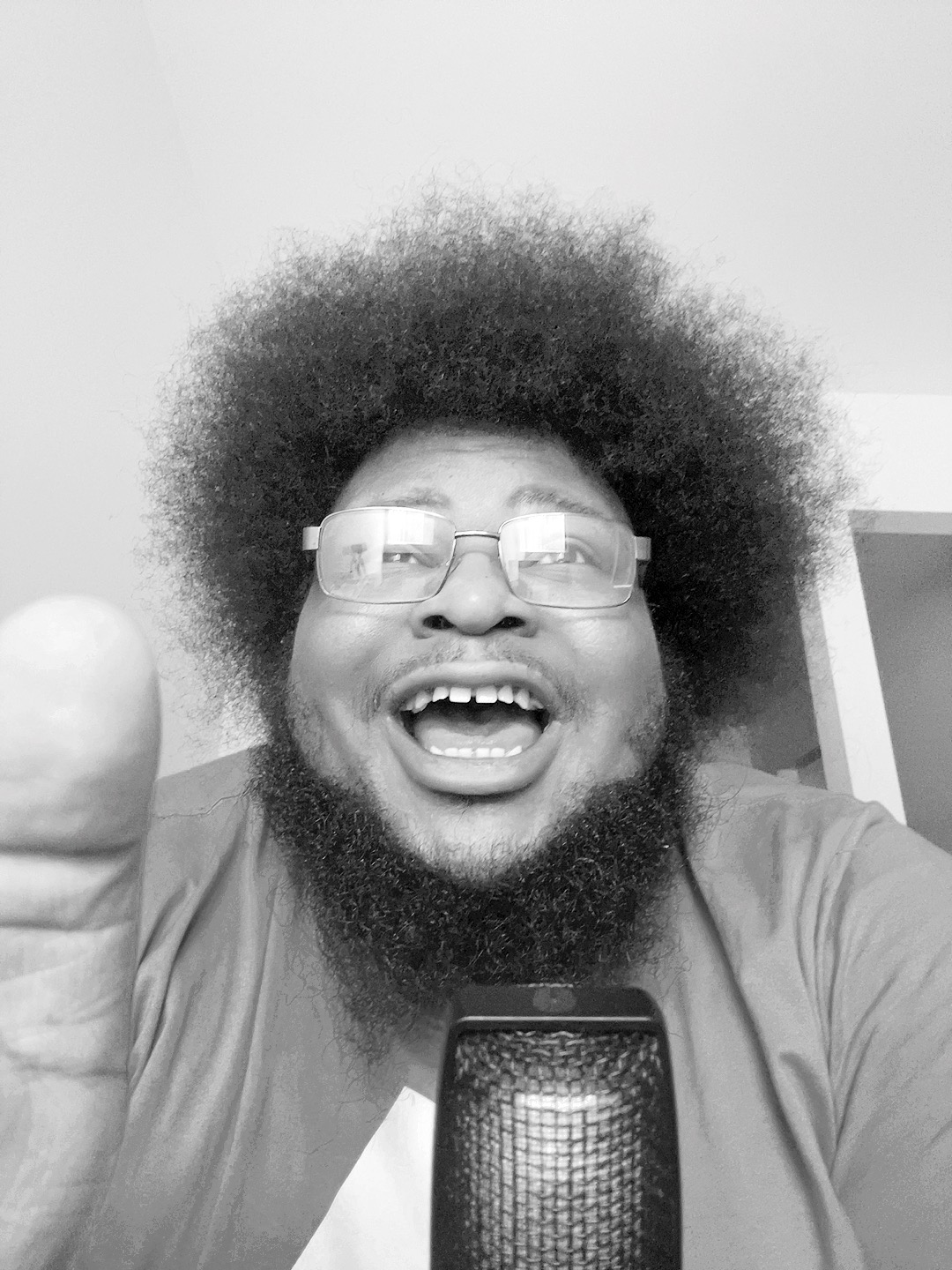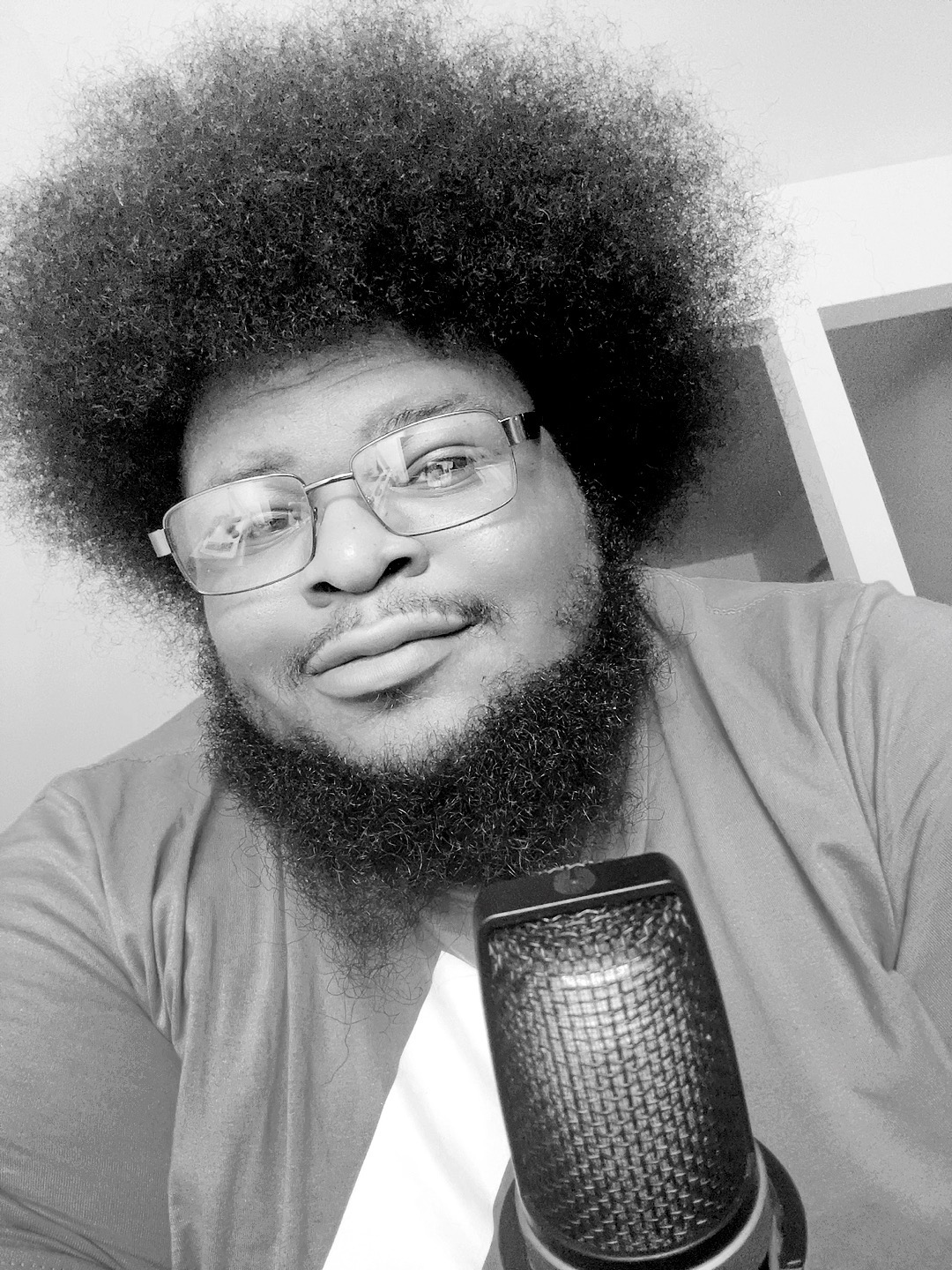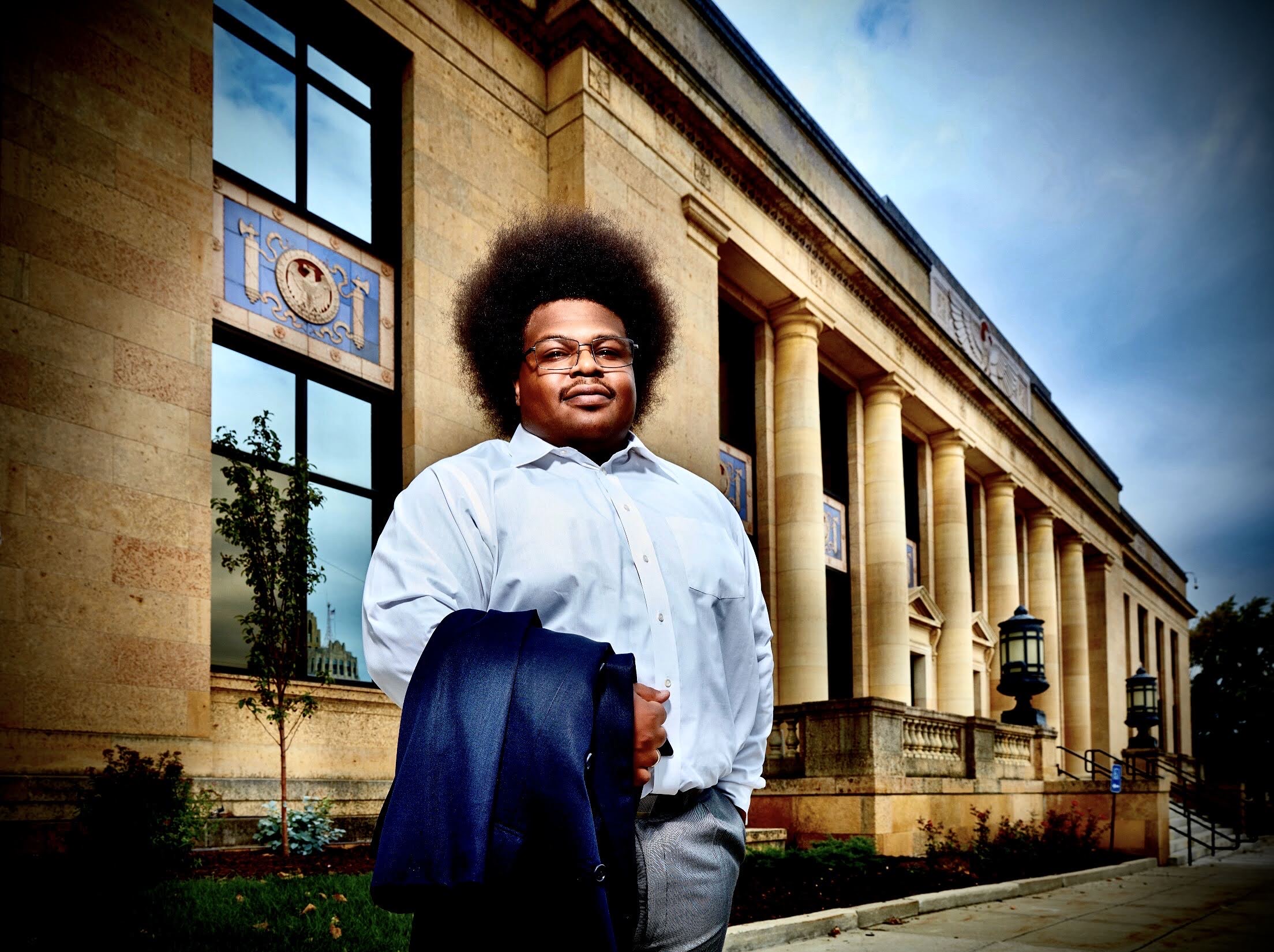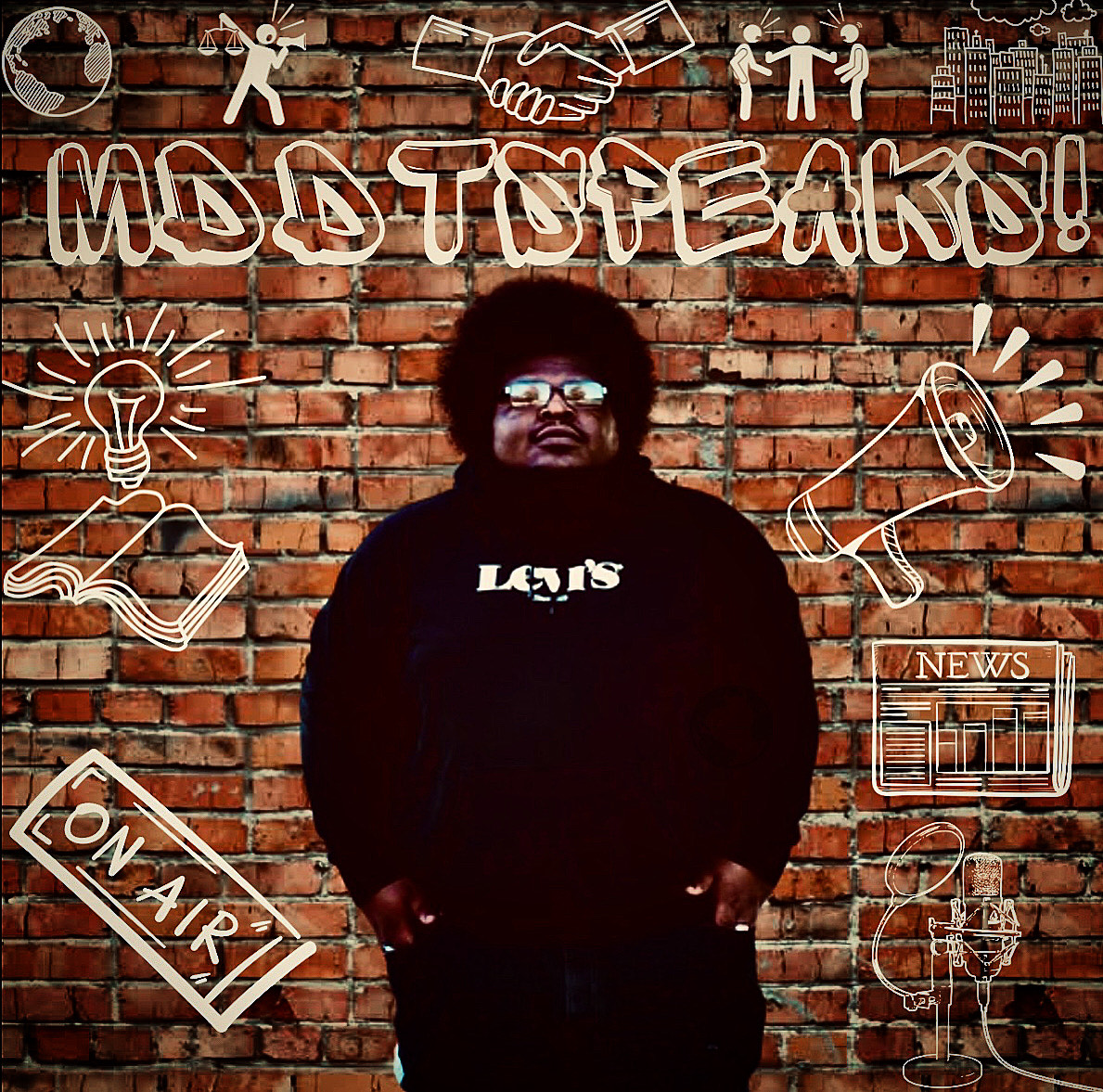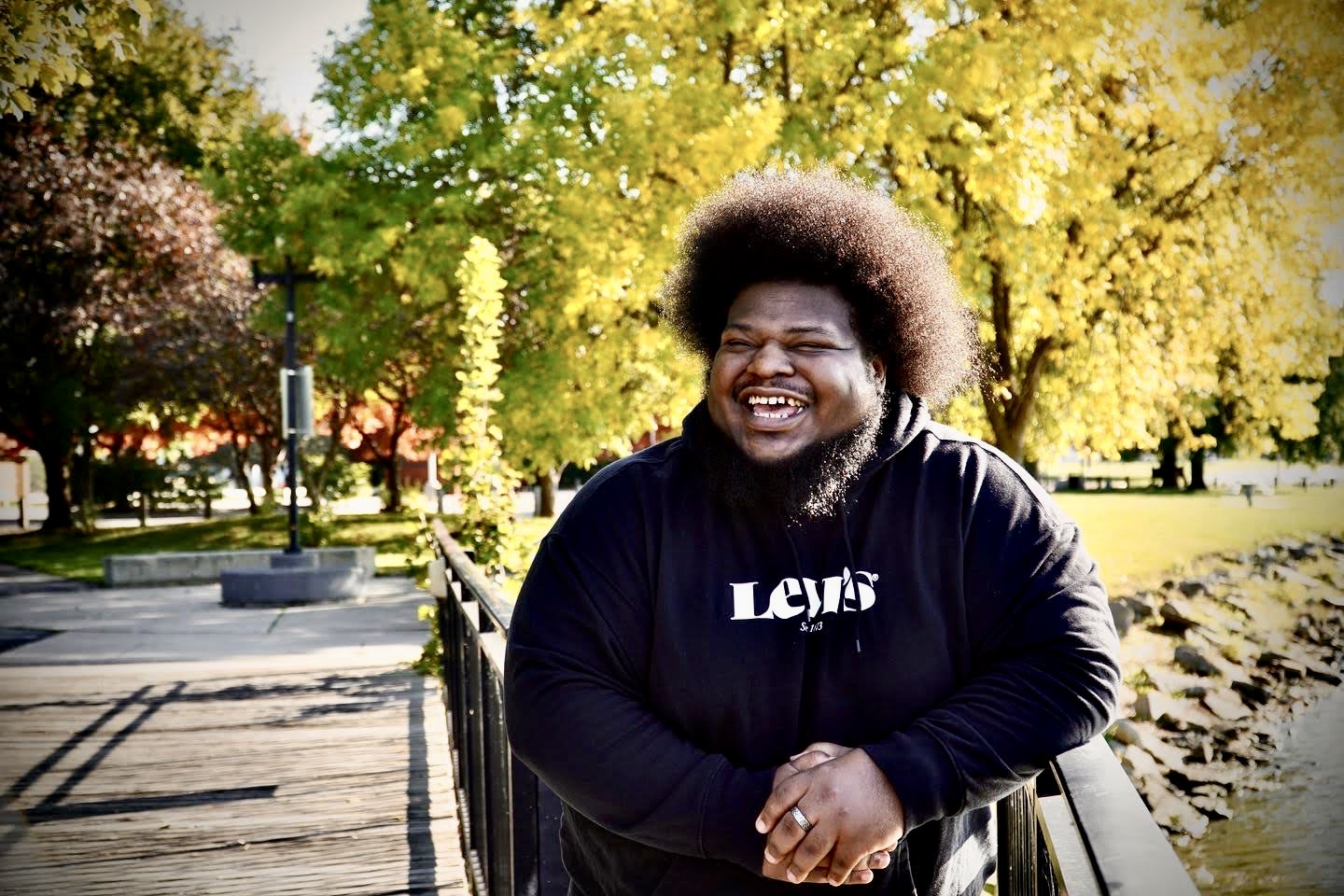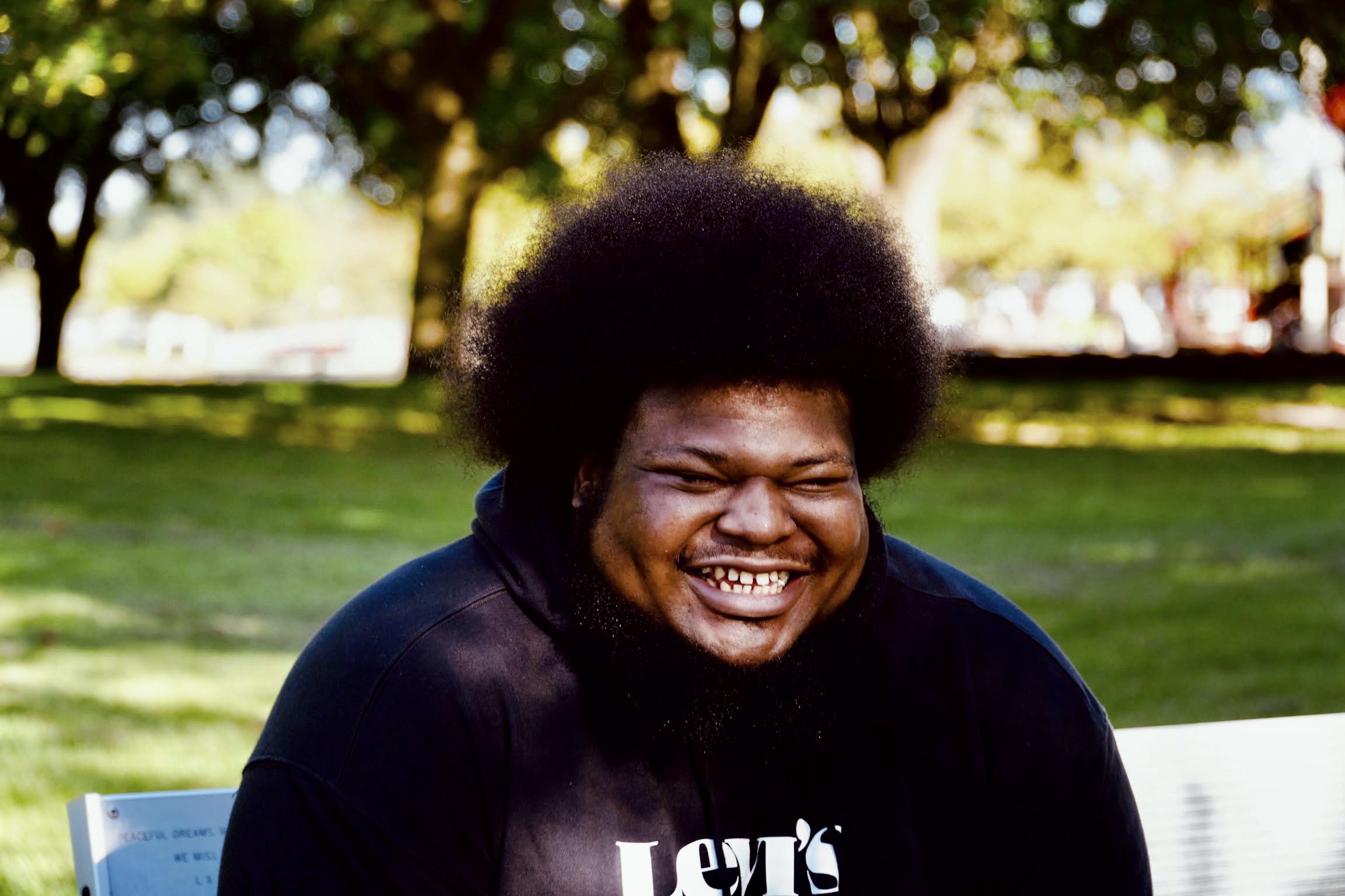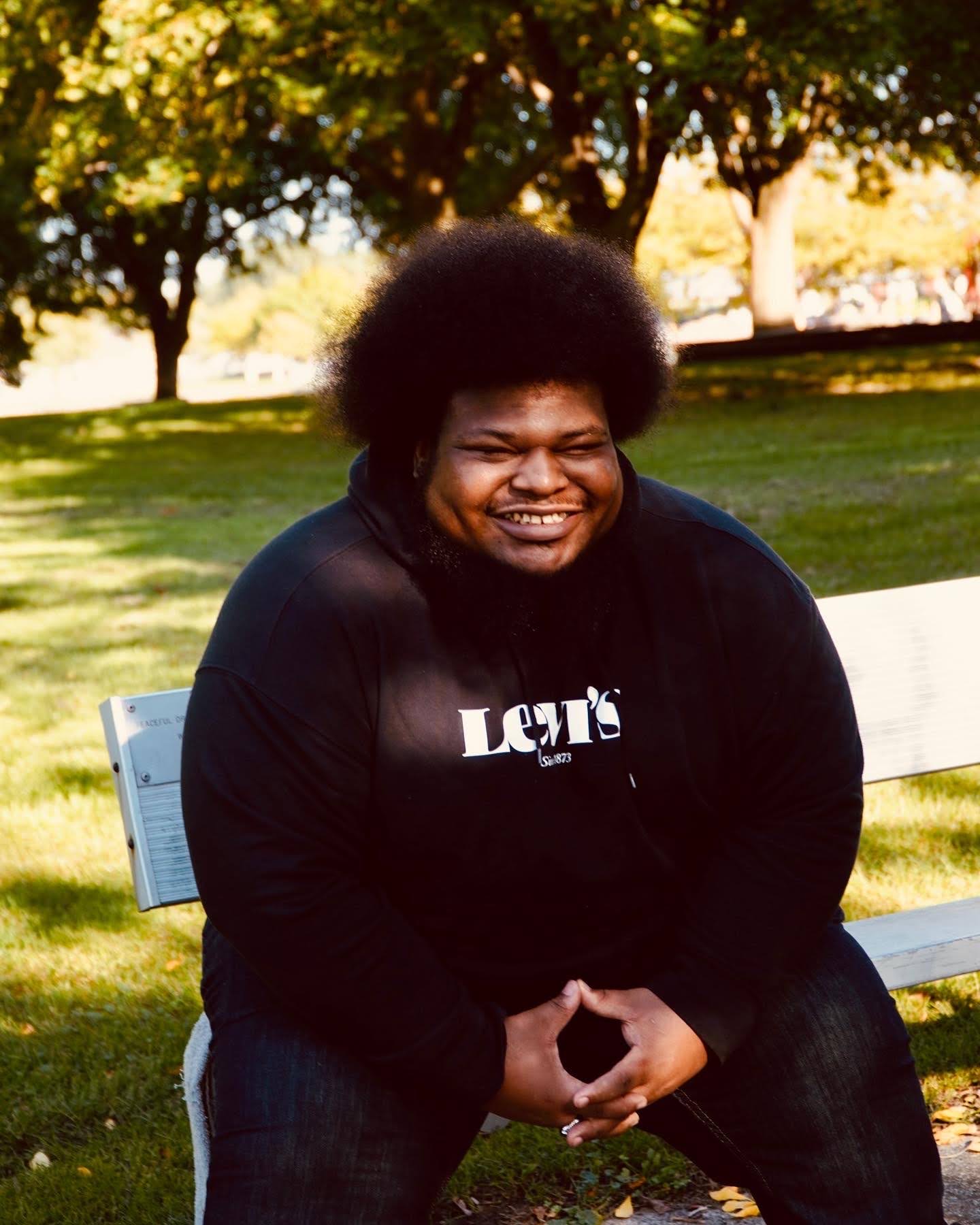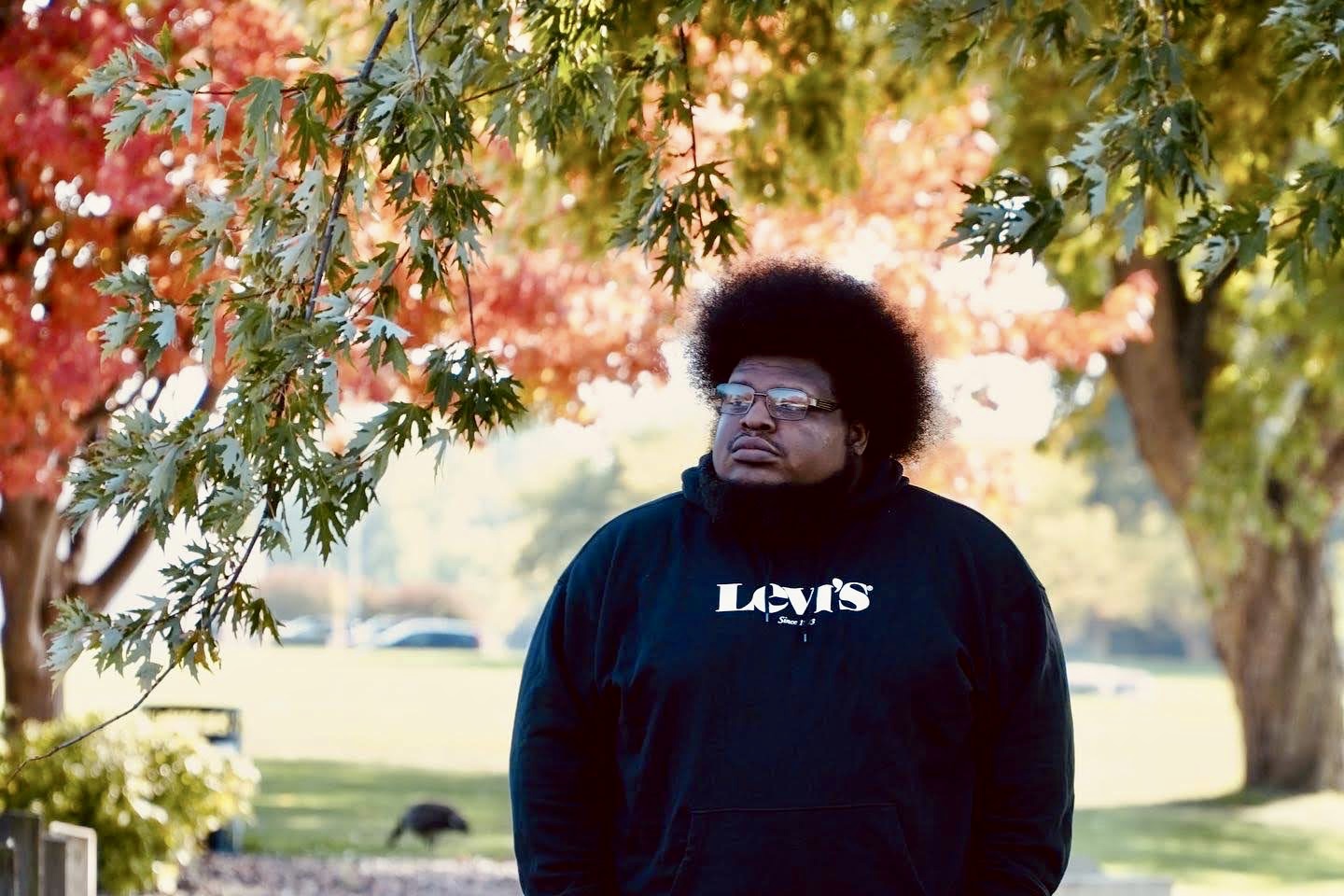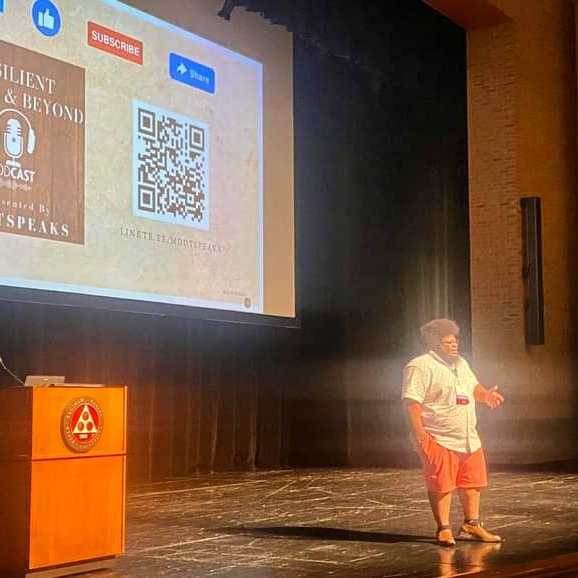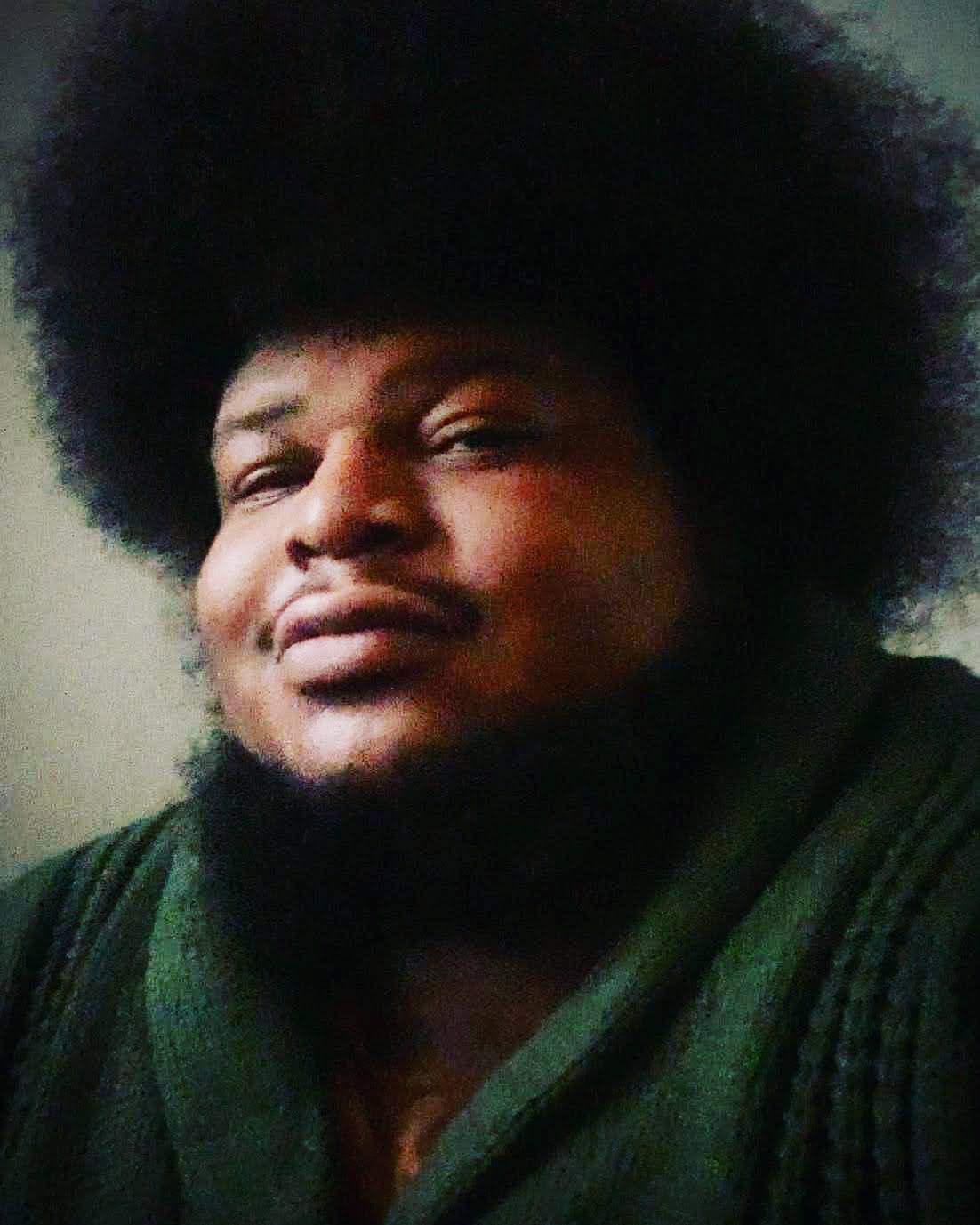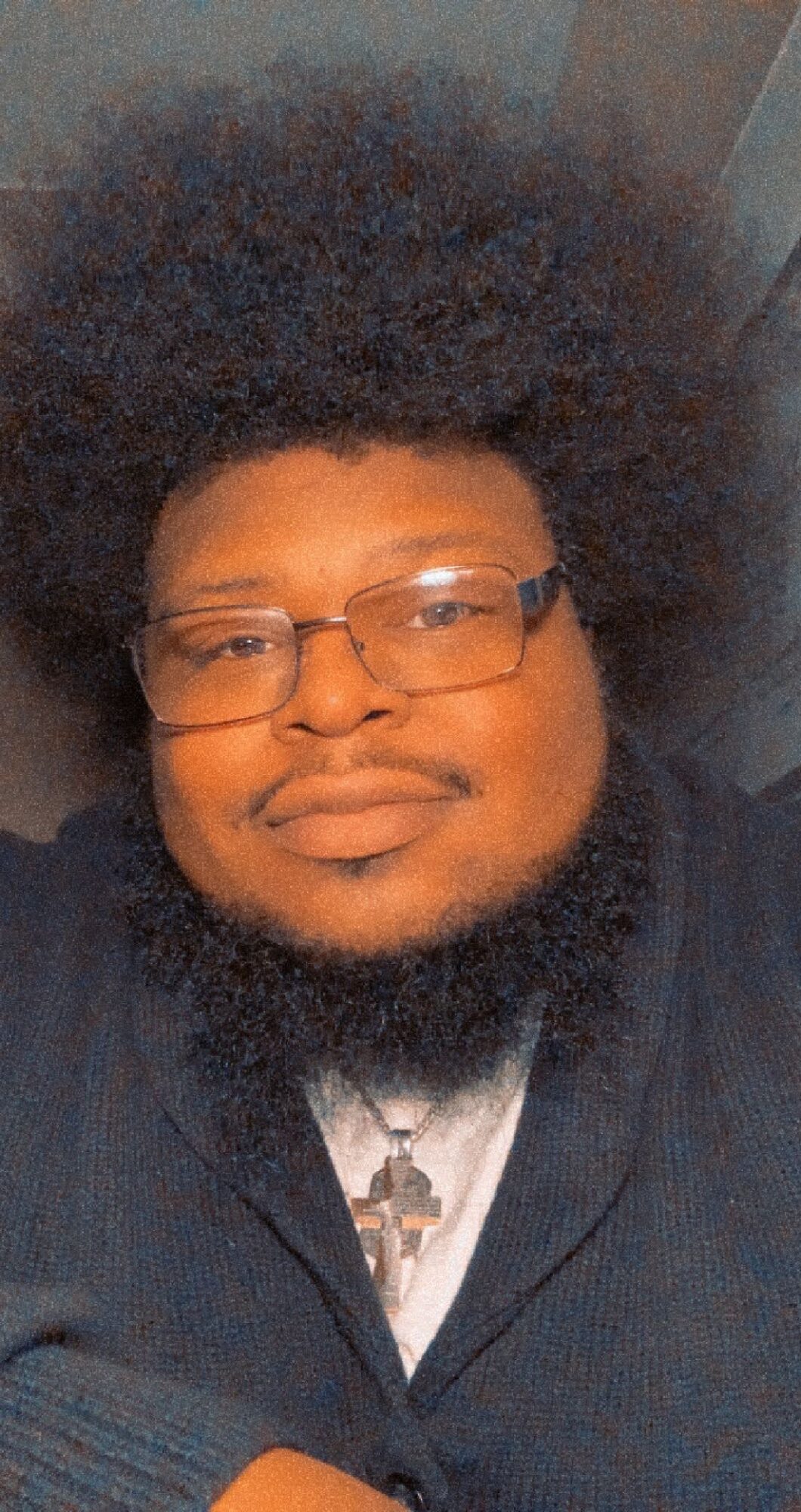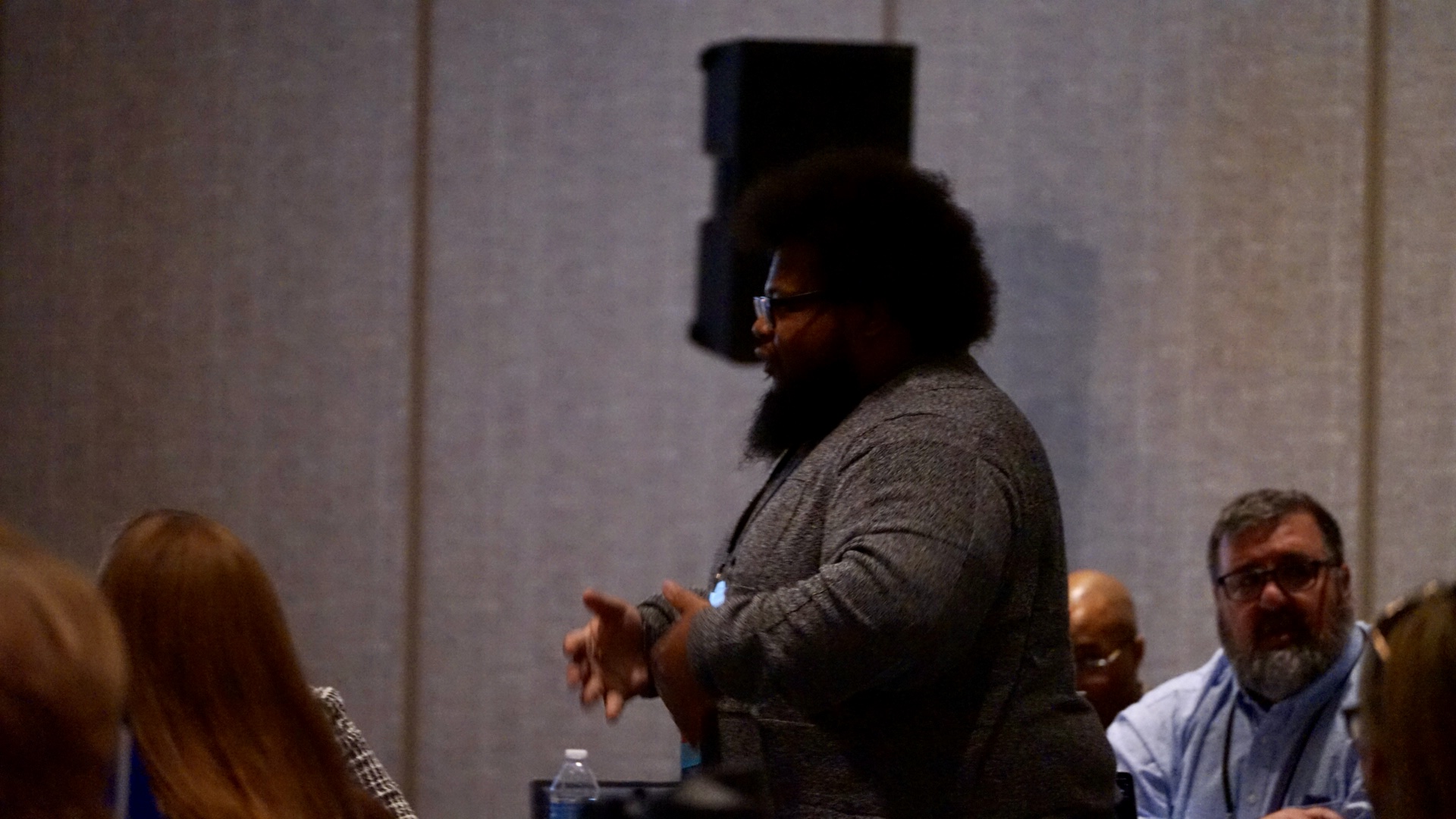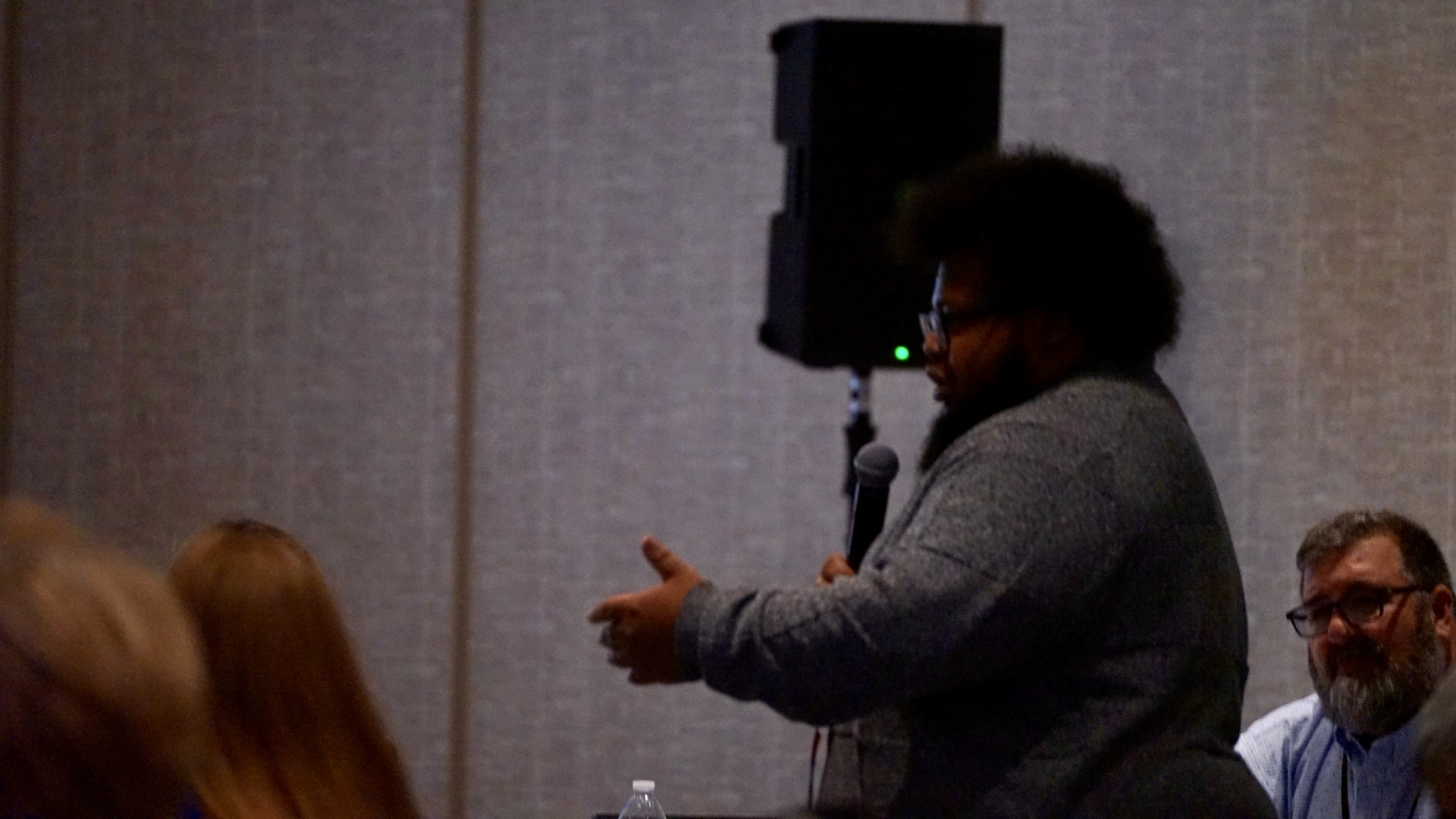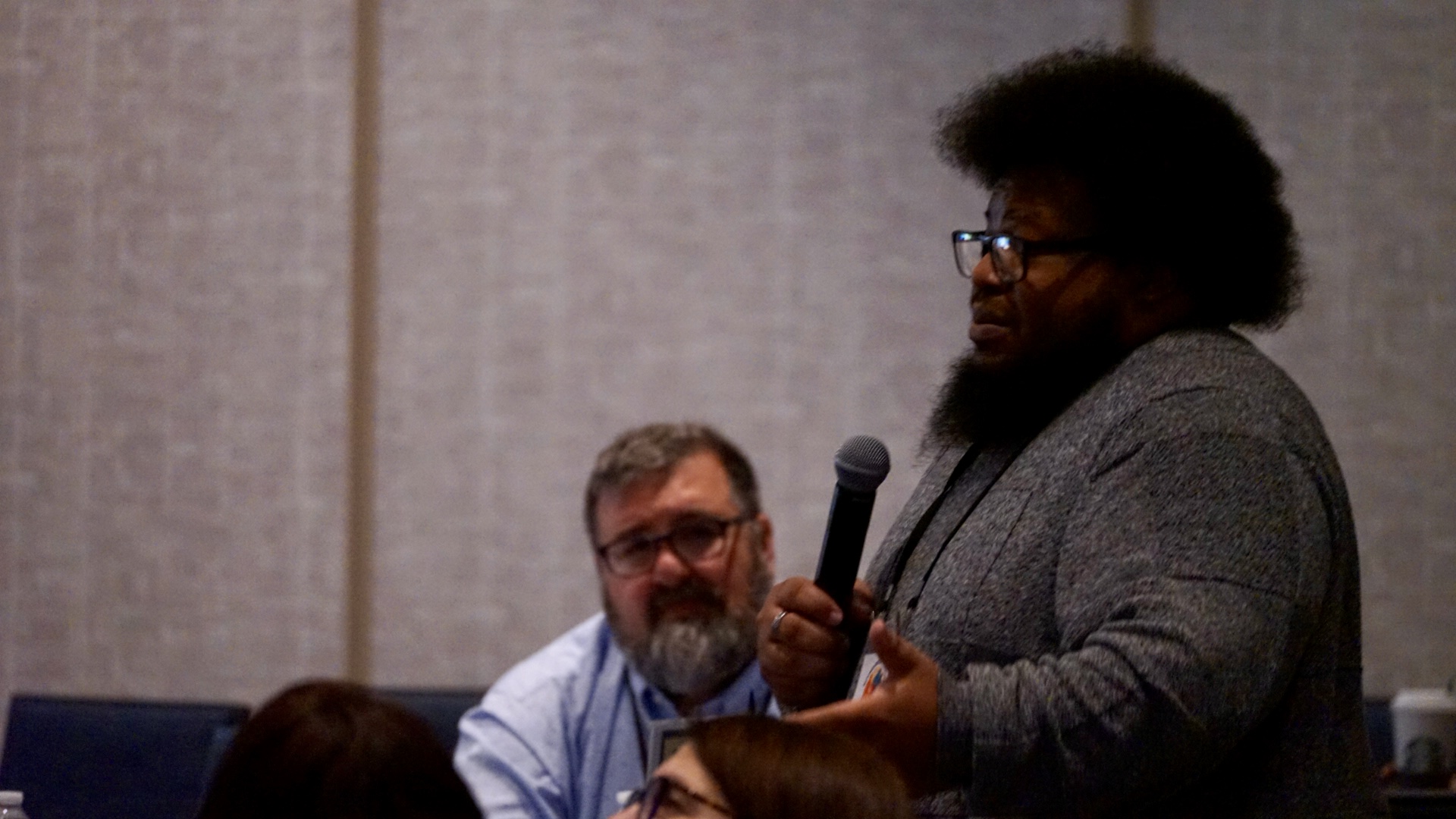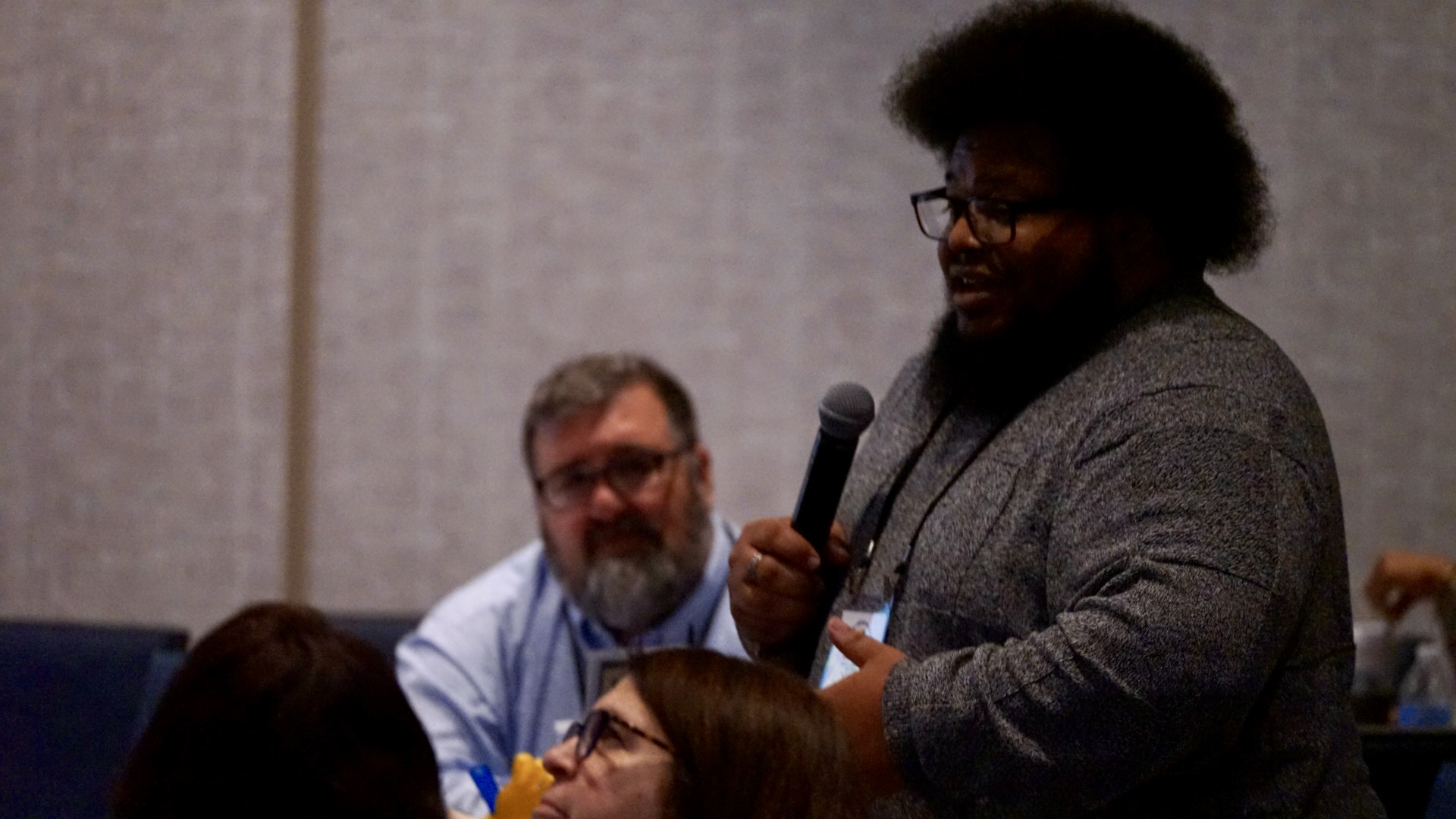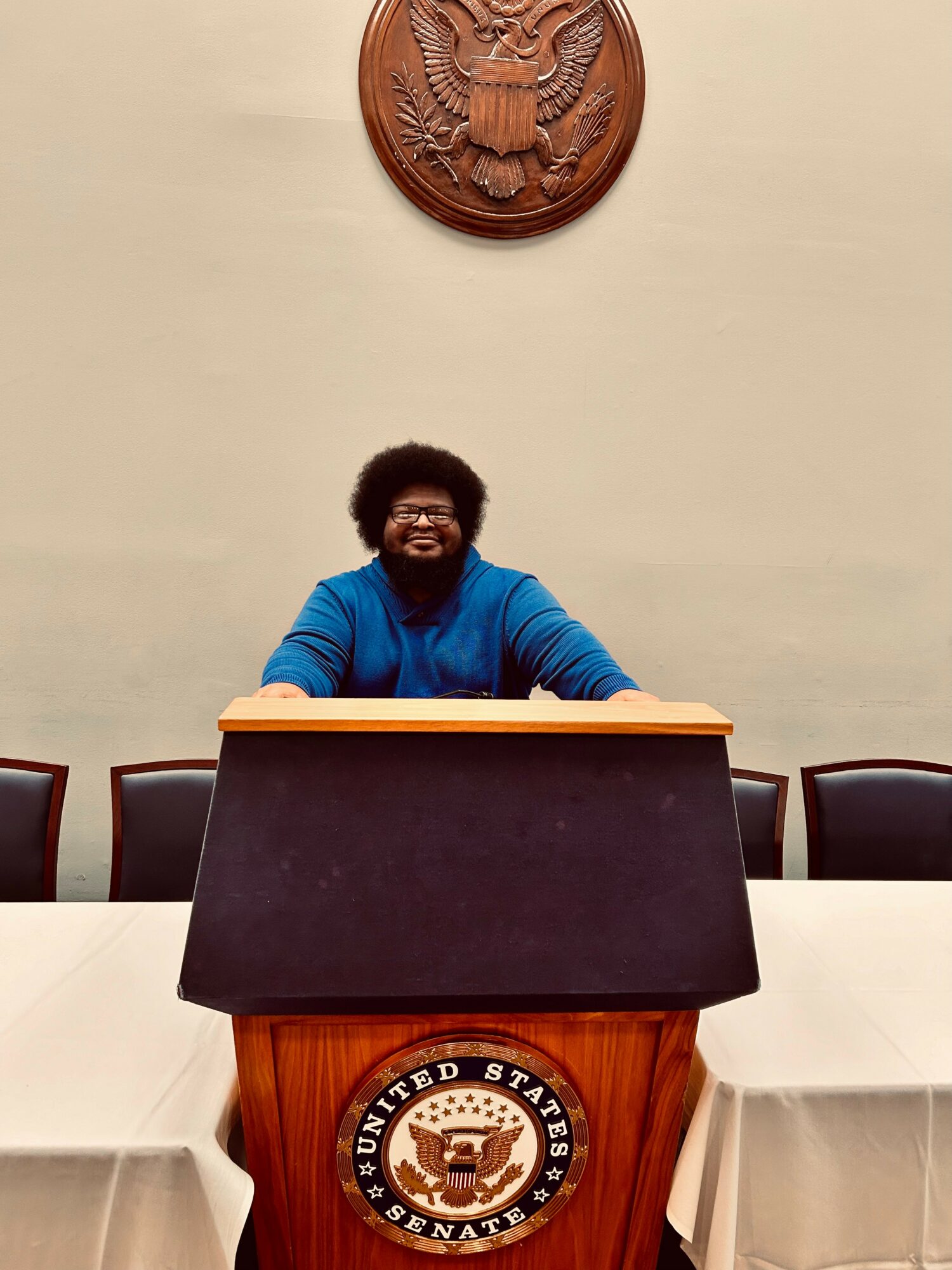




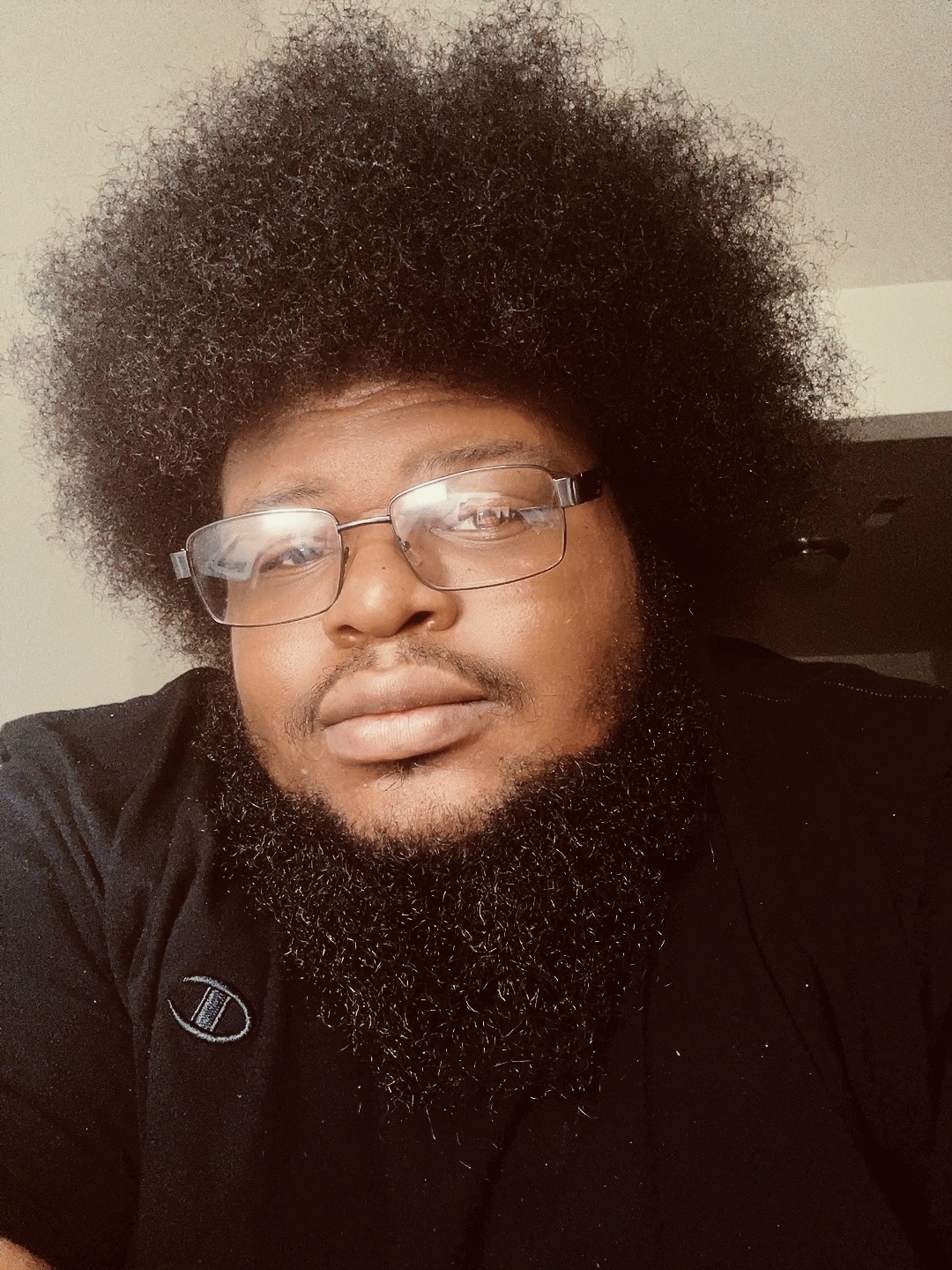
Michael Davis-Thomas shared their story and experiences with us recently and you can find our conversation below.
Good morning Michael, it’s such a great way to kick off the day – I think our readers will love hearing your stories, experiences and about how you think about life and work. Let’s jump right in? What do the first 90 minutes of your day look like?
The first ninety minutes of my day are sacred. I begin by giving honor to God and thanking Him for the gift of another day. Before I touch my phone or check an email, I spend intentional time reading and meditating on His Word. That quiet stillness helps me align my spirit before I face the world. Prayer follows—an honest conversation between me and God, where I not only speak but listen. I often pose questions to myself in that moment of reflection: What kind of man do I want to be today? How will I live up to that?
It’s important to me that my day both begins and ends in His presence. Everything I do flows from that connection. The truth is, I wouldn’t be here—doing what I do, standing where I stand—without His grace and mercy guiding me daily.
Can you briefly introduce yourself and share what makes you or your brand unique?
My name is Michael D. Davis-Thomas, and I wear many hats, but every one of them is rooted in service, purpose, and impact. I am the CEO and Founder of MDDTSpeaks Holdings, Incorporated, a multi-division entity dedicated to transforming systems, amplifying voices, and restoring hope. Through consulting, media, publishing, ministry, and advocacy, MDDTSpeaks serves as a vessel for change—bridging the gap between lived experience and leadership across child welfare, juvenile justice, education, and mental health systems.
What makes my work unique is that it’s not theoretical—it’s personal. I aged out of both the foster care and juvenile justice systems after surviving severe childhood abuse, homelessness, and countless barriers. Today, I stand as living proof that your beginning doesn’t have to define your becoming. My mission is to use every lesson, scar, and breakthrough as a blueprint for others to build their own resilience and faith.
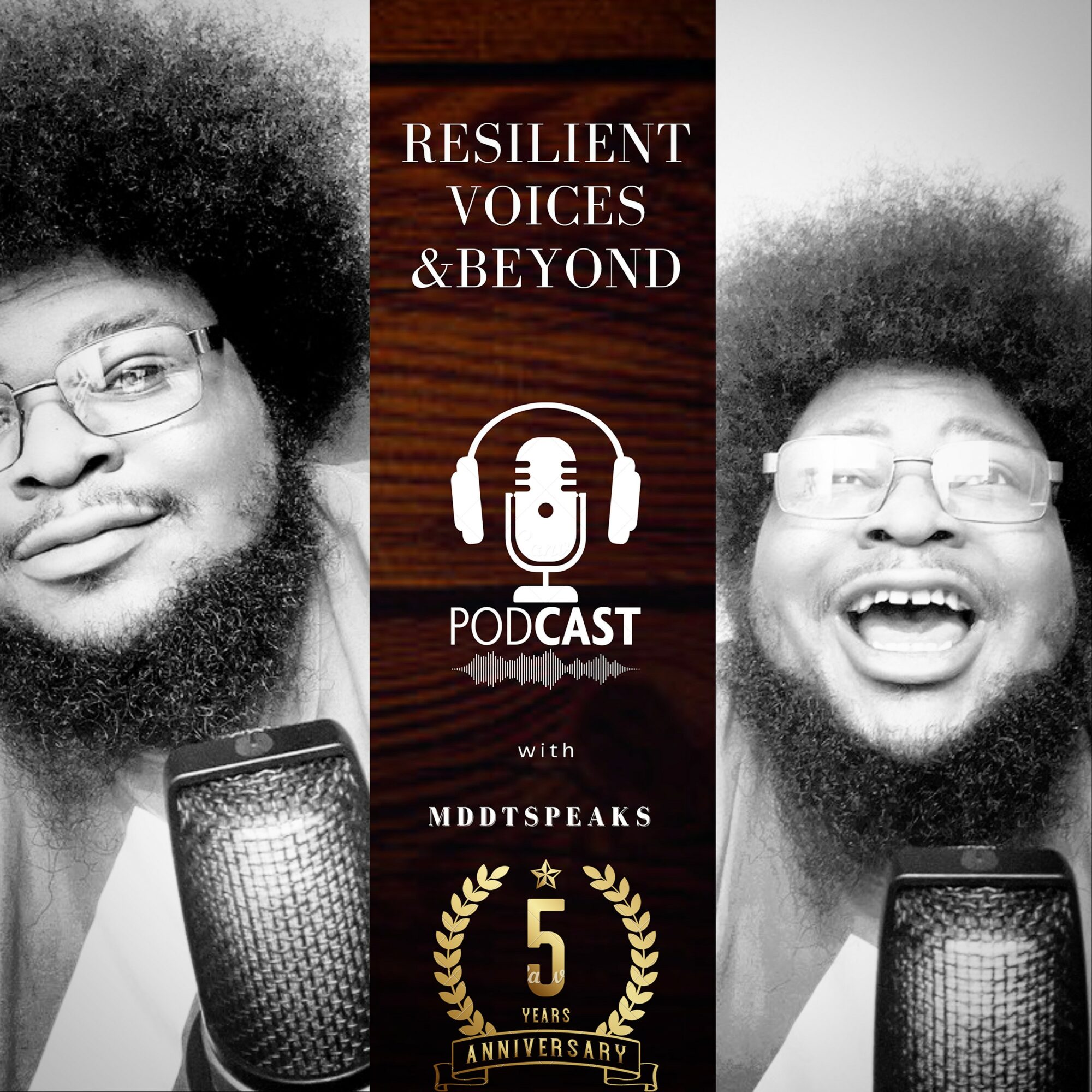
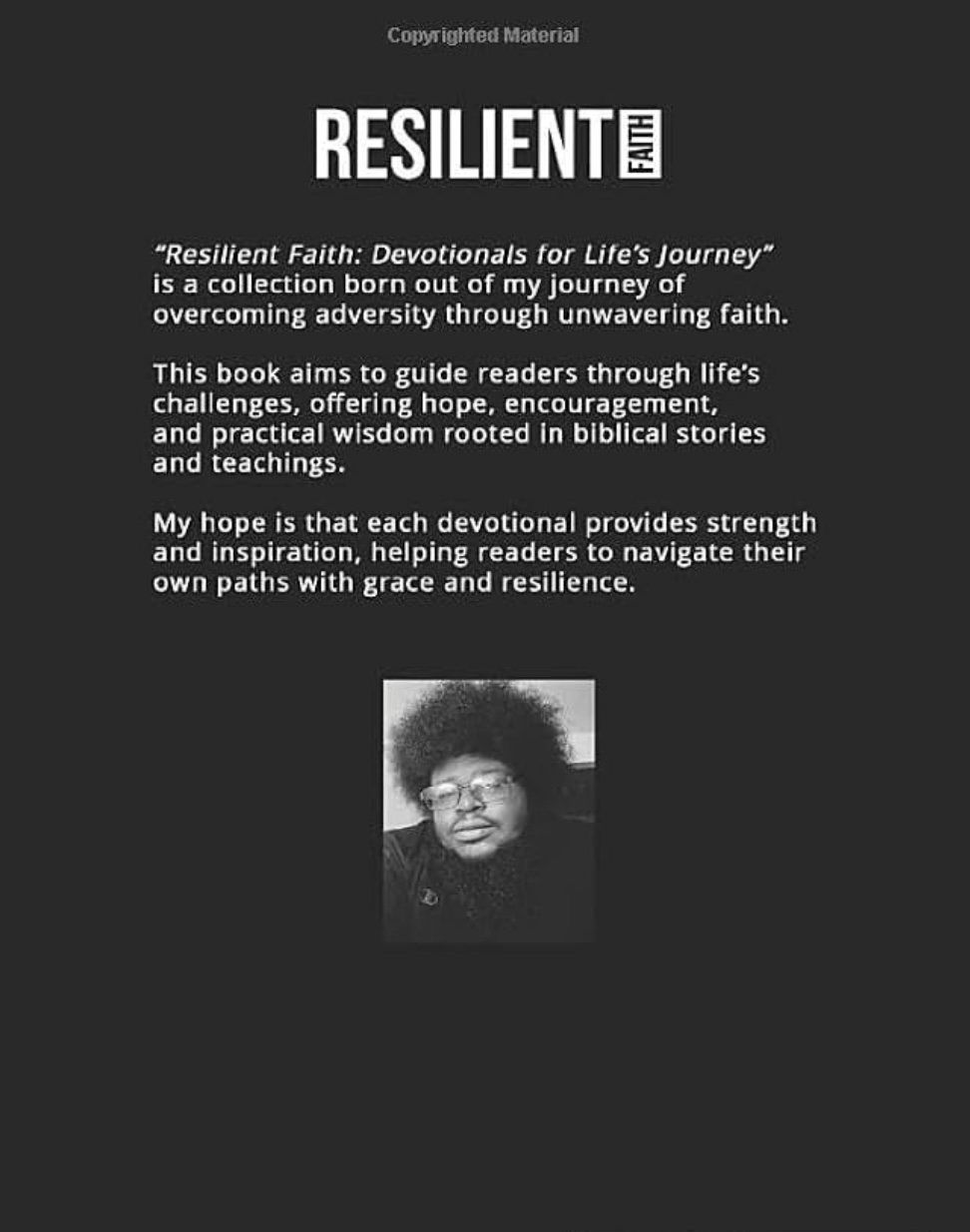
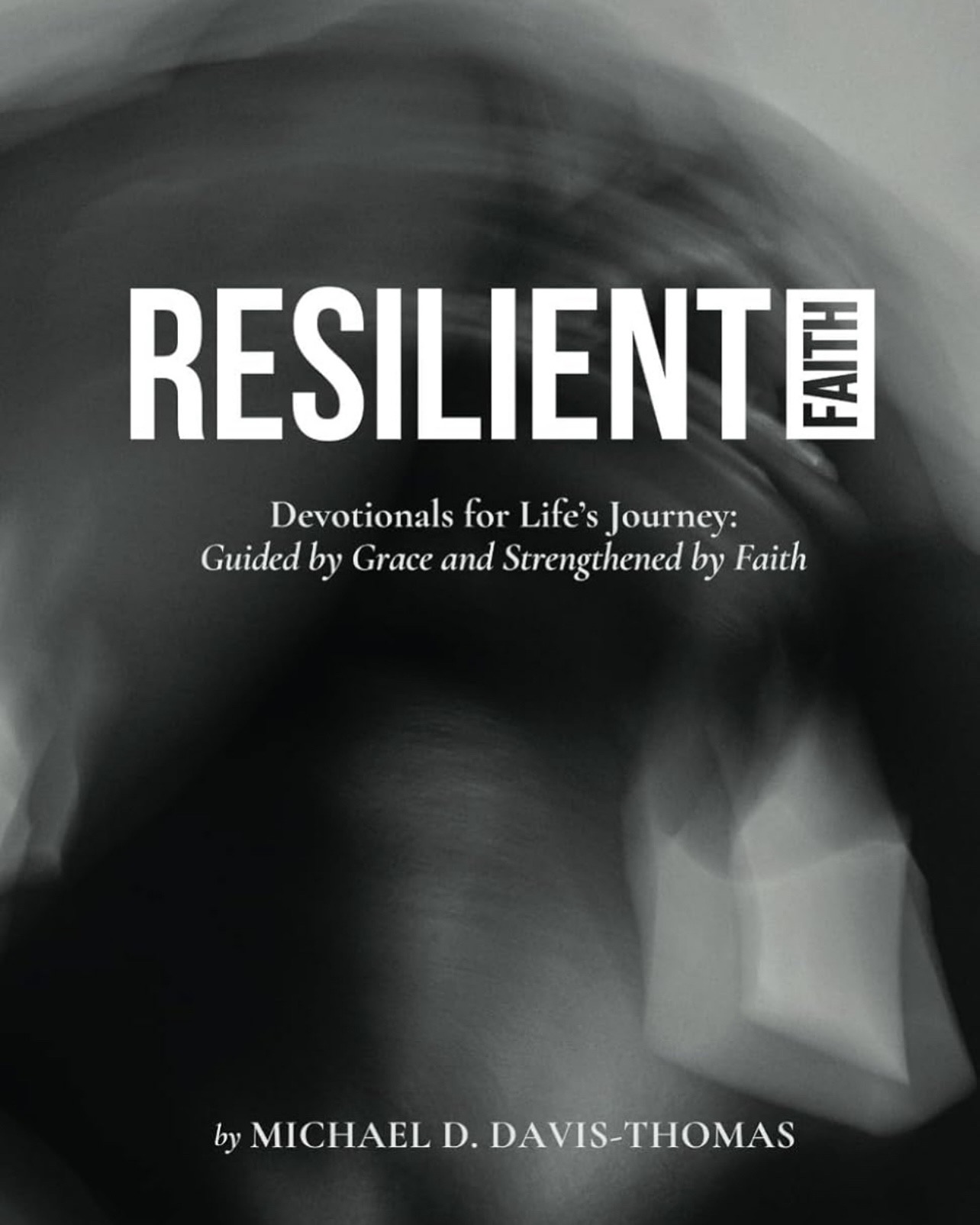
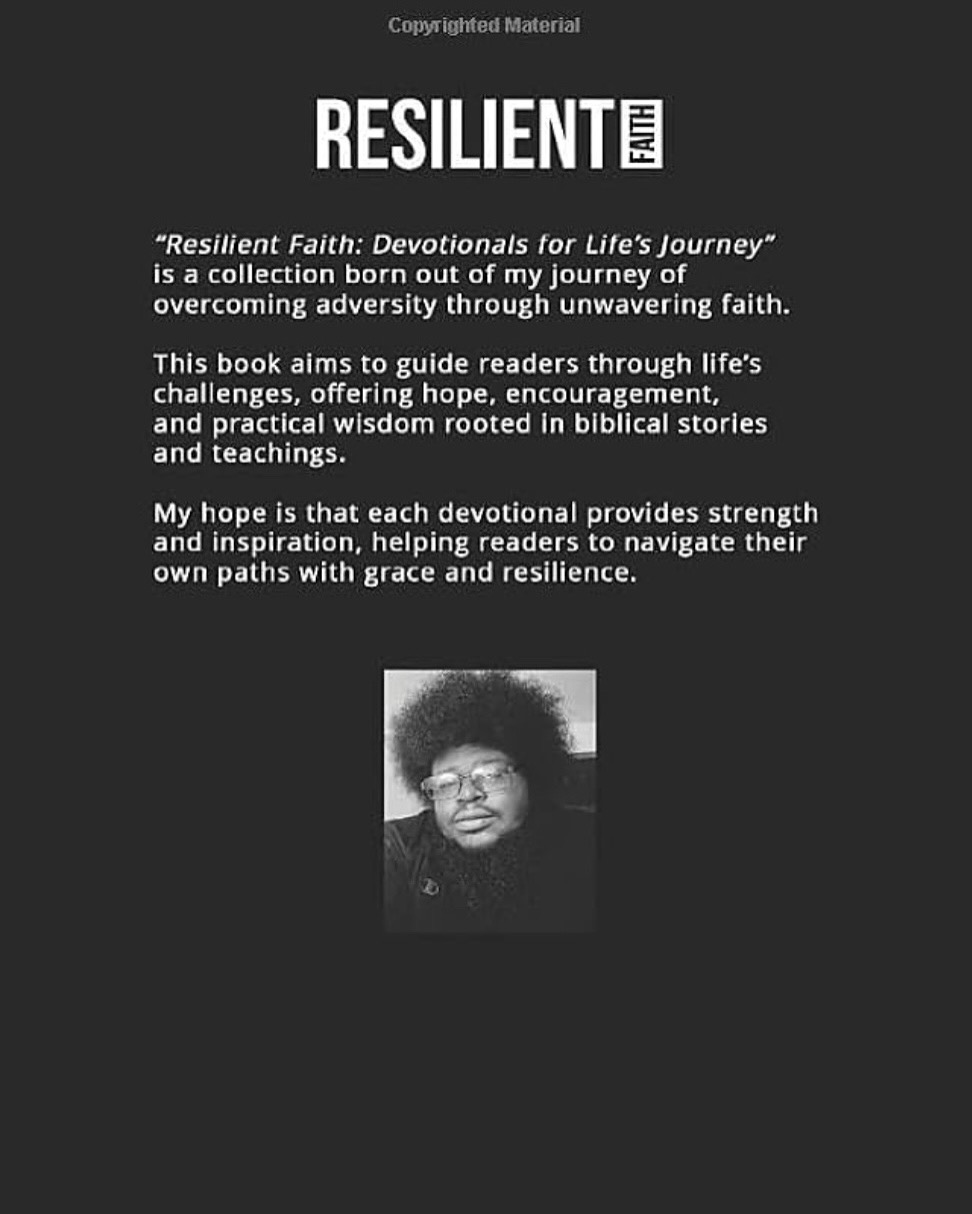
Beyond consulting and advocacy, I am also the author of “Resilient Faith: Devotionals for Life’s Journey” and the host of two national podcasts—Resilient Voices & Beyond and Resilient Faith—platforms that amplify untold stories and nurture healing conversations. Through MDDTSpeaks, I’m currently expanding initiatives focused on leadership development, policy reform, and scholarship opportunities for youth who have experienced systems of care.
At the core of everything I do is a simple truth: purpose was birthed from my pain, and now my platform exists to help others discover that theirs can be, too.
Amazing, so let’s take a moment to go back in time. What relationship most shaped how you see yourself?
The relationship that most shaped how I see myself wasn’t an easy one—it was my relationship with pain. For a long time, pain was my only consistent companion. I grew up in an environment marked by abuse, neglect, and instability. Love, as I knew it then, was conditional and often weaponized. But it was through that very brokenness that I came to understand the true meaning of healing, identity, and grace.
As I grew older, I began to see how that pain could either define me or refine me. It pushed me toward self-awareness, resilience, and ultimately, toward God. My relationship with Him transformed everything I thought I knew about worth and purpose. Through my faith, I learned that even the most painful relationships and experiences can become the soil where growth takes root.
So, when I think about what relationship shaped me most, it’s the one that began in adversity but evolved into divine alignment—a relationship that taught me that my scars aren’t signs of shame, but proof that I survived something meant to destroy me. Today, I see myself through the lens of grace, purpose, and redemption, and that’s how I choose to live, lead, and serve.
Was there ever a time you almost gave up?
There were definitely moments when I almost gave up. Times when survival felt like the only thing I knew how to do. I remember sitting in silence at the edge of my teenage years—homeless, system-involved, and convinced that the world had already decided who I would become. The odds were against me. There were nights I questioned whether life had any purpose left for me. But every time I reached the end of myself, grace reached further. I learned that even when you want to give up, God never does.
The defining wounds of my life came from childhood—abuse, abandonment, and the constant reminder that love wasn’t guaranteed. Those wounds shaped the way I saw myself for years: unworthy, replaceable, unseen. Healing, for me, wasn’t a single event. It was a long obedience in the same direction—through therapy, prayer, writing, and service. I found healing in helping others find their voice because it reminded me that mine still mattered. Every scar became a testimony, every tear a seed for something redemptive to grow.
Suffering taught me things that success never could. Success teaches you how to climb; suffering teaches you how to stand. It taught me humility, empathy, and the value of character over applause. It taught me that the real measure of strength isn’t in how loudly you speak, but in how faithfully you endure when no one’s watching. I learned that peace is not the absence of pain but the presence of purpose.
I stopped hiding my pain when I realized that silence wasn’t protecting me—it was imprisoning me. My breakthrough came when I started speaking publicly about my journey through foster care and juvenile justice. The first time I told my story, I saw hope flicker in the eyes of someone who thought they were alone. That’s when I knew my pain could serve a purpose. I no longer saw my past as something to escape, but as a platform to stand on.
The fear that held me back the most was the fear of being seen and misunderstood. When you’ve been rejected by people who were supposed to love you, you start to question whether your truth is too heavy for others to hold. I had to unlearn the instinct to shrink myself to make others comfortable. I had to believe that transparency doesn’t make you weak—it makes you real.
When I was sad or scared as a child, I found refuge in words. I’d write to make sense of chaos and pray to feel seen by a God I couldn’t yet understand but somehow believed in. Music helped too—it carried emotions I didn’t have language for. Even as a kid, I knew there was something greater than my circumstances watching over me.
I remember meeting a woman named Whitney Johnson, who coordinated a youth leadership program I was part of. I’ll never forget the realness and raw honesty she brought to our conversations. She didn’t sugarcoat life—she listened deeply, heard my pain without judgment, and challenged me to choose a different path. No one had ever dared to be that honest with me, and no one had ever dared to listen with such intentional care. Her words and presence became a turning point in my life. She didn’t rescue me—she reminded me that I could choose to rescue myself.
If I could say one kind thing to my younger self, it would be: You are not what happened to you. You are what survived it. I’d tell him to hold on a little longer, because one day, he’ll build the life he once prayed for.
There’s something I miss that no one really knows about—silence without fear. Growing up, silence usually meant something bad was about to happen. Now, I’ve learned to reclaim silence as peace, not punishment.
Failure has also been one of my greatest teachers. After falling short more times than I can count, I stopped seeing failure as an ending and started seeing it as an invitation—to learn, to reimagine, to grow. I’ve changed my mind about many things over the years, but the most important one was this: success without healing isn’t victory.
I last changed my mind about something important when I realized that slowing down doesn’t mean you’re falling behind. For a long time, I equated rest with weakness. Now I know it’s a form of worship—acknowledging that the same God who gives you purpose also gives you permission to pause.
Every struggle, every scar, every setback has been both a teacher and a testimony. Resilience, to me, isn’t about never breaking—it’s about becoming whole again in new ways.
I think our readers would appreciate hearing more about your values and what you think matters in life and career, etc. So our next question is along those lines. What would your closest friends say really matters to you?
If you asked my closest friends what really matters to me, they’d probably say faith, truth, purpose, and people. They know I don’t measure success by accolades or appearances — I measure it by impact, by the lives touched, and by whether my actions align with the values I preach. I care deeply about integrity and the sacred responsibility of leadership. My life has taught me that who you are when no one’s watching is the truest reflection of your character.
The public version of me is very much the real me — just refined by experience. What people see on stages, in interviews, or in the boardroom is not a performance. It’s the product of pain turned into purpose. I carry the same faith, conviction, and humanity privately that I do publicly. The only difference is that behind closed doors, I’m often on my knees — praying for wisdom, strength, and the grace to keep serving well.
I’ve always admired those whose character outweighs their titles. People like Dr. Martin Luther King Jr., Maya Angelou, and countless unsung heroes who led not for power, but for principle. They remind me that humility and courage are not opposites — they coexist in those who serve something greater than themselves.
One truth I hold that few may agree with is that real reform begins with repentance — personal and institutional. Systems cannot heal if the people within them refuse to confront their own complicity. I believe transformation requires both accountability and grace — not one without the other.
Where I think many smart people get it wrong today is in mistaking visibility for value. In every industry — advocacy, consulting, media — people chase platforms before purpose. But influence without integrity collapses on itself. We need fewer people trying to “go viral” and more people willing to go vulnerable. The world changes when authenticity leads the conversation.
In the systems I work within, one of the biggest lies we tell ourselves is that policy alone will fix what is broken. Policy matters, but it cannot replace proximity. Change doesn’t happen until the people most affected by a problem are leading the solutions. Until lived experience is valued as expertise, systems will continue to fail the very people they were designed to serve.
The belief I am committed to — no matter how long it takes — is that we can build a world where resilience is not born from suffering but nurtured through support. Every project I touch, from MDDTSpeaks to my podcasts and ministry, is guided by that conviction. I know it won’t happen overnight, but legacy isn’t measured in speed — it’s measured in impact that outlives you.
I’ve learned to distinguish between fads and real foundational shifts by observing who benefits and who endures. Fads create noise; foundations create fruit. Real change sustains itself long after the applause fades.
A belief I once held tightly but now see differently is that strength meant never showing weakness. I used to think vulnerability was a liability. Now I know it’s one of the purest forms of power — because honesty with yourself is what keeps your soul anchored when the world tries to pull you apart.
I believe that some truths cannot yet be proven — like the reality that grace can find anyone, anywhere. I’ve seen people everyone else counted out rise into purpose through faith and mentorship. You can’t chart that kind of redemption on a graph, but I’ve lived it.
The foundational truths I rarely articulate are simple but sacred: God is real. Purpose is necessary. Healing is possible. And love — when it’s genuine — can transform anything it touches. These truths form the spine of my life, even when I’m not speaking them out loud.
The ideas I rely on most that aren’t my own come from Scripture, from elders who have walked longer roads, and from young people who remind me that hope still breathes. Wisdom, I’ve learned, is circular — it flows both upward and downward.
The cultural value I protect at all costs is authenticity. In a world obsessed with optics, I guard realness like it’s sacred — because it is. You can’t heal what you fake. You can’t lead what you don’t live. So, I choose to stay rooted in truth, even when it’s uncomfortable. I’ve built my life and my work on that principle, and it’s the one I’ll never compromise.
Before we go, we’d love to hear your thoughts on some longer-run, legacy type questions. If you knew you had 10 years left, what would you stop doing immediately?
If I knew I had only ten years left, I’d immediately stop overextending myself in spaces that no longer align with purpose. I would stop trying to explain my calling to people who were never meant to understand it. Time has a way of revealing what’s truly sacred, and I’ve learned that peace often begins where people-pleasing ends. I’d give my full attention to the things that feed eternity—faith, family, service, and the next generation.
What people will likely misunderstand about my legacy is that it isn’t built on recognition or resilience alone—it’s built on surrender. From the outside, people see strength, but what they don’t always see are the nights I spent wrestling with God, the quiet tears after public victories, or the moments I questioned whether I was enough to carry what I’d been called to do. My story is not about how strong I’ve been, but about how faithful God has been.
The story I hope people tell when I’m gone isn’t that I survived—it’s that I served. That I showed up even when it hurt, that I gave voice to the voiceless, and that I left spaces better than I found them. I want people to say that I didn’t just speak about resilience—I embodied it. That I didn’t just build programs—I built people. That I didn’t just talk about faith—I lived it in real time, through real storms.
If immortality were real, I would build systems that outlast suffering. I’d create an ecosystem of support for youth impacted by foster care and juvenile justice that removes survival from the equation. I’d build global healing centers where lived experience becomes leadership training. But in many ways, that’s what I’m already doing—laying foundations that I may never see fully bloom.
A lot of what I do today won’t pay off for seven to ten years. The mentoring, the advocacy, the policy work—it’s seed work. It’s faith in action. I’ve learned to invest in people, not platforms, because people are the only legacy that can multiply themselves. Every conversation, every speech, every reform effort is a deposit into a future I might never touch but others will live in.
If I retired tomorrow, what people would miss most wouldn’t be my title—it would be my presence. My willingness to listen deeply, to hold space for others’ stories, and to speak truth even when it’s uncomfortable. My work isn’t about transactions; it’s about transformation. That’s what people feel when they encounter it.
I’ve had to bet the company—figuratively and literally—more than once. There were moments when walking by faith didn’t just sound poetic; it was all I had. When funding ran thin or systems pushed back, I chose to believe in vision over visibility. Those decisions weren’t easy, but every leap built something that standing still never could.
What I’d regret most is not resting enough to enjoy the life I’ve prayed for. I’ve spent so much time building for others that I sometimes forget to breathe for myself. I’m learning that sustainability is not selfish—it’s stewardship.
What I understand deeply that most people don’t is that healing is holy work. It’s not soft—it’s sacred. We live in a culture that celebrates productivity over wholeness, but real transformation begins when you stop performing and start confronting the pain beneath the success.
I know I’m out of my depth when I start operating on autopilot—when I’m busy but not effective, loud but not listening. That’s when I return to the posture that has always centered me: prayer. The stillness of conversation with God has always been my compass.
I feel most at peace when I’m serving quietly—mentoring a young person, writing late at night, or sitting under an open sky with nothing but gratitude and a notebook. That’s where I remember who I am outside of the noise.
Yes, I’ve been tap dancing to work before—especially when I started Resilient Voices & Beyond. That podcast wasn’t just a platform; it was a promise fulfilled. The excitement of creating something that would outlive my own voice reminded me why I started this journey.
There have been times I got what I thought I wanted and realized it didn’t satisfy me. I’ve stood in rooms I once dreamed of and felt empty, because success without spiritual grounding is hollow. That’s when I learned that fulfillment doesn’t come from elevation—it comes from alignment.
The pain I’ve resisted facing directly is the exhaustion of always being the strong one. The expectation that because I overcame, I must always be okay. Healing has required me to admit that even healers need help, even leaders need rest, and even the resilient need refuge.
If I laid down my name, my titles, my possessions—what would remain is my faith, my integrity, and my heart for people. That’s the core of who I am. The false labels I’ve carried—“too much,” “too different,” “too driven”—no longer define me. I’ve learned that what others call “too much” is often exactly what God called “just right.”
The light I’ve dimmed at times is my joy. In leadership, it’s easy to let responsibility overshadow wonder. I’m reclaiming that light daily by celebrating small victories and remembering that joy is not a reward—it’s resistance.
I believe I’m doing what I was born to do, not what I was told to do. Everything I’ve lived through prepared me for this purpose. The pain was not random—it was rehearsal for responsibility.
And yes, I can give everything my best even if no one ever praises me for it. Because I don’t do it for applause—I do it for impact. I do it as an act of worship. My legacy isn’t about being remembered; it’s about ensuring others are restored.
Contact Info:
- Website: Coming soon
- Instagram: https://www.instagram.com/mddtspeaks?igsh=ZGhxajlpczVleGdu&utm_source=qr
- Linkedin: https://www.linkedin.com/in/michael-d-davis-thomas-bb1b7a18a?utm_source=share&utm_campaign=share_via&utm_content=profile&utm_medium=ios_app
- Twitter: https://x.com/mddtspeaks?s=21
- Facebook: https://www.facebook.com/share/14L1WaRYwV9/?mibextid=wwXIfr
- Youtube: https://youtube.com/@resilientvoicesandbeyond?si=5WEMeLuy8zfLlKPy
- Other: https://linktr.ee/MDDTSpeaks