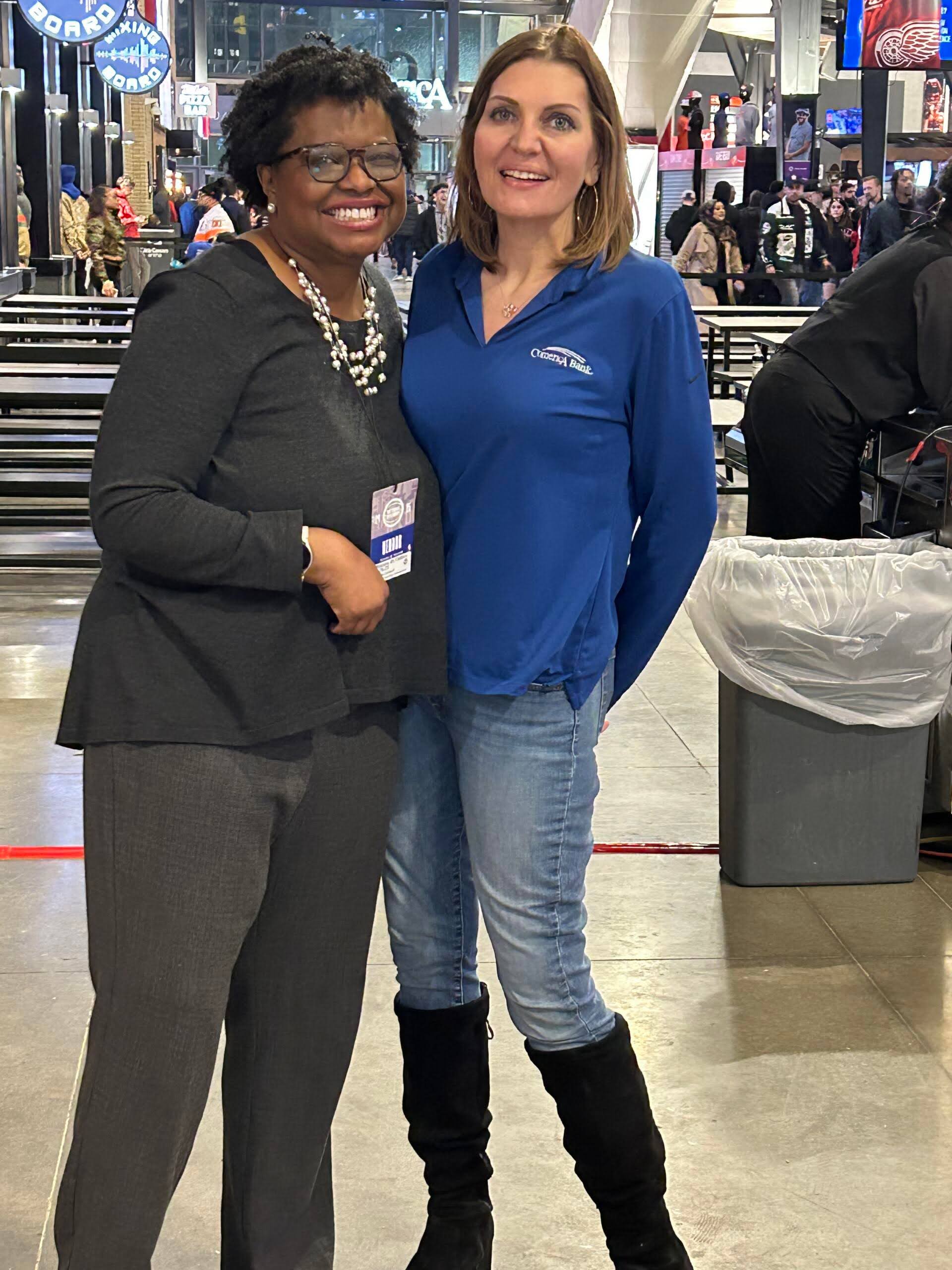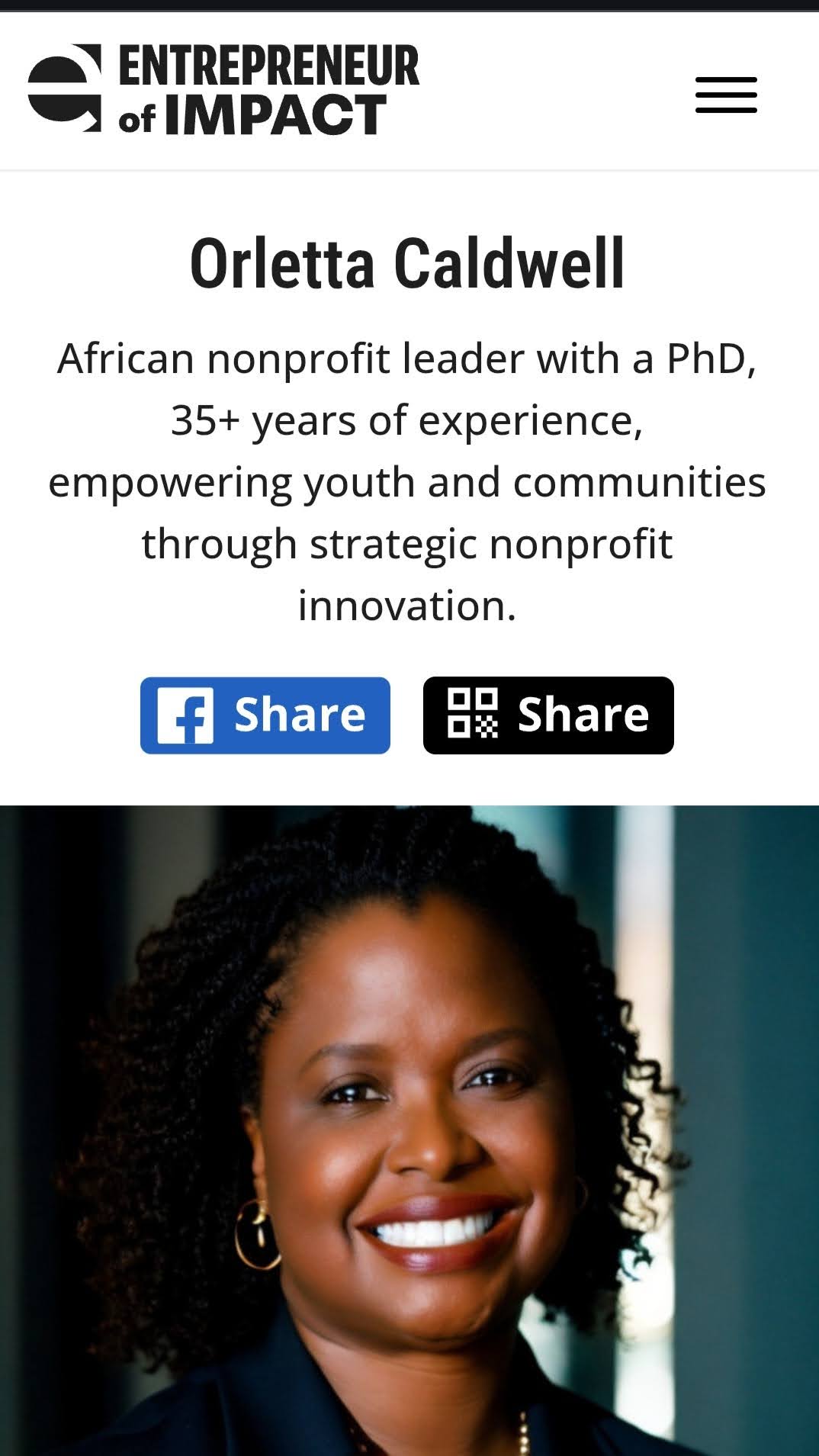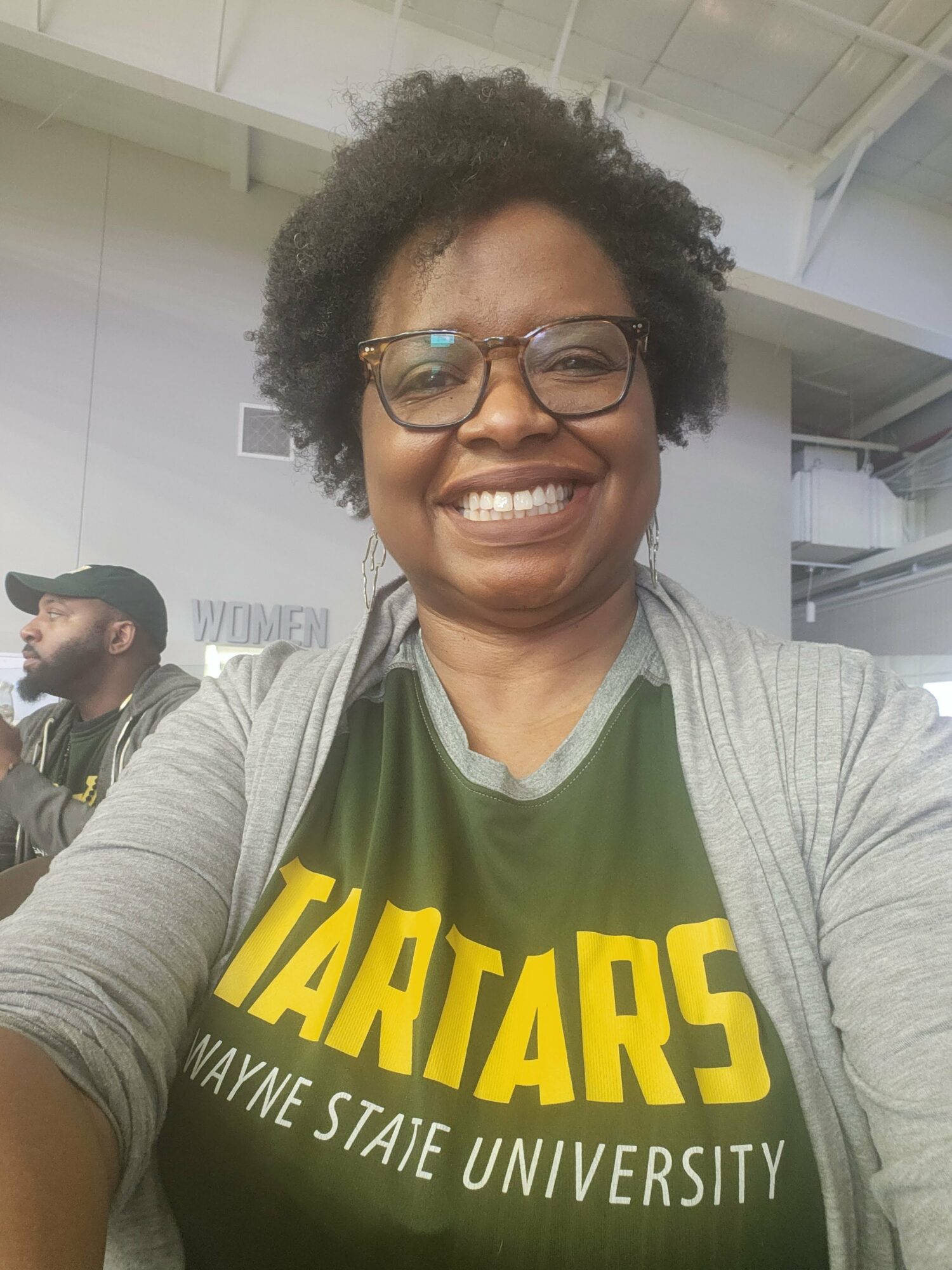





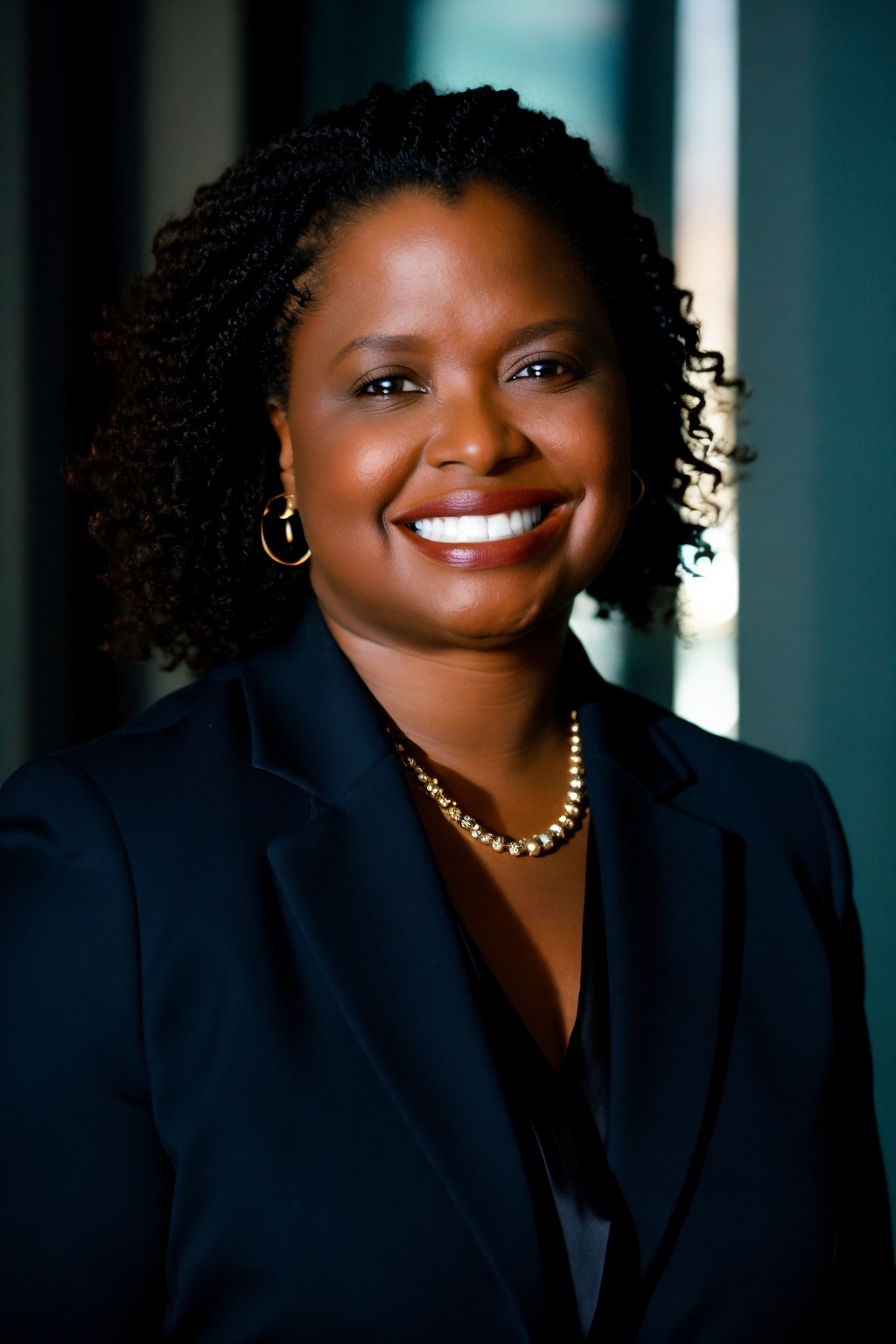
Dr. Orletta Caldwell shared their story and experiences with us recently and you can find our conversation below.
Orletta, a huge thanks to you for investing the time to share your wisdom with those who are seeking it. We think it’s so important for us to share stories with our neighbors, friends and community because knowledge multiples when we share with each other. Let’s jump in: Who are you learning from right now?
I am an Adjunct Faculty at 2 universities. It sounds trite, but I learn from my students. I teach non-traditional students who may not have been in school for years or even decades. Their stories, challenges, and victories help enhance the curriculum and take theory to real-time implementation. For example, I was teaching about Public Benefit Corporations. One student excitedly told me that she worked for one. I adjusted the assignment so she could write about her organization, which increased her pride in her job. I learn from them so I can make sure what I teach is relevant and current.
Can you briefly introduce yourself and share what makes you or your brand unique?
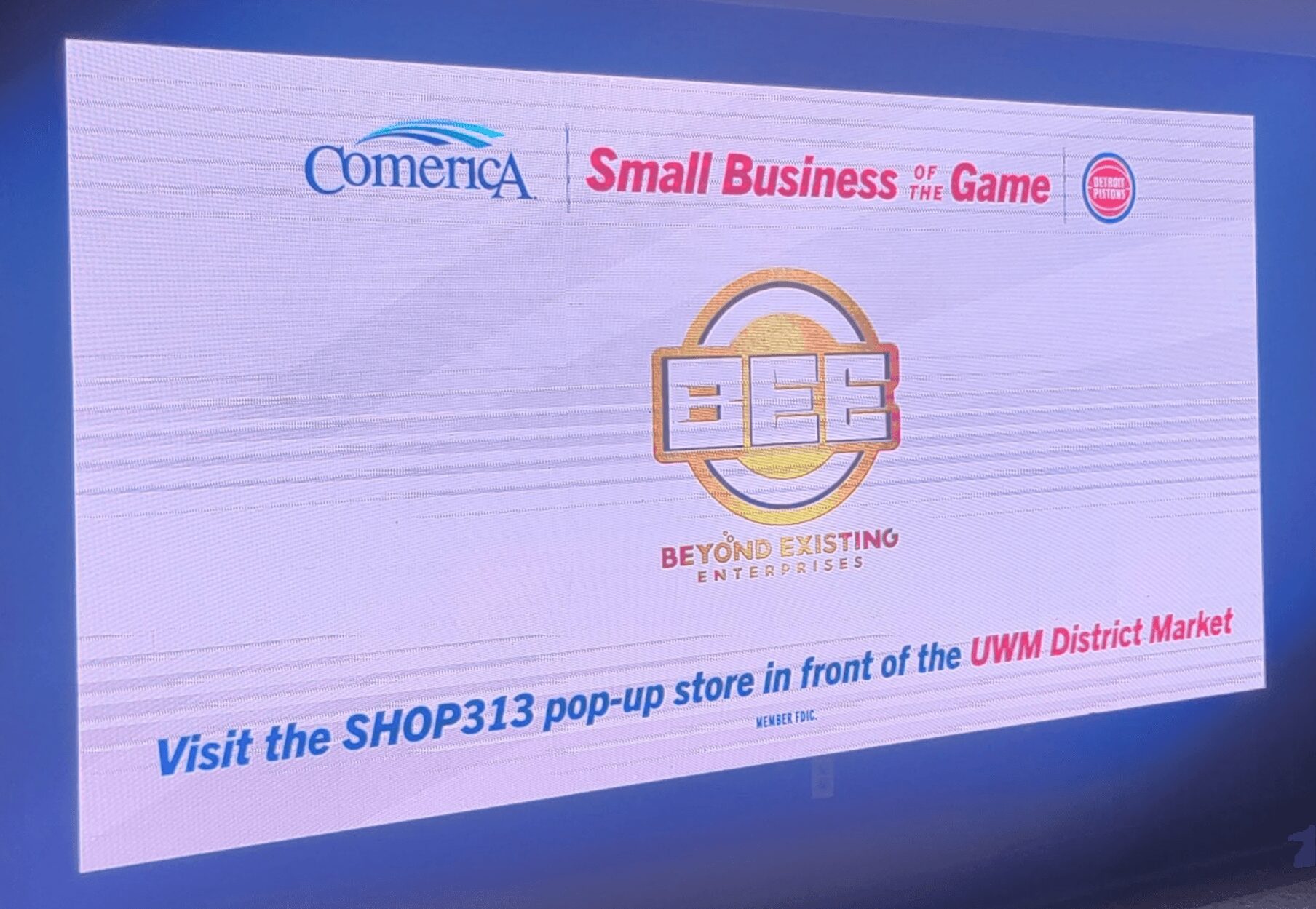
I have worked in the nonprofit sector in various capacities for several decades, beginning as a church girl. Those who know, know. Faith-based organizations are rich in vision and commitment, yet they often lack the resources, systems, and structure needed to implement and sustain effective programs. I felt called to help close that gap, particularly within the Black Church. That commitment led to the founding of Beyond Existing Enterprises, a nonprofit consulting firm serving African American-led, small, and faith-based organizations. This work is grounded in my book and accompanying course, which form the foundation of a six-pillar framework that equips leaders to navigate the nonprofit sector with clarity and confidence through a practical one-page roadmap designed for sustainability and long-term impact.
My other project is a book on the history of African American nonprofit organizations. Blacks have been running organizations since the first recorded one in 1693. Our history needs to document the important work with many of these organizations that are still in operation today.
Okay, so here’s a deep one: What part of you has served its purpose and must now be released?
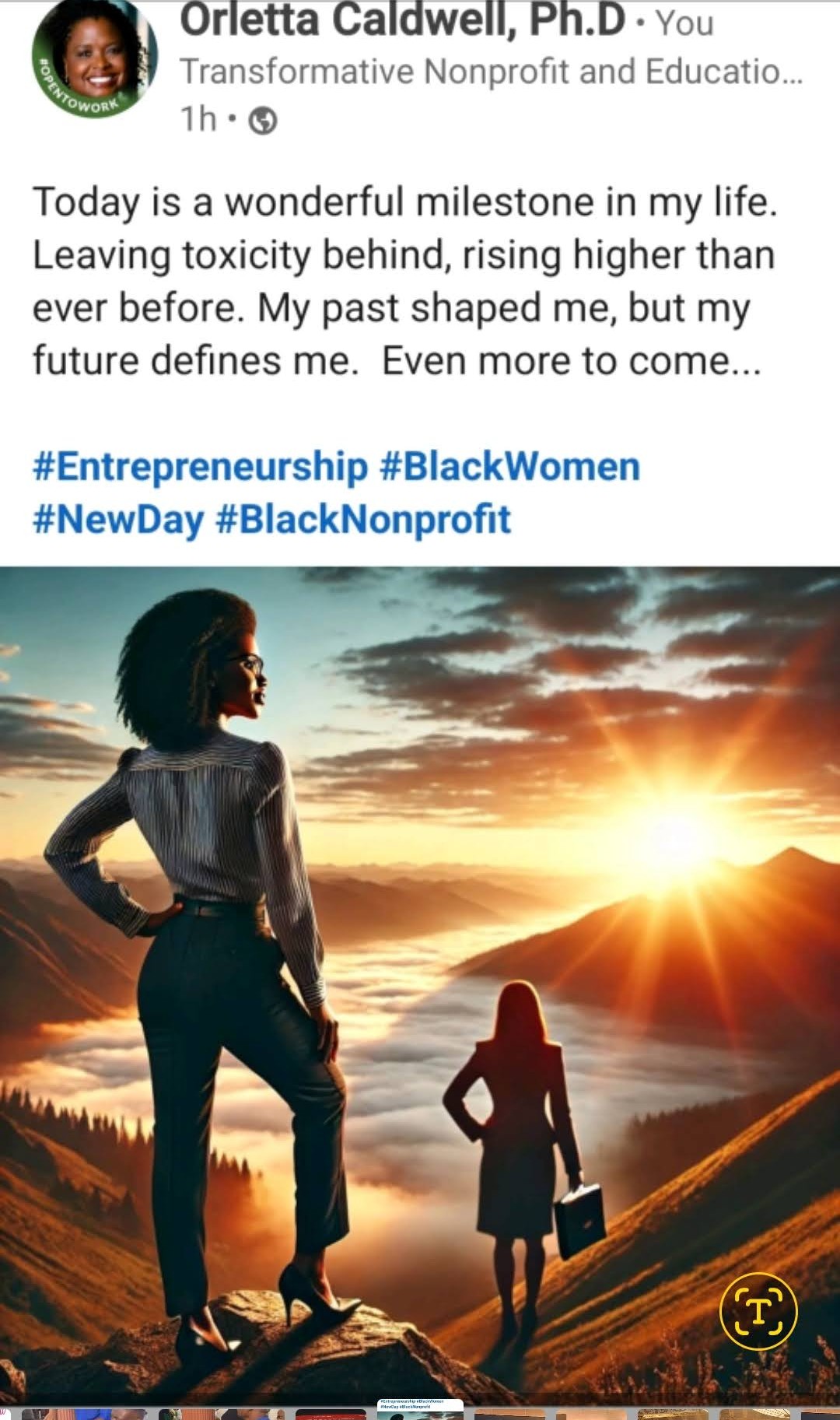
Growing up, particularly as a Black woman, I internalized the belief that my worth was tied to my labor and service. Productivity became proof of value, and rest often felt like a luxury I had not earned. With time, reflection, and unlearning, I have come to understand a deeper truth: even if I never accomplish another task or serve another person, I am still valuable. My mere existence carries purpose. This realization has permitted me to rest without guilt, to sit in stillness when necessary, and to release myself from the constant pull of others’ expectations and demands. In honoring my being, not just my doing, I have reclaimed agency, peace, and a more sustainable way of living and leading.
What fear has held you back the most in your life?
Again, it may sound trite, but the fear that has held me back the most is the fear of fully acknowledging that I am far more capable, worthy, and complete than I have given myself credit for. For much of my life, I measured my value by what I produced and how much I served others, often shrinking myself to meet expectations rather than honoring my full capacity. Letting go of that fear has required unlearning the belief that my worth must be earned and embracing the truth that my presence, voice, and wisdom are enough.
Alright, so if you are open to it, let’s explore some philosophical questions that touch on your values and worldview. What are the biggest lies your industry tells itself?
The nonprofit system is built on some dubious traditions. The biggest fallacy is the belief that an organization can deliver high-quality services while limiting infrastructure investment to an arbitrary 10 to 15 percent. This mindset ignores the reality that effective programs require strong systems, skilled staff, sound technology, and healthy organizations. Nonprofit professionals have the same education, experience, and student loan debt as their for-profit counterparts, yet are expected to operate in chronic scarcity, be underpaid, be overextended, and work out of inadequate spaces. This lie has been reinforced by funders and the sector itself, creating a culture in which sustainability is treated as an indulgence rather than a necessity. The truth is simple: underfunded infrastructure does not produce impact; it undermines it. Sustainable outcomes require honest investment in the people and systems that make the mission possible.
Before we go, we’d love to hear your thoughts on some longer-run, legacy type questions. Could you give everything your best, even if no one ever praised you for it?
Yes, but only once I separated excellence from external validation. Earlier in my life, praise functioned as proof that my effort and sacrifice mattered. With maturity, I learned that giving my best is an expression of integrity, not a performance for applause. I show up fully because it aligns with my values and honors my calling, even when no one is watching or affirming the work. Recognition is welcome, but it is no longer required for me to lead, serve, or create with intention and care.
Contact Info:
- Website: https://www.beyondexisting.com
- Instagram: https://www.instagram.com/beyondexisting
- Linkedin: https://www.linkedin.com/in/ocaldwell
- Facebook: https://www.facebook.com/beellcdetroit
- Youtube: https://www.youtube.com/urbannonprofit
- Other: Linktree: https://linktr.ee/beyondexisting