



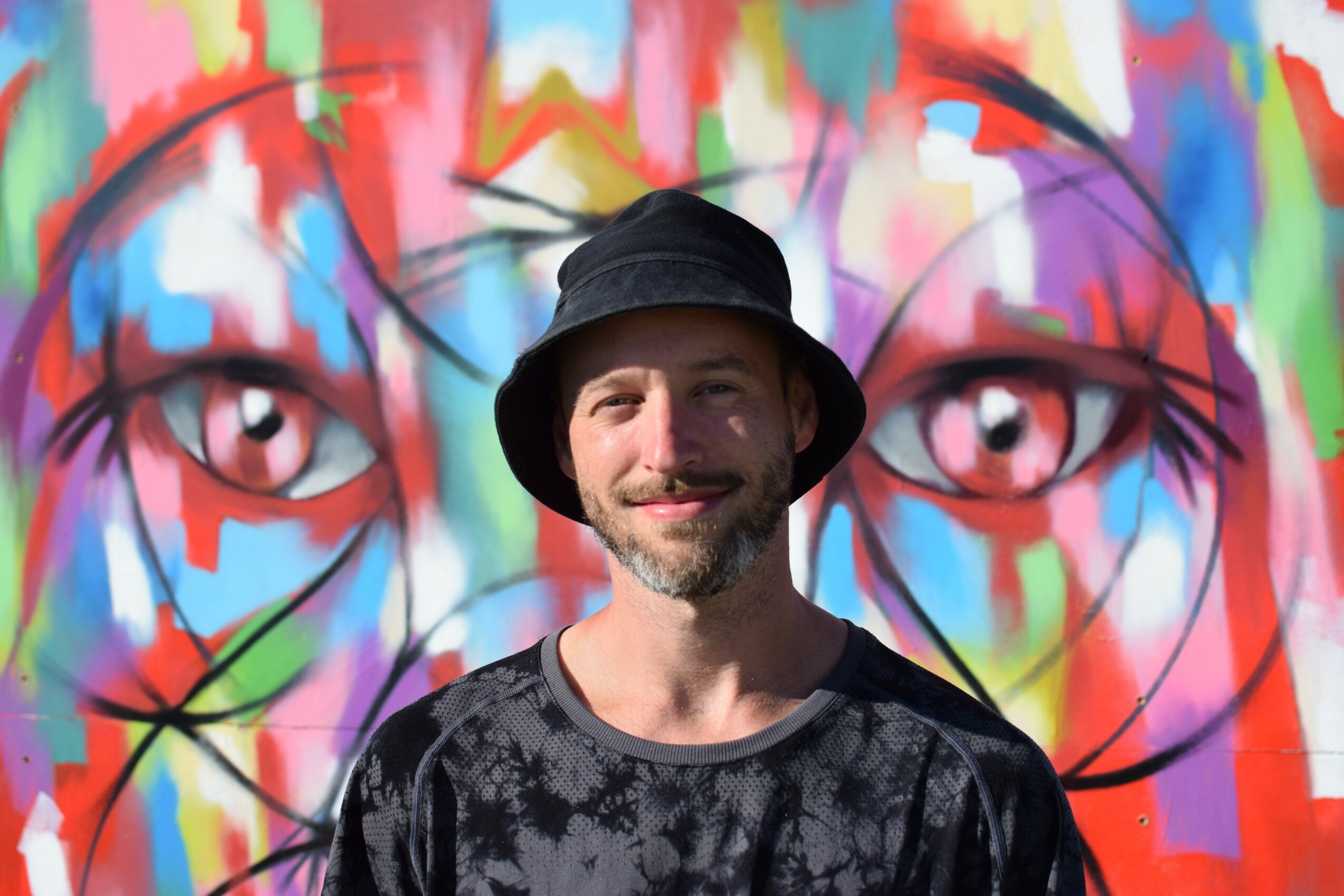
Today we’d like to introduce you to Sasha Primo.
Hi Sasha, so excited to have you with us today. What can you tell us about your story?
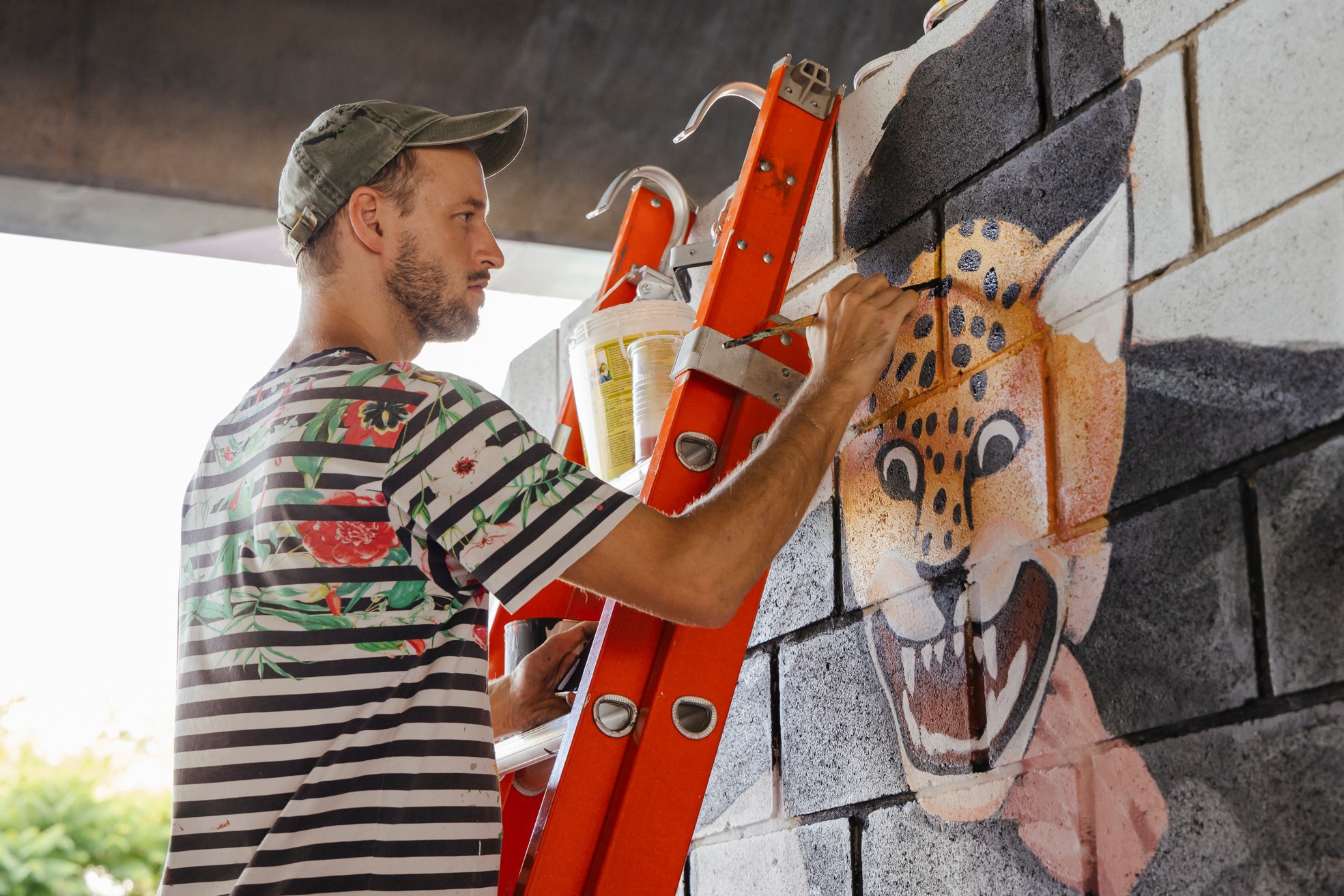
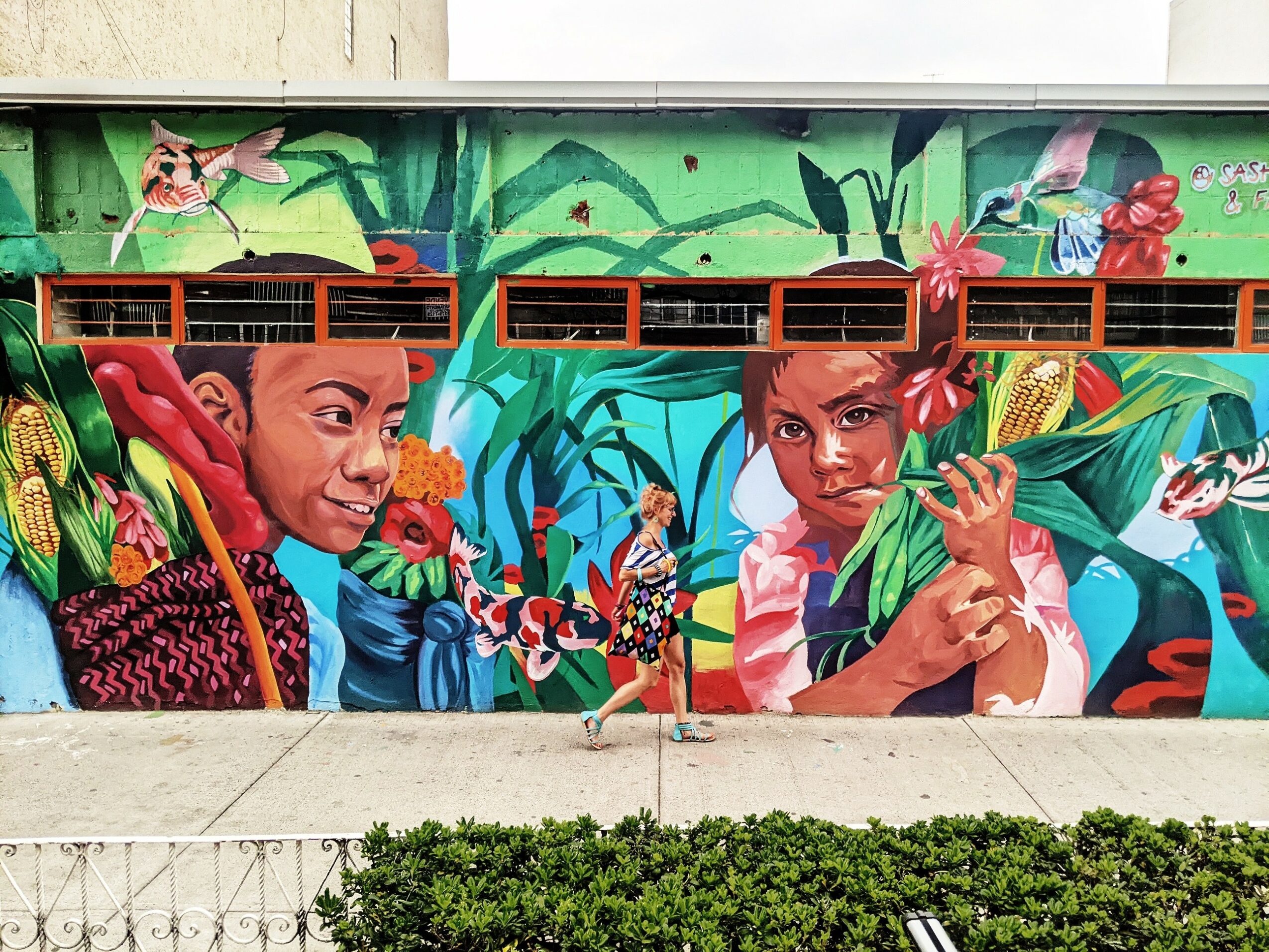
I was born in Argentina, where I studied painting and electronic arts. Most of my work happens in public space, where I started creating hyperrealistic murals of Indigenous peoples. For me, these murals were an invitation to explore other territories and cultures, and to reflect on the richness of cultural diversity.
In 2017, I co-founded the art collective MUTA in a house that was about to be demolished. Together with artists, creatives, urbanists, architects, and educators, we turned it into a space for expression, hosting workshops, events, and artistic interventions.
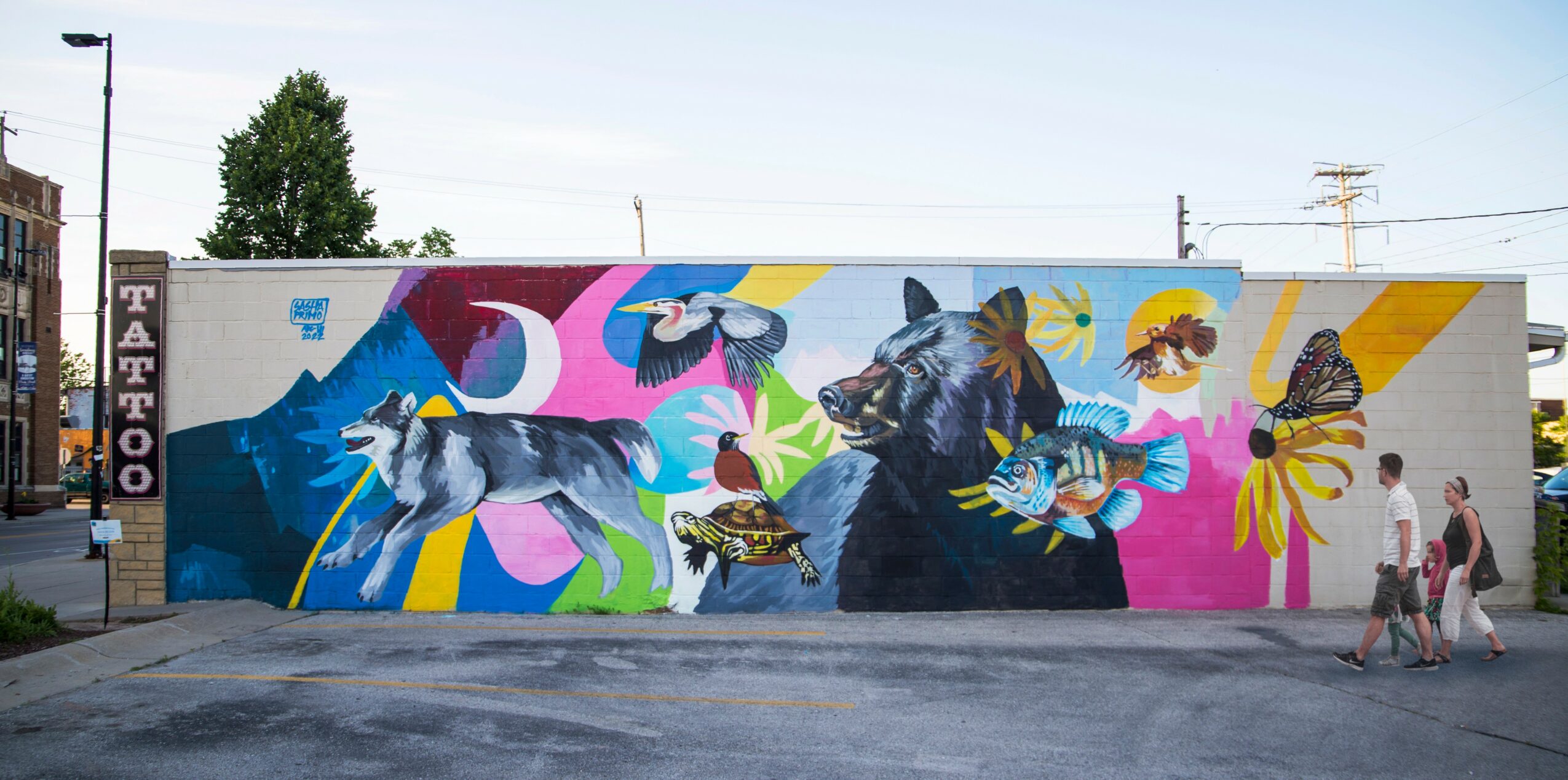
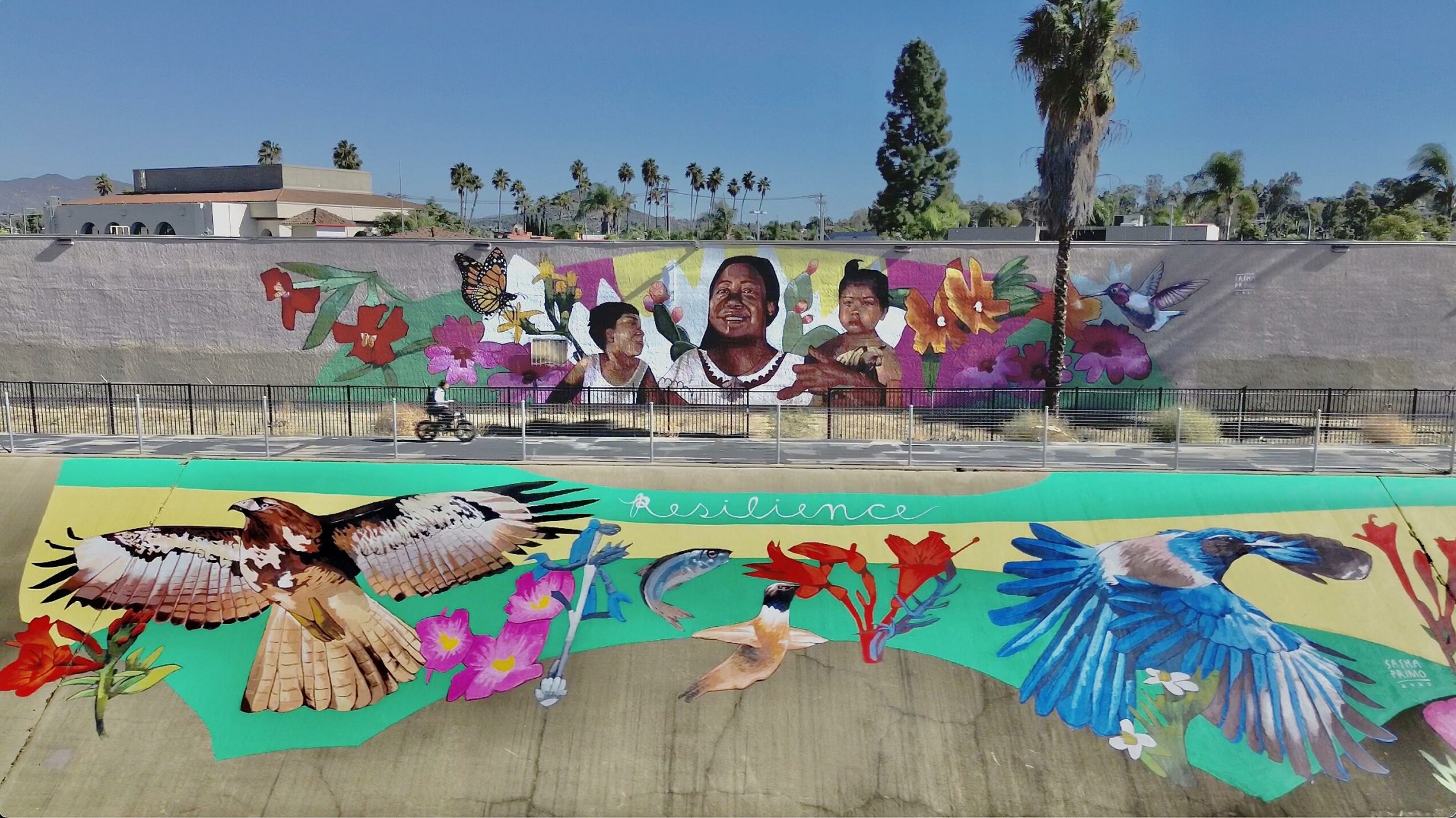
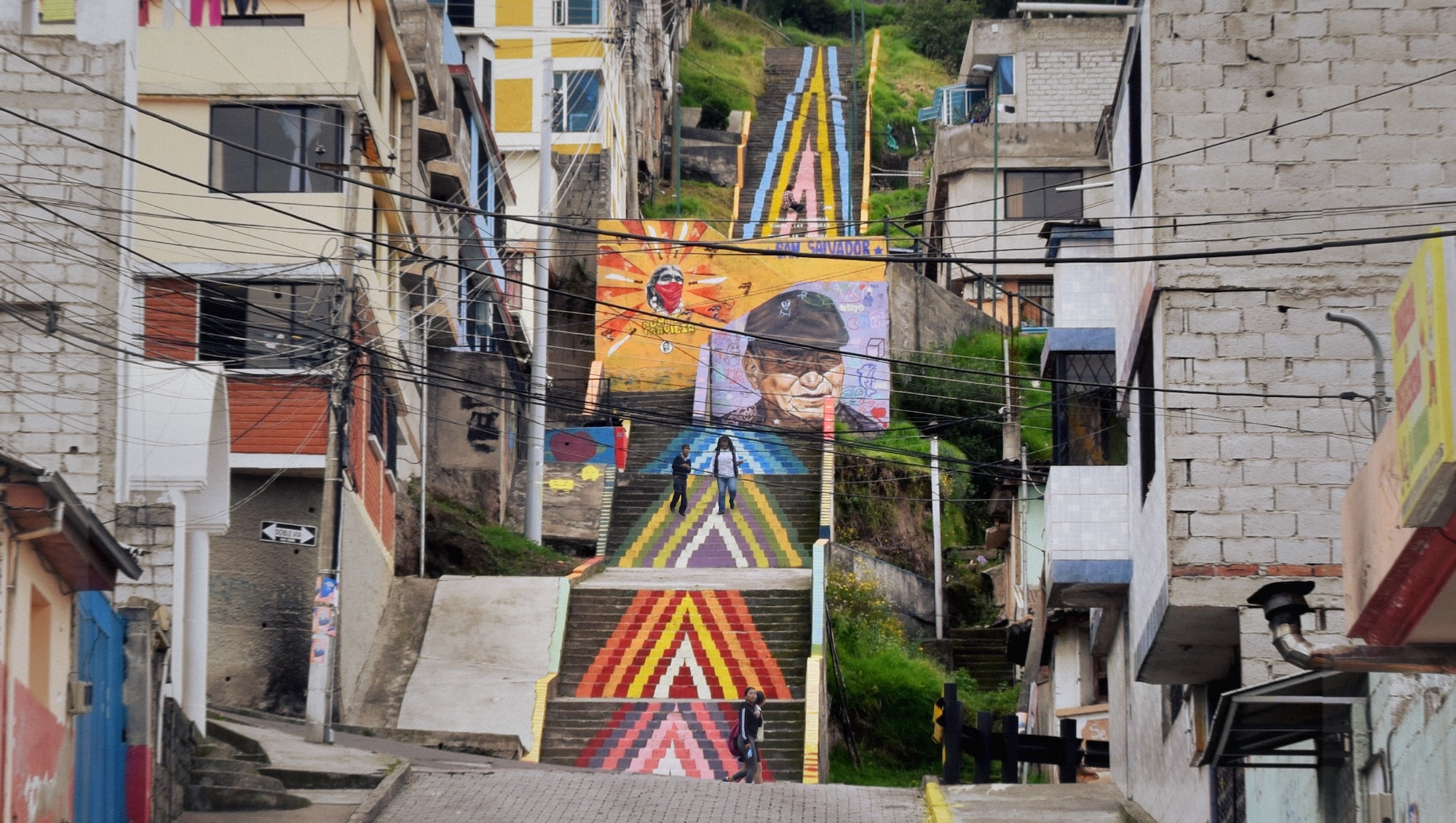
Over the past 15 years, I’ve traveled across Latin America and the United States, creating more than 100 murals and public art projects in places like Asunción Ixtaltepec (Mexico), Santa Ana (Panama), Toctiuco (Ecuador), Buenos Aires, Mexico City, Oakland (CA–US), Marshalltown (IA–US), Washington D.C. (US), among many others. Along the way, I’ve also organized and taken part in more than 60 workshops, working with around 2,400 community members through a people-centered approach.
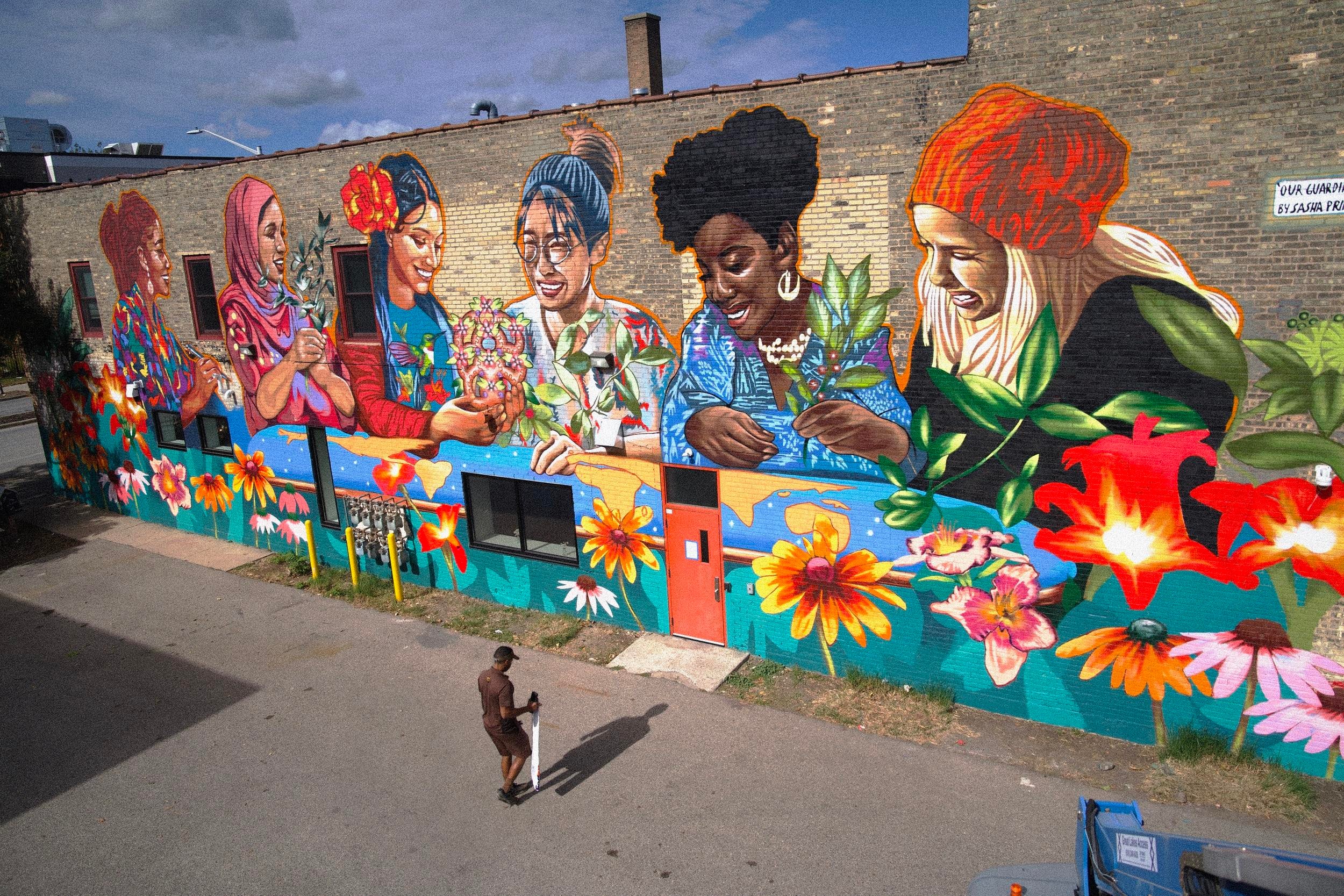
These days, my work is about amplifying community voices and celebrating identity through large-scale, site-specific public art. I’m especially interested in working with multicultural communities, exploring collective memory and the symbols that shape a place. I see every project as an opportunity for people to come together, share stories, and create genuine human connections.
Can you talk to us a bit about the challenges and lessons you’ve learned along the way. Looking back would you say it’s been easy or smooth in retrospect?
Over the past 15 years, my practice has changed significantly. In the beginning, I was mostly focused on technique and artistic expression. Over time, however, I became increasingly interested in the local context and in the relationship between a mural and the people who live around it.
That led me to shift my process toward community engagement. Today, I work closely with residents through interviews, workshops, and conversations so that each artwork is developed together with the local community. The result is not only a piece that better reflects the identity of a place, but one that also fosters a sense of pride, belonging, and shared ownership.
That transition wasn’t always easy. It meant letting go of the idea that the artist alone should define the work, and moving beyond the aesthetic and technical goals that had initially inspired me. I also had to move away from simply following the artists I admired in order to discover my own path and understand what kind of impact I wanted my work to have.
Can you tell our readers more about what you do and what you think sets you apart from others?
Today, I specialize in community-based public art, developing participatory processes that allow each artwork to become a collective creation rather than an individual statement. Through workshops, interviews, and ongoing dialogue with residents, I seek to ensure that the community’s voice is genuinely reflected in the final piece.
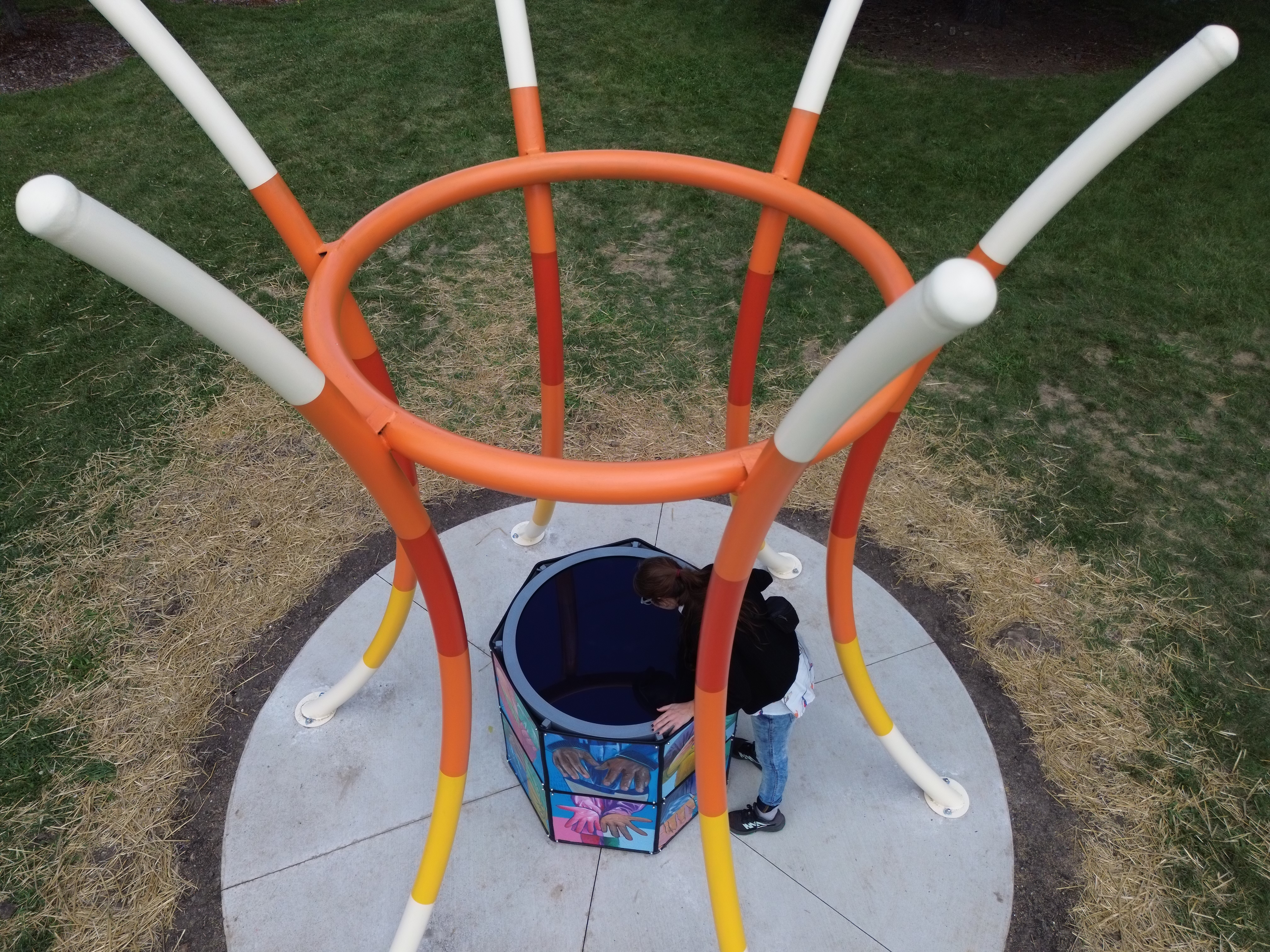
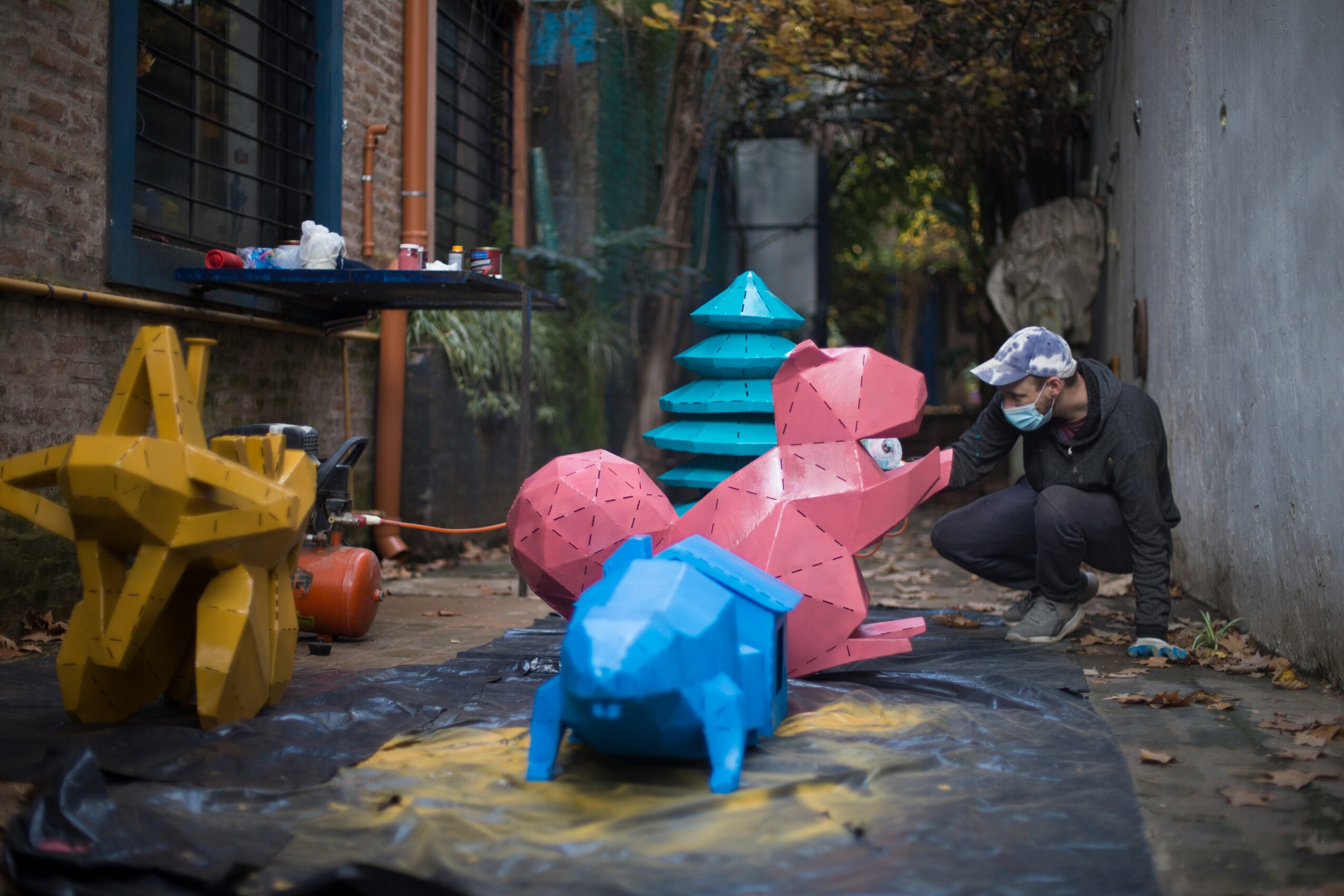
While murals remain a central part of my practice, I have increasingly expanded into sculptures, placemaking installations, pocket plazas, playground artworks, and interactive public spaces. I’m currently exploring materials such as steel, aluminum, glass, and colored acrylic, while also integrating functional elements like seating and shade structures into parks and public spaces.
What sets my work apart is the combination of site-specific design with meaningful community engagement. Rather than producing abstract representations of participation, I aim to create artworks that are deeply symbolic, visually accessible, and rooted in the identity, stories, and aspirations of the people who helped shape them. The process itself becomes part of the artwork, allowing communities to recognize themselves in the final result.
Do you have any advice for those looking to network or find a mentor?
My advice is simple: keep reaching out. Most of the time, the doors we are afraid to knock on are much more open than we imagine.
I think my biggest obsession is human connection. That idea is at the core of my community-based practice, and it has taught me that communication shapes far more than opportunities. It shapes the reality we build together.
Don’t be afraid to contact other artists, organizations, or institutions, even if you think they’re out of reach. Share your ideas, your work in progress, and your questions. Don’t protect your creative process too much. Be open to feedback and allow other people to challenge your perspective. In my experience, the strongest projects are rarely the result of working alone.
Contact Info:
- Website: https://sashaprimo.com/
- Instagram: https://www.instagram.com/sasha_primo/
- Facebook: https://www.facebook.com/sashaprimoart/
- LinkedIn: https://www.linkedin.com/in/sasha-primo/
- Youtube: https://www.youtube.com/@sasha_primo