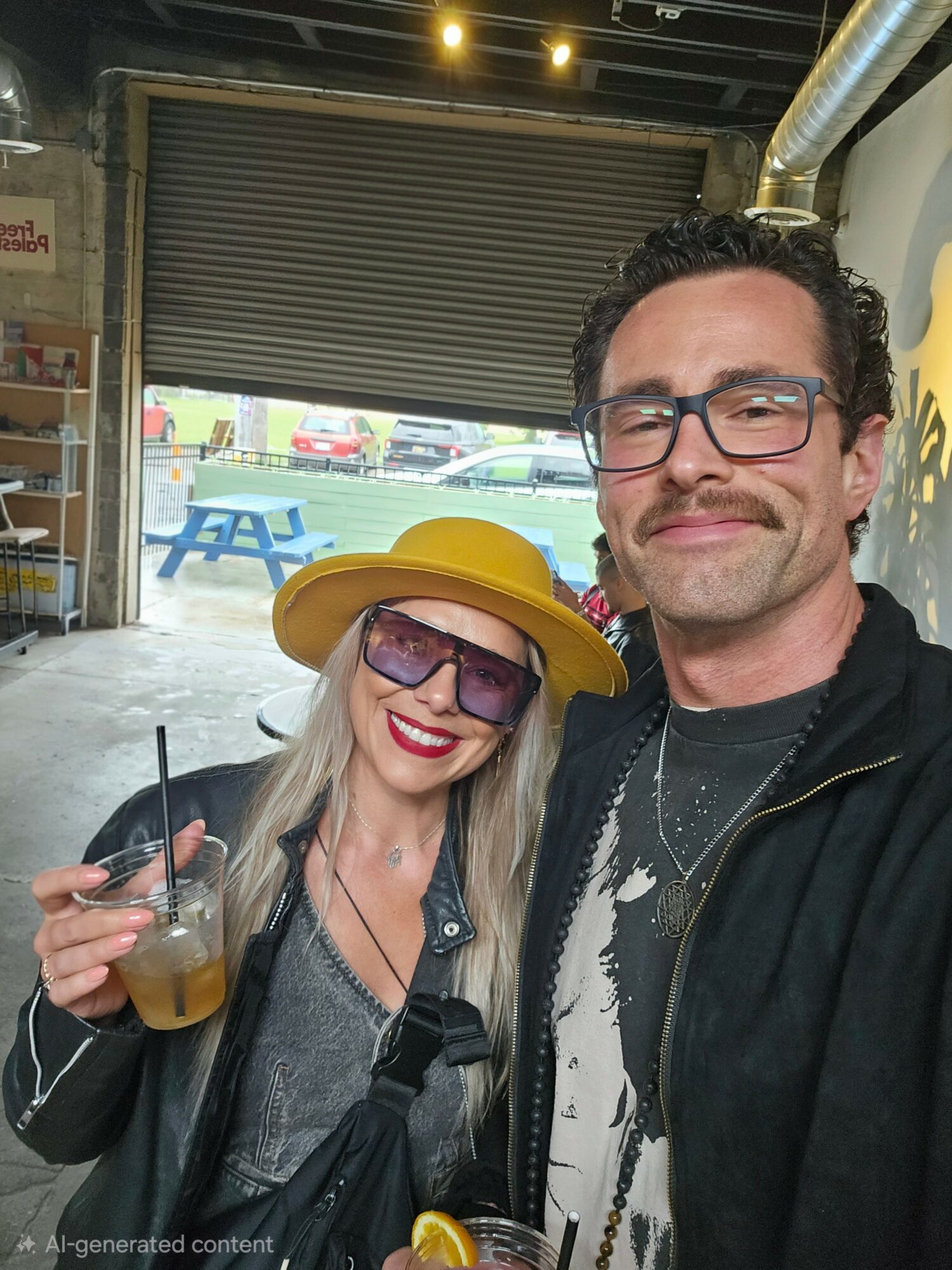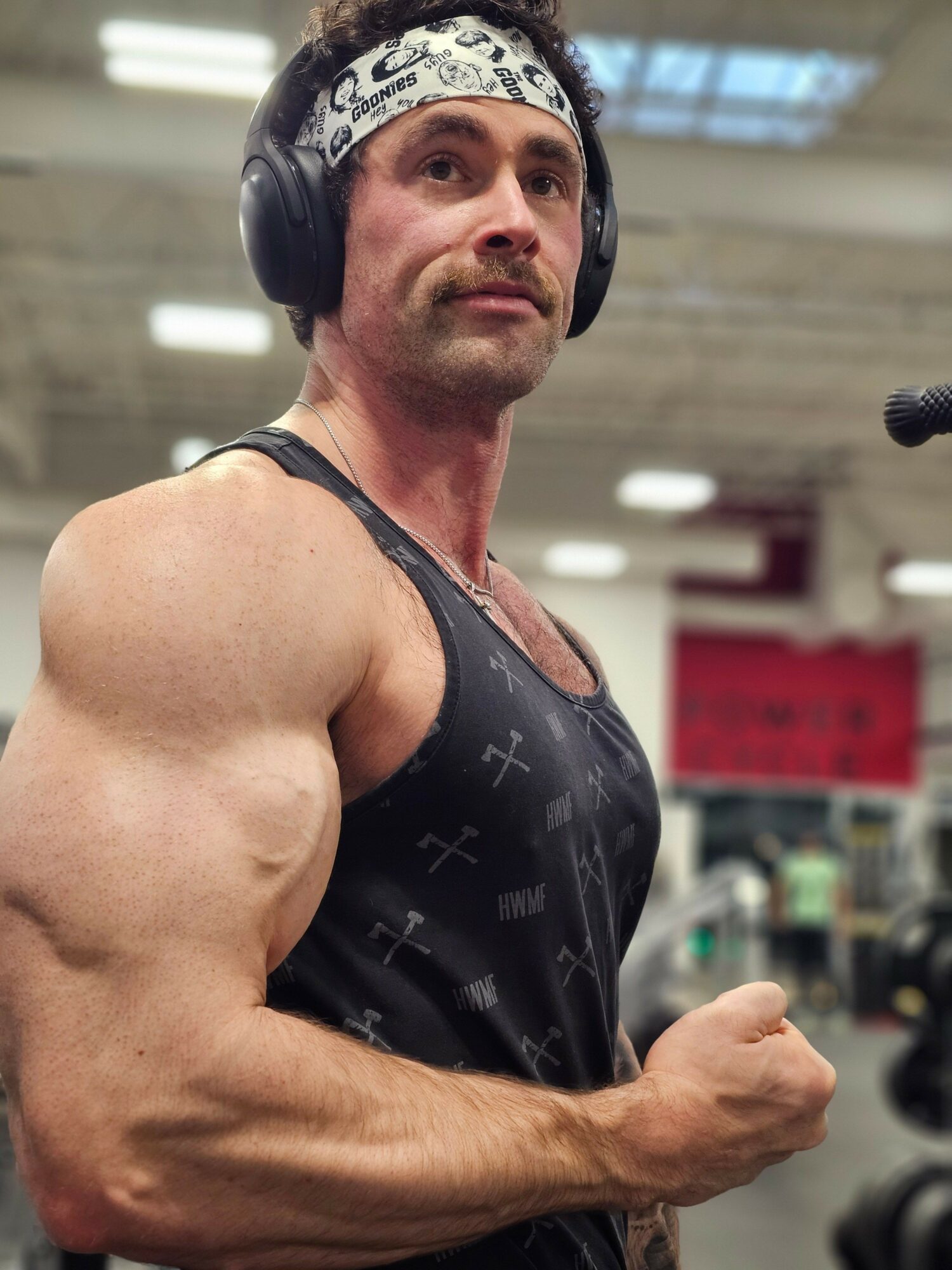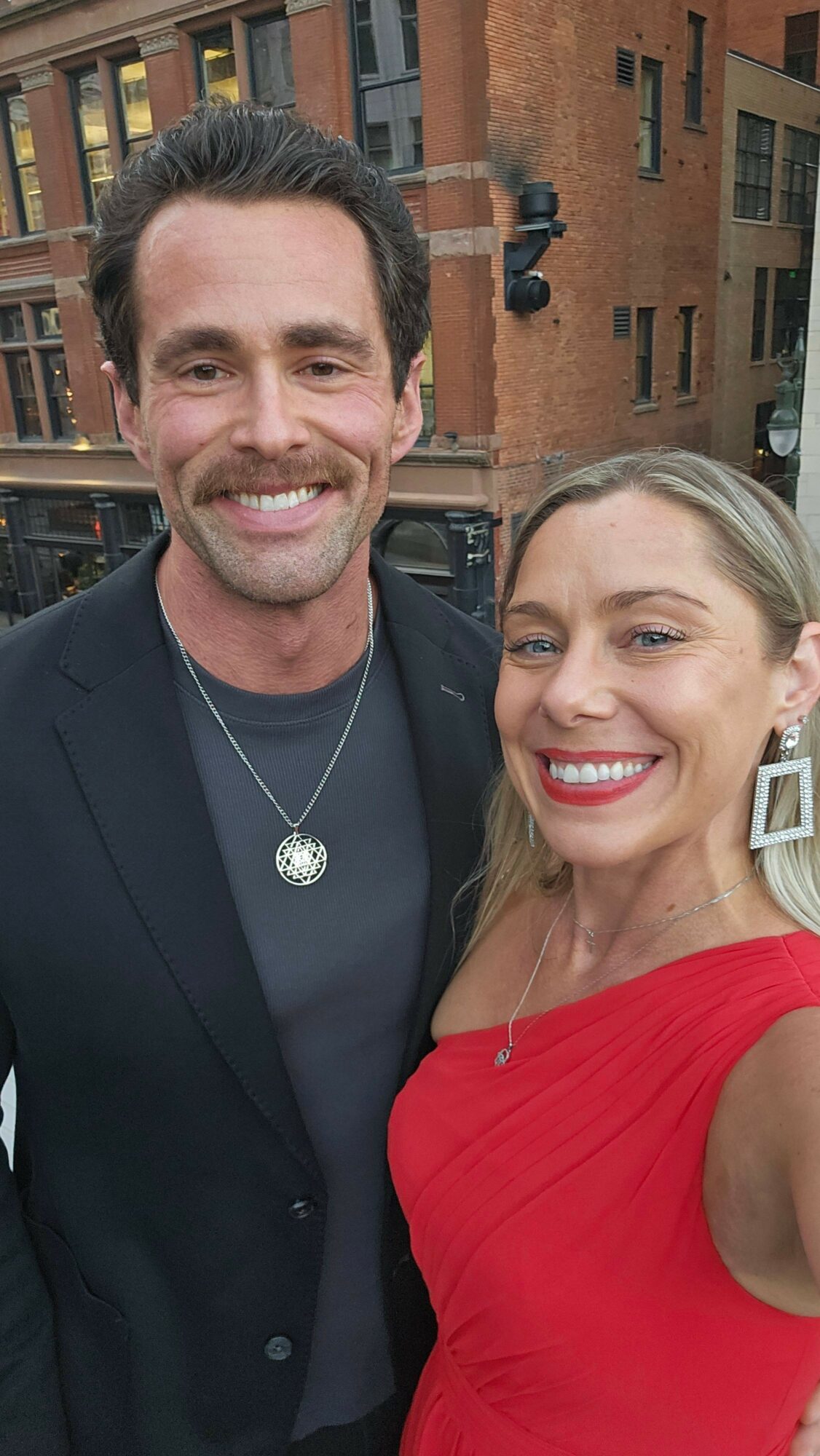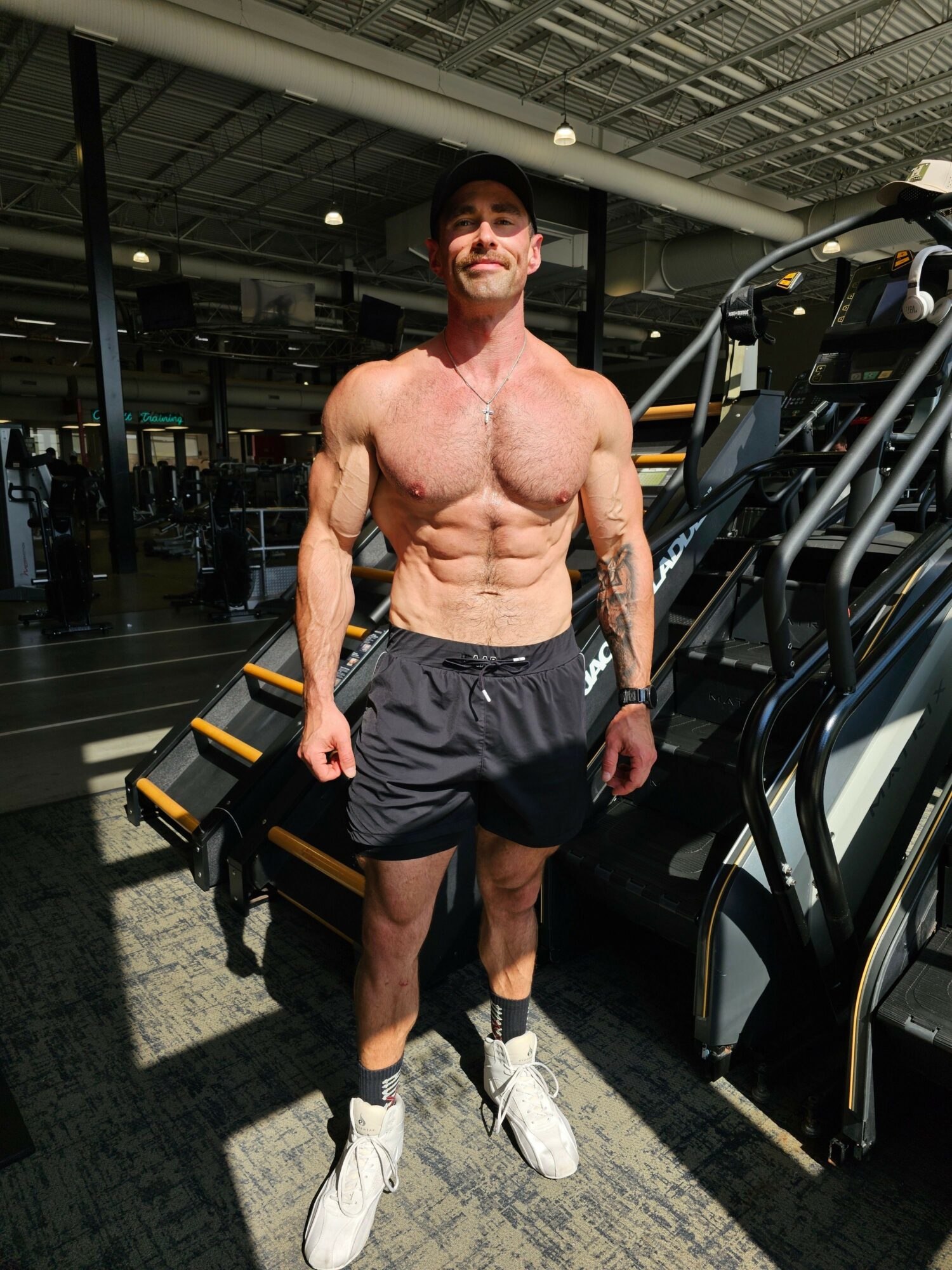





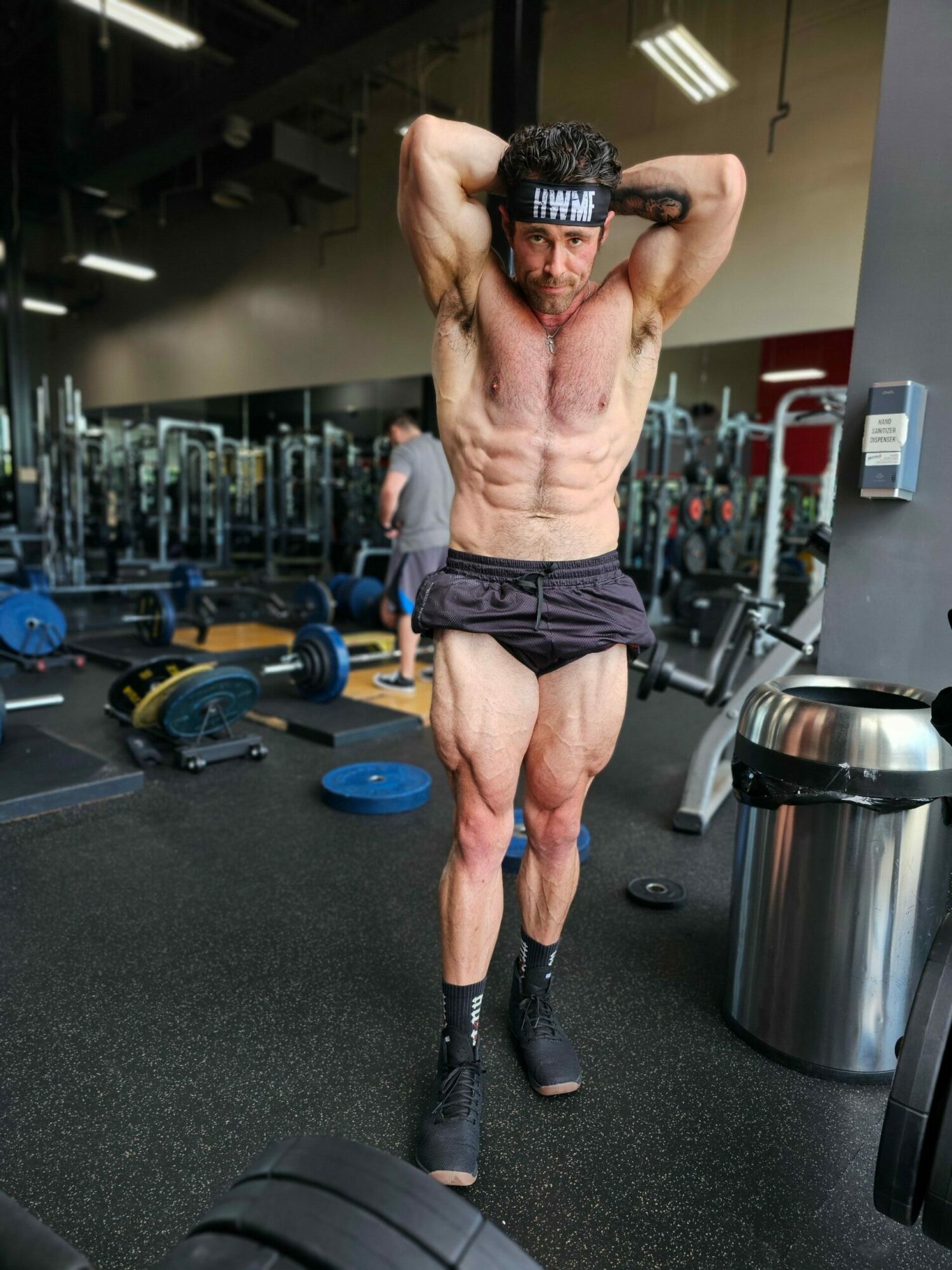
Today we’d like to introduce you to Logan Carlson.
Hi Logan, we’d love for you to start by introducing yourself.
I’m Logan Carlson. I live in Plymouth, Michigan with my wife Kristen, and I’ve spent most of my adult life moving between two worlds people assume are opposites: machines and men. I’m a technologist, a coach, a writer, and a lifter, and all of those live in one person.
The day job is IT. I’ve been in the field over fourteen years, the last nine at Trinity Health, where I work as a Client Technologies Analyst II running endpoint operations for a large healthcare system. In plain terms, I make sure clinicians have working hardware and support when they need it, whether that’s day to day or during a hospital go-live. It’s precise, unglamorous work, and I’ve always taken pride in being the guy people can count on when the systems have to just work.
My role is being outsourced now, which honestly lit a fire under the independent side of my life. On my own I build AI infrastructure. I run a self-hosted, multi-agent AI system at home on custom hardware I put together by hand, a fleet of specialized agents named after Red Rising characters that handle automated workflows locally instead of renting everything from the cloud. It saves me real money every month, but the point was proof: a healthcare IT guy from Michigan can build the kind of thing people think requires a lab full of engineers. I sharpened a lot of that through DeVry, where I earned my degree in Computer Information Systems, and more recently through Mindvalley’s AI Mastery Program, which I finished earlier this year.
Then there’s the part that matters most to me, the coaching. Under the brand Kristen and I built, The Conscious Gentleman, I coach men on aligning their body, their mind, and their life. I’ve got eighteen years of training under my own belt and about five coaching men one on one. My method is called Intuitive Strength, and it’s anti-dogmatic on purpose. I don’t sell a fixed system. I help each person find what actually works for them, because I spent years grinding against rigid programs before I learned that the foundation matters more than the intensity. I’m also an affiliate for Axe and Sledge, a supplement brand built on real quality and a simple philosophy of being the hardest worker in the room, so that side of the fitness world is part of the picture too.
Outside the work, I’m a reader before I’m anything else. Red Rising, the Stormlight Archive, Mistborn, a lot of Stephen King. I think stories teach better than lectures, and most of what I believe I learned from a good book or a James Horner score playing while I write. And I do write, constantly, whether it’s coaching content, articles on Stoicism and conscious masculinity, or scripts for the podcast. Kristen and I co-host The Carlson Collective, where we talk about marriage, fitness, spirituality, AI, and the art of living on purpose. She’s a certified sommelier and runs her own wine world, so between the two of us there’s never a shortage of things to build.
If there’s a throughline, it’s that I don’t see the body and the mind as two separate projects. They’re one system. The way you train your body teaches your mind, and the way you steady your mind shows up in how you move through a hard workout or a hard week. Lifting, reading, writing, coaching, coding. It’s all the same practice to me: strengthen the body and the mind together, because neither one gets very far without the other.
Can you talk to us a bit about the challenges and lessons you’ve learned along the way. Looking back would you say it’s been easy or smooth in retrospect?
No, it hasn’t been smooth, and I’d be lying if I dressed it up as some clean climb. The most honest struggle is that for a long time I was building the wrong thing on the wrong foundation.
Personally, I started out as a people-pleasing introvert. I was the guy who read the room, gave everyone what they wanted, and quietly lost track of what I actually thought. That shows up everywhere when you’re young. You train hard for other people’s approval, you chase results that look good from the outside, and you wonder why none of it feels like yours. It took me years to move from that to something more grounded, where I can actually say what I mean and stand behind it. That shift wasn’t a lightning bolt. It was slow, and there were plenty of stretches where I got it wrong.
The same lesson played out in fitness and coaching, which is why it’s baked into how I work now. Early on I coached the way I trained, with rigid systems and a lot of ego. Do the program, follow the rules, grind harder. It worked until it didn’t, for me and for the people I was trying to help. The hard part was admitting that the certainty I was selling was actually the problem. Learning to build a method around the person in front of me instead of forcing them into my framework, that was humbling. It meant letting go of being the guy with all the answers.
On the work side, the biggest gut punch is recent. After nine years at Trinity, my role is being outsourced. Nine years of showing up, being reliable, being the person people counted on, and the outcome was largely out of my hands. That stings. But it also forced me to take the AI and building work I’d been doing quietly on the side and make it real. Some of that meant failing in public. Building my own AI system at home wasn’t a clean success story, it was a lot of late nights, broken configurations, and things that flat out didn’t work until I figured out why. That’s the pattern in all of it, honestly. Nothing I’m proud of came easy, and most of it came from getting something wrong first.
If anything, the struggles are the reason the coaching means what it does to me. I’m not teaching from a mountaintop. I’m teaching from the climb.
Can you tell our readers more about what you do and what you think sets you apart from others?
My work lives in three lanes that most people would never put on the same resume: healthcare IT, AI infrastructure, and men’s coaching. For over fourteen years I’ve worked in information technology, running endpoint operations for a large hospital system. That’s the discipline layer, the part that taught me how to build things that hold up under pressure when real people are depending on them.
On the technical side, what I really specialize in now is AI infrastructure. I build self-hosted, multi-agent AI systems that run locally on hardware I put together by hand, instead of renting everything from the cloud. In practice that means a fleet of specialized agents that handle automation, content, research, and memory, all coordinated so they actually work together. Most people who talk about AI are using someone else’s tool. I build the thing itself, from the hardware up, and I’ve done it as a working IT guy from Michigan rather than an engineer in a lab. That’s the part I’m quietly proud of.
But the work I’m known for, and the work that matters most to me, is coaching. Under the brand my wife Kristen and I built, The Conscious Gentleman, I coach men on aligning their body, their mind, and their life. My method is called Intuitive Strength, and it’s built on four pillars: the body, the fuel, the rhythm, and the foundation. I’ve got eighteen years of my own training behind it and years of coaching men one on one. The physique is the proof, but the man is the point. I’m not just trying to get someone leaner. I’m trying to help him become someone whose body, mind, and life finally line up.
What sets me apart is that I refuse to sell a fixed system. That sounds small, but in the coaching world it’s almost heresy. The whole industry runs on certainty, on the guy who has the one program that fixes everything. I spent years being that guy, and years grinding against other people’s rigid systems, before I learned the truth: each person has to find what actually works for them. So my job isn’t to hand someone my answers. It’s to help them run the experiment on their own life until they find theirs. That’s slower and harder and far less marketable, and it’s also the only thing I’ve seen actually change someone for good.
The other thing that sets me apart is that I don’t separate the disciplines. The precision I learned in IT, the patience I learned from lifting, the empathy I built from a lifetime of reading fiction and stepping into other people’s shoes, they all feed the coaching. I’ve spent my whole life practicing the same skill in different rooms: pay attention, do the boring parts well, and stay honest about what’s actually working. If I’m known for anything, I hope it’s that. Not the loudest voice in the room, just the one still standing behind what he said a year later.
Is there any advice you’d like to share with our readers who might just be starting out?
The thing I wish someone had told me is that you don’t have to have it figured out before you start. I lost years waiting to feel ready, waiting to be the finished version of myself before I let anyone see the work. That’s backwards. You become the person by doing the thing, not the other way around. Nobody I admire arrived fully formed. They just started earlier and got more reps at being wrong.
Which leads to the real advice: get comfortable being bad at things in public. Almost everything I’m proud of started as something that didn’t work. The AI systems I build now came out of a lot of broken configurations and late nights where nothing ran. The coaching I do came out of years of coaching poorly, with too much ego and too many rigid rules. If you’re not willing to be a beginner, over and over, you’ll stay stuck protecting a version of yourself that was never that impressive to begin with.
If you’re starting out in coaching or any people-centered work specifically, drop the need to be the guy with all the answers. When I began, I thought authority meant certainty. Have the system, sell the system, defend the system. What I learned is that the certainty was a crutch. Real skill is being able to sit with a person, actually see them, and help them find what works for their life instead of forcing them into yours. That’s harder and it doesn’t market as well, but it’s the only thing that lasts.
And build your foundation first. I say this as a coach and as an IT guy, because it’s the same law in both rooms. Everyone wants the flashy part, the transformation, the launch, the highlight reel. But the flashy part sits on top of boring, repeatable fundamentals, and if those are weak the whole thing eventually falls over. Sleep, training, honesty, showing up when you don’t feel like it. Get the unglamorous things right and you buy yourself the freedom to do the exciting things well.
Last thing. I was a people-pleasing introvert for a long time, so I know how loud the pressure to perform for approval can get. The sooner you stop building your life around what looks good to other people and start building it around what’s actually true for you, the sooner it starts to feel like yours. That shift is the whole game. Everything I’ve built worth anything came after I made it.
Pricing:
- All my pricing is done on a one to one basis. If the client and me area good fit then I will work with them in their budget.
Contact Info:
- Website: https://coachlogancarlson.com/
- Instagram: @logancarlson92
- LinkedIn: https://www.linkedin.com/in/logancarlsonwrites