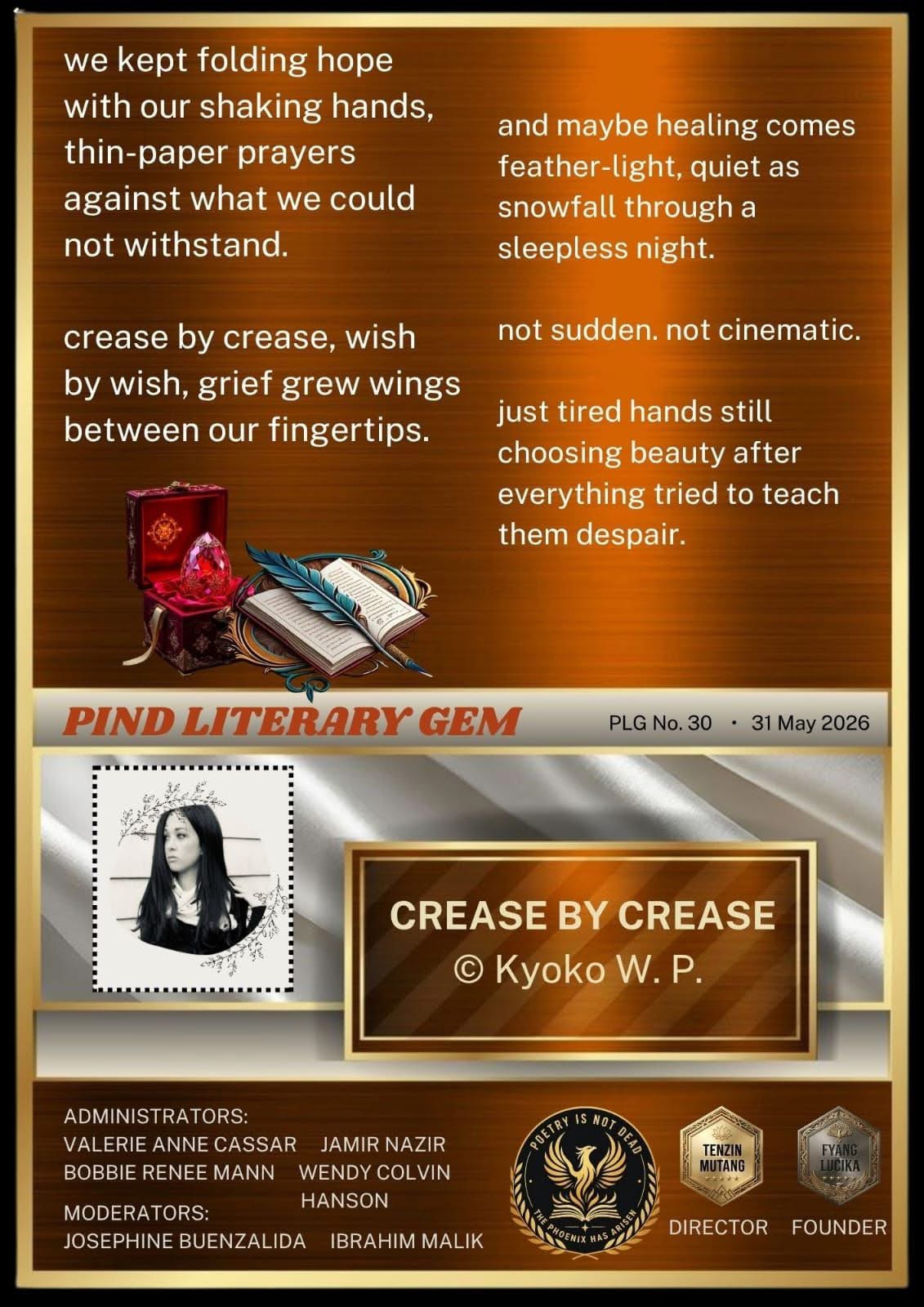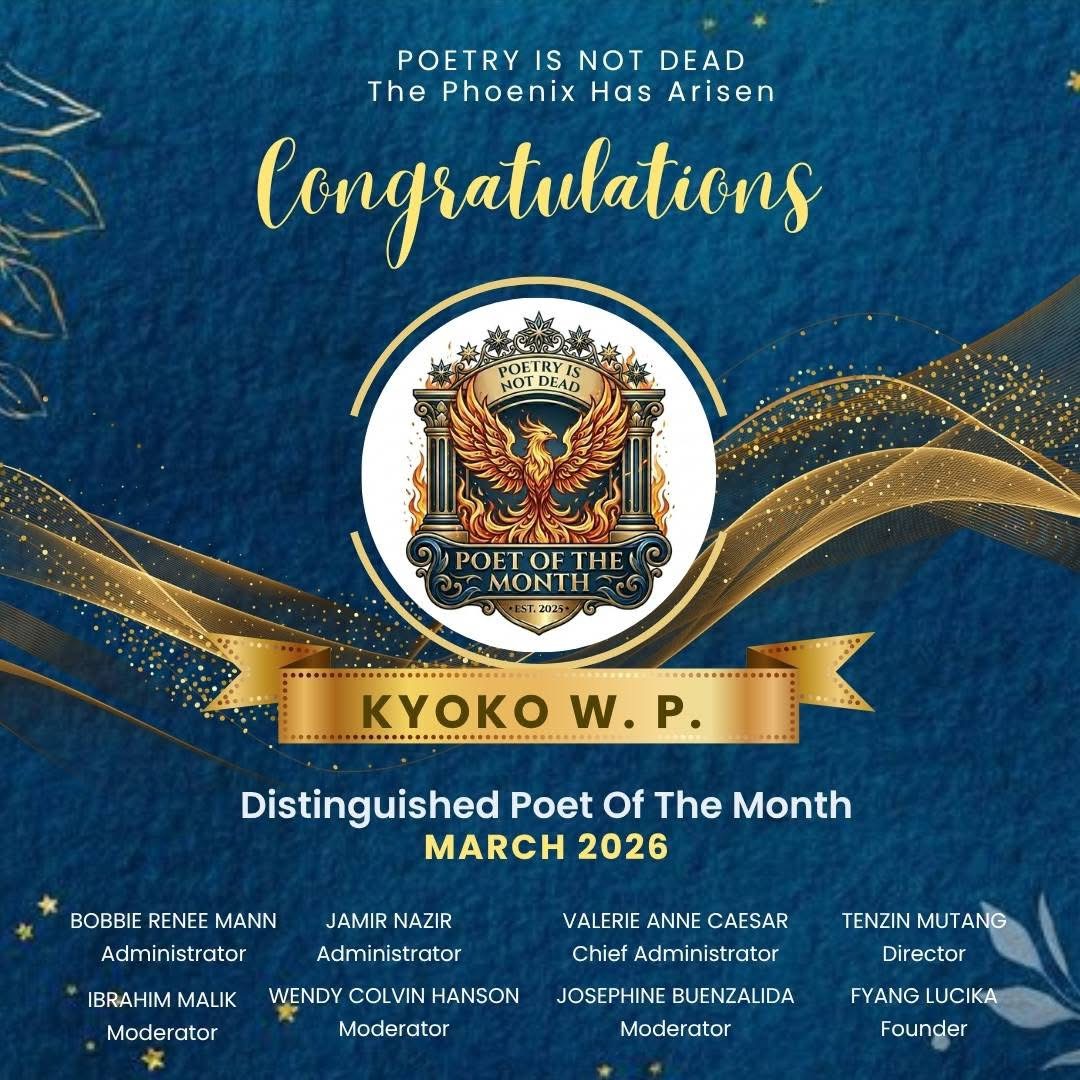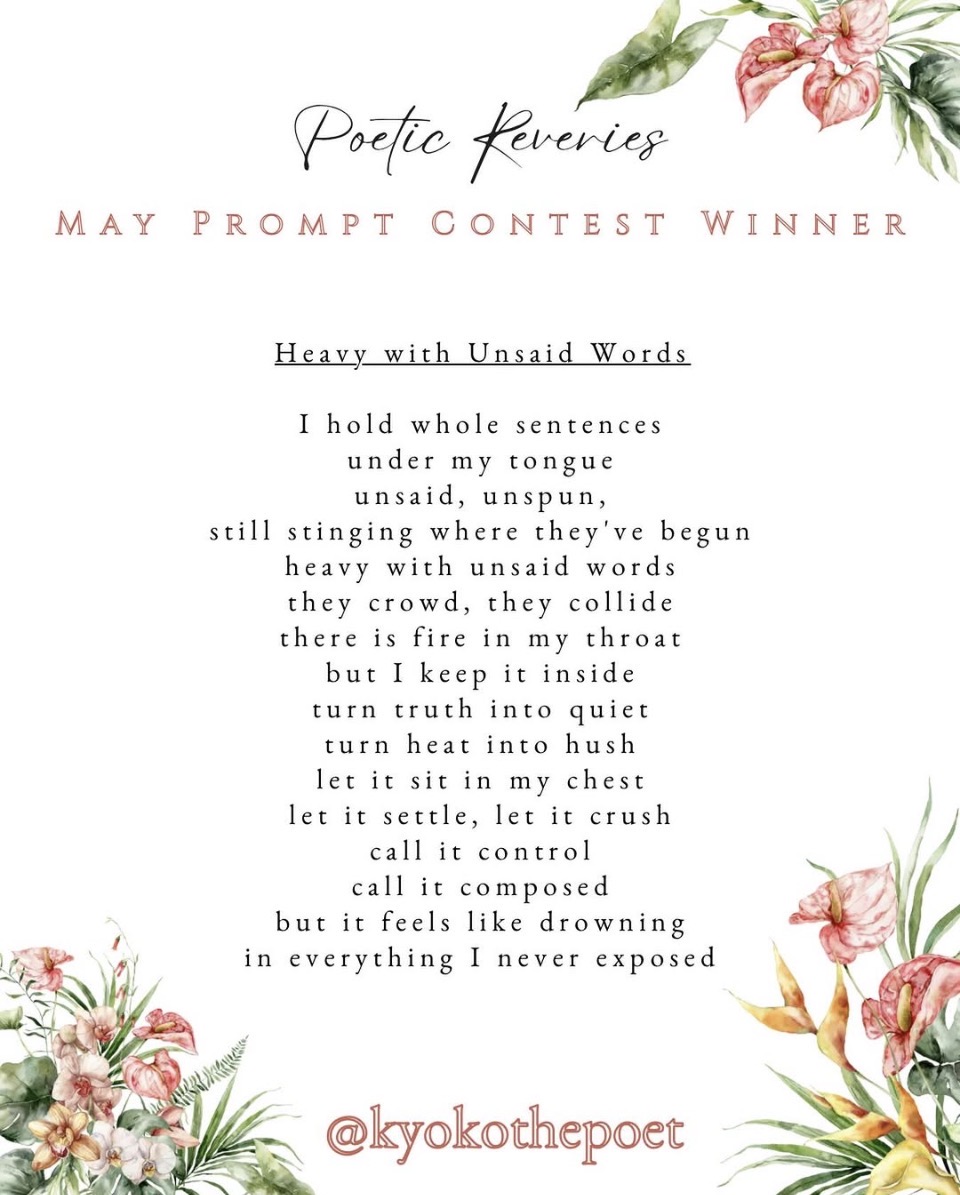




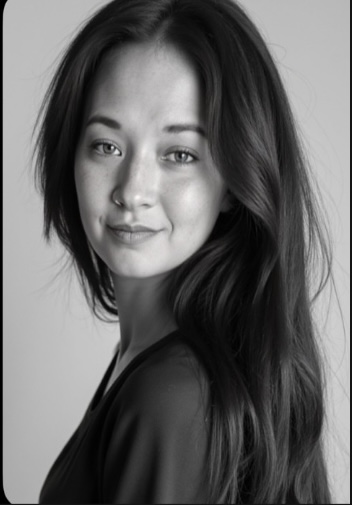
Today we’d like to introduce you to Kyoko W.P..
Hi Kyoko, thanks for joining us today. We’d love for you to start by introducing yourself.
.
I’ve been writing for as long as I can remember. Poetry started as something I did to make sense of emotions and experiences I didn’t know how to put into conversation. I never imagined those private journal pages would one day become published books.
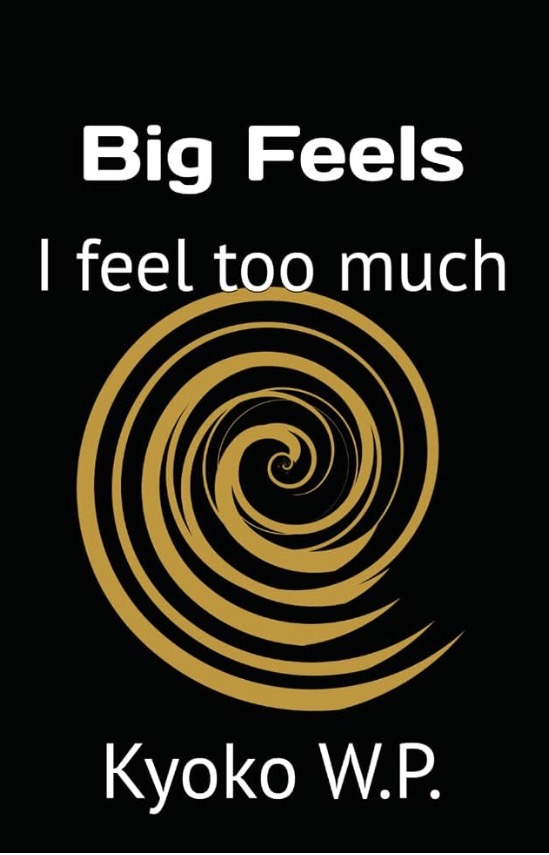
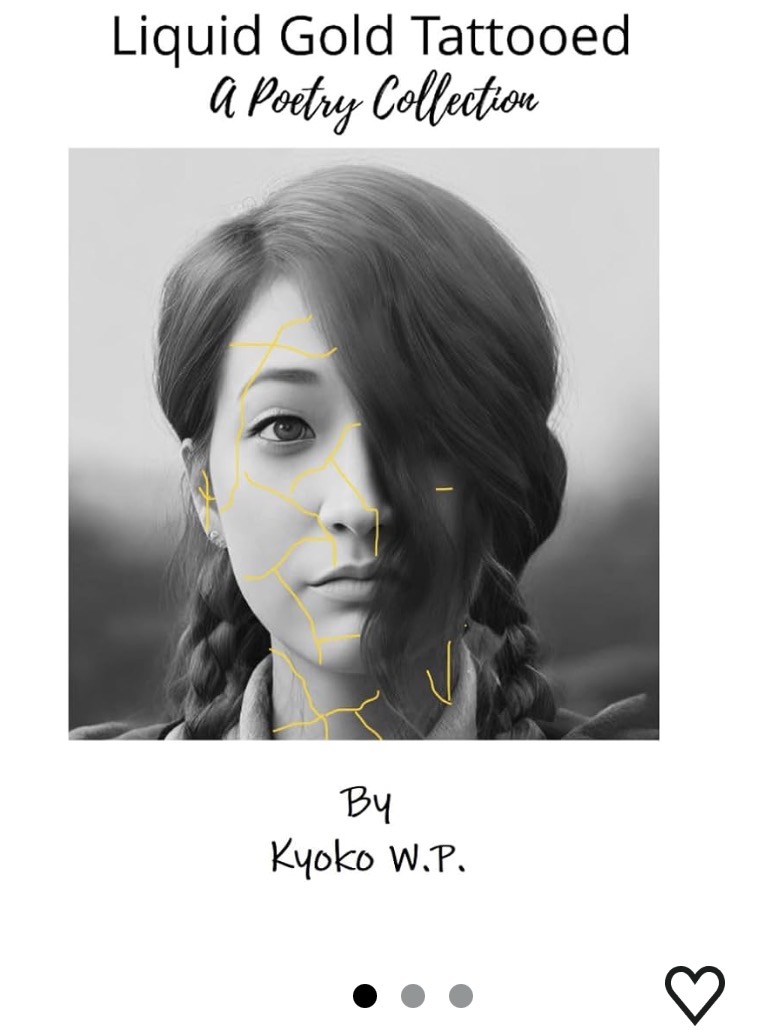
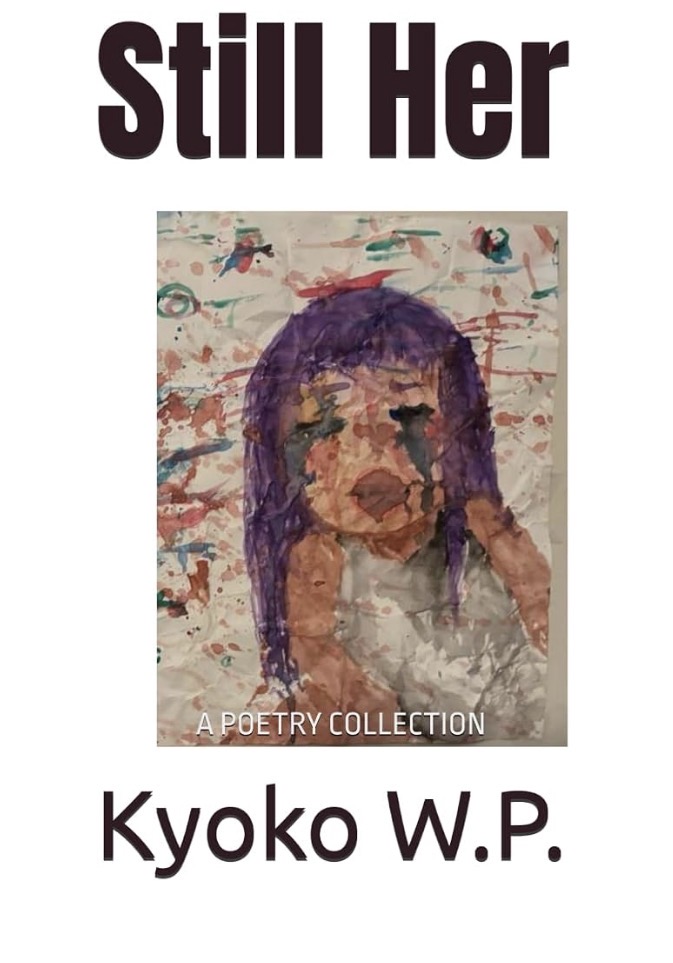
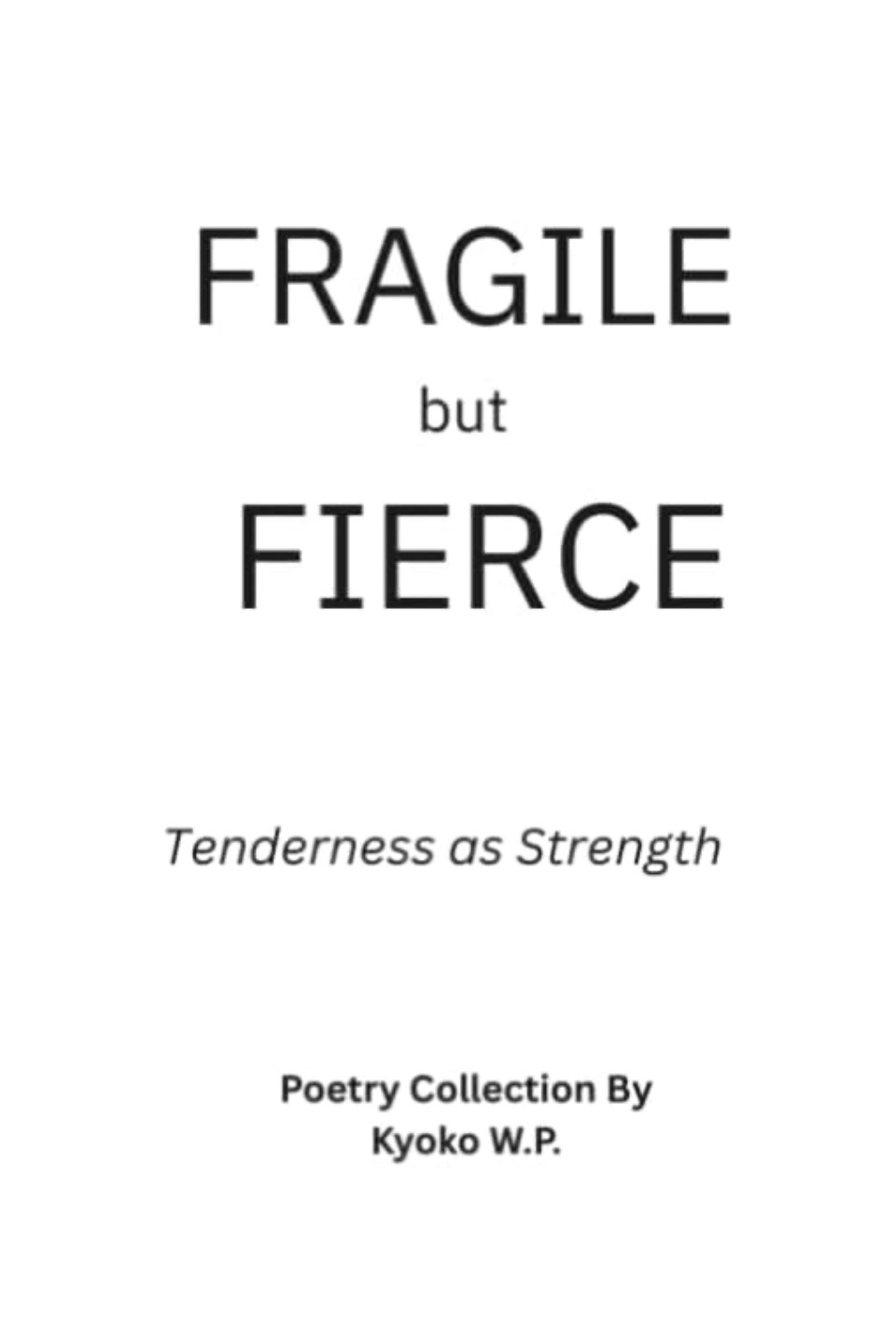
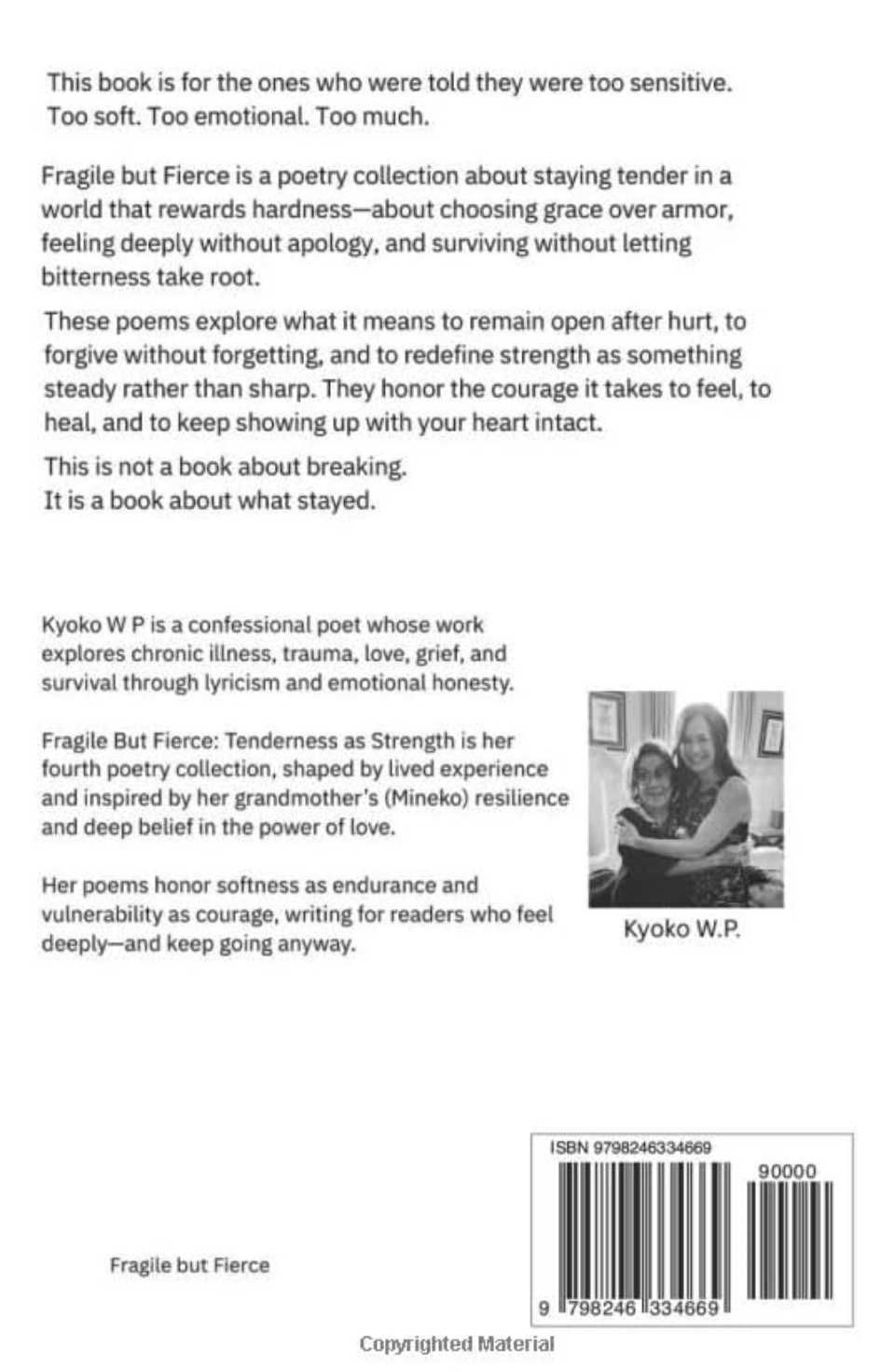
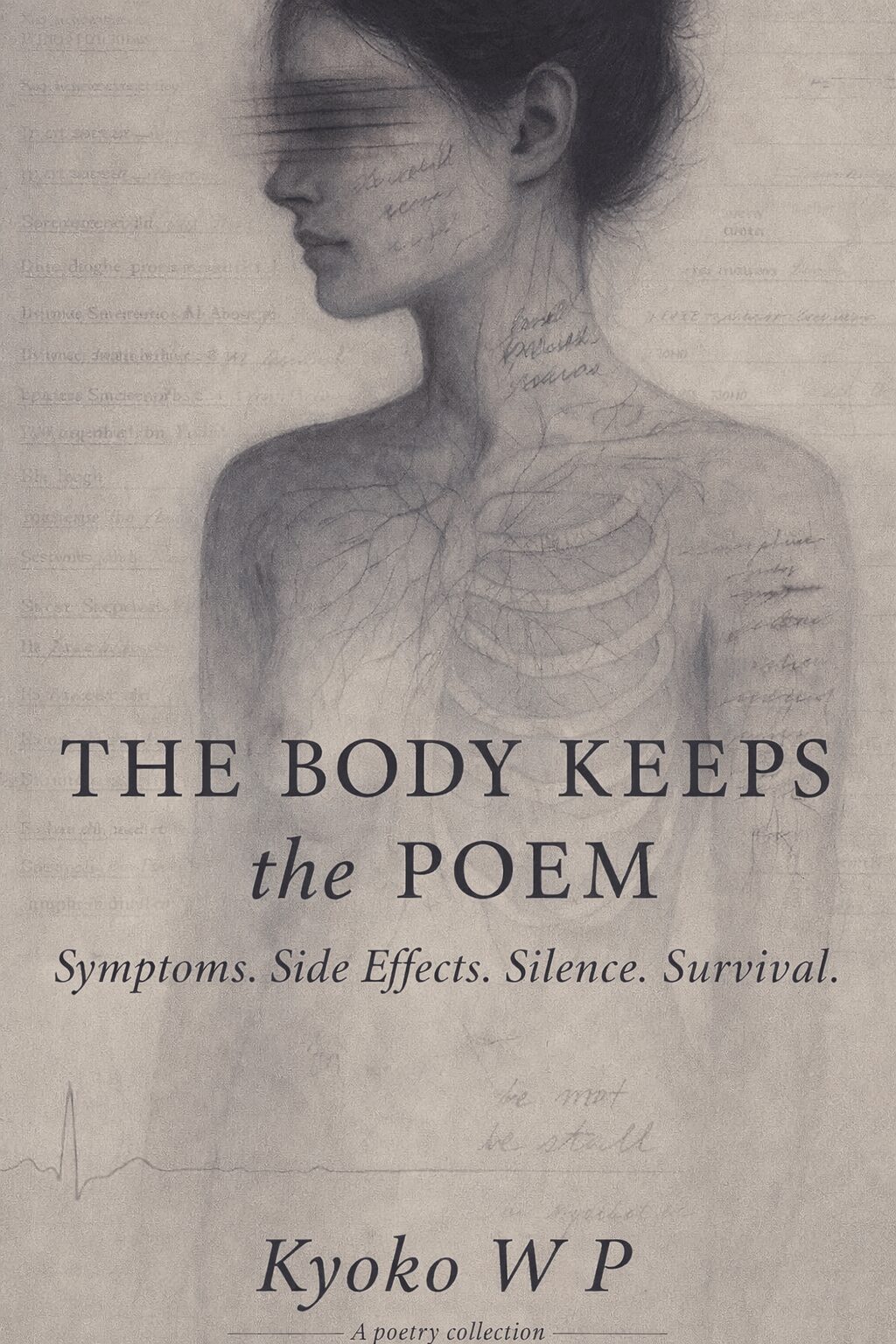
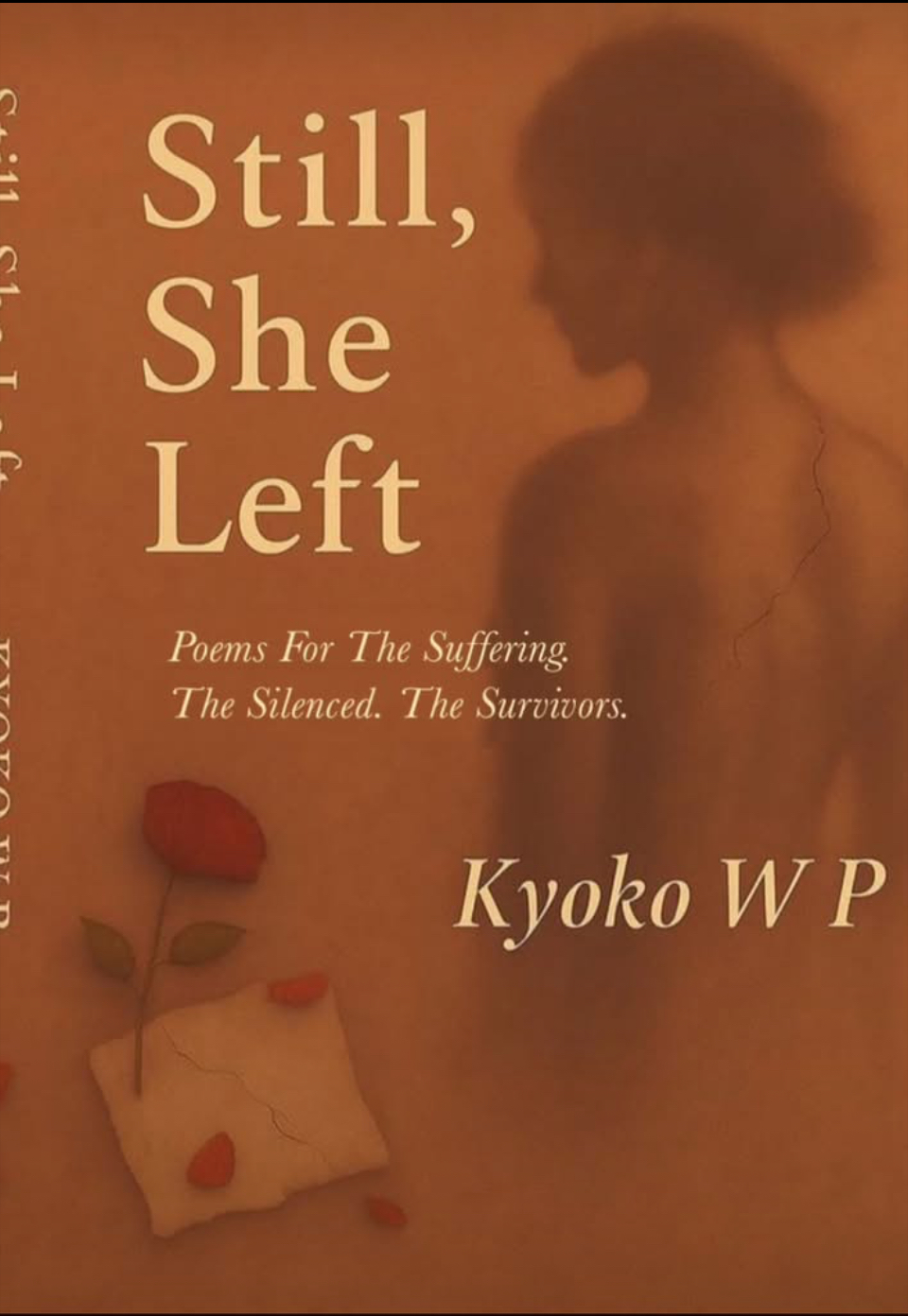
Since then, I’ve been fortunate to publish four collections: Big Feels: I Feel Too Much, Liquid Gold Tattooed, Still Her, and my latest release, Fragile But Fierce: Tenderness as Strength. I’m also working on two upcoming collections that are especially close to my heart: The Body Keeps the Poem: Symptoms. Side Effects. Silence. Survival., which explores chronic illness and the invisible battles so many people face, and Still, She Left: Poems for the Suffering. The Silenced. The Survivors., a collection about domestic violence, survival, and reclaiming your voice.
Over the years, my writing has evolved alongside me. In the beginning, I was simply trying to get my feelings onto the page. As I grew as a poet, I became fascinated by the music of language. I wanted my poems to feel like songs—with rhythm, internal rhyme, and a lyrical flow that stays with readers long after they’ve finished reading. Even when I’m writing about difficult subjects, I want there to be beauty in the way the words move.
The pieces I write are rooted in real life—trauma, mental illness, chronic illness, grief, motherhood, love, and healing. Those experiences have shaped me, but I’ve never wanted my poetry to stop at my own story. My hope is that readers recognize pieces of themselves in my work. The greatest compliment I can receive is when someone tells me, “I thought I was the only one who felt this way.”
Looking back, it’s surreal to think that something I once kept hidden has become my some of life’s most important work. Writing has given me a voice, but more importantly, it’s connected me with readers around the world. Knowing my words have helped someone feel seen, comforted, or a little less alone is the reason I keep writing.
I’m sure it wasn’t obstacle-free, but would you say the journey has been fairly smooth so far?
Not at all. Like most creative journeys, mine has been anything but a straight line.
I became permanently disabled in 2021, and writing quickly became more than a creative outlet—it became a lifeline. After having to medically resign from a job I truly loved at a children’s hospital, I felt like I’d lost a huge part of my identity. Through poetry, I realized I could still make a difference. By sharing my own story with honesty and vulnerability, I could help others feel seen, understood, and a little less alone. That gave me a renewed sense of purpose when I needed it most.
I’ve faced seasons of trauma, mental illness, chronic illness, and self-doubt that made writing feel almost impossible at times. Living with chronic illness, in particular, has changed everything. There are days when pain, fatigue, or brain fog make it difficult to write the way I want to. I’ve had to learn to create around limitations I never expected to have.
I’ve also learned that being vulnerable can be scary. Sharing deeply personal parts of your life means opening yourself up to judgment and criticism, but I’ve found that vulnerability is also where the strongest connections are made. The poems I was most afraid to share are often the ones readers have connected with the most.
Like many independent authors, I’ve also had to wear a lot of hats. Writing the book is only one part of the journey. There’s editing, publishing, marketing, designing content, building a community, and learning the business side of being an author. It’s challenging, but it’s also incredibly rewarding.
Looking back, I wouldn’t say the obstacles held me back—they shaped the writer I became. They taught me empathy, resilience, and the importance of telling the truth, even when it’s uncomfortable. Every challenge has found its way into my poetry, and I think that’s why my work resonates with so many people.
Thanks for sharing that. So, maybe next you can tell us a bit more about your work?
I’m a confessional poet, which means I write from a deeply personal place, but my goal is always to create something universal. Whether I’m writing about trauma, mental illness, chronic illness, grief, motherhood, love, or healing, I want readers to see pieces of their own story in mine.
One thing that sets my work apart is its lyrical style. I’m fascinated by the music of language, so I spend a lot of time crafting rhythm, internal rhyme, and cadence. I want my poems to read almost like songs—to be as memorable in the way they sound as in what they say. Even when I’m writing about painful experiences, I try to create beauty through the language itself.
I’m probably most proud of the community that’s grown around my work. Readers often tell me my poems helped them cry after years of holding everything in, put words to feelings they couldn’t explain, or reminded them they weren’t alone. To me, that’s the greatest success I could ever ask for. Book sales and milestones are wonderful, but knowing a poem made someone feel seen—that’s what matters most.
If there’s one thing I hope people remember about my work, it’s that vulnerability isn’t weakness. Some of our deepest wounds become the very places where we connect with one another, and I hope my poetry gives people permission to feel, to heal, and to believe they’re never alone in what they’re carrying.
What was your favorite childhood memory?
One of my favorite childhood memories is simply getting lost in my imagination. I spent so much time reading, writing, and creating stories. Looking back, I think that’s where my love of poetry really began. Words became a place I could escape to, and eventually, a place I could come home to.
Contact Info:
- Website: https://linktr.ee/kyokopoetry
- Instagram: https://www.instagram.com/kyokothepoet
- Facebook: https://www.facebook.com/share/1DaWg4StXT/