




Today we’d like to introduce you to Ella Barnes.
Hi Ella, can you start by introducing yourself? We’d love to learn more about how you got to where you are today?
I grew up in Washington, DC, where my parents fostered my creativity from an early age. I was fortunate to attend a school that truly valued art making. In high school, I discovered the darkroom, and analog photography quickly became my obsession. I was captivated by the magic of printing with enlargers—the subtle beam of light, shifting lenses, and precise apertures. It felt like an instrument for sculpting with light.
I set my sights on New York and followed my dream to NYU, where I studied photography at the Tisch School of the Arts. Over four years, I worked to develop a visual language that carried emotional weight. Gradually, I found myself moving backward through the history of photography, leaving behind digital cameras for large-format wooden cameras and making only one or two carefully considered exposures in a session.
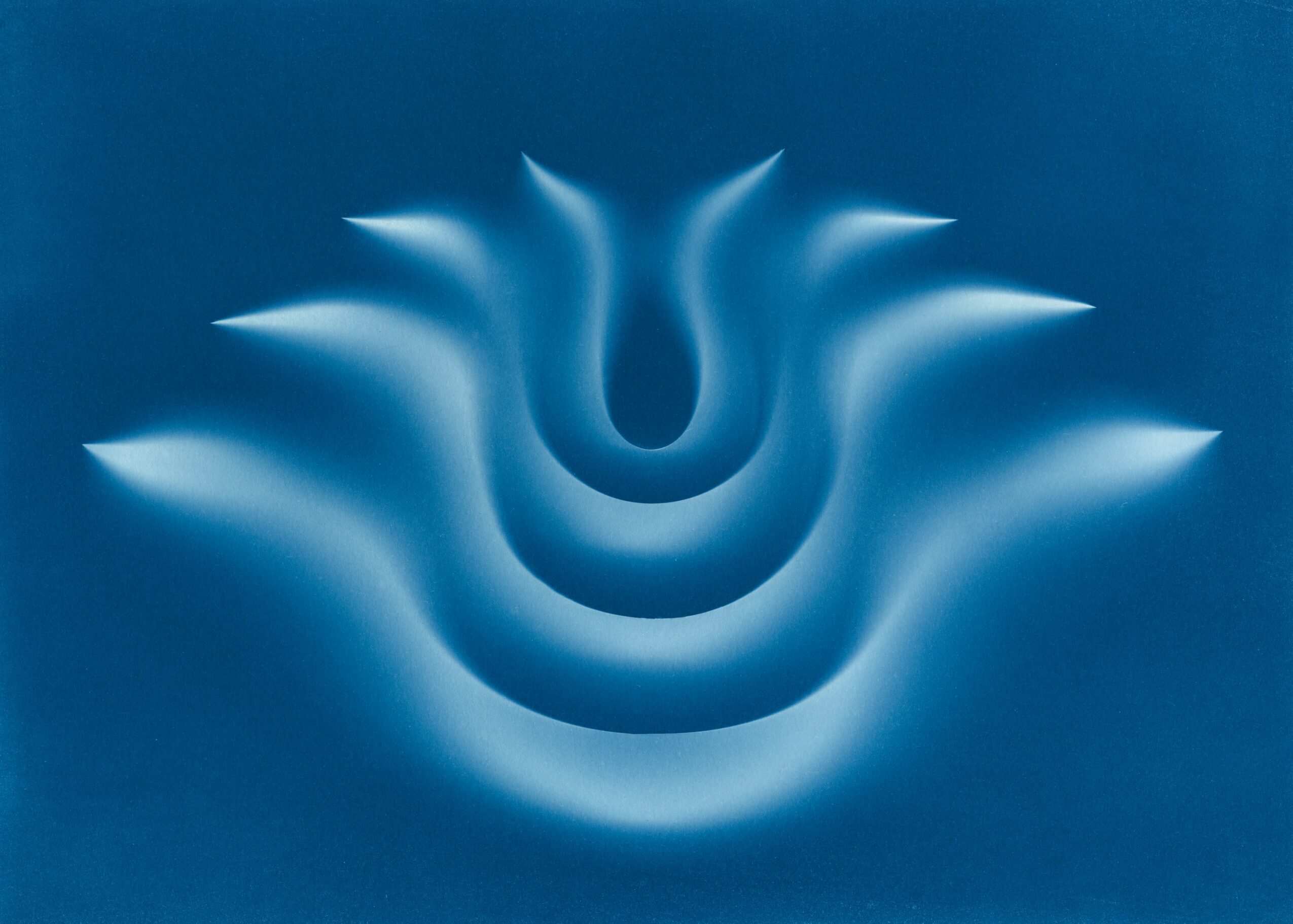
While studying abroad in Berlin, I was introduced to the cyanotype process, an alternative photographic process that develops blue-toned images using UV light. It felt like a meeting of photography, drawing, collage, and painting. That experience stayed with me.
After graduating, I realized that traditional photography no longer felt like the right language for the questions I wanted to explore. I returned to cyanotype as a way to rediscover the wonder that had first drawn me to photography, while embracing the freedom and experimentation of painting and sculpting.
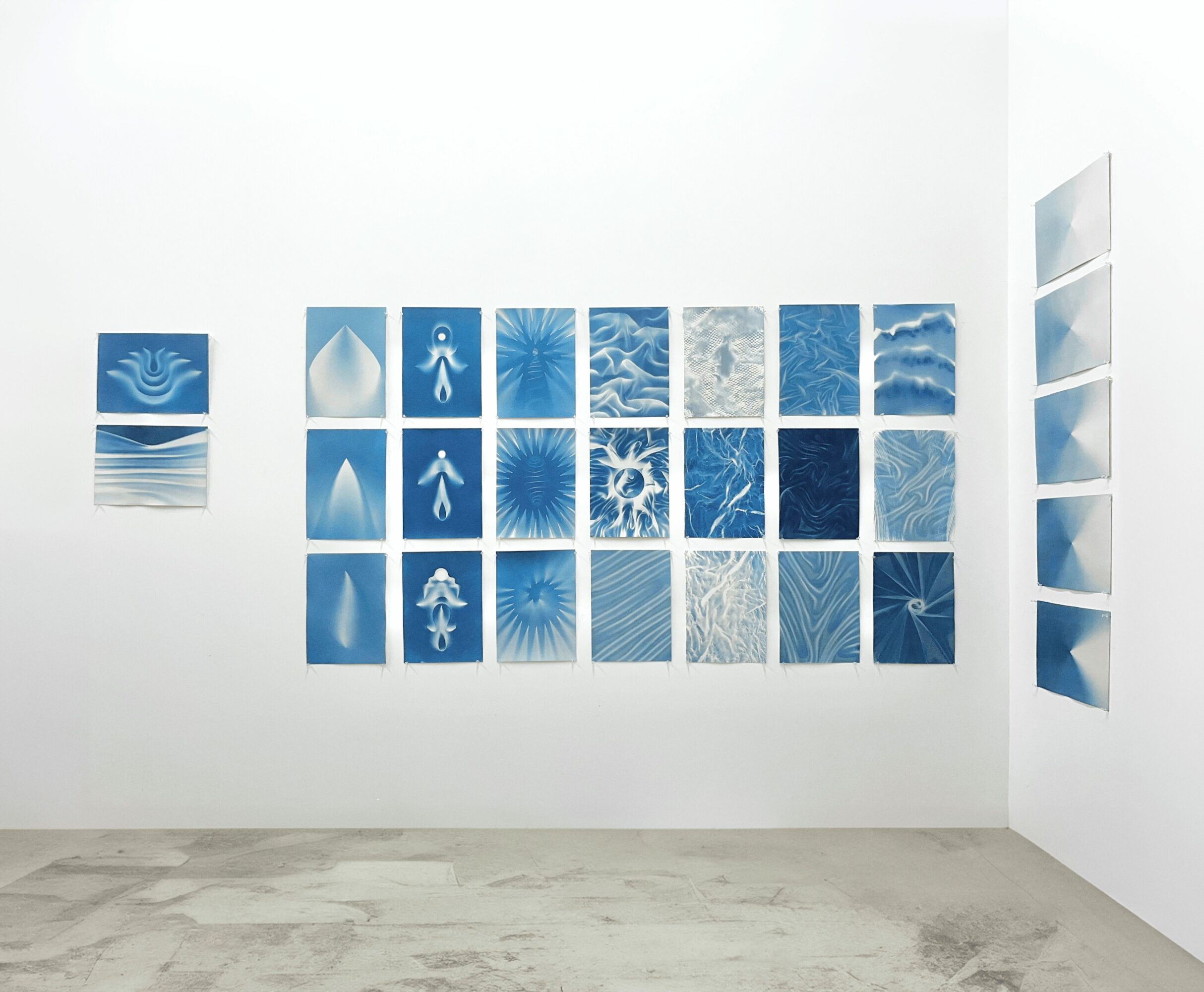
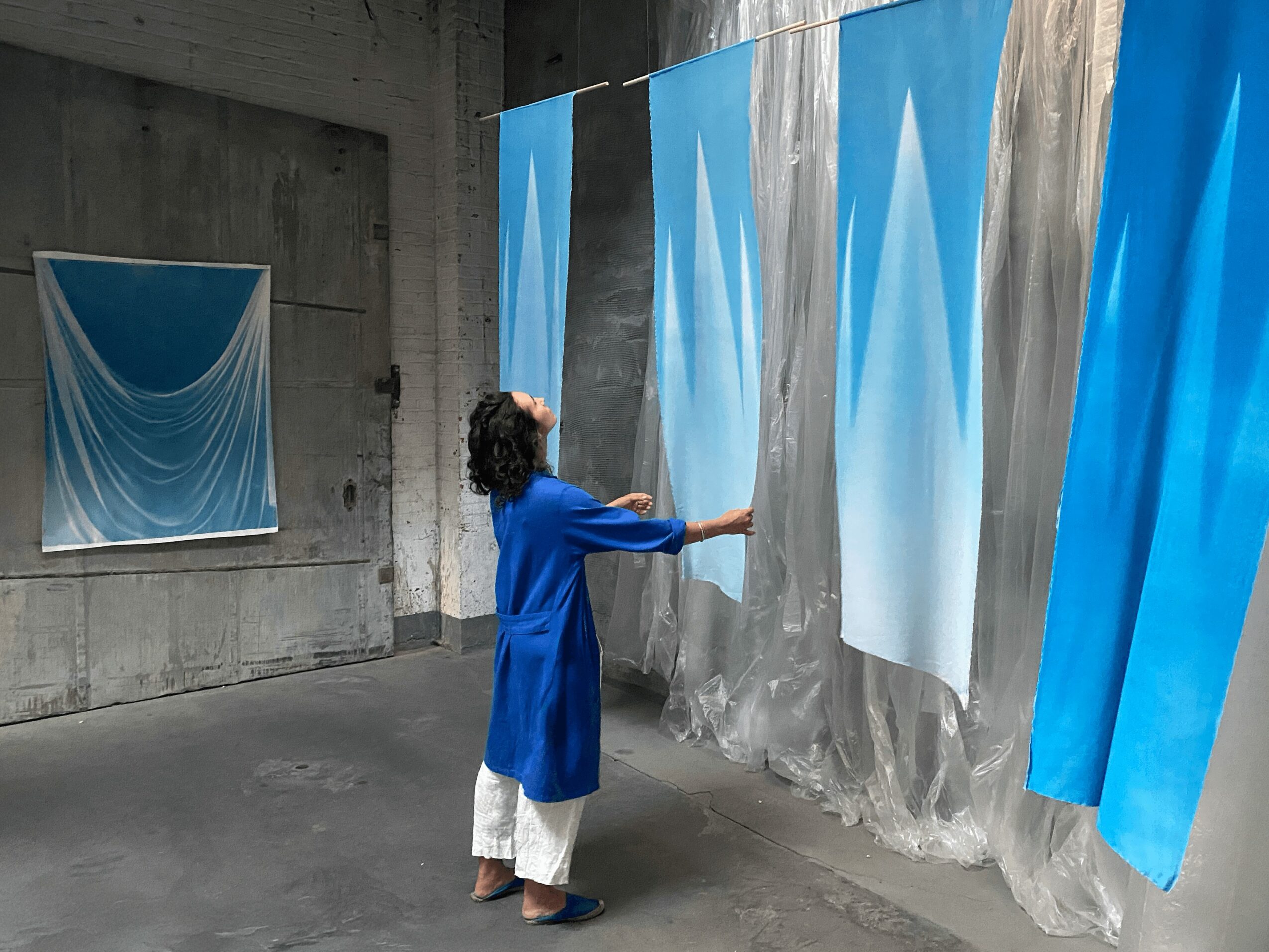
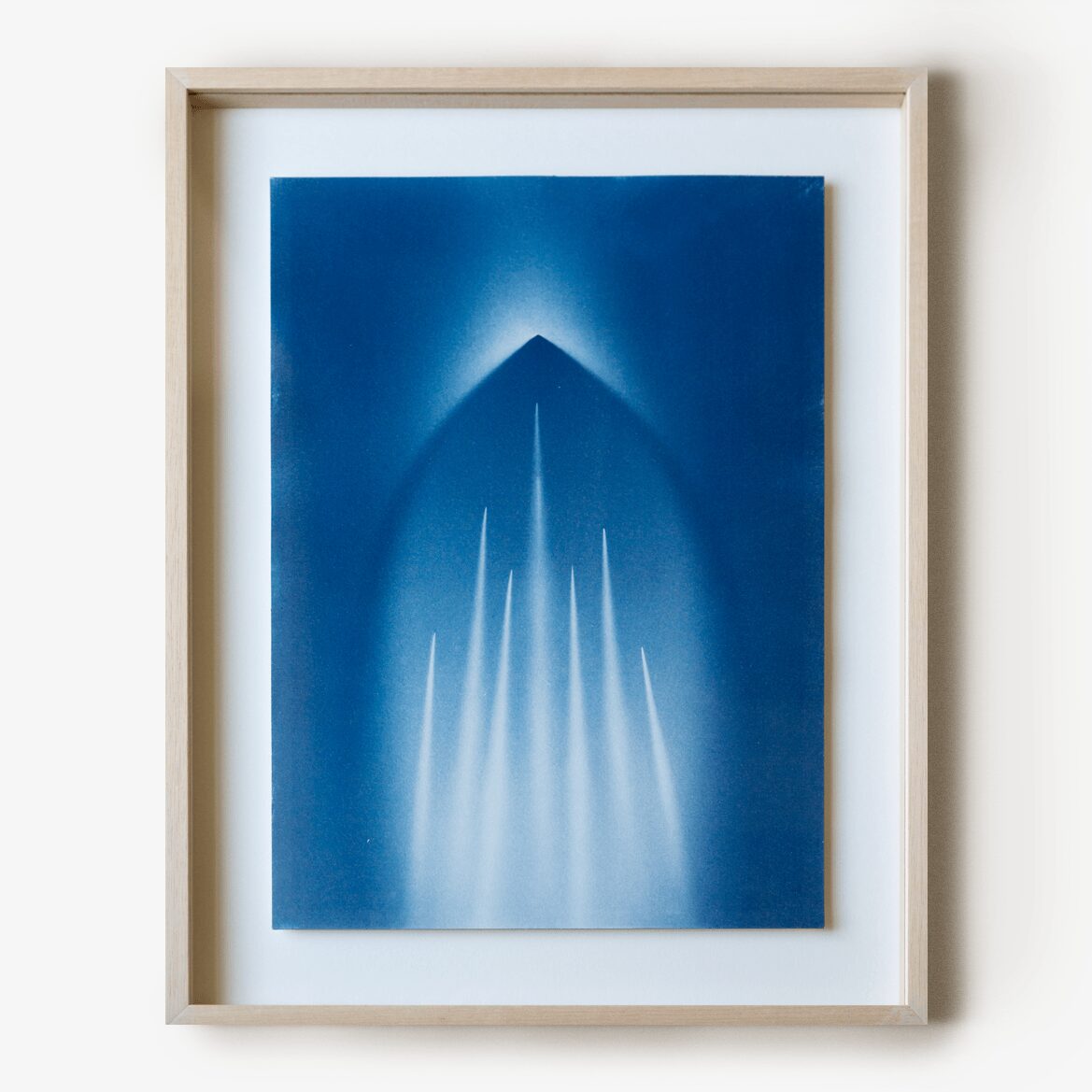
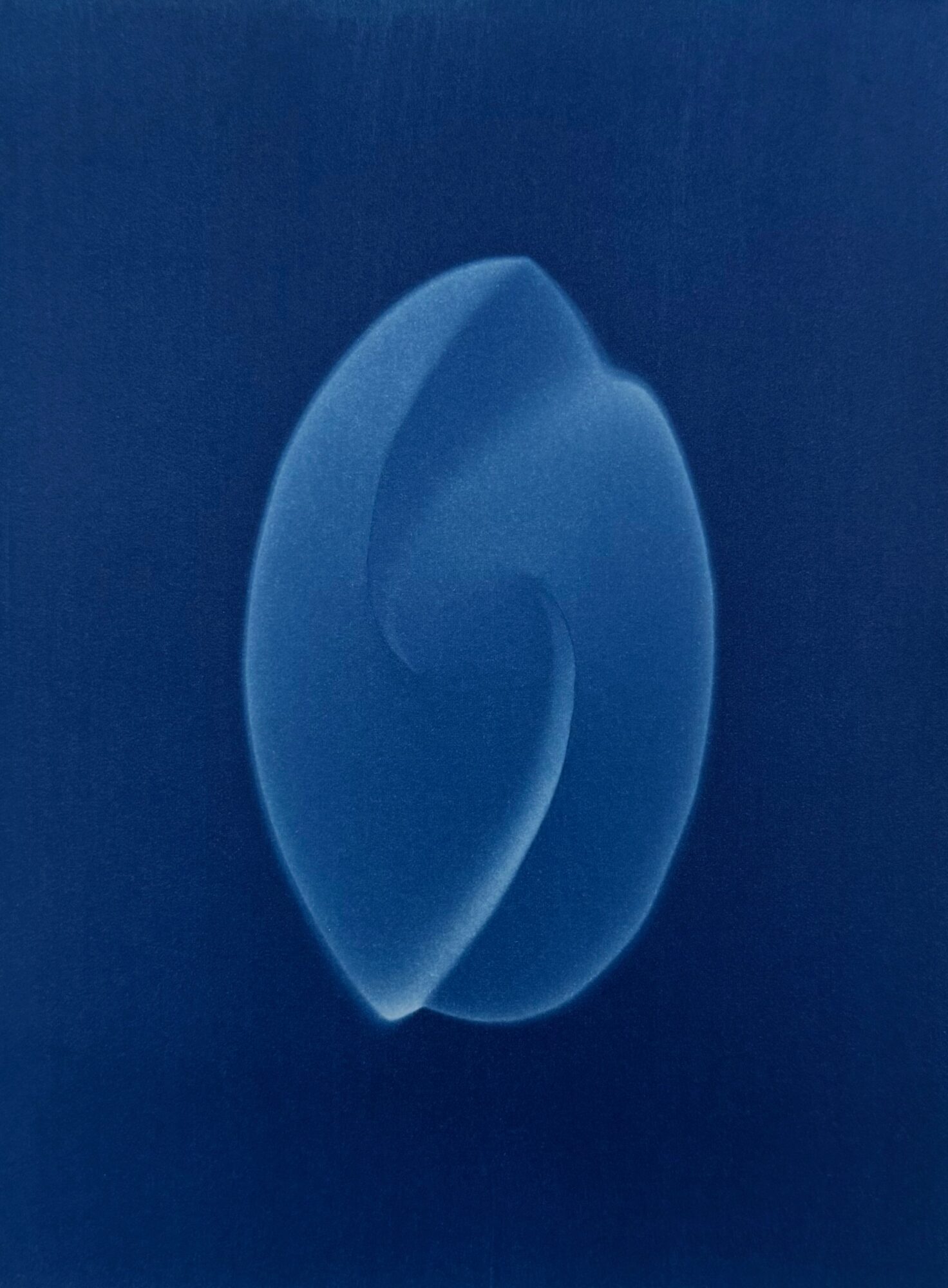
Over the past ten years, the cyanotype process has led me beyond photography and into a practice of discovery. My work has become an ongoing investigation of light, shadow, and the hidden geometries they reveal. Rather than using light to document the world, I use it as a material, creating camera-less cyanotypes that explore how something as intangible as light can be given form.
Alright, so let’s dig a little deeper into the story – has it been an easy path overall and if not, what were the challenges you’ve had to overcome?
It definitely hasn’t been a smooth road, although looking back I’m grateful for many of the struggles because they’ve shaped both my work and the way I approach making it.
The biggest challenge has been learning to let go of perfectionism. For years, I felt like I was constantly trying to control the outcome, trying to make the “right” artwork or develop a recognizable style. Over time, I realized that the more tightly I held on, the less alive the work became. My practice has really been about moving from control toward curiosity, from perfection toward play. Ironically, it was only when I stopped trying to force a distinct style that one began to emerge naturally.
I’ve also spent a long time wondering where I fit within the art world. For many years, it felt like there was an invisible wall between me and the traditional gallery world. Instead of chasing that, I made the decision to focus fully on building a deeply creative and unique practice. That gave me the freedom to experiment in peace, take risks, and follow my curiosity without worrying about whether the work fit into a particular category or market.
Looking back, I think those two struggles were actually the same lesson. The more I let go of trying to control how my work would be perceived, the more authentic it became. I think creativity asks us to trust that if we keep showing up, playing, and paying attention, our own visual language will reveal itself over time.
Appreciate you sharing that. What else should we know about what you do?
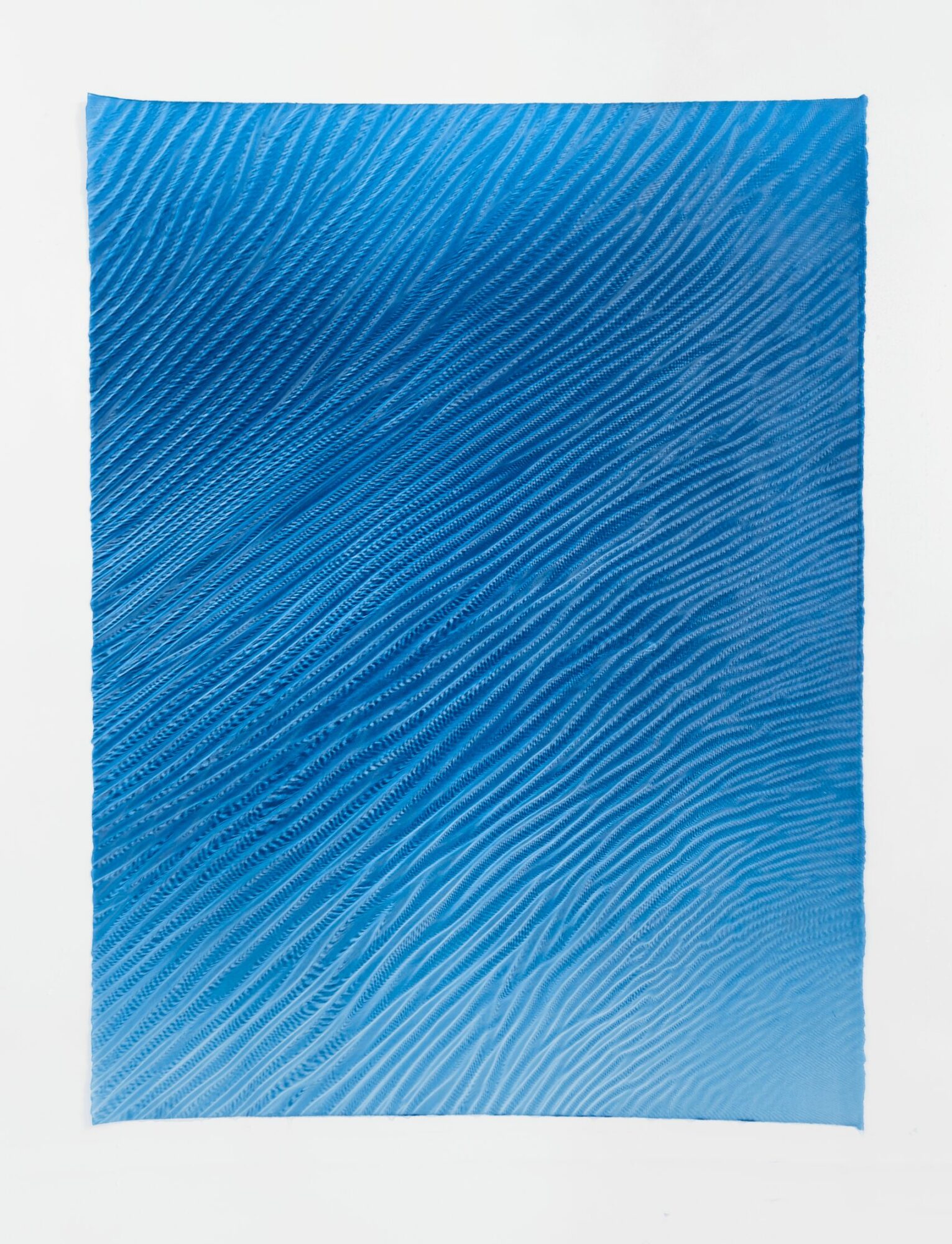
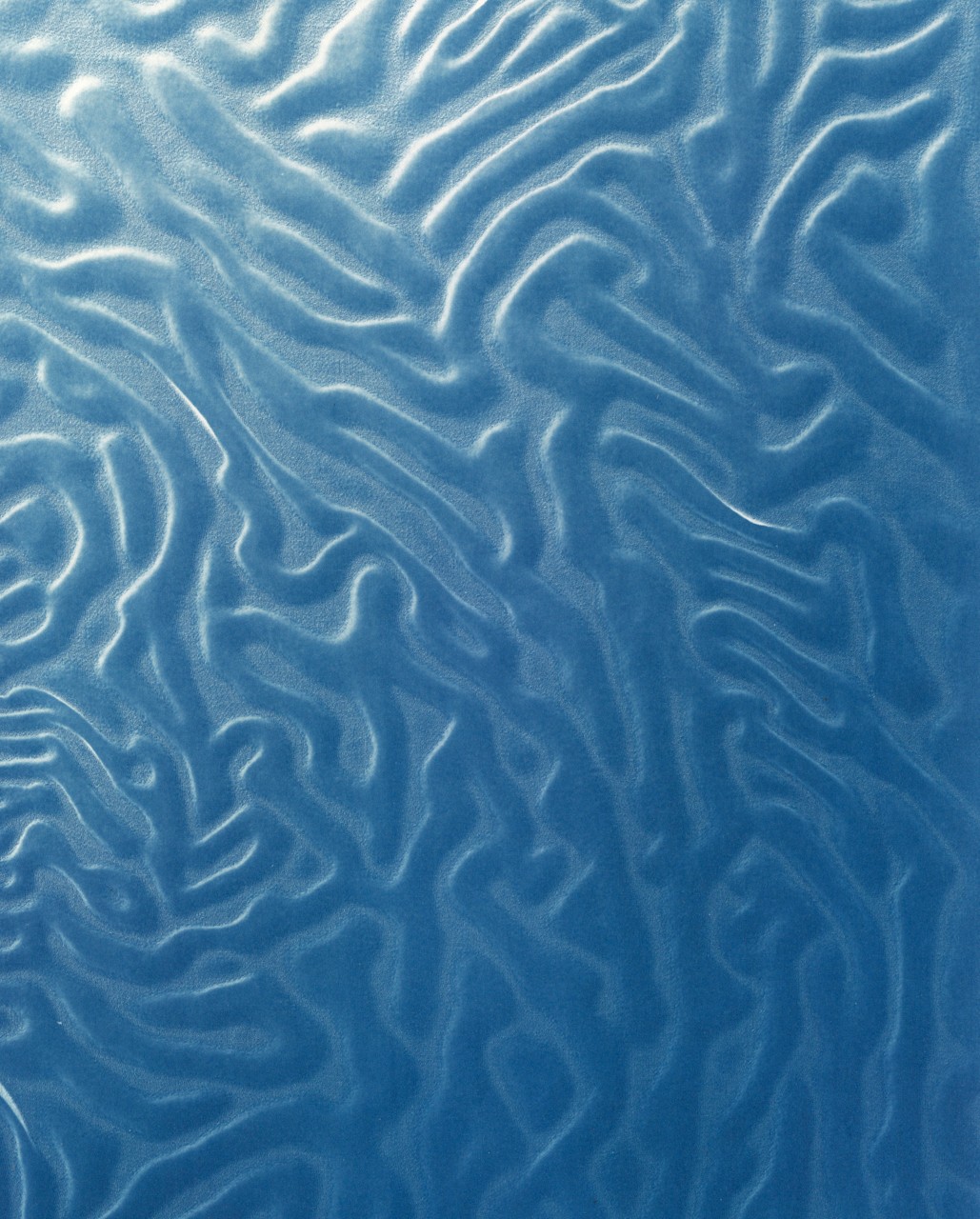
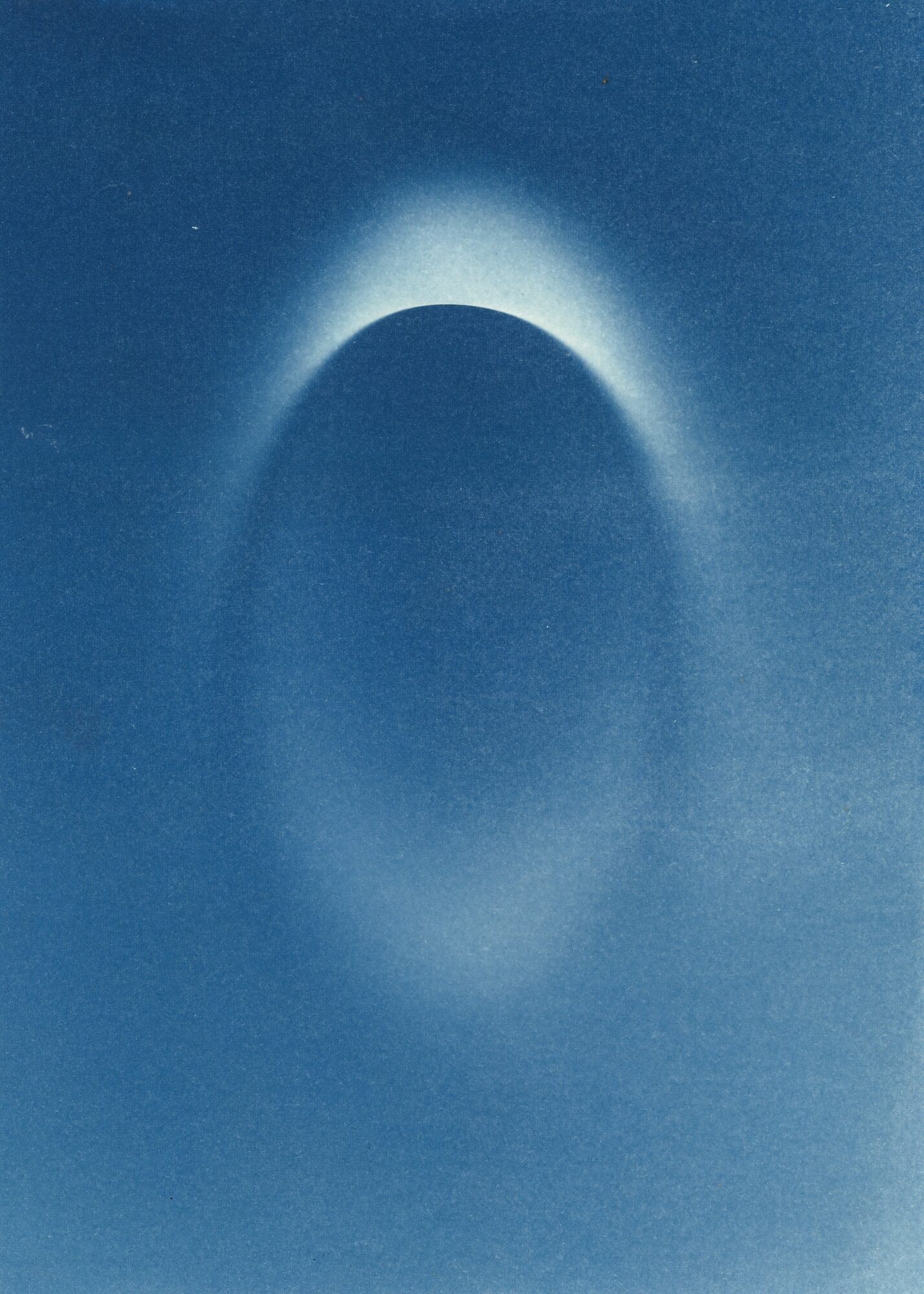
I create camera-less cyanotypes that explore light as both a material and a subject. While cyanotype is the process I use, my work has really become an investigation of light itself—how light gives shape to the world, how shadows reveal hidden structures, and how something as intangible as light can be translated into form.
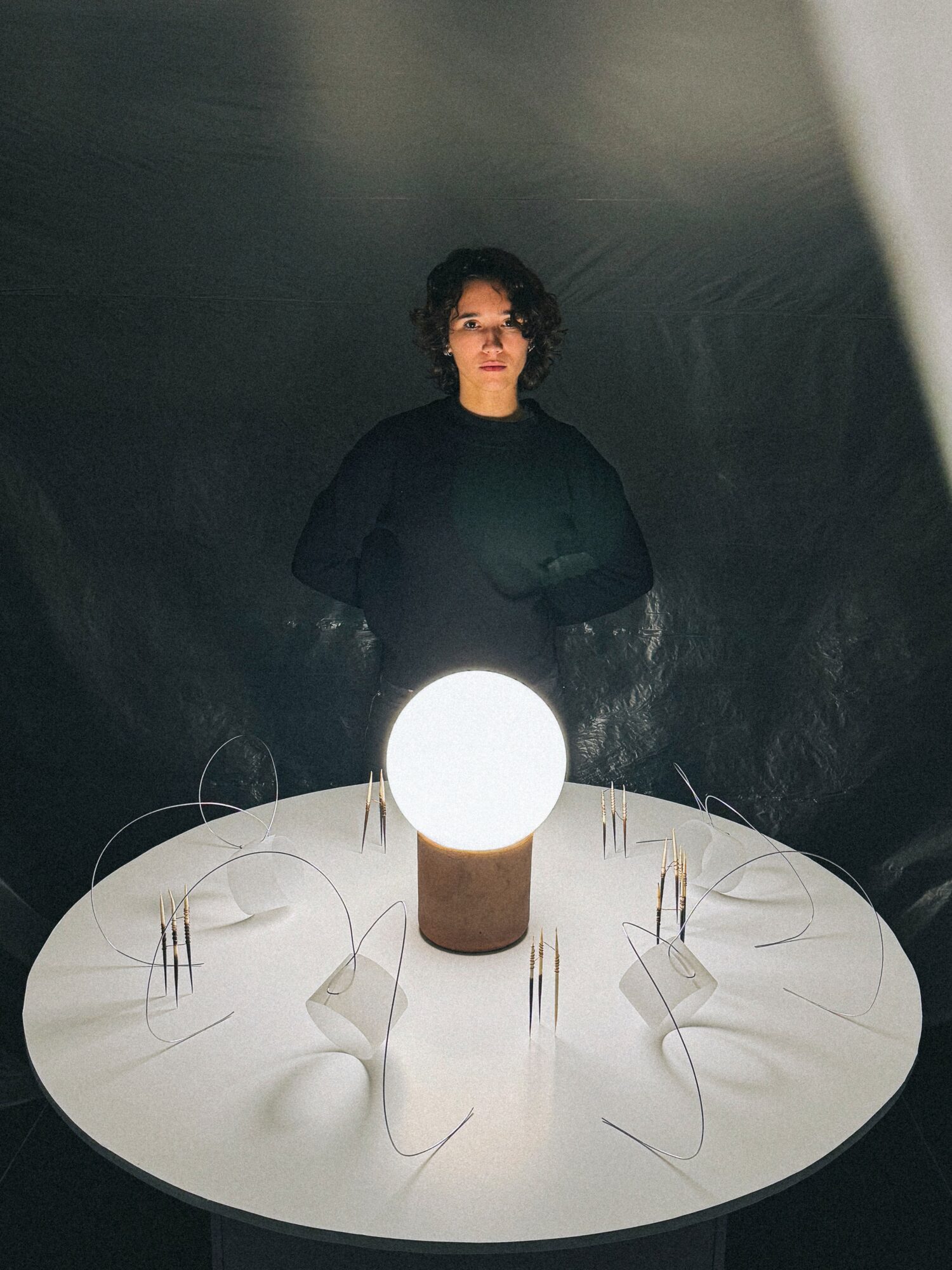
Over the past decade, I’ve moved beyond placing objects on paper and instead build sculptural forms that cast their own shadows. I think of it less as making photographs and more as working directly with light. Every artwork begins with an experiment. I don’t usually start with a fixed image in mind. Instead, I follow the process and let it reveal something I couldn’t have imagined beforehand. My practice has become one of discovery.
Alongside my studio practice, I also teach cyanotype workshops. One of the things I’m most passionate about is expanding how people think about the medium. Cyanotype has a rich history and is often associated with botanical prints, but I love introducing people to its broader creative potential—as a sophisticated analog technology for interacting directly with light.
More than teaching a process, I hope to help people shift their perception. I want people to begin noticing light and shadow differently, to become curious about the hidden phenomena unfolding around them every day. My workshops encourage experimentation, play, and freedom of expression, using sculptural forms, transparent and textural materials, and found objects as ways of building a direct and dynamic relationship with light and shadow. For me, the goal isn’t simply to teach cyanotype—it’s to help people experience light as something they can actively create with.
What I’m most proud of is that I’ve stayed curious. Rather than settling into a formula, I’ve continued to ask bigger questions. What is light actually capable of? What hidden geometries can it reveal? How does something invisible become visible? What happens when nature becomes a collaborator instead of simply a subject? Those questions continue to lead my work in directions I never expected.
If there’s something that sets my work apart, I think it’s that I approach cyanotype less as a photographic process and more as a way of studying light itself. Rather than using flat negatives, I build sculptural forms and modify the light source to carefully sculpt shadows, allowing the illumination to become an active collaborator in the work. Each piece is an experiment—an opportunity to uncover a phenomenon rather than execute a predetermined image. The cyanotype process is simply one instrument inside a much larger practice of exploring a question that continues to fascinate me: What can light reveal that we cannot otherwise see?
Are there any apps, books, podcasts, blogs or other resources you think our readers should check out?
I’m most drawn to books that explore consciousness, spirituality, and the place where the invisible becomes visible, where formlessness becomes form. I find myself returning again and again to sacred texts, scripture, and theological writing because they ask many of the same questions that motivate my work.
One of the books that has had the greatest impact on me is Autobiography of a Yogi by Yogananda Paramahansa. What resonated with me wasn’t simply the story itself, but the possibility that we can cultivate a more direct relationship with the divine and the mystery of existence. That’s the space I hope my work inhabits as well. For me, light feels like one of the purest expressions of source, something that is both physical and profoundly symbolic.
That said, my greatest source of inspiration isn’t a book at all: it’s light itself. Whenever I feel creatively stuck, I stop thinking and start playing. I go outside, observe how light moves through a space, casts a shadow, reflects off a surface, or changes throughout the day. Again and again, it reminds me that discovery comes through paying attention. Light has become both my teacher and my collaborator, and I find that it always leads me somewhere I couldn’t have arrived at through thought alone.
Contact Info:
- Website: https://Www.ellabarnesart.com
- Instagram: https://Instagram.com/ellabeee