



Today we’d like to introduce you to Dale Mouton
Dale, we appreciate you taking the time to share your story with us today. Where does your story begin?
Growing up in Southfield, Michigan, I attended St. Regis for both elementary and middle school and Shrine Catholic for high school. Both schools had several amazing and supportive teachers who nurtured my curiosity, particularly in math and science. Two standout teachers from my pre-college education are Mr. Farrand and Mr. Tocco, both of whom contributed to making me the engineering student I am today.
My journey to my current position began at the University of Michigan, where I am currently a rising senior studying Materials Science and Engineering. My first year was difficult, as all adjustment periods are, but my sophomore year, I wanted to take advantage of all the opportunities in front of me. While looking for a job, something else to do during the year, I stumbled upon the Fan Experience Internship on the Athletic Department website. I didn’t know what the internship entailed, and I had never heard of Jake Stocker, the person in charge of the internship. But getting to attend sporting events for free sounded interesting to me, and despite not being coordinated enough for any sport besides running, I had always been interested in at least watching other sports.
This internship was amazing because it allowed me to engage with so many different people and see the effort it took to produce different sporting events. I got to have so many cool experiences, from watching Caitlin Clark play in person to causing the Hunter-Dickinson-Wisconsin overtime game by saying “There’s no way he makes that three.”
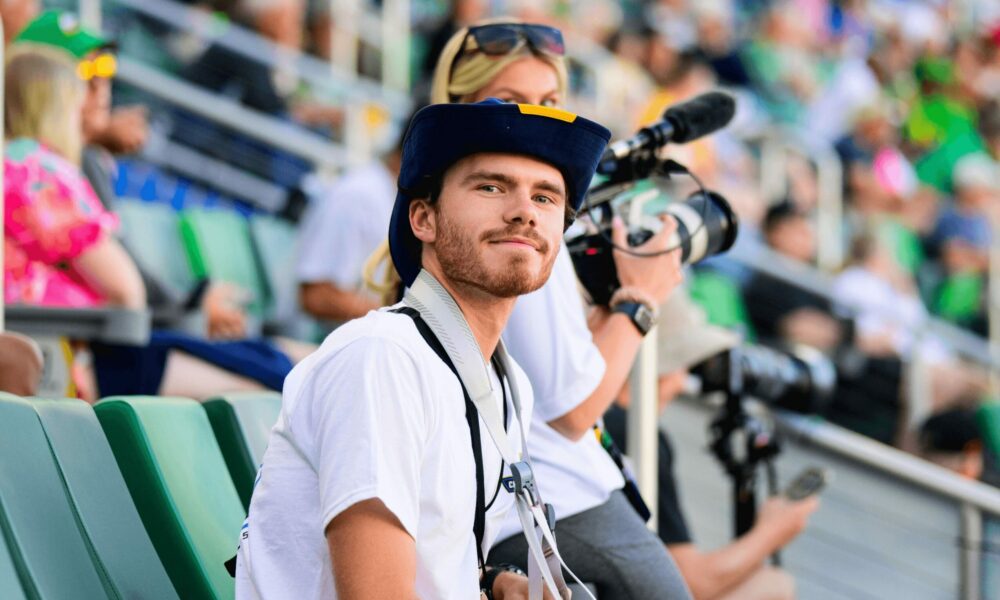
In the second semester of my sophomore year, I wanted to attend the ACC Indoor Track and Field Championships. As a runner, I was captivated by the distance revolution happening within track and field at the time. High school runners were breaking the 4-minute mile barrier every other weekend, Adidas and New Balance were catching up with Nike’s running shoes, and Katelyn Tuohy was dominated the NCAA distance scene. I reached out to Cole Harrison at Louisville to acquire a media credential for the Indoor Championships and drove down from Ann Arbor with my mom’s old Canon Rebel XSi camera from a decade earlier. My photos from that meet were not good by any means, but I enjoyed the experience and knew that I wanted to keep taking photos.
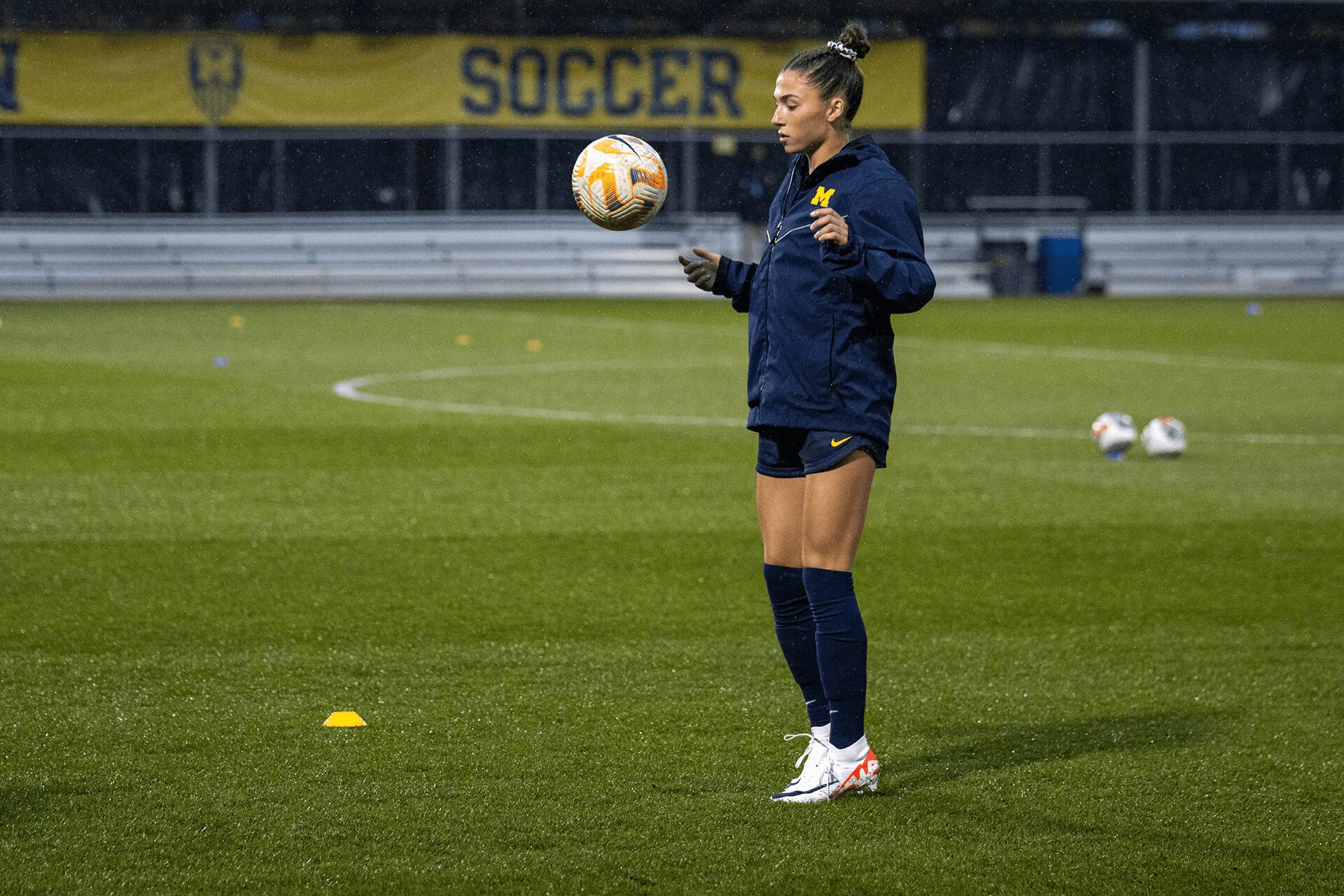
Following the meet, I emailed a dozen head coaches at Michigan, looking for a student manager position. My hope was that I would find a team that would allow me to keep working in sports once my internship ended and provided opportunities for photography. The head coach of the women’s soccer team, Jen Klein, emailed me back the next day and had me come in for an interview. I skipped classes that day and walked/bussed from my dorm down to the facility, securing the job a few weeks later. Once I started with the team, I mentioned my passion for photography, and the coaches loved the idea, so I became the pseudo team photographer, photographing practices and games, while also managing some of the social media alongside our sport information director (SID), Scott Kemps.
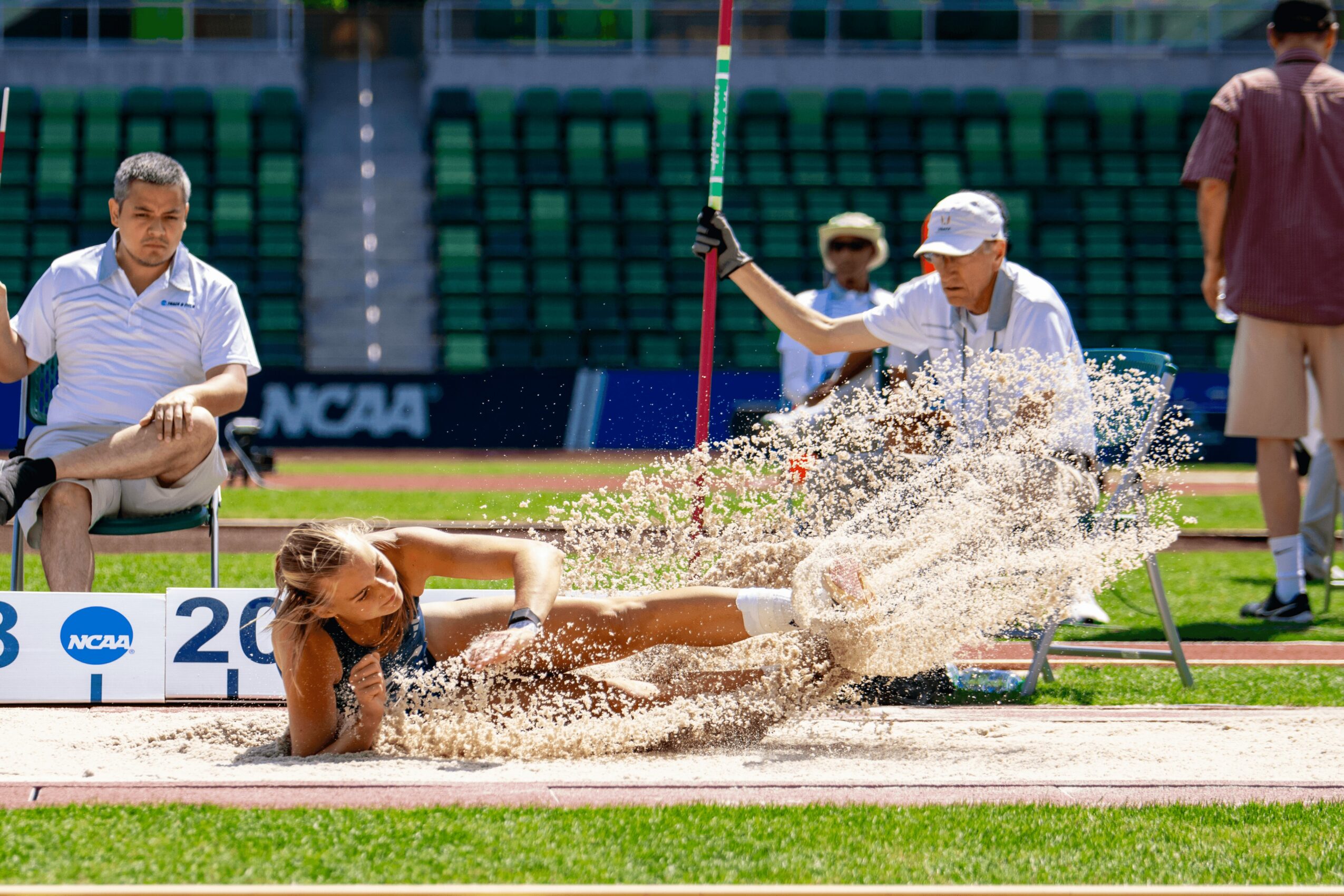
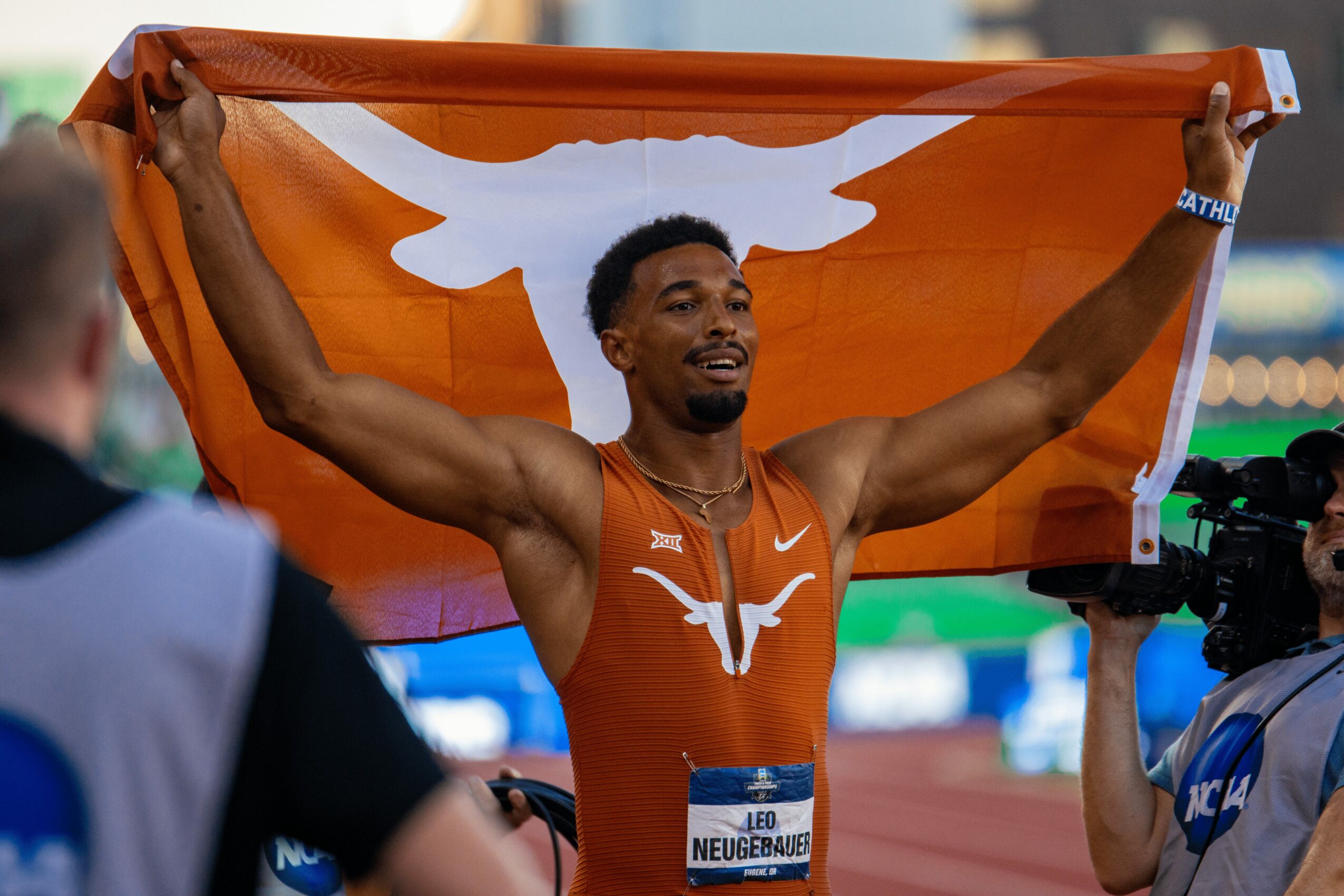
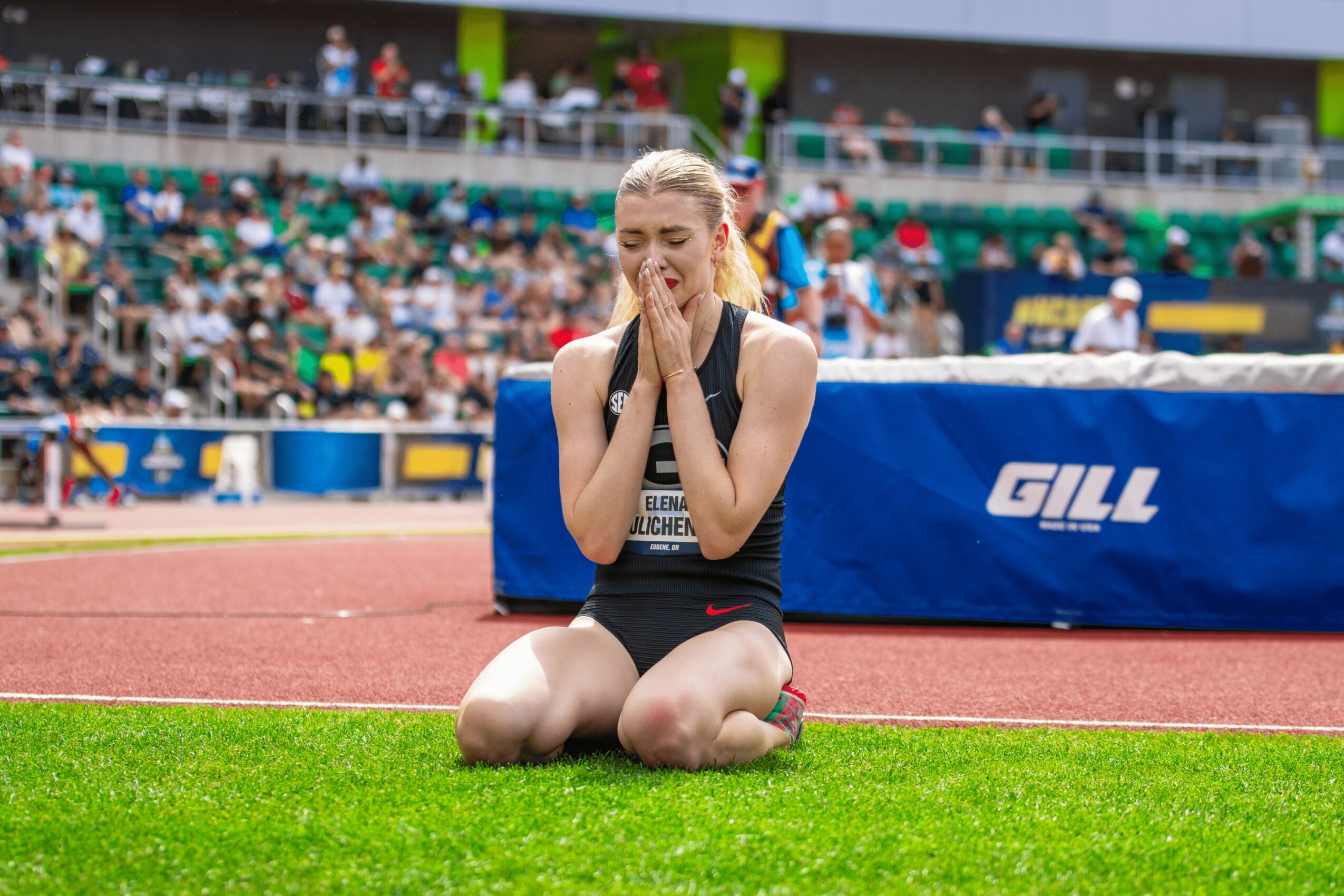
Email had become my best friend, as every opportunity since then has come because of an email. I was still obsessed with track and field, and I wanted to go to Oregon for the Track and Field Outdoor National Championships at Heyward Field. The NCAA has strict regulations on who is allowed to shoot at these meets; the credentialing process was not as simple as emailing one of the SIDs I had previously met in person. I talked with several photographers more involved in the track and field industry, and their recommendations led me to develop a plan to get to Eugene, Oregon. I emailed 150 SIDs at 150 different universities asking for the opportunity to shoot for their school at the national meet. Obviously, some of the larger universities would have staff photographers or a media department they would send a few photographers from, but I was hoping that at least one school would need somebody. I was shooting in the dark, but all I needed was one, and South Carolina was that one. David Fox at South Carolina took a chance, and everything fell into place from there. He brought me on for both the regional and national meet, giving me the opportunity to fulfill a dream and create an extensive photography network. That brings me to today, where I have upgraded my gear through the funds acquired from side jobs and have learned so much from both shooting so many events and from the people I’ve met along the way.
I’m sure it wasn’t obstacle-free, but would you say the journey has been fairly smooth so far?
I would describe the road as having hills, but not necessarily being filled with potholes like the roads are. Some of the struggles along the way are being able to fund everything, transportation, getting jobs, and being self-taught. Finances are the biggest struggle, as most of my job opportunities have been a few hundred miles away. For both the regional and national track meets I shot this year, I provided my own transportation, whether that be driving to Kentucky or flying to Eugene. On that point, getting jobs that will pay enough to cover travel and produce a profit is also difficult. The best way I’ve been able to make that work is to try and get multiple clients that when grouped together cover costs and let me be able to make a profit. And finally, being self-taught means that I’ve gone long stretches doing things inefficiently until someone noticed and helped me. There was a long stretch where I was editing photos individually in Photoshop instead of using Lightroom, and that took me days. The best part about all of the hills along the road is that I’ve been able to build great connections with those who know more and have been able to help me along the way.
Thanks – so what else should our readers know about your work and what you’re currently focused on?
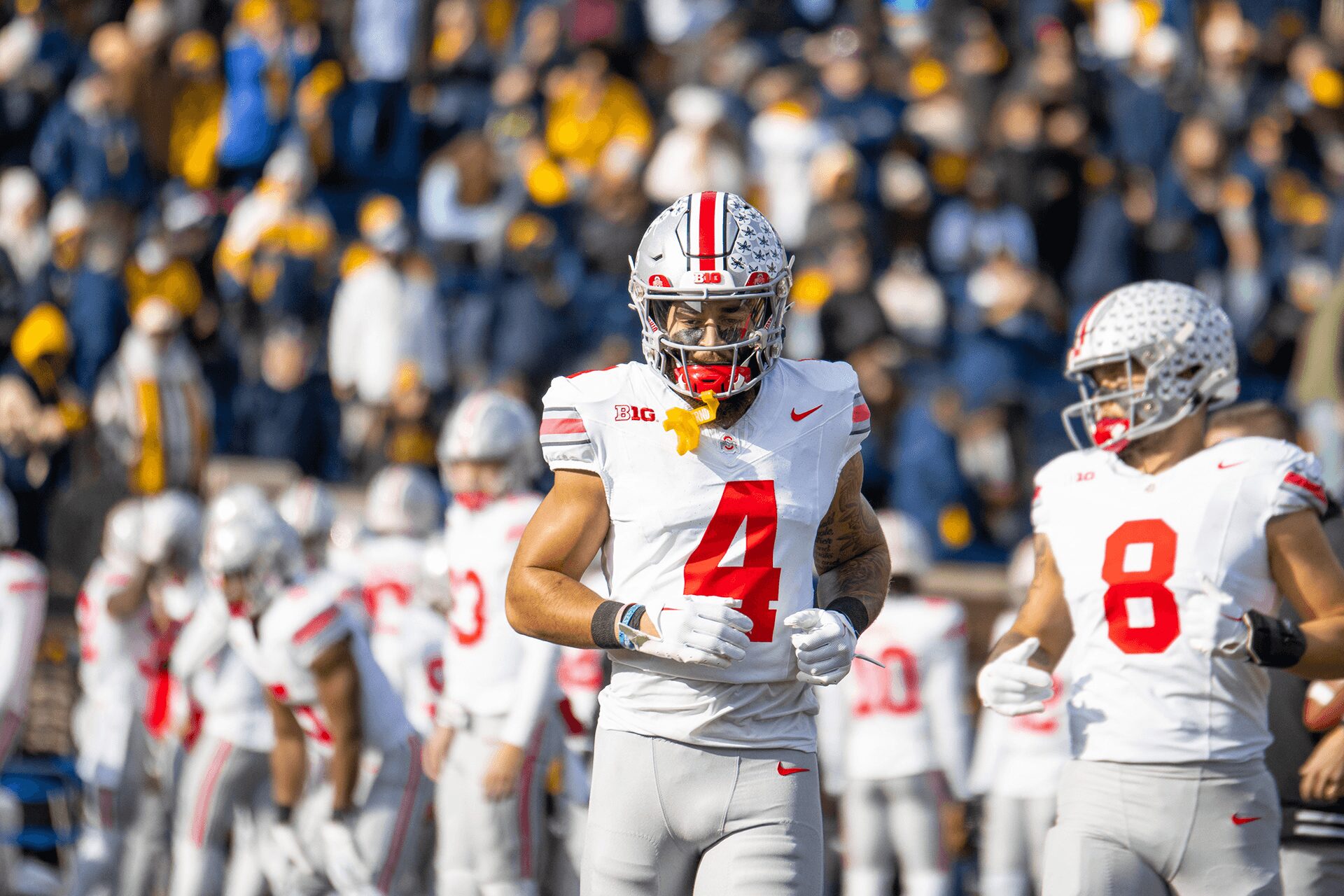
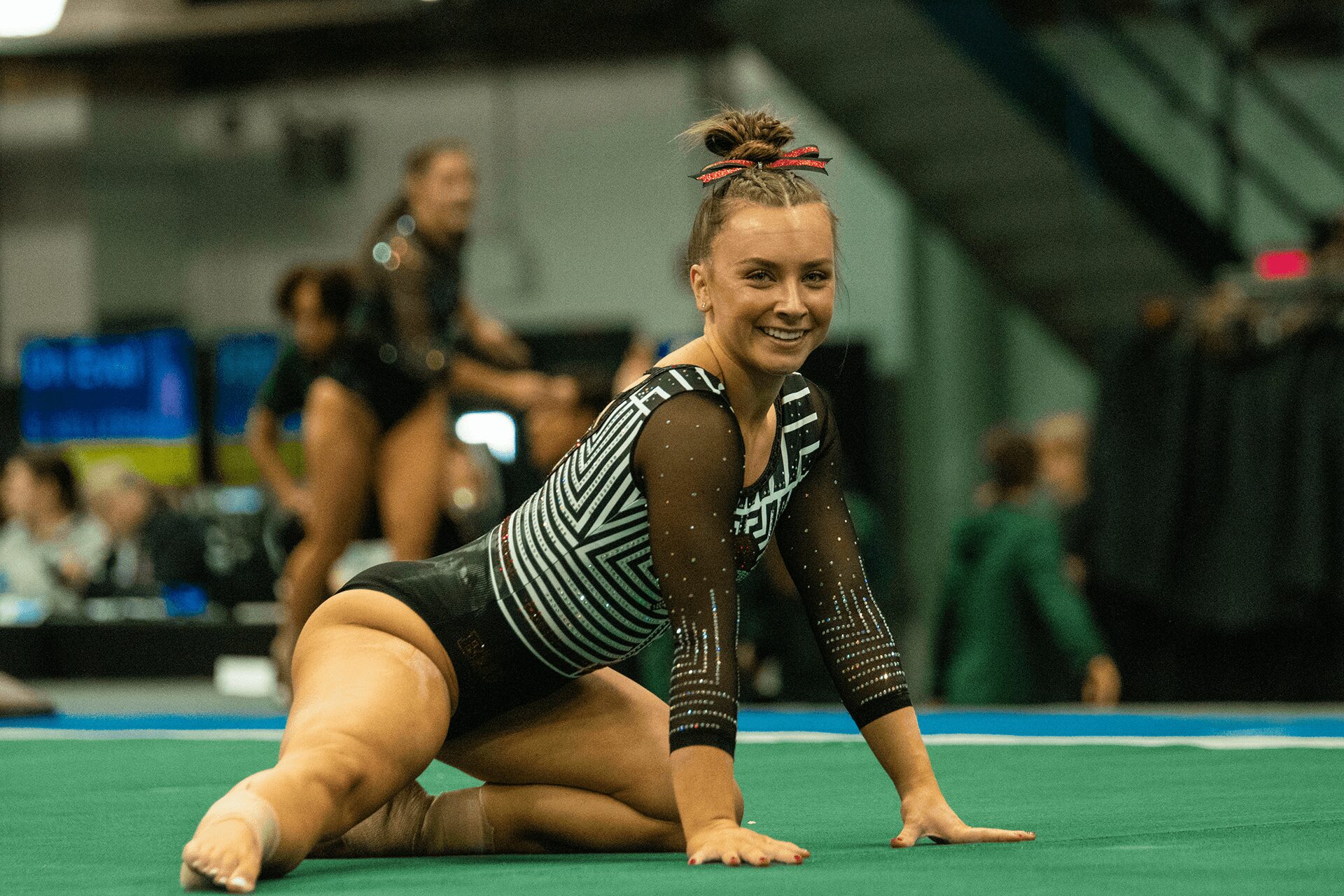
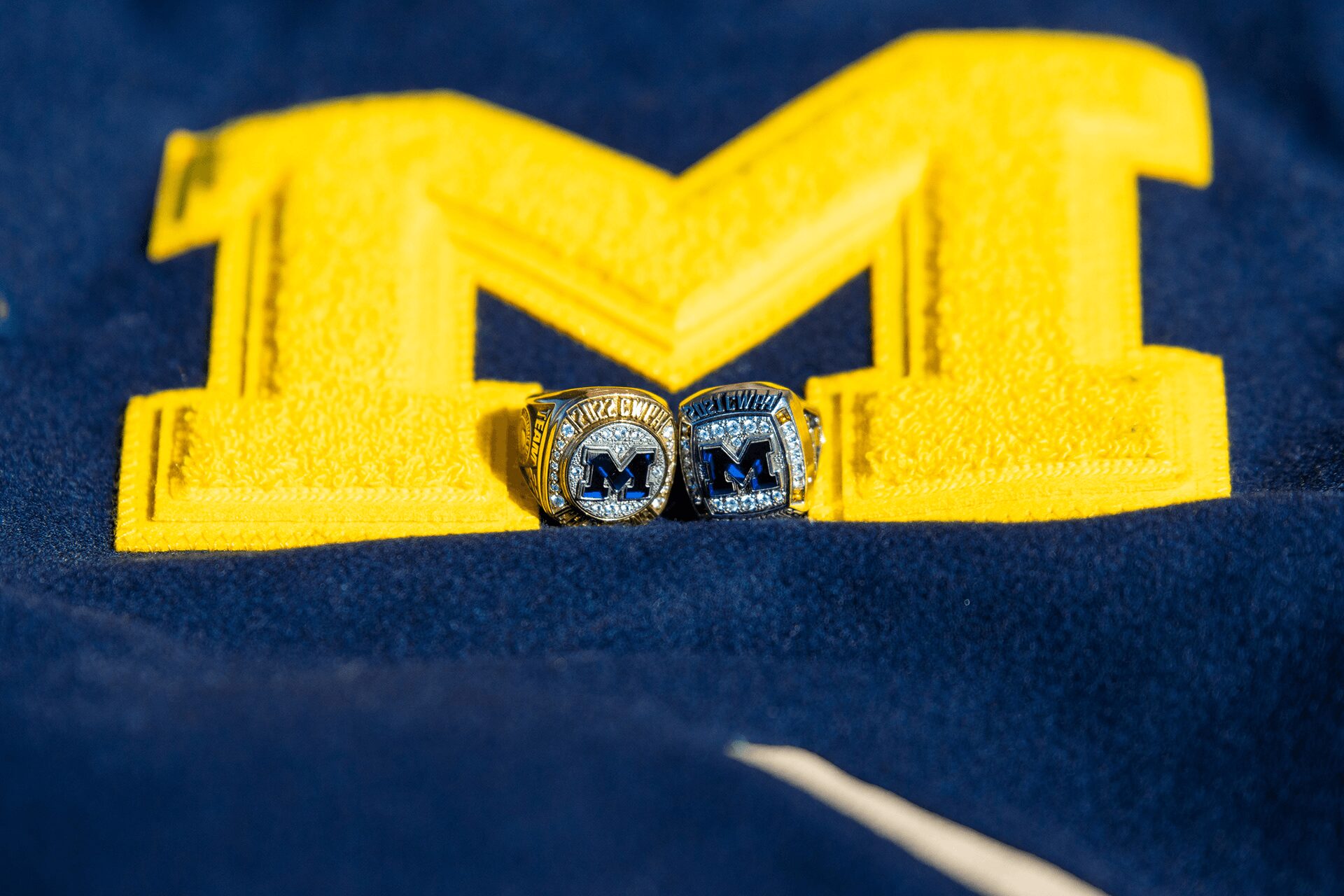
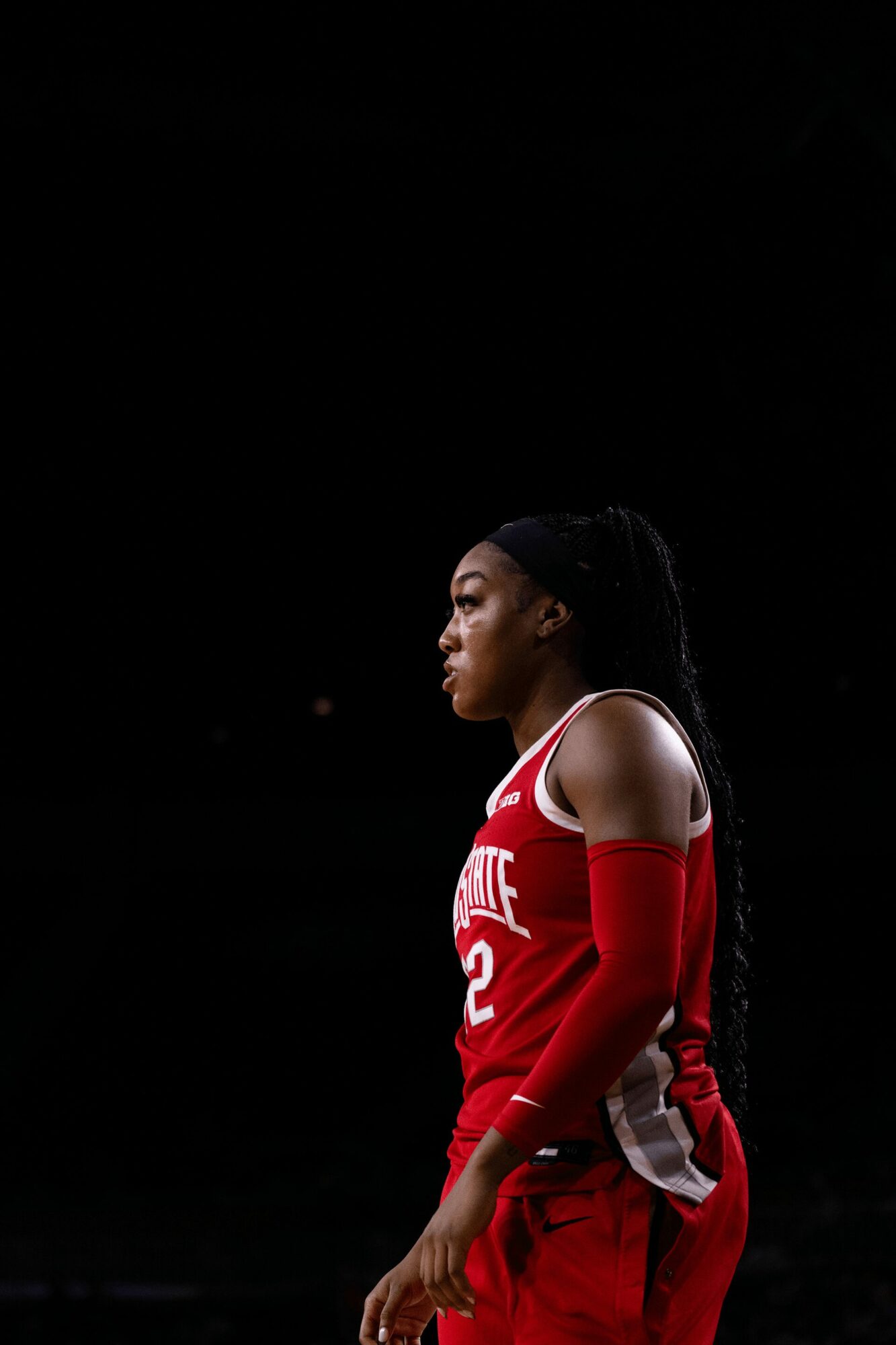
Primarily, I am a photographer. I work for both the Women’s Soccer Team at the University of Michigan and as a freelance photographer. For the team, I photograph, create video content, and sometimes make social media posts for the various social pages, but my primary focus is photography. That is what I specialize in, and that’s what most of my content comes from. Within my photography itself, I’m most proud of the color of my photos. I take a lot of pride in how the colors in my photos come off. I think what sets me apart from other photographers is my drive to make things happen and get the opportunities I want. As I mentioned, my emails to schools are what have gotten me my biggest jobs up to this point, and that only happened because I had the patience and desire to get those jobs.
In terms of your work and the industry, what are some of the changes you are expecting to see over the next five to ten years?
As much as I think the shift is overblown, my industry is moving toward the use of artificial intelligence in graphic design and photo editing. I love the use of generative fill in editing photos to remove people or unwanted background objects, but I believe ‘AI’ has become a buzzword in my industry that people think will completely change my industry. I think it makes it easier to edit photos and save editors time when going through photos or videos, but I don’t really see it becoming a big problem like a lot of people believe. As someone who is majoring in a different industry, has seen the development of AI in real-time and up-close, and knows first-hand how artificial intelligence can assist in debugging code, I feel like I have a good perspective on artificial intelligence that helps me not be afraid of something like that.
Contact Info:
- Website: https://dmouton.myportfolio.com/
- Instagram: https://www.instagram.com/dalemouton.photos/
- Twitter: https://twitter.com/mouton_dale