




Today we’d like to introduce you to Anthony Bartley.
Anthony, we appreciate you taking the time to share your story with us today. Where does your story begin?
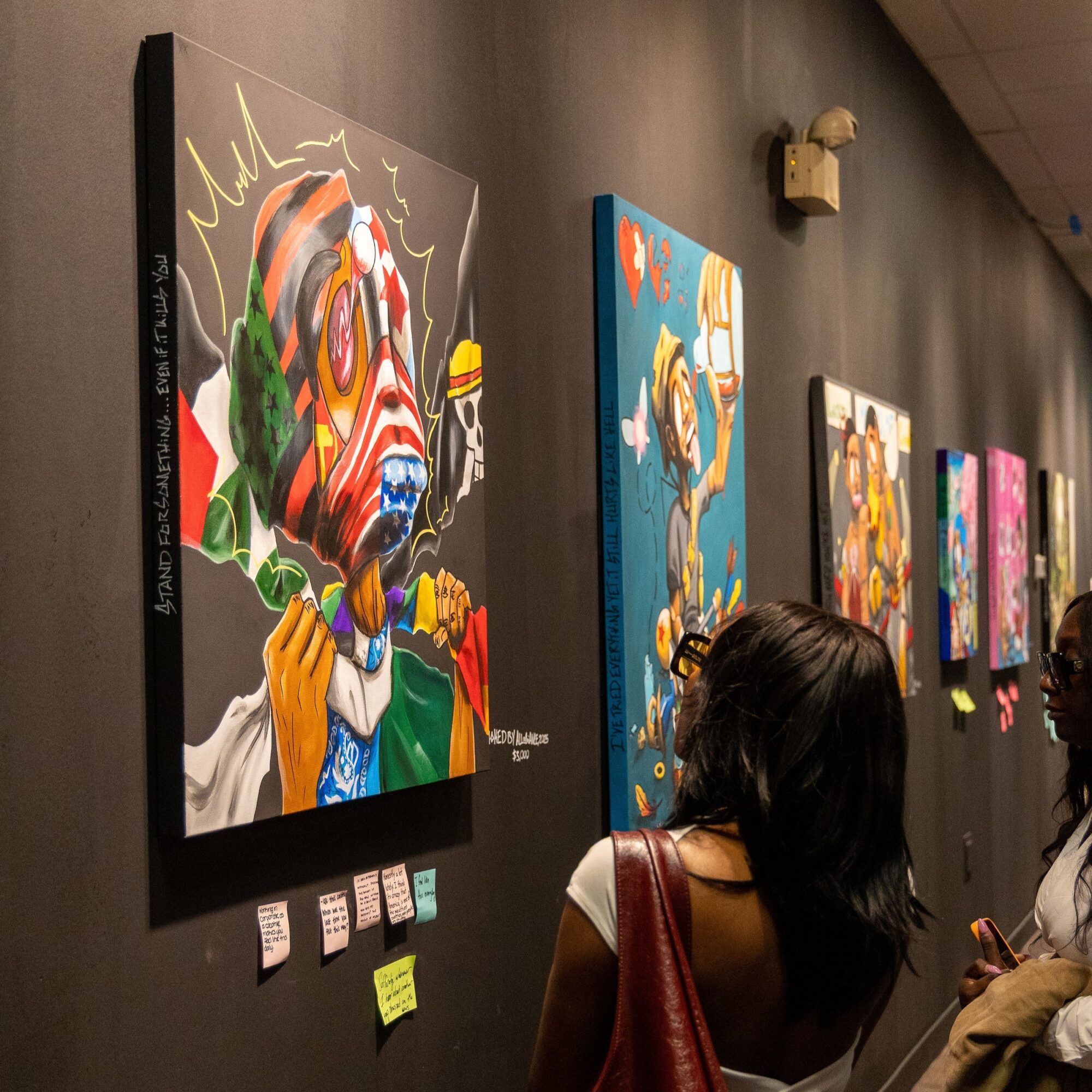
My art practice is a form of therapy and personal journalling that started during my freshman year of college. That year I found myself overwhelmed and deeply depressed to the point of being suicidal. After one particularly bad night, I painted a self-portrait that became a saving grace. I had found an outlet for thoughts and emotions that I couldn’t otherwise voice. That self portrait series continues to this day as a living record of my mental health journey 10 years later. Now I use art the same way while also presenting art publically in exhibitions and art fairs. The jump from art being only for self to self and community felt fairly natural as my practice started to evolve past just being about me.
Can you talk to us a bit about the challenges and lessons you’ve learned along the way. Looking back would you say it’s been easy or smooth in retrospect?
Not at all. My mental health is still an ever present struggle that I handle, somewhat, more gracefully. Being a working artist is also a constant grind that requires a lot of patience, community support, and courage. I’ve been discouraged more times than I can count on this journey whether it was from a negative response to my work, low sales, or financial hurdles.
Thanks for sharing that. So, maybe next you can tell us a bit more about your work?
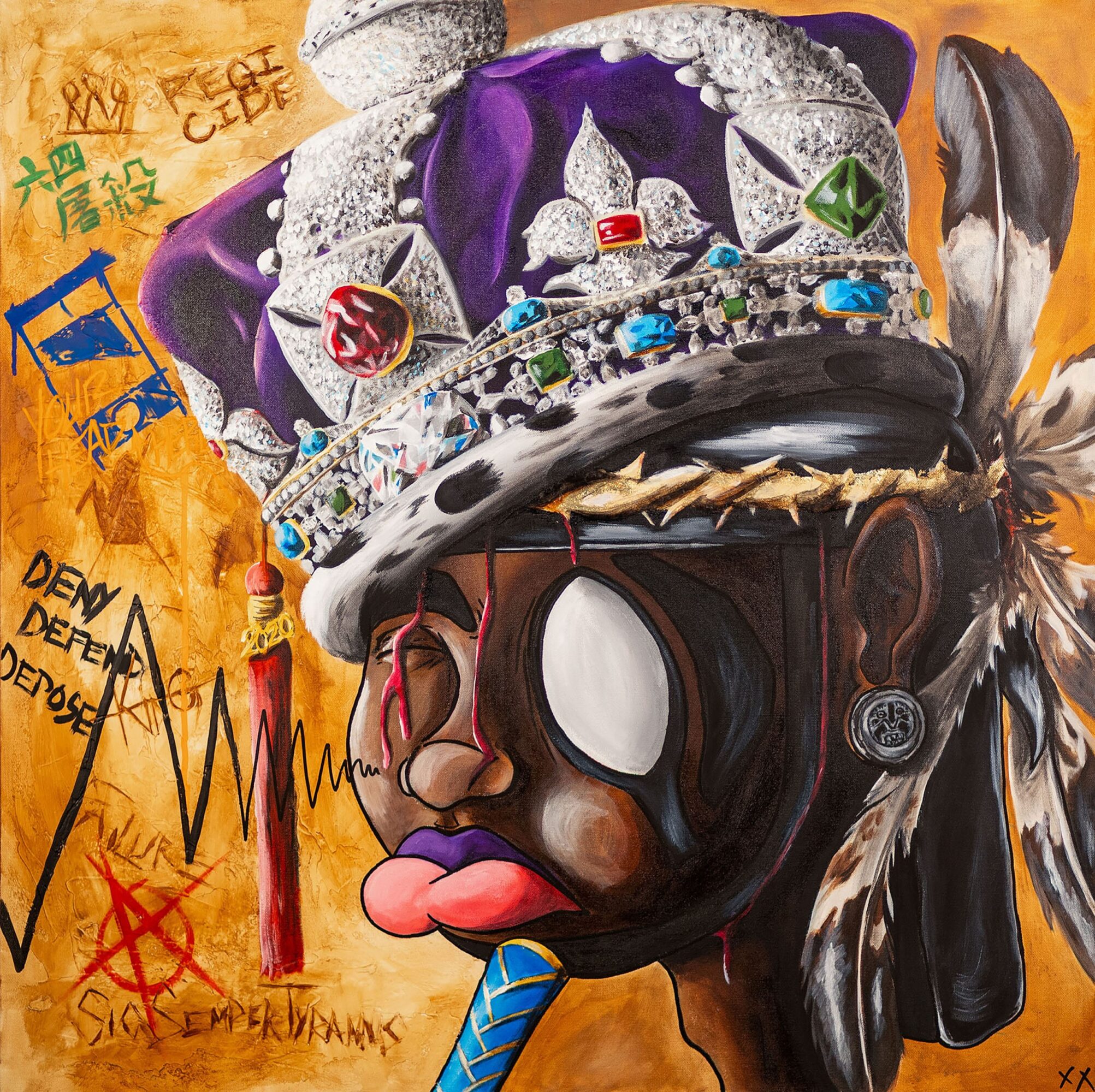
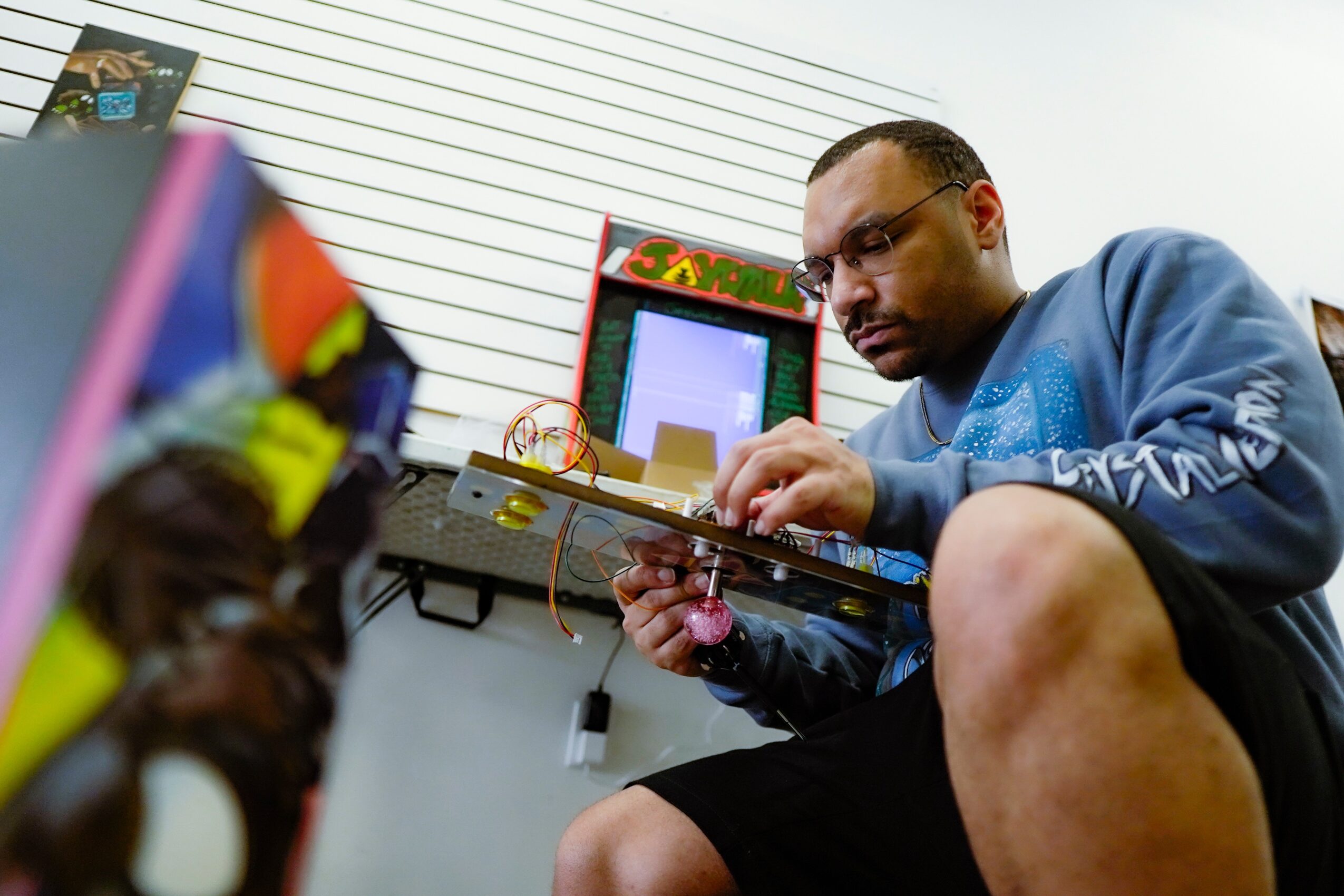
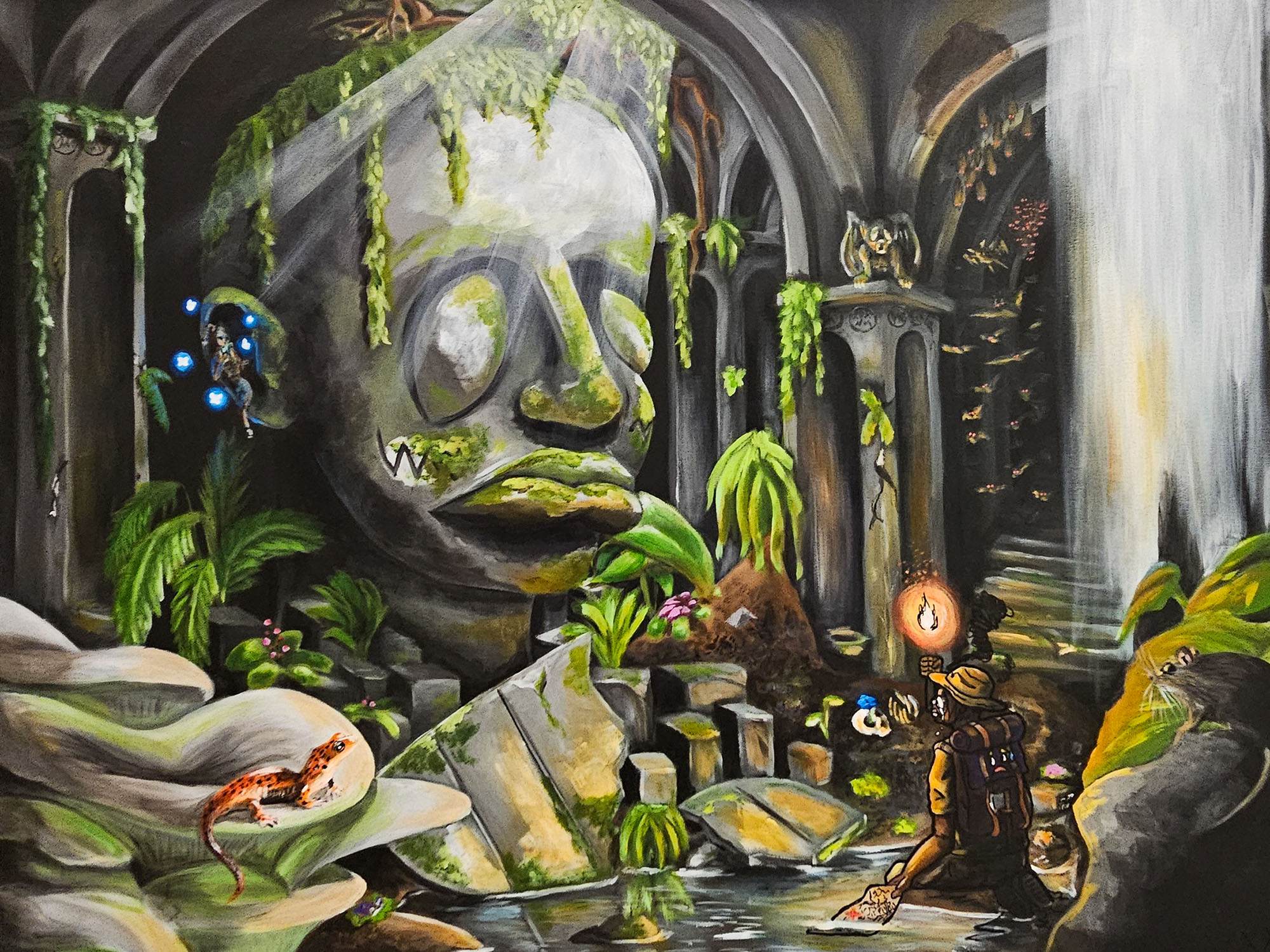
I specialize in, what I call, illustrative painting. It’s a broad description of my particular use of heavy outlines with semi-realistic painting. This blend of techniques has been the most useful tool for my personal expression and therapeutic practice. My subject matter typically revolves around mental health topics and “everyday sadness” using references and styles inspired by cartoons, video games, and anime. “Everyday sadness” is my term for the subject matter I like to cover that I feel encapsulates a wider range of emotions that Black people experience a part from what is typically depicted in Black art (namely extreme joy or extreme sadness). Alongside my painting practice, I also am a fashion designer. My apparel items and collections function as translations of my paintings to provide an additional avenue of art collecting.
In terms of your work and the industry, what are some of the changes you are expecting to see over the next five to ten years?
I think the art world as a whole is changing hands as the younger generations are collecting art more, and as galleries become less important for art discovery and collection. Social media has massively changed how people discover new art and artists which, in many cases, has made the relationship between a collector and an artist much closer.
Contact Info:
- Website: https://www.fadingroyalty.com
- Instagram: https://www.instagram.com/fadingroyalty