




Today we’d like to introduce you to Amber McKee.
Hi Amber, thanks for sharing your story with us. To start, maybe you can tell our readers some of your backstory.
How MyPlace Began: A Personal Reflection
When I look back at the beginning of MyPlace, I’m reminded that the story didn’t start with a program or a plan. It started with a small group of people — myself included — who were simply trying to understand the realities of human trafficking and exploitation in our own community. I joined the Set Free Movement in 2010, a volunteer group committed to learning where trafficking shows up globally and locally, including in supply chains and in the commercial sexual exploitation of youth.
We spent years educating ourselves and others — schools, churches, community groups, and even the Department of Health and Human Services. We learned that trafficking wasn’t something that happened “somewhere else.” It was here, in Jackson County, affecting young people who were already carrying the weight of trauma, instability, and neglect.
After nearly a decade of raising awareness, it became clear that education alone wasn’t enough. We needed to understand where our efforts could make a tangible difference. So we launched a community assessment, gathering voices from across Jackson County. The message came through loud and clear: our most vulnerable youth were under‑supported, especially those ages 16–21 who were aging out of systems, experiencing homelessness, or surviving abuse and neglect.
As we dug deeper, we learned how traffickers target youth who lack stable housing, supportive adults, or a sense of belonging. We saw the data on abuse and neglect in our own county, and it broke our hearts. Too many young people were being sent out of the community because there were no local placements. Too many were left without safe adults, without options, and without hope.
For me personally, this was the turning point. I had spent years learning the data, understanding the dynamics, and educating others — but I knew I needed to move beyond the intellectual exercise. I needed to be in relationship with the youth we hoped to serve and with the people already serving them. That’s why we partnered with the Michigan Youth Opportunity Initiative and became Big Brothers and Big Sisters. Understanding with your mind is one thing; understanding with your heart takes time, presence, and proximity.
All of this was happening while I was working full‑time during traditional hours. My capacity was limited, and I was very aware of that. I played an important role, but I could not execute the vision alone. None of us could. We were a group of volunteers with day jobs, learning as we went, listening to our community, and seeking wise counsel from those who had gone before us.
Through that process, a vision began to form — not just for a house, but for a home. A place where youth ages 16–21 could experience safety, stability, and belonging. A place where trauma could be mitigated, where young people could access the services they needed to pursue physical wellness, psychological well‑being, education, employment, and everyday milestones like learning to drive. A place where they could be supported in whatever their aspirations were.
We prayed regularly for God to bring someone who could move this vision forward — someone with the time, skill, and calling to execute what we could only begin. And He delivered. Someone stepped up.
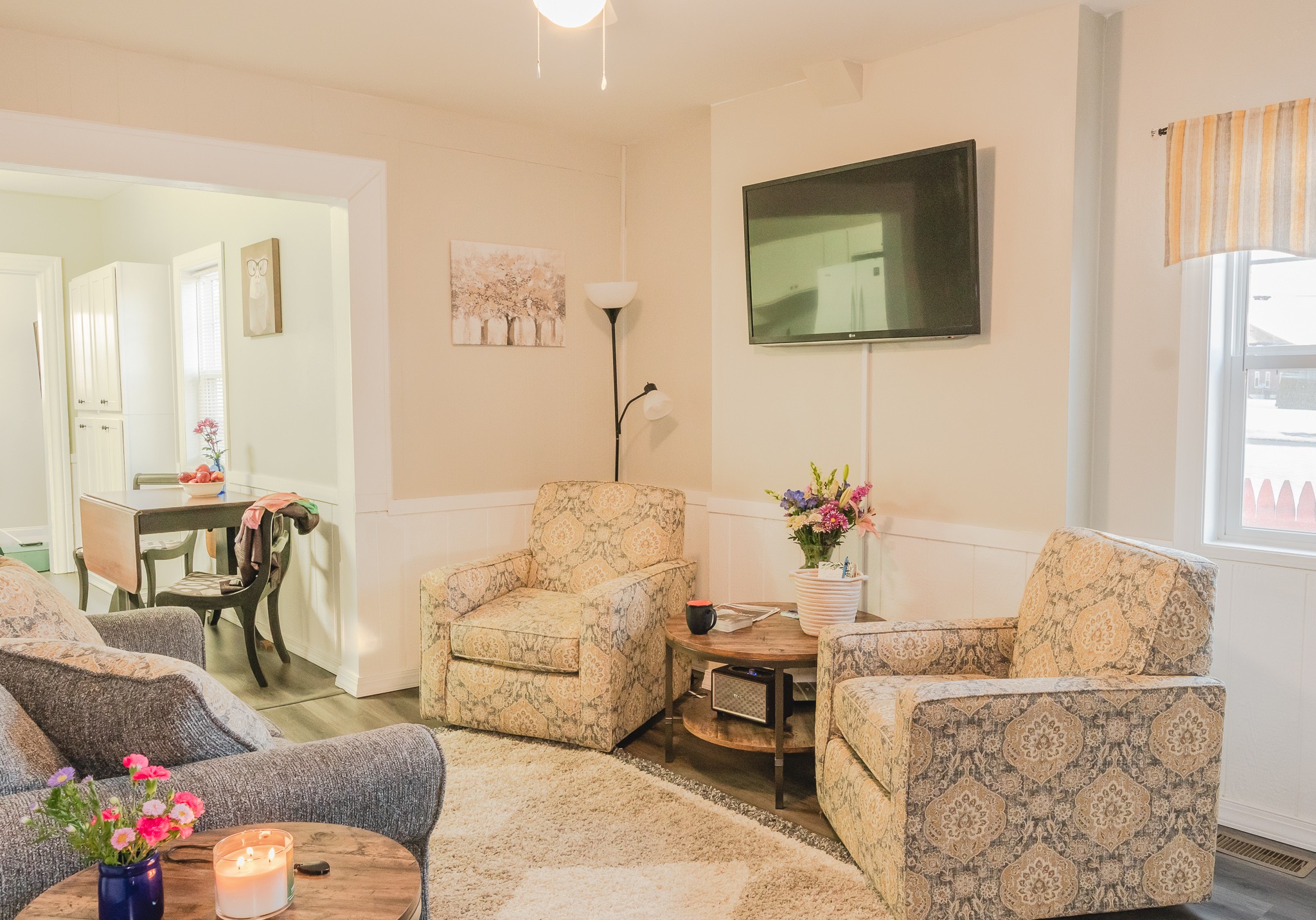
From the moment that leader said “yes,” everything accelerated. In just 14 months, we secured a home, remodeled it, raised a year’s worth of operating income, wrote policies, hired staff, and trained a team in trauma‑informed care. In April 2021, we opened the doors to our first home for young women. Five years later, we opened our second home for young men.
We have learned so much along the way. This is not my area of professional specialty — I am not a social worker. At the time, I was implementing IT systems for a manufacturer. But I’ve learned that you don’t need to be an expert to listen, to learn, or to act. When our community spoke and God moved, my role was simply to respond. What we didn’t know, we learned. When we needed expertise, we hired it or sought it out.
Human trafficking, commercial sexual exploitation, and youth homelessness can feel overwhelming. It’s easy to believe that the problem is too big or that we don’t have the right skills to make a difference. But today, ten young adults in our community have a safe place to live because a small group of people in a small town chose to act. Ten at a time — that’s how change happens. Over five years, ten years, twenty years, how many lives will that be?
Not every life we touch will be transformed in the way we hope. But for the youth who avoid homelessness, who avoid the hands of traffickers, who find stability and support — the impact is immeasurable.
I consider it one of the great privileges of my life to be used in this way — to serve those who need it most, and to be yoked with an extraordinary group of like‑minded individuals who have given their time, their gifts, and their hearts to this work. None of this would exist without a community that continues to show up, support us, and believe that every young person deserves a safe place to belong.
MyPlace began because ordinary people listened, learned, and responded. We believed that young people who had endured abuse, neglect, and exploitation deserved a place to be loved and supported. And together, we built it.
Alright, so let’s dig a little deeper into the story – has it been an easy path overall and if not, what were the challenges you’ve had to overcome?
The Challenges We Carry
The work has never been easy. Financially, we operate almost entirely on grants and donations, which means we are constantly working to secure the resources needed to pay staff and keep the homes running. The trauma our youth carry is real and often heavy; while we always intended to serve young people with significant trauma histories, the day‑to‑day reality of supporting ten individuals actively working through that trauma is challenging. We walk a careful line between offering unconditional support and maintaining healthy accountability. Because our homes operate 24/7, we must also protect our staff from burnout and ensure they have the strength and stability to show up well for our youth. And perhaps one of the most delicate challenges is navigating expectations — inspiring young adults to see beyond their current limitations without imposing our own hopes or timelines onto their futures. These struggles are real, but they are part of the sacred work of walking alongside youth as they rebuild their lives.
Appreciate you sharing that. What else should we know about what you do?
About Me
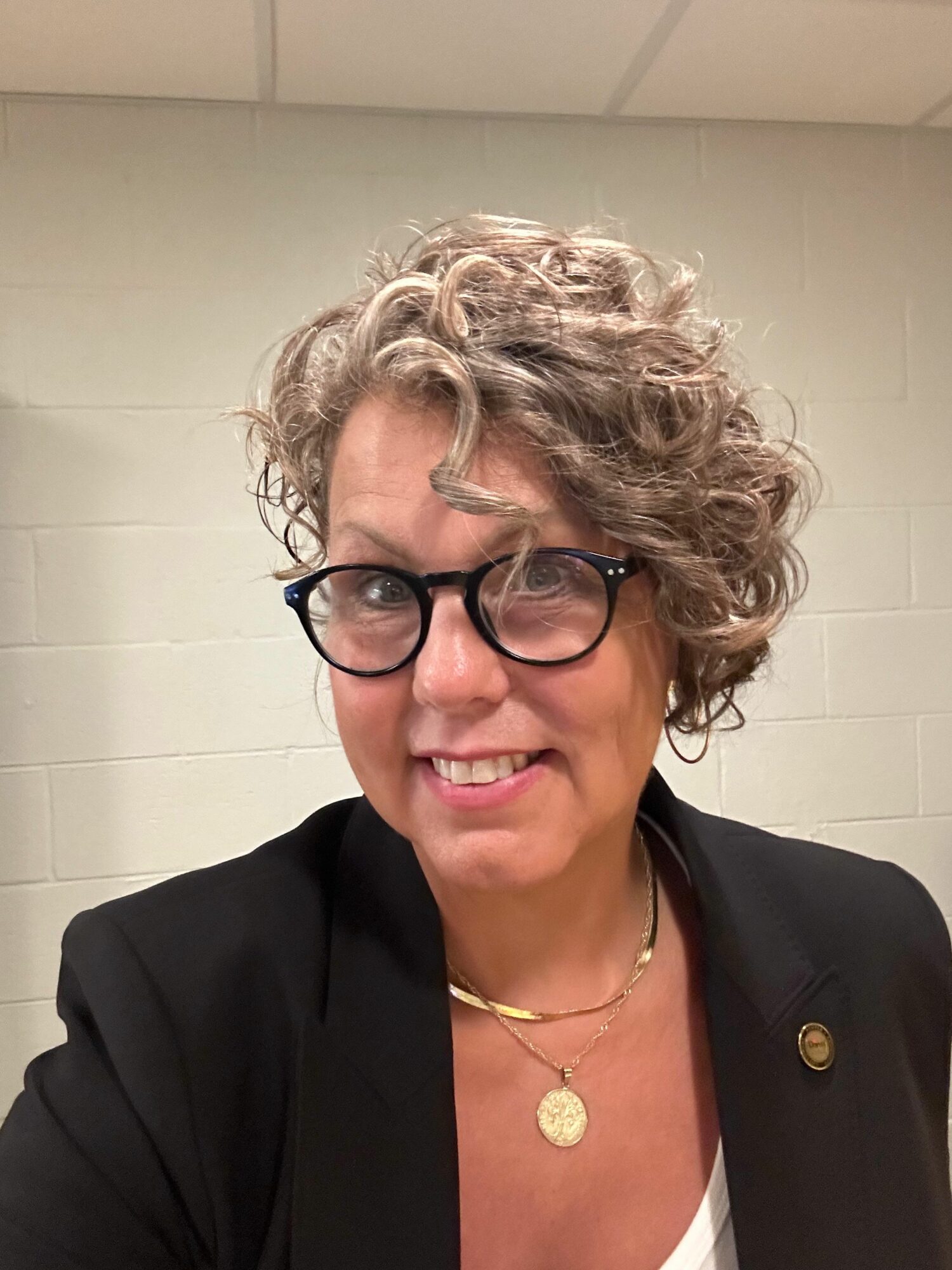
For most of my 36‑year professional career, I worked in manufacturing, specializing in HR and IT — roles that taught me how to build systems, support people, and solve problems. Alongside that work, I spent more than 16 years involved in nonprofit efforts focused on domestic violence, sexual assault, and human trafficking. I also hold a degree in art, and creativity has always been part of how I see the world. I find grounding in the outdoors and in caring for animals, which has shaped my understanding of patience, stewardship, and connection. I don’t consider myself extraordinary or uniquely qualified; what I bring is a deep love for people, a belief that God compels me to serve others, and a willingness to step into hard places when called. If anything sets me apart, it is simply that I try to listen, learn, and act — even when I feel unprepared. The work I’ve been part of, especially through MyPlace, has been one of the greatest privileges of my life.
Is there anyone you’d like to thank or give credit to?
Who Deserves Credit
Nothing about MyPlace was accomplished alone. From the very beginning, I was surrounded by people whose faith, wisdom, and perseverance shaped every step of this journey. Matt Osborne, who continues to lead our local Set Free Movement, provided steady leadership and kept us moving forward when momentum slowed. Rev. Dr. Kevin Austin, Founder and Director of the Set Free Movement, was a constant source of inspiration and insight. Pastor Dwight Webber prayed with us weekly during the formation of MyPlace and offered wise counsel when we needed it most. Dr. Caleb Chan, one of the original Set Free members, helped develop the business plan and has faithfully served as our Board Treasurer since the beginning. And when we prayed for someone who could take the vision and turn it into reality, Dr. Tammy Dindoffer stepped in as our first Executive Director and led the work that opened our doors; today she continues to guide us as Board Chair. Beyond these individuals, there were countless others — volunteers, donors, community partners, and our incredible staff — who lent their voices, their hands, and their hearts. I am certain I am still short‑changing key players, because the truth is that MyPlace exists only because a community chose to build it together.
Contact Info:
- Website: https://myplacejackson.org
- Facebook: https://www.facebook.com/myplace.jackson.2025/