



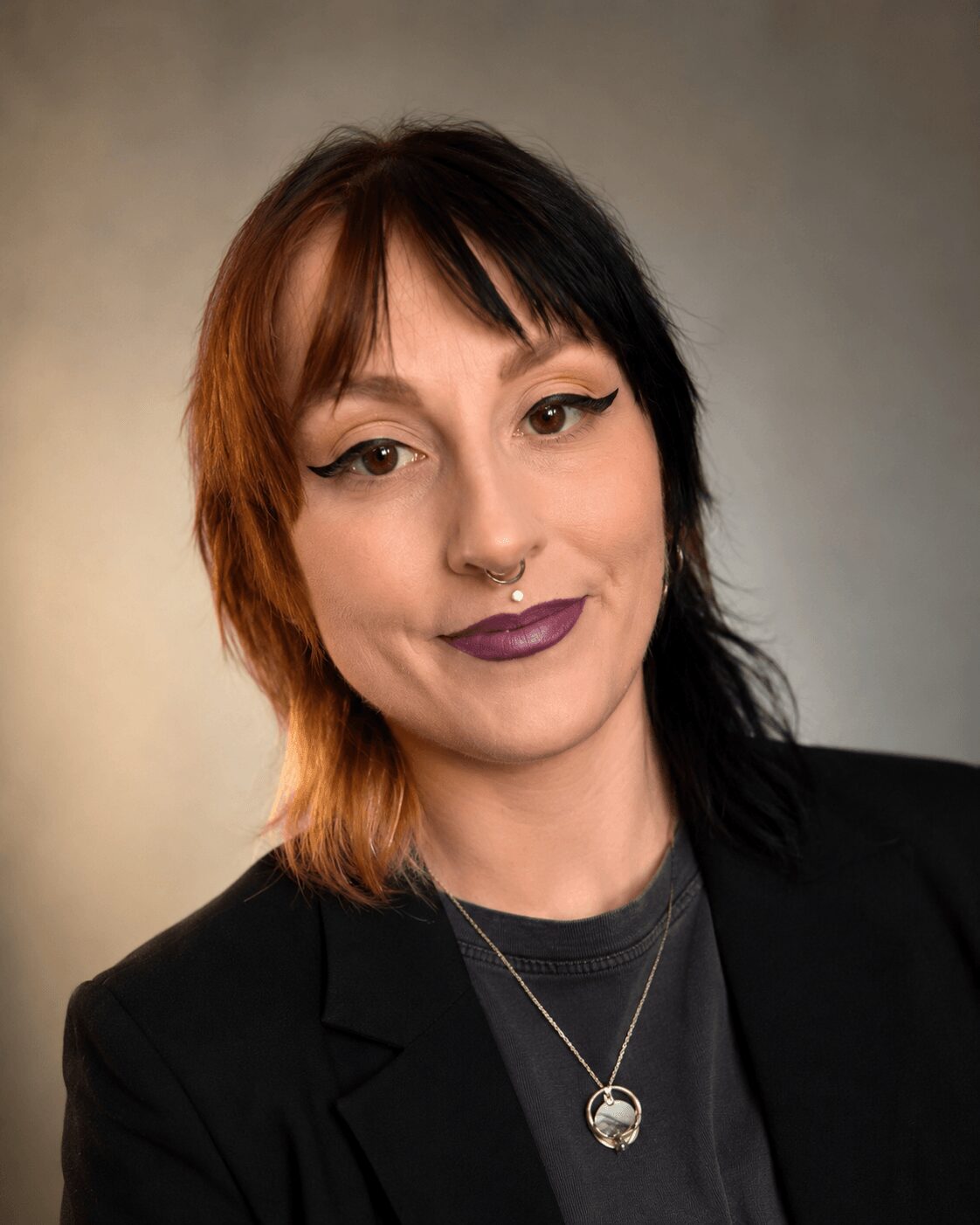
Today we’d like to introduce you to Abby Cushway.
Hi Abby, so excited to have you on the platform. So before we get into questions about your work-life, maybe you can bring our readers up to speed on your story and how you got to where you are today?
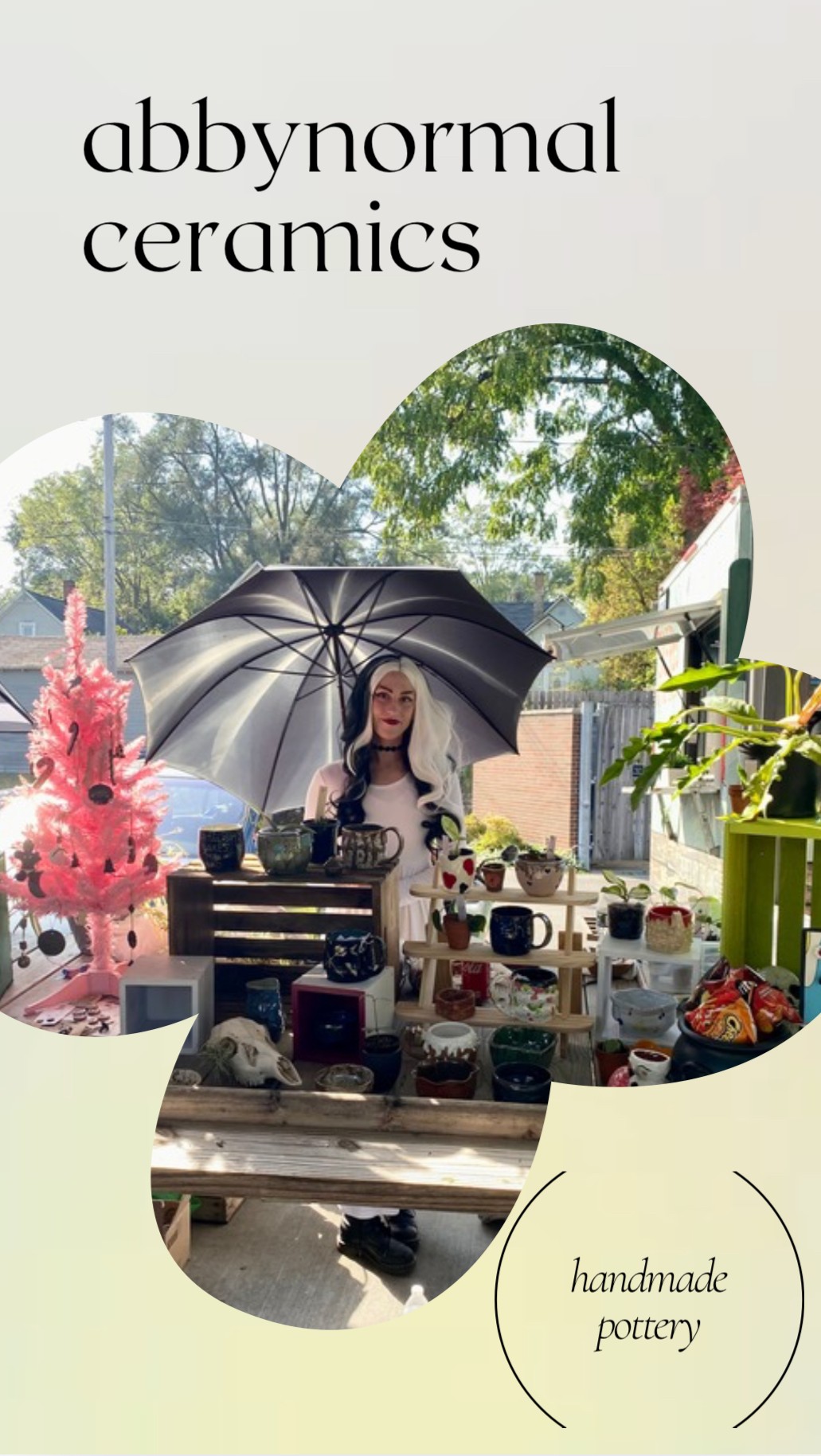
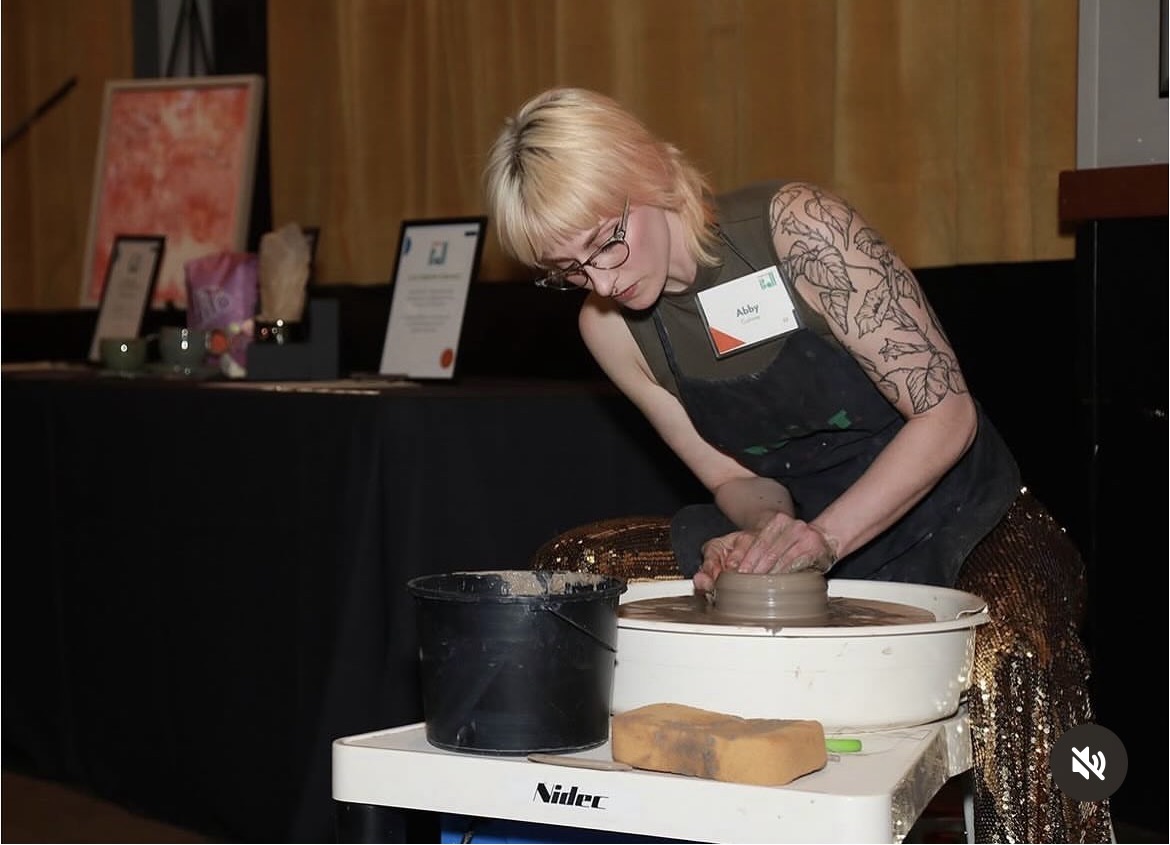
My journey with ceramics began long before I ever imagined it could become a career. I still remember the very first piece I made in first grade: a little standing cat sculpture. Since then, my love for clay—and cats—has only continued to grow. During the uncertainty of the COVID-19 pandemic, I made the courageous decision to leave my day job and take a chance on pursuing a ceramic arts career. The first few opportunities I applied for didn’t work out, but I refused to let rejection deter me. Instead, I began teaching informal ceramics lessons to neighborhood children from my home studio, simply because I wanted to foster creativity and self expression in young people. I also volunteered with the Michigan Home for Veterans, independently creating a “Clay for the VA” program that brought the therapeutic experience of working in clay, to our veterans. Eventually, word of my work reached the West Michigan Center for Arts and Technology (WMCAT), a nonprofit arts and technology organization in Grand Rapids. I was invited to interview for a Teaching Artist position and I jumped at the opportunity. What began as a leap of faith has grown into a career I am incredibly proud of. For the past four and a half years, I have taught ceramics at WMCAT and helped transform our pottery studio into one of the organization’s most popular teen offerings. What started with a small clay cat in first grade has grown into a lifelong commitment to creativity, community, and helping others discover their own voice through clay.
Alright, so let’s dig a little deeper into the story – has it been an easy path overall and if not, what were the challenges you’ve had to overcome?
During the uncertainty of the COVID-19 pandemic, I found myself at a crossroads. I made the difficult and frightening decision to leave my day job and take a chance on building a life around ceramics. The first opportunities I pursued didn’t work out, but instead of seeing rejection as a dead end, I began creating my own opportunities. I opened my home studio to neighborhood children, teaching them ceramics. I believe youth deserve a place to experiment, make mistakes, and discover what they were capable of creating. At the same time, I was learning what it meant to be an educator during a time when none of us had the answers. I leaned heavily on the creativity, generosity, and experience of fellow teaching artists as we navigated an entirely new question: How do you teach ceramics when you can’t physically be in the studio together? We learned to adapt. For our GRPS students, we assembled packets of clay and basic tools and delivered them directly to their homes so that they could continue making and experiencing the arts despite the barriers created by the pandemic. It was a lesson in the resilience of both artists and educators—that when traditional methods no longer work, we find new ones. We found ways to bring the studio to our students, proving that creativity, connection, and access to the arts could persist even when the world around us had seemingly come to a halt.
Can you tell our readers more about what you do and what you think sets you apart from others?
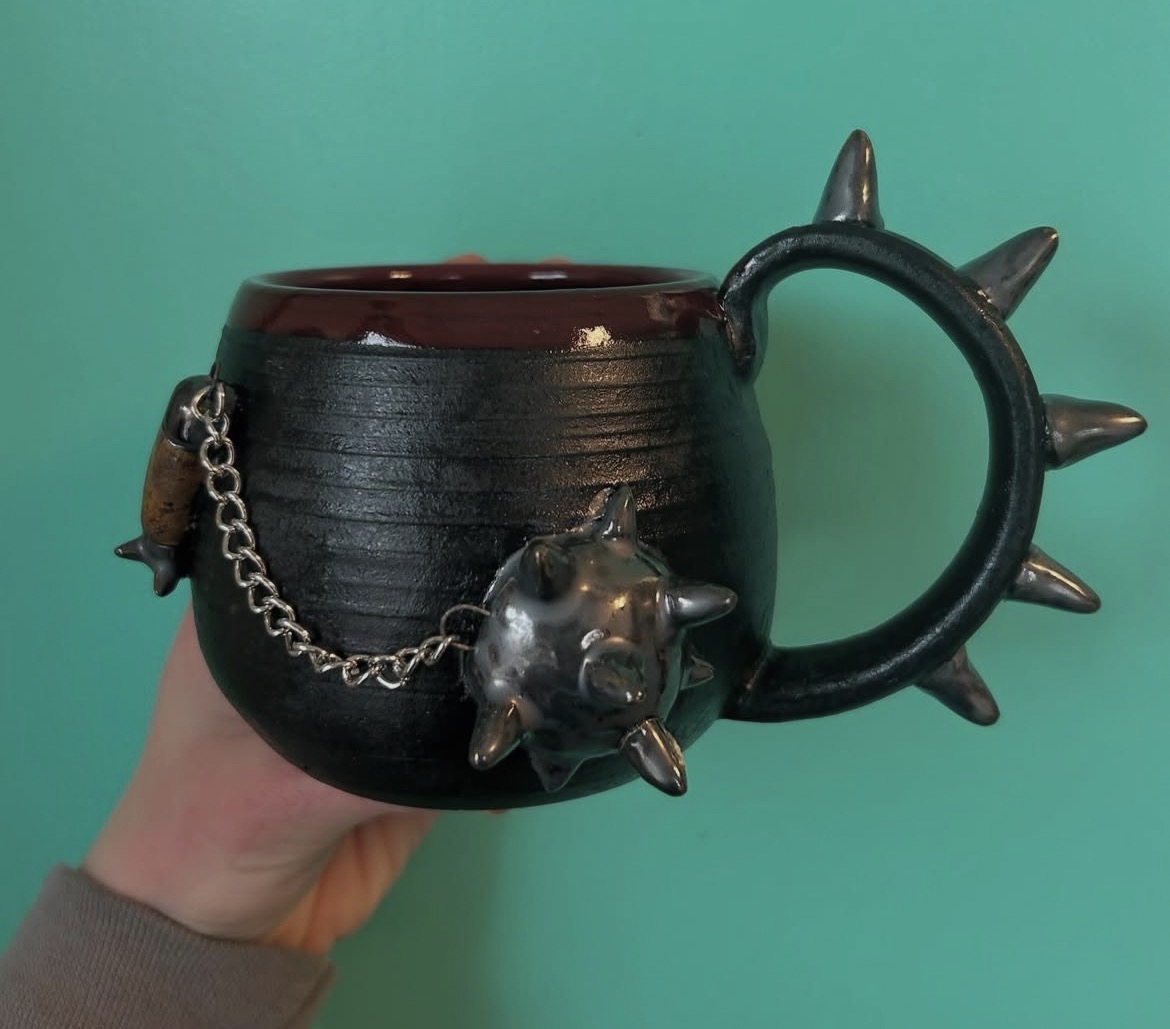
My artistic practice is rooted in the belief that art can be a vehicle for activism, connection, and community. My personal work is heavily influenced by contemporary ceramicist Roberto Lugo, whose work demonstrates the power of ceramics to tell stories, challenge systems, and center communities that have historically been overlooked. I am drawn to that same potential within clay: the ability to create work that is not only visually compelling, but also carries meaning, asks questions, and creates space for conversation.
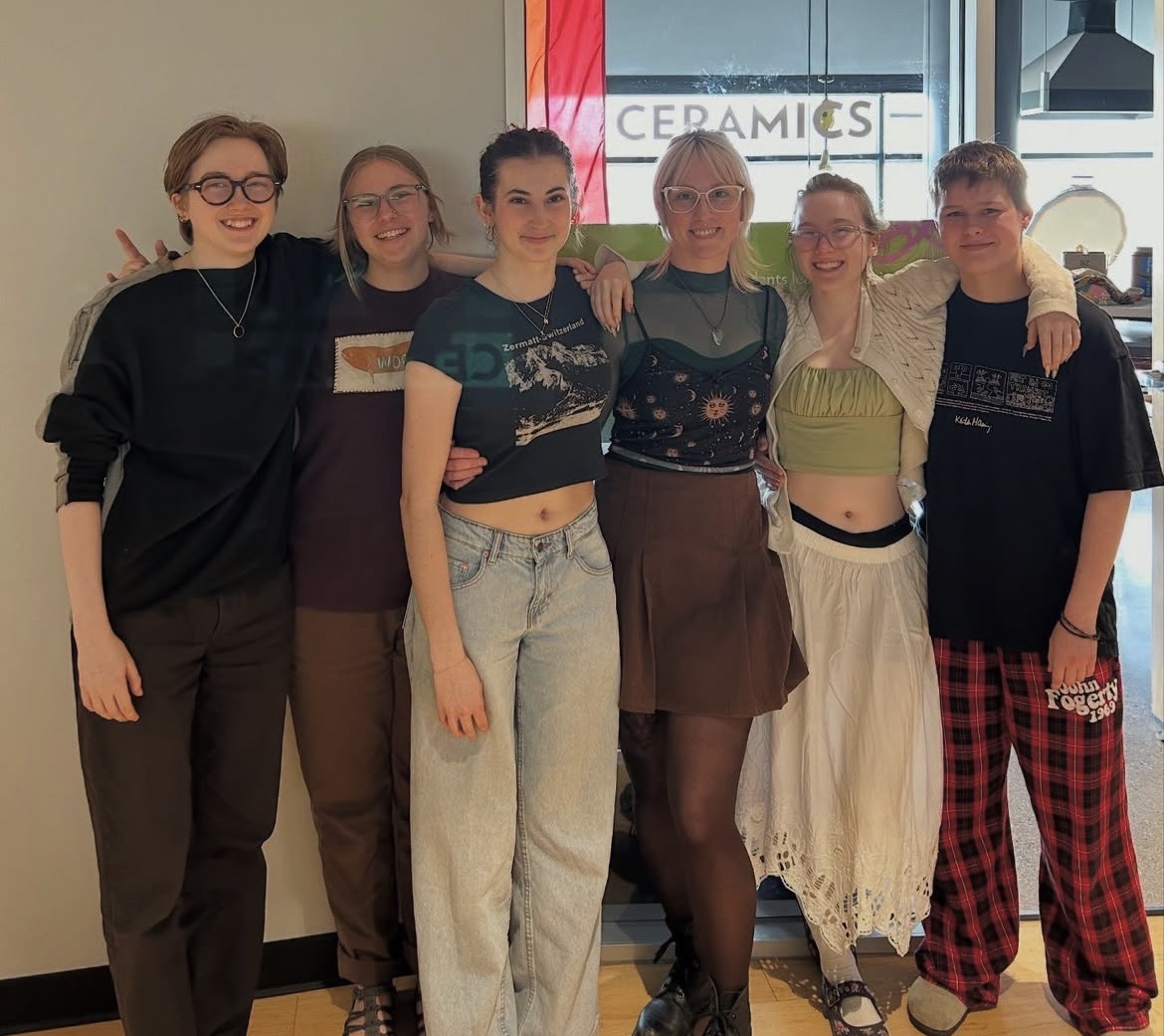
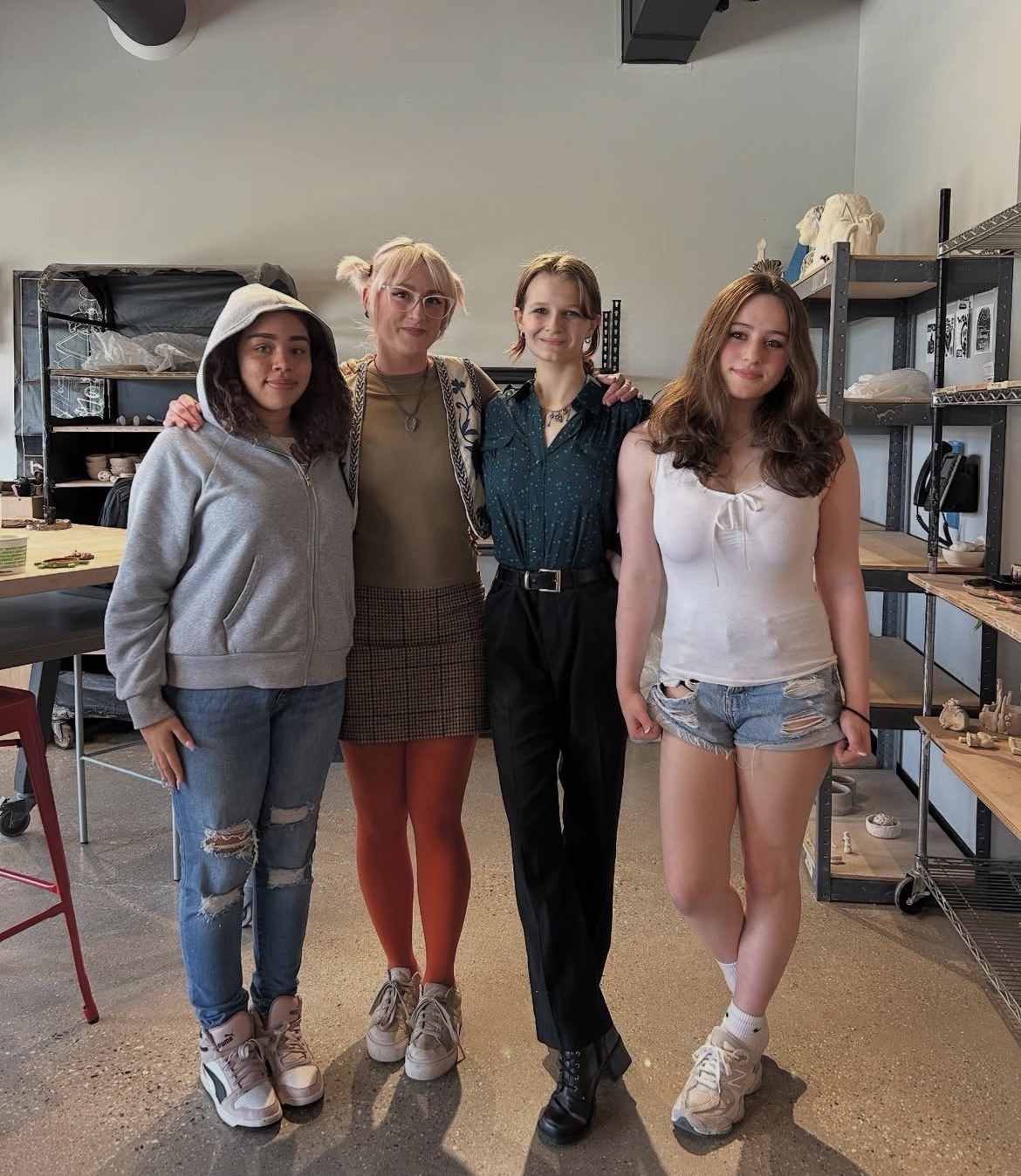
That philosophy extends deeply into my work as an educator. At WMCAT, I have had the privilege of fostering young artists from a wide range of abilities, identities, experiences, and backgrounds. I believe one of the things that sets me apart as an artist is my ability to build community. I strive to meet each student where they are, recognizing that every person enters the studio with their own story, strengths, challenges, and creative voice. I have had the privilege of fostering students development not only as artists, but as people participating in their community. Some students have become lifelong mentees, collaborators, and friends. The community we build in the studio is just as important to me as the work we create there. Success, as an artist and educator, is not simply measured by what comes out of the kiln, but by students feeling valued, capable and connected to the community around them in a meaningful way.
Is there any advice you’d like to share with our readers who might just be starting out?
My advice to a new Teaching Artist or emerging artist is simple: talk to people, stay curious, and never underestimate what you can learn from someone else. Every person carries a unique perspective and a body of knowledge shaped by their own experiences. I find myself learning constantly from my students, other artists, coworkers: elders, and youth alike. I don’t believe a an artist (or a teacher for that matter) needs to have every answer—in fact, there exists so much value in honest authenticity. When you don’t know something, own up to it. That’s where growth and community building occur. That’s where discovery occurs. When I encounter something unfamiliar, I approach it with curiosity and invite my students into the process of discovery alongside me. To me, teaching and artistry are not about having all the answers; it’s about creating a space where we feel safe saying, “I don’t know”. It’s invaluable to ask the questions and discover the possibilities together.
Contact Info:
- Website: https://abbynormalceramics.bigcartel.com
- Instagram: @abbynormalceramics
- Facebook: Abby Cushway