



Today we’d like to introduce you to Sean Gavin.
Hi Sean, we’re thrilled to have a chance to learn your story today. So, before we get into specifics, maybe you can briefly walk us through how you got to where you are today?
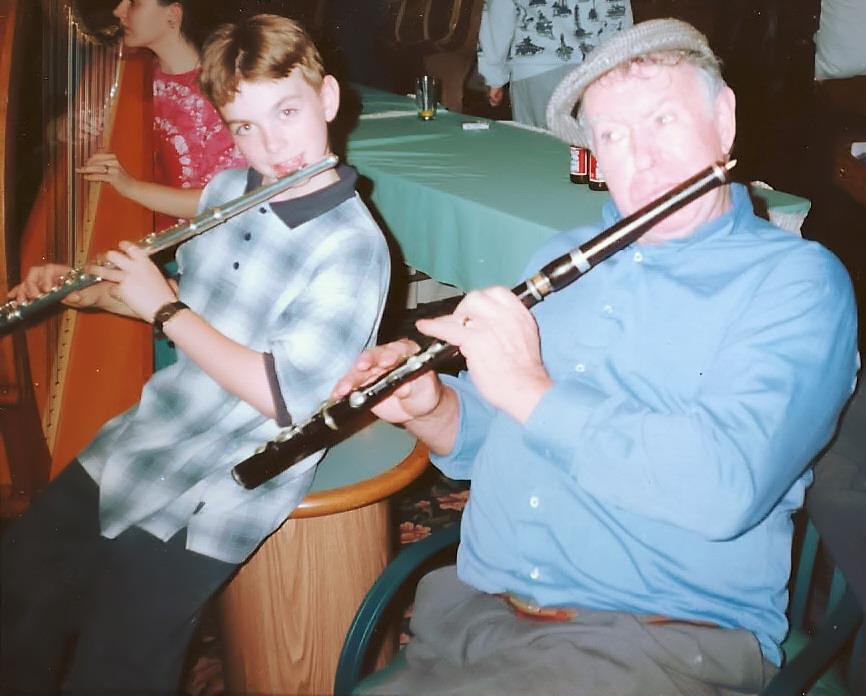
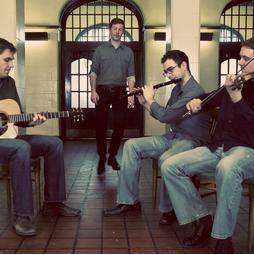
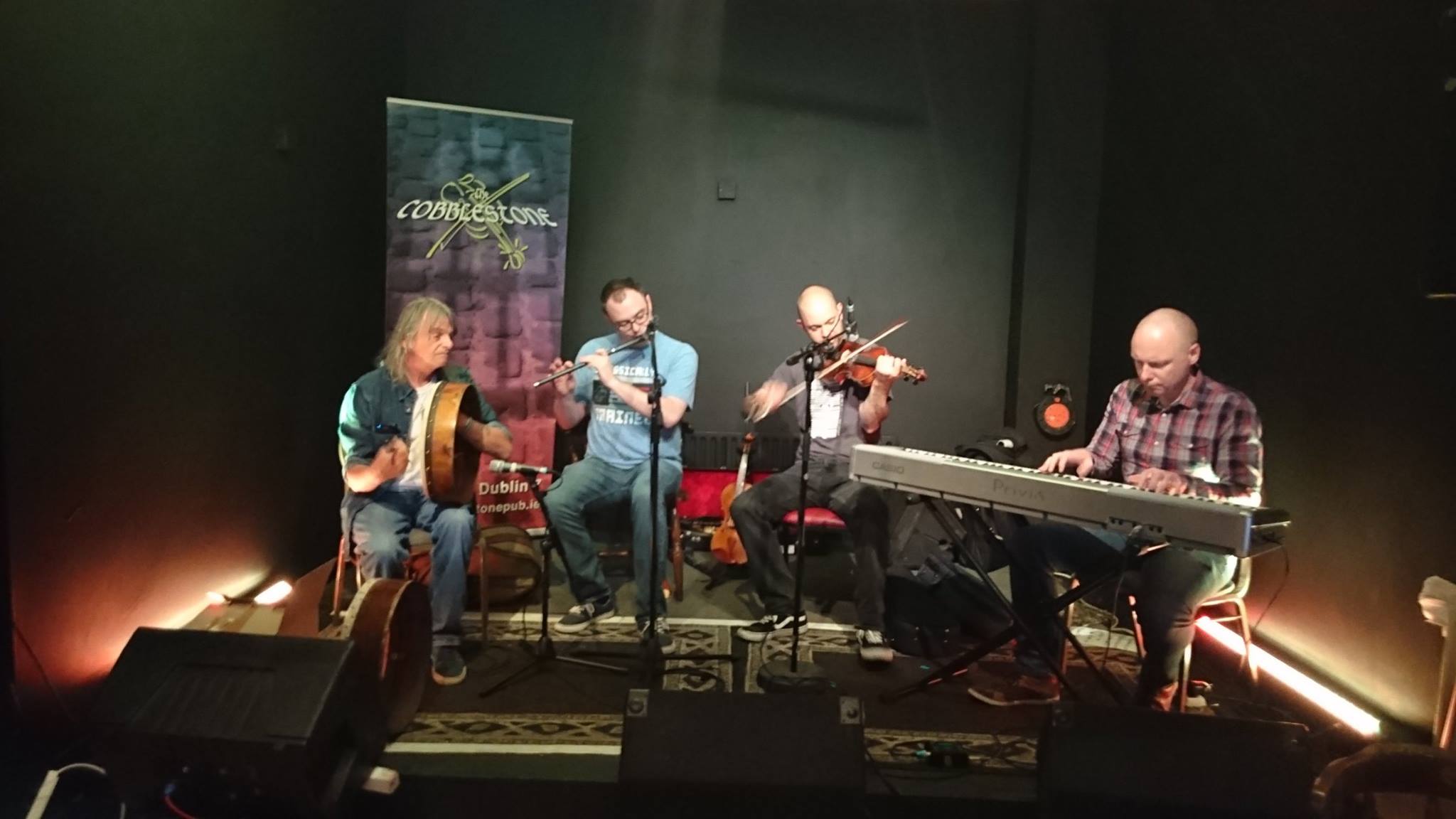
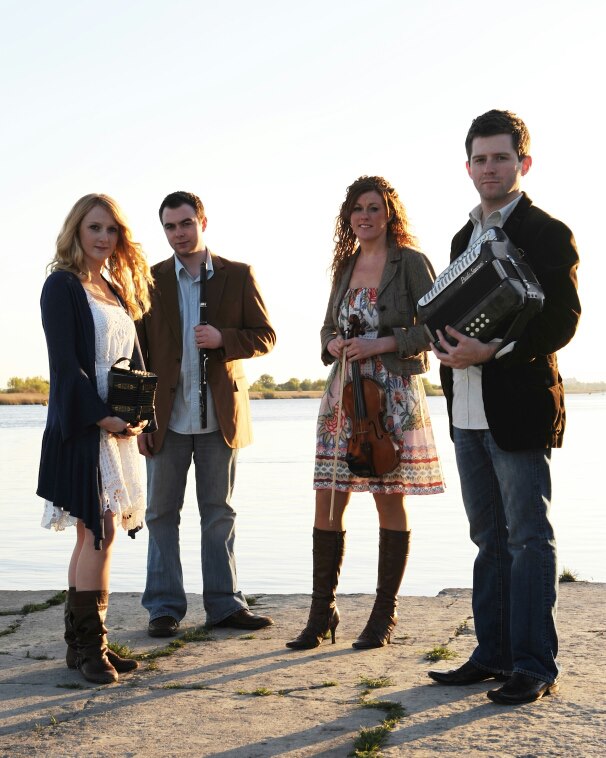
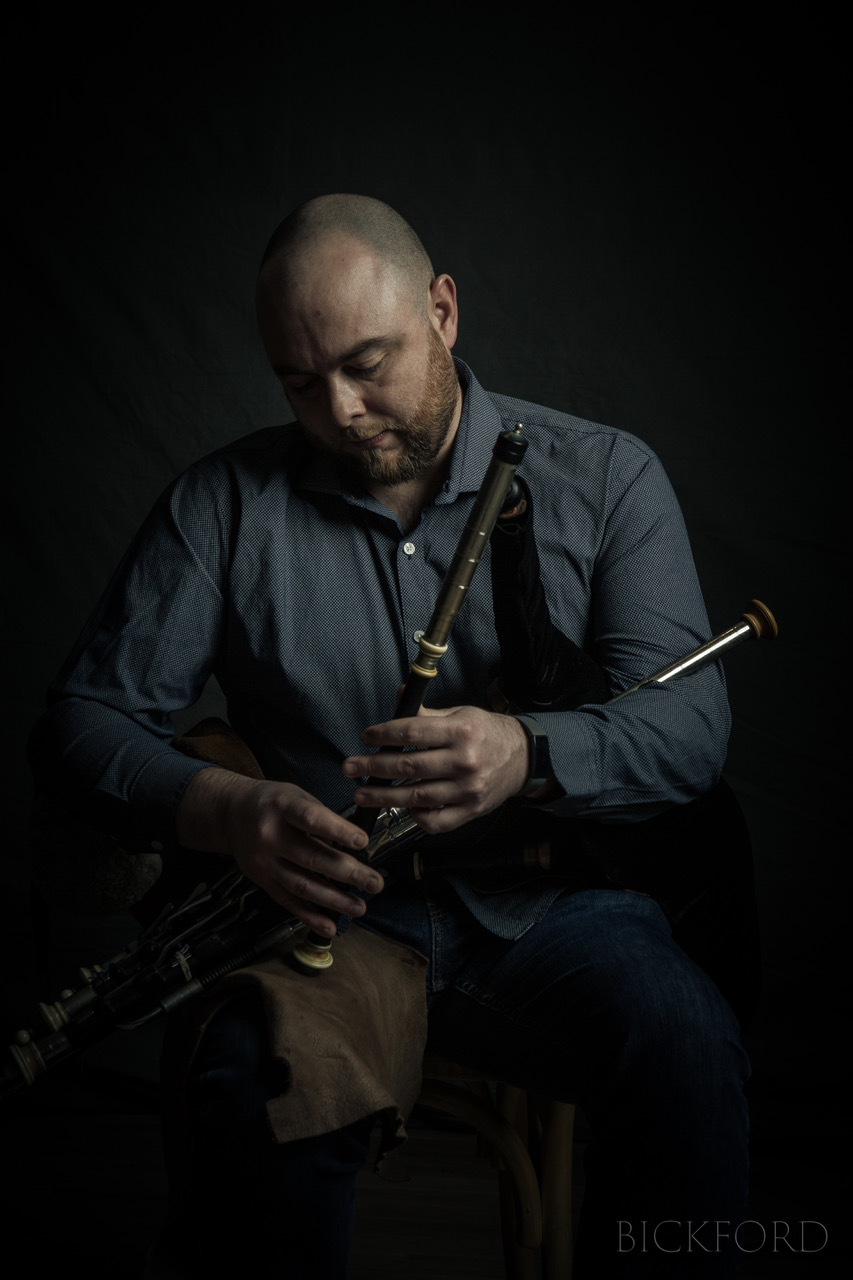
A master of the uilleann pipes, Irish flute, and tin whistle, Seán Gavin is a leading performer and teacher of traditional Irish music. He is known both for his recordings, including The Boys of 25, Music From the Lost Continent, and Home Away from Home, and for his work with Bua, Téada, and Séamus Begley. He leads the active touring concert series Shore to Shore, which has featured James Kelly, Colm Gannon, Caoimhín Ó Fearghail, and Johnny B. Connolly. Seán is the first musician born outside Ireland to win the Seán Ó Riada Gold Medal and is the author of a widely used tin whistle book published by Hal Leonard. He is the founder and director of the Irish Music Institute, coordinates Celtic Week at the Swannanoa Gathering, and continues to share his music through performance, teaching, and mentoring the next generation of musicians.
In addition to performing, Seán was Musical Director for the PBS program “I Am Ireland”, and for the long running “Atlantic Steps”. He’s one of the most highly sought instructors of Irish music, having lectured on the subject at institutions around the world including the University of Chicago, St. Andrew’s University in Scotland, and Na Píobairí Uilleann in Dublin.
Seán was encouraged in music by his father Mick, a fiddler from Co.
Clare, and his brother Michael – a multi-instrumentalist. At age 12, he started work on the uilleann pipes with the late Al Purcell, former pupil of piper Leo Rowsome. Seán moved to Chicago at age 20 where he spent a decade playing and studying with the windy city’s finest musicians, particularly Sligo flute-legend Kevin Henry. Since then he
has toured extensively around the globe, with multiple radio, TV, and festival appearances. After 3 years in Minnesota, where he was active in the non-profit Center for Irish Music, Seán is back in his native Detroit where he continues to play, teach, and promote traditional Irish music.
Alright, so let’s dig a little deeper into the story – has it been an easy path overall and if not, what were the challenges you’ve had to overcome?
There have been challenges at every stage. Learning traditional Irish music and especially the uilleann pipes is a lifelong pursuit. It is a demanding instrument that requires an enormous investment of time, patience, and persistence, and I do not think that challenge ever really goes away.
On a broader level, funding for the arts is always a challenge. Organizations and musicians often have to balance ambitious artistic goals with the practical realities of keeping programs and performances financially sustainable.
I also think the way people consume music has changed. So much of it has become background noise, something that is always available but not always actively listened to. Traditional music is at its best when people are fully present and engaged, so cultivating audiences who come to listen and connect with the music is more important than ever.
Finally, there is the expectation that artists constantly maintain a social media presence. While I understand its value, I would rather spend my time practicing, teaching, performing, and building community. At the end of the day, I hope it is the quality of the music and the experiences we create that leave the strongest impression.
As you know, we’re big fans of you and your work. For our readers who might not be as familiar what can you tell them about what you do?
I’m best known as a traditional Irish musician, and preserving and growing that tradition has become the focus of much of my work. The accomplishment I’m most proud of is helping found the Irish Music Institute in Detroit. We’ve introduced countless young people to traditional Irish music and helped ensure that the tradition will continue for generations to come.
We’ve also built a concert series that has developed a loyal and steadily growing audience. It’s been rewarding to bring world-class traditional Irish music to people who may never have experienced it otherwise, while creating a welcoming space for both longtime enthusiasts and newcomers.
What motivates me most is helping make Detroit known as a thriving center for traditional Irish music. I want it to be a place where musicians can build sustainable careers through teaching, performing, or both, and where touring artists are excited to play because they know they’ll be welcomed, treated well, and appreciated by an engaged audience. If I’ve contributed to building that kind of community, that’s what I’m most proud of.
Before we go, is there anything else you can share with us?
I’d encourage your readers to visit the Irish Music Institute at IrishMusicInstitute.org to learn more about our nonprofit music school and the work we’re doing to preserve and share the tradition of Irish music. Support from the community helps us continue offering educational programs, concerts, and opportunities for musicians of all ages.
You can also learn more about my work at SeanGavinMusic.com. We have an exciting season ahead, with concerts, workshops, and plans for a festival, and I’d love to welcome new faces to the Irish music community in Detroit.
Contact Info:
- Website: irishmusicinstitute.org and seangavinmusic.com
- Instagram: https://www.instagram.com/irishmusicinstitute/, https://www.instagram.com/irishchristmasfromcorktown/, and https://www.instagram.com/seangavinmusic/
- Facebook: https://www.facebook.com/IrishMusicInstitute/, https://www.facebook.com/Seangavinmusic/, and https://www.facebook.com/IrishChristmasFromCorktown/
- LinkedIn: https://www.linkedin.com/in/se%C3%A1n-gavin-a54a80256/
- Youtube: https://www.youtube.com/@IrishMusicInstitute
- Other: https://seangavinmusic.bandcamp.com/album/the-boys-of-25