




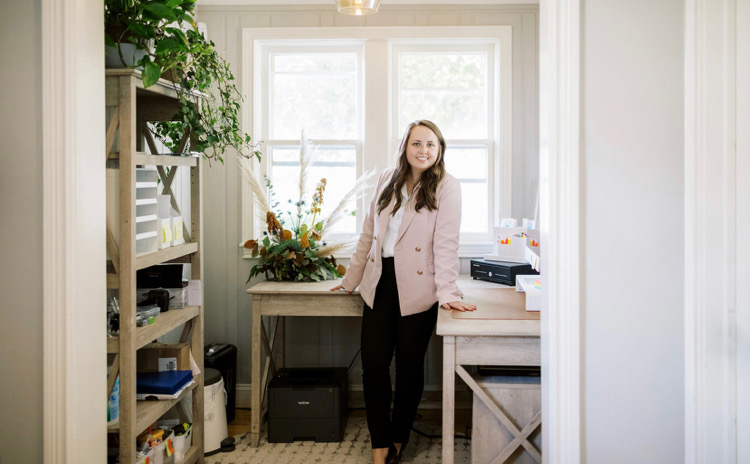
Today we’d like to introduce you to Ryleigh Kryska.
Hi Ryleigh, please kick things off for us with an introduction to yourself and your story.
I have always cared deeply about mental health. But over the years, I have come to understand that mental health does not exist in a vacuum.
A person can be sitting in a therapist’s office talking about anxiety, depression, trauma, or stress, but what happens when they leave that office and go home to an empty refrigerator? What happens when a parent is trying to manage their child’s mental health while worrying about how they are going to afford groceries? What happens when someone is struggling to care for themselves because their most basic needs are not being met?
Those questions have shaped the way I see social work.
I earned my Master of Social Work from the University of Michigan, a clinical degree that prepared me to work directly with individuals and families. Throughout my education, however, I intentionally sought out opportunities to learn about philanthropy, community leadership, and nonprofit work because I knew I wanted my work to extend beyond the therapy room.
I have always been interested in the intersection between individual well-being and the systems surrounding us. My experiences volunteering with organizations such as Gleaners Food Bank gave me the opportunity to see food insecurity not simply as a lack of food, but as an experience that can affect a person’s dignity, stress, relationships, health, and ability to function.
My clinical work has continued to reinforce that belief.
Today, I work as a clinical social worker and Chief of Operations at Mala Child & Family Institute, a multidisciplinary mental health organization focused on trauma-informed, neurodiversity-affirming, and culturally sensitive care. My clinical work centers on helping people understand the roots of what they are experiencing, develop healthier coping strategies, and build relationships and environments that support their well-being. My leadership role allows me to look at those same questions from a larger perspective: How do we create systems that actually make it easier for people to access the care and support they need?
At Mala, I have seen firsthand how important it is to consider the whole person. Mental health concerns do not happen separately from someone’s family, community, financial circumstances, identity, environment, or access to resources. Our work emphasizes connection, safety, dignity, and meeting people where they are.
That philosophy has followed me outside of the clinical setting, too.
It is one of the reasons I co-founded The Danny Boy Foundation, a 501(c)(3) nonprofit organization dedicated to preventing suicide in neurodivergent individuals through education and training, clinical care, and basic-needs support.
The foundation’s work extends beyond traditional mental health services because I believe suicide prevention has to begin long before someone reaches a crisis point. We have to consider the circumstances people are navigating every day and the barriers that can make it harder to feel safe, supported, connected, and able to access help.
Sometimes, one of those barriers is food.
When someone is worried about where their next meal is coming from, it can be difficult to focus on anything else. When a parent is trying to figure out how they will feed their family, it can be difficult to focus on their own mental health. When someone is hungry, exhausted, or living with constant uncertainty, their capacity to focus on healing can be diminished.
We cannot ask people to address one piece of their lives while ignoring the circumstances surrounding it.
Through The Danny Boy Foundation, we work to bridge that gap. Our basic-needs work provides access to food and other essential resources while creating a space where people can ask for help without shame or judgment. Because sometimes the first step toward supporting someone’s mental health is meeting a need that exists outside of the therapy room.
To me, this work brings together the different parts of my own journey: clinical social work, community service, philanthropy, mental health, and my belief that people deserve to be supported as whole human beings.
I do not believe we should have to choose between addressing someone’s immediate needs and supporting their mental health. We can, and should, do both.
Because sometimes suicide prevention looks like a crisis line or a therapy appointment.
And sometimes, it looks like making sure someone has dinner tonight.
That is the kind of work I want to continue doing: creating spaces where people feel safe asking for help, whether they are asking for therapy, food, resources, education, or simply someone who will listen without judgment.
Building a world worth staying for.
Would you say it’s been a smooth road, and if not what are some of the biggest challenges you’ve faced along the way?
Has it been a smooth road? Absolutely not.
One of the hardest parts of my life has been losing my grandparents. They were huge people in my life, and losing them brought a level of grief that I don’t think you ever completely get over. I think you just learn how to carry it differently.
My grandma, in particular, had a huge influence on the way I see advocacy. She had a strong sense of what was right and what was wrong, and she wasn’t afraid to speak up when something wasn’t right. I learned from her that advocating for people isn’t always about being the loudest person in the room. Sometimes it’s about being willing to notice when something isn’t fair, say something when others won’t, and stand beside people who need someone in their corner. I think a lot of the advocacy that has become such a significant part of my own work started with watching her.
All of my grandparents also had an incredible commitment to giving back. Philanthropy was clearly something that mattered to them, and I think they shaped that part of me more than I realized growing up. I joke is that I feel terrible for whoever lives in their old homes now, because they are probably still being absolutely bombarded in the mail by St. Jude, March of Dimes, and every other nonprofit organization that has ever existed. My grandparents apparently believed that if there was a cause, they needed to support it.
Losing them has been incredibly painful, and that grief never really goes away. But at some point, it started to become motivation. I began thinking about what I could do with the things they gave me — their generosity, their willingness to advocate, and their belief in helping other people.
Thanks – so what else should our readers know about your work and what you’re currently focused on?
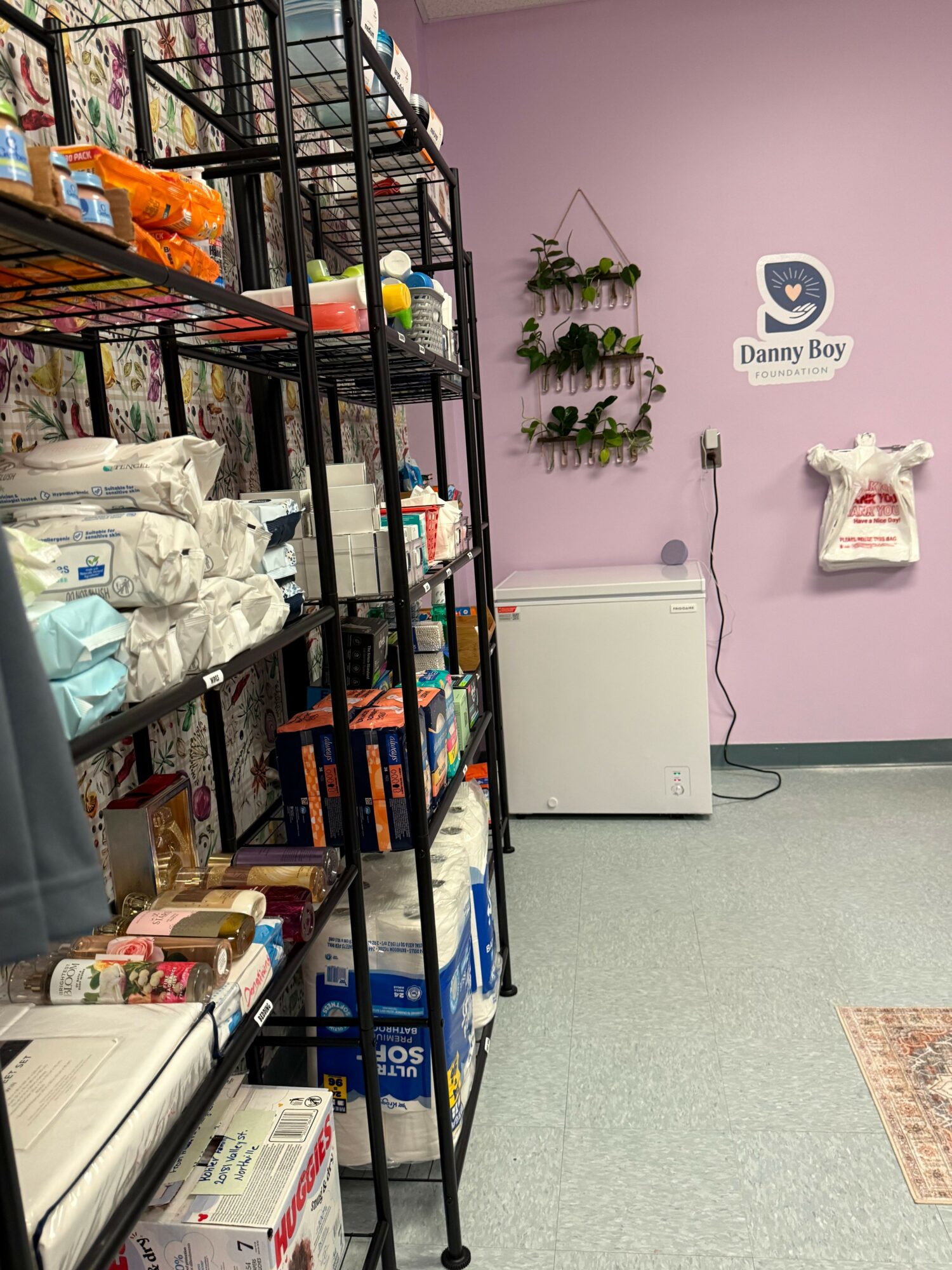
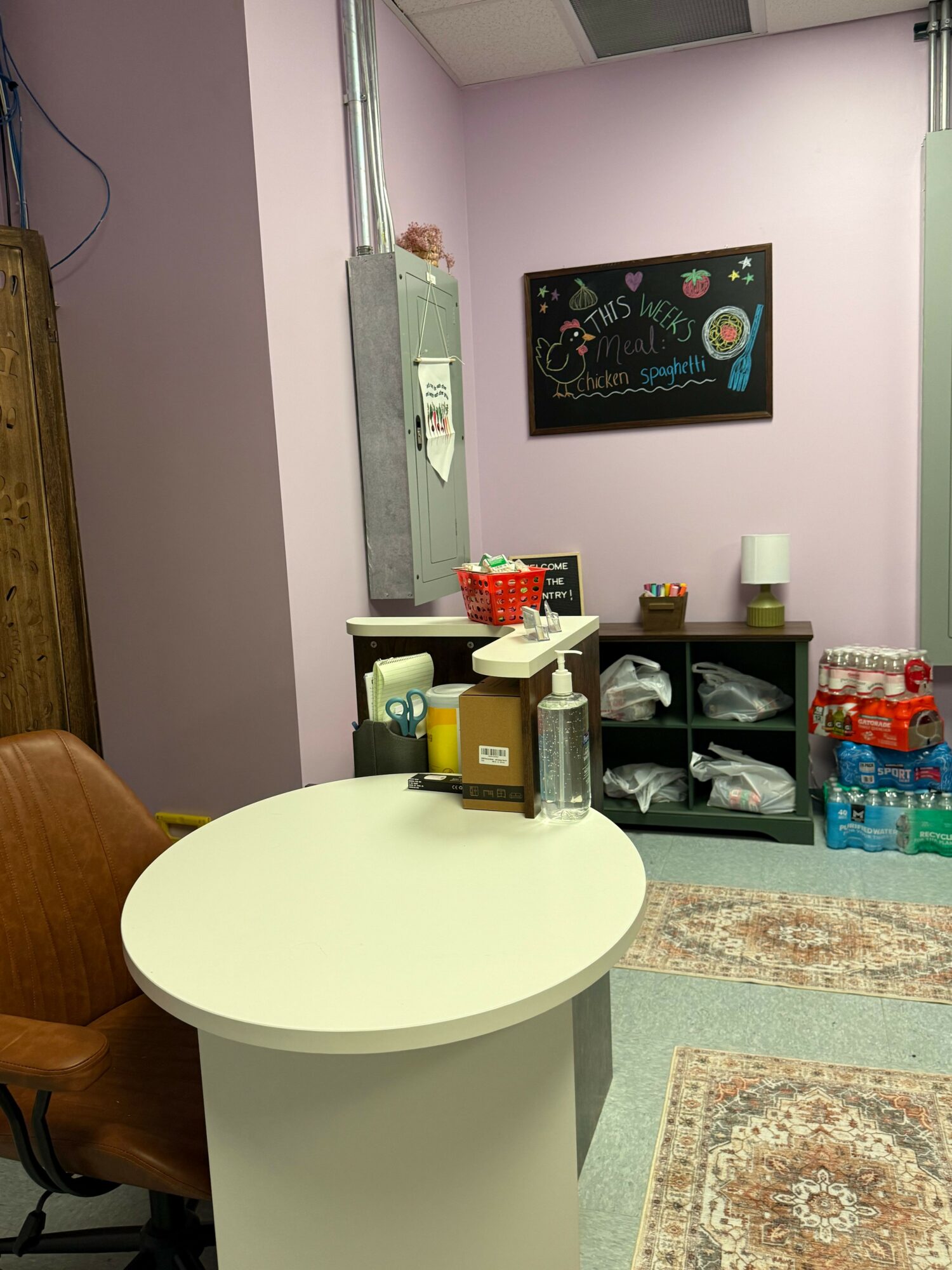
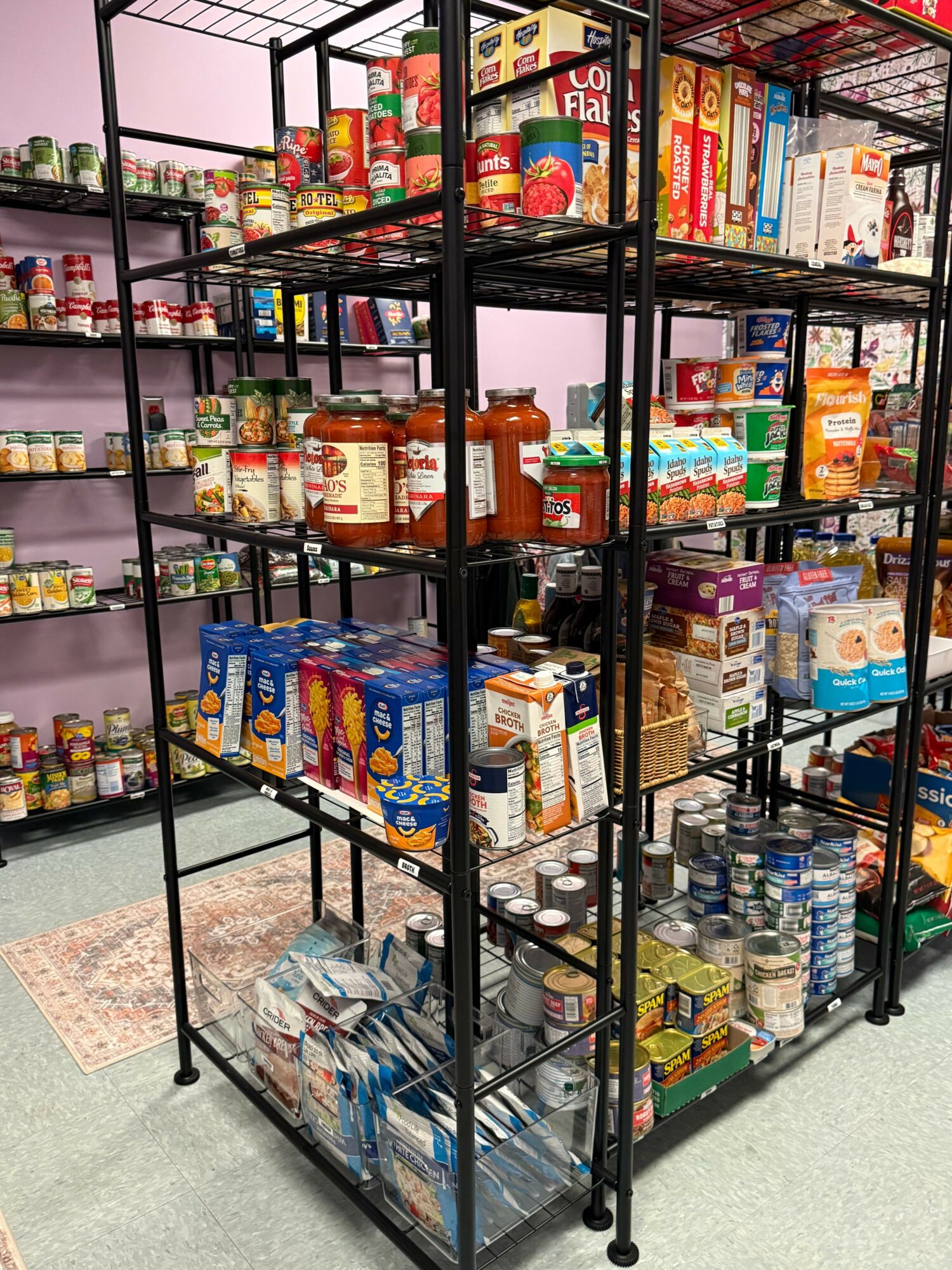
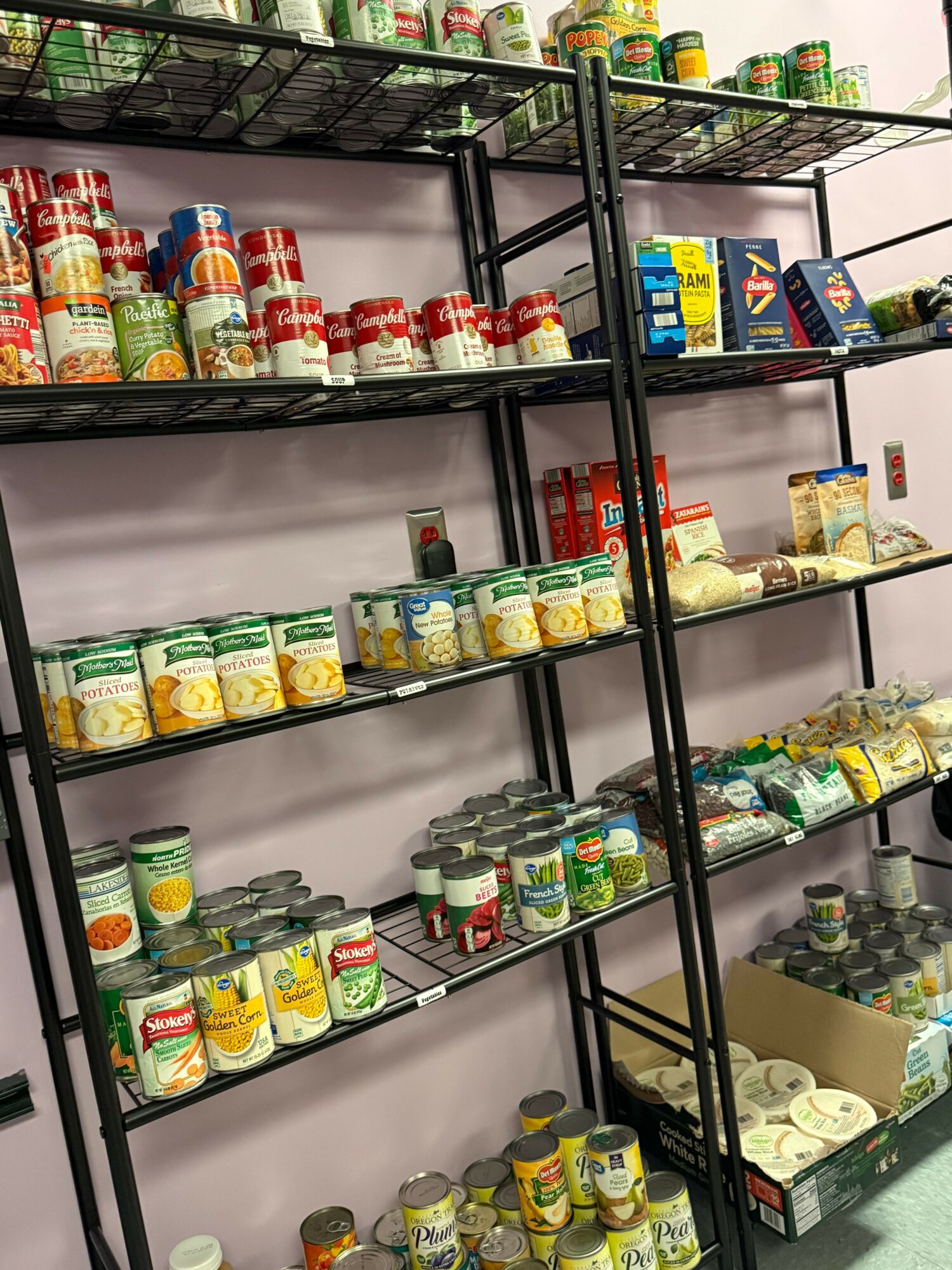
I dreamt up and built The Danny Boy Foundation Basic Needs Pantry with an incredible amount of intentionality. We didn’t want to simply create a place where people could come in and receive food; we wanted to create a space that actually considers the needs of the people walking through the door.
Our pantry is neurodiversity-affirming. We think about things that may seem small but can make a significant difference for someone who is overwhelmed, sensory-sensitive, or struggling with executive functioning. We use lower lighting rather than harsh fluorescent lights, clearly labeled items, predictable organization, and a layout that helps people know what to expect when they walk in.
We also offer pre-bagged meals and recipes because sometimes the barrier isn’t having food — it’s having the executive functioning to figure out what to make, gather the ingredients, and actually prepare it. When someone is already overwhelmed or operating in survival mode, giving them a bag with everything they need for a meal can remove one more decision from their day.
We also have a suggestion and commentary box because we don’t want to assume that we know what every family needs. Someone can tell us, “My child will only eat these foods,” or “These are my safe foods,” and we can work to source those items. That ability to ask for something specific without having to explain or justify it is incredibly important to us.
Every part of this pantry was designed with the understanding that accessibility isn’t one-size-fits-all. The labels, lighting, organization, pre-bagged meals, food choices, and even the way we invite feedback are intentional.
What I am most proud of is that we are creating a pantry where people don’t have to leave their needs at the door in order to receive help. We are trying to meet people where they are, reduce the barriers that make accessing resources difficult, and give families both choice and dignity.
To me, that’s what makes this different. We aren’t just asking, “What food can we give someone?” We’re asking, “What does this person need in order for receiving help to actually feel helpful?”
Is there a quality that you most attribute to your success?
I think the quality most important to my success is intentionality. I don’t like doing things just because they have always been done that way. I tend to ask a lot of questions: “Who does this work for? Who might this leave out? What barrier are we missing? What would make this experience better for someone?”
That mindset is especially important with the foundation. Every detail comes from intentionally thinking about the people we are serving rather than expecting them to adapt to our system.
I also think persistence has played a huge role. I care deeply about the work I do, and when I believe something can be better, I have a hard time letting it go. Sometimes that means having difficult conversations, starting over, figuring things out as I go, or hearing “no” and continuing anyway.
Ultimately, I think my success comes from combining empathy with action. I don’t just want to recognize that something isn’t working for people, I want to figure out what we can actually do about it.
Contact Info:
- Website: https://www.dannyboyimpact.org
- Facebook: https://www.facebook.com/profile.php?id=61593527739948
- LinkedIn: https://www.linkedin.com/in/ryleigh-strong-kryska-lmsw-0702461b8
- Other: https://www.malafamily.org/ryleigh