




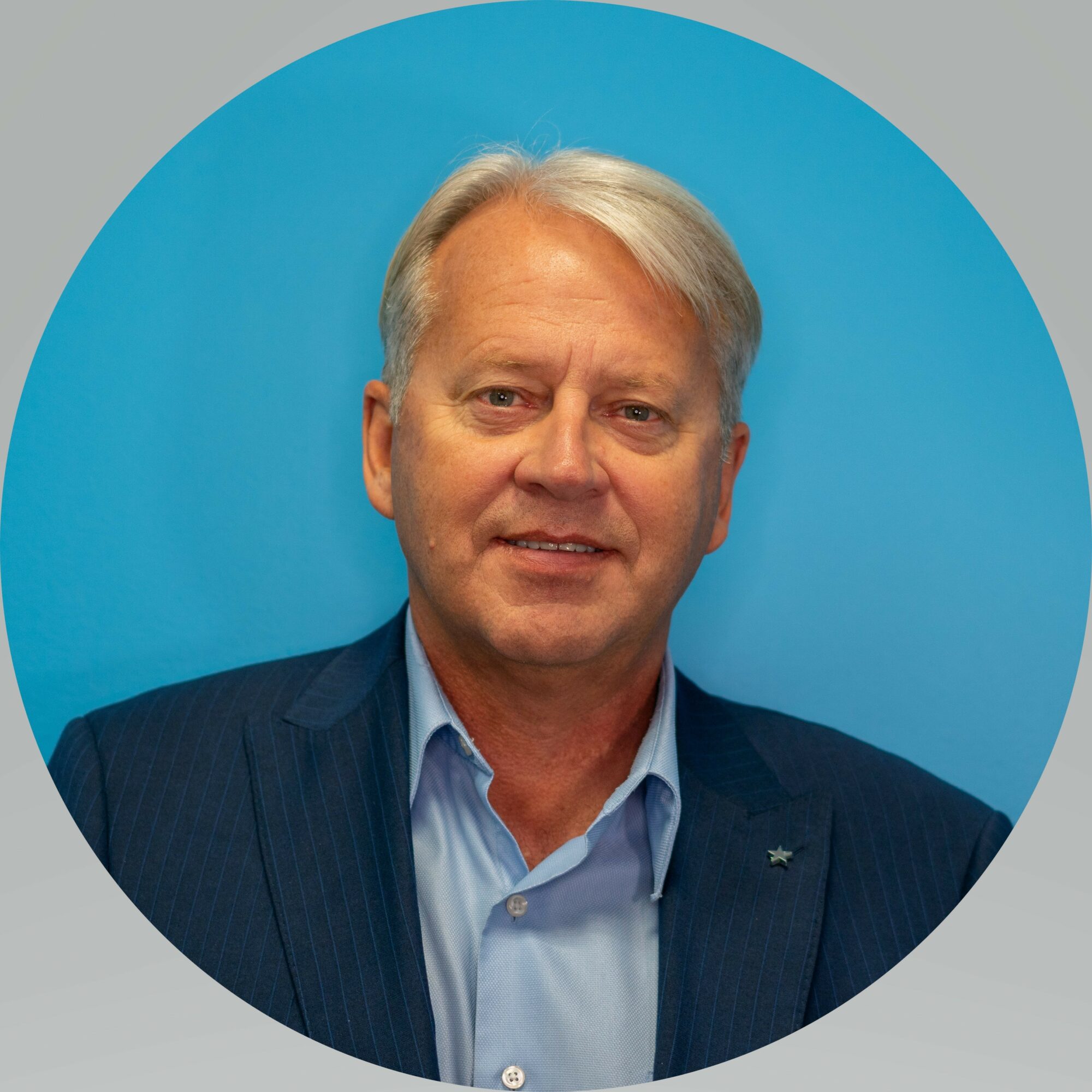
Today we’d like to introduce you to Russell Schindler.
Alright, so thank you so much for sharing your story and insight with our readers. To kick things off, can you tell us a bit about how you got started?
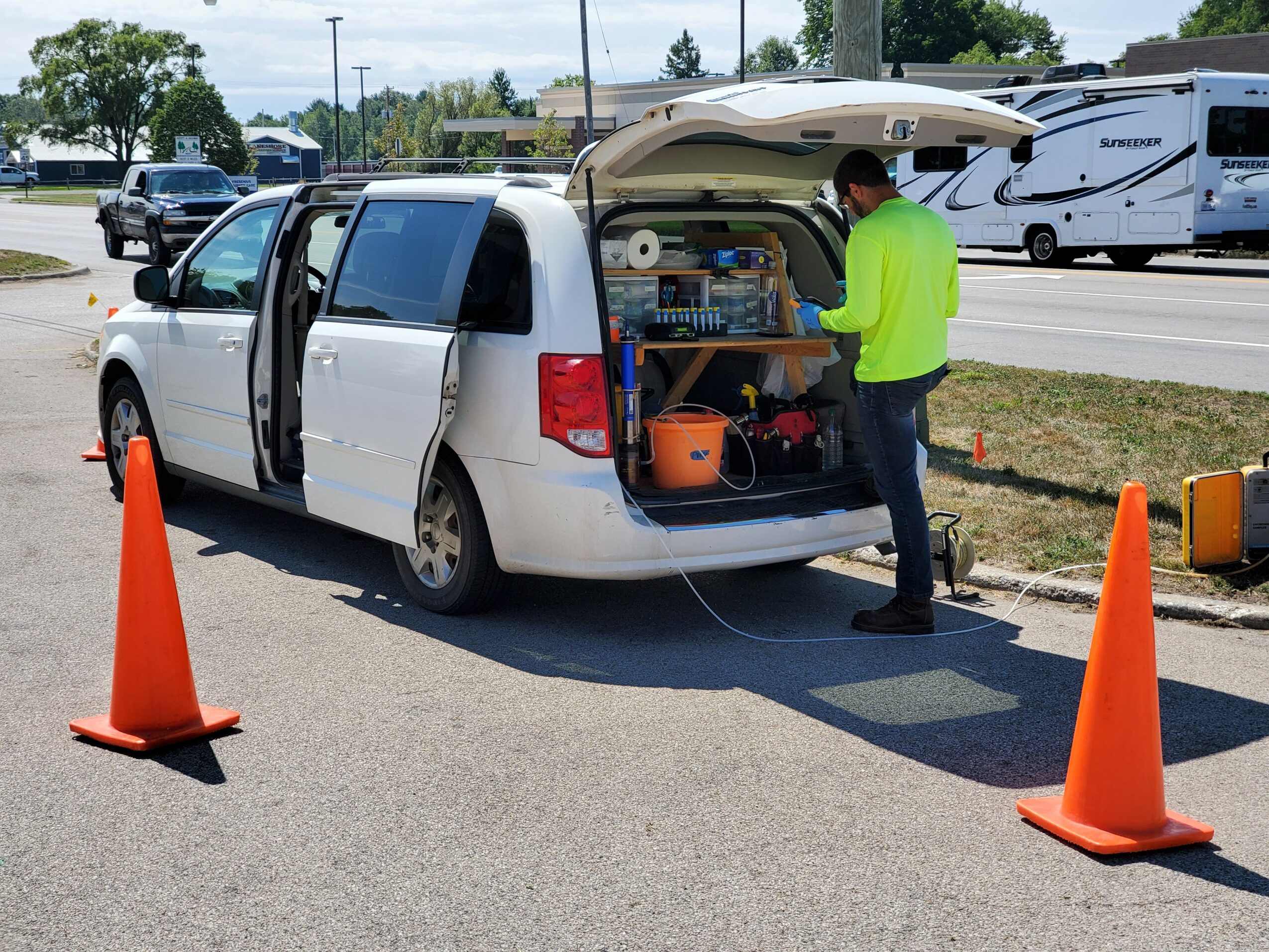
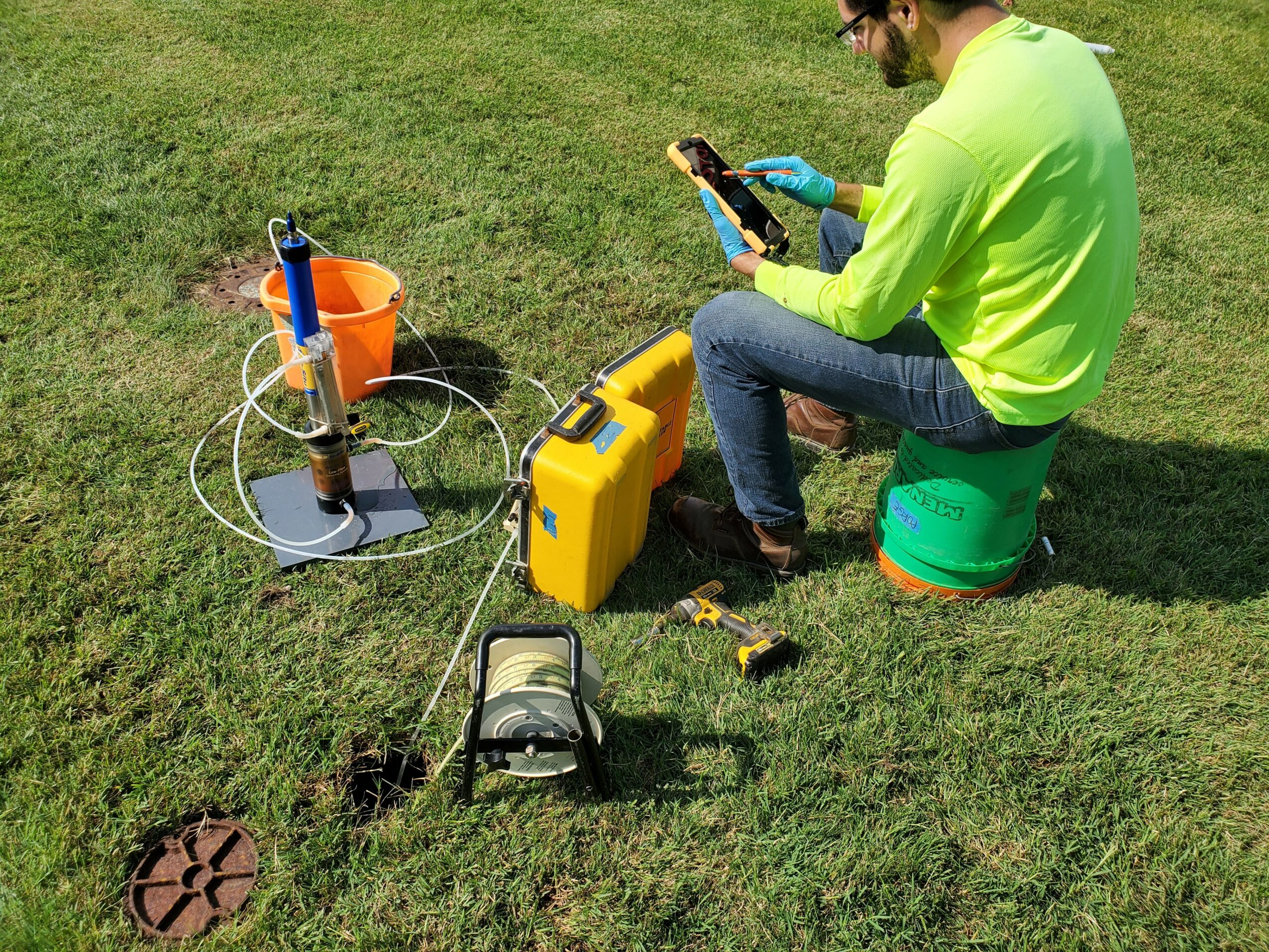
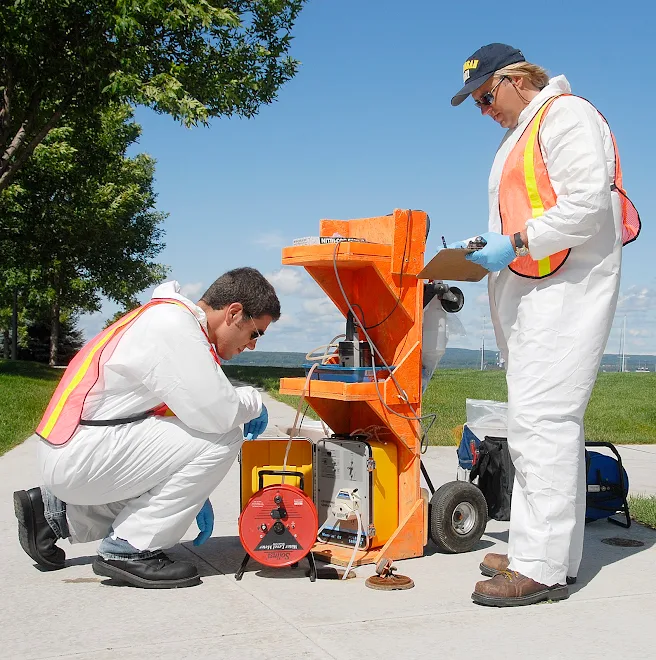
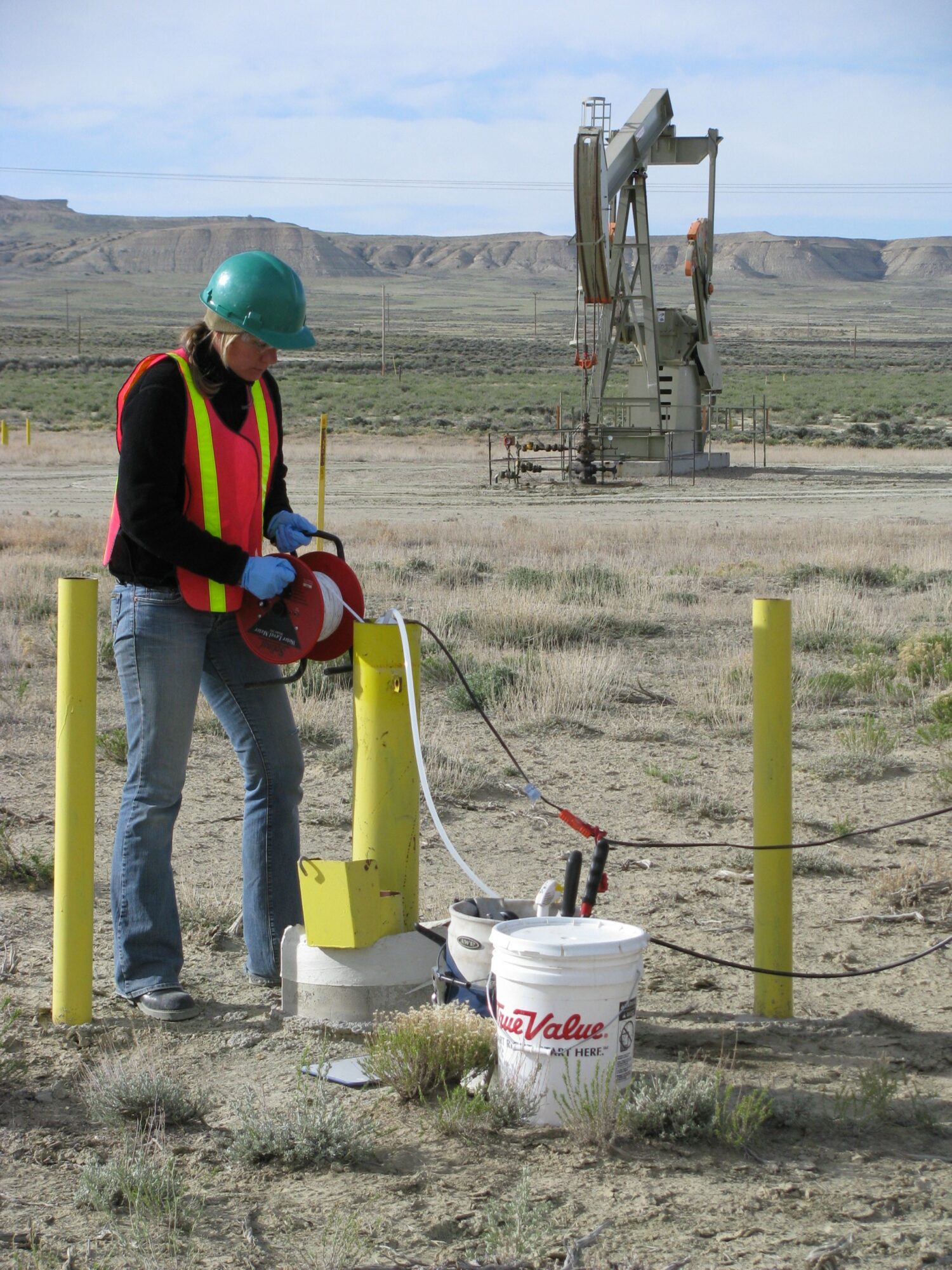
I’m a Geologist so I started from working in the field, not from the software world. I spent most of my career doing environmental sampling and contamination work, and I kept running into the same problems over and over again: paper forms, handwritten bottle labels, paper chain-of-custody forms, duplicate data entry, missed details, and a lot of wasted time moving information from the field to the office to the lab and then into reports. It was a very manual process, and one small mistake could create a lot of extra work.
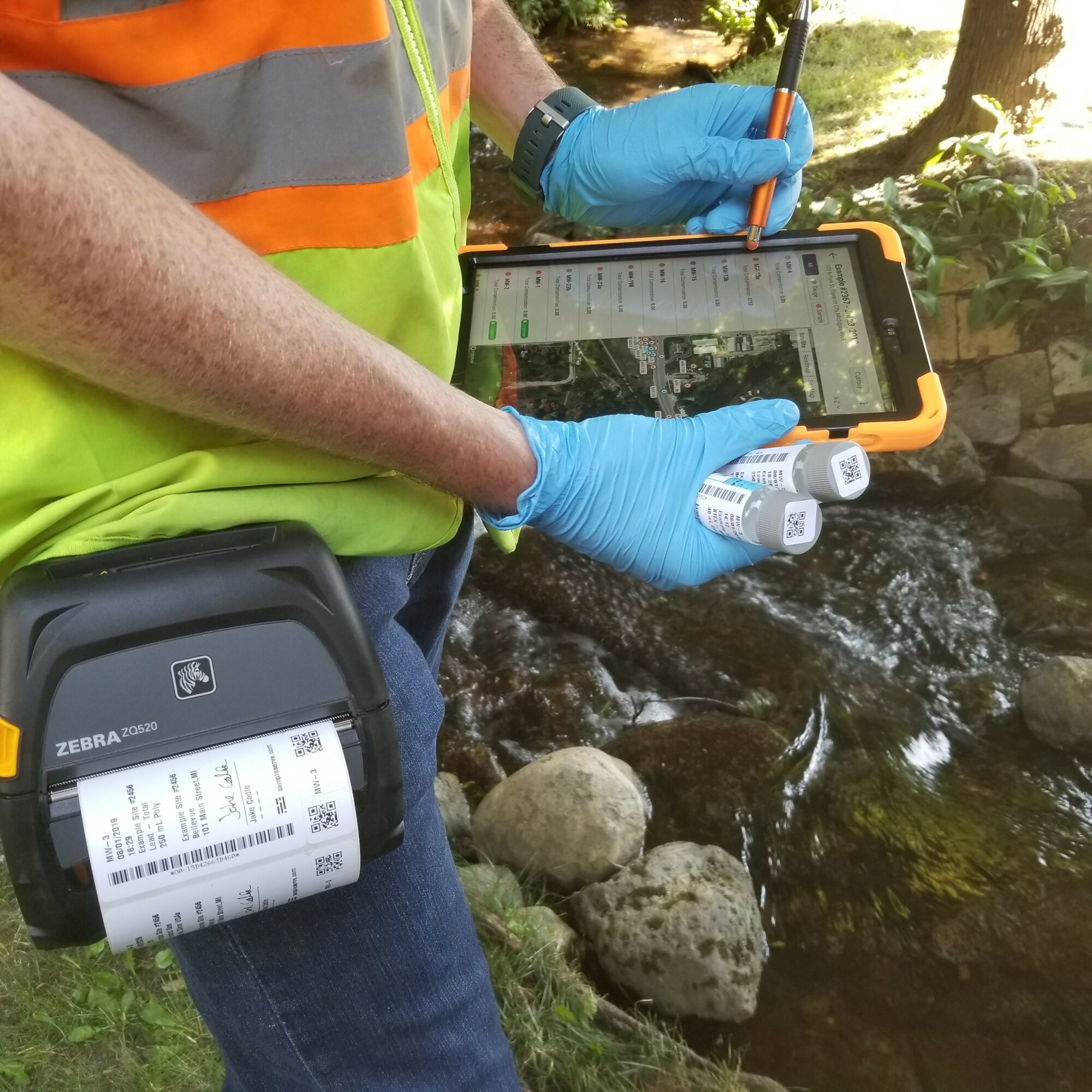
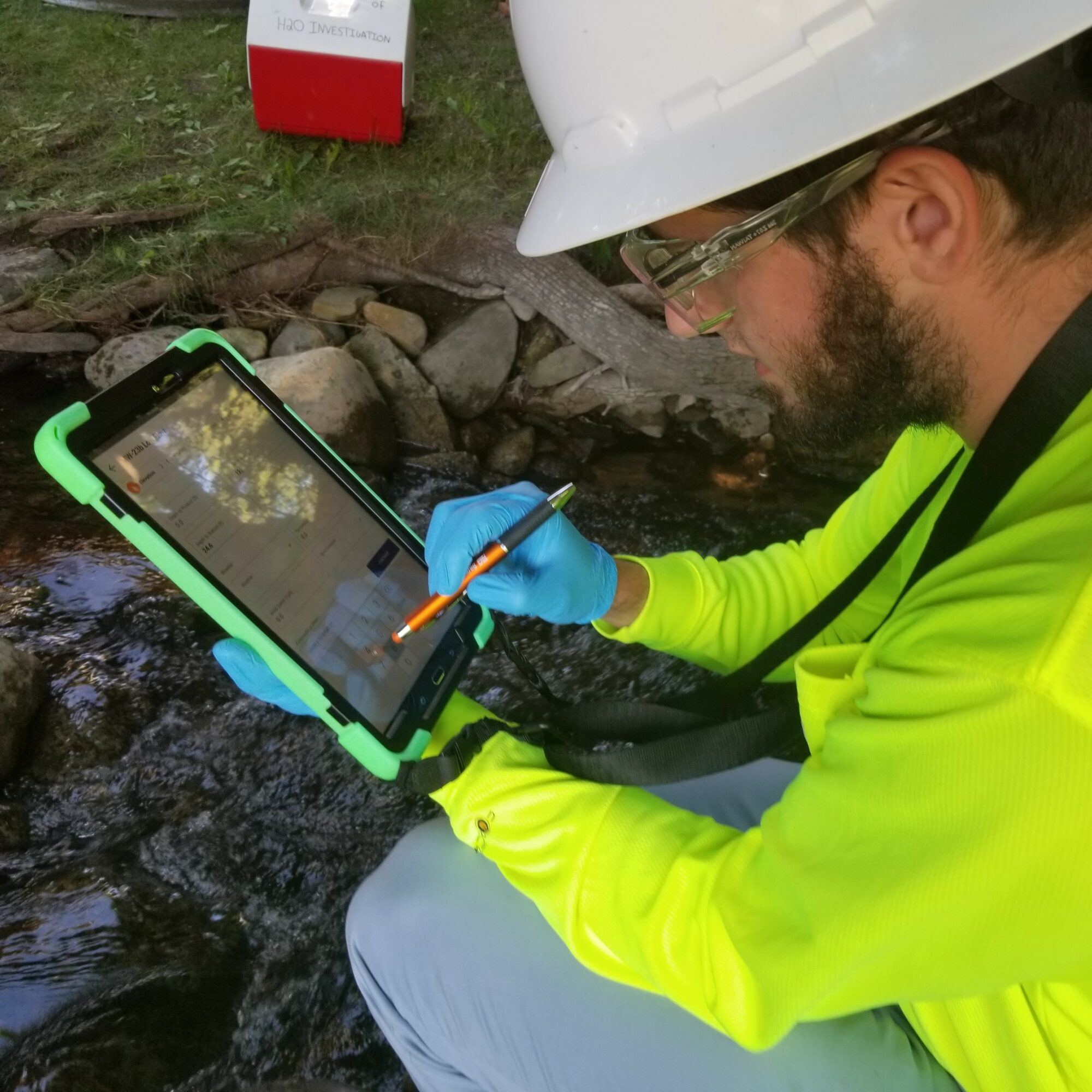
That’s really how SampleServe started. I wanted to build something practical that solved real field problems, not just another database. We started by focusing on the actual workflow of a sampling project: planning the event, collecting the data in the field, printing bottle labels on-site, managing digital chain of custody, communicating with the lab, and then turning all of that into reporting. That became the foundation of the platform. SampleServe is built as an end-to-end workflow that connects project planning, mobile field data collection, digital chain-of-custody, lab coordination, and reporting in one system.
In the beginning, our focus was mainly on environmental consulting and contamination projects, because that’s where my background was and where we understood the pain points best. Over time, we realized the same core workflow also applies to municipal drinking water and wastewater programs, so the company expanded from a tool for environmental field teams into a broader platform for both environmental and municipal users. The platform’s pricing evolved around that too, with low-cost adoption and optional paid reporting and premium add-on features layered on top.
Today, we’ve grown from solving one ugly operational problem into a platform that helps clients save a huge amount of time, improve accuracy, and connect the field, the lab, and the office in one place. We’ve built partnerships with groups like Eurofins and worked with clients such as Stantec, Antea, Texas Municipal Water, and Inframark, which has helped validate that this is a real industry need.
More recently, we also spun off SampleCSI, which applies the same core workflow to crime scene evidence collection. It turns out collecting environmental samples and collecting forensic evidence are surprisingly similar. In both cases, you have to document everything carefully, preserve chain of custody, and make sure the data is defensible. We decided to spin that into its own company so it could have its own team, focus, and go-to-market strategy, while SampleServe stays focused on environmental and municipal sampling. The early response there has been very encouraging.
I’m sure it wasn’t obstacle-free, but would you say the journey has been fairly smooth so far?
No, it definitely has not been a smooth road.
A good part of the challenge has been that we were building something that didn’t fit neatly into an existing software category. We weren’t just making a database or a field app. We were trying to connect the entire workflow, project planning, field collection, bottle labeling, chain of custody, lab coordination, and reporting, and that meant solving a lot of practical problems that most software companies never even see because they haven’t lived that field experience.
Another challenge has been market education. Once people see the platform, it usually clicks, but getting them to understand the value at first can take time, especially with white-label partners. Some of those partnerships are very valuable, but they can take years to develop and then still require a lot of work after the deal is signed in terms of setup, branding, and integration.
We’ve also had to deal with the reality of being a small team in a market with long sales cycles. In municipal and utility work, procurement moves slowly. In enterprise and white-label deals, relationship-building takes a long time. So there’s always a balancing act between chasing the big strategic partnerships and also going after the more immediate direct customers that can generate revenue now.
On top of that, we’ve had the normal startup struggles, fundraising, hiring the right people, and getting the sales structure right. We’ve had some sales efforts that didn’t produce much, and like a lot of startups, we’ve had to keep adjusting as we learned what really works. We’ve also had investors who liked the traction but questioned how fast we could scale in a government-heavy market or whether our pricing model could produce enough revenue, so part of the journey has been proving that the business model works in the real world, not just on paper.
More recently, another challenge has been staying disciplined about focus. We saw that the same workflow could apply to crime scene evidence collection, which is why SampleCSI was spun off. But we made that a separate company very intentionally, because we didn’t want to dilute the core SampleServe business while we still have so much momentum in environmental and municipal sampling.
So no, it hasn’t been smooth, but honestly that’s also been part of the strength of the company. One of my common sayings when we are facing a new obstacle is that “if it were easy everybody would do it”. We’ve had to build it in a very practical way, stay close to real users, and solve problems one by one. That’s a harder road, but I think it’s also why the platform has real staying power. I also think that’s one of the reasons we’re really the only one doing it right now as well, because it is hard.
As you know, we’re big fans of SampleServe, inc.. For our readers who might not be as familiar what can you tell them about the brand?
SampleServe is an environmental and municipal sampling workflow platform. What we really do is connect the entire process in one system, project planning, mobile field data collection, in-field bottle label printing, digital chain of custody, lab coordination, and final reporting. We started by solving real field problems in environmental consulting, but over time it became clear that the same workflow challenges exist in municipal drinking water and wastewater too, so the platform has grown to serve both markets.
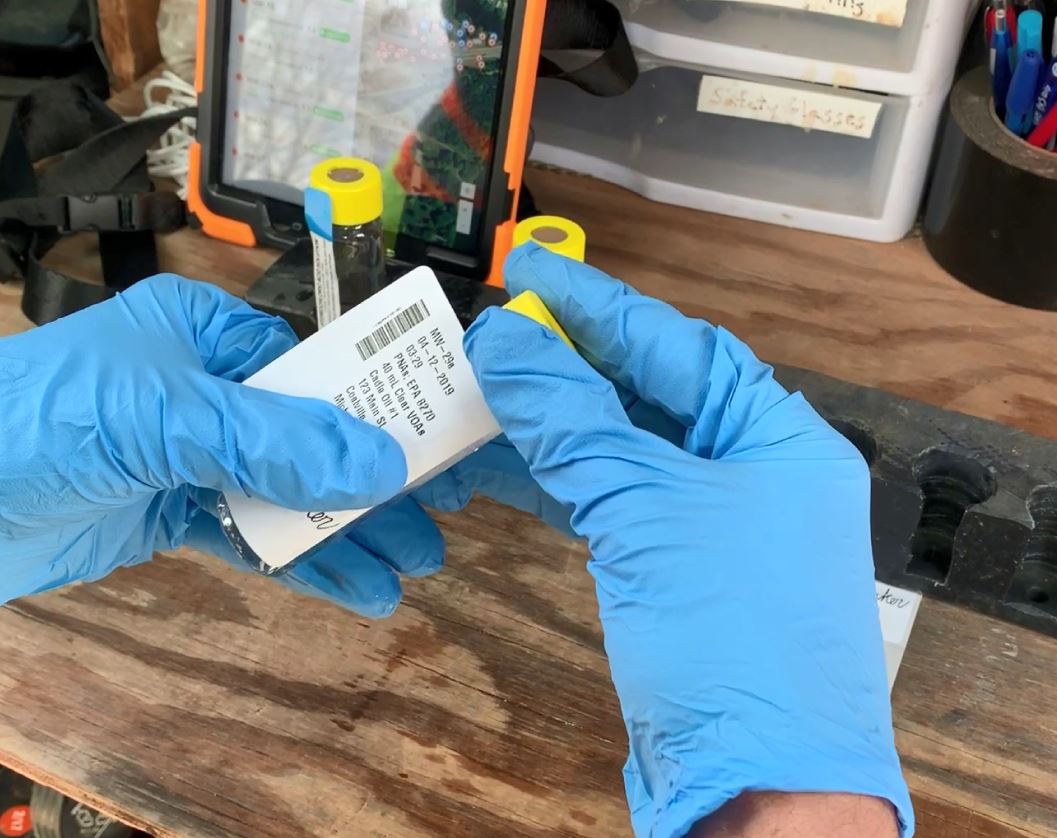
What we specialize in; and what people tend to remember about us, is that we’re very practical. We were built from actual field experience, not from a generic software idea. A lot of tools out there handle only one part of the process. They might do reporting, or lab management, or field forms. What sets us apart is that we connect the whole chain from the moment a sampling event is planned all the way through lab login and reporting. That includes some very specific workflow pieces that matter a lot in the real world, like printing QR or barcode bottle labels in the field, managing digital chain-of-custody, and making it easier for the lab to receive and process samples accurately.
I’d also say one of the biggest differentiators is ease of adoption. We’ve worked hard to keep the platform low cost and easy to understand and then layer in paid reporting and premium add-on features for users who want more. That matters because this industry has a lot of people who are still stuck with paper, spreadsheets, or older systems that are expensive and difficult to use. We want adoption to feel accessible and then let users grow into more advanced functionality as they need it.
Brand-wise, what I’m probably most proud of is that SampleServe stands for practicality, accuracy, and real workflow improvement. We’re not trying to be flashy for the sake of it. We’re trying to solve ugly, expensive, error-prone operational problems in a way that saves people time and makes their data more defensible. The results we’ve seen are meaningful, major reductions in field time, data entry errors, and reporting time, and that’s really what gives the brand credibility.
I’d want readers to know that we’re building more than just a field app or a reporting tool. We’re building infrastructure for how environmental and utility sampling work should happen in a modern, digital workflow. That’s why we’ve been able to work with organizations like Stantec, Antea, Inframark, Texas Municipal Water, Eurofins, and others, and it’s also why the platform has expanded into white-label partnerships and even helped inspire the spinout of SampleCSI for crime scene evidence collection, where that same documentation and chain-of-custody discipline applies.
Is there anyone you’d like to thank or give credit to?
Absolutely. I definitely don’t look at this as a solo success story.
First, I’d give a lot of credit to my longtime partner, Eric Bergsma. He’s been a steady, trusted part of the business and has played a major role behind the scenes in helping keep things moving forward even during some tough times. When you’re building a company over time, having someone who understands the vision, sticks with it, and helps carry the load matters a lot.
I’d also especially mention Mike Franklin, our CTO. Honestly, if it weren’t for Mike, we probably would have been out of business a long time ago. He’s an incredibly talented software developer, but more than that, he’s been the technical backbone of the company. Building a platform like this is hard because we’re not making some simple app, we’re connecting field workflows, chain of custody, lab coordination, reporting, and all the complexity that comes with that. Mike has been absolutely critical in making that real and keeping it alive through all the ups and downs.
Then there’s Josh Paul, our product manager. Josh is incredibly intelligent, very likable, and customers genuinely love working with him. He has a great way of solving people’s problems in a charming and efficient manner, which is rare. He understands the product, understands the customer, and helps translate real-world needs into something we can actually build and improve. He’s been a huge asset for us.
Beyond that, I’d also give a lot of credit to our clients, early adopters, and industry partners. They took a chance on us, gave us honest feedback, and helped shape the platform into something much better than it would have been otherwise. A lot of what makes SampleServe strong today came from listening carefully to real users in the field, in the office, and in the lab.
So really, the success of the business has come from a combination of persistence, a strong team, and a group of people who believed in what we were building early on and helped us make it better.
Pricing:
- Basic functionality is available at no cost.
- Reports for sites of contamination our charge on a per sample basis ranging from$7 to $12 per sample.
- Municipal utilities are typically charged a flat monthly rate ranging from $100 to $300 a month
Contact Info:
- Website: https://www.sampleserve.com/
- Facebook: https://www.facebook.com/sampleserve
- LinkedIn: https://www.linkedin.com/company/sampleserve-environmentalreportingsoftware/?viewAsMember=true
- Other: https://www.samplecsi.com/