





Today we’d like to introduce you to Rachael Block.
Hi Rachael, can you start by introducing yourself? We’d love to learn more about how you got to where you are today?
I definitely didn’t take a straight path to get here. I spent many years in the restaurant industry, eventually working in management, and never really imagined that I would someday make a living creating and refinishing things.
What started as something creative gradually became something much bigger. I began making things, refinishing furniture and teaching myself as I went. There was a lot of trial and error—and there still is. I learned what worked, what didn’t, what people responded to, and probably most importantly, how to trust my own eye a little more.
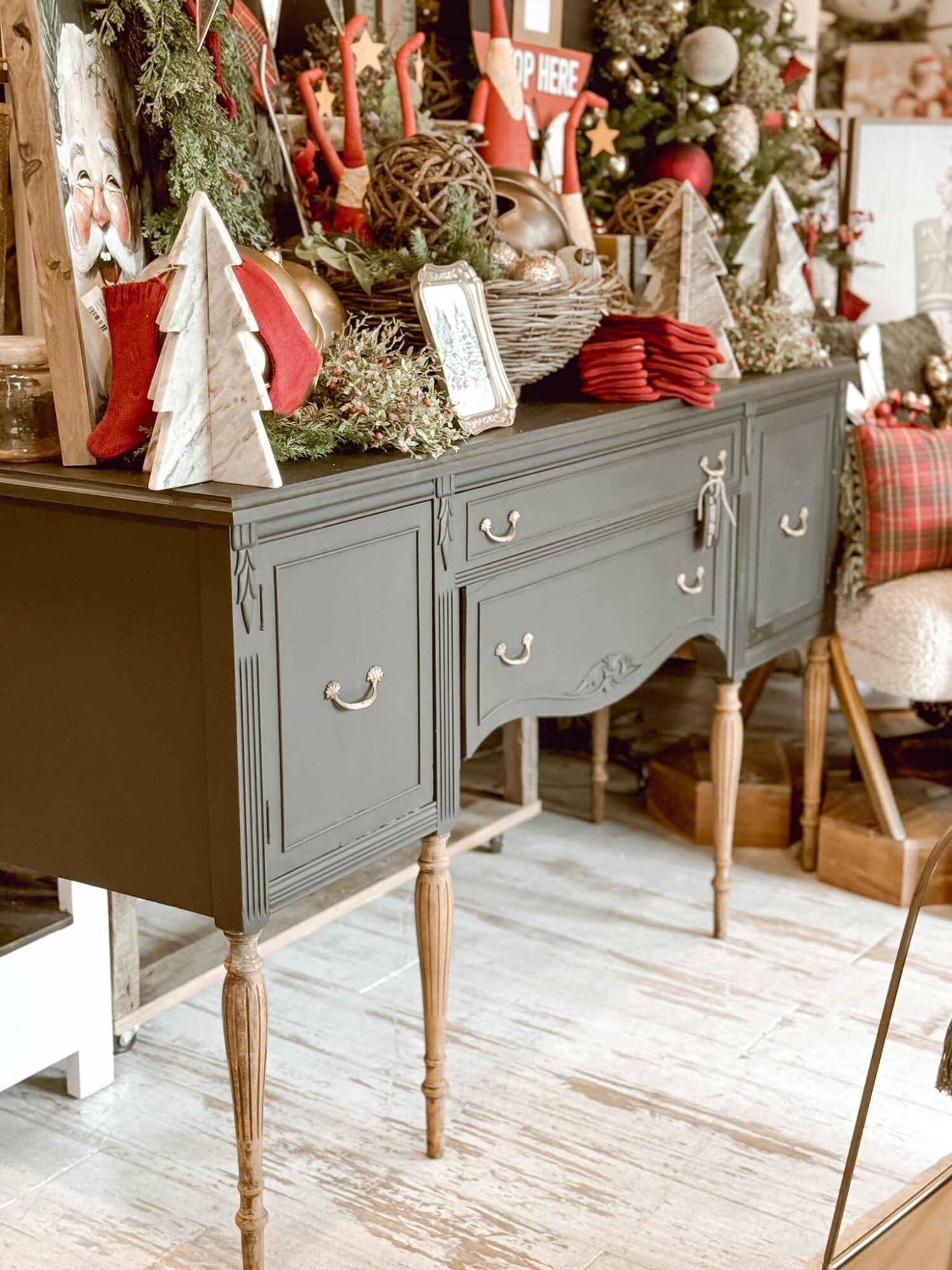
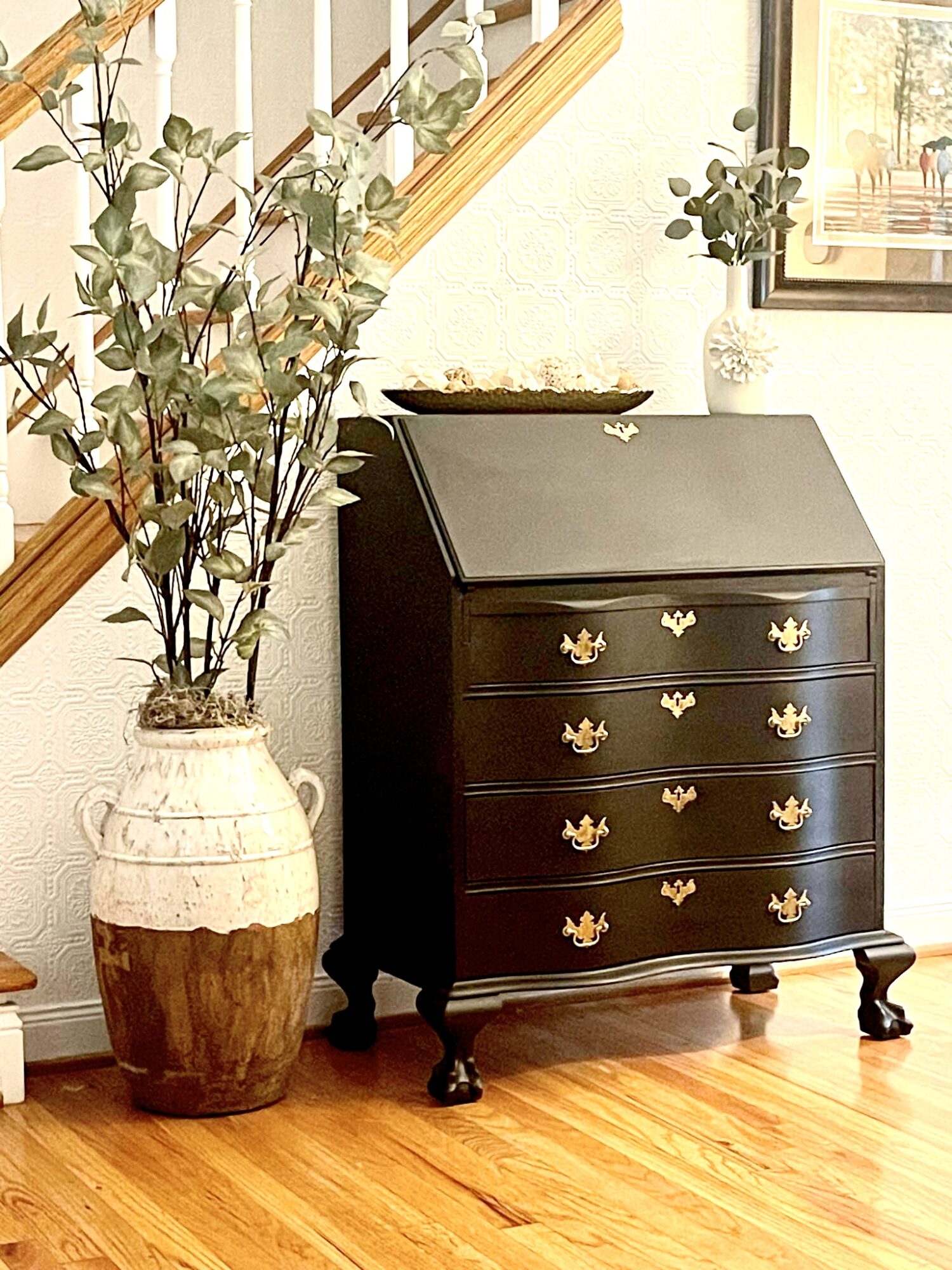
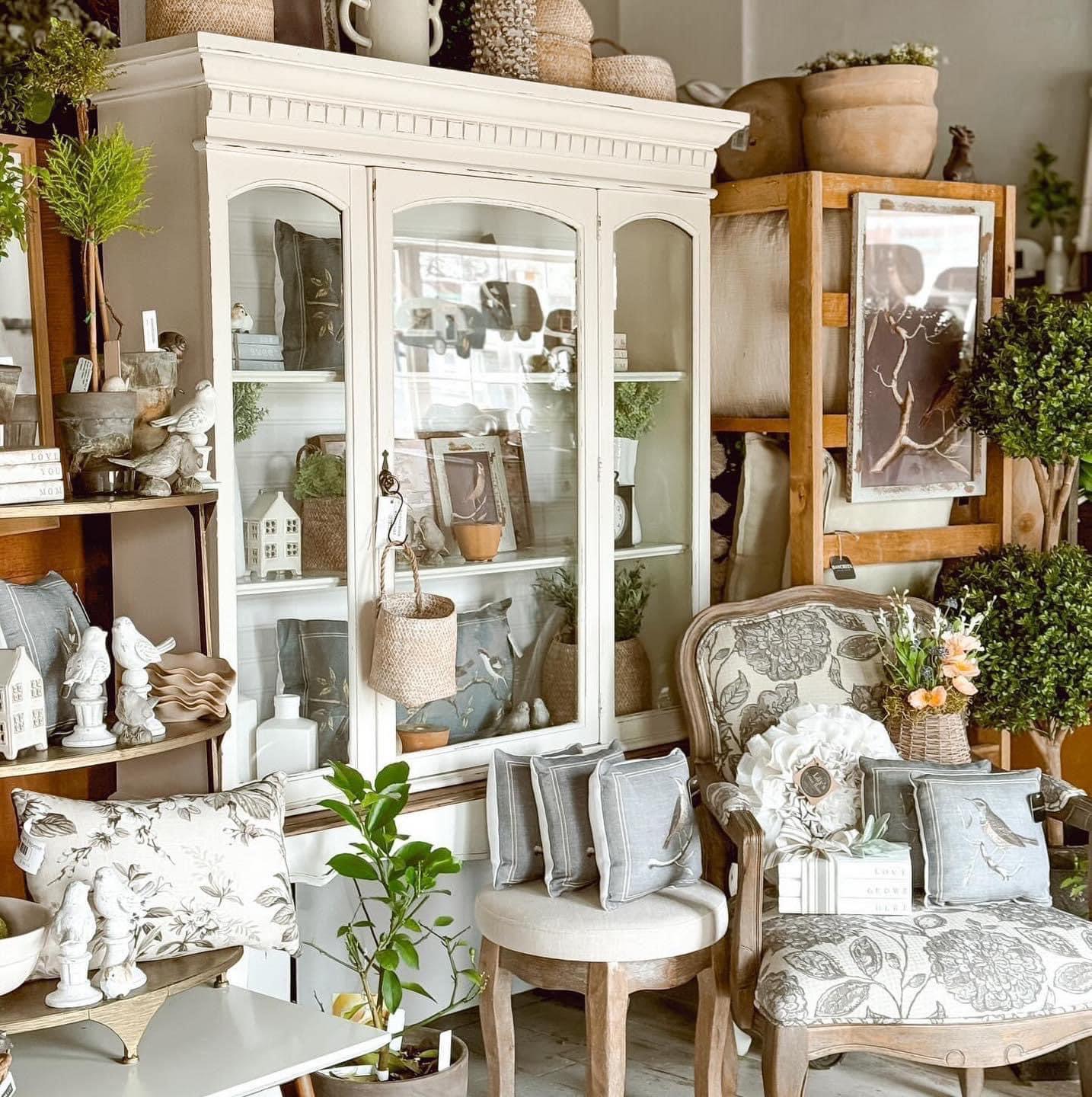
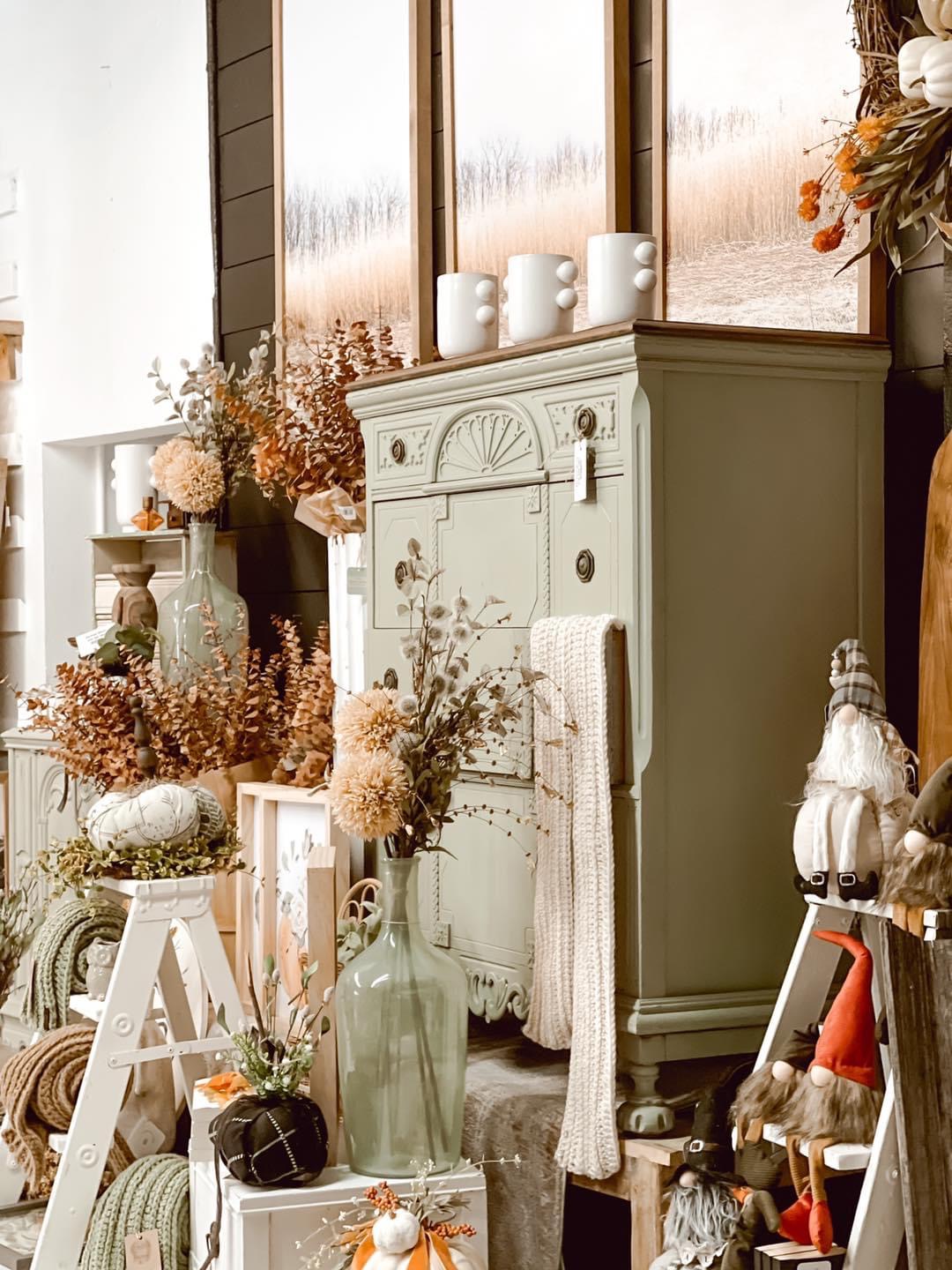
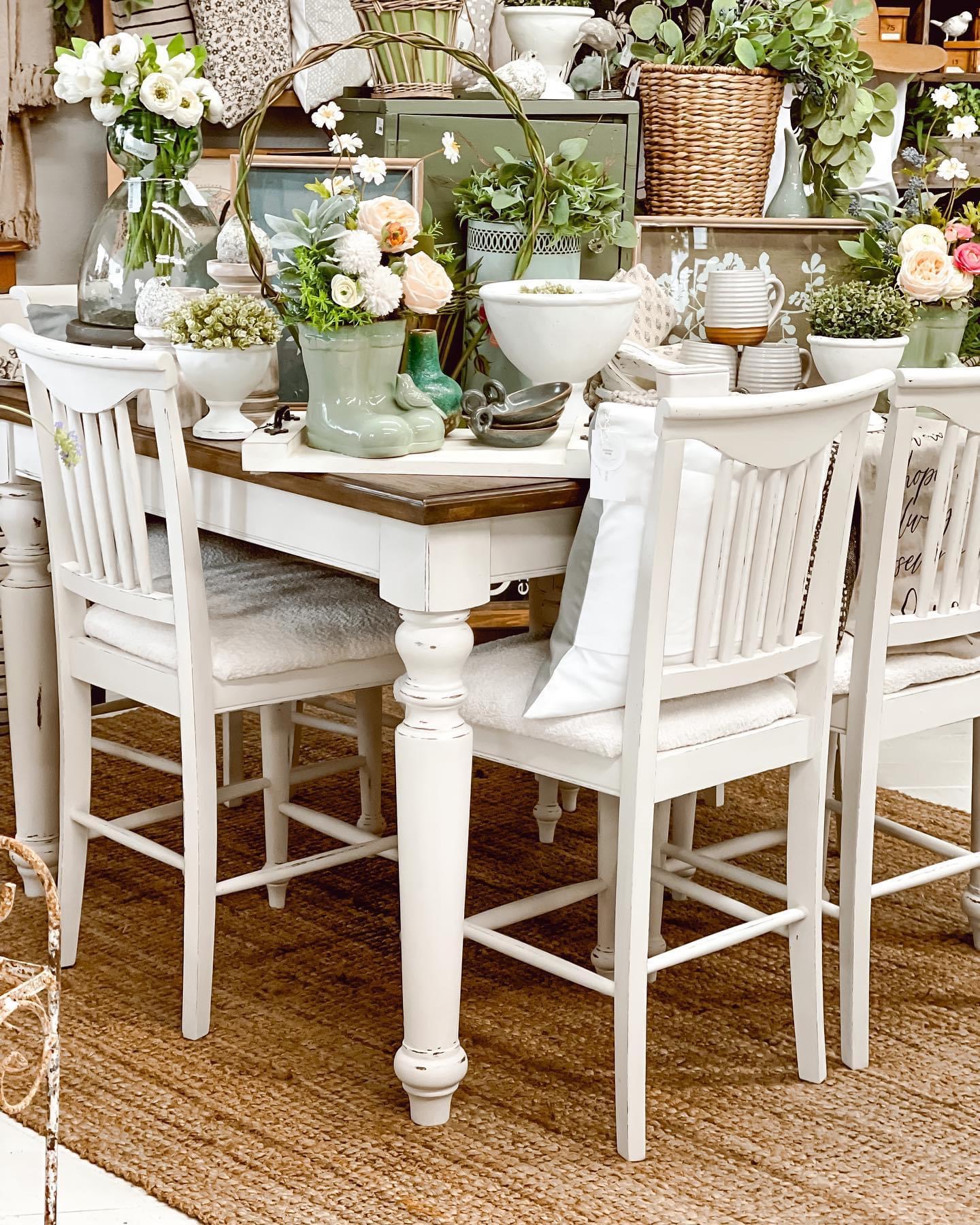
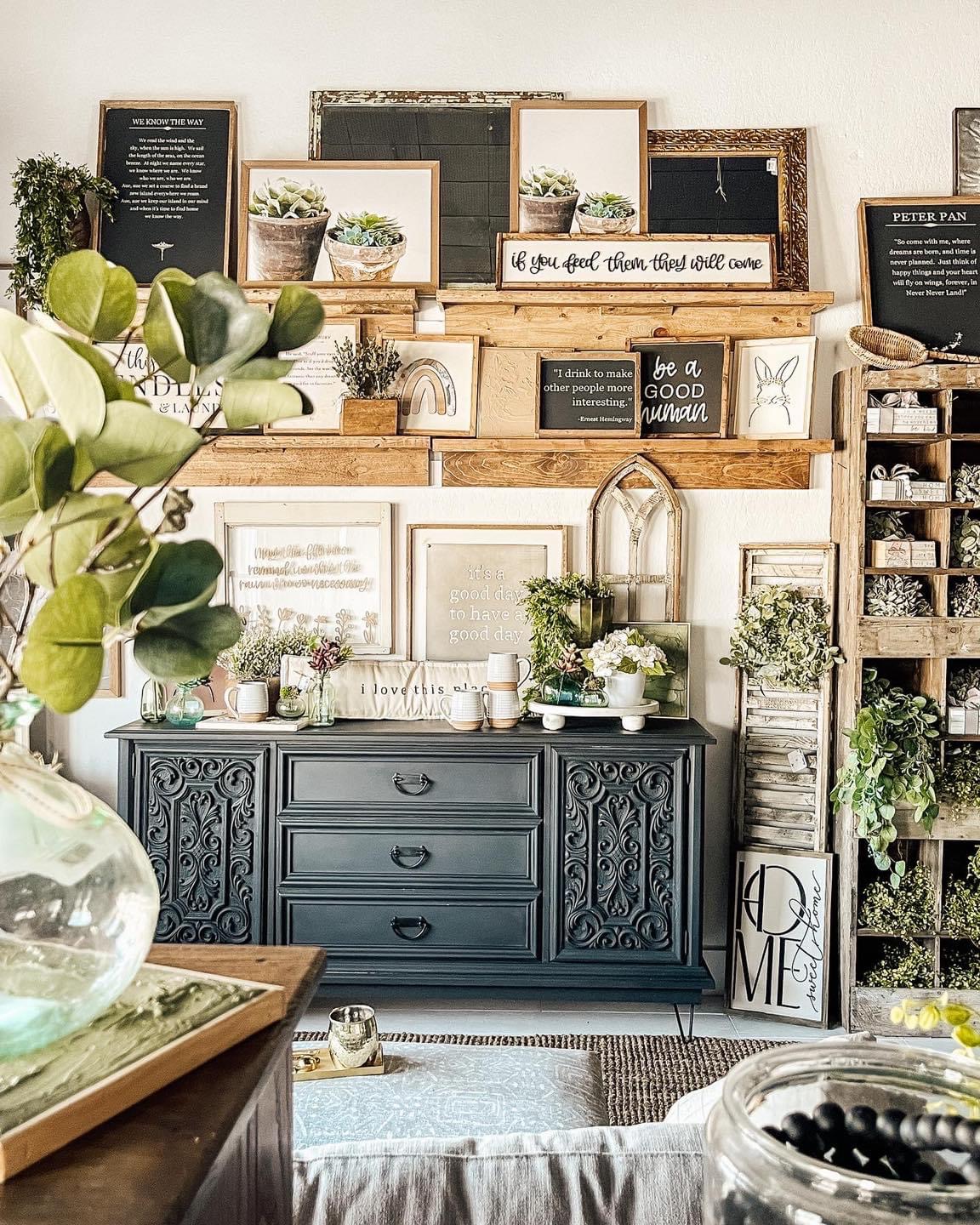
Over time, what began as a creative outlet grew into an actual business. Today I refinish and sell furniture, create signs and seasonal home decor, take on custom pieces, and sell both directly to customers and through Baycreek & Co. in Erie, Michigan.
I think one of the biggest things I’ve learned is that owning a creative business requires you to constantly evolve. What sold five years ago isn’t necessarily what sells today. Trends change, customers change, platforms change—and sometimes you have to change right along with them without losing the part of your work that feels like you.
These days, I do nearly every part of the process myself. I source pieces, repair them, paint them, photograph them, market them, haul them around and occasionally wonder why on earth I bought something so heavy in the first place. But I’ve built a business with my own two hands, one piece at a time, and somehow all of those little decisions and experiments brought me here.
Alright, so let’s dig a little deeper into the story – has it been an easy path overall and if not, what were the challenges you’ve had to overcome?
It has absolutely not been a smooth road. I’m not sure entrepreneurship ever really is.
One of the biggest challenges has been learning to live with the unpredictability of a creative business. There are months when everything I touch seems to sell and I can barely keep up, and there are other months when I work just as hard—or harder—and the sales simply aren’t there. Learning not to measure the value of my work by one slow market has probably been one of the hardest lessons.
The business itself has also changed tremendously over the years. Styles change. Social media changes. The way people shop changes. Things that once sold easily eventually stop selling, and you have to be willing to notice that and reinvent yourself. I’ve had to do that more than once.
There’s also the less glamorous reality that this is very physical work. I’m often sourcing, loading, unloading, repairing, sanding, painting and moving furniture while also photographing it, marketing it, answering customers and managing the business side. I’m a mom, too, so like a lot of women who own businesses, there has never been a neat separation between work and the rest of my life. Sometimes I’m building a business and raising a family in the exact same five-minute window.
But I think the difficult seasons have taught me something important: I’m much more resourceful than I used to believe I was. When something stops working, I figure out something else. I’ve learned new skills because I needed them, changed direction when I had to, and made plenty of mistakes along the way. I’m still learning. I think that willingness to keep figuring it out has probably been more important to my success than getting everything right the first time.
Thanks – so what else should our readers know about your work and what you’re currently focused on?
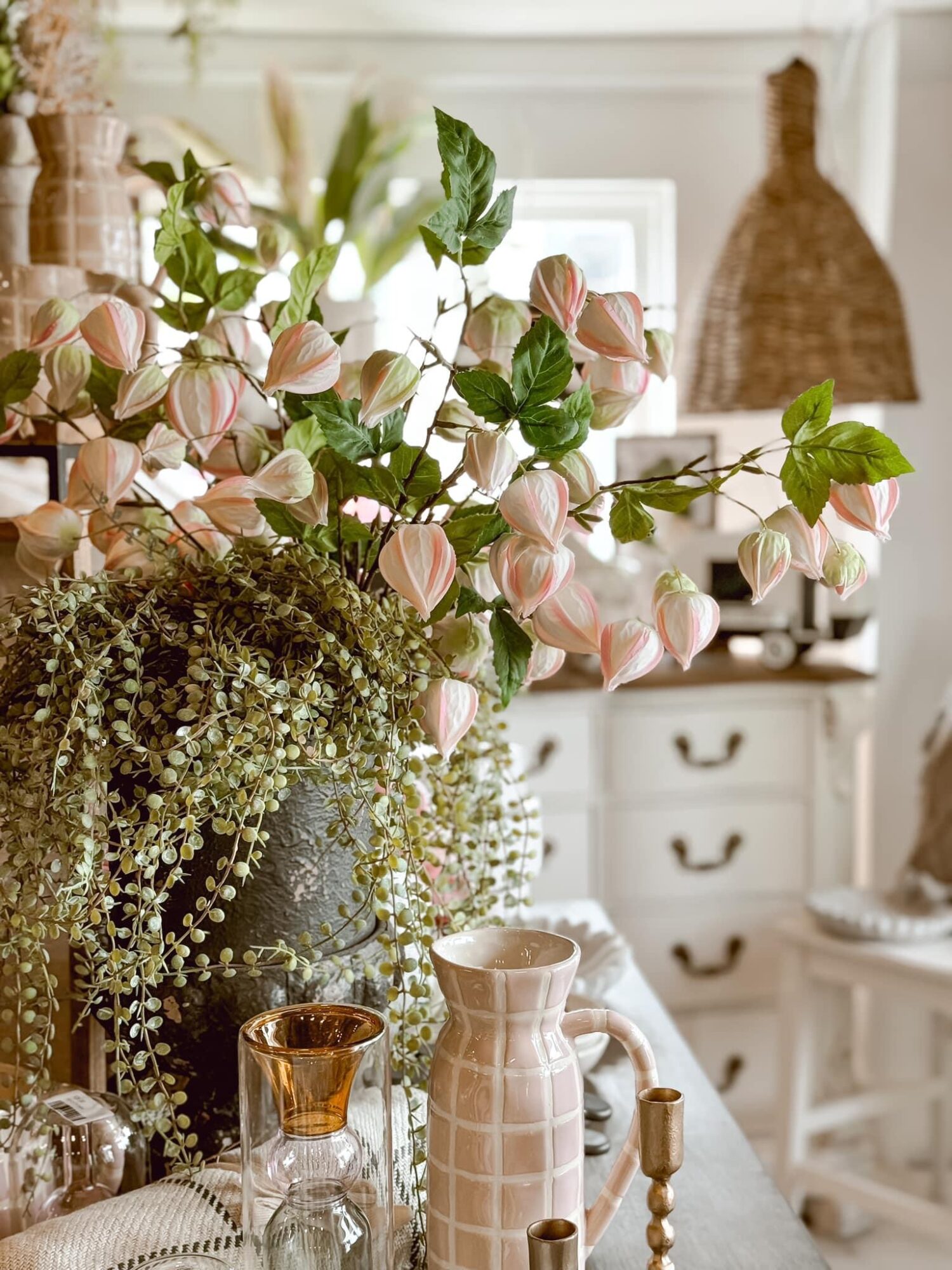
My work is really centered around taking something that already exists and seeing what it could become. I primarily refinish vintage and secondhand furniture, but I also design and create signs, home décor and seasonal pieces.
Furniture is probably where I get to be the most creative because every piece is different. I don’t have one specific style that I repeat over and over. Sometimes a piece needs to be dramatic and moody, sometimes it needs to be simple and classic, and sometimes the best thing I can do is uncover the beautiful wood that was hiding underneath everything else. I try to let the piece tell me what direction to take rather than forcing everything into the same aesthetic.
I think what sets my work apart is that I want beautiful, interesting homes to feel attainable. I love great design, but I don’t believe it has to come with an enormous price tag. There is so much well-made furniture already out there that has simply been discarded because it’s dated, damaged or no longer fits someone’s style. I love finding those pieces and giving them another chance.
I’m probably most proud when someone sees a finished piece and can’t believe it’s the same thing I started with. There’s something incredibly satisfying about taking the dresser nobody wanted, fixing what’s broken, changing the finish and suddenly having people fighting over it.
And I’m still experimenting. I’m constantly trying new products, techniques, colors and ideas. Some of them work beautifully. Some absolutely do not. But I think that curiosity is a big part of my work. I’ve never wanted to make the same thing forever. I want to keep learning, changing and making things that people are excited to bring home.
If you had to, what characteristic of yours would you give the most credit to?
I would say resourcefulness.
I’ve never been the person who knows exactly how to do everything before I begin. In fact, a lot of what I know now came from getting halfway into something, realizing I had absolutely no idea what I was doing, and figuring it out from there.
Running a small creative business requires that constantly. There isn’t always enough time, the right tool, the perfect piece of furniture or an obvious solution. Something breaks. A product doesn’t work the way you expected. A piece you thought would sell right away doesn’t.
You learn to improvise.
I think resourcefulness has mattered more to my success than getting everything right. It allows me to look at an ugly or damaged piece of furniture and see possibility instead of a problem. It lets me change direction when something isn’t selling, teach myself a new skill when I need one, and keep a business moving even when circumstances aren’t ideal.
Creativity helps me imagine what something could become. Resourcefulness is what usually gets me from the idea to the finished piece.
Contact Info:
- Instagram: https://Instagram.com/fortheloveofthechild
- Facebook: https://Facebook.com/fortheloveofthechild