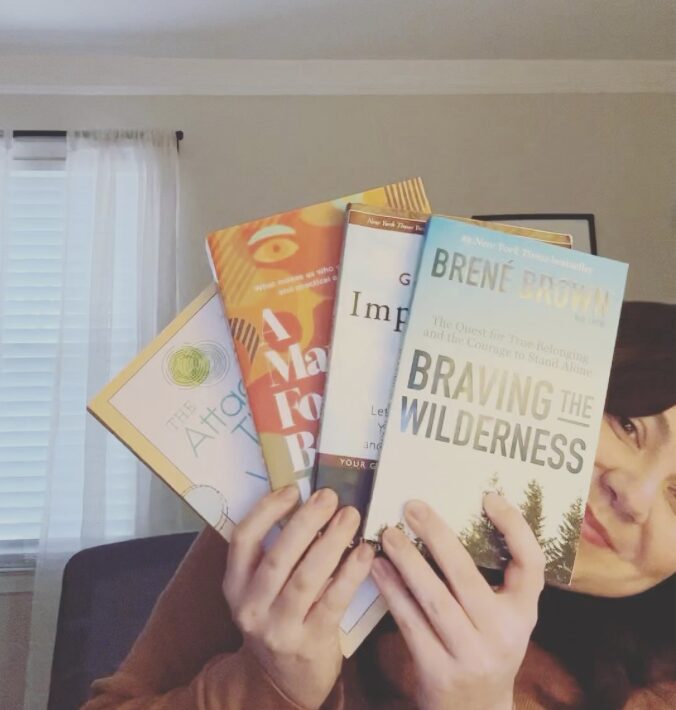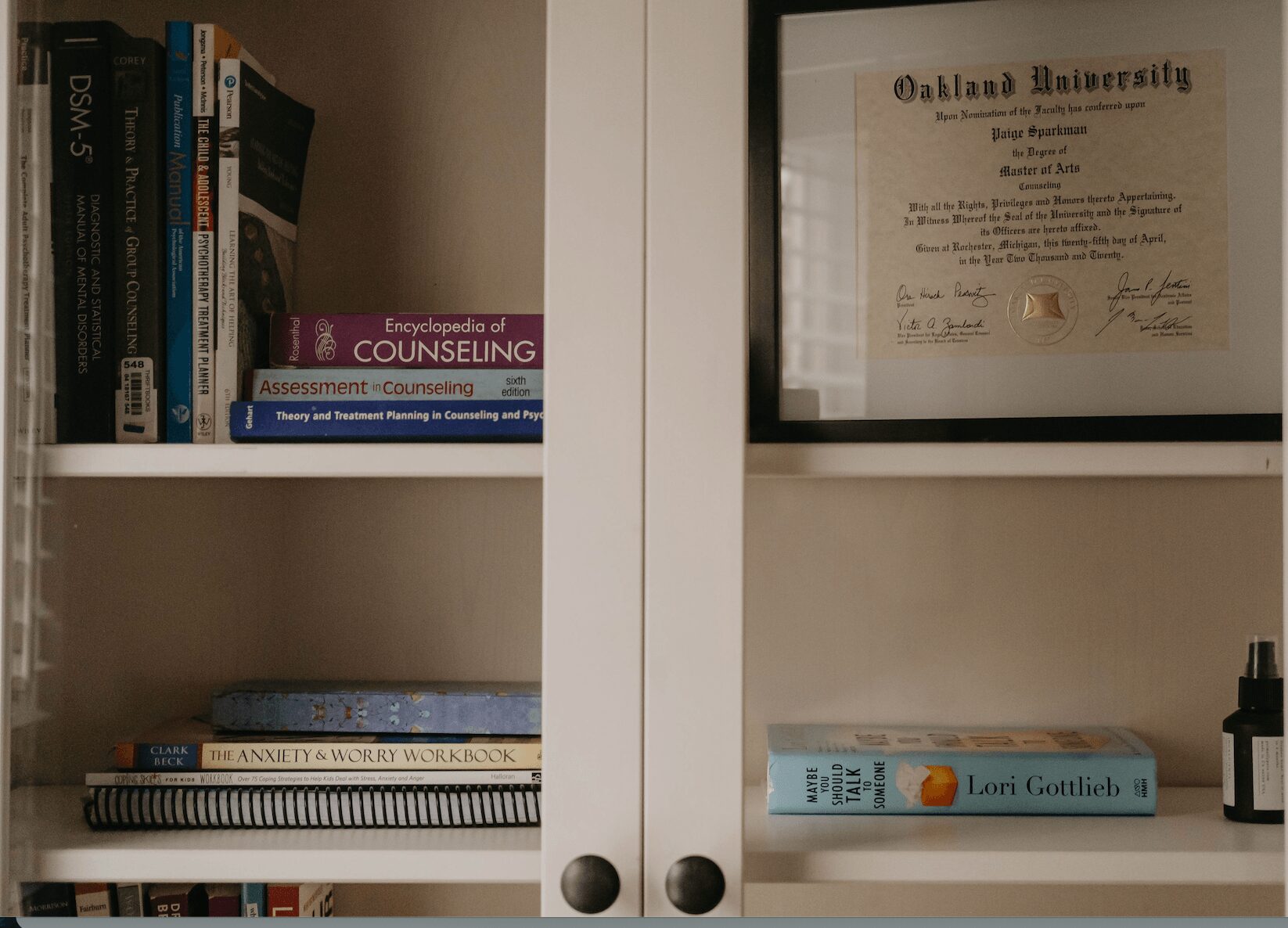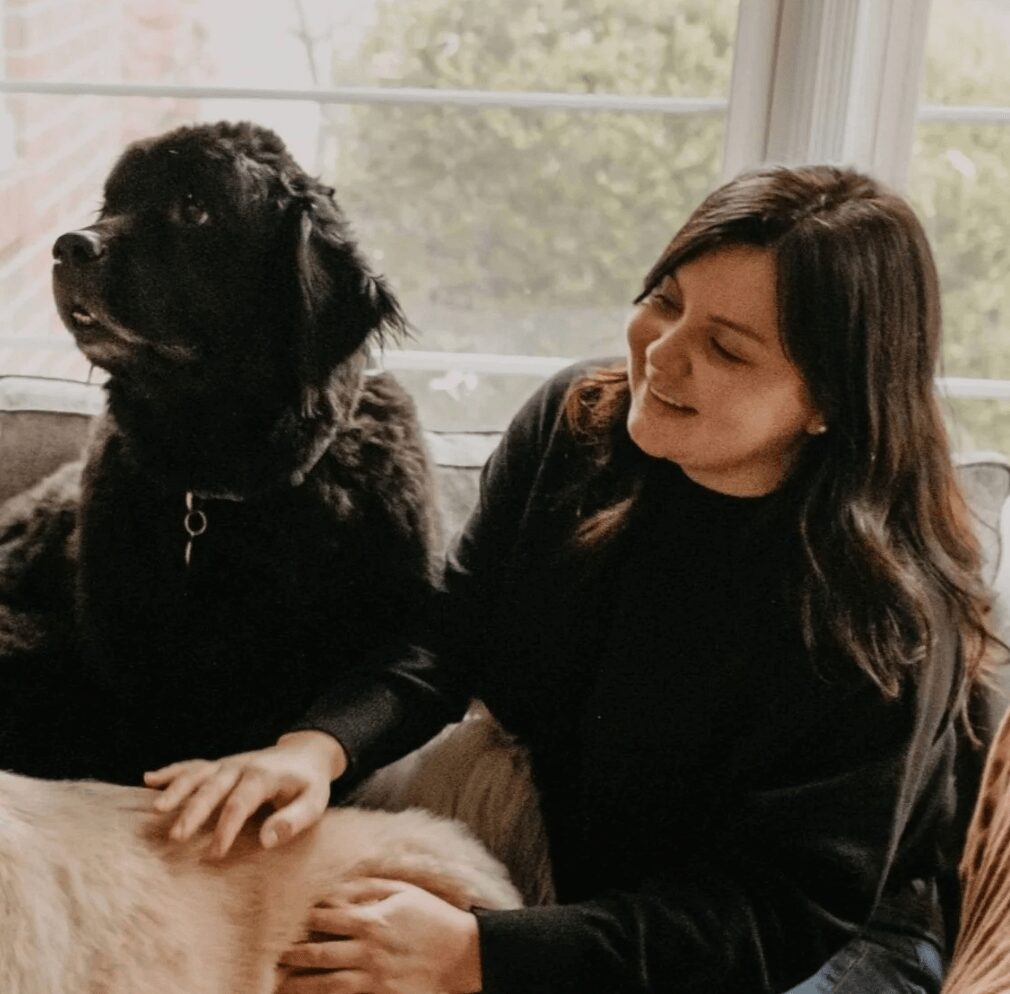





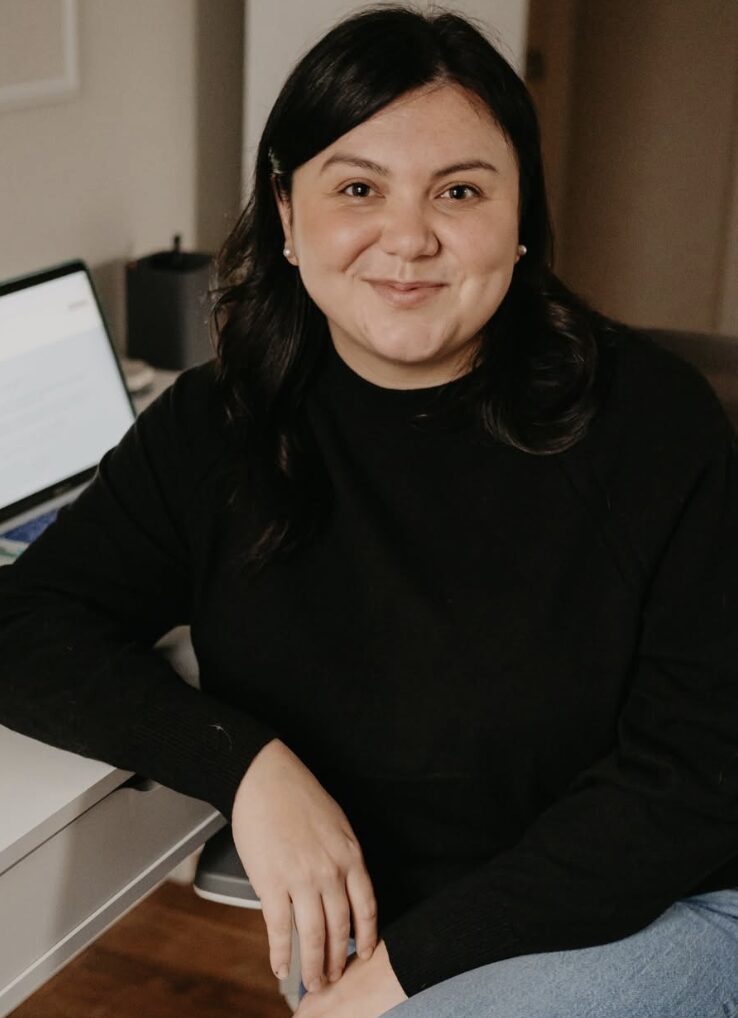
Today we’d like to introduce you to Paige Sparkman.
Hi Paige, so excited to have you on the platform. So before we get into questions about your work-life, maybe you can bring our readers up to speed on your story and how you got to where you are today?
I started my career in schools and found myself drawn to the students who were overwhelmed, misunderstood, or trying to survive systems that were not built for them. I loved working in alternative education settings and supporting neurodivergent kids, especially those navigating anxiety, trauma, sensory sensitivities, and the complicated overlap between emotional safety and nourishment. Even before I had the language for it, I was always paying attention to the places where neurodivergence, emotional and physical safety, and nourishment get tangled together.
A lot of that comes from my own story. I lost close friends to suicide in high school and college, and spent years trying to make sense of my own mental health with misdiagnoses and symptoms that never quite added up. I grew up in systems that meant well but were not always built to see how neurodivergence, trauma, sensory overwhelm, and emotional safety inform one another. When professionals focus on fixing behavior instead of understanding the person in front of them, harm can happen quietly over time. It creates layers of confusion, self blame, and internalized fear that are hard to untangle.
Living through that made me pay attention in a different way. It made me notice the kids and adults who were overwhelmed but masking, the people who looked “fine” from the outside but were working so hard to hold it together. It shaped how I think about care, and why I value connection, nervous system safety, and deep attunement in my work. My story taught me that real healing comes from being understood as a whole person, not as a collection of symptoms. It wasn’t until much later—through burnout, therapy, and eventually understanding my own neurodivergence that I realized how deeply this work lives in my bones. It has been an honor and privilege to hold space for people on a similar journey who are seeking safety and self-understanding.
During the pandemic, I felt pulled to leave the school system so I could show up for people in a way that felt more aligned. That was the beginning of my practice. I built it slowly and intentionally with a focus on values, sustainability, and genuine care.
My practice has grown around the values I care about most: compassion-focused care, supporting neurodivergent and highly sensitive people, helping folks heal their relationships with food and their bodies, and creating a space where emotional and physical safety isn’t just talked about, but truly learned and felt.
My practice is small on purpose. I care about being able to show up with presence, steadiness, and consistency, and that does not happen when a therapist is stretched thin. I value depth over volume, and I created a practice that reflects that. I want every client to feel like they have a safe, grounded space to land, not a rushed or transactional experience.
Today I work with clients across Michigan in a way that feels both meaningful and sustainable. I built the exact kind of practice I needed when I was younger, and it has been one of the most rewarding experiences of my life.
Can you talk to us a bit about the challenges and lessons you’ve learned along the way. Looking back would you say it’s been easy or smooth in retrospect?
My path has involved several moments of course correction. During my early academic years, I struggled to find my footing within larger educational systems and to understand where my strengths belonged. I transferred multiple times and navigated a difficult academic journey while managing my own mental health. Those experiences showed me how easily complex human needs can be overlooked, and they shaped my commitment to the kind of relationally grounded work I do now.
Professionally, I faced similar challenges. I cared deeply about my work in schools, but I did not thrive within the pace and structure of traditional educational settings. That tension made it clear that I needed to shift into clinical counseling, where I could work more intentionally and support people in a deeper, more individualized way. Even though my degree prepared me for both school and community counseling, it still required courage to step away from a familiar system and trust that a different environment would allow me to offer the care I valued most.
Starting a private practice also brought obstacles. As an AuDHD clinician, the creativity and vision for the practice came naturally, but the logistical and executive functioning demands were significant. Designing a sustainable, values-based practice required trial and error, ongoing system building, and a commitment to working in a way that honored both my clients’ needs and my own.
I also launched my practice during the height of the pandemic, a time when the entire field was rapidly transitioning to virtual care. The mental health landscape continued to shift in the years that followed, and it required constant adaptation, flexibility, and willingness to reshape my systems as client needs evolved.
Each of these challenges shaped my development as a clinician and business owner. They pushed me to clarify my values, understand my strengths, and build a practice that reflects the thoughtful, attuned, and sustainable care I believe people deserve.
Thanks – so what else should our readers know about Paige Sparkman Counseling ?
My practice is a virtual mental health practice based in Michigan that supports neurodivergent individuals, highly sensitive people, and people navigating disordered eating, anxiety, burnout, and complex life transitions. I work with clients across the state, and my approach integrates relational therapy, self compassion focused work, ACT, parts work, somatic practices, and brainspotting. Clients often describe therapy with me as safe, collaborative, and deeply attuned, which is exactly the kind of space I aim to create.
I specialize in the intersections of neurodivergence, emotional and physical safety, and a person’s relationship with food and their body. I am known for care that is non pathologizing and trauma informed. Many of the people I see have histories of being misunderstood for their sensitivity or the way they experience the world. My work focuses on helping clients understand their nervous system, increase self compassion, and build a life that feels sustainable and supportive of who they actually are.
What sets my practice apart is that it is intentionally small. I keep a limited caseload so I can show up consistently and offer thoughtful, high quality care. I am proud to have built something that prioritizes sustainability for both myself and my clients. The work is relational, not rushed. We collaborate to create systems and practices that genuinely work for their lives.
I am proud that my practice reflects the values I care about most. It is grounded in compassion, curiosity, and nervous system safety. It speaks to people who have spent years feeling overlooked or misunderstood, and it offers a space where they do not have to justify their needs or explain themselves. I want clients to feel seen, supported, and met with grounded collaboration. I do not work within the insurance based model, so to reduce barriers to care I offer pro bono or sliding scale services when possible.
For readers, I want people to know that my practice is for individuals looking for a therapist who values depth over volume and believes that healing happens when we feel heard and understood. I currently offer virtual individual therapy for adults across Michigan, as well as support for those navigating eating disorder treatment. My work is centered on helping people reconnect with themselves and build systems of care that allow them to thrive in a world that is not always designed with their needs in mind.
Is there a quality that you most attribute to your success?
The quality that feels most important is how deeply I process and attune to people.
I care a lot about creating a space rooted in safety and dignity, where people feel genuinely seen and not judged. I’m extremely empathetic and relational by nature, and I’m always looking for the real human underneath the coping, which helps my clients feel valued, understood, and less alone.
Contact Info:
- Website: https://www.paigesparkman.com
- Instagram: https://www.instagram.com/paigesparkmantherapy
- LinkedIn: https://www.linkedin.com/in/paige-sparkman-ma-lpc-scl-ab23a583