




Today we’d like to introduce you to Josmine Evans.
Hi Josmine, please kick things off for us with an introduction to yourself and your story.
This work started with self-discovery.
I grew up in a close, active community where identity was shared. I was known through my relationships. I was Hank and Clara’s daughter, Carol’s niece, Myrlin’s granddaughter, somebody’s friend. When I moved to Detroit in 2014, I was separated from that community for the first time and had to figure out who I was on my own.
I found my footing through cooking. I cooked for my partner at the time and explained the meaning behind the dishes: why we made certain foods, who taught me, and when they showed up in my family’s life. Food became the way I researched myself — by learning more about the people and histories that shaped me. That work eventually moved me from my home kitchen to the wider world: across the U.S., the Caribbean, South America, and West Africa.
In 2018, I began traveling across the diaspora with culinary scholar Michael Twitty and others, studying the connections between West African food traditions and the everyday foods Black people cook in the Americas. Those experiences reshaped my understanding of culture, lineage, and responsibility.
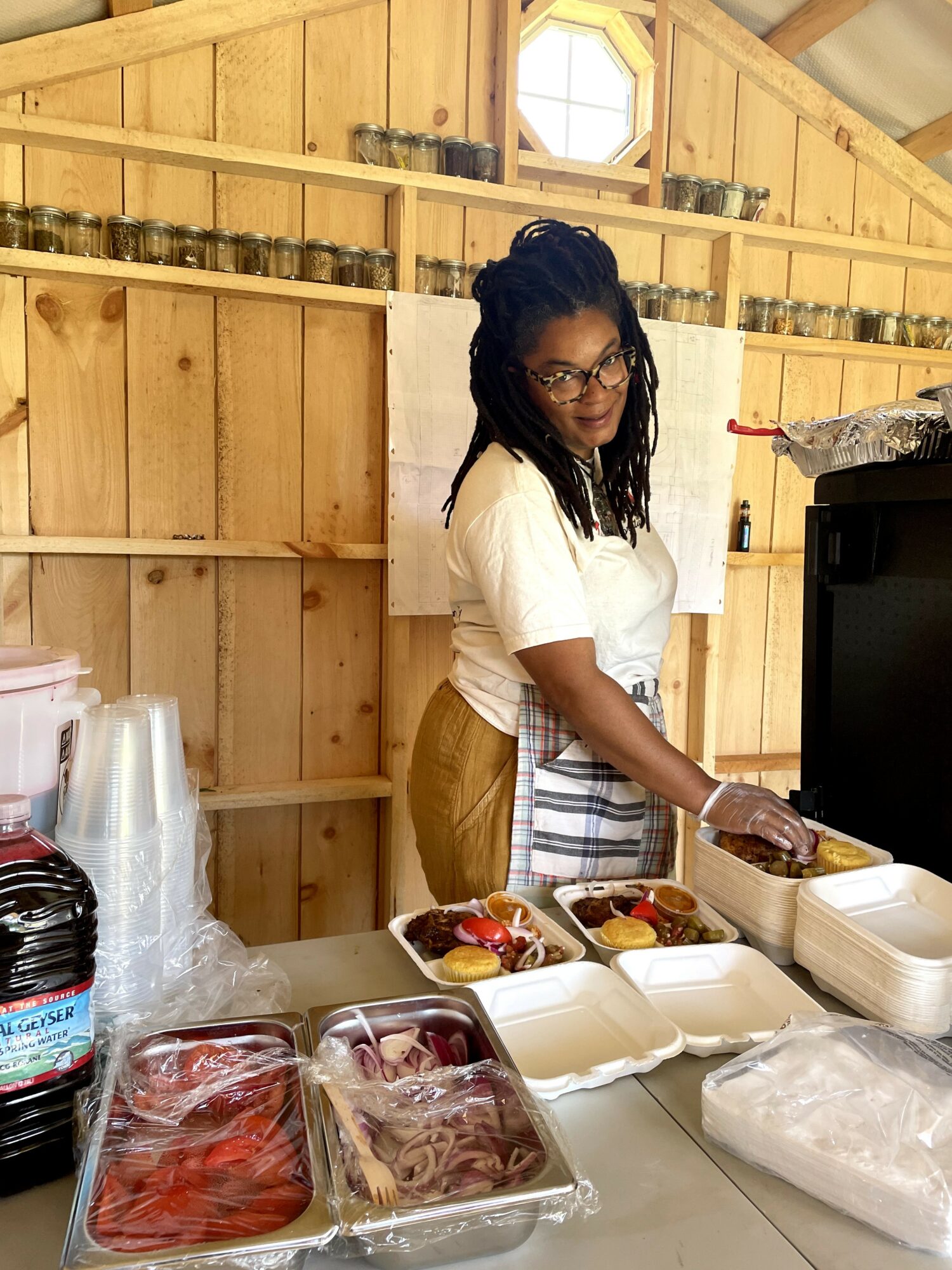
When I began separating from my previous employer, I took on small pop-ups and catering jobs to keep my lights on. I also used those moments to share the stories behind the food. Every plate came with context as to how and why we eat these dishes, who passed them down, and what they carry.
Over time, I realized that my family’s stories were not isolated. They echoed across other Black communities too. I also recognized the privilege it took to travel, study, and gather this knowledge. I wanted to make the history I was uncovering more accessible without diluting it or turning it into a trend.
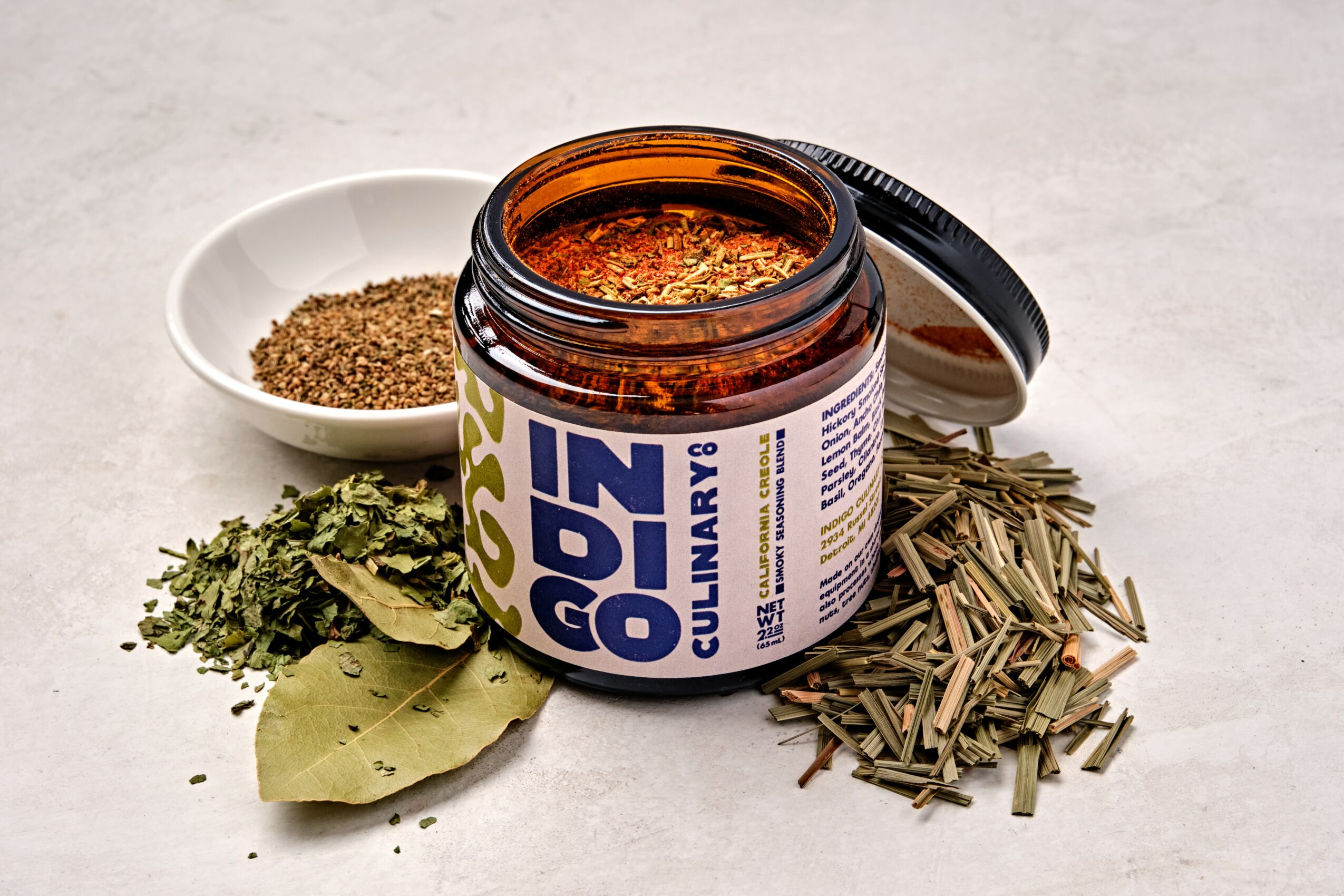
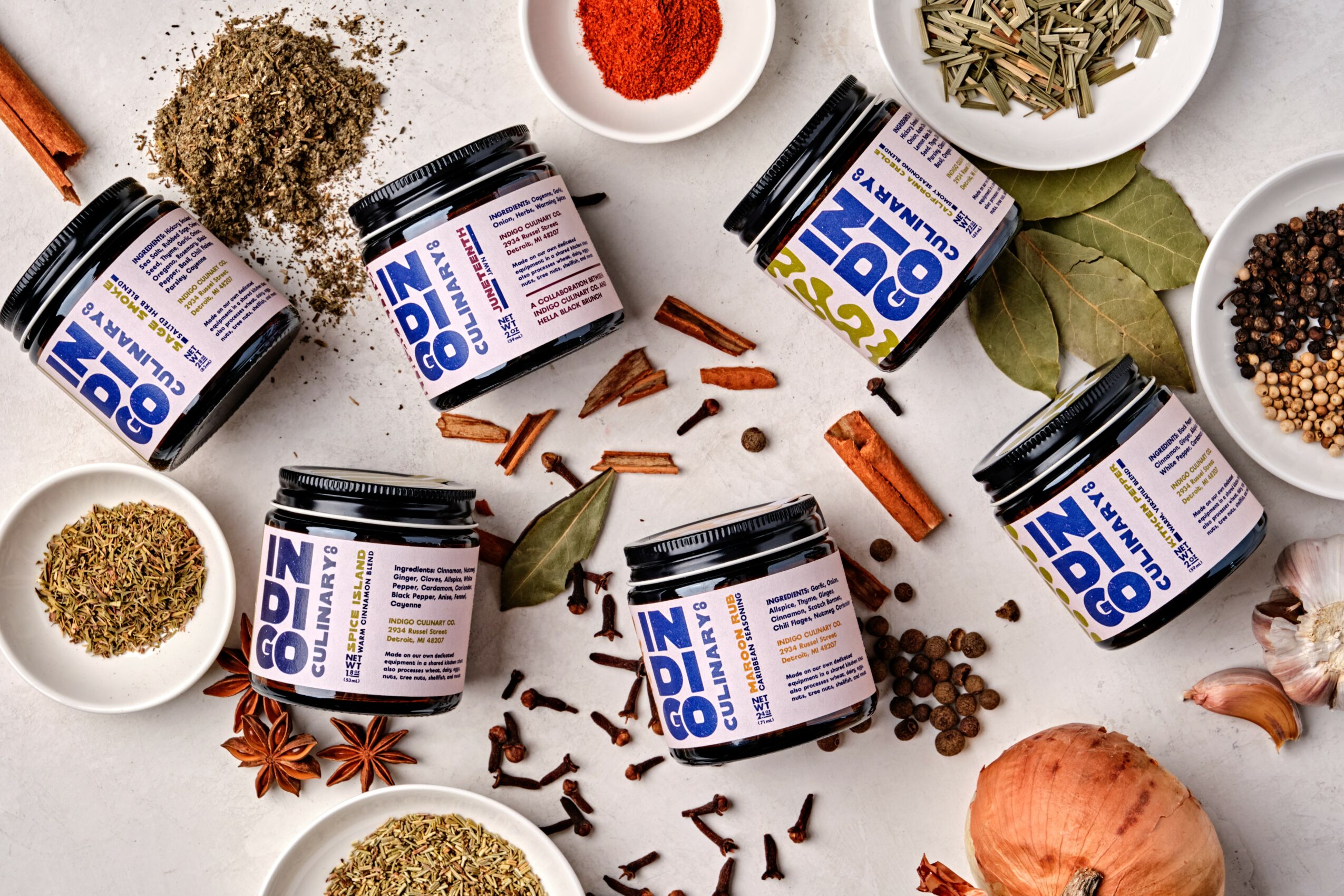
This January, I launched a spice line. Each blend tells a specific story tied to a place, a history, or a lineage. Pop-ups might allow me to speak to 30 or 40 people, and catering jobs might reach 10 to 60. But a jar of seasoning can travel anywhere in the world, at any hour, and reach far more people than I can face-to-face.
Alongside this, I co-founded The Joy Project in Detroit; a living archive focused on Afro-Atlantic agriculture, culture, and community practice. It’s where the research meets land and where the work of remembering becomes something people can touch, taste, and participate in.
Today, Indigo Culinary Co. as we expand locally and nationwide the core remains the same: preserve and uplift Black foodways, make flavor accessible, honor our elders, and support community. I still make everything by hand. I still study. I still listen. And I continue to follow the same guiding belief that food carries memory, identity, and meaning across generations.
Can you talk to us a bit about the challenges and lessons you’ve learned along the way. Looking back would you say it’s been easy or smooth in retrospect?
Navigating the basic challenges of being a first-time, first-generation entrepreneur with no formal business background has been hard enough. Adding the fact that I’m committed to running this business according to my ethics and personal values has made it even more complex. There are shortcuts other businesses take that would make things cheaper, easier, and more efficient but I’m not willing to go that route.
I insist on using quality ingredients, even when the cost is higher. I turn down funding or partnerships that don’t align with my ethics. I choose to train and support people from my own community instead of outsourcing to the lowest bidder. And I pay my team well because I don’t believe in building anything on exploitation.
Those decisions slow things down. They make the margins tighter. They require more patience and more trust. But they’re non-negotiable for me. I can’t talk about cultural preservation, community care, or honoring our lineage on one hand and then operate the business in ways that contradict those values. The harder path is the one that keeps the work honest.
Thanks – so what else should our readers know about your work and what you’re currently focused on?
I’m a culinary historian, spice maker, and food educator. My work focuses on Black foodways, cultural preservation, and community-rooted learning. Through Indigo Culinary Co., I produce small-batch seasoning blends and food experiences grounded in the histories and traditions of the African Atlantic world. Every blend is tied to a specific lineage or story as much as a flavor profile.
I specialize in translating research into something people can actually use. My work takes the histories behind our food and makes them accessible in everyday cooking. A lot of people come to Indigo because they want context, integrity, and care.
What I’m most proud of is the genius of my ancestors. They encoded knowledge, memory, technique, and technology into our culinary traditions so that generations later, I could access it. The food itself carries instructions about resilience, identity, and how to care for our people. I’m proud that I get to continue this work in my own way and help others recognize the depth and wealth that already exists in our kitchens.
And honestly, I don’t think I am what sets Indigo Culinary Co. apart. It’s the community, the customers, and the supporters who make the work what it is. They demand accountability and authenticity. They make the history relevant. They’re the reason these stories have a place to land. Indigo exists because people asked for it and value the stories, the knowledge, and the connection. I’m just the one doing the hands-on labor.
What was your favorite childhood memory?
I was a toddler when my mother’s father passed away. My mom flew to Tennessee for the funeral, came home, and didn’t tell me right away. When she finally did, I told her I already knew because my grandfather had come to me in our garden with angels and told me himself.
I know that sounds “woo woo” for some people, but the reason it stands out as a favorite memory for me is because it confirms something that has shaped my entire life and my work.
Its meaningful because for me its proof that even before I knew to ask for them, I’ve been guided and protected by my ancestors in real time. That they’ve always been able to access me and I’ve always been able to receive them.
Contact Info:
- Website: https://www.indigoculinaryco.com
- Instagram: https://Instagram.com/Indigoculinaryco