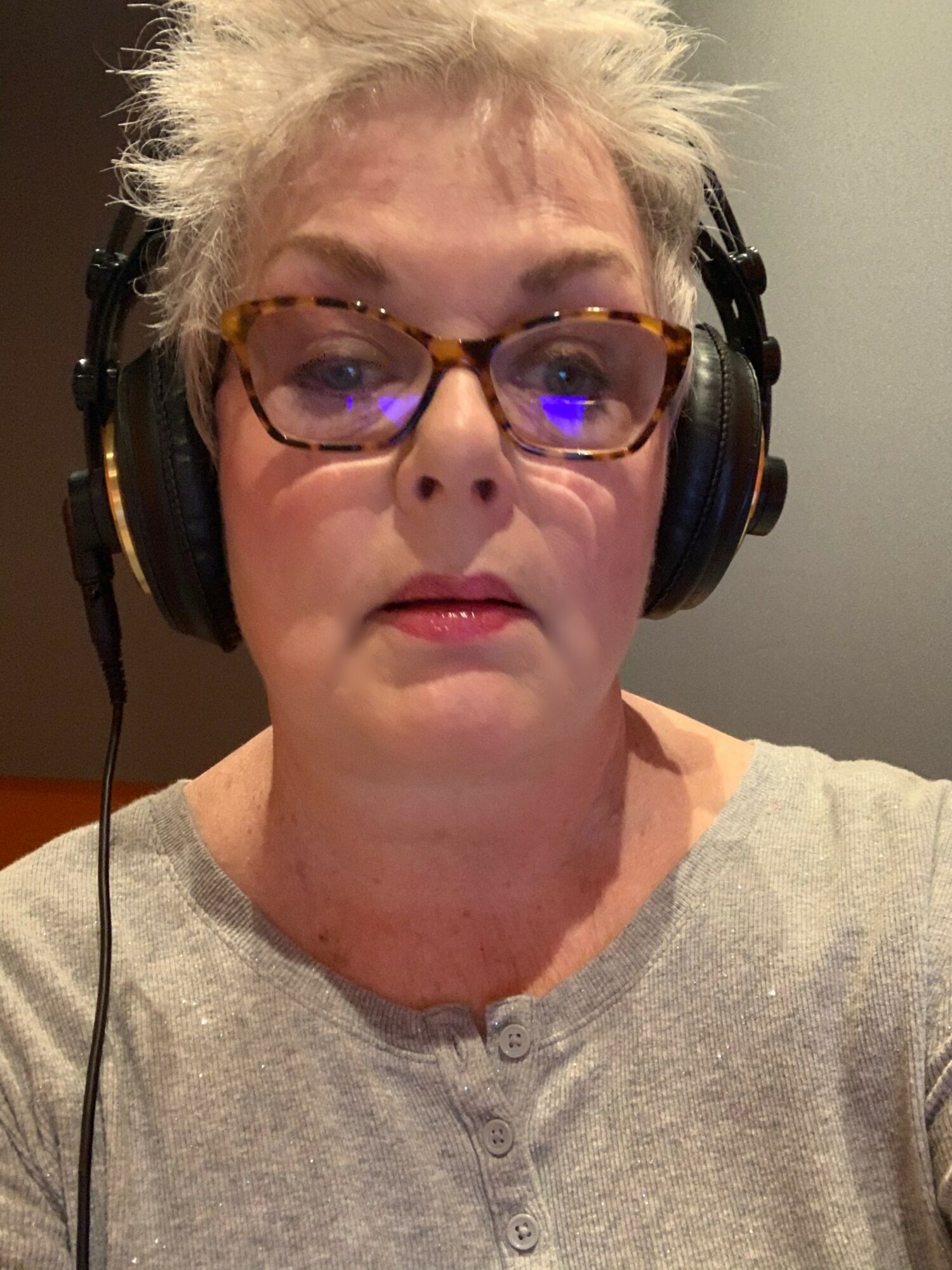





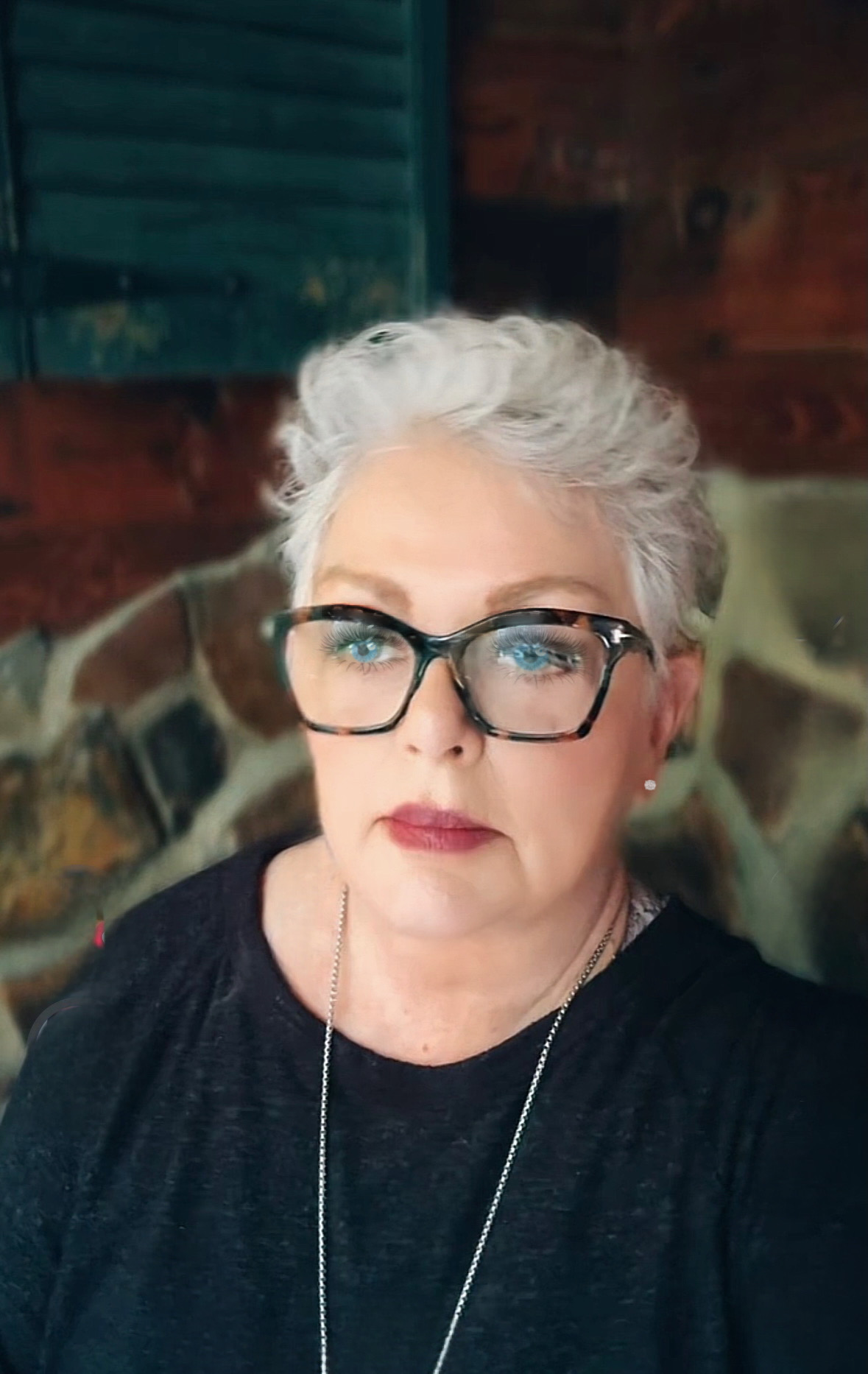
Today we’d like to introduce you to Jan Canty.
Hi Jan, can you start by introducing yourself? We’d love to learn more about how you got to where you are today?
Until 1985, I was leading a pretty conventional life. I was finishing up my post-doctoral education in psychology at the Detroit Medical Center. Two weeks shy of finishing, my husband of eleven years disappeared. Ten days later, I found myself sitting across from Inspector Gil Hill of the Detroit Homicide Division on Floor Five of Police Headquarters. My life was in freefall.
Detectives questioned me about his habits and friends. The media followed me and printed a map to my house on the front page of the Detroit Free Press, showing his last known whereabouts. His body was eventually located in Upper Michigan in two suitcases in a bog owned by the University of Michigan Biologic Station.
The two people responsible for his murder were tried and convicted, but it did nothing to restore my life. I moved and did not speak of these events for thirty years. In time, I started a podcast called Domino Effect of Murder, where I met other homicide-survivors. This helped me come out of the shadows.
Can you talk to us a bit about the challenges and lessons you’ve learned along the way. Looking back would you say it’s been easy or smooth in retrospect?
The road became smoother once I moved from Detroit. I left behind the detectives, media, the crime-curious, gossip, and troubling places (like our house and the morgue). But it wasn’t easy because I also left behind my friends, garden, graves of my ancestors, and a sense of trust.
Once I relocated (18 months later) deep in the rural Midwest, I could exhale and begin to grieve. I told no one in my new setting why I left home. I didn’t want pity, questions, or gossip. I needed to get past that.
In my newly adopted state, I had enough peace to begin concentrating on healing. Mind you, this was before the internet. So I fell back on an old model, which I learned in grad school: the “bio-psychosocial model.” I joined a gym, then a group that met four mornings a week at 6:30 a.m. It led me to do sprint-distance triathlons. I volunteered on four continents in far-flung places off the grid in various cultures. It taught me gratitude and perspective. Later, I began the podcast, which ran for six years (until my hearing interfered). It built bridges of connections.
Thanks – so what else should our readers know about your work and what you’re currently focused on?
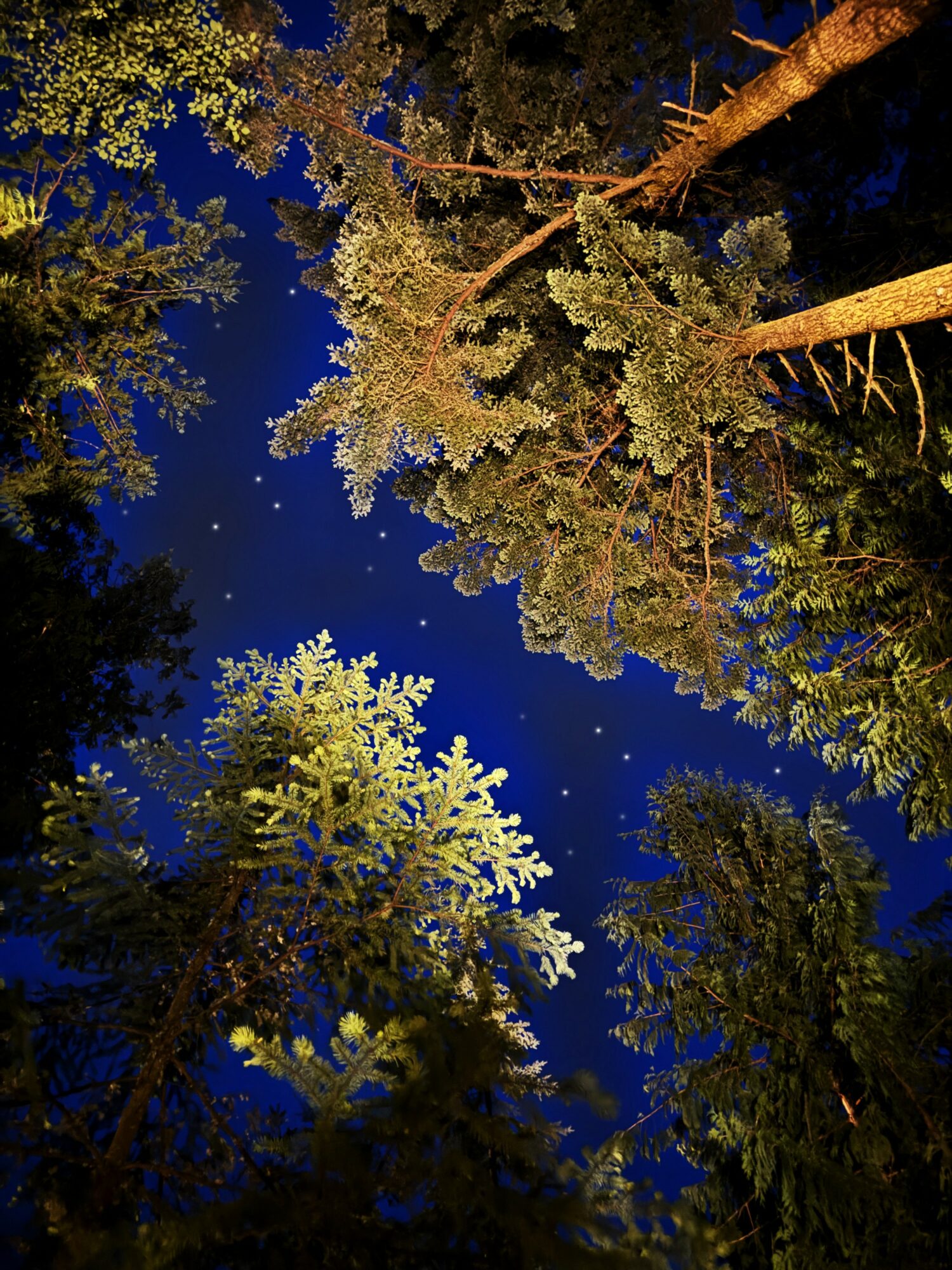
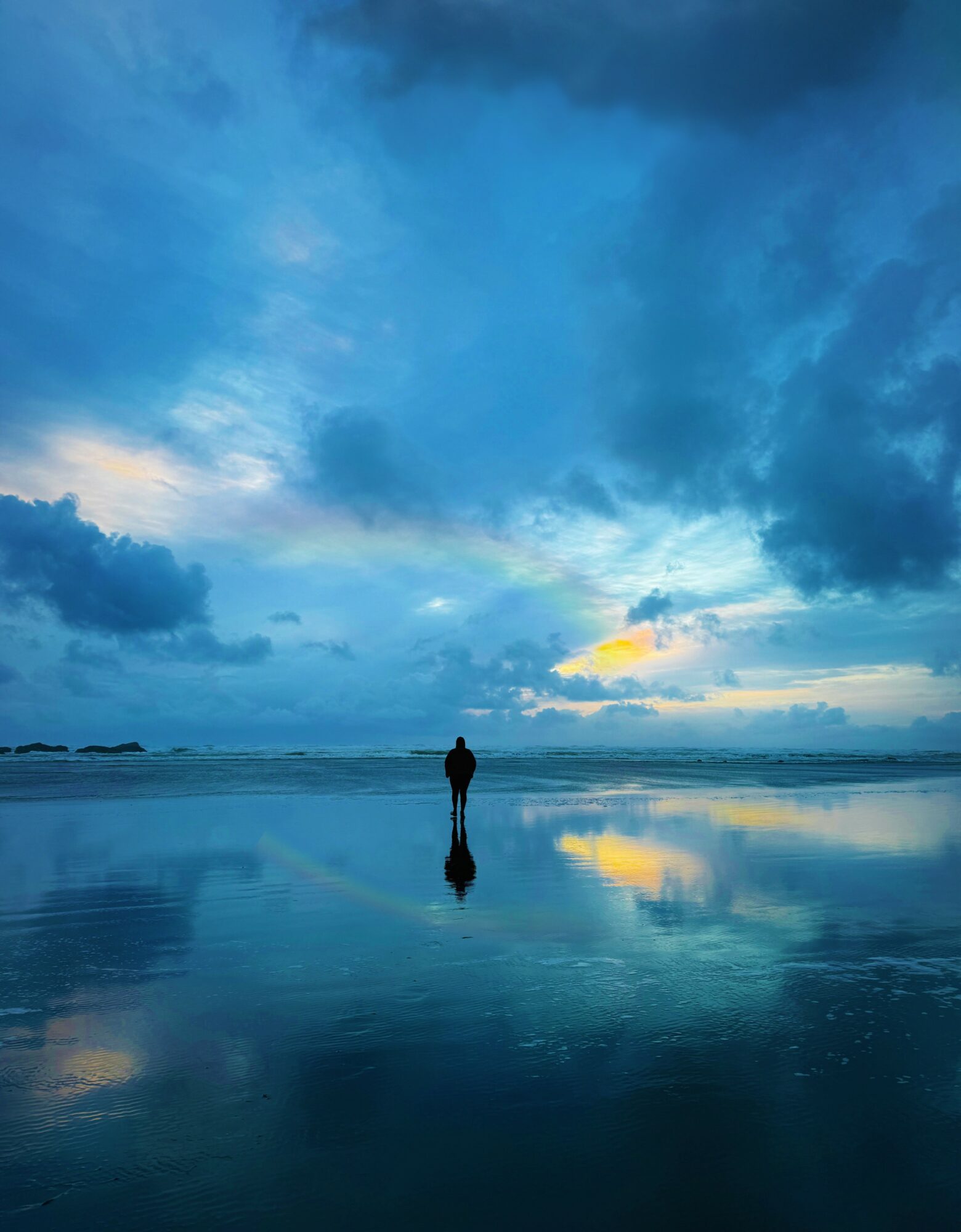
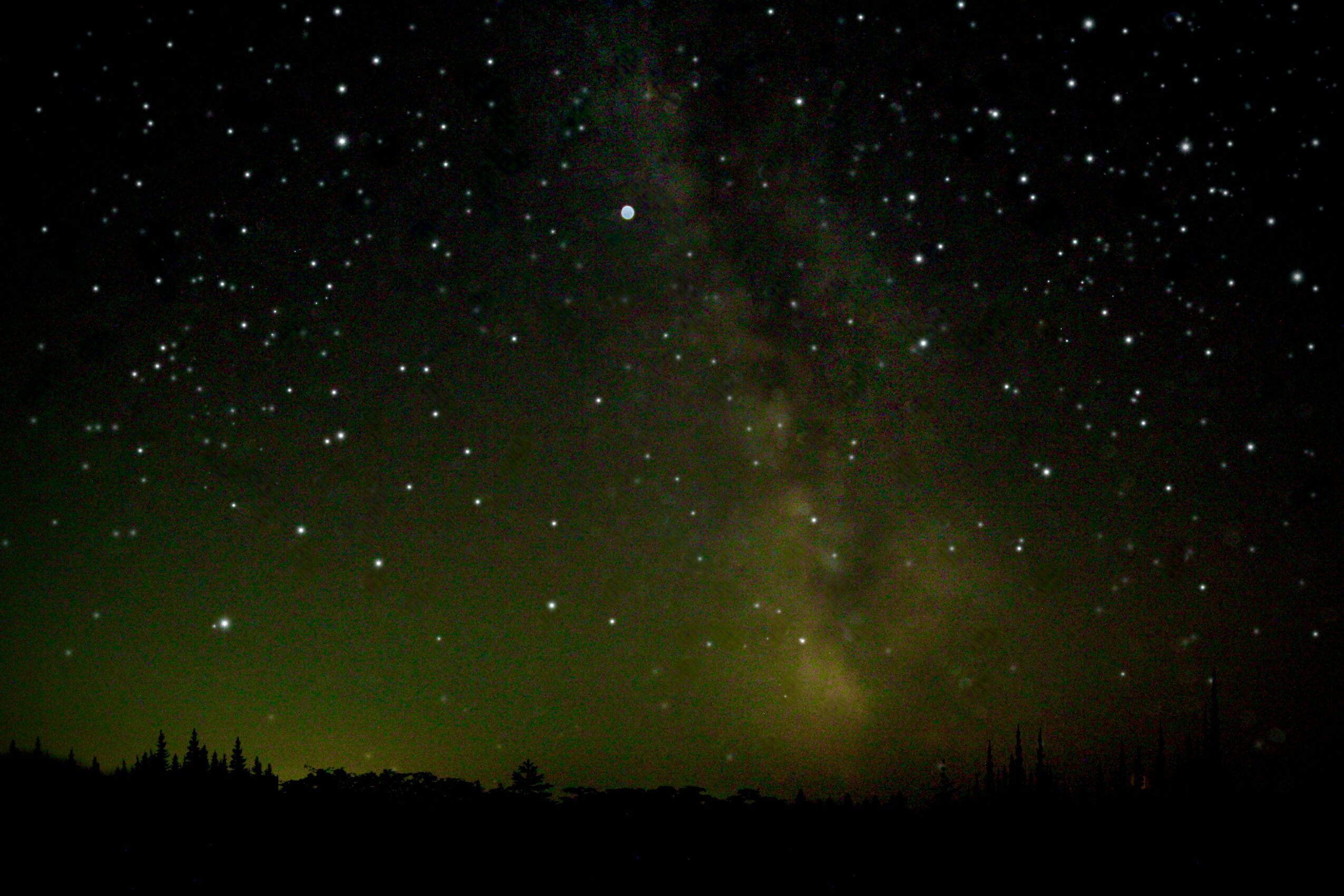
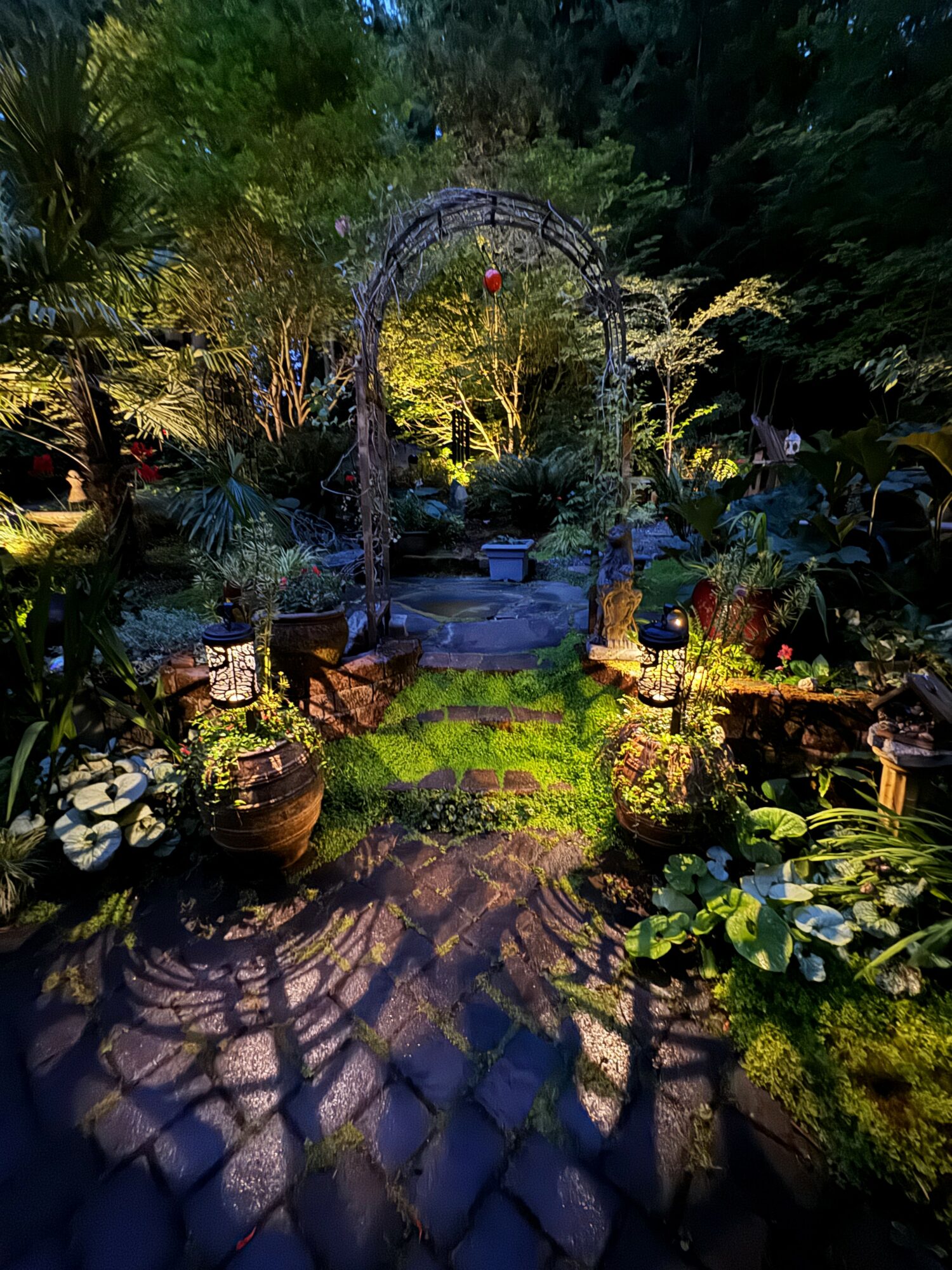
Although I’m still working as a psychologist in my 70s, I make time for my garden, photography, and writing. The gardens of Guatemala left a lasting impression on me and served as a blueprint for my own. I enjoy photographing nature, especially deep rainforests, the galactic core and the ocean in all its moods. My work is on Pexels and Unsplash.
Writing is more than an outlet or hobby. It is a way of paying it forward. If my writing helps one family faced with the aftershocks of murder sleep more soundly, smile a little sooner, or understand their grief a little deeper – it’s been worth it. My first book, “A Life Divided”, is a true-crime memoir. That was followed by. thick reference book entitled “What Now? Navigating the Aftermath of Homicide and Suicide.” It’s the book I wish I had when tragedy struck. My most recent publication, “Rekindled”, originated from my podcast guests. It discusses how after-death communications helped their grief process.
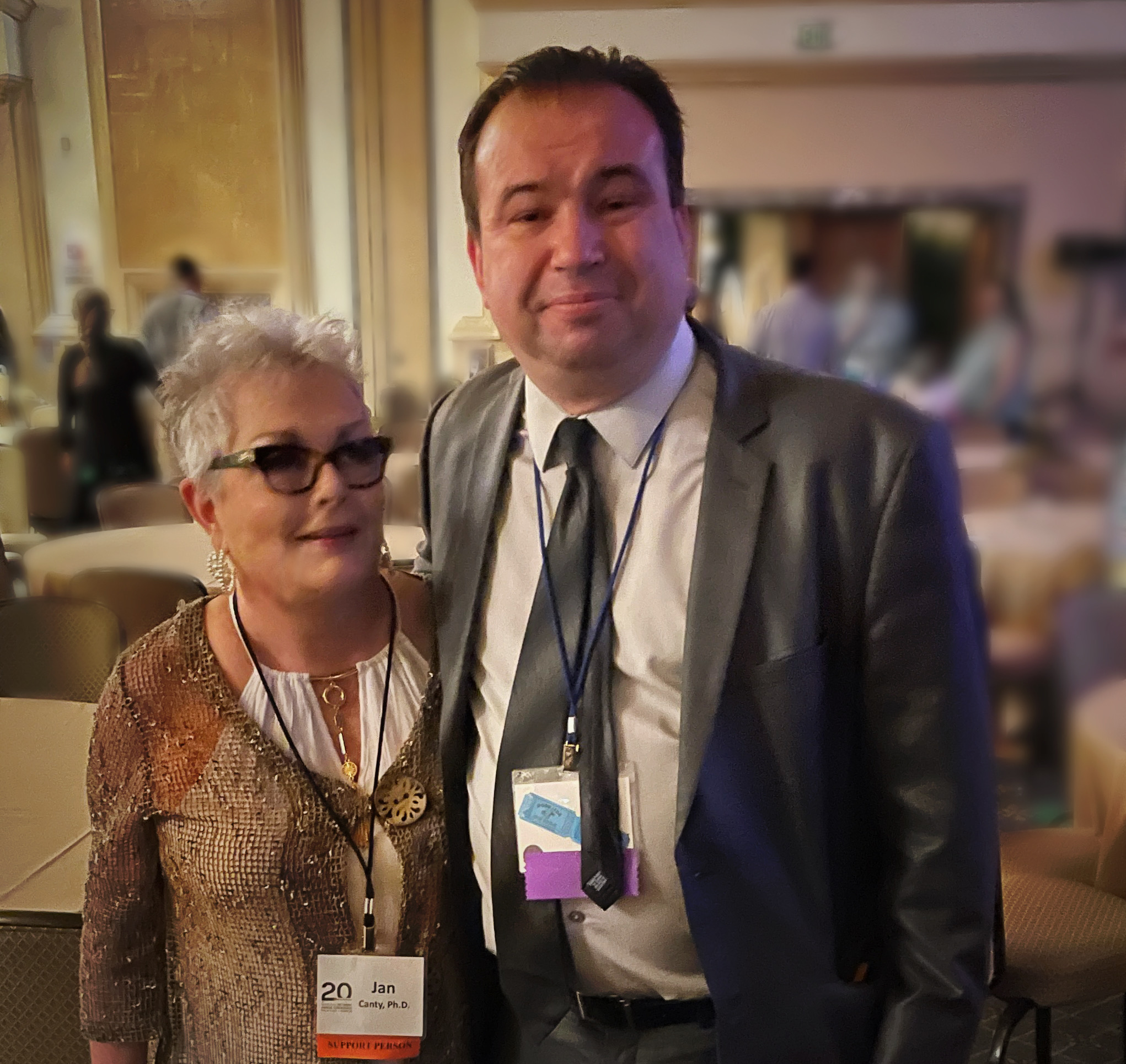
My latest goal is to organize and host the first-ever national homicide-survivor conference. It will take place on 9-11-26 in Gig Harbor, Washington. It is overdue. The idea came to me while attending an Innocence Project National Networking Conference. I thought, “If the wrongly incarcerated can come together, why not us?”
Can you talk to us a bit about the role of luck?
Luck has played a huge role in my life’s work. My first husband, the one who died, was introduced to me through a mutual friend. He had a huge influence on encouraging me to attend college and then graduate school. I had the best-ever detective to lead me through the awful maze of the criminal justice system. Detective Landeros was not only intelligent but perceptive enough to know when not to speak (because I could not take in additional information). After I moved away, I discovered I loved teaching. This was not on my radar earlier. I joined a gym group that led to lifelong friendships. An early podcast interview of me led to the assistance and encouragement I needed to begin my own. My guests were incredible, and now they are friends and colleagues. Luck certainly played a role, but so did being open to it.
Contact Info:
- Website: https://www.jancantyphd.com
- Other: https://www.tiktok.com/@jancantyphd