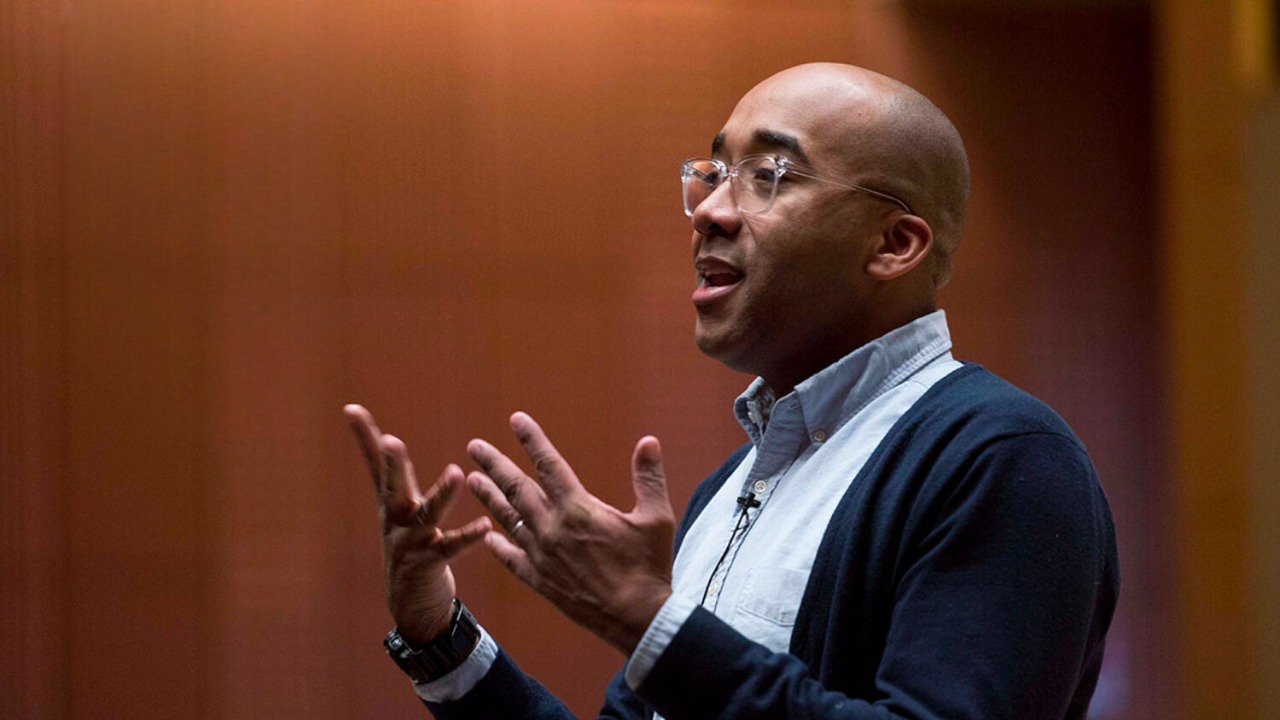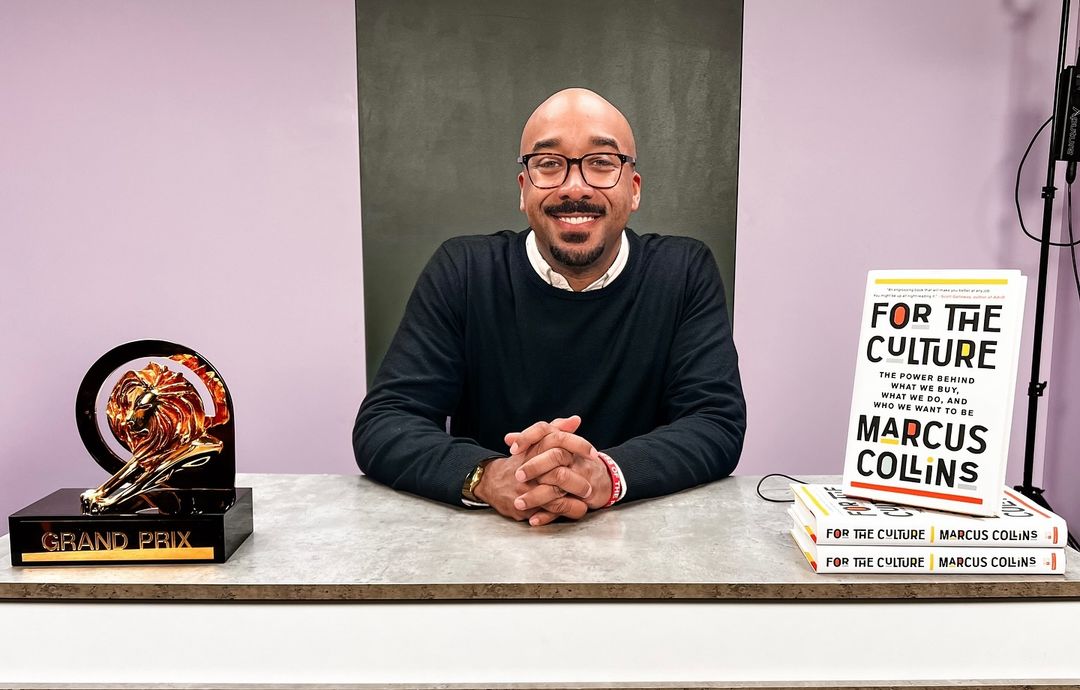





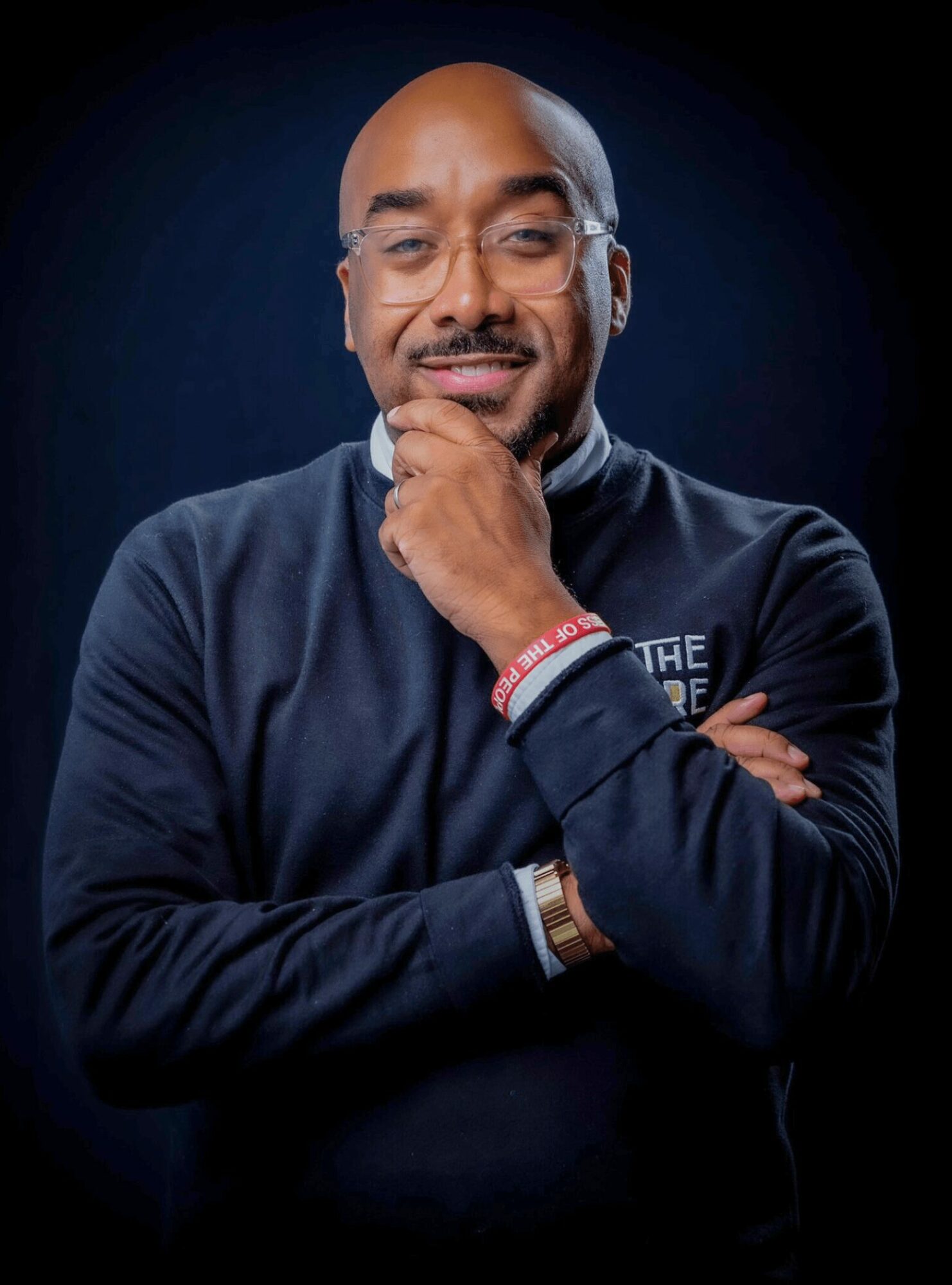
Today we’d like to introduce you to Dr. Marcus Collins.
Alright, so thank you so much for sharing your story and insight with our readers. To kick things off, can you tell us a bit about how you got started?
My story is one that I think a lot of people can relate to in some ways – it has had plenty of twists and turns along the way. I started out in engineering, which is interesting because it was not necessarily my calling. Like many people, I went into it because I was good at it, not necessarily because it was my passion. But that path eventually led me to discover what I truly cared about – the intersection of culture, human behavior, and how people connect with ideas and with each other.
From there, I found my way into the world of marketing and brand strategy, working with some incredible organizations along the way – from Apple to HBO to AT&T and Disney, just to name a few. Each experience shaped my thinking and deepened my understanding of how culture drives human behavior.
That journey ultimately led me to write my best-selling book, “For the Culture,” which examines how culture influences what people do and how leaders, marketers, and activists can use culture to inspire action. And of course, I have the privilege of sharing these ideas through teaching, speaking, and conversations like this one.
The through line in all of it has really been a desire to help people be the best version of themselves. That is what gets me up every morning.
We all face challenges, but looking back would you describe it as a relatively smooth road?
Not at all a smooth road – and I think that is actually what makes the journey worth talking about!
One of the things I reflect on quite a bit is that the path has never been linear. There were moments of real uncertainty, where the next step was not clear at all. Writing “For the Culture,” for example, was a three year process. And I will be honest with you – it was lonely. When you are used to getting immediate feedback, whether from students in a classroom or from campaigns in the marketplace, sitting with something for three years with no validation is genuinely challenging. You have to trust the process even when you cannot see the finish line.
Beyond that, there is always the challenge of operating in spaces where you are not always the most expected person in the room. Navigating those dynamics, figuring out how to stay true to your conviction while also being strategic about how you show up – that is a muscle you have to build over time.
And I think the deeper struggle that many people face, myself included, is the noise. There are so many things pulling at you from every direction, and it becomes very easy to turn up the volume on all of that external noise and turn down that still, small voice inside that actually knows where you need to go.
But honestly, every one of those struggles has been a teacher. I would not trade a single one of them.
Can you tell our readers more about what you do and what you think sets you apart from others?
At the core of what I do, I am a cultural translator. What that means is that I help people see the world through lenses that are not their own – making meaning of different communities and constituencies, and then communicating that meaning in ways that feel both authentic and accessible. It is about finding the familiar in the strange, so to speak.
Professionally, I sit at the intersection of academia and practice. I teach marketing at the Ross School of Business at the University of Michigan, but I also bring real world experience from working with some of the most iconic brands in the world – Apple, Beyonce, State Farm, HBO, AT&T, and many others. That combination of rigorous academic thinking and hands on practice is really what sets the work apart.
In terms of what I am most proud of, the Chris Paul and State Farm relationship stands out as something truly special. What started as a strategy that did not quite have its creative match for about six months eventually evolved into something remarkable – a campaign that kept growing and deepening in ways none of us initially anticipated.
But honestly, my book “For the Culture” may be what I am most proud of overall. It distills everything I believe about how culture drives human behavior and how that understanding can transform the way we lead, market, and connect with people.
What truly sets me apart is the conviction that people do not buy what you do – they buy who you are. That belief runs through everything I touch.
We all have a different way of looking at and defining success. How do you define success?
Oh, this is one of my favorite questions to wrestle with, and I think the answer is deeply personal – which is actually the point!
One of the things I have come to believe quite strongly is that success has to be defined on your own terms. Not the marketplace’s terms, not the industry’s terms, not society’s terms. Yours. We live in a world that constantly tells us what success is supposed to look like – the title, the salary, the number of people you manage. But when you let those external measures define you, you end up running someone else’s race, not your own.
I think about this a lot when people ask me why I am not sitting on some corporate board somewhere. And my honest answer is – that is just not what makes me happy. I want to be in the work. I love Mondays because I genuinely love what I do. That to me is success.
Now, from a business standpoint, success also has to be clearly defined before you even begin. You have to ask yourself – what does success actually look like for this initiative, this campaign, this organization? Without that clarity upfront, you cannot design for the outcome you actually want. Success without definition is just activity.
But perhaps the deepest measure of success I have encountered is in our relationships – with our families, our communities, the people we invest in and who invest in us. What is the return on investment of your mother? You cannot put that on a slide deck. And yet it is the most valuable investment any of us will ever make.
Contact Info:
- Website: https://drmarcuscollins.com
- Instagram: https://instagram.com/marctothec
- LinkedIn: https://linkedin.com/in/drmarcuscollins