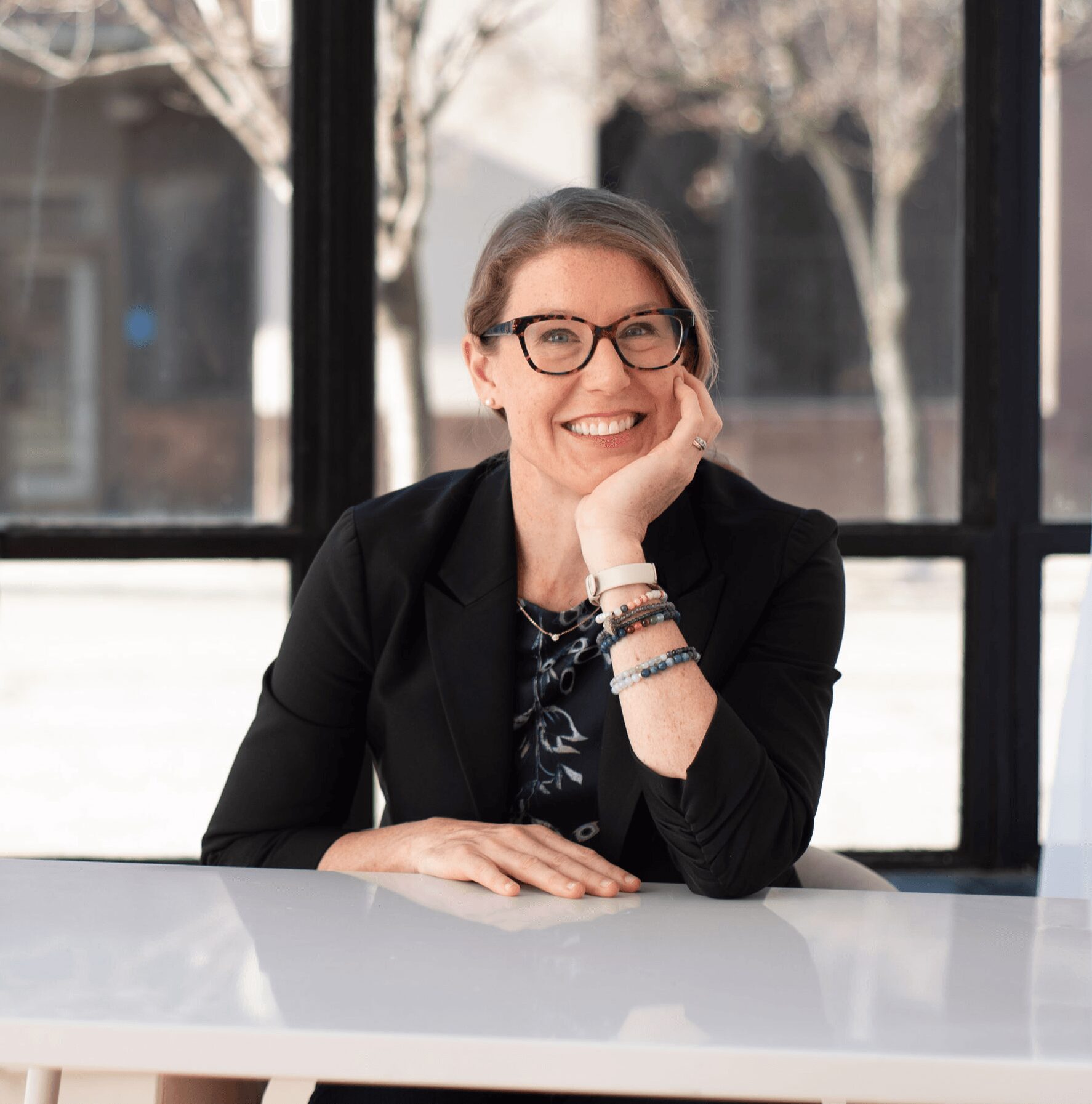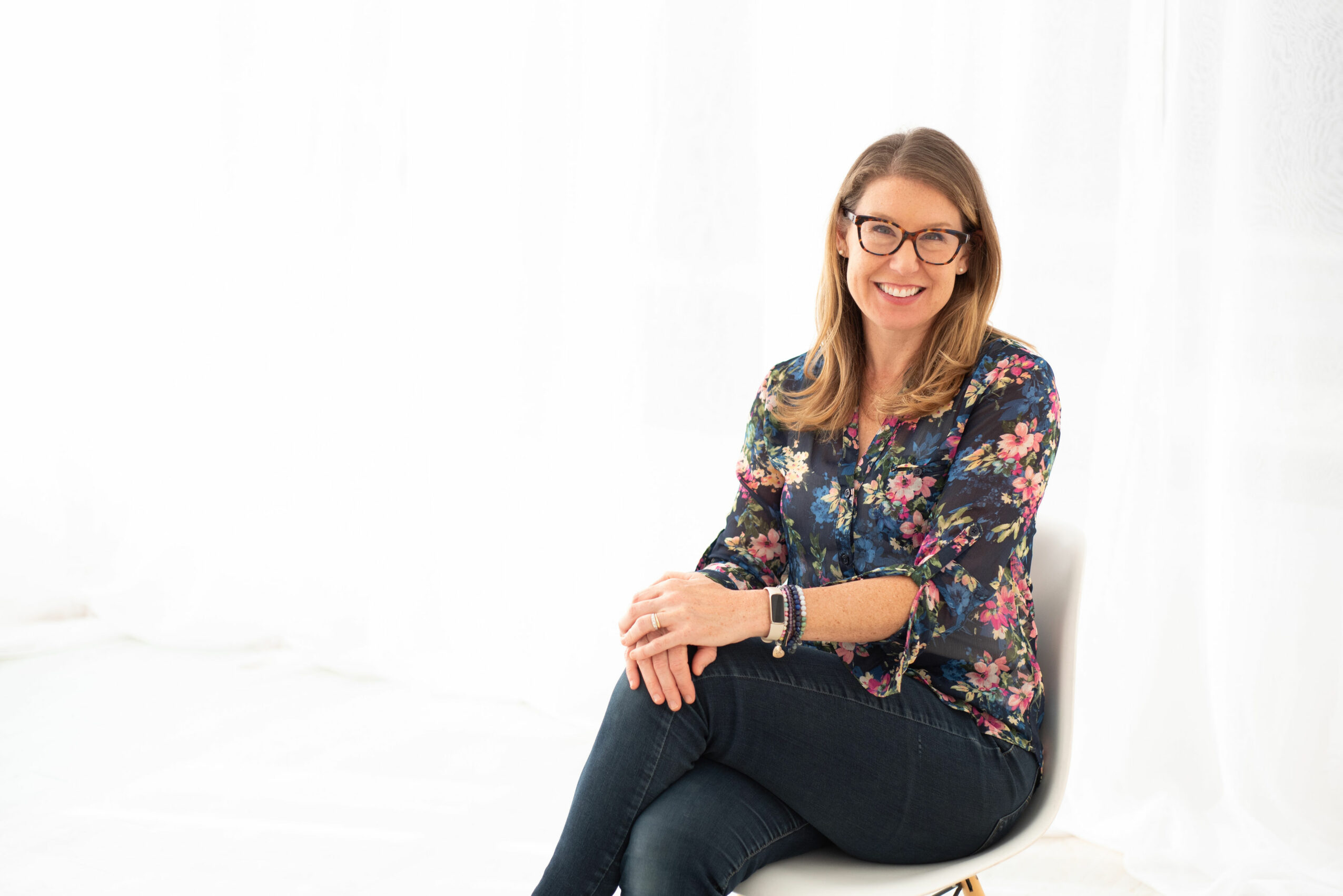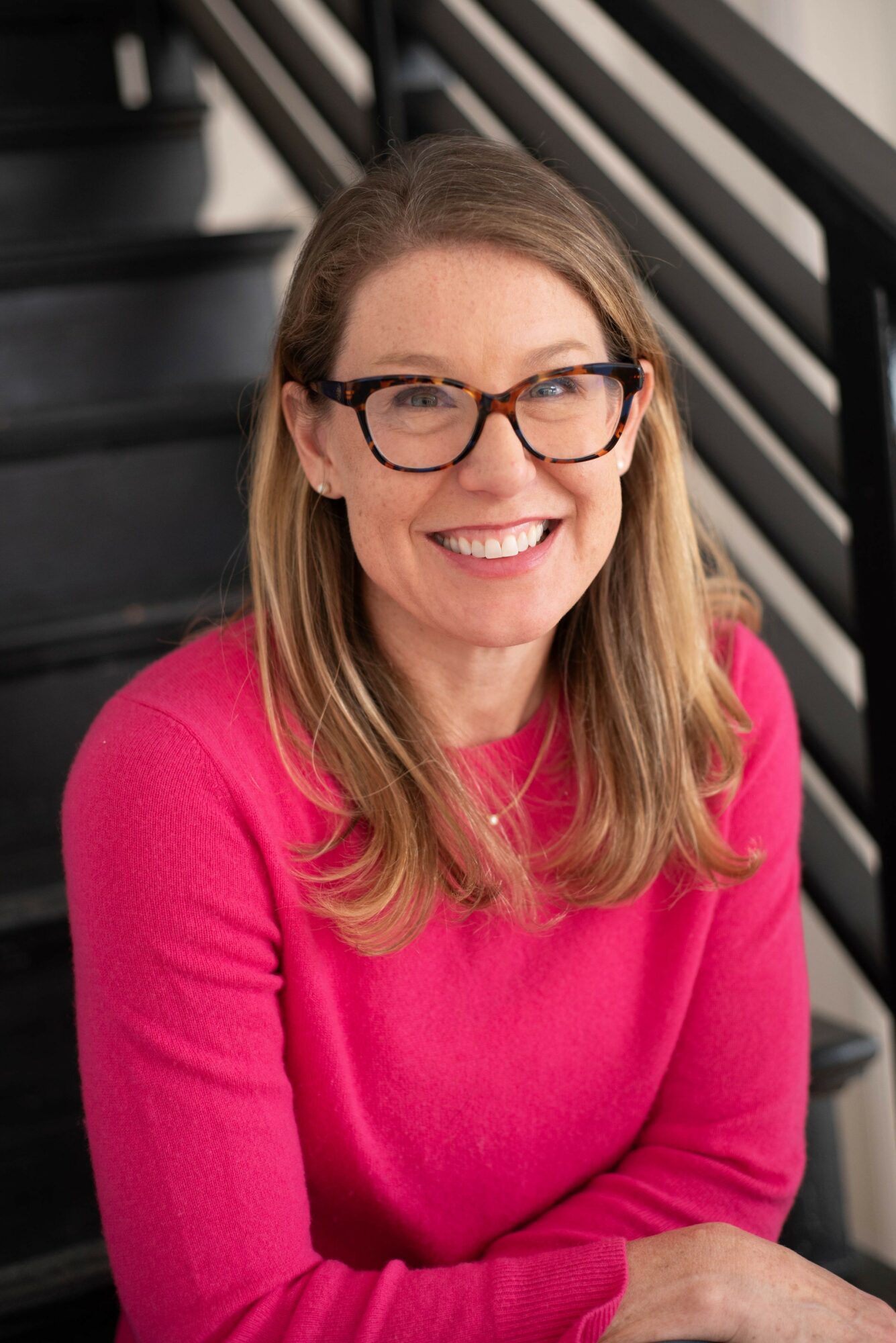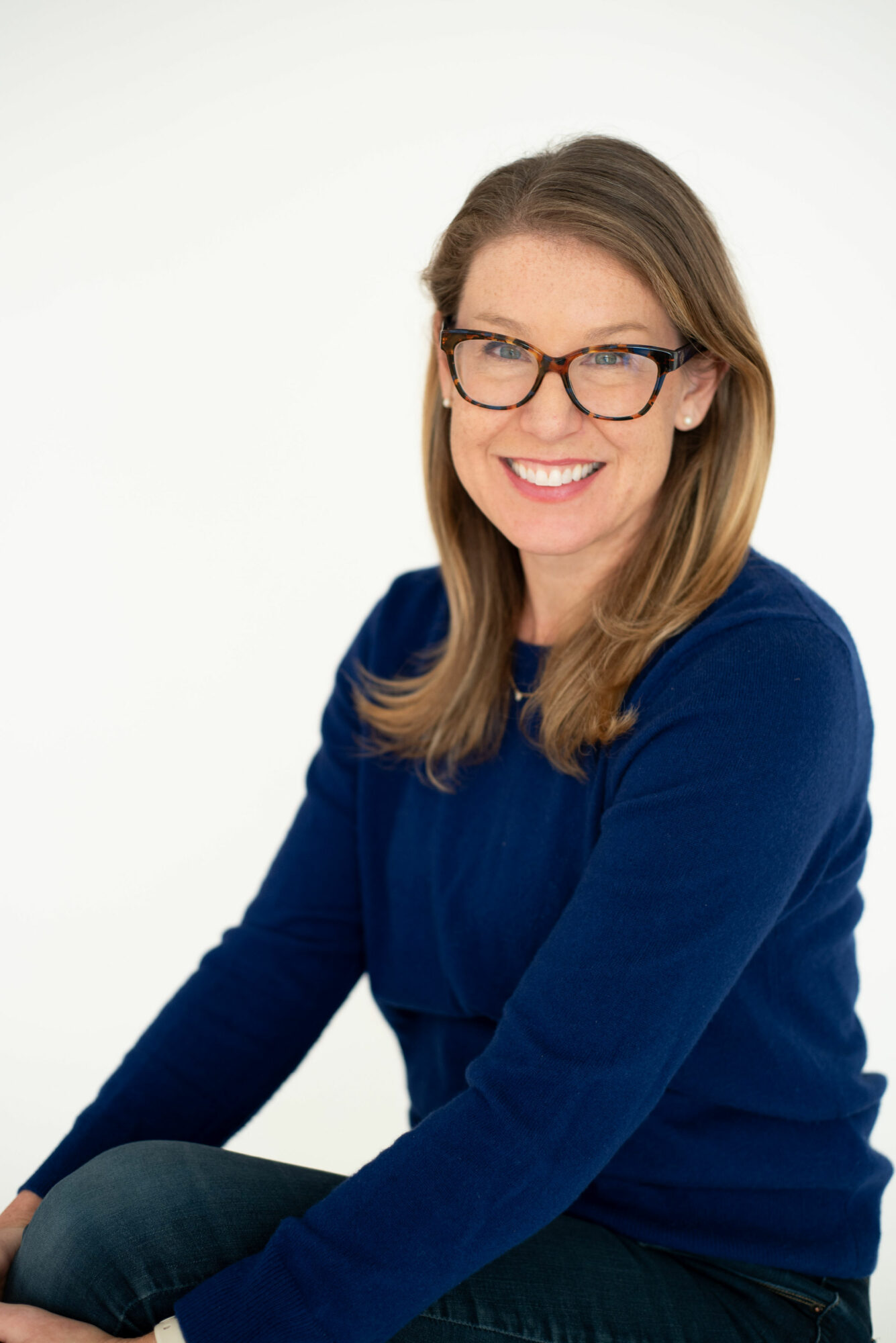





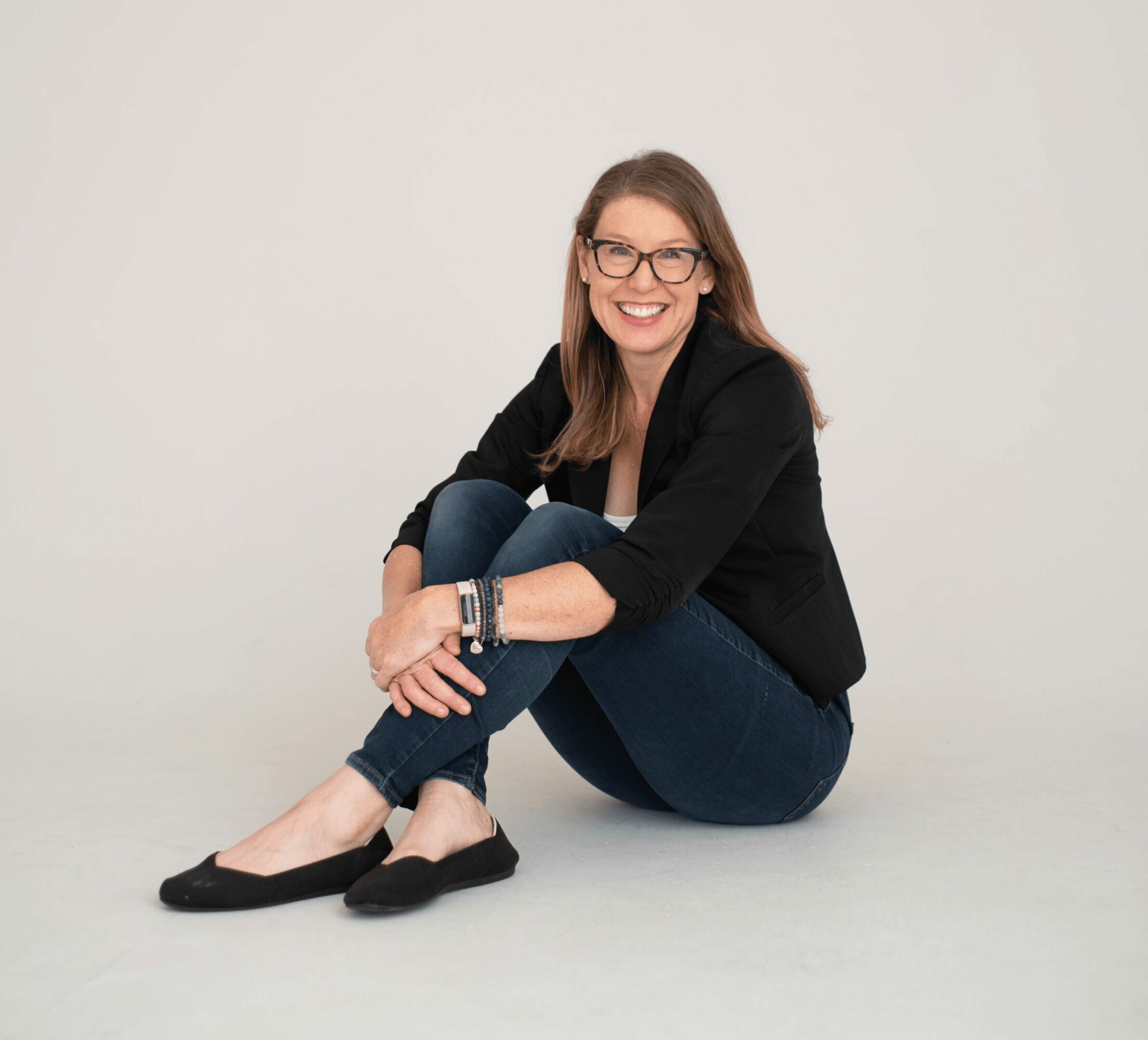
Today we’d like to introduce you to Casey Ehrlich, PhD
Casey, we appreciate you taking the time to share your story with us today. Where does your story begin?
When he was four years old, my son largely stopped walking, eating, smiling and talking. Challenging from birth, he was now unable to get through a day of daycare, and at home his frequent violent meltdowns often lasted an hour or more. Teachers, pediatricians and specialists had no idea what to do. Suggestions ranged from judgmental – “be more consistent parents” (code for strict, which we already were) – to overly simplistic – “give him ice cream” – to terrifying – “take him to the pediatric psychological emergency room.”
I chose to leave my career instead. So I quit my job leading research quality at a prestigious nonprofit in Washington, D.C., for the uncertainty of caretaking for a child who I’d never been able to soothe – despite four years of trying.
Down to one income we were essentially priced out of our life, and so moved to a small town in my home state of Michigan. Shortly thereafter the pandemic hit, leaving me with my by then five-year-old, Cooper, and his baby brother, William, while my husband worked a job made all the more intense by the shutdown.
Increasingly Cooper would fixate on attacking his brother, or whatever activity William was doing, meaning I had to physically separate them, which only made Cooper more determined and explosive. Every day was miserable, and so was I.
But then an occupational therapist – who noted her usual strategies were not working with Cooper – suggested I look into PDA (Pathological Demand Avoidance or Pervasive Drive for Autonomy). And when I did, I knew I’d found the answer. Suddenly I had so much understanding of how my son’s brain and body was working, and why all the traditional parenting I’d done had failed him.
So I dove in head first. I put my knowledge of the scientific process to work to test what worked and didn’t with Cooper, and to track outcomes over the medium and long term. And what I learned changed all our lives.
Because while Cooper very slowly but steadily recovered from what I now know was nervous system burnout, another mother and I recorded a podcast about our experience raising PDA children. Soon other parents were asking me to coach them, and soon after that I had a multi-year waitlist.
In the years since I’ve coached thousands of families through the program I developed, and I’m working with the University of Michigan Medical School to advance our collective understanding of PDA. It’s not a career I ever imagined, but I enjoy helping families skip over so much of the misery I endured.
Most importantly, Cooper, my PDA son is thriving. While his diet is still limited, he gets plenty of calories, is back in school, loves his friends and playing sports, and is generally a very happy 10-year-old.
Alright, so let’s dig a little deeper into the story – has it been an easy path overall and if not, what were the challenges you’ve had to overcome?
It’s been anything but smooth. In addition to the challenges of completely overhauling how we parent, my husband and I have also had to work through judgment and lack of understanding from teachers, pediatricians and other parents. That’s why part of my work with client families is on helping them set boundaries – in and outside their immediate family – to protect themselves and their own precious energy that they need to do the hard work of caretaking our children need.
Appreciate you sharing that. What should we know about At Peace Parents?
We help parents learn to understand and accommodate their children and teens with PDA – a nervous system disability (often considered a profile of the Autism spectrum). We have helped thousands of parents transform their lives and the lives of their children and teens and we are leading the way on PDA research with the University of Michigan Medical School.
If you had to, what characteristic of yours would you give the most credit to?
Non-judgement. We don’t judge any families for what they are going through with their child, nor do we allow judgement among parents within our programs. We know that every one of us is doing our absolute best for our children with the information we have.
Radical Acceptance. We work with parents to identify and radically accept their constraints and what they cannot control (their child’s brain wiring, other people’s opinions, etc.) and then to find agency within those constraints. Acceptance of the limitation as the first step to ultimately transcending that limitation.
Pricing:
- Free – Clarity Masterclass to help parents figure out if their child or teen is PDA
- $199 – Foundations Course – an on-demand course covering the 20 most effective skills parents, teachers and therapists need to support their PDA children and teens.
- $499 monthly for three months ($1497 total) – my signature Paradigm Shift Program, where I coach families to help practice the skills and mindsets they need to accommodate their PDA children and teens and build peace in their homes.
Contact Info:
- Website: https://www.atpeaceparents.com
- Instagram: https://www.instagram.com/atpeaceparents/
- Facebook: https://www.facebook.com/atpeaceparents
- LinkedIn: https://www.linkedin.com/in/casey-ehrlich-ph-d-495a242b/
- Youtube: https://www.youtube.com/@atpeaceparents
- Other: https://open.spotify.com/show/1VI86h4Ro8EM3SgoKsfErr?si=ab54e494d04742a5