



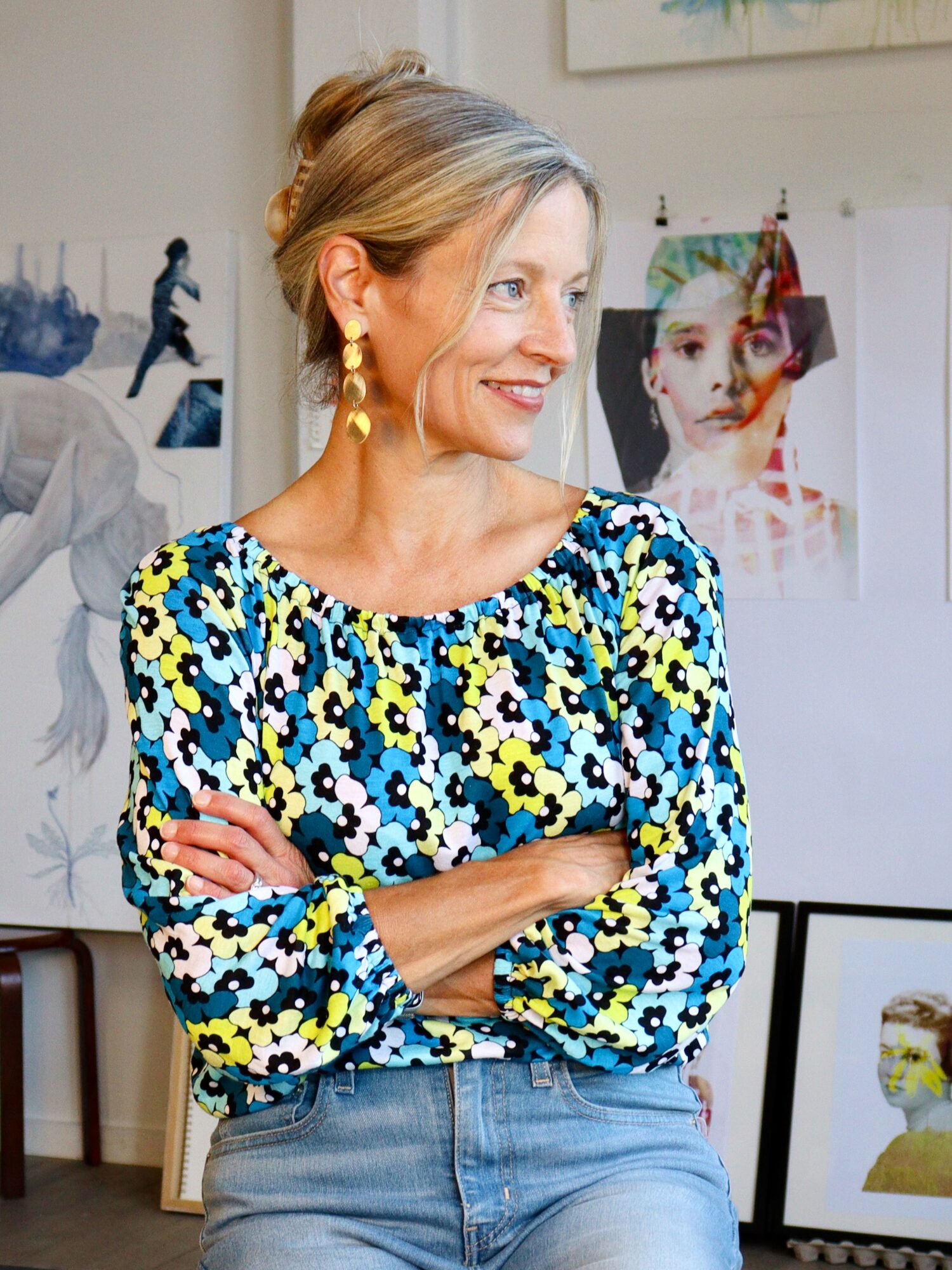
Today we’d like to introduce you to Cary Okoro.
Cary, we appreciate you taking the time to share your story with us today. Where does your story begin?
For as long as I can remember, I’ve been making things: drawing, painting, sewing, taking photographs or creating sculptures from found objects. So it isn’t a surprise that I became an interdisciplinary artist and filmmaker, but it’s been a winding path.
I was born in Pontiac and grew up on the east side of the state, loving to read, be creative and spend time in nature. When my family moved to Ohio, I was taking classes in art and photography and really excelling, but pursuing art as a career was discouraged. I went to college at Ohio State unsure of a direction, but then happened upon a sculpture class where a professor was using a precarious stack of objects to convey the fear and uncertainty of war. I was struck by how strongly I responded to those simple shapes and understood something profound: form can convey powerful emotion and meaning. I knew in that moment that’s what I wanted to pursue and decided to major in studio art.
Early in my program, though, I found myself wanting to combine traditional media with film and video. My professors encouraged me to transfer to the School of the Art Institute of Chicago (SAIC) where I could pursue interdisciplinary studies. I received a scholarship and grants that allowed me to complete my BFA and MFA, concentrating on film, video and new media.
At SAIC, I began filming my grandmother, who had incredible stories about growing up as the child of immigrants in Capone-era Chicago. What I didn’t realize was that my camera was capturing the early symptoms of dementia. I began experimenting with selective focus and layering footage to evoke her fading memory, intercutting these images with interviews of family and caregivers. The recordings became the hour-long documentary “Something Should Be Done About Grandma Ruthie,” chronicling the upheaval in our family following her Alzheimer’s diagnosis.
The film aired on PBS, won numerous awards and launched my career in film and television as an editor, writer and director. I loved the work, but with a young family, there was little time for a studio practice. When the pandemic put freelance work on hold, I decided to re-prioritize my art by expanding my online presence, pursuing gallery opportunities and eventually moving out of my basement studio into a shared work and retail space.
Today, I work full-time from a studio building in Godfrey Hollow, a former industrial area in Grand Rapids that is becoming a vibrant community of artists and creative entrepreneurs. My practice brings traditional media together with photography, film and video, often in site-specific installations.
Would you say it’s been a smooth road, and if not what are some of the biggest challenges you’ve faced along the way?
No, it hasn’t been a smooth road! I think choosing to be an artist in our culture is a continuous act of resistance. Making art requires slowing down, paying attention and sometimes being very UN-productive in a culture that is fast-paced, distracting and expects us to be maximally productive. It can be difficult to get quiet enough to hear your creative voice, let alone give it space to develop.
This is especially true for parent artists. When our kids were younger, I would try to do a small painting while the kids were napping. That gave me about an hour at best and those paintings are… not awesome. But I’ve kept them and look at them now with a lot of compassion for myself at that time because I was trying to honor the creative part of me.
Without the time or budget to make long-form documentaries, I pivoted to creating mini “docu-stories” with photographs and text for a blog I launched called “The Harmony of Opposites: balancing career and motherhood, art and life.” It helped me stay creative while juggling freelance work and motherhood.
Parenting can be a springboard to new creative outlets if you’re willing to change what you think of as your “work.” The irony is that I’d long wanted to move beyond single-screen documentaries to incorporating film and video into larger art installations. The time and budget limitations helped move me toward a more authentic practice. Sometimes our obstacles become our teachers.
Thanks for sharing that. So, maybe next you can tell us a bit more about your work?
My work examines what I think of as “transformational arcs,” whether in people’s lives, ecosystems or even materials. How do we recover from adversity? How does the land recover from exploitation? What can we learn from nature’s ability to restore and find balance?
As an interdisciplinary artist, I explore these questions across a broad range of media, using strategies like silhouette to play with concepts of presence and absence, and collage as a way to explore fragmentation and wholeness. A contorted or destabilized figure often appears in my work, caught in that uncertain state between disruption and whatever might come next.
I often work with discarded materials, from cardboard found in an alley to pizza rounds from family dinners, giving overlooked objects new beauty or value. In a recent collage series, I’ve been splitting, thinning and ironing corrugated cardboard until it behaves like fabric, and combining it with repurposed envelope liners to create figures that both emerge from and are grounded by the materials.
The natural world is always informing my practice, and I’m interested in “rewilding,” both as an ecological strategy and as a metaphor for reclaiming neglected or damaged parts of ourselves. Native plants, prairie landscapes and old-growth pines appear in my work as both imagery and foraged plant material, such as pine boughs or dried flowers and seed pods.
My recent installation, “The Wound is the Place,” brought many of these elements together. Using archival film, projected video, animation and foraged pine, I explored Michigan’s devastating logging era and the subsequent reforestation effort that planted almost half a billion trees. The work occupied an abandoned elevator shaft in a former furniture factory—an industry connected to deforestation. Cleaning, scraping and painting the old brick, adding video projection, textiles and the scent of pine created an immersive environment for the viewer. In this way, reclaiming this neglected space became a metaphor for the restoration of the forests themselves.
Networking and finding a mentor can have such a positive impact on one’s life and career. Any advice?
Artists need solo time with their work, but neither artists nor creative businesses thrive in isolation. We need community. The question is how to build it organically and intentionally?
For me, that means supporting artists and organizations whose work I admire, whether by attending events, engaging on social media or contributing financially when I can. If you connect with people authentically—listen to their story, ask questions—you’ll be amazed at how the conversation grows. This is how I’ve met curators, critics and other artists who have become friends and mentors and opened so many doors for me. Through this growing community, I have connected with galleries, collectors and arts writers across the country who purchase or write about my work, or come to the studio for a visit.
Professional organizations, residencies and artist cohorts can be incredibly helpful. Membership in the Directors Guild of America (DGA) provided important advocacy and professional opportunities throughout my career. More recently, I was accepted into the Hammerspace National Artist Cohort, which brings together artists in the United States and Canada to support each other and give critical feedback.
I remember what it was like not to be encouraged to follow my passion, and that’s why I love supporting other artists, especially young artists. I encourage creatives to apply for opportunities and support one another through rejection. You never know how one connection or opened door might change someone’s life.
Contact Info:
- Website: https://www.caryokoro.com
- Instagram: https://www.instagram.com/caryokoro/
- Facebook: https://www.facebook.com/cary.okoro
- LinkedIn: https://www.linkedin.com/in/caryokoro/
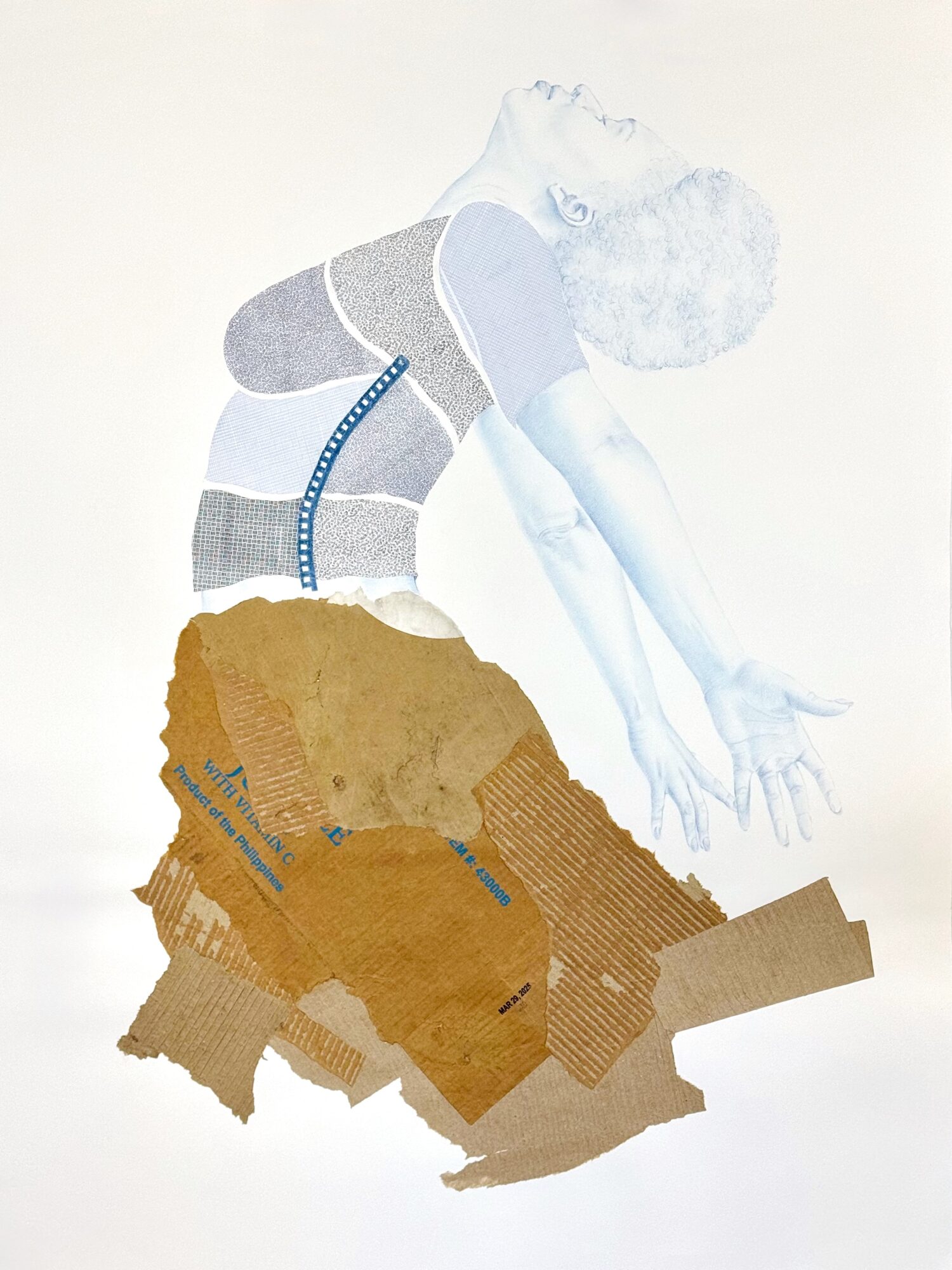
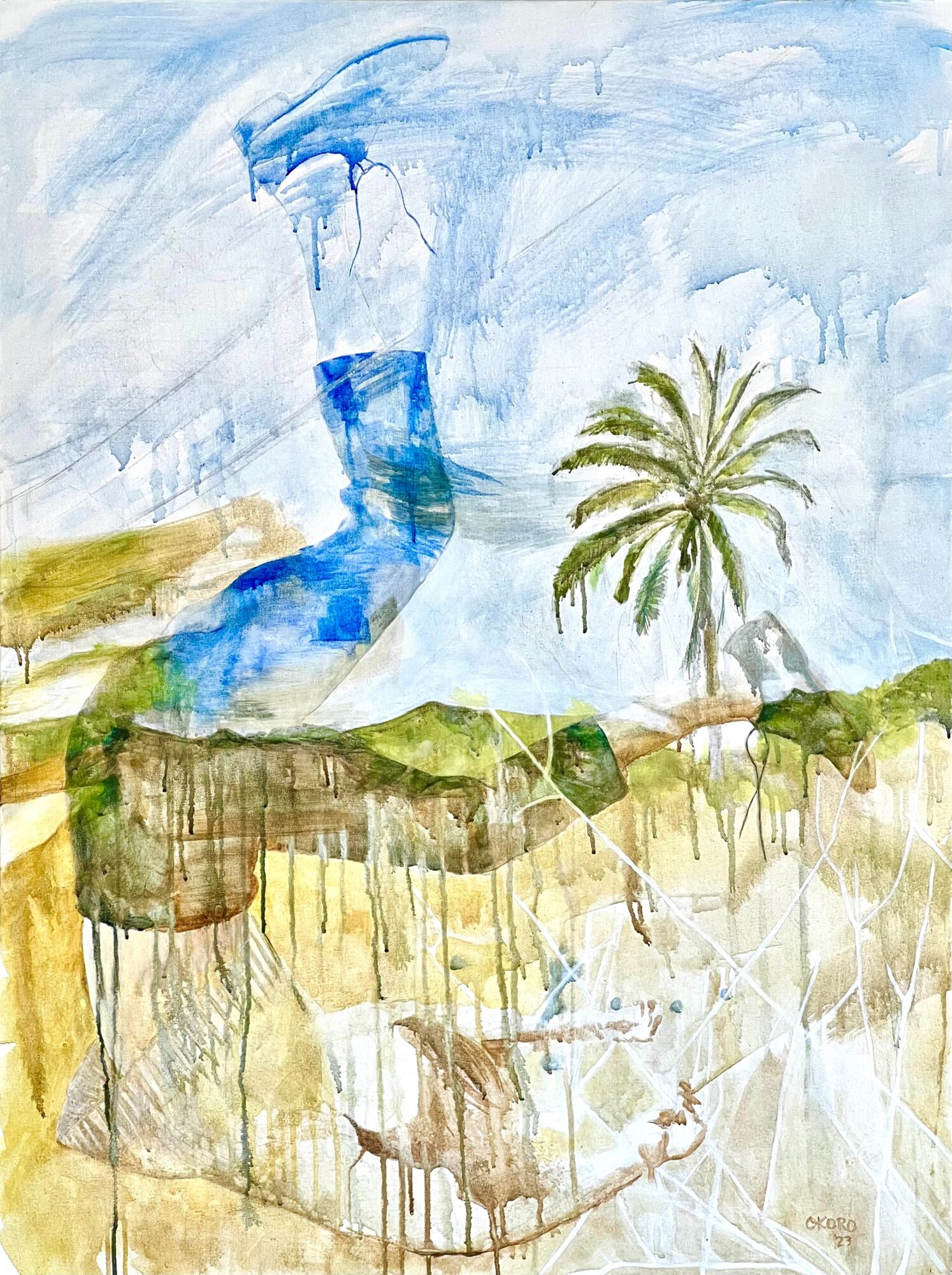
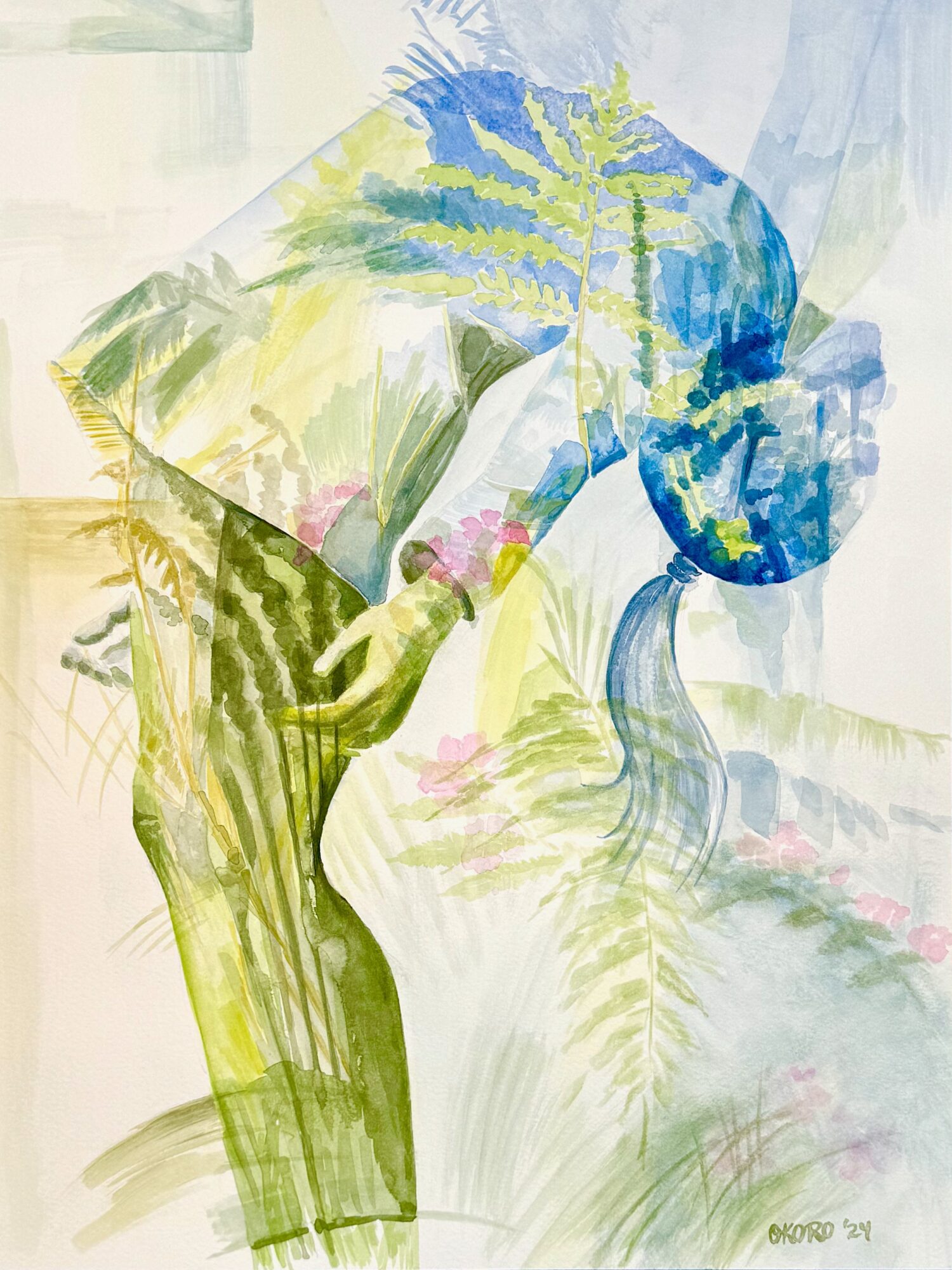
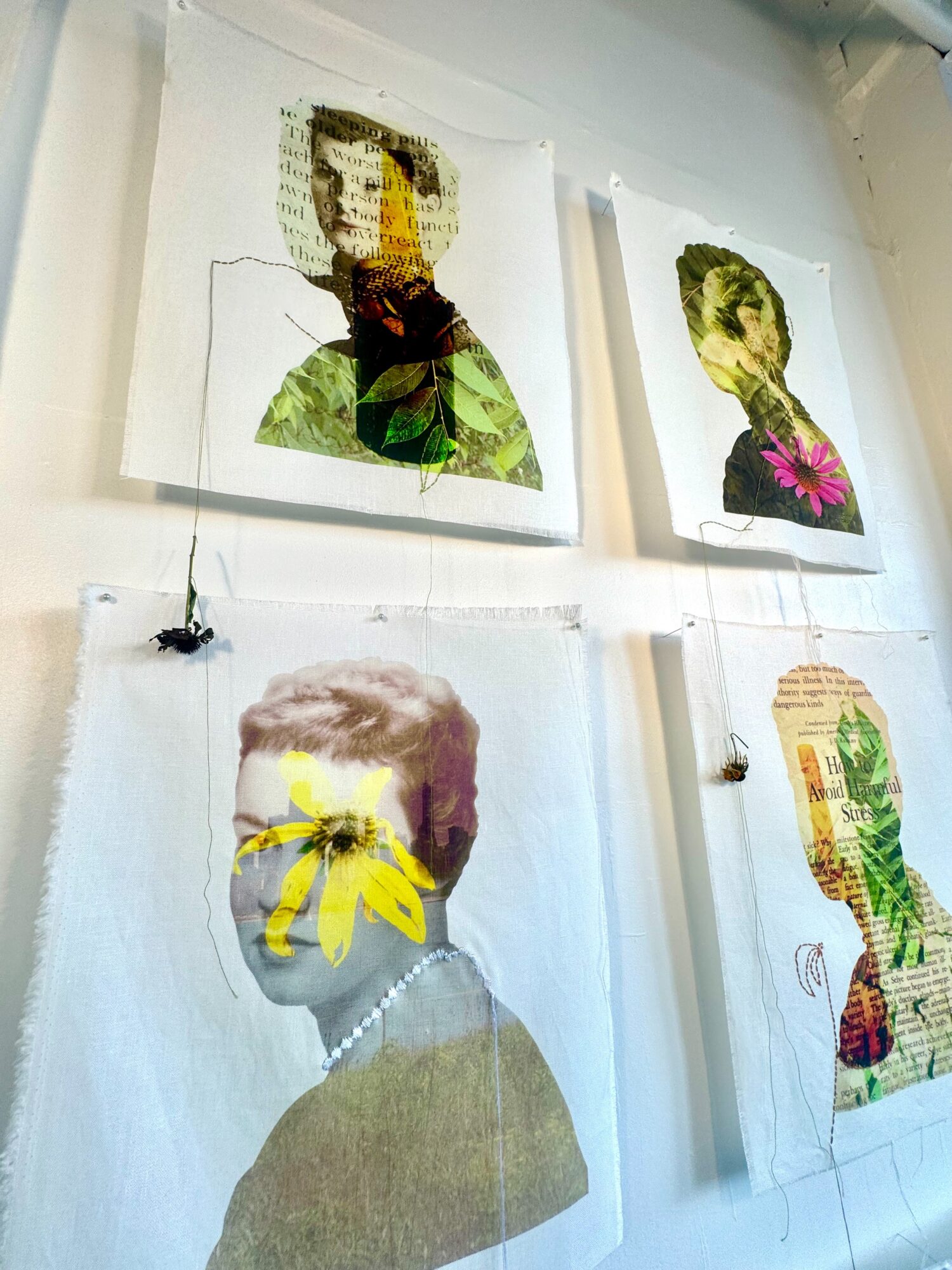
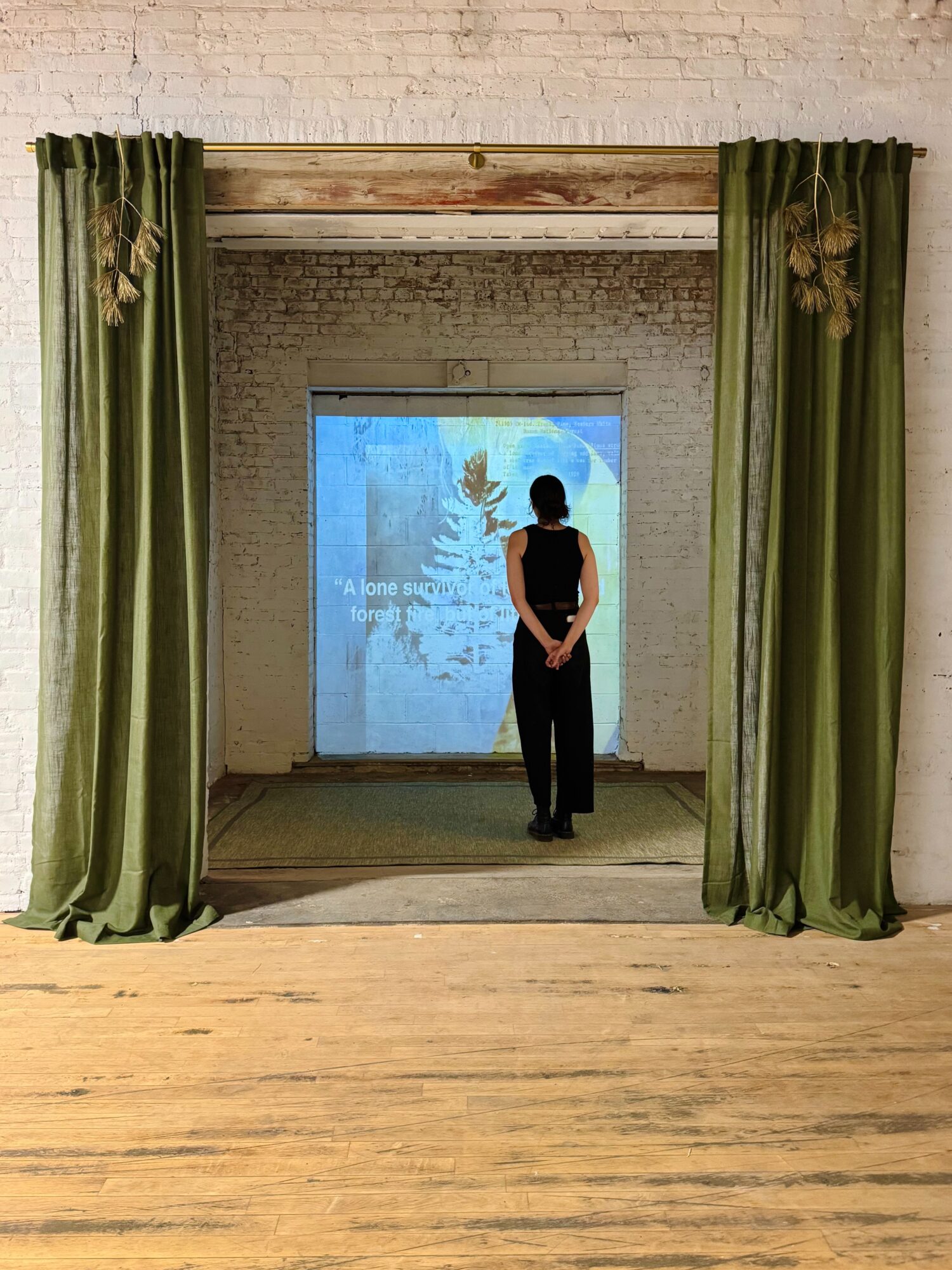
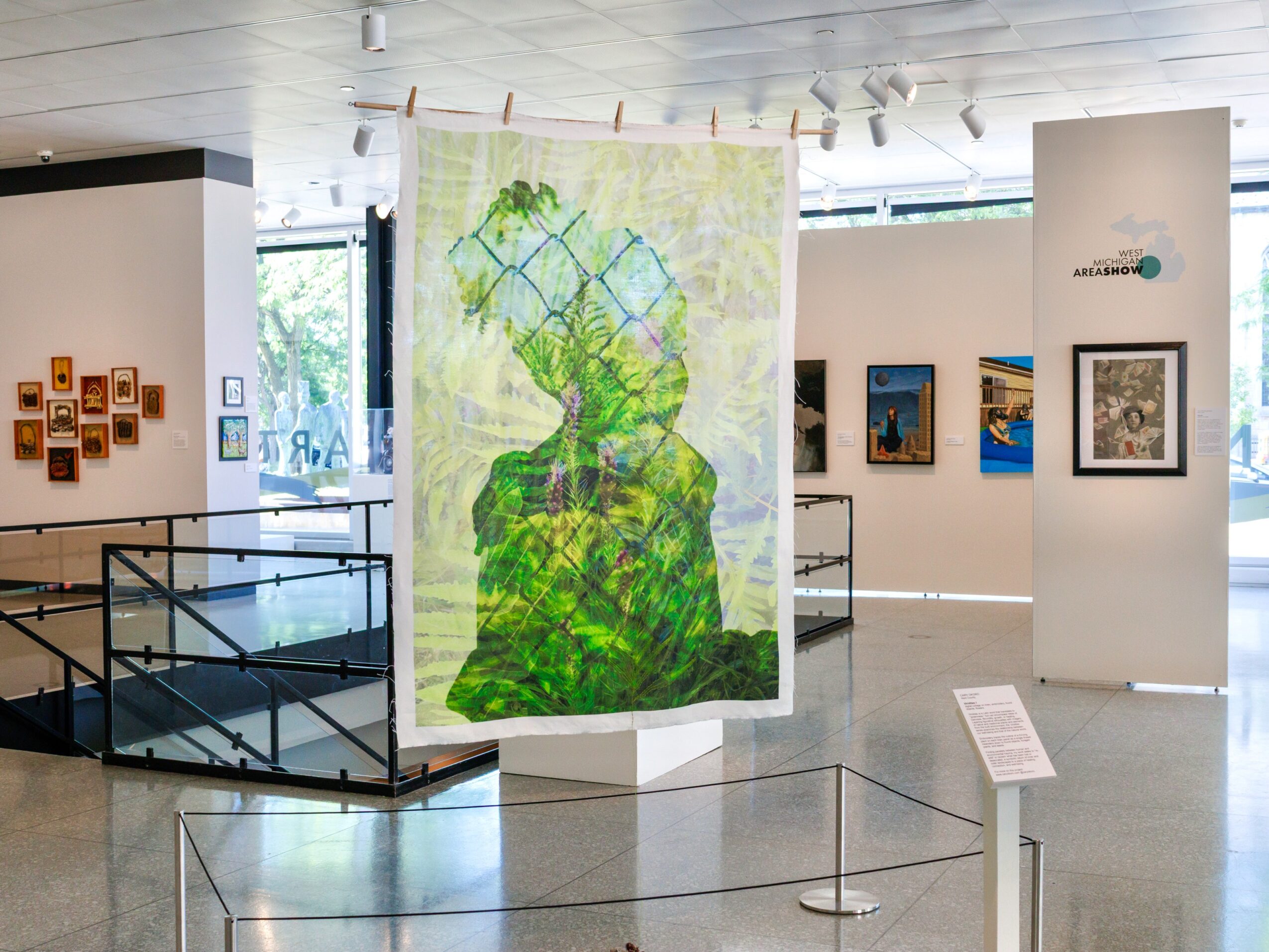
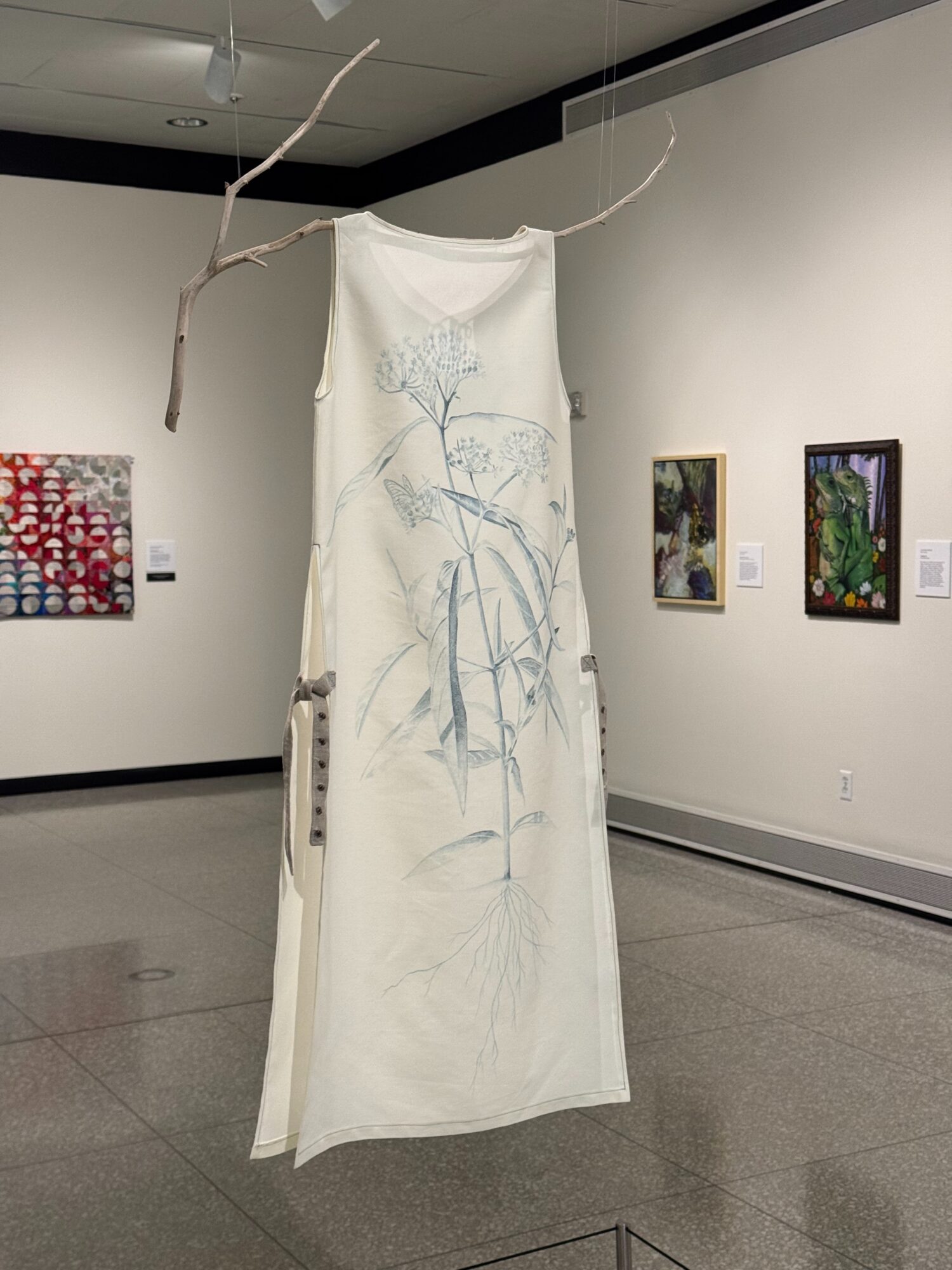
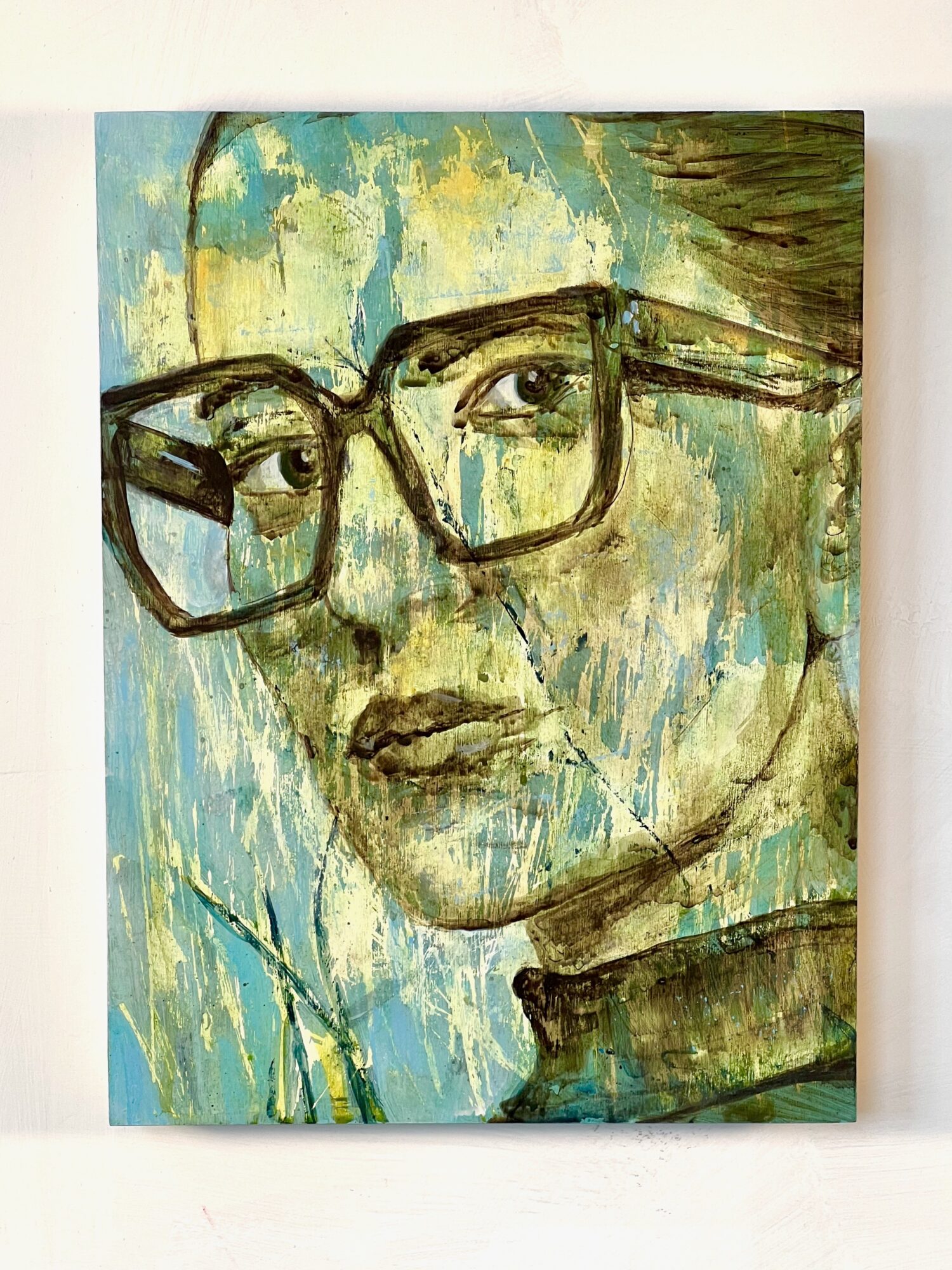
Image Credits
Photos by Jeremy Bronson, Kalamazoo Institute of Arts and Cary Okoro