





Today we’d like to introduce you to Adam Grant.
Alright, so thank you so much for sharing your story and insight with our readers. To kick things off, can you tell us a bit about how you got started?
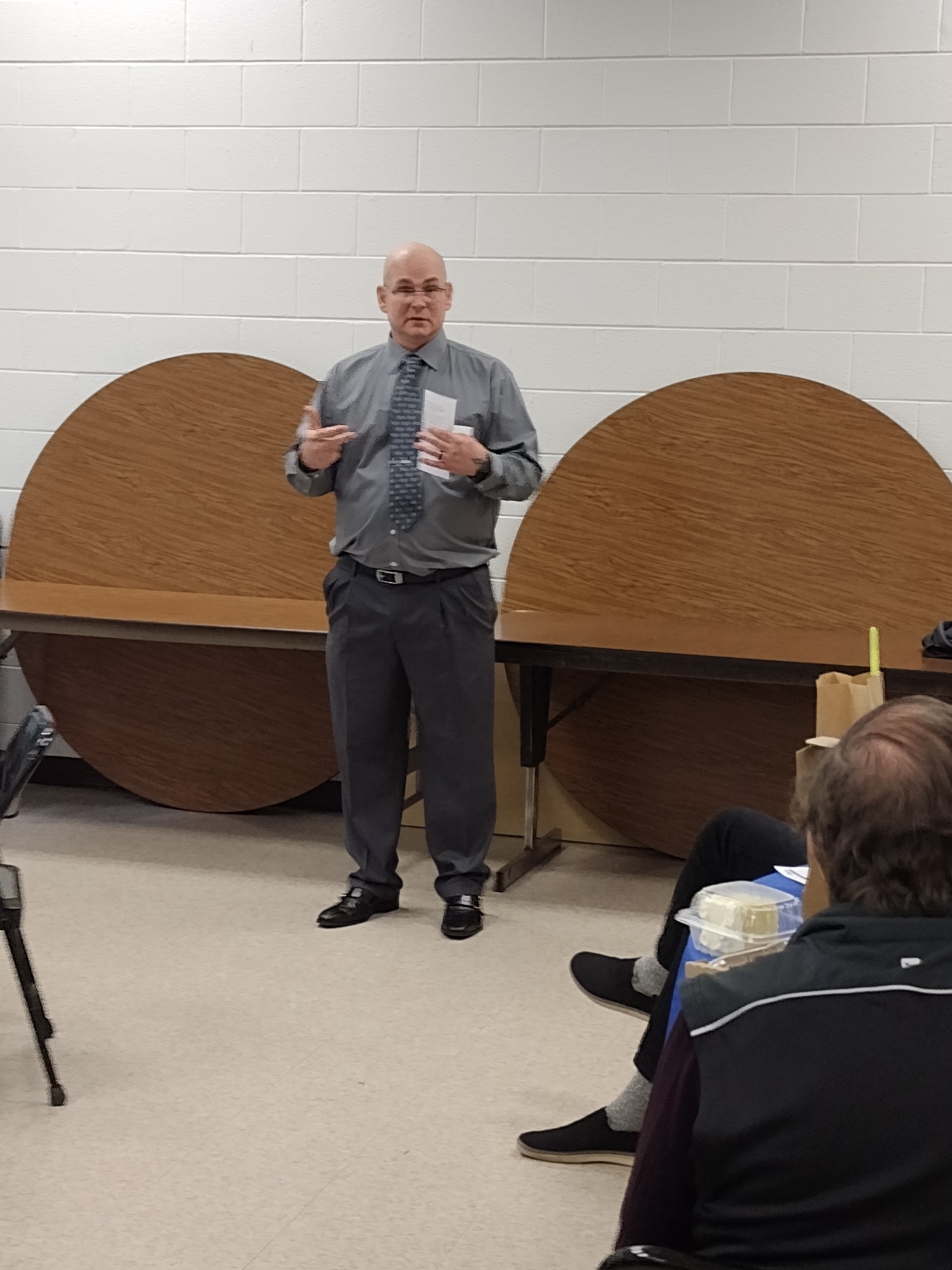
Much of this leg of my story story begins 35 years ago when I was first sent to prison. I could have let those years break me, but instead I chose transformation. I didn’t just sit in a cell – I participated in every program I could, pursued education, and eventually started helping facilitate groups and mentor others who were struggling.
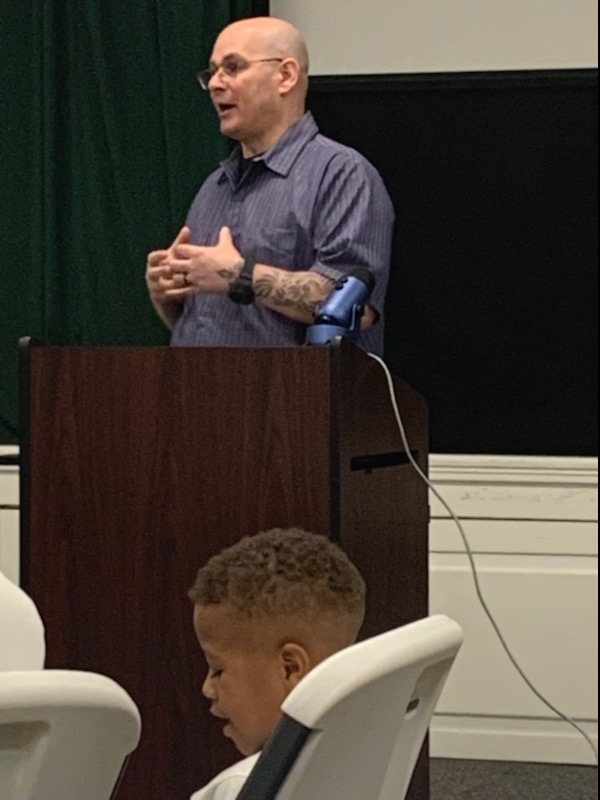
When I was granted parole in 2020, I thought my hardest days were behind me. I was wrong. I faced rejection after rejection when applying for jobs, even when I was completely transparent about my background. But I kept showing up. I took whatever part-time work I could find, bought equipment so I could share my story at events, and refused to let society’s stigma define my worth.
What I learned during those 30 years wasn’t just about surviving – it was about what real leadership looks like. Leadership isn’t about having all the answers or a perfect past. It’s about walking alongside people with complete honesty about your scars and your struggles.
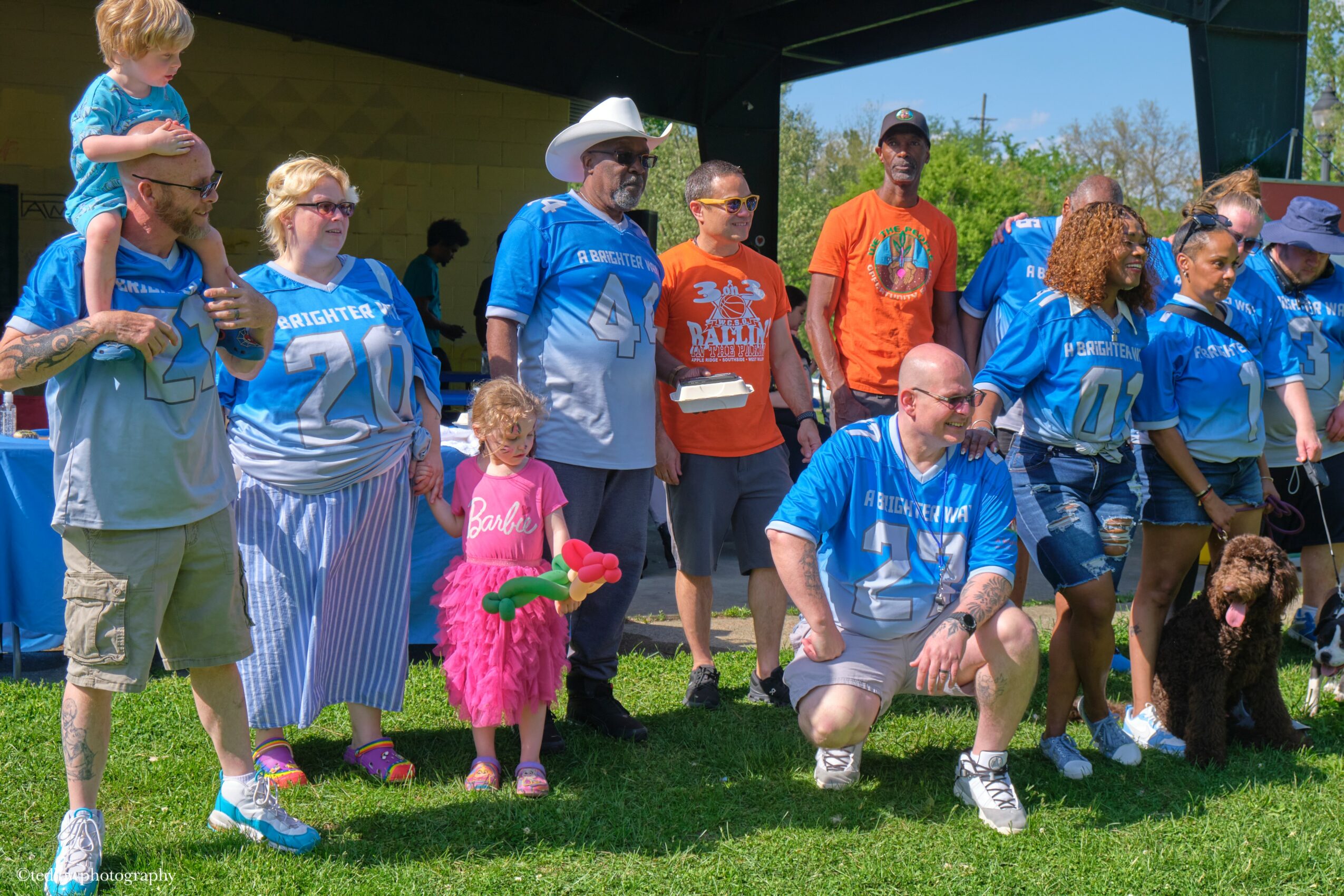
That persistence and authenticity eventually led me to A Brighter Way, where I’ve spent the past three years as Executive Director building something different – a peer-led reentry program with a 97% success rate. We don’t treat people like problems to be fixed. We treat them like human beings with dreams and potential.
I don’t have an MBA or a social work degree. What I have is 30 years of lived experience, scars that became wisdom, and the absolute certainty that when you show up authentically and refuse to give up on people, transformation happens. That’s what real change looks like.
Can you talk to us a bit about the challenges and lessons you’ve learned along the way. Looking back would you say it’s been easy or smooth in retrospect?
Smooth? Not even close. Those 30 years inside were just the beginning of the struggle.
When I got out in 2020, I thought the hardest part was over. I was completely transparent in job interviews about my background – I believed honesty would be rewarded. Instead, I got rejection after rejection. Doors slammed in my face despite my qualifications and transformation.
But here’s the thing – I never doubted myself. I knew I had value. I knew what I brought to the table. The problem wasn’t me – it was a system that couldn’t see past a person’s worst day from decades ago.
Then the pandemic hit, which limited the work I could do. I had family health concerns that kept me from taking some opportunities. But I kept investing in myself because I believed in my product – and that product was me. I bought equipment so I could share my story at events. I took whatever part-time work I could find and kept showing up.
The struggle wasn’t about questioning my worth – it was about finding the right people who could recognize what I had to offer. Every ‘no’ just meant I was one step closer to the right ‘yes.’ I had lived experience, wisdom, and transformation that couldn’t be taught in any classroom.
What frustrated me most was the waste – all these organizations missing out on what I could contribute because they were stuck looking backward instead of forward. But I knew my time would come.
Those struggles didn’t break me because I never lost sight of my value. They just made me more determined to create spaces where people like me could be seen for who we’ve become, not who we used to be. That’s exactly what we do now at A Brighter Way – we see people’s potential from day one.
Alright, so let’s switch gears a bit and talk business. What should we know about your work?
What I Do & What I Specialize In:
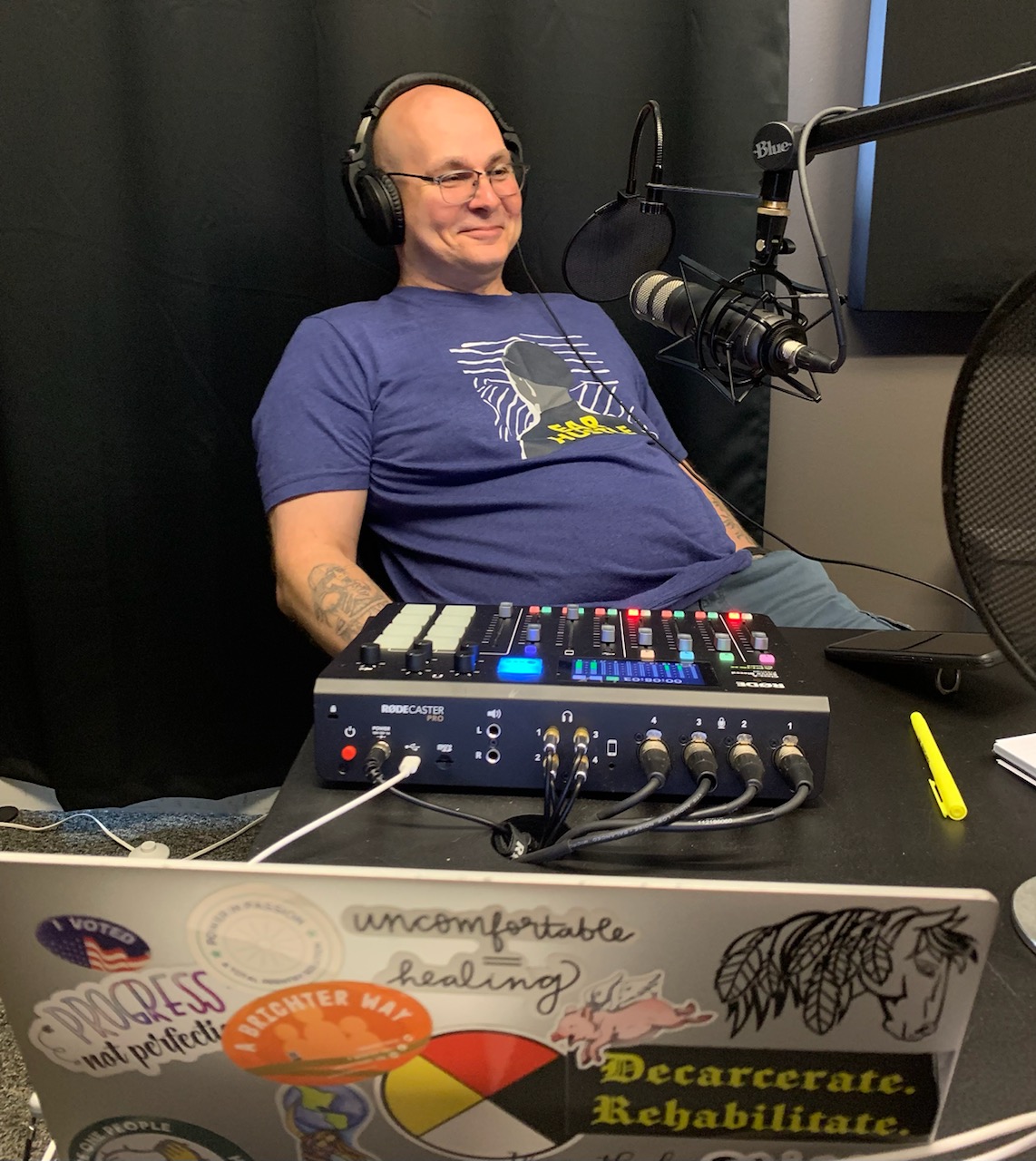
“I’m the Executive Director of A Brighter Way, where we’ve created something different in the reentry space. We specialize in what we call ‘Reentry Through Relationship’ – peer-led navigation where people with lived experience walk alongside those coming home from incarceration.
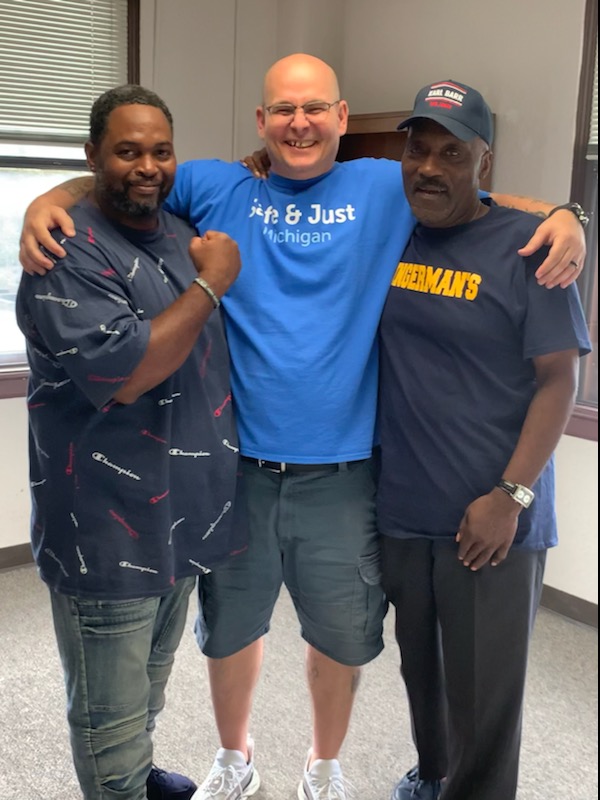
What makes us unique is that we’re not case managers checking boxes – we’re relationship builders. Our peer navigators have all been where our participants are. We focus on people’s strengths and dreams, not their deficits and risks. We treat every person as a partner in their own journey.
I also run 4C Consulting Services, where I help organizations understand how to authentically engage people with lived experience – not as tokens, but as genuine leaders and decision-makers.”
What I’m Most Proud Of:
Our 97% success rate. Since 2016, 97% of people who go through our peer navigation program do not return to prison. But honestly, I’m most proud of the transformation I see – not just in participants, but in how our community views formerly incarcerated people.
We’ve shifted the conversation from seeing us as problems to be managed to recognizing us as assets with wisdom and resilience. When someone walks into our program feeling written off by society and leaves knowing their worth – that’s what I live for.
What Sets Me Apart:
I don’t lead from theory – I lead from scars. Thirty years of lived experience taught me things no textbook can. I understand what it feels like to be counted out, to face rejection, to rebuild from nothing.
But what really sets me apart is that I never lost sight of my value. I knew I had something to offer, even when the world couldn’t see it. That confidence allows me to see potential in others that they might not even see in themselves yet.
I’m not trying to fix people – I’m walking alongside them as someone who’s been there and made it through. That authenticity creates trust and transformation in ways traditional approaches simply can’t match.
We’d love to hear about how you think about risk taking?
I absolutely view myself as a risk-taker, but not in a reckless way – in a strategic, mission-driven way.
The biggest risk I took was believing in myself when society had written me off. After 30 years of incarceration, I could have played it safe, taken whatever job would have me, and kept my head down. Instead, I invested in equipment to share my story at events when I had no guarantee anyone would listen. I put myself out there, knowing I’d face rejection and judgment.
But here’s how I think about risk: I believe in the Field of Dreams model – ‘If we build it, they will come.’ When I see a need in our community, we’re going to work on addressing it, even if others think it’s risky. Some people saw our peer navigation approach as risky because it put formerly incarcerated people in leadership roles. But I knew there was a need for authentic, relationship-based reentry support.
My philosophy is simple: I want to find my way to ‘yes,’ not work my way through ‘no.’ When we opened our second office in Lansing, people questioned whether we were expanding too fast. But I saw people who needed support, and I wasn’t going to let bureaucratic caution stand in the way of serving them.
The way I see it, the biggest risk is not taking risks. Playing it safe means accepting the status quo – and the status quo isn’t working for the people we serve. Our 97% success rate exists because we were willing to do things differently, even when it felt risky.
I calculate risks, but I don’t let fear of failure stop me from pursuing what’s right. Every major breakthrough at A Brighter Way came from saying ‘yes’ to something that seemed uncertain but served our mission. That’s not reckless – that’s compassion.
Contact Info:
- Website: https://www.abrighterway.org/
- Facebook: https://www.facebook.com/abrighterway/