




Today we’d like to introduce you to Kayleigh Crummey.
Kayleigh, we appreciate you taking the time to share your story with us today. Where does your story begin?
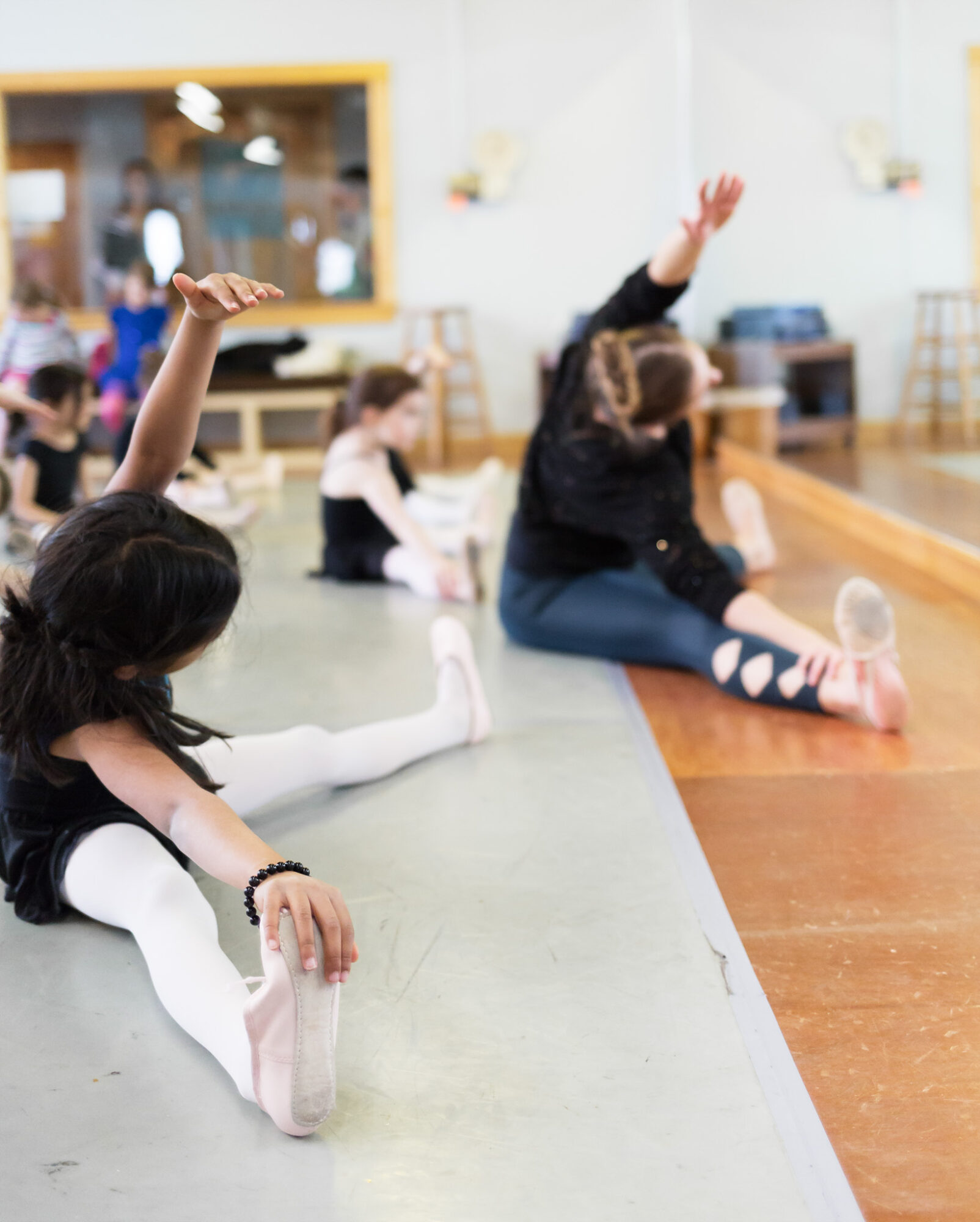
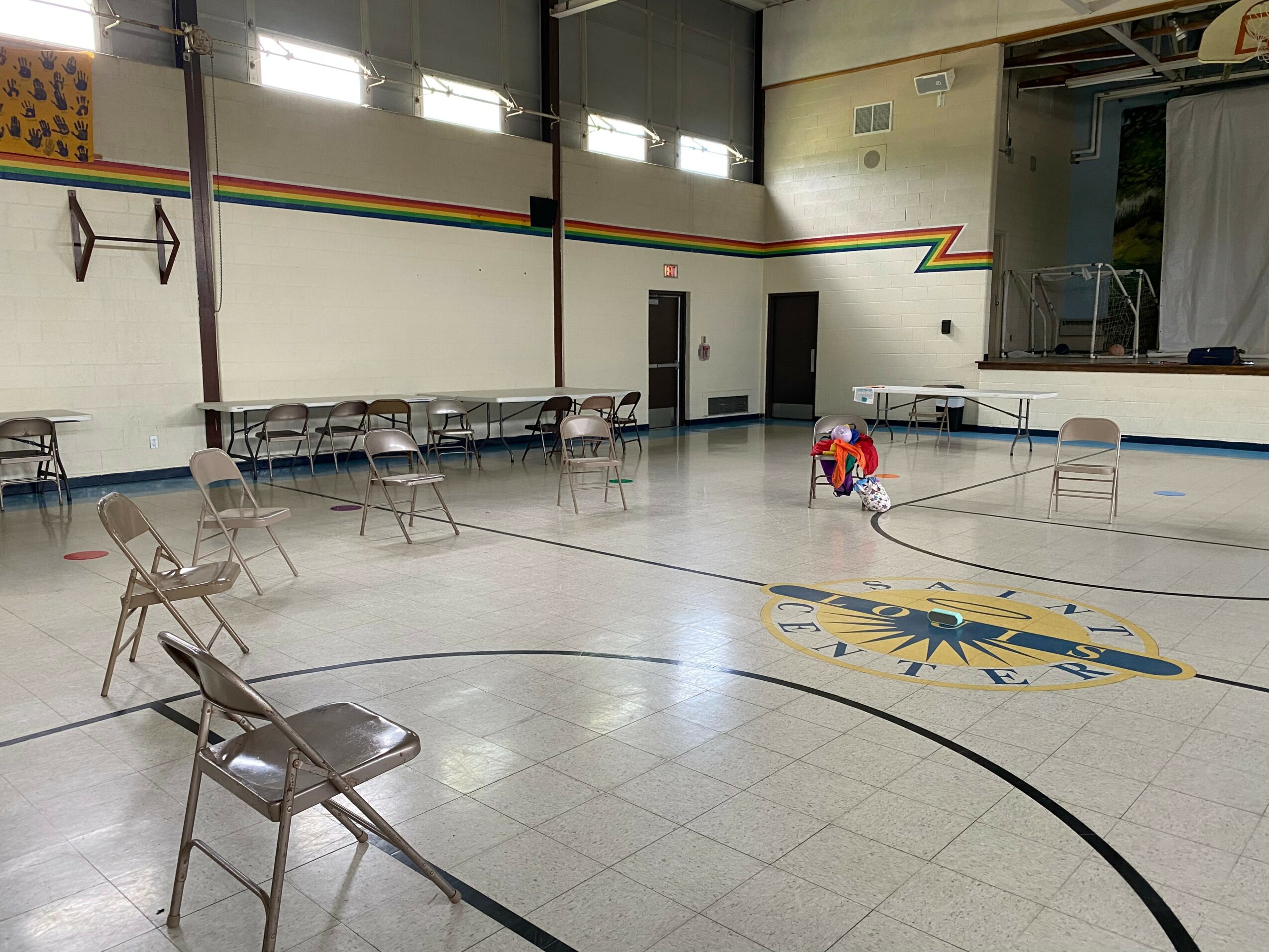
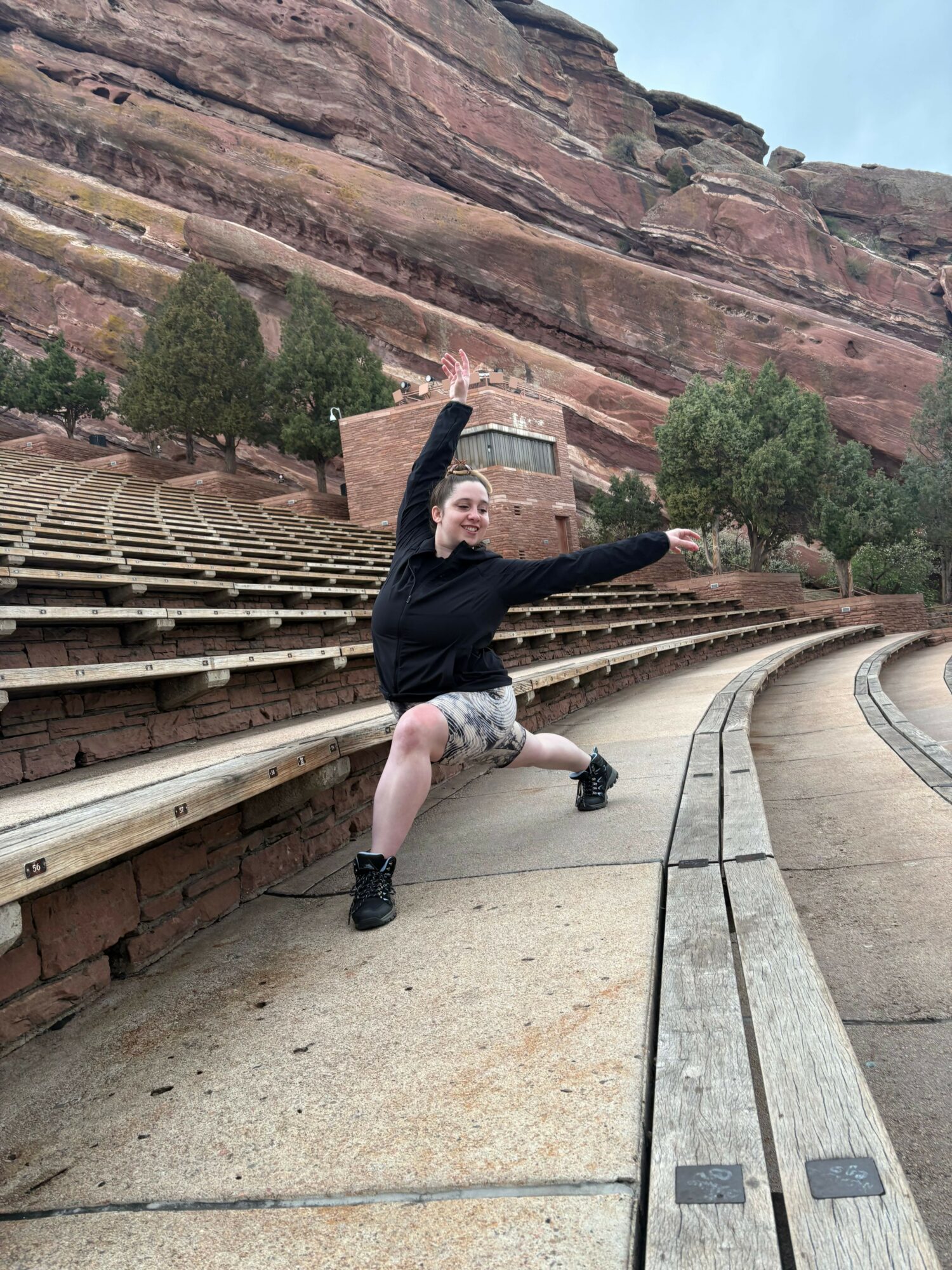
Dance has always played a significant role in my life. At the age of 3, I began taking ballet classes in the basement of a local community center. This snowballed into taking several dance classes a week, participating in competitions, choreographing musicals and ultimately pursuing a career in dance.
As a neurodivergent person, the world can sometimes be overwhelming. This was something I felt deeply as a child, but didn’t have the words to explain how it affected me. What I did know was that dancing helped. It was therapeutic for me to learn to feel a sense of control from within my own body, given that my sensory experience could make me feel powerless. I believe this experience shaped my instinct to help others who are often misunderstood. It is difficult to navigate the world in a way you can’t explain, having such a powerful internal experience and being unable to communicate it.
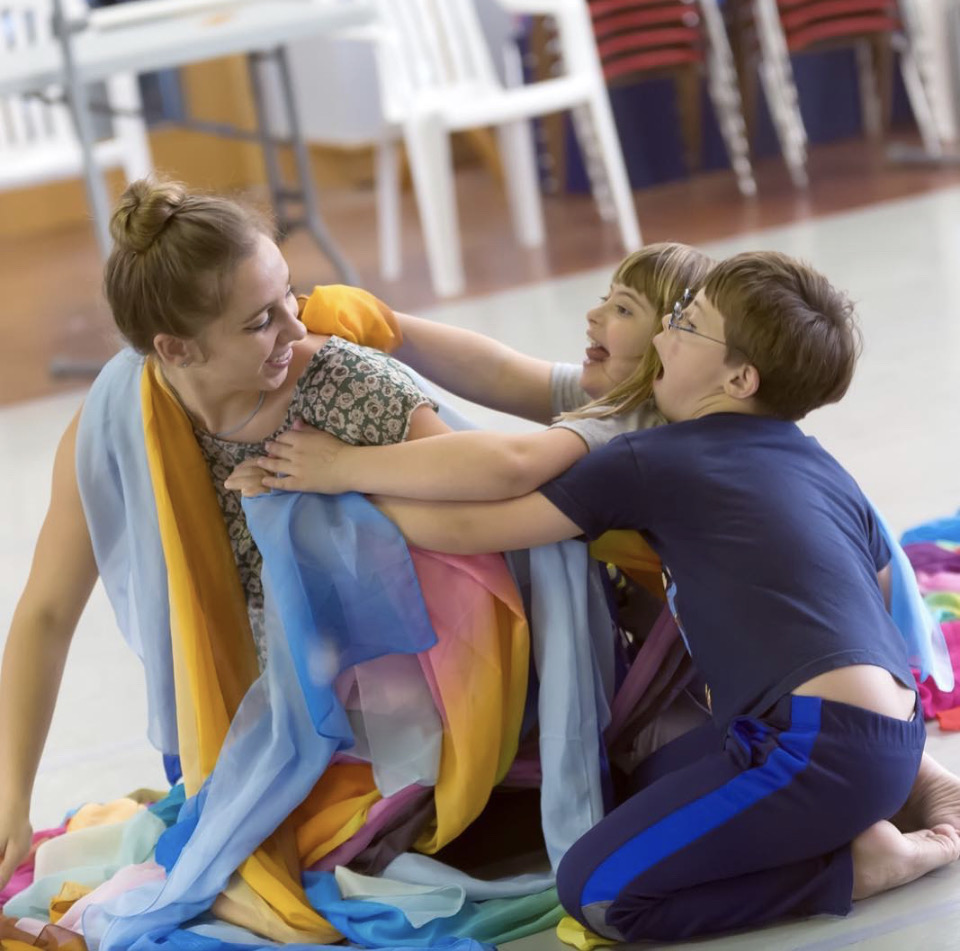
My undergraduate degree in pre-dance therapy at Eastern Michigan University twice brought me to a summer intensive working with disabled adults. This intensive was called Moving Wheels & Heels at the Steffi Nossen School of Dance & Center for Movement in White Plains, New York. It was there that I began to understand dance as therapeutic in a new way. Dance could also be a healing opportunity through community building and being accepted in one’s own authentic expression.
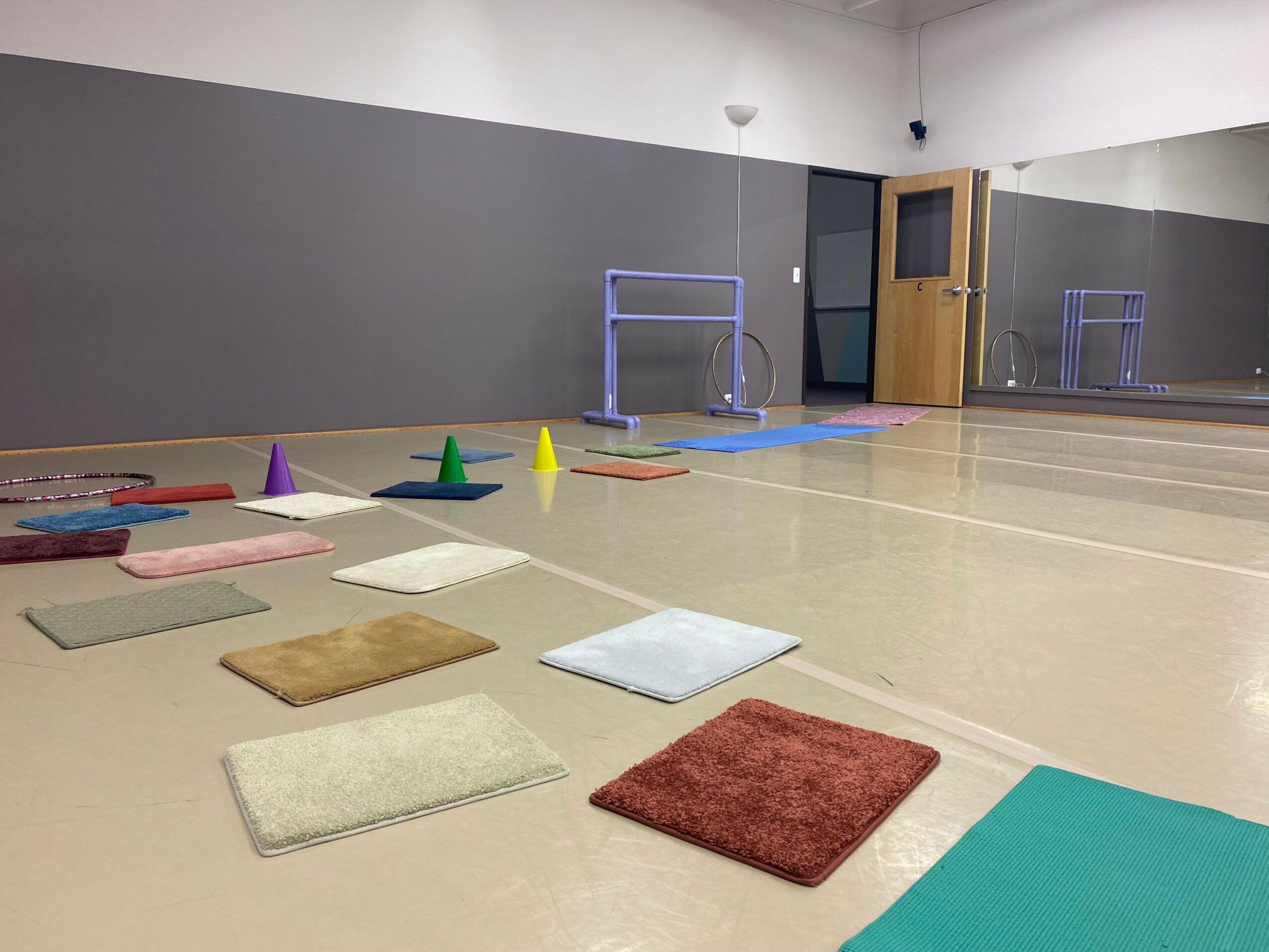
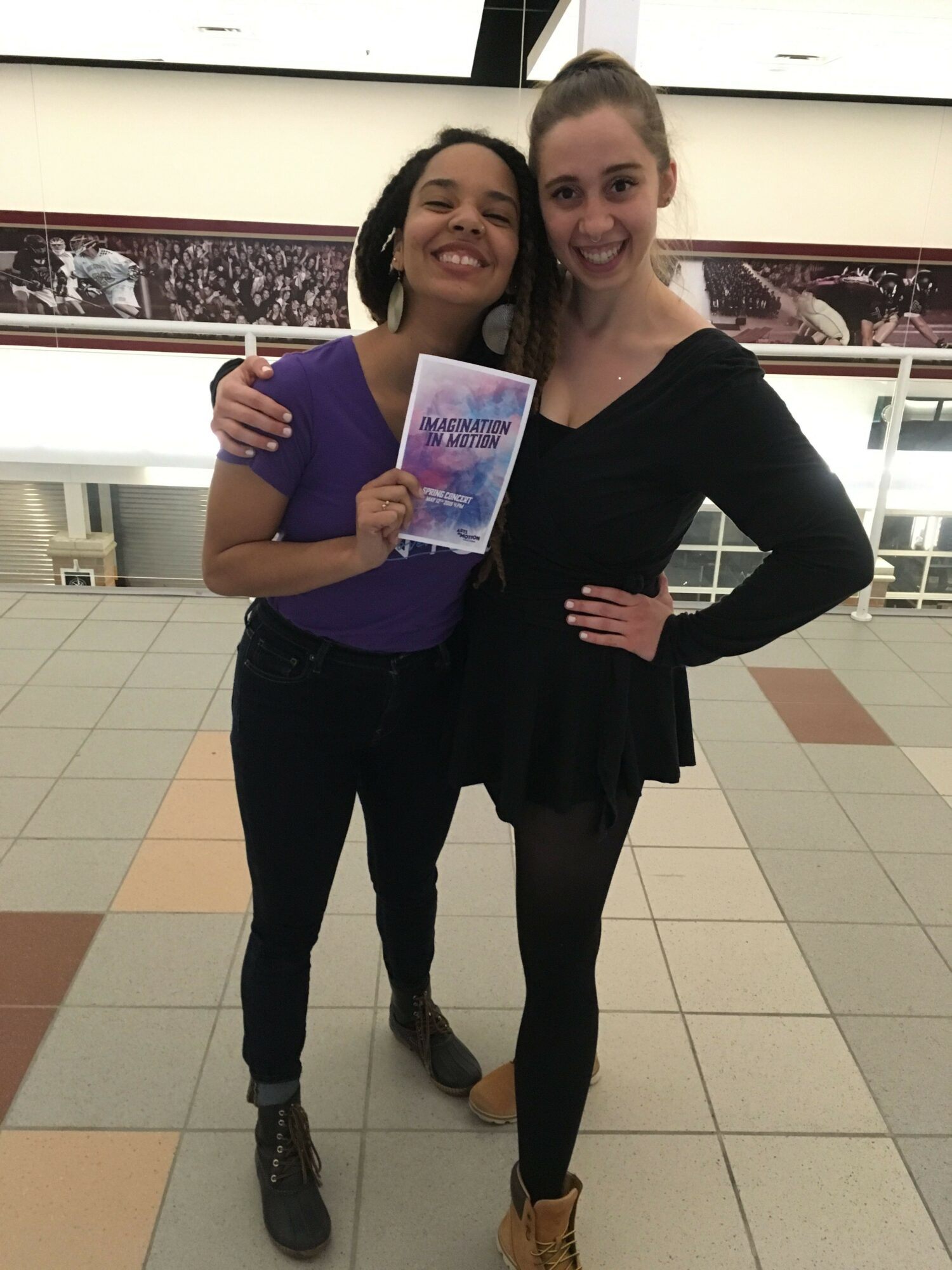
Upon graduating in 2016, I began teaching dance. I taught studio classes at Arts in Motion in Ann Arbor, Michigan, as well as at Ballet Chelsea in Chelsea, Michigan. I also taught adaptive dance classes to a vast array of people for Ballet Chelsea’s Adaptive Dance Program from 2016-2021. I define these adaptive dance classes as creative movement classes that are structured to meet the accessibility needs of the populations they serve. Those I taught ranged in age and demographic. I taught individuals in special education classrooms, retirement communities, studio settings, senior centers and residential care. During that time, I exercised what I had learned from mentors and figured out my own techniques through trial and error along the way. I believed in the power of this work, and yet realized the limitations I had in verbalizing its efficacy. Dance is a great medium for exercise and togetherness, and all of the benefits they entail. However, I knew it deeply to be more than just that.
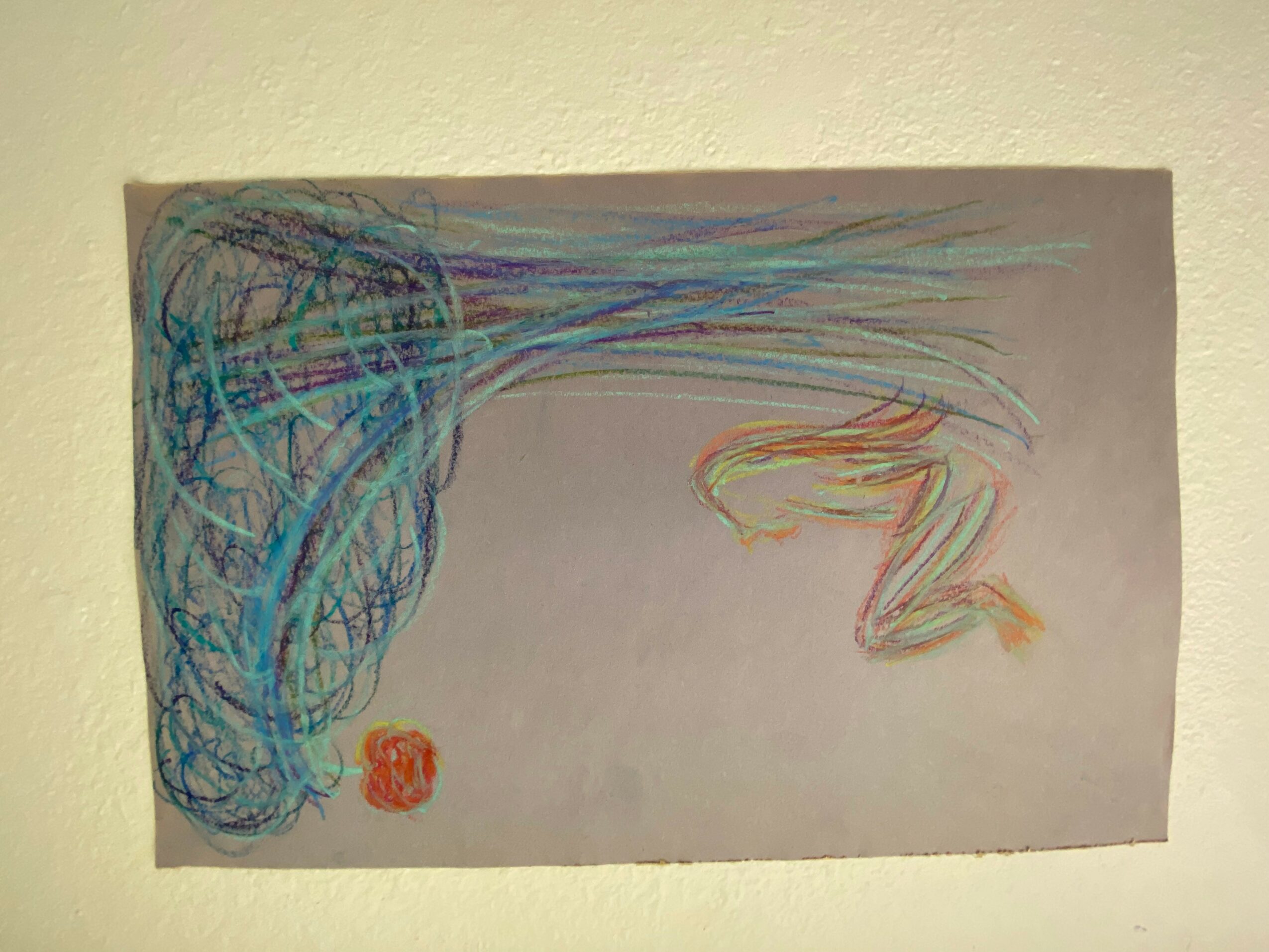
In pursing my graduate degree in somatic counseling with a concentration in Dance/Movement Therapy at Naropa University in Boulder, Colorado, I began collecting information that supported this deeper knowing. More specifically, I began to understand why these adaptive dance classes were so beneficial for those participating in them. These classes were essentially helping individuals cultivate more regulated nervous systems through a variety of neurologically regulating afferent inputs. And through the lens of dance, participants are inherently served by these classes because they hark back to the ways people have historically gathered and sought communion. There is a deep-rooted sense of belonging and safety in communing around music and dance.
Upon graduating and returning back to Michigan in 2024, I’ve begun teaching studio and adaptive dance classes for Ballet Chelsea again with a more insightful perspective. I want to make a positive impact on the communities their Adaptive Dance Program serves and share my learnings with those who are also doing this sort of work. In addition to working for Ballet Chelsea, I’ve also become a creative mentor at Tink Tank Animate and offer somatic therapy as a supervised LLPC in private practice.
Would you say it’s been a smooth road, and if not what are some of the biggest challenges you’ve faced along the way?
This is has definitely not been a smooth road! Oh my goodness! Haahahah. I’ll condense the challenges into bullet points.
– It was incredibly difficult to teach dance full-time when I was doing so, mentally and physically. At one point I had acquired a stress fracture in my foot, which prompted me to take on less classes and supplement my work with other part-time jobs.
– In doing so, the pandemic came shortly afterwards. I taught online with the populations I could, in addition to adapting to the new demands the pandemic required of my part-time jobs. Needless to say, the pandemic did not bring me any form of respite.
– One of the studios I taught for (Arts in Motion in Ann Arbor, Michigan) ended up closing about a year after lockdown. This motivated me to take the next step in my career, pursuing my education in somatic counseling and dance/movement therapy.
– Returning back to Michigan, I ran into some health challenges that made it difficult for me to jump right back into the work I envisioned myself doing. As I have recovered, I’ve slowly made my way back into the teaching scene and establishing myself as a new therapist.
– And I would be remiss if I didn’t admit the financial challenges of pursuing this path. These adaptive dance classes are highly dependent on grant funding, which can be difficult to piece together in a sustainable way. In addition to that, becoming a therapist and trying to offer accessible rates for sessions while balancing the financial demands of maintaining licensure and the means to practice can be quite challenging.
As you know, we’re big fans of you and your work. For our readers who might not be as familiar what can you tell them about what you do?
As a person, my tagline is: Artist. Optimist. Advocate.
As a working professional, I am a dance teacher and budding therapist.
One thing I am proud of is the reach I was able to have before the pandemic. In teaching for two studios and 20 different locations throughout Washtenaw county, I made SO many connections. And I hope those connections have inspired some lifelong lovers of movement and dance. I aspire to once more teach at that scale and expand my reach even further!
Another thing I’m proud of is sticking with this passion of mine, even when the going has been tough. I earned a degree that furthered my capacity for making an impact through the art form that changed my life for the better.
I think what sets me apart from others is my personal relationship to dance as a healing art. As a neurodivergent person, dance has given me a means of coping with my differences and sensitivities. It is not only a means of creative expression, but a resource from which I can help myself navigate everyday life. This informs the way I create adaptive classes, but it also informs my capacity for inclusivity in my studio classes as well. And as a helping professional, I can use my lived experience to inspire others to find their way, especially those who experience the world differently.
Contact Info:
- Website: https://balletchelsea.org/classes/adaptive-dance-program-adp/
- LinkedIn: https://www.linkedin.com/in/kayleigh-crummey
- Other: https://www.psychologytoday.com/us/therapists/kayleigh-renee-crummey-detroit-mi/1584171