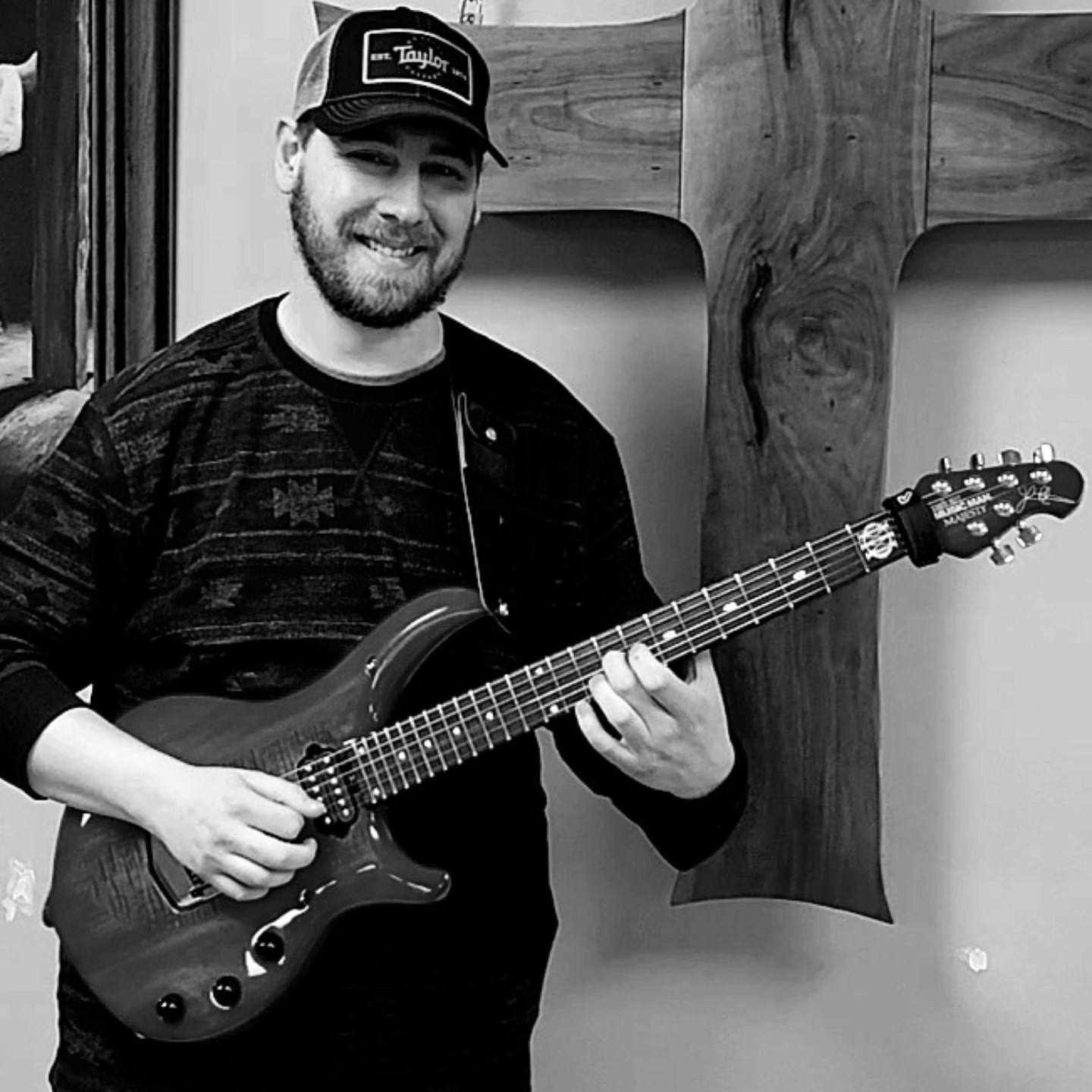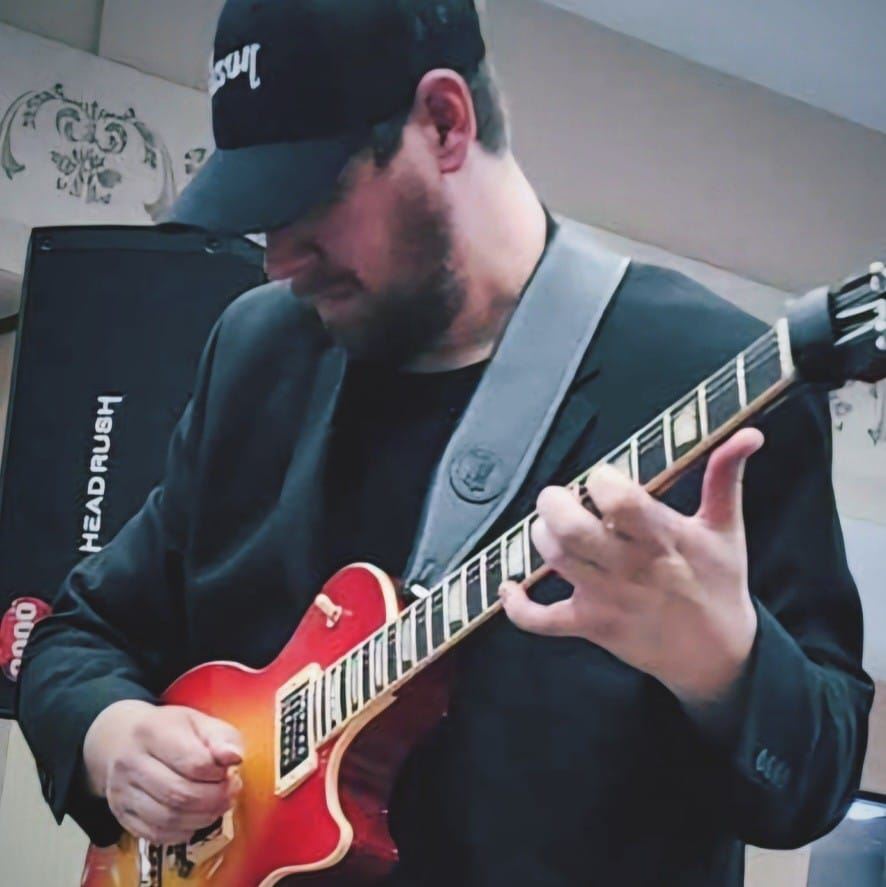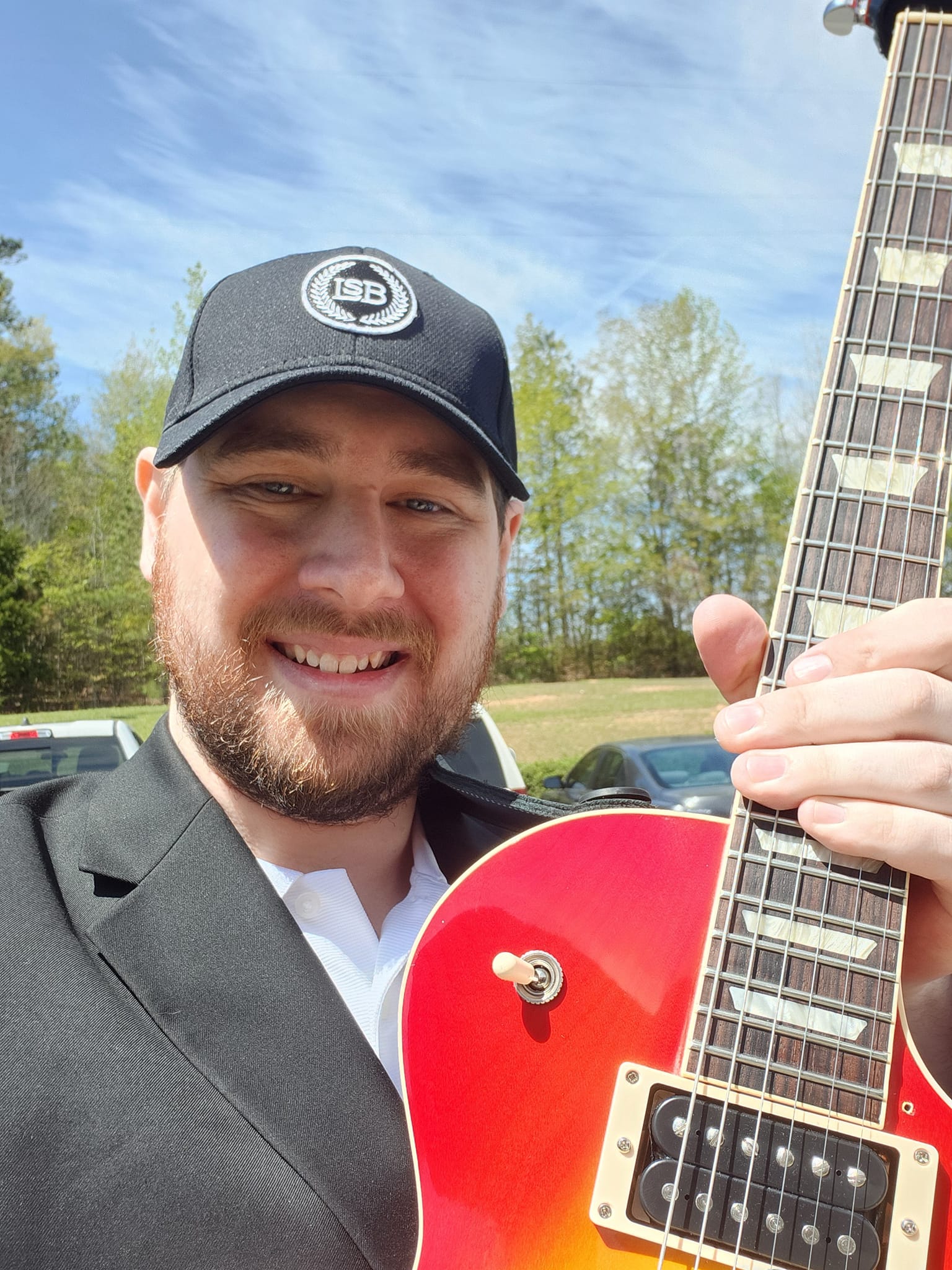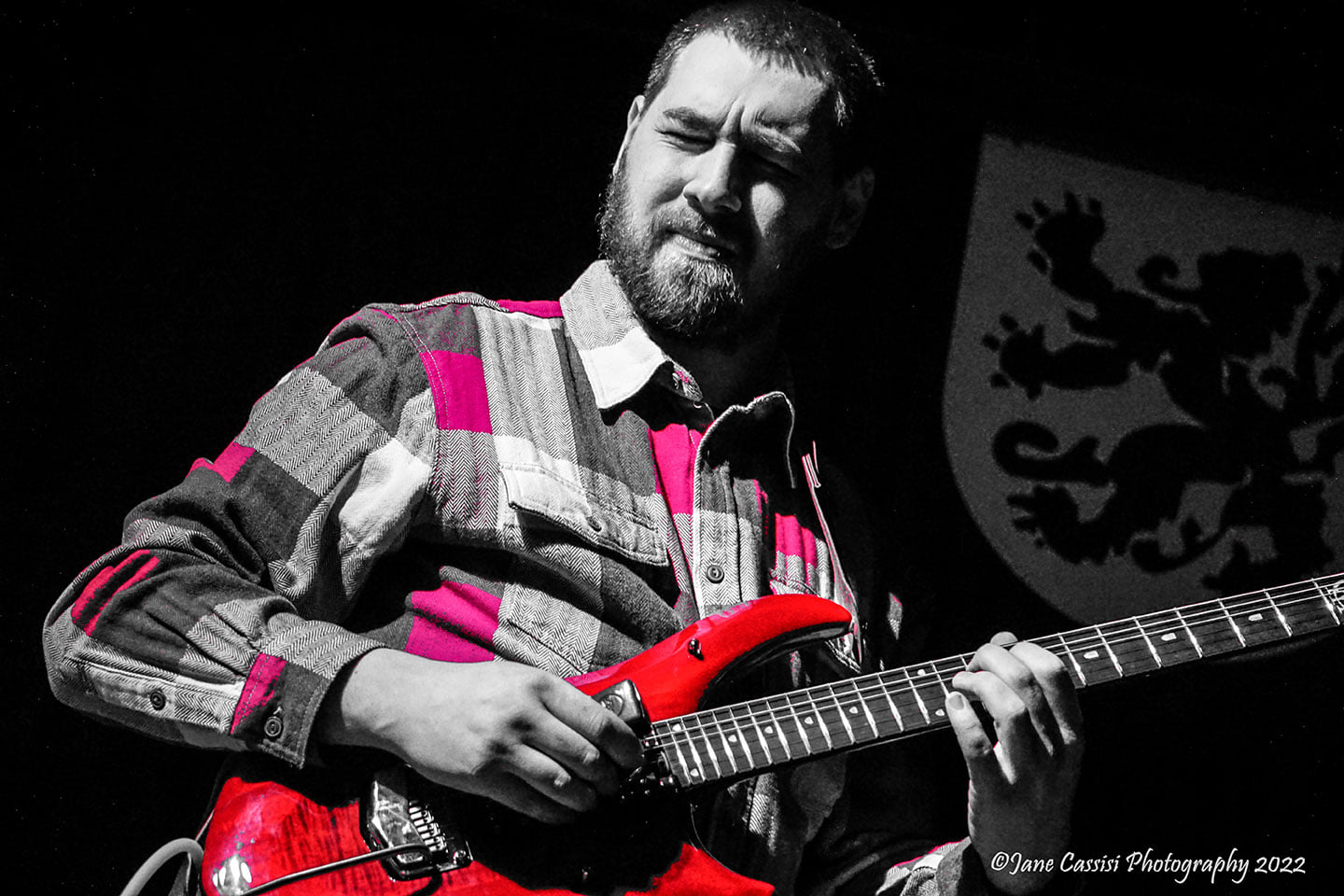





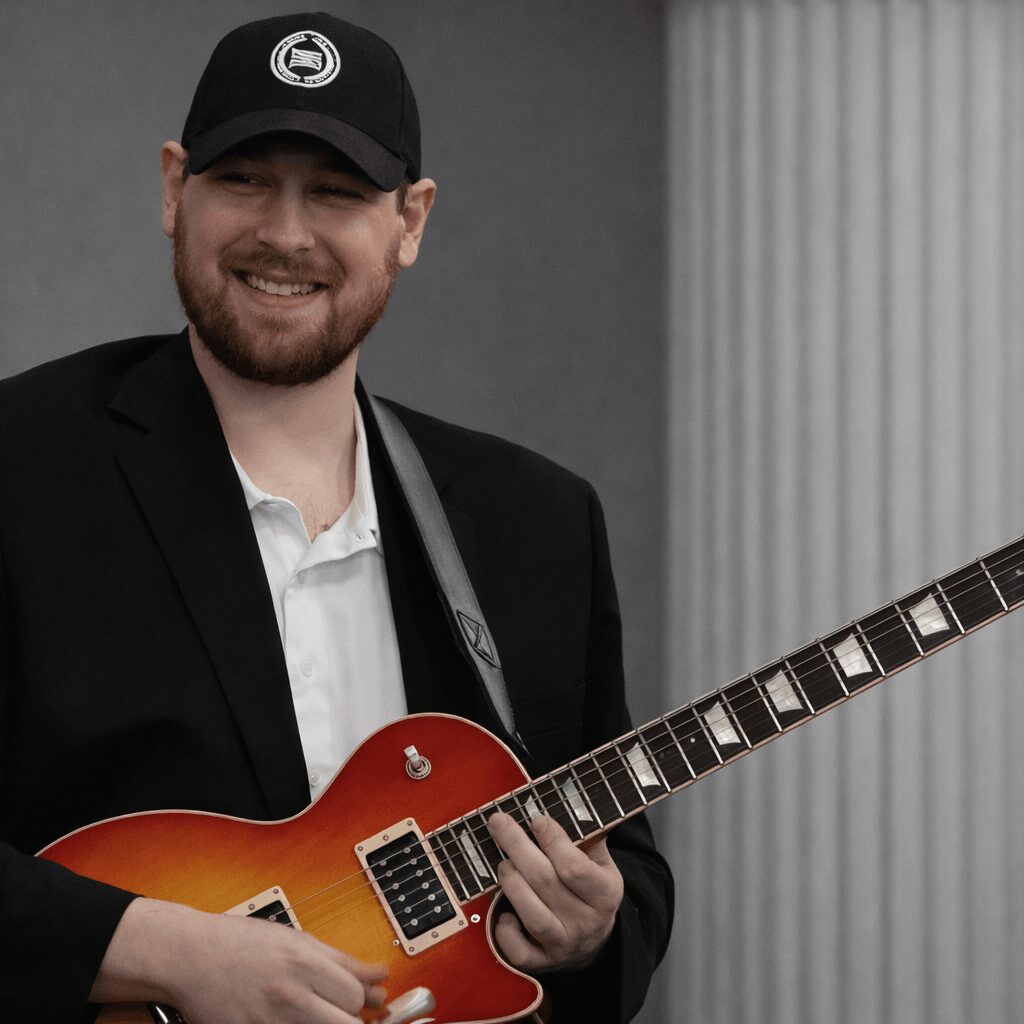
Today we’d like to introduce you to Ben Shotts.
Hi Ben, please kick things off for us with an introduction to yourself and your story.
I’ve always been pulled toward music in a way that felt less like a hobby and more like a calling. My dad played guitar casually, but he also played great music around the house. I remember Van Morrison, Roy Buchanan, Phil Keaggy, Gary Moore, and so many more great artists filling the airwaves of the house. Church music mattered too; it gave me a sense early on that music can carry weight, atmosphere, and meaning beyond simple entertainment. As a kid, I didn’t just like drums—I decided I was going to be a drummer. I remember waiting for the school bus in second and third grade drumming along to my dad’s CD collection, I would build fake drum kits out of boxes, toys, and whatever I could get my hands on. Rhythm was the pulse of the world and melody nature’s lyrics.
As I got older, I fell hard for progressive music—especially Dream Theater—because it treated musicianship like storytelling: long arcs, unexpected turns, emotion and intensity without apology. The long songs, recurring themes, odd time signatures and blistering speeds felt like the most true expression of life to me at that time. I still love progressive rock and Dream Theater is still one of my favorite bands. Then at 15, I became a born-again Christian, and that was a turning point not only spiritually, but musically. Almost overnight, I felt drawn to guitar in a way I can’t fully explain—I wanted it, and I could play it. That led to years of playing in churches, where I learned how to support a moment, serve a song, not just play notes, and where tone and feel mattered as much as technique. People will say “music is math” but math is just a universal language to interpret data. Music has a soul and power all its own. Music is a language itself and I would argue the true universal language between all people.
As far as influences on my playing I really listen to a lot of artists who aren’t guitar centric at all like my music but for guitarists two players shaped me more than anyone: **Phil Keaggy** and **John Petrucci**. Keaggy taught me that the guitar can sing, be versatile, melodic, percussive and instrumentals could be spiritual. My love of finger style comes from Keaggy all the way. John Petrucci’s playing taught me a disciplined, approach, and the power of precision when it’s serving a bigger musical idea. In a lot of ways, my voice lives in the tension and harmony between those worlds: lyrical phrasing on one side, and modern progressive intensity on the other.
In 2003 I dove into home recording—back when you couldn’t just pull up a perfect tutorial on YouTube and learn from a pro in ten minutes. I learned by trial, error, and obsession. Recording and production became part of the instrument for me. I wasn’t just trying to play guitar; I was trying to build worlds for it to live in—textures, harmonies, space, momentum. Over time, that pushed me toward jazz fusion and experimental music: genres where you can stretch, improvise, and let the music breathe without losing emotional direction.
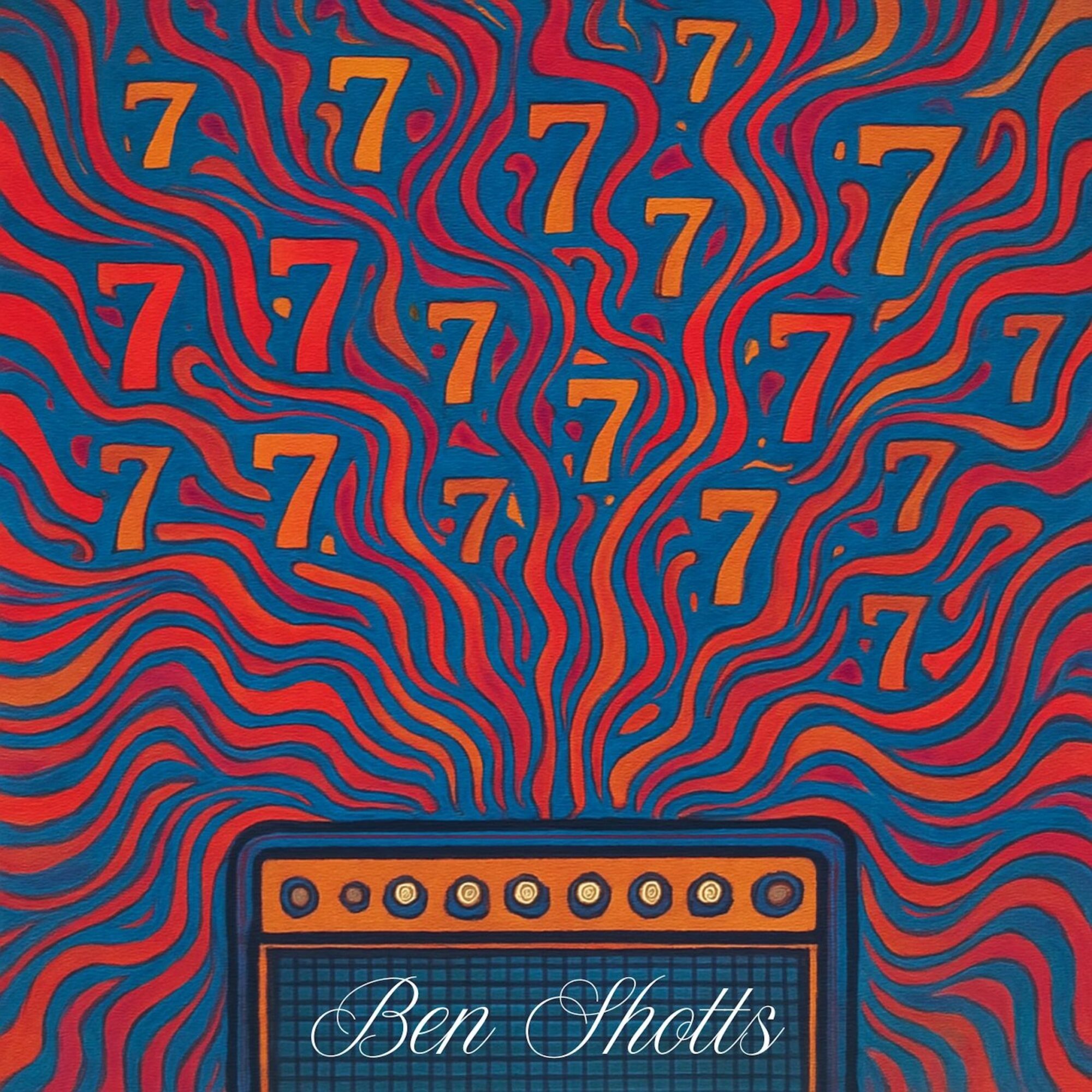
That growth is probably clearest when you listen to my most recent projects. “7” which is my seventh studio album, and it’s intentionally more adventurous—an experimental jazz-fusion record with rock energy and a willingness to take left turns. It’s built around movement and contrast: tight rhythmic ideas, melodic lead lines, and an exploratory spirit. Tracks like “Transcendent” and “Past The Stars” reflect that sense of reaching—chasing sounds that feel bigger than the room they’re coming from.
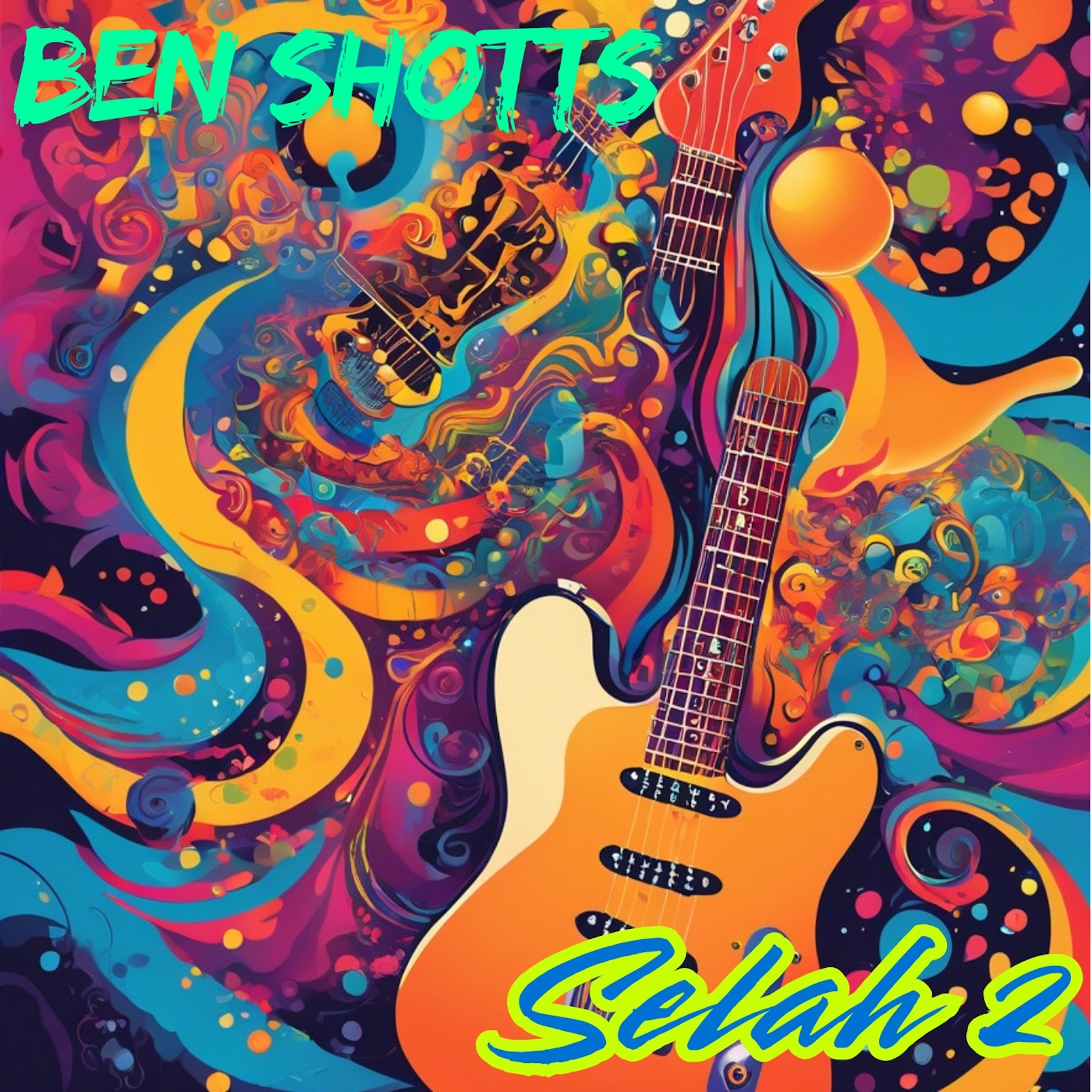
Then there’s “Selah 2”, which is almost the other side of the same coin. It’s a sequel released roughly ten years after “Selah” and it returns to a smoother, more contemplative lane where jazz colors blend with rock driven guitars, and spacious arranging. I was heavily influenced by Bill Laurence, Robert Glasper, and Bob James on Selah 2. The song titles themselves point to the meaning of the music. “40 Days on the Mountain,” “Fellowship,” “Living Water,” and even the sequence of the five solas—“Sola Scriptura,” “Sola Gratia,” “Sola Fide,” “Solus Christus,” “Soli Deo Gloria.” It’s music meant to slow the listener down and lift their eyes for a moment of peace and gratitude or to soar once again above the obstacles here on earth.
*Selah* matters in my story for another reason: it was my **first electric-guitar–focused instrumental album**, and it became a kind of foundation for what I would grow into—melodic leads over smooth, spacious backings, with improvisation as a central voice rather than an occasional feature. In that sense, *Selah 2* isn’t just a sequel—it’s a ten-year-later reflection from a different season of life, with a deeper sense of restraint, clarity, and purpose.
What ties all of it together—whether it’s the edge and exploration of “7” or the warmth and stillness of “Selah 2″—is my belief that instrumental music can still carry a message. I try to make music that gives people a place to breathe—an escape from the busyness and heaviness of life, and a gentle pull toward what’s higher.
I compose and produce my own projects, and I take that seriously—not as a badge, but as a responsibility. I play or compose almost every instruments part in all my albums. These albums are a part of me in the deepest sense and hopefully can outlive me and be blessing to people long after I am gone. Every album is an attempt to push forward rather than recycle the past. If someone spends time with my music, I want them to feel like they stepped into a real place—something honest, intentional, and worth coming back to.
I love all kinds of music from every genre and although guitar is my primary tool of expression I feel mire like a composer than a guitarist these last 5 years.
We all face challenges, but looking back would you describe it as a relatively smooth road?
As an independent artist whose music does not necessarily fit into the mainstream, connecting with the right audience has often been an uphill journey. That challenge has been compounded by physical limitations resulting from an injury I sustained while doing work for my local community. Despite these obstacles, I have continually found my way back to music. Through God’s faithfulness, the unwavering support of my wife, the encouragement of my late mother—who faithfully invested in my passion by buying me music gear when I was a teenager—and the influence of my father, who surrounded me with great music, creativity has remained a constant in my life. Music has been both a refuge and a calling, one that continues to shape who I am and why I create.
Thanks for sharing that. So, maybe next you can tell us a bit more about your work?
I am an independent instrumental guitarist, composer, and producer. I specialize in guitar-driven music that blends elements of jazz fusion, progressive rock, ambient, and experimental styles. I compose, perform, record, and produce all of my work myself, which allows me complete creative control from the initial idea to the final release.
I am known for creating immersive, melodic instrumental music that emphasizes atmosphere, emotion, and musical storytelling rather than technical display alone. While my music can be complex, my goal is always to make it accessible and meaningful—something listeners can live with, reflect to, or escape into. Many people describe my work as cinematic, contemplative, or spiritually uplifting, even without lyrics.
What I am most proud of is consistency and longevity. I have released seven full-length instrumental albums entirely independently, along with numerous experimental projects and improvisational recordings, continuing to create despite physical limitations, personal loss, and the challenges of working outside the mainstream music industry. Each release represents growth, risk, and a refusal to repeat myself creatively.
What may distinguish my art is a commitment to authenticity over trends. I do not chase formulas or commercial expectations; instead, I focus on honest expression and pushing my own creative boundaries with every project. My faith, life experience, and love for music all shape my work in subtle but intentional ways. I aim to create music that serves as a place of rest—something that slows people down, lifts their perspective, and points them toward something higher.
What makes you happy?
Playing for people live and hearing when a particular song hooks a person or really touches their soul. I love the joy that is shared and created through music.
Contact Info:
- Website: https://benshotts.bandcamp.com
- Youtube: https://www.youtube.com/@benshottsmusic
- Other: https://open.spotify.com/artist/1yiIsbcE828PF9o1xFI63x?si=uxDzjw3FRfOXqMoWLa_s_A