




Today we’d like to introduce you to Beatrice Tisot.
Hi Beatrice, thanks for joining us today. We’d love for you to start by introducing yourself.
Blooming Bea was born from a moment of listening to myself.
After more than twenty years working in the world of communications and advertising, I felt the need to slow down, shift my perspective, and find something that would bring me closer to nature and to working with my hands.
It was during this period of reflection that I came across a book teaching how to create realistic flowers from crepe paper.
I started making my first flowers out of curiosity, almost as a game.
Petal by petal, that curiosity grew into a passion.
In my free time, I shaped paper, explored colours, and studied real flowers to understand how to recreate their forms, movement and delicacy.
Every creation became a small discovery.
My lifelong love of flowers, plants and nature did the rest.
And so the idea of turning this passion into something more began to take shape.
That is how Blooming Bea was born: a space where paper comes to life and is transformed into flowers that never fade, but continue to evoke emotions over time.
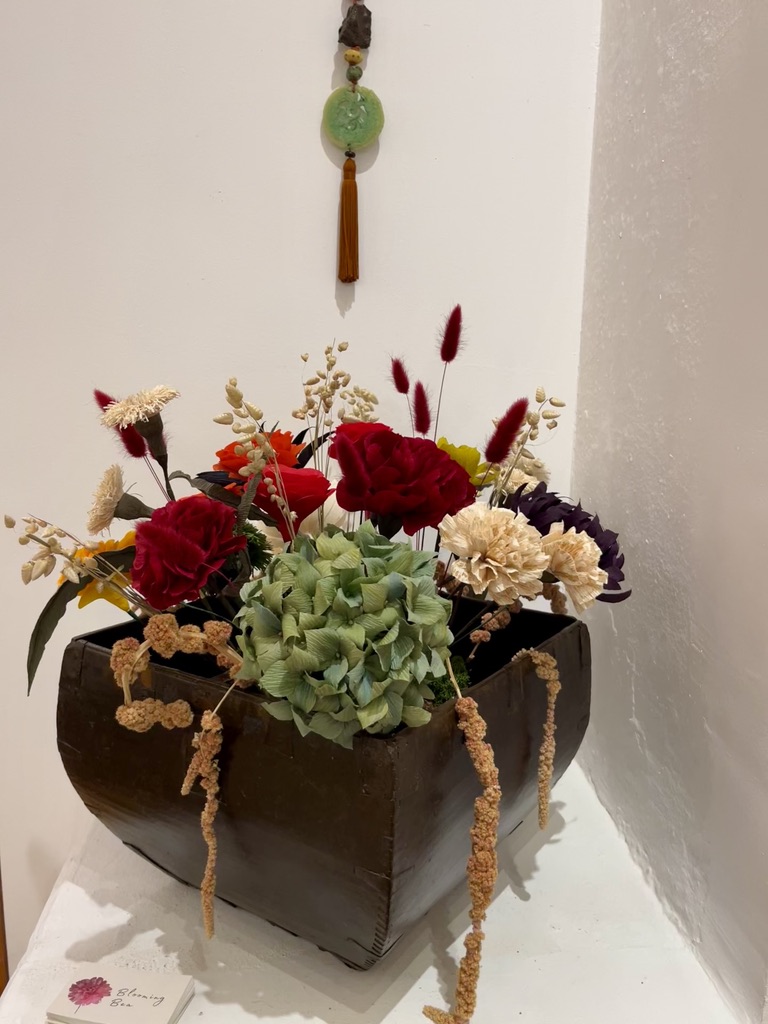
Each flower is entirely handmade, with great attention to detail and with the idea of bringing into homes — and any other space that can welcome it — a small fragment of nature, reinterpreted through imagination.
Can you talk to us a bit about the challenges and lessons you’ve learned along the way. Looking back would you say it’s been easy or smooth in retrospect?
One of the main challenges I have faced — and still face — with Blooming Bea is turning a creative passion into a sustainable business.
Building awareness and communicating the value of handmade work. Paper flowers are still a relatively niche product, and one of the biggest challenges is helping people understand their value. Each flower requires many hours of work, attention to detail and craftsmanship, and communicating the difference between a handmade creation and a simple decorative object is essential.
Finding the right customers. In the beginning, most of my customers came from my personal network. One of the challenges is now reaching people beyond friends and acquaintances and building a wider audience that appreciates handmade products, understands their value and is willing to invest in them.
Balancing time, production and pricing. Every flower is handmade, petal by petal, which makes each creation unique but also very time-consuming. Finding the right balance between the hours required to create a piece, its final price and what customers are willing to pay is one of the most important challenges of the business.
Creating a consistent flow of sales. Demand for decorative and handcrafted products can be seasonal and unpredictable. Building more stable revenue streams is therefore an important objective, combining different opportunities such as private commissions, weddings and events, collaborations with shops and hospitality businesses, corporate projects and workshops.
Shipping delicate creations. Paper flowers are lightweight but delicate, so packaging and shipping require particular care. Finding solutions that protect the creations while remaining aesthetically consistent with the brand and economically sustainable is another challenge, especially when considering expansion beyond the local market.
Alright, so let’s switch gears a bit and talk business. What should we know about your work?
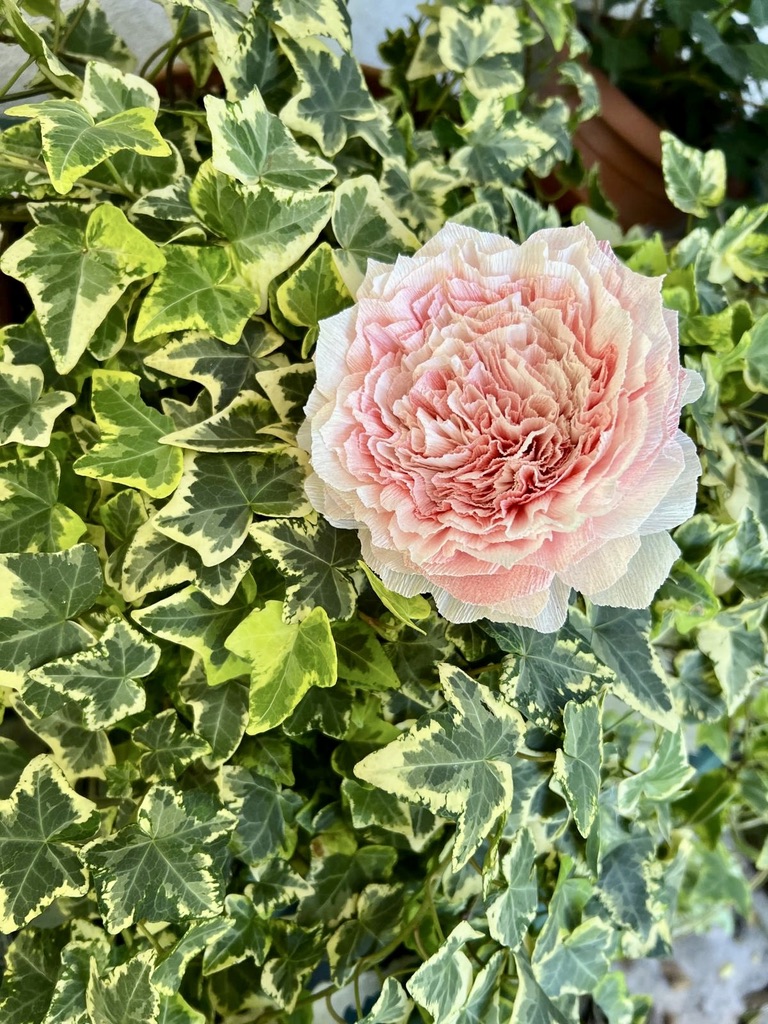
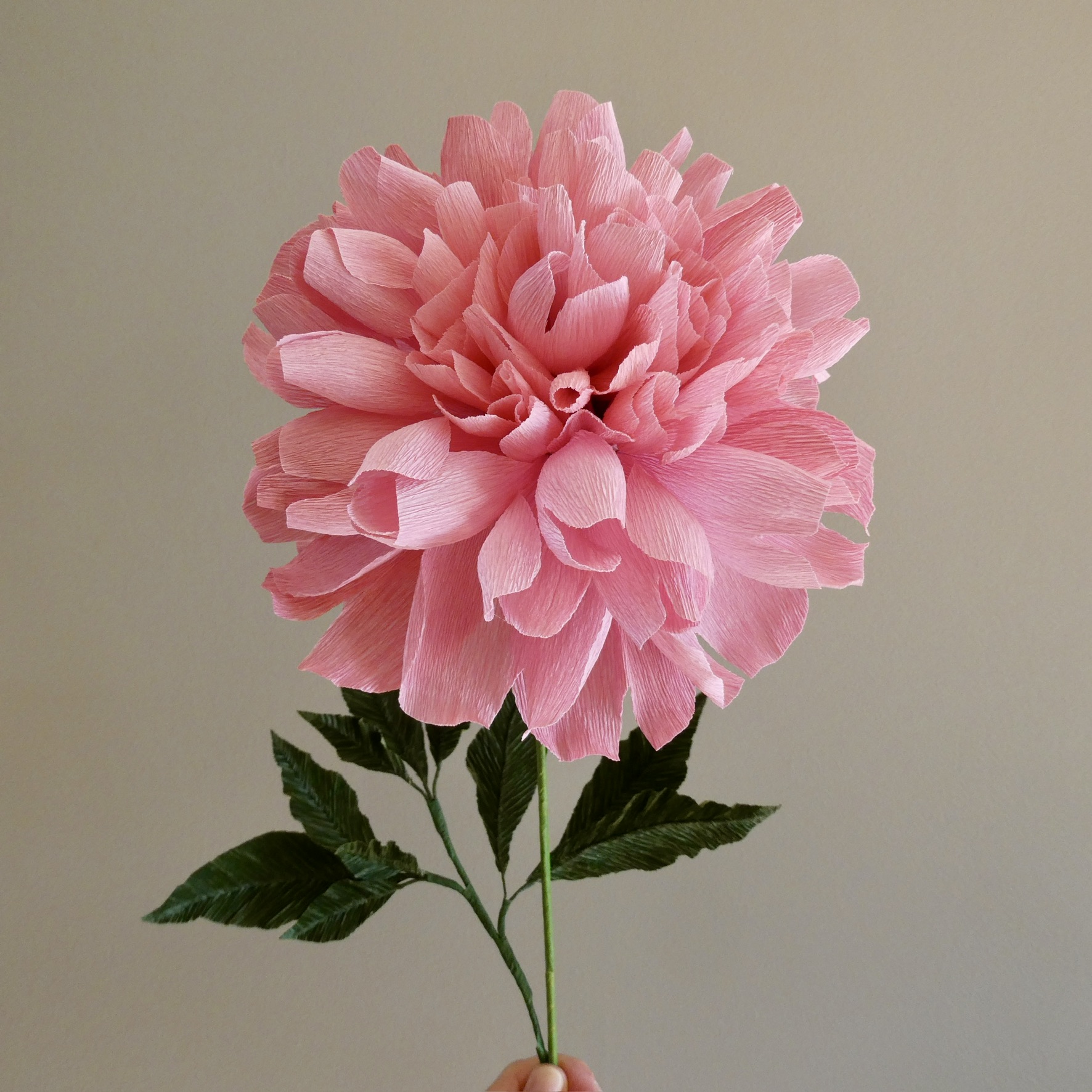
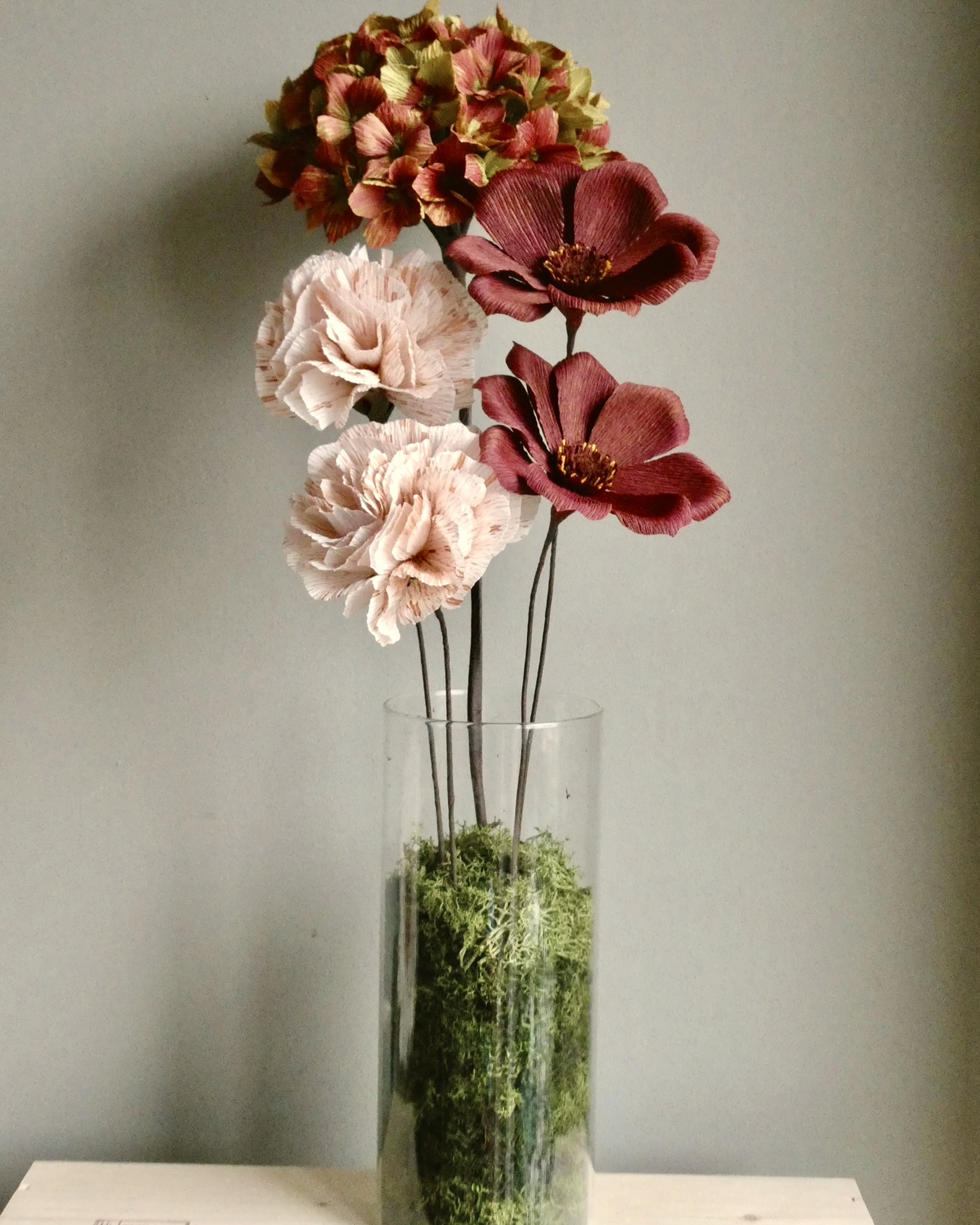
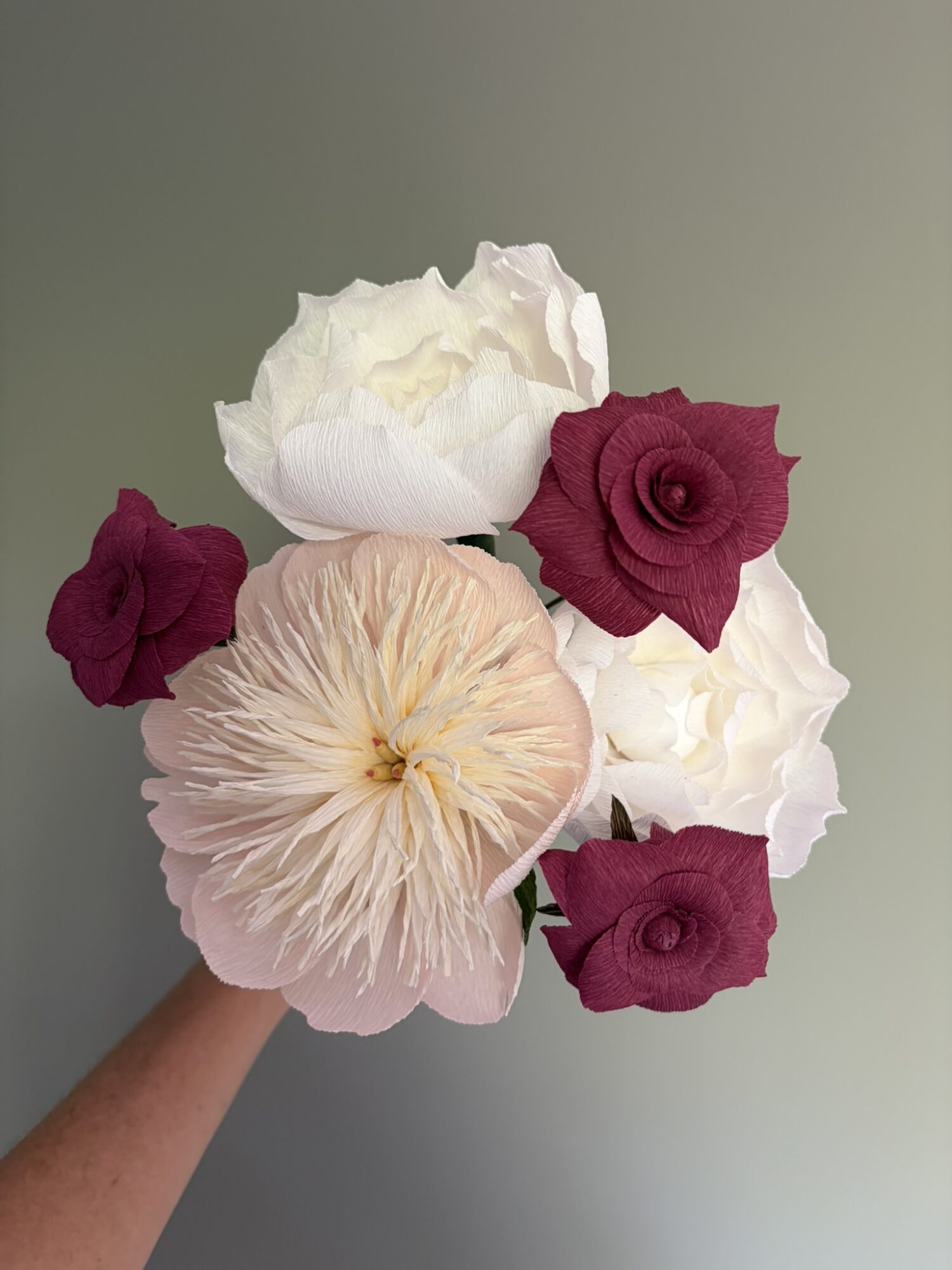
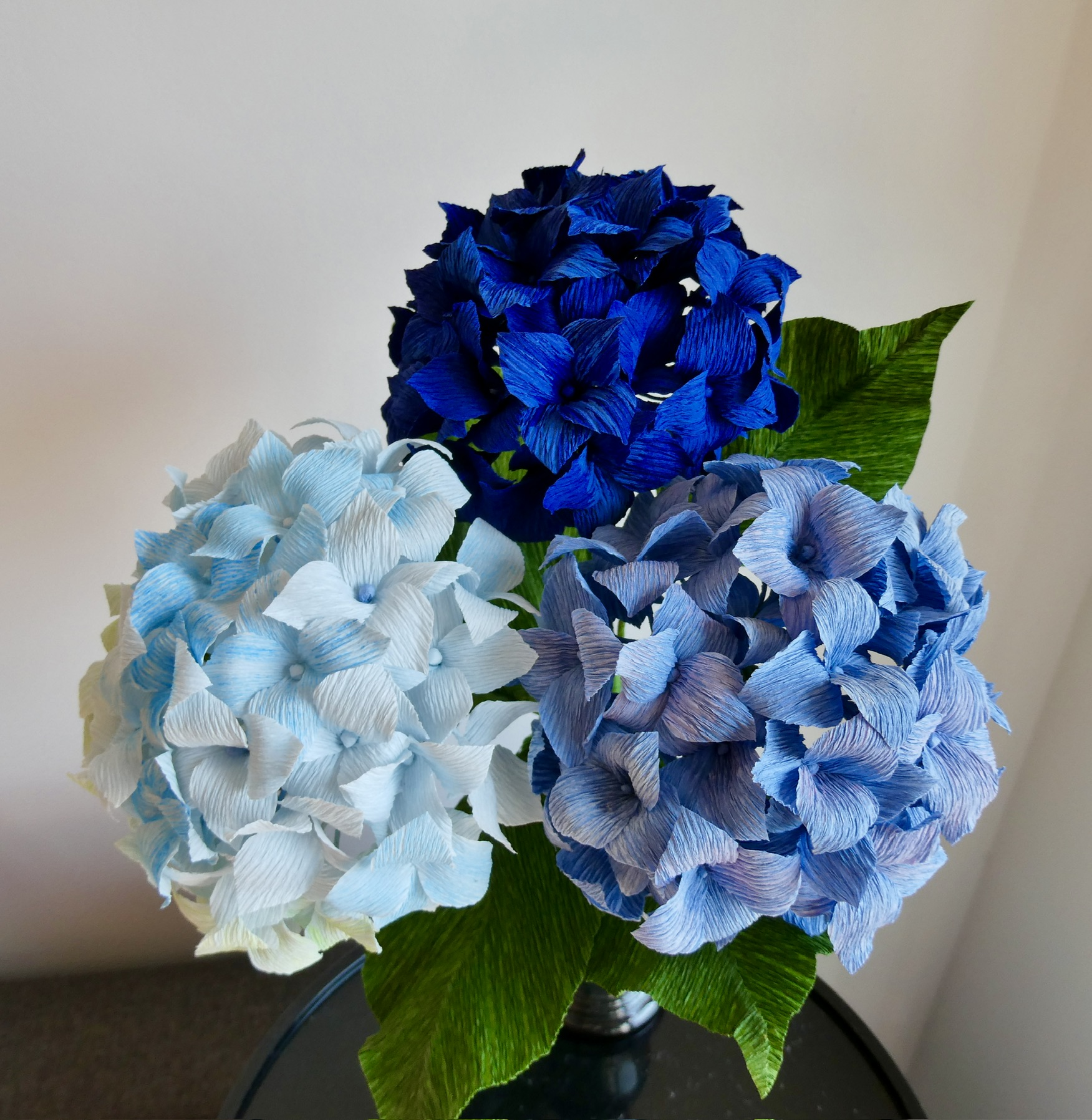
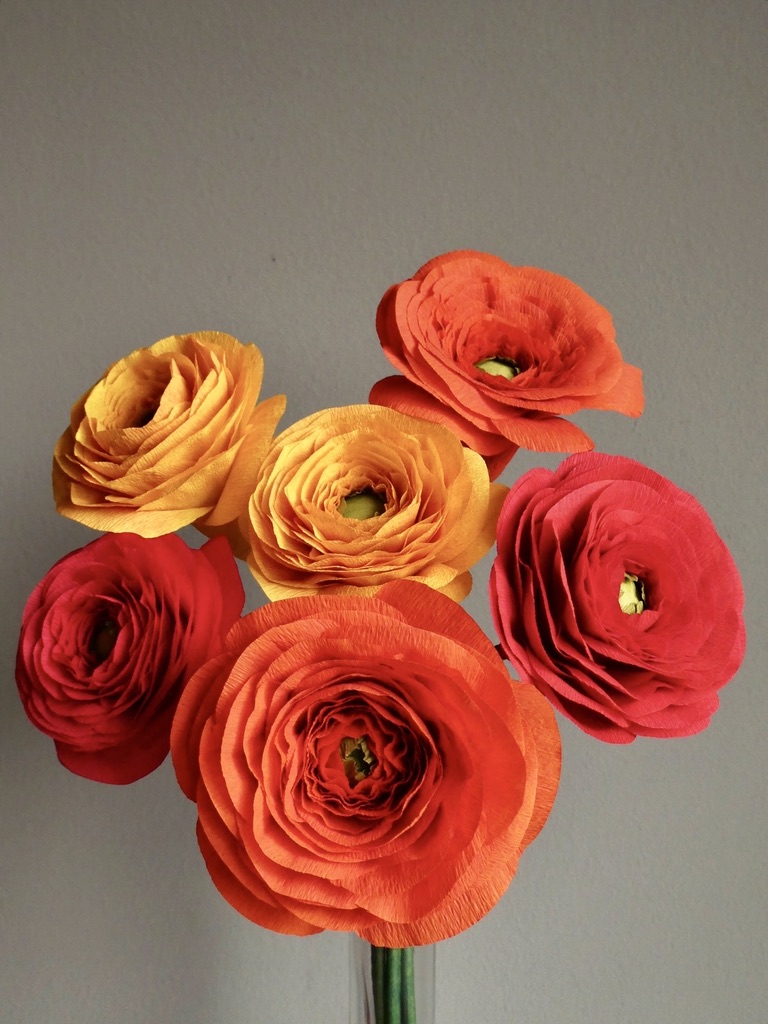
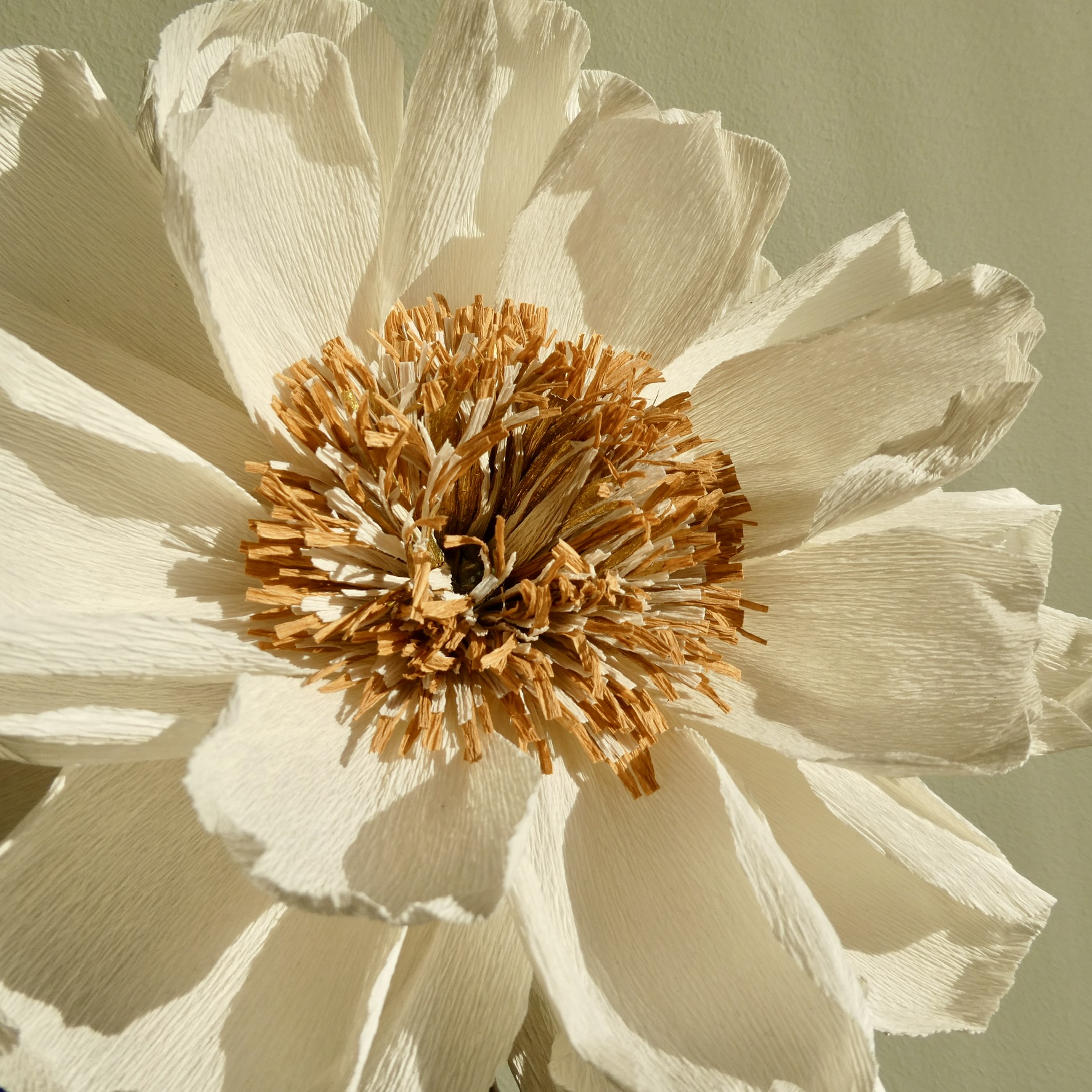
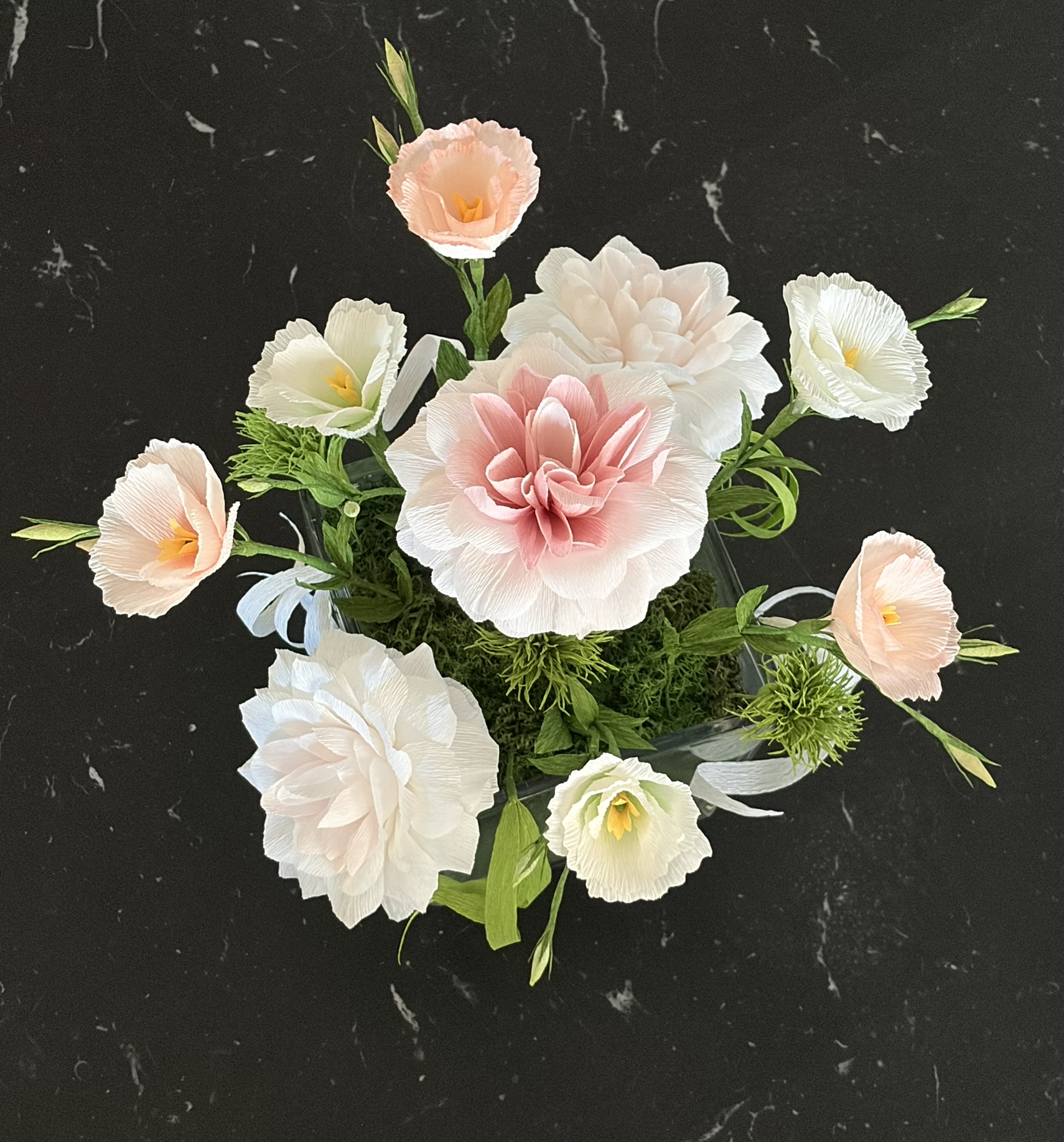
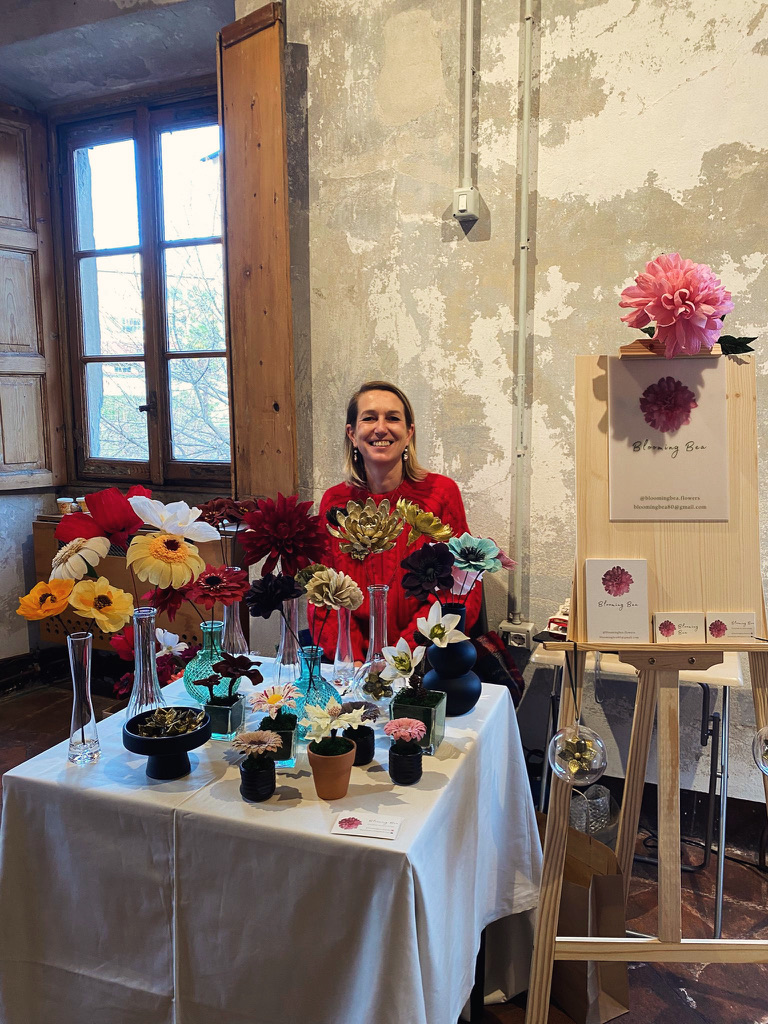
With Blooming Bea, I create realistic flowers and floral compositions entirely by hand using crepe paper.
My work starts with observing real flowers, their shapes, colours, textures and even the way petals naturally bend or move, and then trying to recreate that feeling through paper. I cut, shape, colour and assemble every element by hand, petal by petal.
I specialize in bespoke creations, from single flowers and small arrangements to bouquets, centrepieces, wedding flowers, event decorations and larger installations. I also create custom pieces for businesses and hospitality spaces, and I will run workshops where I share the techniques behind paper flower making.
What probably characterizes my work most is the attention to realism and detail. I love when someone looks at one of my flowers and, for a moment, wonders whether it is actually made of paper. At the same time, my goal is not to create a perfect copy of nature. I like to leave room for interpretation, playing with colours, proportions and combinations to create something that feels natural but also has its own personality.
Customization is also a very important part of Blooming Bea. Because everything is handmade, I can adapt colours, varieties, sizes and compositions to a specific person, space or occasion. This means that every piece can tell a different story.
What I am most proud of is probably the journey itself. Blooming Bea started almost by chance, from curiosity and from my personal need to reconnect with creativity, nature and working with my hands. Seeing that first experiment gradually become a real project, and seeing people choose my flowers to celebrate important moments, decorate their homes or give to someone they love, is incredibly rewarding.
I also love the idea that these flowers can stay with people for a long time. They do not replace fresh flowers; they offer a different way of experiencing them. They can be kept, rearranged, given a new purpose or simply become part of a space and its memories.
Perhaps this is what sets Blooming Bea apart: the combination of realism and imagination, craftsmanship and personalization. Every flower takes time to make, and no two will ever be exactly the same.
For me, the beauty of handmade work lies precisely in that uniqueness.
What makes you happy?
What makes me happy today is something I probably didn’t fully appreciate before: having time that truly feels like my own.
After more than twenty years working in communications and advertising, in a very fast-paced environment where days were shaped by deadlines, meetings and other people’s schedules, changing direction completely has allowed me to rediscover a different relationship with time and, in many ways, with myself.
Working with my hands has played a huge part in that. There is something incredibly grounding about sitting at my table and creating something from a simple piece of paper. You cannot really rush a flower: you have to cut, shape and assemble it petal by petal. It requires patience, attention and presence. And I think that process has taught me to slow down too.
Today, being able to organize my days differently, to follow the natural rhythm of creative work and to give myself the time to observe, experiment and make things with my hands makes me genuinely happy.
Of course, running my own business comes with its own pressures and uncertainties, but they feel very different. I have regained a sense of ownership over my time and my choices that is extremely valuable to me.
Perhaps the most important thing is that, through this new chapter, I feel I have found my way back to myself, to my creativity, my curiosity and to a slower, more intentional way of living and working.
And that, more than anything, makes me happy.
Contact Info:
- Website: https://www.bloomingbea.com/
- Instagram: https://www.instagram.com/bloomingbea.flowers