





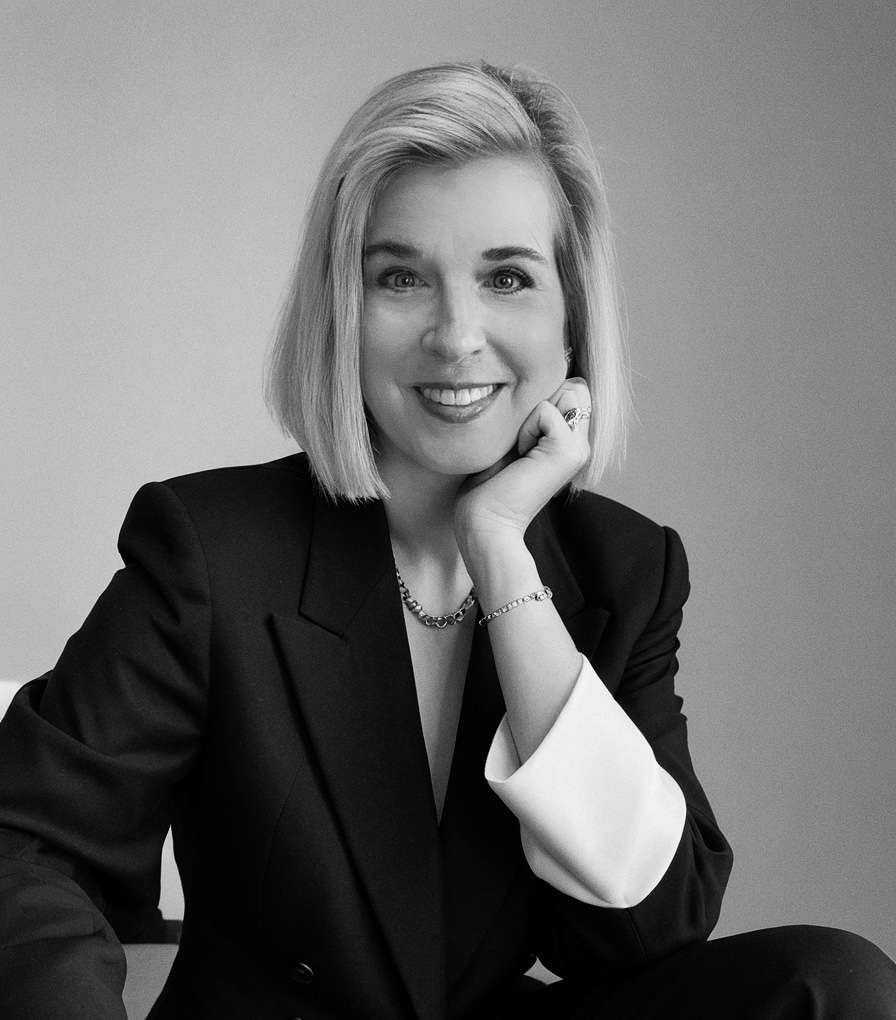
Today we’d like to introduce you to Christi Dickey.
Hi Christi, so excited to have you with us today. What can you tell us about your story?
Today my work focuses on helping high-performing professionals move out of survival mode and into intentional leadership. Many of the people I work with are capable, driven, and deeply committed to their work, yet they find themselves exhausted, overlooked, or stuck in patterns of over-responsibility and people-pleasing.
Through my coaching practice, Platinum Performance, I help mid-career professionals and emerging leaders redesign the internal and external conditions that shape their behavior so they can lead with clarity, confidence, and coherence.
My work is built around three core pillars.
Nervous system regulation.
When someone is operating in chronic stress or survival mode, their decision making narrows and they default to reactive patterns that keep them overextended. Learning how to regulate the nervous system creates the stability needed for clear thinking, better boundaries, and stronger leadership presence.
Identity work.
Many professionals are still operating from outdated internal stories about who they are allowed to be, how visible they can become, or what success should look like. When identity shifts, behavior begins to follow. This work helps people examine those internal narratives and intentionally choose the identity they want to lead from moving forward.
Behavior change.
This is where my background in applied behavior analysis and learning science comes into play. Real change rarely happens through motivation alone. It happens when we redesign the environments, reinforcement patterns, and daily systems that shape our behavior. Small but strategic shifts in these areas can create powerful long-term transformation.
When these three elements begin working together, people often experience a profound shift in how they show up. They stop reacting to the pressures around them and begin leading from a place of alignment and intention.
The goal is not simply external success or promotion. It is helping people create coherence between how they work, who they are becoming, and the impact they want to have.
My earlier career as a speech-language pathologist, program coordinator, special education administrator, adjunct professor, and Community of Practice chair gave me a front-row seat to the complexity of human behavior and leadership systems. Those experiences continue to inform the work I do today as I help professionals move from burnout and misalignment into sustainable leadership.
We all face challenges, but looking back would you describe it as a relatively smooth road?
Like most meaningful work, the path has not been completely smooth. One of the biggest challenges has been navigating major professional transitions while staying aligned with what I knew my work was evolving toward.
After more than three decades working in complex systems such as healthcare and public education, stepping away from a stable leadership career to build something new required both courage and clarity. When you move from established institutions into entrepreneurial work, you are no longer operating within familiar structures. You have to create your own systems, your own rhythm, and your own definition of success.
Another challenge I often speak openly about is the pressure many high-performing professionals place on themselves. Throughout my career I was often the person others relied on when things were difficult. While that can be a strength, it can also lead to patterns of over-responsibility and constant problem solving for everyone else. Learning to shift from carrying everything to leading with intention and boundaries has been an important part of my own growth.
In many ways, those experiences are what shaped the work I do today. I understand firsthand how easy it is for capable, committed professionals to become stuck in survival mode while trying to hold everything together.
Those challenges ultimately reinforced something I now teach in my coaching work: sustainable leadership requires alignment between your nervous system, your identity, and the environments shaping your behavior. When those elements come back into coherence, people often discover a level of clarity and effectiveness that had been buried under years of pressure and responsibility.
Looking back, the obstacles were not detours. They were the experiences that clarified the work I am meant to do.
We’ve been impressed with Platinum Performance Coaching, but for folks who might not be as familiar, what can you share with them about what you do and what sets you apart from others?
Platinum Performance is a coaching and leadership development practice designed for high-performing professionals who feel overworked, overlooked, or stuck despite being capable and committed to their work. I often describe my work as helping capable people redesign the invisible systems shaping their leadership.
Many of the people I work with are the stabilizing force in their organizations. They are the ones others turn to when things go sideways. Yet behind the scenes they are often carrying too much responsibility, struggling to set boundaries, or quietly wondering why their effort has not translated into the influence or advancement they expected.
My work helps these professionals step out of survival mode and into intentional leadership.
What makes Platinum Performance different is that the work does not focus on motivation or surface-level productivity strategies. Instead, it addresses the deeper systems that shape human behavior and leadership capacity.
The framework is built around three core pillars: nervous system regulation, identity alignment, and behavior change.
Nervous system regulation helps leaders move out of chronic stress and into a more grounded state where clearer thinking and stronger decision making become possible. Identity work helps individuals examine the internal narratives that influence how visible they allow themselves to be, how they lead, and how they define success. Behavior change draws on my background in applied behavior analysis and learning science to redesign the environments, reinforcement patterns, and daily systems that shape how people actually show up in their work and lives.
When these three elements begin working together, people often experience a significant shift in how they lead. They stop reacting to the pressures around them and begin operating from a place of alignment, clarity, and confidence.
One of the things I am most proud of about the Platinum brand is that it brings together two worlds that are often kept separate: rigorous behavioral science and deeper work around identity and meaning. Sustainable leadership requires both.
Through offerings such as the 90-Minute Strategic Reset and longer coaching engagements, my goal is to help professionals reconnect with their capacity to lead in a way that is both effective and deeply aligned with who they are becoming.
Are there any important lessons you’ve learned that you can share with us?
One of the most important lessons I have learned is that self-awareness alone is not enough to create meaningful change.
Many people spend years reflecting on who they are, what they value, and what they want their lives or careers to look like. That kind of awareness is incredibly important. The ancient idea of “know thyself” still holds tremendous wisdom. But insight by itself rarely changes behavior.
Real transformation happens when awareness is paired with an understanding of how behavior actually works.
Our nervous system, our environments, and the patterns of reinforcement we experience every day shape our actions far more than motivation or good intentions. If those systems remain unchanged, people often find themselves repeating the same patterns even when they intellectually understand what needs to shift.
Over time I came to see that sustainable growth requires the integration of both perspectives. We need the deeper identity work that helps us understand who we are becoming, but we also need the practical tools of behavioral science that help translate that identity into consistent action.
When awareness and behavior design begin working together, change becomes far more natural and sustainable. Instead of relying on willpower, people start creating environments and habits that reinforce the person they are becoming.
That integration between identity and behavior is the foundation of the work I do today.
Contact Info:
- Website: https://www.platinumperformancecoaching.org/
- Instagram: https://www.instagram.com/platinum_performance_coaching/
- Facebook: https://www.facebook.com/PlatinumPerformanceCoach/
- LinkedIn: https://www.linkedin.com/in/christidickey
- Youtube: https://www.youtube.com/@PlatinumWithChristi