





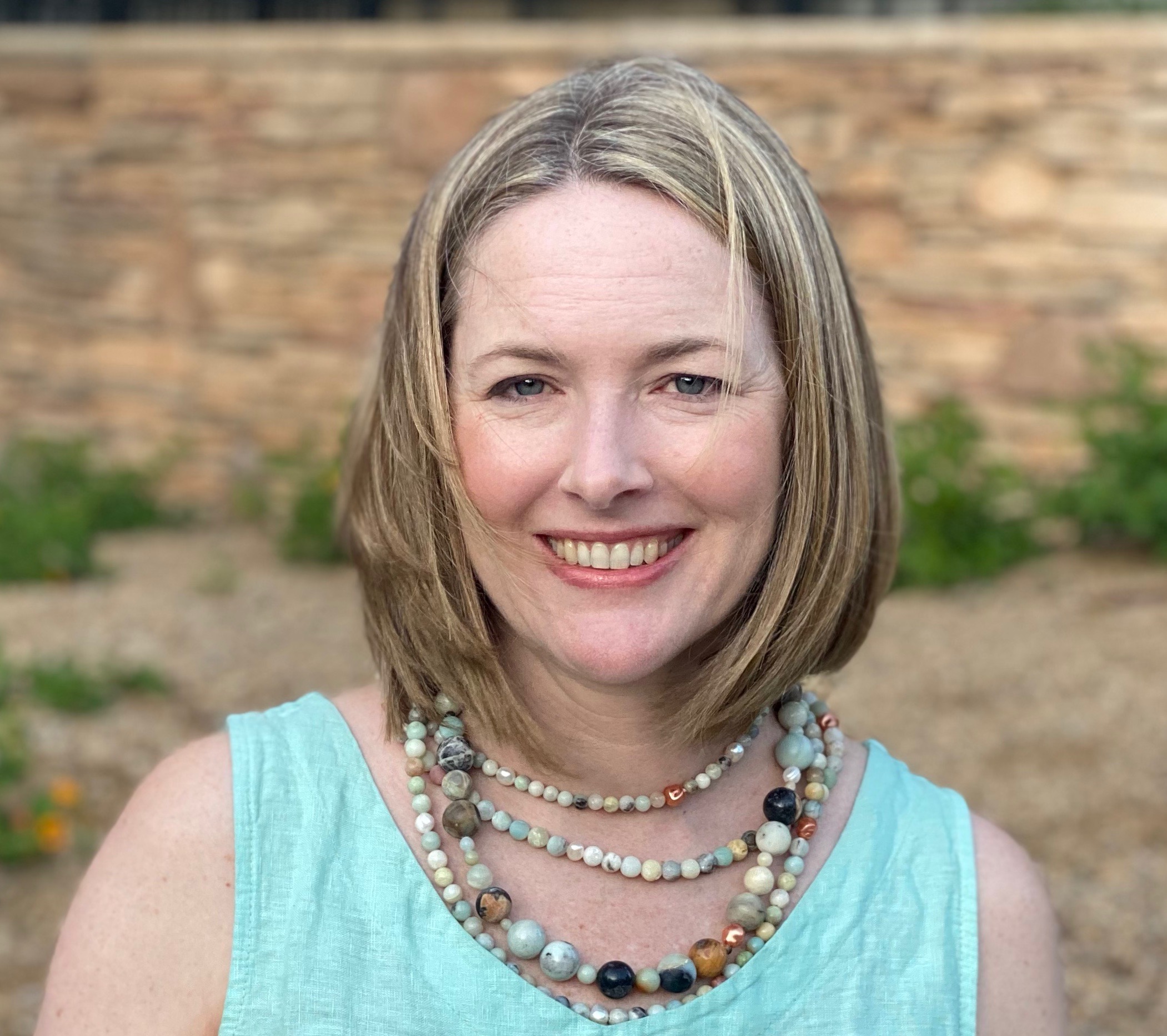
Today we’d like to introduce you to Rebecca Eldredge.
Hi Rebecca, so excited to have you on the platform. So before we get into questions about your work-life, maybe you can bring our readers up to speed on your story and how you got to where you are today?
Many people wonder how a white lady like me developed a focus on serving people from historically marginalized and underappreciated identities. Like any story, there are multiple layers that unfolded upon one another over time.
For example, consider my first “real” job out of college…working as a live-in houseparent for a boys home in Detroit. I was a 22 year-old white girl and I was unexpectedly assigned as lead parent in a home for up to 6 African-American boys between the ages of 11-17! Cooking, cleaning, chauffering them to school and activities, helping oversee homework and teenage decision-making….all while an established colleague from another home made it clear from the start that I was not welcome.
While I initially felt overwhelmed and hurt, in many ways, she was right to disapprove of my hire. I was drastically underprepared for the cultural needs and experiences of the boys. It was a steep learning curve! Despite that, the boys and a couple dedicated Americorps volunteers assigned to the home created a year that was transformative. The boys taught me so much about life, love, and laughter…not to mention music and dancing! They knew hardship, and they knew how to find and create joy.
Almost 30 years later, they still hold such a special place in my heart and in my journey.
That year reaffirmed my desire to pursue a doctoral degree in psychology… now with a multicultural focus. I wanted to be prepared to welcome and serve anyone who wanted my services in ways that were safe and supportive of their needs.
The year in the boys home built upon my earlier foundation. I was raised in a family and church that emphasized love, service, and belonging for all. These early lessons were backed up with real-world experiences, such as service projects working alongside people from different places and backgrounds locally, with a sister church in Southside Chicago, or with Habitat for Humanity projects in Appalachia.
And, like most people I talk with, there were early personal experiences of being excluded and not fitting in.
Because I’ve always been highly sensitive, I credit these formative moments with sensitizing and attuning me to the more pervasive experiences of others’ marginalization. The more aware I became of the systemic and (sometimes) unconscious biases that create ongoing exclusion, and the more people let me into the private world of their thoughts, feelings, and experiences, the more essential it became to continue learning, growing, and developing spaces and relationships that foster genuine psychological safety.
With an over 20 year focus on multicultural issues, I have been fortunate in so many acts of trust. From working with hundreds of diverse clients in private therapy and coaching, to teaching graduate students in multicultural counseling courses, to developing and delivering cultural trainings, to working with refugee resettlement groups, the multicultural lens provides both the foundation and the ongoing template for humility and service.
I’ve also witnessed many shifts in the national and corporate discourse on diversity over these decades.
In recent years, these shifts lead me to recognize the deficit in genuine support for the socially conscious leaders, healers, and changemakers…those who shoulder the heavy burdens of working to address injustice while so often being impacted by it themselves. In response, my speaking, facilitations, and signature small-group, Chrysalis Collective, have been tailored to decrease the toll of emotional labor, empower compassionate and effective (though challenging) conversations, and deepen self-compassion so leaders and their organizations can deliver their greatest impact without sacrificing themselves in the process.
There is power in being seen. And, I am full of gratitude to all those who allow me the privilege to see them clearly…who they really are, what they have overcome, and how they transform as they discard the myths and lies society has tried to lay on them. My work continues to feel like a calling…something that doesn’t quite make sense…and yet that I cannot imagine (and wouldn’t want) any other way.
Alright, so let’s dig a little deeper into the story – has it been an easy path overall and if not, what were the challenges you’ve had to overcome?
Ahh, well, if you know the nature of injustice and changemaking, you know this work is not a smooth or linear process! 🙂 That said, the challenges have been both personal and systemic.
On the personal side, struggles have often involved personal loss. Within 3 years we lost 4 central family members…people who had been part of my core family life since childhood. They were all very special to me…3 of them were within about 6 months of each other! Then, a few months later, my mom suffered a fall and a TBI (traumatic brain injury). We were not sure if she would survive, or in what state she would be. Caregiving became central, and I paused everything aside from family and serving existing clients. I was drawing on everything I know, everything I use to support others, and I needed to allow myself the same self-compassion to adjust and adapt. Thankfully, my mom made a miraculous recovery over the past year and I’ve been able to open up more of my work again as a result. I’m enormously grateful on both counts!
In comparison, my other personal struggles are mundane. For instance, I experience resistance to anything and everything that hints at sales or marketing! I love to deliver the services and long to focus all my energy there – that is what I trained for and that is where my strengths are best suited! However, as a solopreneur, it’s a catch-22; I need to let people know the services exist before I can enjoy the chance to deliver them!
That means marketing is an ongoing area of struggle and growth. As both an introvert and psychologist, I’m wary of most of the typical methods. For example, we are not permitted by our ethics code to seek testimonials or reviews from therapy clients. This surprises people, but it makes sense because a core focus is protecting the confidentiality and trust of the therapeutic relationship, which necessitates avoiding anything that could be used to pressure, manipulate, or influence our clients. I’m also fairly private and enjoy time away from screens. Add to that my general dislike of social media, and you can begin to see my challenge!
On the systems side, the challenges are probably obvious…I’m working in the context of hundreds of years of injustice. There is an immense amount of harm and deep, intergenerational pain that is baked into systems and everyday life. Not everyone is willing to address this, or even acknowledge it. As a nation, we haven’t equipped ourselves to handle the discomfort of these sensations, to explore differences, and to trust in our ability to move through the distress effectively. We haven’t collectively experienced the priceless benefits of doing so! (It’s one of the reasons I love offering the Step into Your Moxie® vocal empowerment solutions, which uses a fun, effective, and experiential approach to empower people to move through the sensations as they speak up, influence, and call others to take action for the ideas and issues that matter).
Then, there are certainly people with healthy suspicion and/or disapproval of me, as a white woman, in this type of work. After all, women like me have done more than our share of damage. I always encourage people to be intentional in choosing who is a safe person and setting for transformational work, so while this could be seen as a struggle, I also view it as a natural and healthy part of the process. I don’t need to be the right choice for every person or organization. I just want people to know that the services exist so they can make the decision about what’s right for them.
Sadly, the other systemic struggles include the barriers to prioritizing wellbeing…for individuals and for organizations. Even for those who want to address it, there is a question, often, of resources and priorities, of their worth and value, and of whether it is acceptaple to set aside time and resources for themselves when there is such a pervasive message of self-sacrifice. Too often wellbeing and maximizing impact are seen as separate, competing priorities rather than being understood and integrated as complementary.
This impedes both individuals and organizations from choosing services, speakers, and programs that make a longstanding, transformational impact rather than applying temporary bandaids to the visible, surface-level issues.
Appreciate you sharing that. What should we know about Feel Deeply, Live Completely?
For two decades as a licensed psychologist, I’ve focused on integrating multicultural issues into my work with clients, university departments, organizations, and refugee programs. Broadly, as a therapist, speaker, coach, and facilitator, I apply my mental health expertise and passion for social justice in service of those who give so much of themselves to others.
As the founder of Feel Deeply, Live Completely, I tailor services to support wellbeing for socially conscious leaders, changemakers, and their organizations so they can engage in tough conversations, decrease the toll of emotional labor, and deliver their greatest impact without sacrificing their health, joy, or confidence in the process.
With my doctoral training and multicultural specialization, I deliver services that are psychologically and culturally sound. I incorporate neuroscience and somatic approaches into how we take care of ourselves and each other, engage with difficult sensations, and improve communication, relationships, and systems to foster inclusion, belonging, and safety for all people.
Through my speaking and facilitation engagements, participants increase time in their calm, clear, and connected state, they recover more quickly from setbacks, communicate more effectively, improve their problem-solving and creativity, and expand psychological safety for others.
Participants in my speaking and workshops share, “This not only feels and sounds good, but it is the first time where I can also use it in my everyday life.” And, to be honest, they’re surprised that I can be so “nice” and calming and yet facilitate tough conversations and create spaces of genuine safety and healing.
I’m passionate about facilitating small group spaces that center wellbeing for people from marginalized identities in addition to programming that increases psychological safety throughout a group or organization.
One of my signature services is the Chrysalis Collective, designed especially for Black women and those with marginalized identities, in which an intimate cohort of changemakers comes together for support, coaching, and refuge.
Chrysalis is for those who shoulder the burdens of injustice and changemaking with so little support. It’s a space for participants to shelter as they release the weight of constant demands, navigate personal grief, and reconnect with their energy, clarity and voice. It’s for women who want to better navigate through their days, set boundaries, and establish self-care that works for them.
If you’ve ever heard of a mastermind focused on business growth, this is a similar format but focused on whole person growth and transformation. It allows participants to talk about the things that there’s not usually a safe space or understanding for, and develop tools that sustain their health, joy, and impact.
Participants co-create a community that facilitates profound shifts in how they lead, heal and sustain themselves so they can show up in the world in the places and ways that matter most to them.
It’s a space for participants who want to continue to build their legacy in the midst of all the chaos. It’s one of the services I’m most proud of, because, as a past participant described, “If you are someone who values a safe space, empathy, and community support, Chrysalis is the perfect space for you to beat your wings and emerge as a butterfly.” And that is exactly what it was created for!
Can you talk to us a bit about happiness and what makes you happy?
There are so many things that bring me happiness….Here are a few.
Tears of happiness and wonder come to my eyes when I witness people engaging in genuine kindness and care for one another. I know it sounds cheesy, but that is what I love and long to see more and more of. When I see examples of it, I am reconnected to hope and faith that we can continue to overcome fear and hate in solidarity with one another.
My daughter is also a source of continuous joy…laughter, silliness, and remembering that there is so much more to this world than we can comprehend. Her example, along with the love of friends and family, lights up my life.
I find great peace and comfort in nature. Growing up and now living again in northern Michigan, I appreciate the variety and diversity of the seasons and the reminders it affords. Nature seems to always be teaching me something about myself and the world around me. And it does so with such beauty! I find watching the water or sky especially soothing.
Music is another source of happiness. If all else fails on a bad day, I can select a song or style of music that fits exactly what I need, whether comfort, calm, inspiration, motivation, or otherwise.
Contact Info:
- Website: https://rebeccaephd.com
- Instagram: https://www.instagram.com/dr.rebecca_feel_deeply/
- LinkedIn: https://www.linkedin.com/in/rebecca-a-eldredge-phd/
- Other: https://rebeccaephd.com/innercalm