





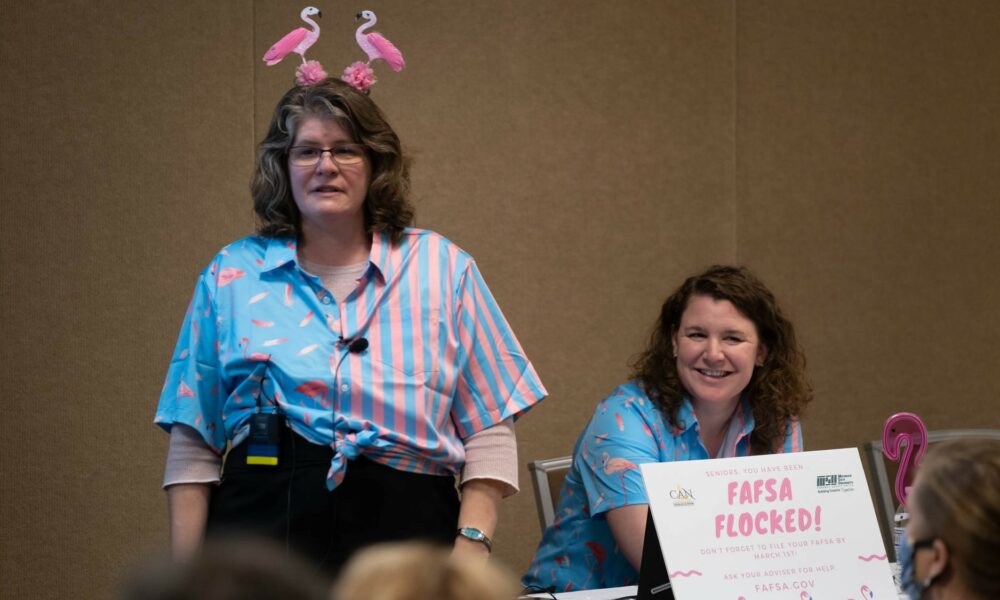
Today we’d like to introduce you to Michele Strasz.
Hi Michele, please kick things off for us with an introduction to yourself and your story.
My name is Michele Strasz. I am a career child advocate working in children’s public policy since college. I am a graduate of Michigan State University, James Madison College where I studied public policy. I have my master’s in public administration from Western Michigan University. My policy expertise ranges from early childhood, maternal and child health, school health, child welfare, and now college access. I have spent my entire career in the nonprofit sector leading programs, associations, and organizations that foster the health, education, and well-being of children and their families.
I am currently the Executive Director of the Capital Area College Access Network (CapCAN). I provide strategic leadership to our community collaborative to increase postsecondary attainment of our region of Ingham and Eaton counties. CapCAN began as a small grassroots coalition in Lansing to increase the Lansing School District’s college attainment as they were also introducing the Lansing Hope and eventually Promise scholarships. My predecessors were consultants along with an AmeriCorps VISTA who did direct service helping Lansing School District students with college applications and FAFSA.
In 2013, our coalition decided to scale across Ingham County and received a grant from the Michigan College Access Network (MCAN) to plan. The name changed from LCAN to CapCAN. In 2014, I was hired full-time to implement the plan to scale. Our board now includes representatives from business, K-12, higher education, nonprofits, philanthropy, government, and parents. We use a collective impact framework to review our data, explore ways we can align programs and resources, and leverage partnerships. CapCAN merged with Eaton County CAN in 2018. We raise funds to expand college advising into schools across the region serving nearly 2700 seniors annually through intensive college advising. The advisers are all AmeriCorps members providing one on one college navigation support including applications, FAFSA financial aid, and scholarships.
We all face challenges, but looking back would you describe it as a relatively smooth road?
I have been very fortunate to have remained in my chosen career of child advocacy for 35 years. As a college student, I thought I would become an attorney focusing on child welfare law. I was required to do an internship with Children’s Charter of the Courts, a child welfare advocacy organization, where I learned I did not need to be an attorney to impact the lives of children through policy advocacy. I have always been in the right place at the right time leveraging my relationships and experience to new job opportunities. Having said that the work is not without its challenges.
Working in the nonprofit sector is not always easy. Long hours, often poor pay, politics at all levels, raising funds during recessions, managing boards of directors, and in recent years managing staff needs through and after a pandemic have been difficult. One of the hardest times in my career came when I was a brand-new executive director. The nonprofit I was leading was informed when I was six months on the job that it had lost its 501(c)3 status from the IRS. Apparently, we did not submit our 990-tax form correctly for four years. The IRS “deactivates” nonprofit status if you do not submit this 990 form after a few years. This meant that we could not fundraise, we had to return a grant, and eventually, we had to lay off some staff. It took our organization, six months to have our status restored retroactively, as a new leader, I had to learn on the fly, manage a crisis, and try to convince people to continue to have faith in me and our organization. It was an exhausting experience on many levels resulting in my board and I agreeing to go our separate ways. I almost walked away all together from the nonprofit sector.
I was lucky that my network of friends and colleagues supported me during the recovery of my confidence, loss of a job, and uncertainty whether I would ever work as a child advocate again. My financial planner who had known me from early days in legislative advocacy suggested that the executive director job with the Capital Area College Access Network was a good fit for me. When I went in for my initial interview, I was fearful about what would happen. Like getting on a bike again after you fall off! But as I spoke with the coalition members and learned about the job, I knew it was the right fit for me. Eight going on nine years later, I still love the work I do helping students in our community find their path and opportunity through postsecondary education!
Alright, so let’s switch gears a bit and talk business. What should we know?
The Capital Area College Access Network, or CapCAN for short, is dedicated to increasing postsecondary attainment in Ingham and Eaton counties to 60% by 2030. This is a national goal, but we are a local coalition of leaders, advocates, practioners, and consumers who believe that postsecondary attainment is critical for our economy. We define college as any postsecondary degree or credential after high school. Seventy percent of the jobs in our region require more than a high school diploma. These jobs provide family-sustaining wages lifting people out of poverty. Therefore, it is imperative that we help families understand that life-long learning is important to their children’s future.
We specialize in helping high school students to explore college, technical credentials, and apprenticeships as they plan for their future. We provide students with college advising to navigate the steps to education including how to apply, complete their financial aid, and find scholarships. We are very proud of our annual FAFSA Flocked campaign to encourage students to complete the FAFSA (Free Application for Federal Student Aid). FAFSA is the door to financial resources to afford college. Our Flamingo Mascot is visible all over the community from November until March 1 promoting FAFSA Flocked in social media, digital advertising, and on the walls of area high schools.
CapCAN’s strength is the partnerships we leverage with our community. As we looked at our annual college enrollment data, we saw the stark disparities in graduation and postsecondary attainment among students with disabilities, particularly those who are neurodivergent (i.e. On the autism spectrum). We have partnered with K-12 counselors, Lansing Community College, and parents to provide opportunities for students with disabilities to explore and have a smooth transition to LCC. We host an annual event for these seniors called Ready for Launch where they get a customized orientation experience and tour of the campus.
CapCAN partners with businesses, higher education, and K-12 schools to create a college-going culture with a new initiative called the LaunchPAD (postsecondary access and development). We provide training on college-positive mentoring for any adult who mentors or supports a student with their educational goals. We host community workshops on college and career topics connecting the dots of how education impacts your career pathway. We support career-focused college tours and fairs to help students understand and explore their options. In 2022, we created the College Ambassador Summer Leadership Program where we provided a $500 stipend to 13 students to attend 6 weekly college-knowledge workshops, visit colleges to learn about the career pathways available to them, and share their insights with their peers on social media and back at school. We will expand the College Ambassador program in 2023 to 25 students adding a week-long tour of the 4 colleges in the Upper Peninsula and meet with the engineers of the Mackinac Bridge to learn about STEM and Natural Resource careers.
CapCAN knows that in order to reach our goal of 60% college attainment, we cannot forget about the needs of adults in our community. In 2017, we hired a college and career coach specializing on reaching the 7% of young adults up to age 25 who disconnected from work or school. This number has only grown since COVID. We partner with the state Reconnect Scholarship and Lansing Community College to help find and support young adults to take advantage of the new scholarship and go back to school.
To connect with CapCAN or request an appointment with a college and career adviser, please visit our website at www.capcan.org or email us at [email protected]. You can find us on social media (FB, Twitter, Instagram, LinkedIn, and TikTok) or view our curated content on YouTube.
We’re always looking for the lessons that can be learned in any situation, including tragic ones like the Covid-19 crisis. Are there any lessons you’ve learned that you can share?
The most important thing I have learned during the COVID-19 Crisis is to listen to the goals, dreams, and needs of students. Our organization, CapCAN, hosted focus groups, met with students, and conducted surveys to learn what challenges students were having and what they thought would be most helpful to support them in their educational journey. We have designed our new LaunchPAD initiative to meet them where they are at. Our staff spent more time out in the community at events, festivals, and concerts being visible along with investing in targeted digital advertising of our FAFSA Flocked Campaign and new Tik Tok videos on STEM careers at Lansing Community College.
Contact Info:
- Website: www.capcan.org
- Instagram: https://www.instagram.com/capcan_/
- Facebook: https://www.facebook.com/CapitalAreaCAN/
- Linkedin: https://www.linkedin.com/company/5376410/admin/
- Twitter: https://twitter.com/CapitalAreaCAN
- Youtube: https://www.youtube.com/channel/UC5EsXznKMLrQFMBXsNbWEhQ
- Other: https://www.tiktok.com/@capcancollegequestions
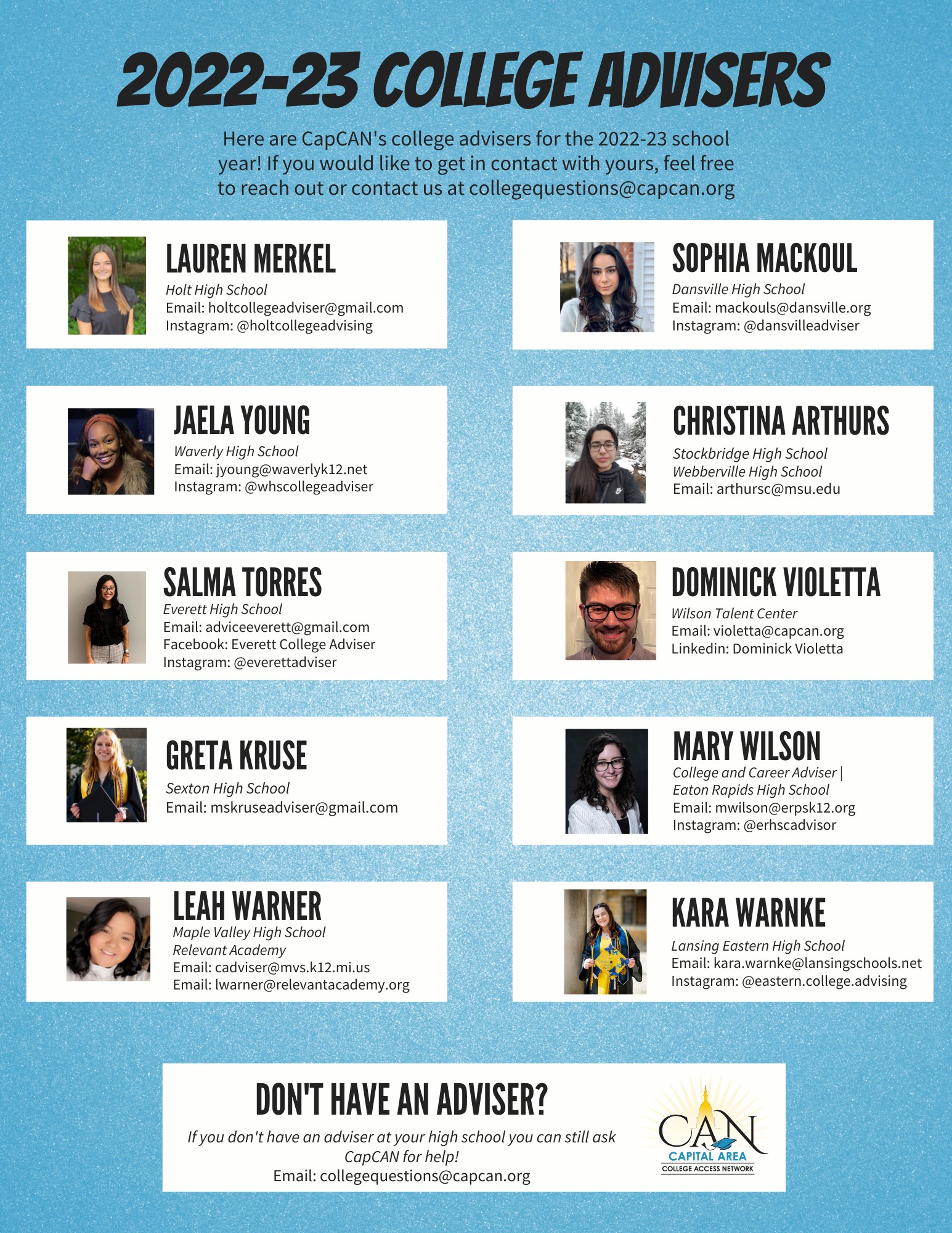
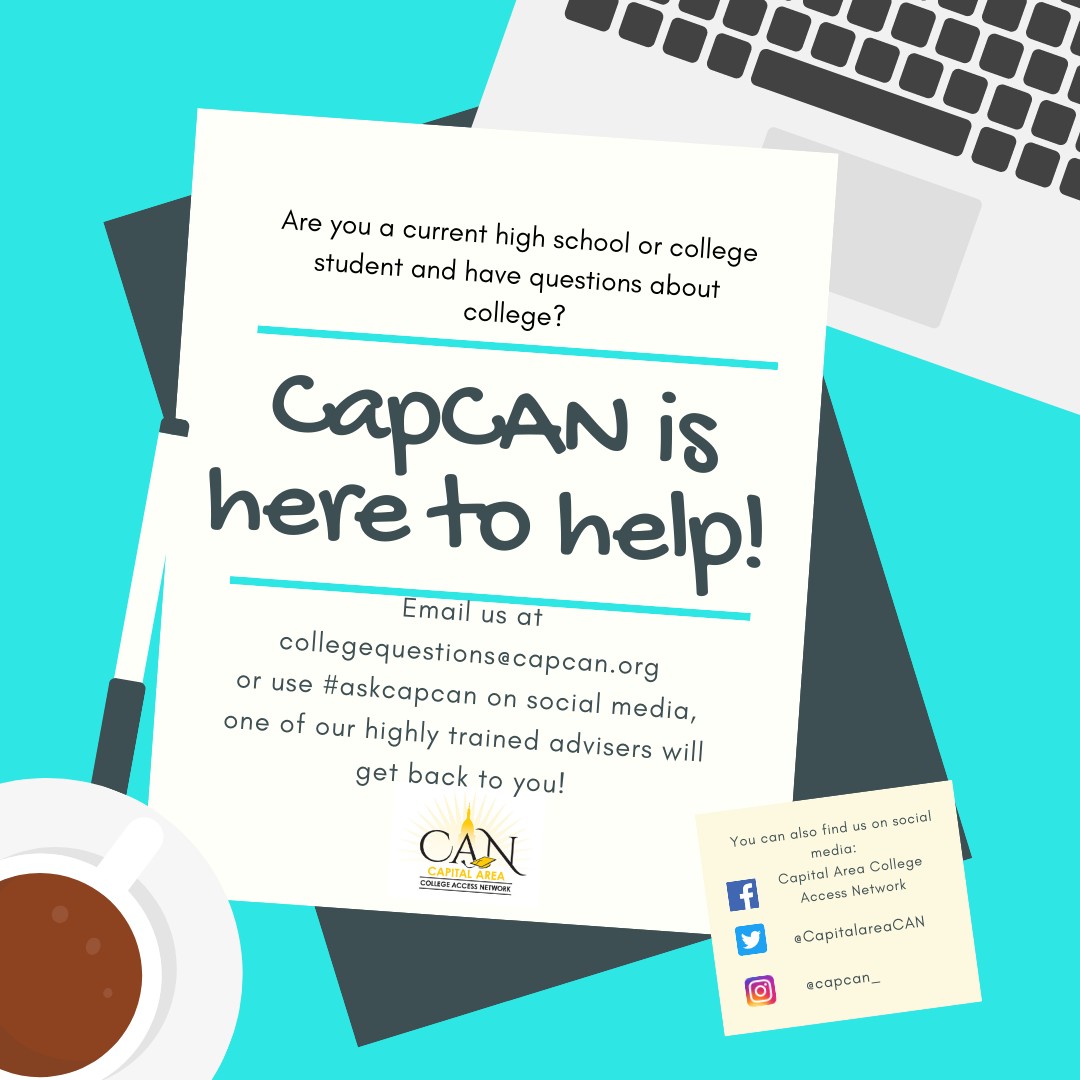
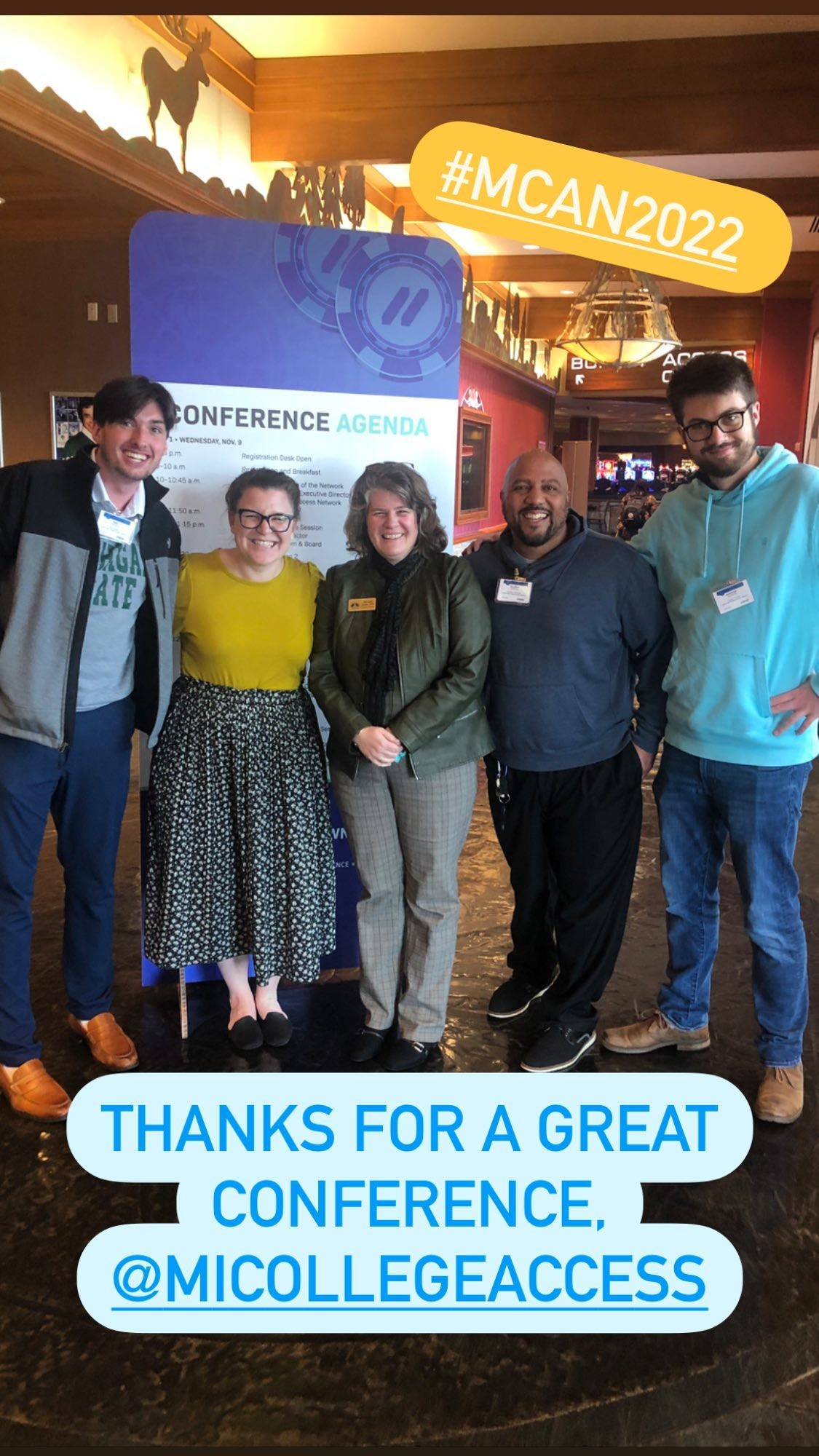
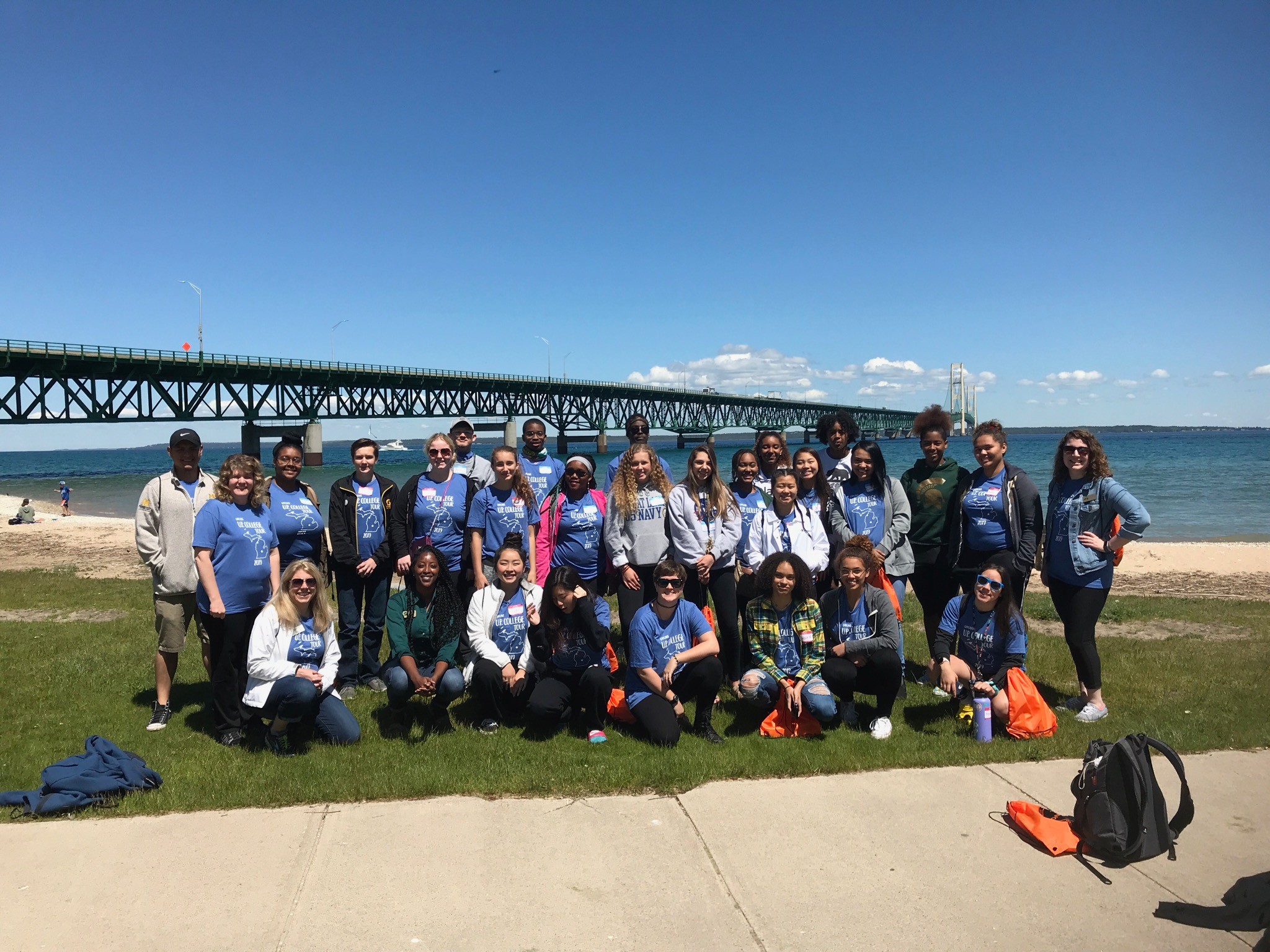
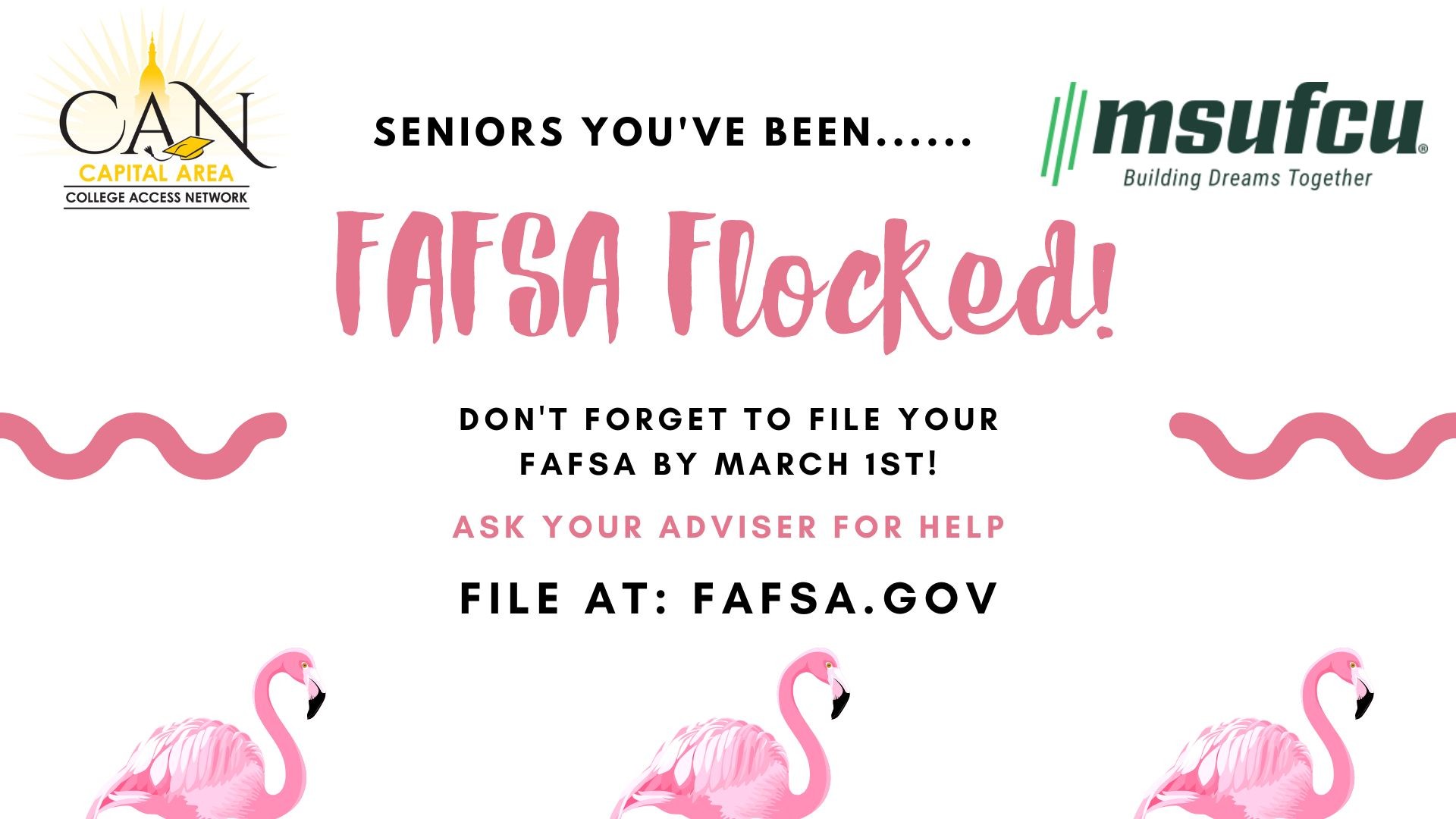
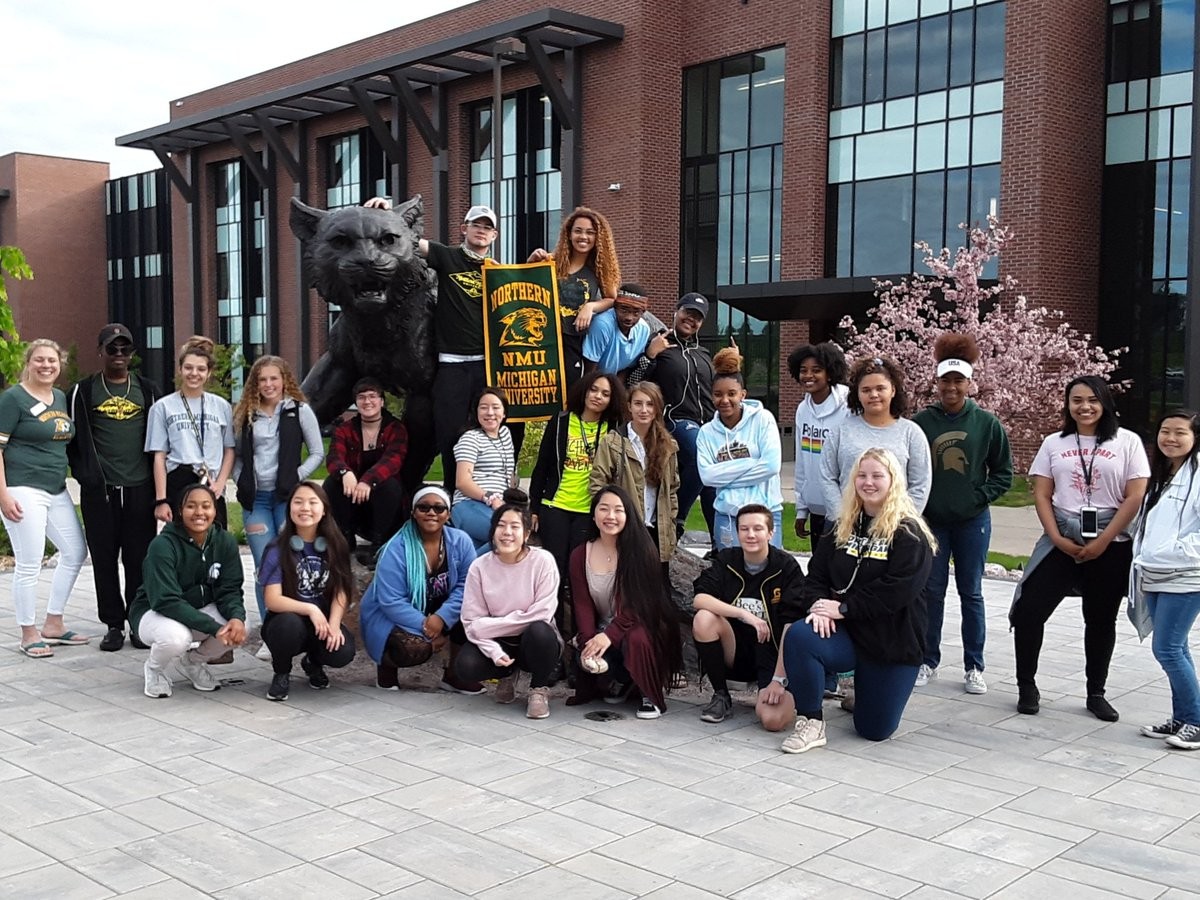
Image Credits
CapCAN