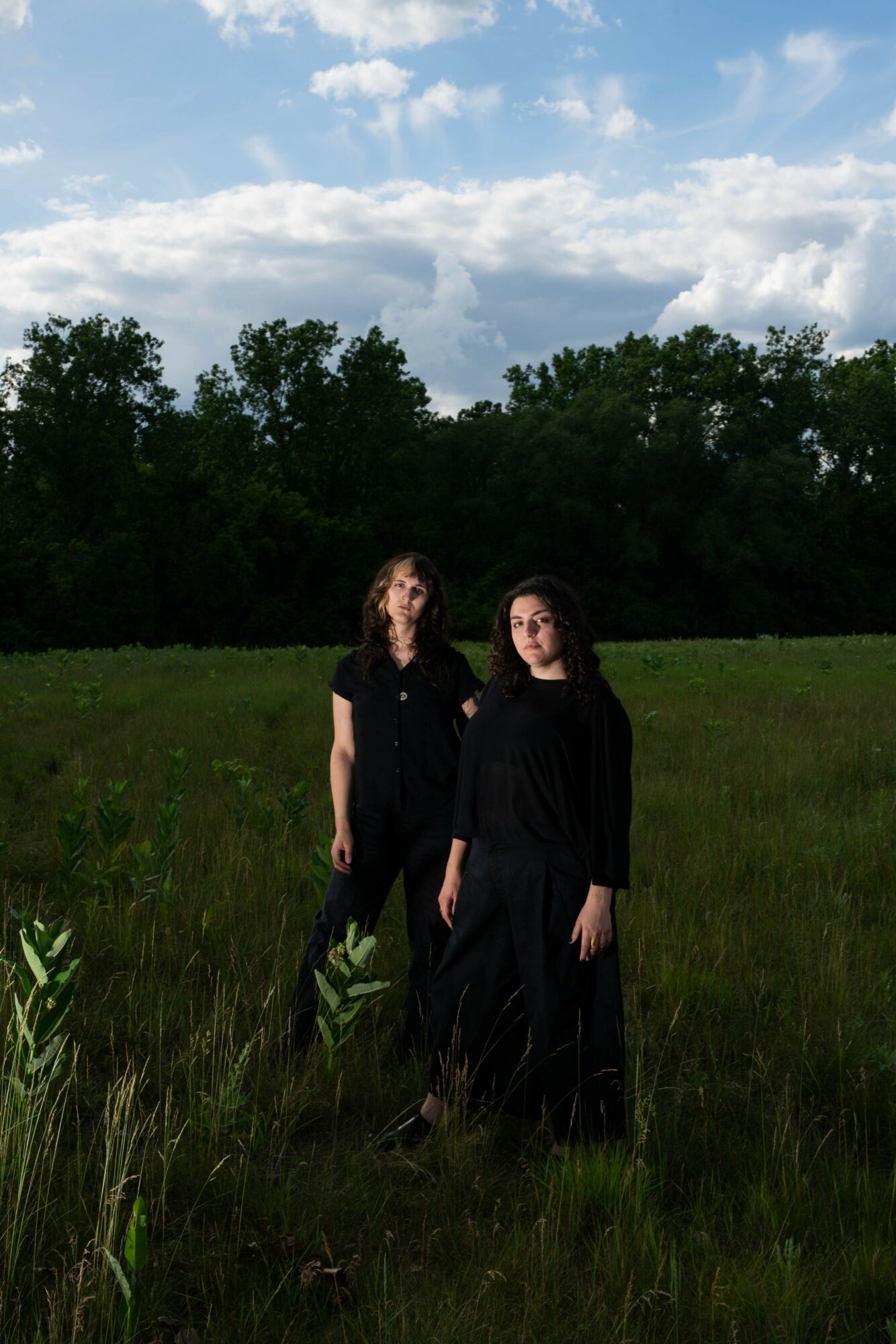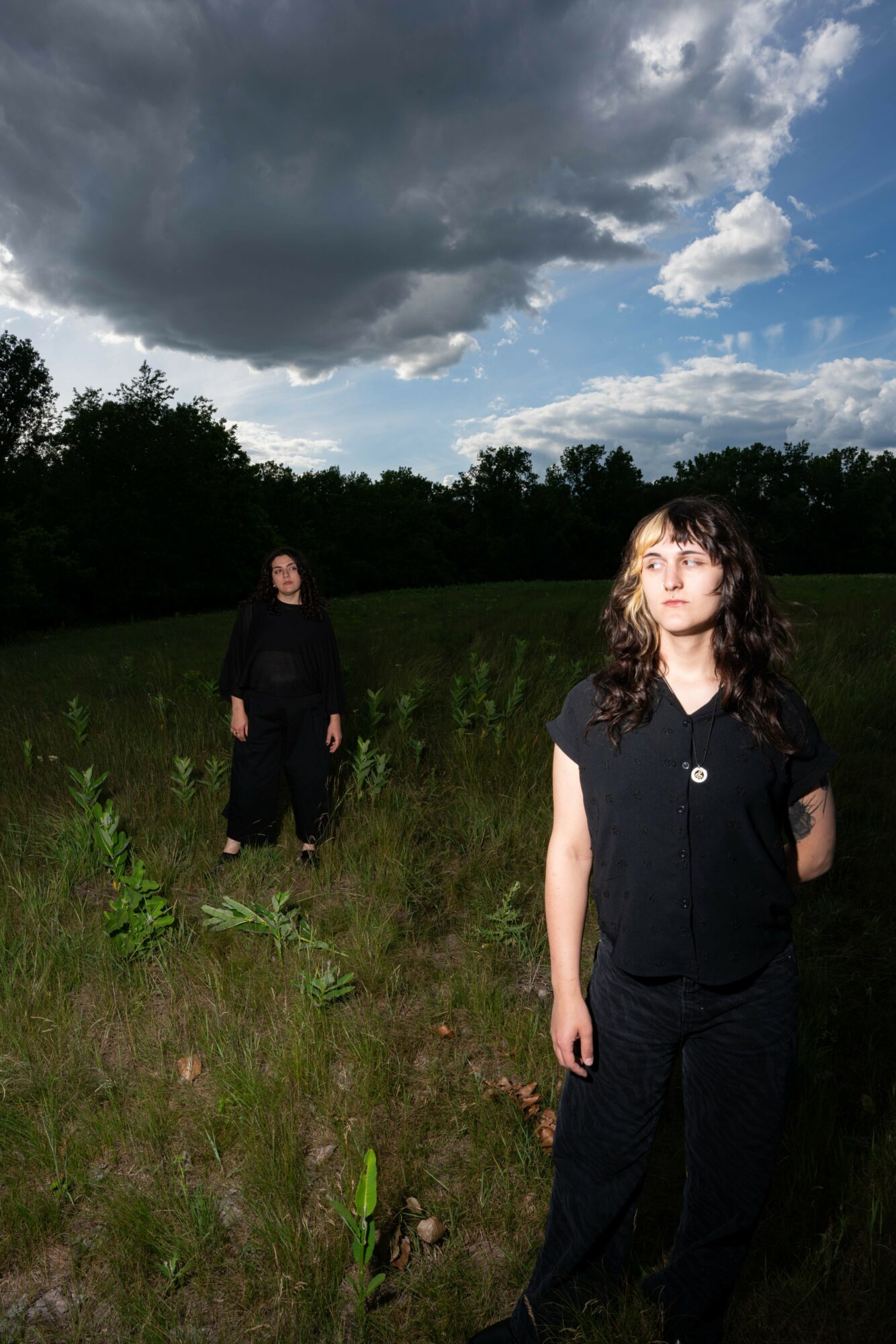





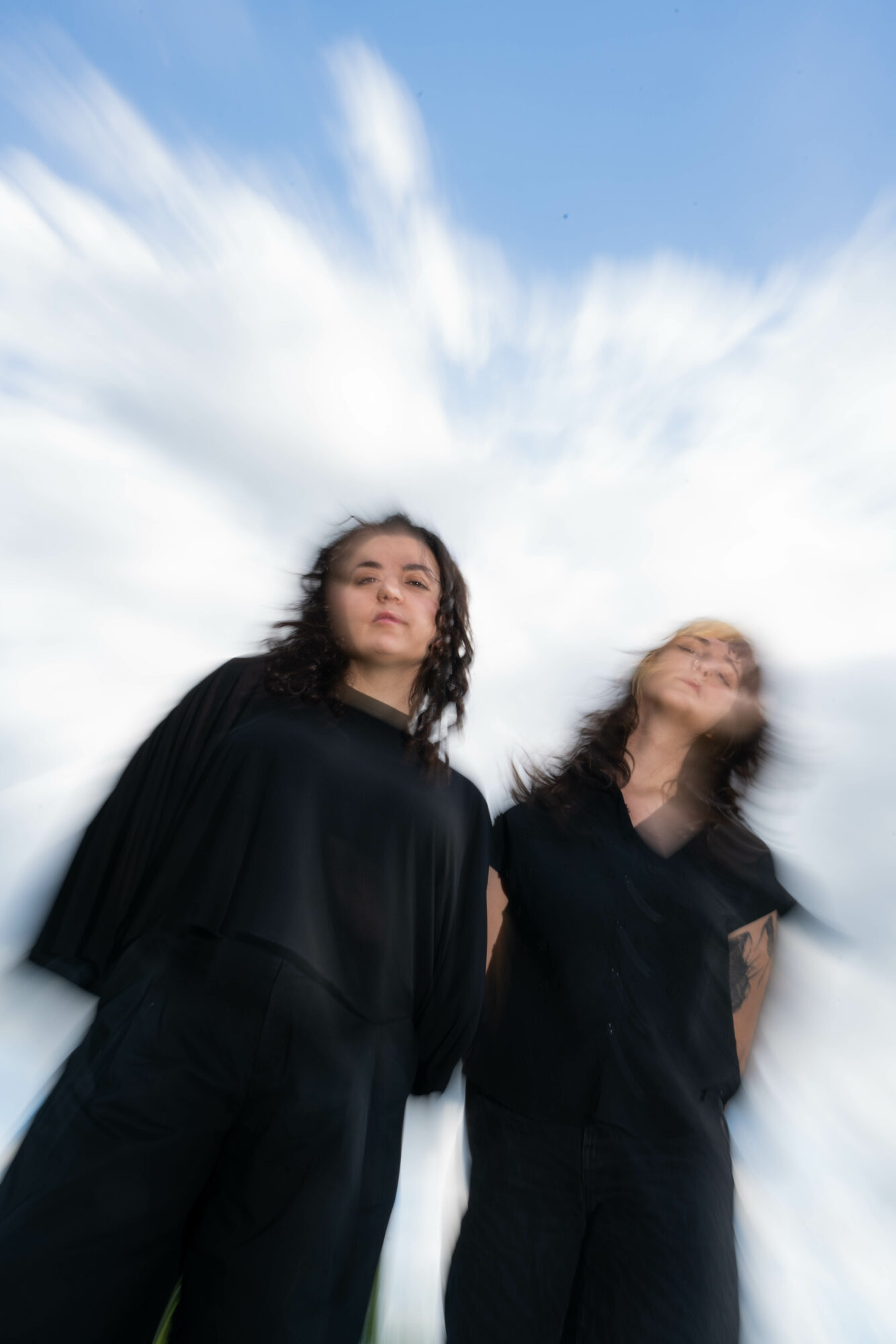
Today we’d like to introduce you to Taqsim.
Hi Taqsim, thanks for sharing your story with us. To start, maybe you can tell our readers some of your backstory.
Layan: We met while we were both studying music at Wayne State University. At that time, I had composed a piece for a concert and asked Yvonne to be the pianist. A few years later, there was an open call to Third Place [MusicFest], a local festival in Ann Arbor. I had been a fan of Yvonne’s electronic work and asked if she wanted to submit a project together. That festival became Taqsim’s debut show. It has been such a gift to integrate these soundscapes into live sets, song, poetry, film, and even the dance floor. Our project has taken us to new spaces we didn’t initially plan on, and life does the same thing. This project has felt like hands guiding us.
Yvonne: Layan had the initial concept for Taqsim already when she approached me; a semi-improvisational duo working off various traditional Arabic musical traditions. Taqsim, in Arabic, means improvisation. My mission at first was to just make and produce these songs with her, but it ended up turning into a really important place for musical expression and exploration. Taqsim quickly became our collaborative sound and spirit.
We all face challenges, but looking back would you describe it as a relatively smooth road?
Layan: Since beginning this project, we had been witnessing the ongoing genocide in Palestine, and the war in Lebanon. I have lost family, friends, and the homes my family and I grew up in. Carrying these losses while even attempting to create has been one of the toughest challenges.
Taqsim has become a space where I’ve learned to sit with this grief, along with an expression for a deep love for my home. Our music is deeply rooted in the simultaneous beauty of Arabic and Detroit electronic music and culture, honoring our history and ancestors while also reflecting on the realities our communities are facing.
Yvonne: Coming from a primarily western classical musical background, I had (and still have) so much to learn about Arab musical practices and cultures, as well as electronic performance and production. During my time at Wayne State, I focused on piano performance and composition, and the latter half of my studies became very focused on incorporating electronics in my music.
I’ve brought all of those skills and interests to this project as a way to deepen my musical interests as well as my understanding of my friend. I often struggle with how to express my voice in my own music, this project provides an open invitation for me to try and fail and try again until something sticks.
Appreciate you sharing that. What else should we know about what you do?
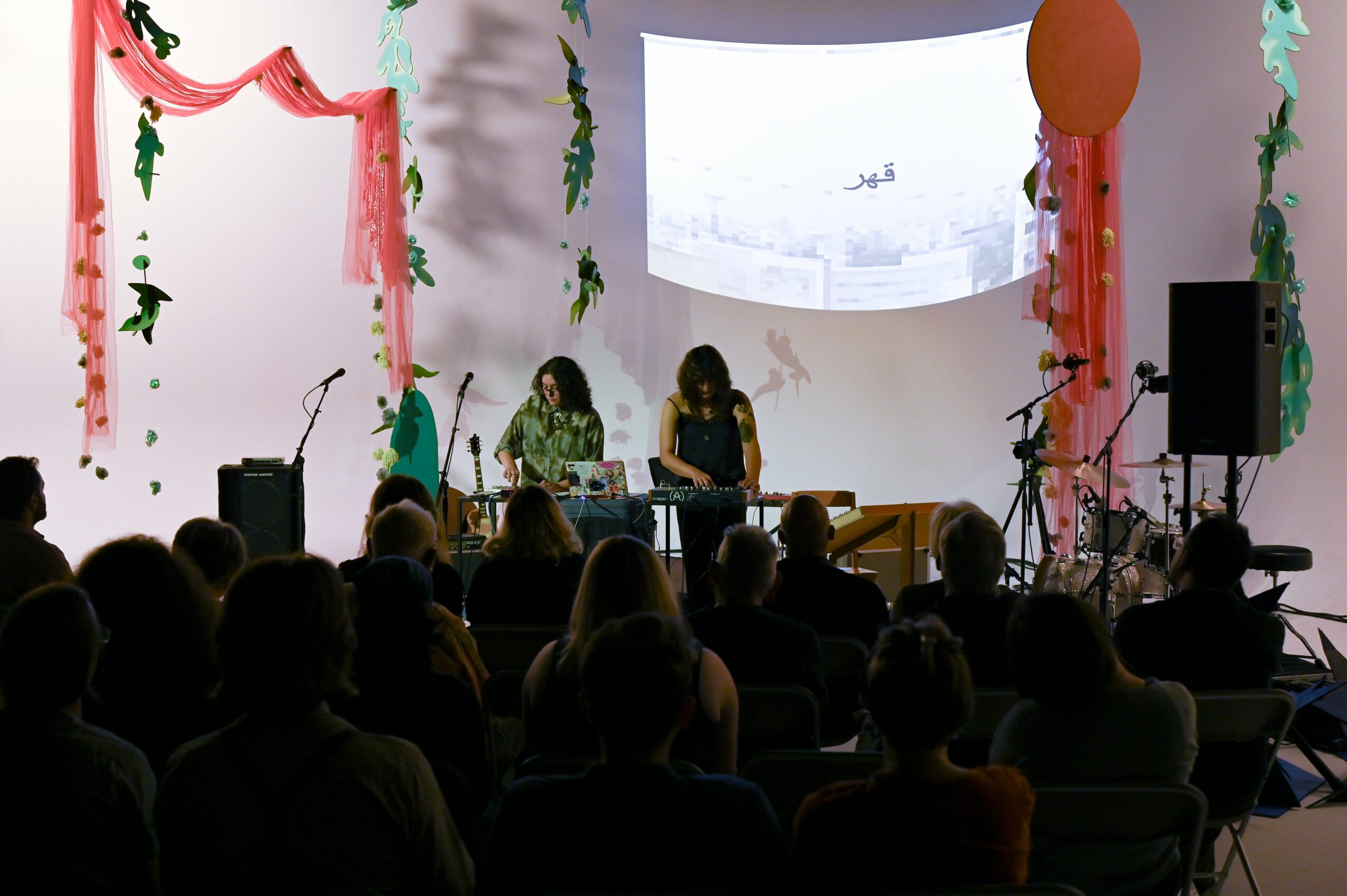
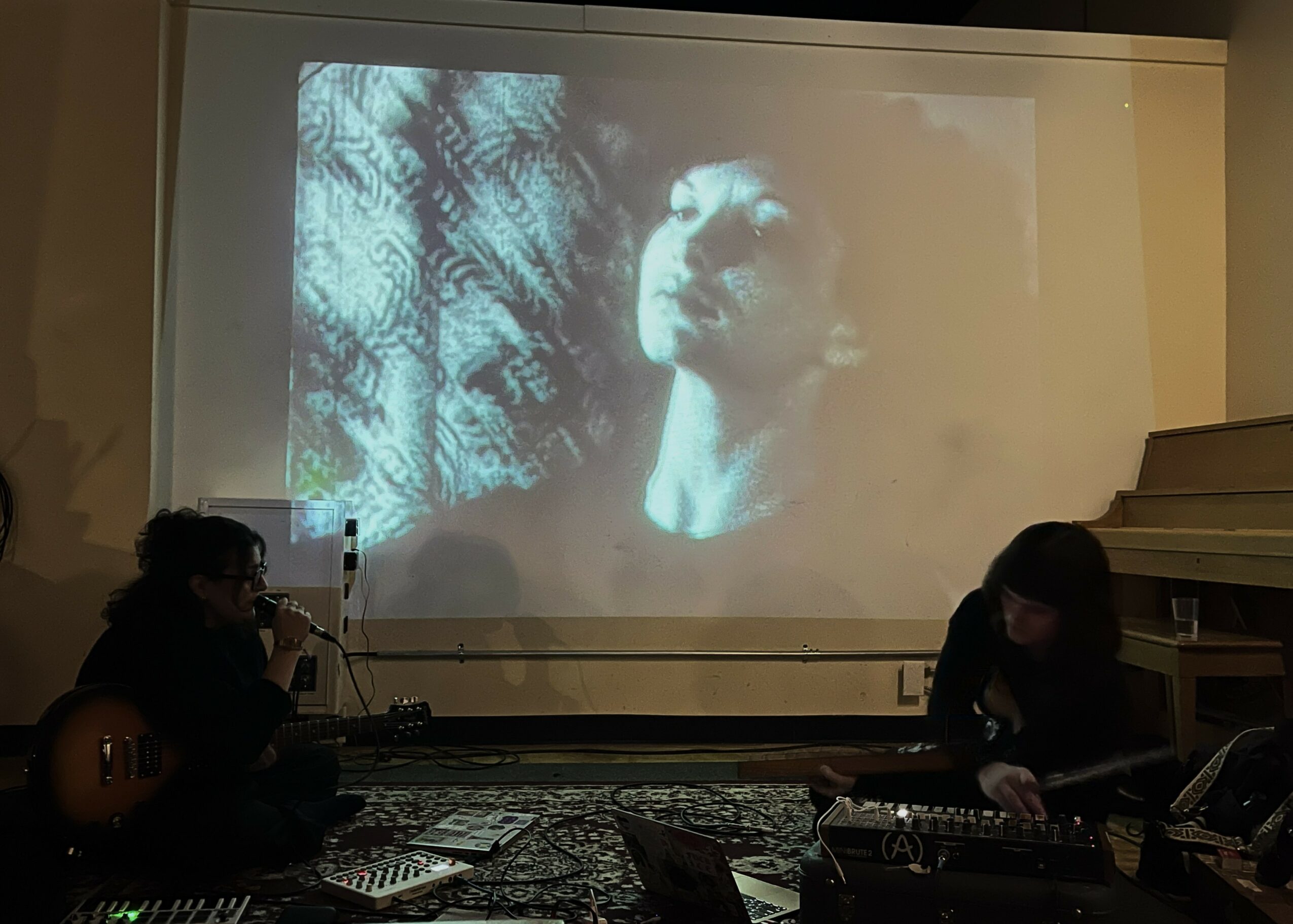
Yvonne: I think I’m most proud of our ability to adapt to whatever crowd, space, or emotion we’re playing in. Over the past year, we’ve gone from performing only a very selective set of songs to improvising, to sometimes reshaping the structure of our set entirely.
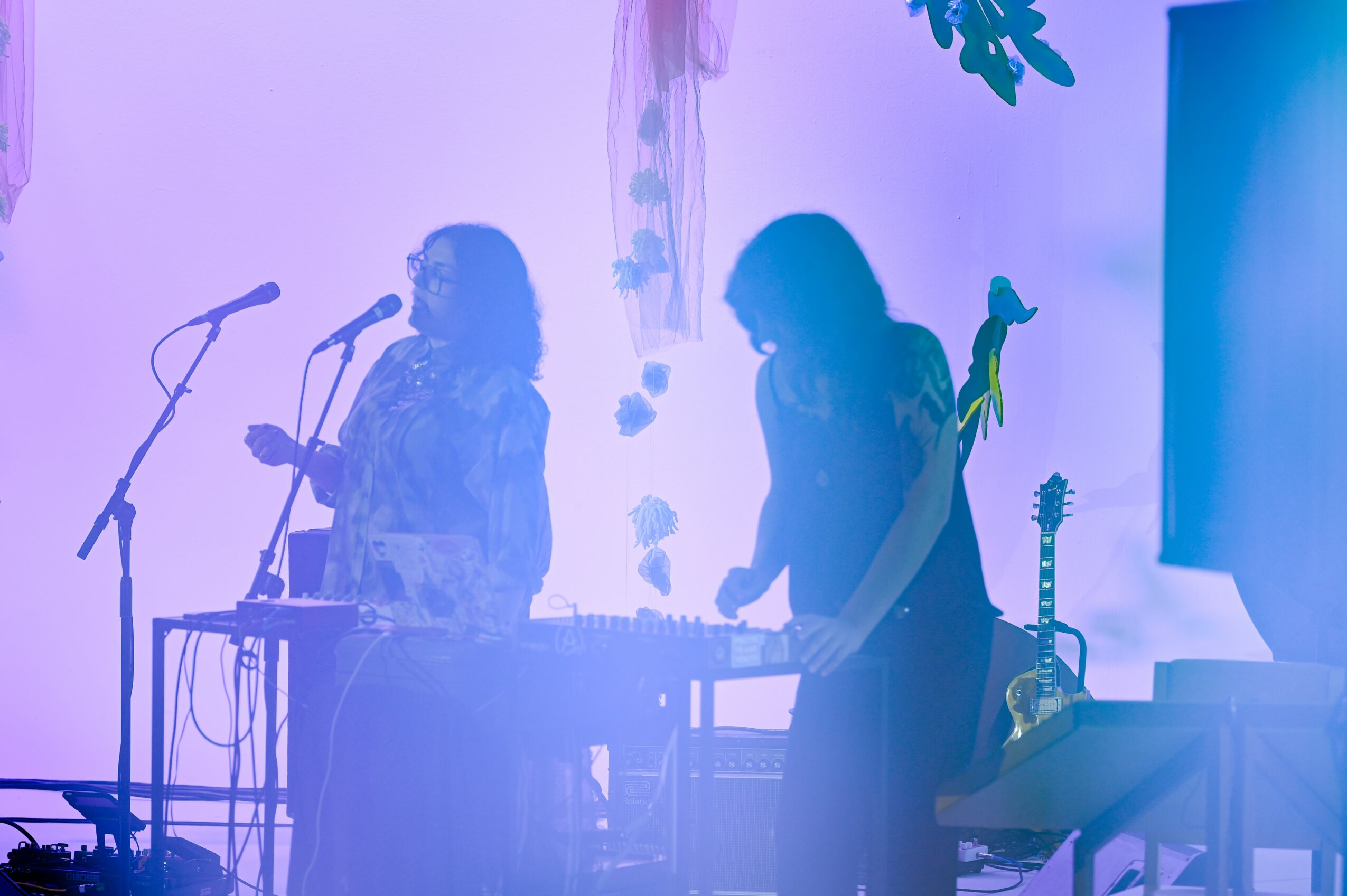
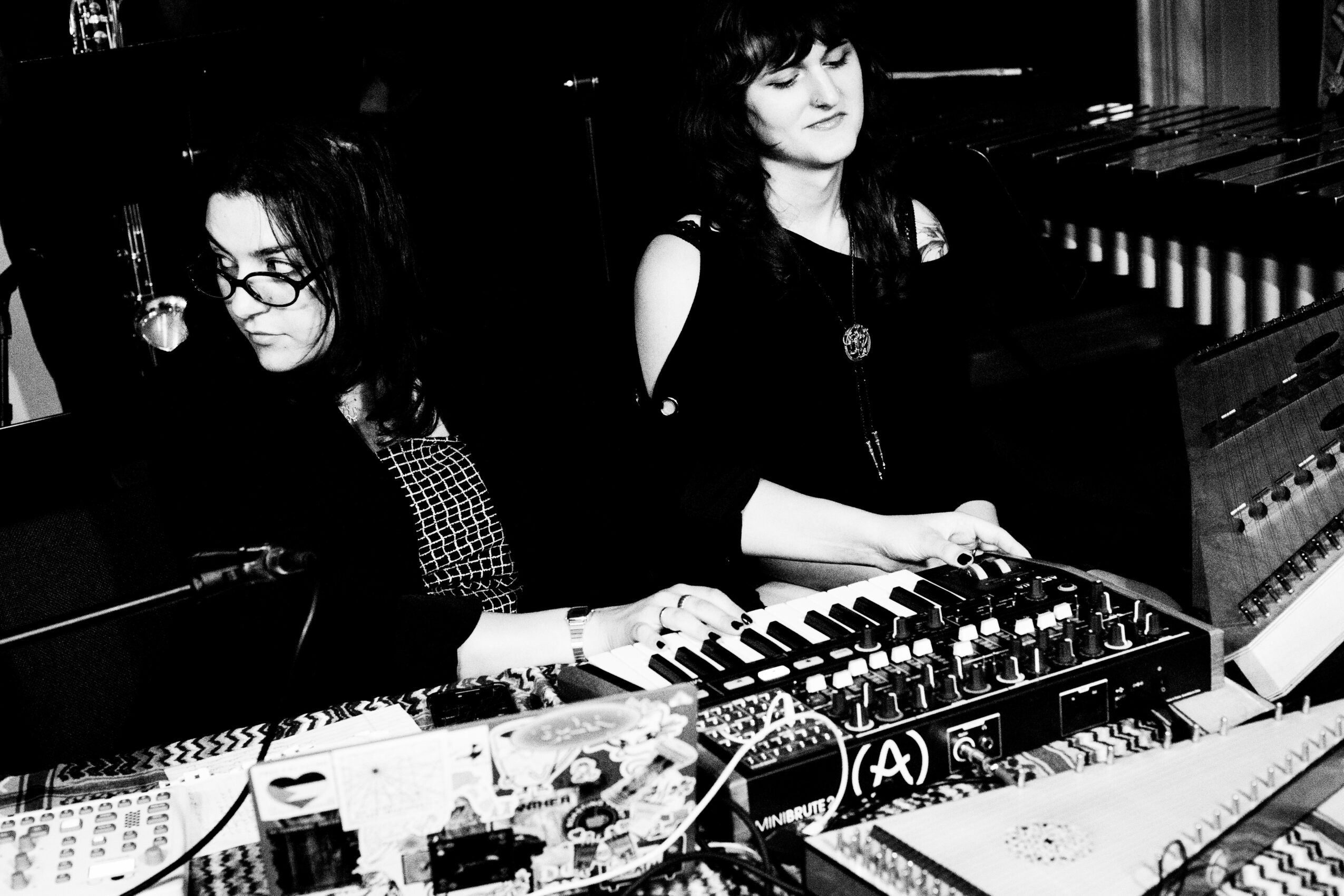
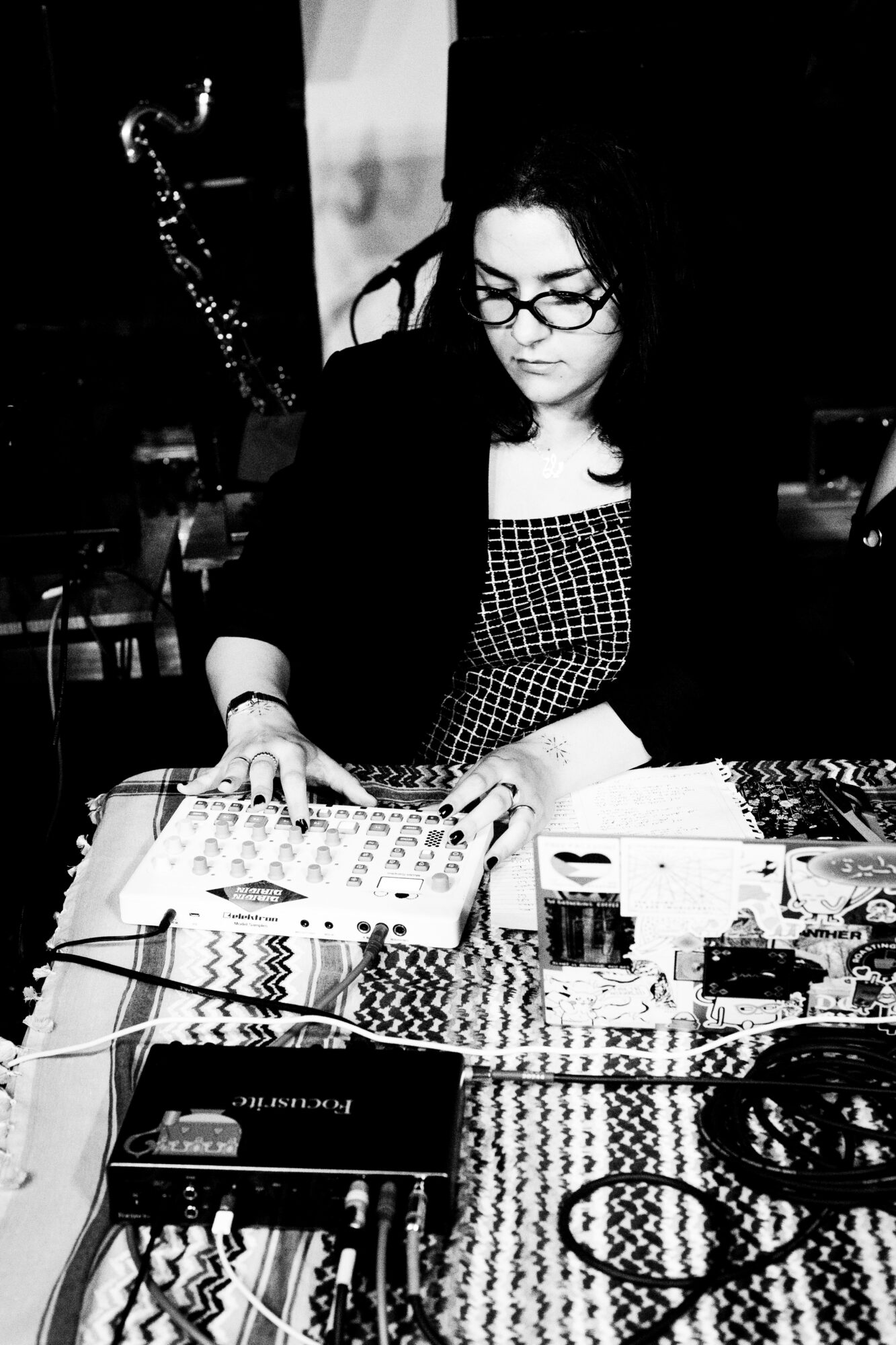
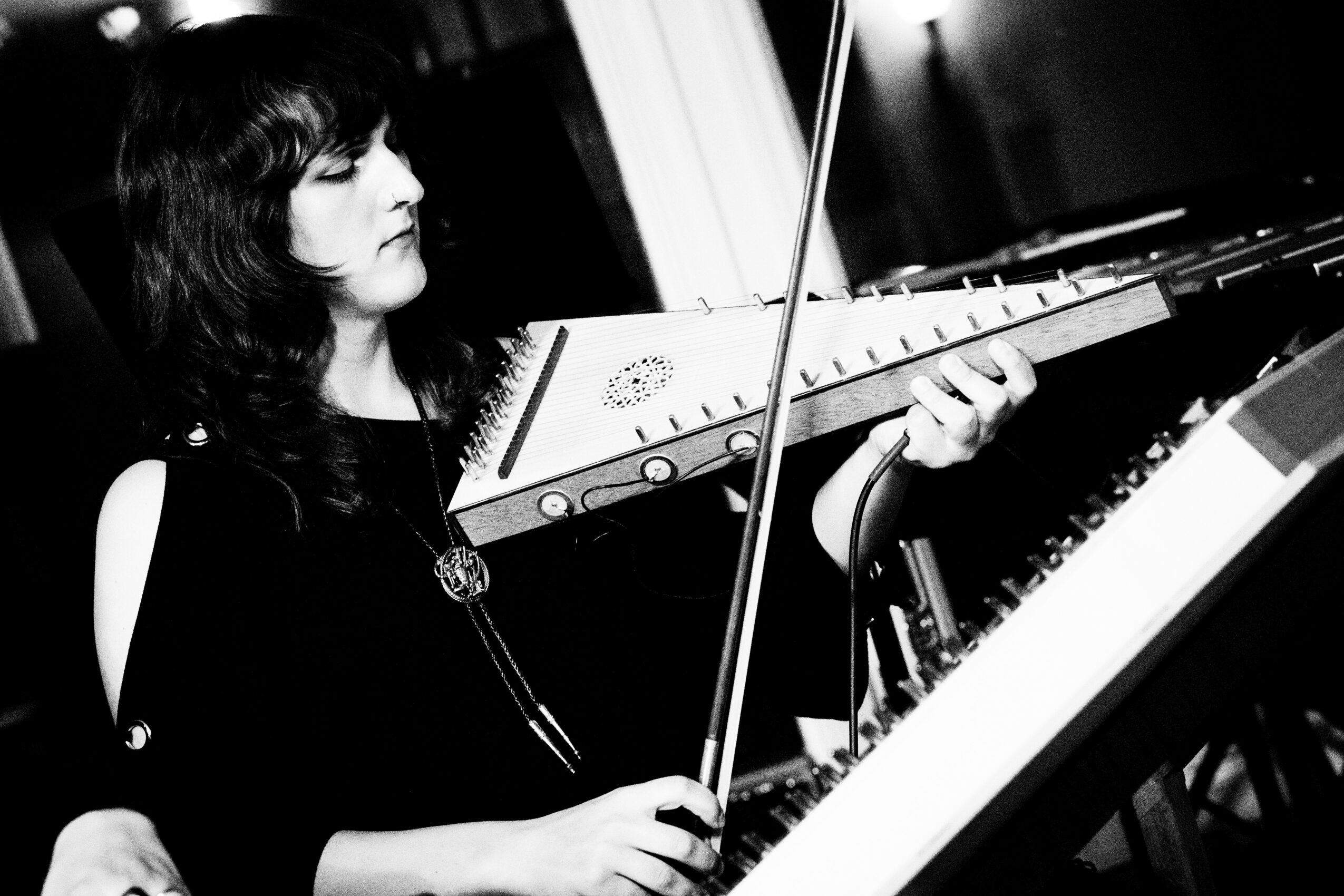
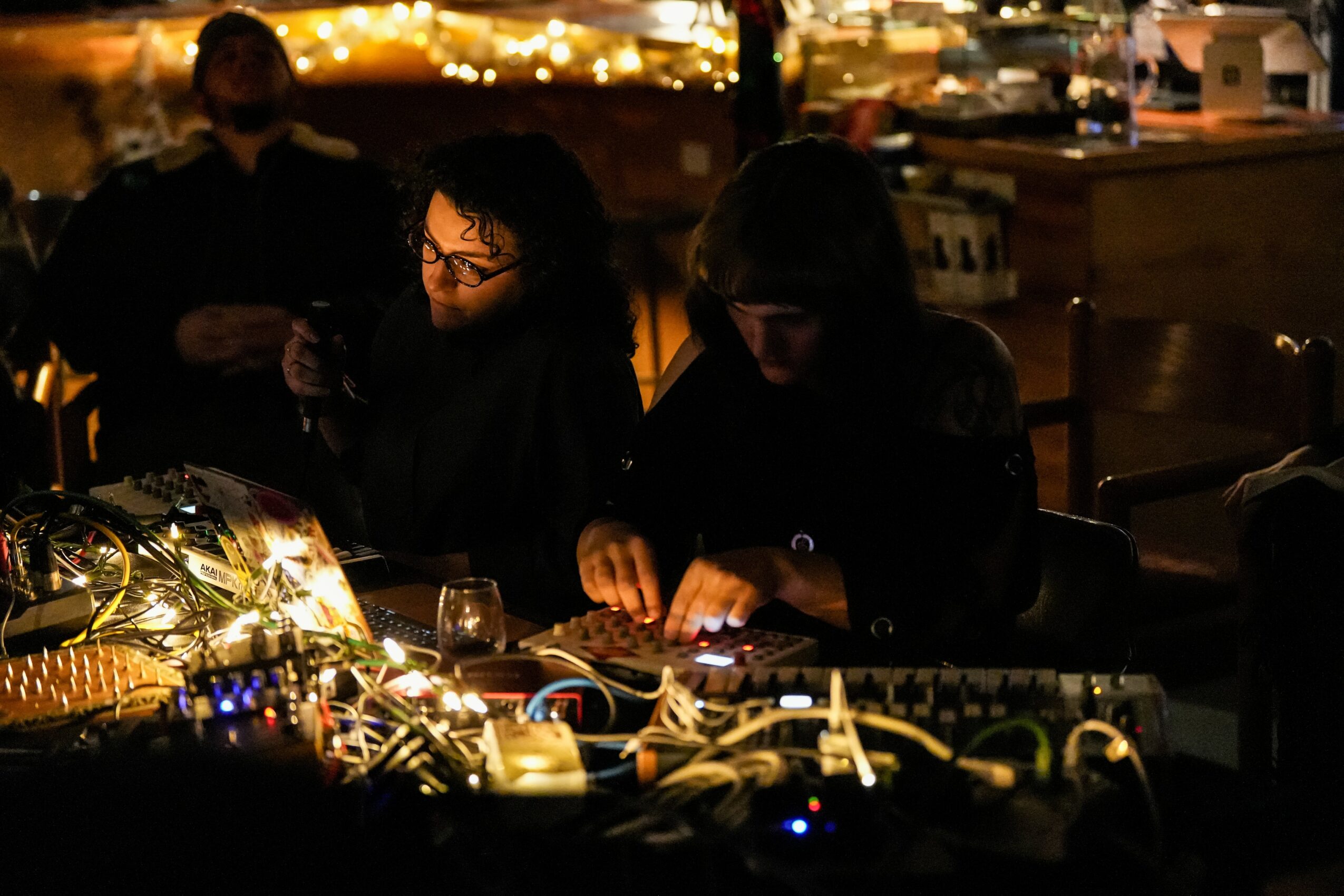
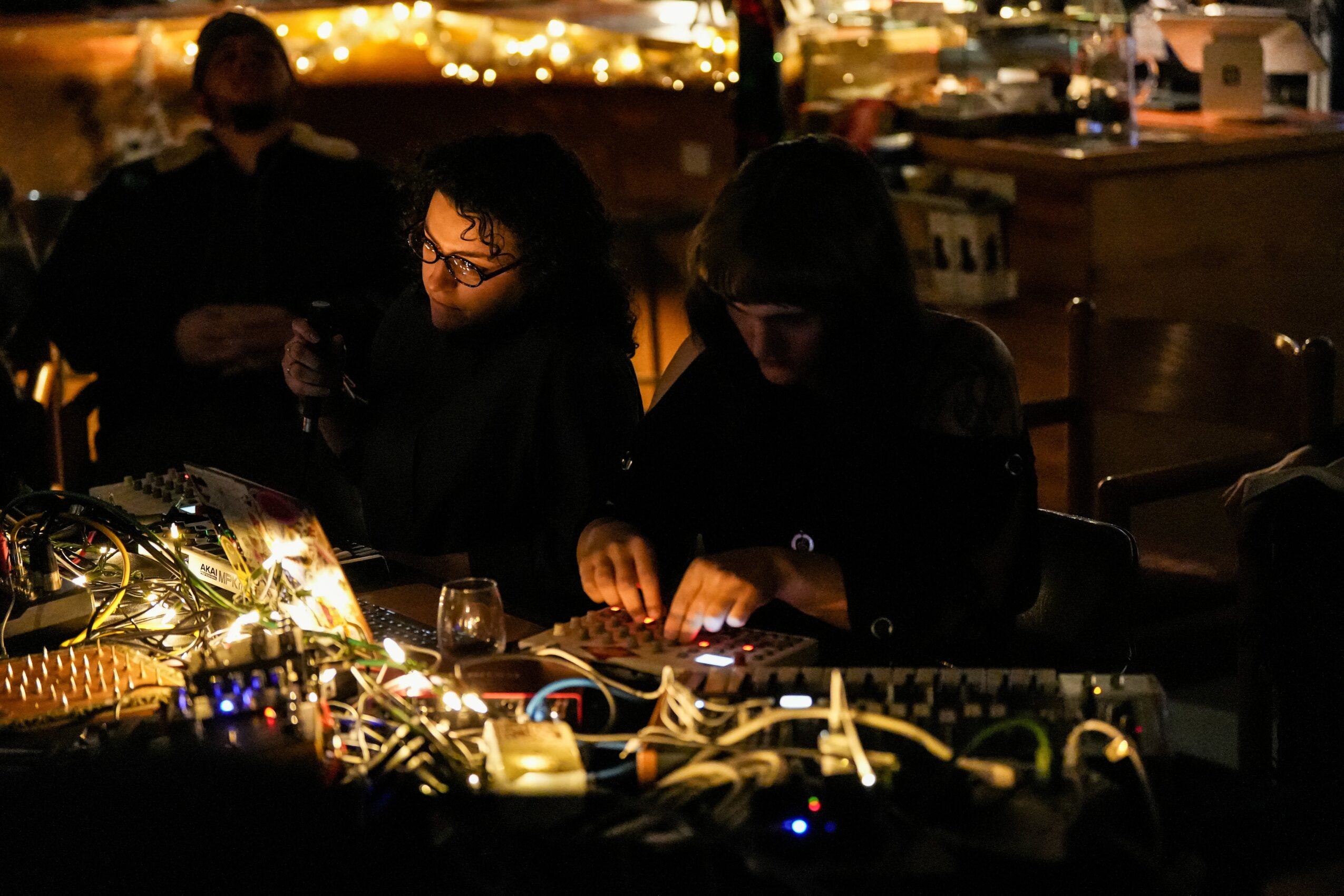
Working with drum machines and an open DAW (digital audio workstation) gives us incredible freedom and control, from vocal and instrument processing to experimental Euroracks that I build. We have so many toys to play with on stage. Every time I talk to someone who has seen us more than once, they remark how different each performance feels from the last. Our range of expression and mood has expanded so much that I think we feel comfortable to enter any space we’re given and have a wonderful time.
Layan: I truly believe sound is the most underrated form of memory. Sonic memory has become a way where I can truly feel connected back to Lebanon. Last summer, I was finally able to return home and came back to Detroit with hours of field-recordings.
You don’t need to speak Arabic or be Arab to connect to Taqsim’s music. In fact, I always encourage the audience to reflect on what the feeling of “home” means for them personally. Is it a person? Place? Feeling? Sound? I think that’s what I’m most proud of: the ability to hold that feeling with listeners.
What would you say have been one of the most important lessons you’ve learned?
Yvonne: Whatever comes out when you’re performing, stand by it. Every moment is one to feel deeply and learn from. We explore a lot of heavy feelings with Taqsim, but we also realize that making room for joy and play is just as important. The feeling of unknown before we begin each set can sometimes drive me crazy, but it’s also the exact kind of naked beauty that I crave. Whatever happens, I want to let myself feel each moment and each mood as it passes, and feel good as it leaves and makes room for the next. I think everyone else feels this too.
Layan: Learning to trust each other, and to trust the uncertainty on stage, has been one of the most important lessons. Before a performance, Yvonne and I do an emotional check-in about what we’re bringing to the space. Creating room for these emotions to flow through the knobs and keys takes time and a lot of trust.
To hold trust, expression, care, and uncertainty all at once on stage and with the audience is a gift. What I feel the most is gratitude. Gratitude for the sounds we’ve created, the space we’ve carried, people we’ve met, and the people we’ve become along the way. It’s gratitude, but it’s also a privilege, and a reminder to hold close the stories and hands that brought us here.
Contact Info:
- Instagram: https://www.instagram.com/taqsim.live/
- Youtube: https://www.youtube.com/@taqsim-live
- Soundcloud: https://soundcloud.com/taqsim-live
- Apple Music: music.apple.com/us/artist/taqsim
- Bandcamp: taqsim.bandcamp.com