




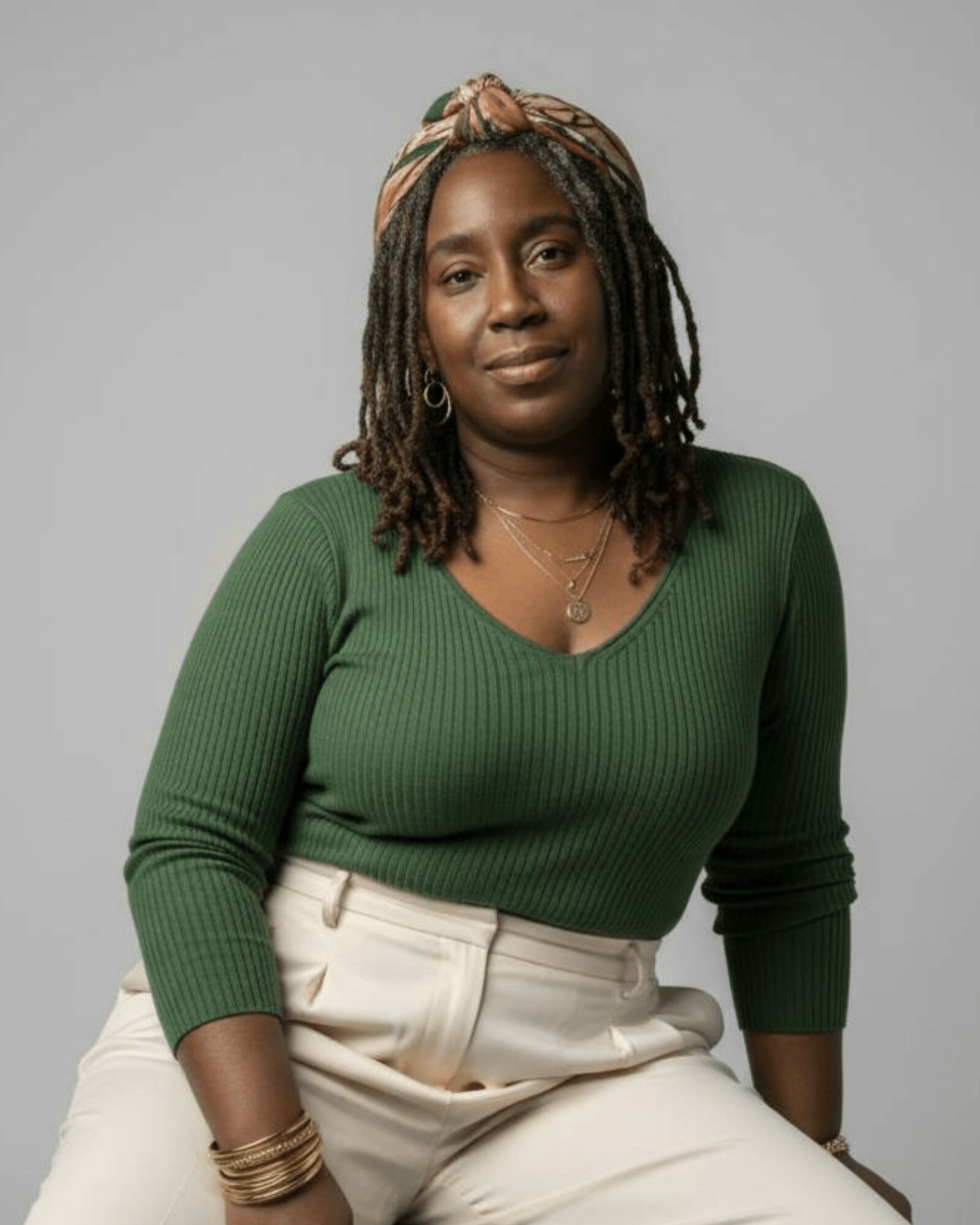
Today we’d like to introduce you to Takeisha Jefferson.
Hi Takeisha , it’s an honor to have you on the platform. Thanks for taking the time to share your story with us – to start maybe you can share some of your backstory with our readers?
My introduction to photography began with family photo albums. My great grandmother, grandmother, and mother kept photographs that documented our family across generations. Those albums were how I first learned about our history and the importance of legacy. My grandmother was a matriarch in our family and she was very intentional about connection, memory, and making sure our stories were remembered.
I later joined the military and worked in public affairs and journalism. That role gave me the responsibility of documenting people, events, and daily life through photographs and storytelling. Photography became a tool for observation and record keeping.
Years later I returned to school to study art. During my art history courses I noticed the absence of people who looked like me in the images and artists we were studying. That realization shaped the direction of my work and pushed me to think about who is being documented and whose stories are preserved.
My work now centers on photographing my family and community. Most of the people I photograph are members of my own family. Through those images I am building an archive that reflects our lives, our relationships, and our presence as Black Americans.
We all face challenges, but looking back would you describe it as a relatively smooth road?
The path has not been smooth. It has been a process of learning to name my own voice. When I first began working with a camera I photographed everything around me. Certain truths kept returning in my images. Faces drew me in. Black and white photography held my attention. I cropped photographs in ways that felt honest to my eye long before I knew the language of composition.
My realization that I was a portrait photographer came through an unexpected conversation on a plane. I was traveling with my camera and asked to keep it under my seat. The man sitting beside me noticed it and asked to see my work. As he looked through the images on my iPad he said, “You’re a portrait photographer.” I had never claimed that title. He pointed to the photographs and said, “You love faces.” In that moment I recognized the truth that had been present in my work all along.
Another struggle in my journey involved learning to release comparison. My responsibility as an artist is to develop my own voice and to grow beyond the work I created yesterday.
I remain grounded in the choices I make in my work and continue to create from that place of clarity.
As you know, we’re big fans of you and your work. For our readers who might not be as familiar what can you tell them about what you do?
My work centers on portraiture and the act of documentation. Most of the people I photograph are members of my own family. Through those images I am building a visual archive that preserves memory and records the presence of Black life across generations.
Portraiture has remained the language of my practice. I often work in black and white and draw inspiration from historical photographic processes that carry both fragility and permanence. Projects such as Testify continue that exploration by creating portraits that hold contemporary presence alongside ancestral memory.
What brings me the greatest pride is the opportunity to photograph my family and share their lives within exhibitions and public spaces. Through this work I am able to honor the people who shaped me and the community that surrounds me.
The question of what sets me apart is not something that occupies my thinking. My attention remains on the responsibility of the work itself. I see my role as documenting, witnessing, and testifying through photography while also creating space for the voices of others to be seen and heard.
If you had to, what characteristic of yours would you give the most credit to?
The quality that has most shaped my path is the willingness to speak openly and ask difficult questions. I believe in raising the question while the room is still listening, because silence protects the very systems that create erasure.
Those questions also exist within my artwork. My images confront the erasure of history, the narratives that have been imposed, and the untruths that have shaped public memory. Some spaces are prepared to engage with those conversations and some prefer distance from them. Their hesitation does not silence the work.
I remain committed to speaking clearly through the images I create and through the conversations that follow them.
Sustaining that commitment requires care. The histories I work with carry emotional weight, and rest allows me to continue with strength. Collaboration with other artists also reminds me that this work moves forward through shared effort.
Contact Info:
- Website: https://www.Takeishas.com
- Instagram: https://www.instagram.com/takeishaart
- Facebook: https://www.facebook.com/takeishaart
- Other: https://artsandculture.google.com/story/black-lenses-matter-takeisha-jefferson-what-we-see/_AUhJ-PANKWVbg?hl=en