





Today, we’d like to introduce you to Lisa Thauvette.
Hi Lisa, we’d love for you to start by introducing yourself.
I moved to Traverse City five years ago after living in Brussels, Belgium, for over 15 years.
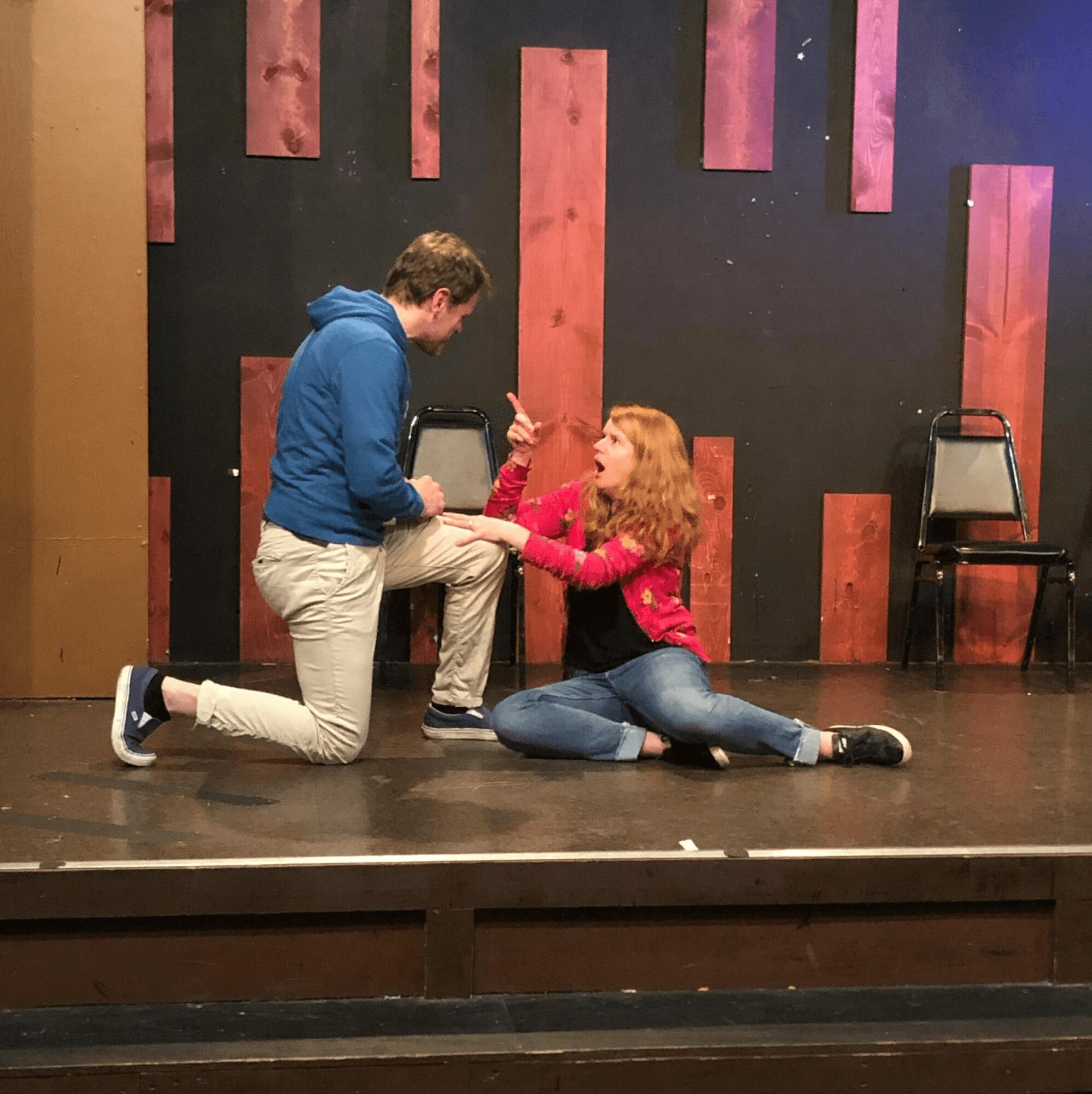
I was an educator during the day and a comedic improviser at night, and I was looking for improv players to play with regularly in my new hometown of Traverse City. Since I didn’t find improvisers to jam with I started asking my funny and smart friends if they’d like to learn improvisation… with an ulterior motive to create playmates for myself… and to possibly perform improv together!
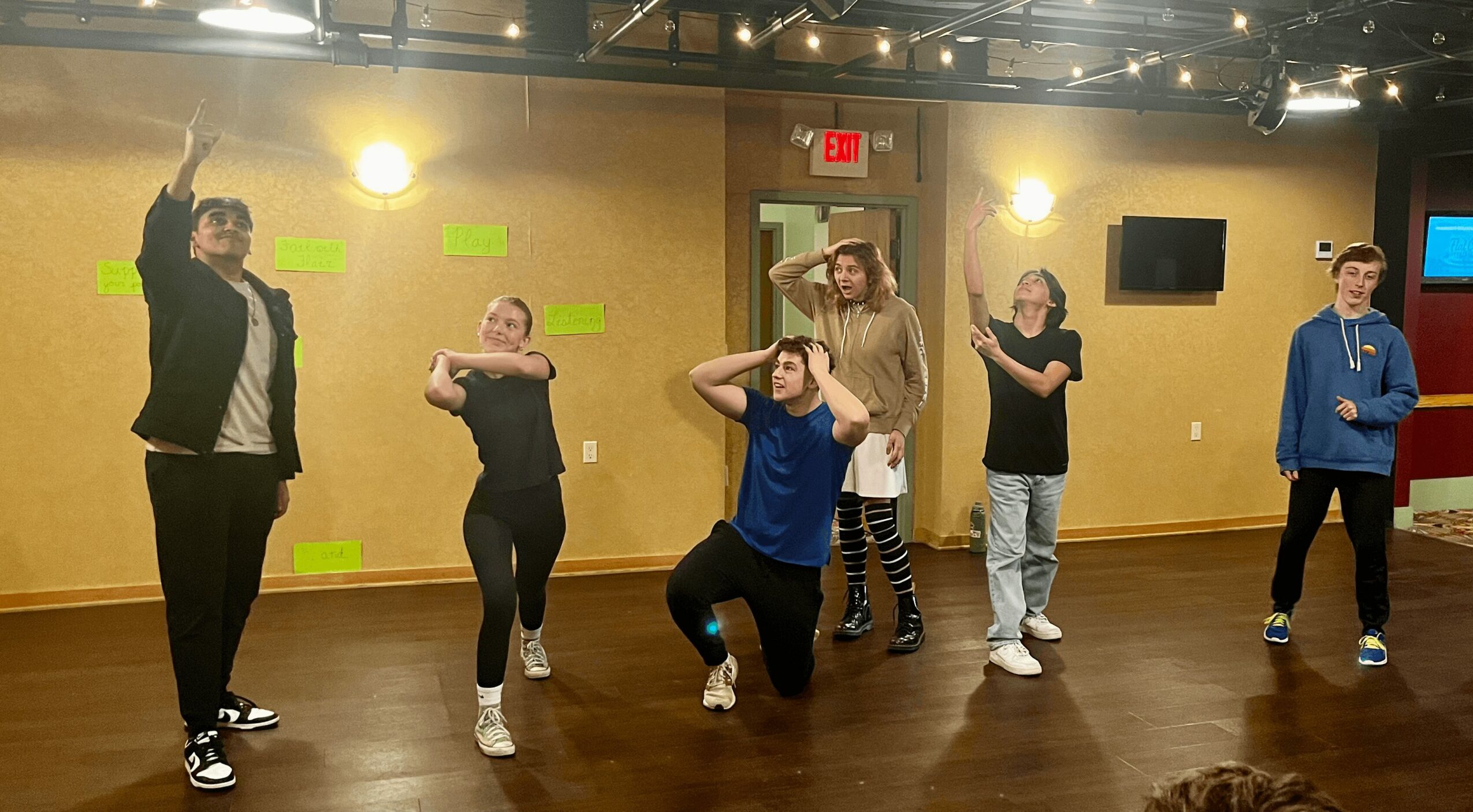
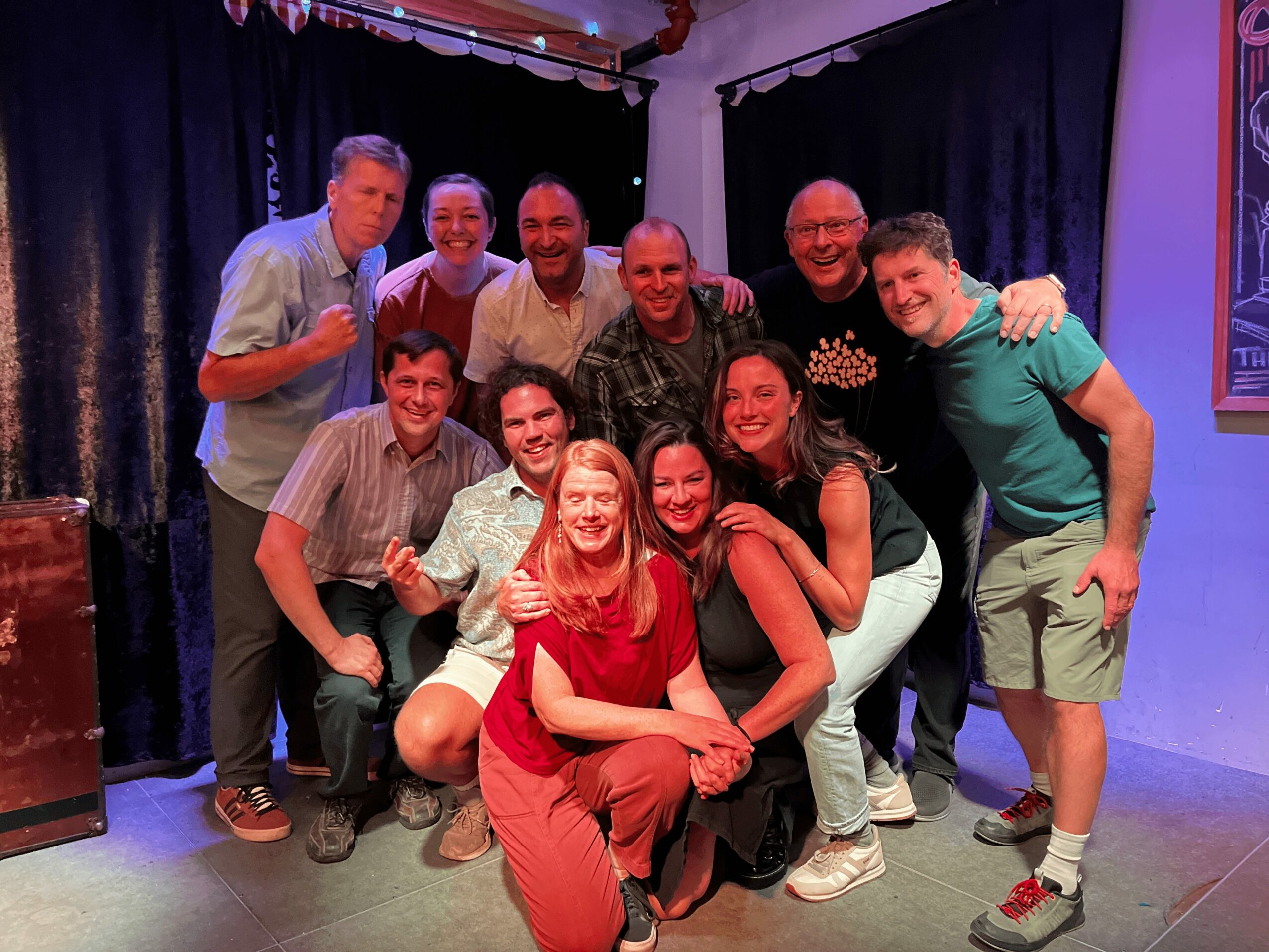
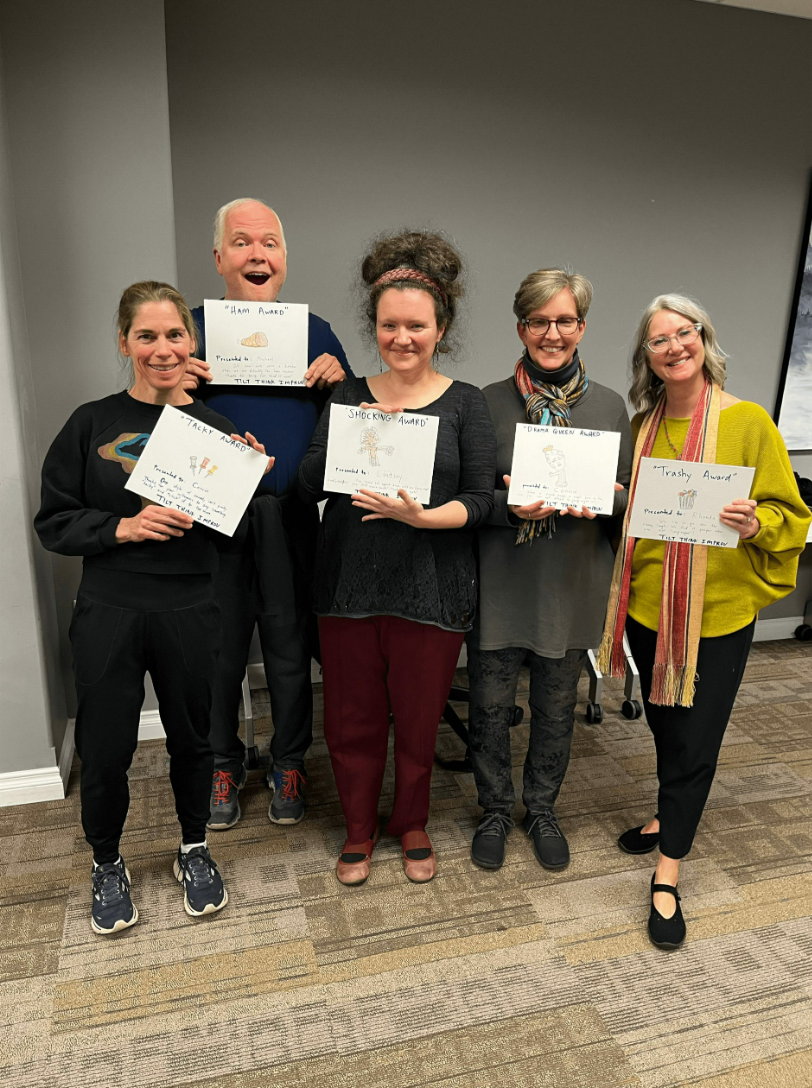
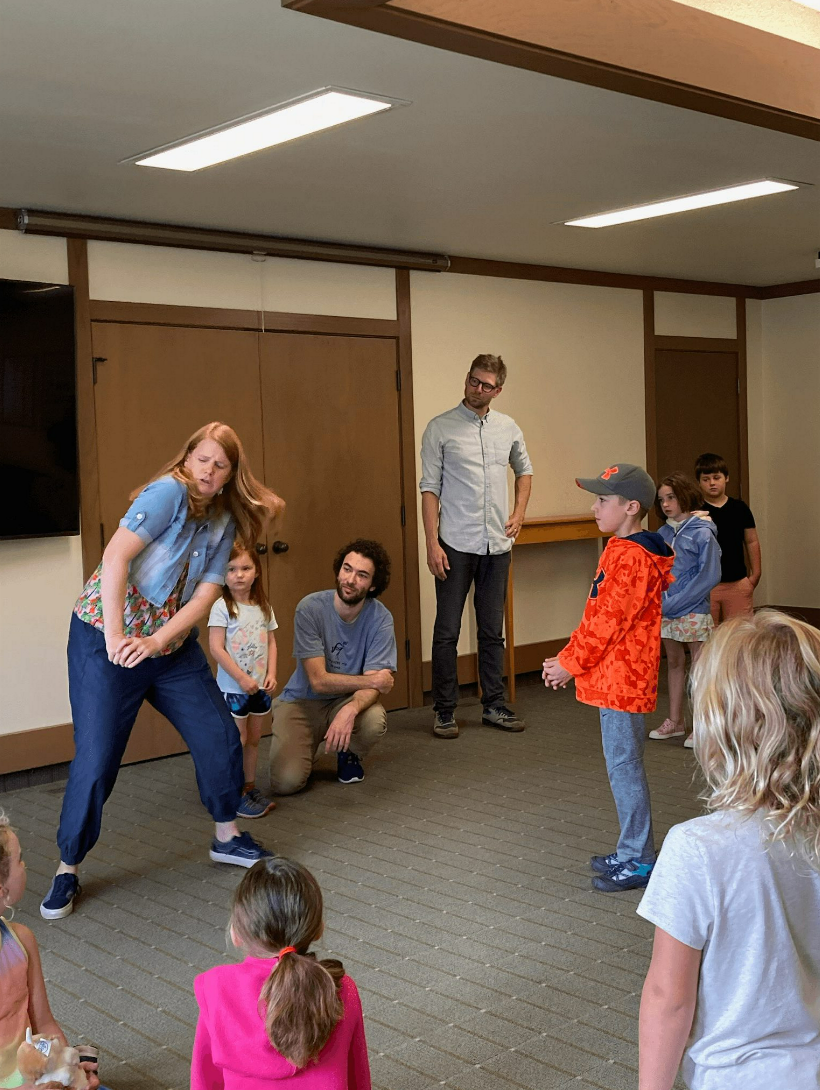
From there, I started Tilt Think Comedy Collective, which started with 5 regular players and has now grown to 15+ regular show performers and 30+ regular attendees to weekly improv classes. Tilt Think performs a regular show every last Sunday of the month at the Workshop Brewing Company called ‘Comedy Mixtape,’ which combines improv, stand-up, and sketch comedy. This summer, we’ll perform family shows each month at local libraries and also additional adult shows every month at The Alluvion at Common Grounds.
Tilt Think prides itself not only on bringing comedy to the region but also on creating a community of people interested in playing together regularly. Tilt Think is “an incubator of community through improvisational play.”
Let’s dig a little deeper into the story – has it been an easy path overall, and if not, what challenges have you had to overcome?
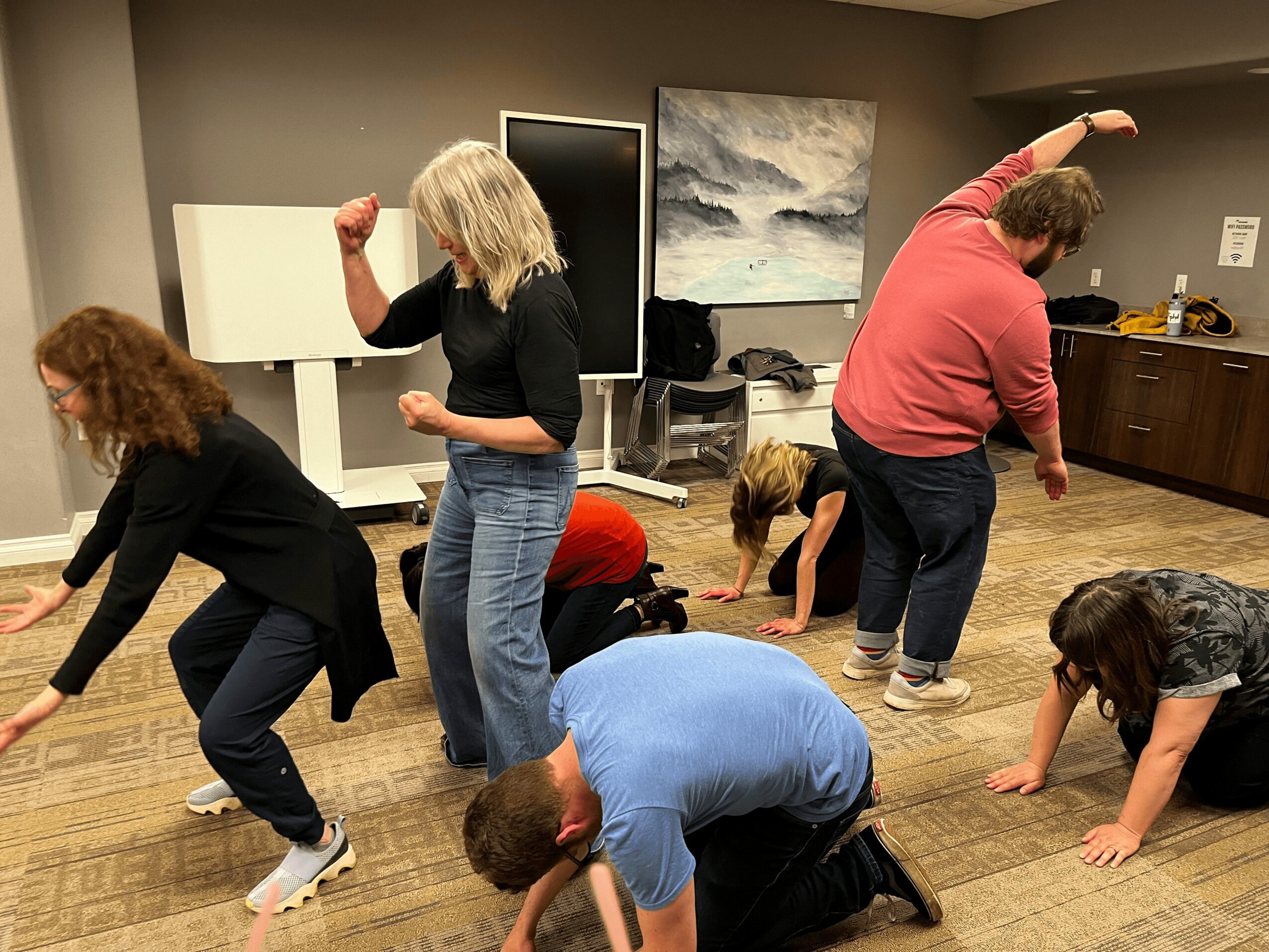
The road has not always been smooth. During the first few years, our players hovered around 2 – 7 people. However, even if only 2 people showed up for the regular Tuesday night improv jam, we would play. Each week, week after week, folks could count on an improv jam/class to take place each Tuesday night. Even through the pandemic, folks continued to play online. Tilt Think put on 3 shows during the pandemic.
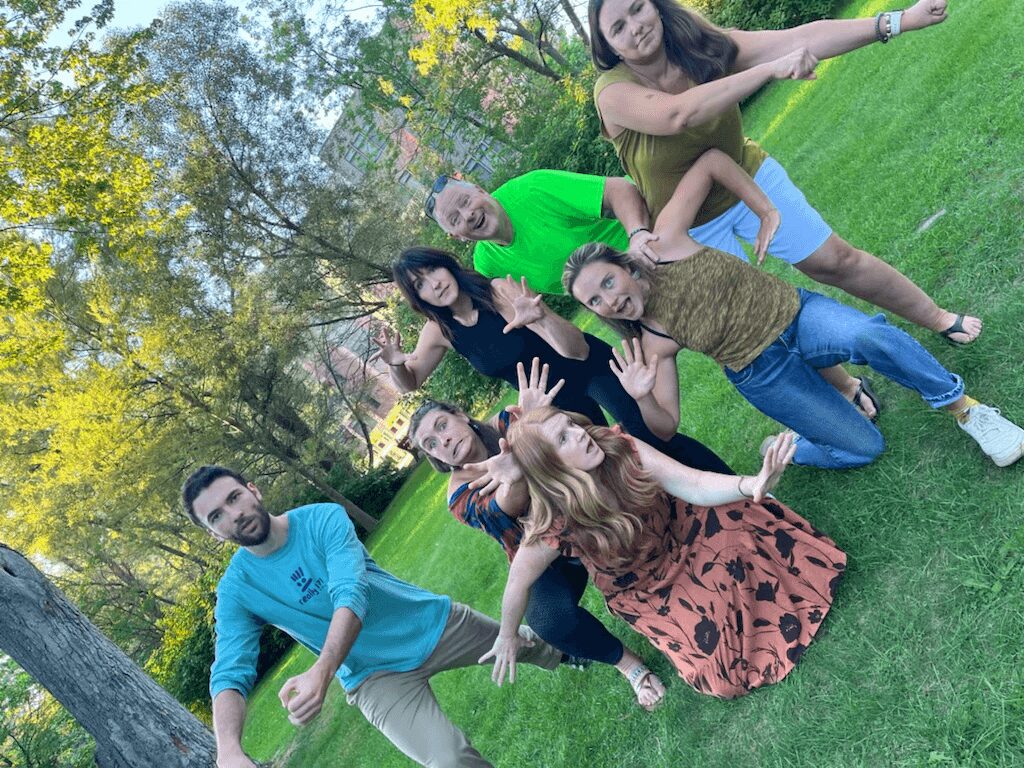
An off-shoot group called “The Femme Four” created a unique improv online format and performed at two online improv festivals during quarantine. Once we came back together in person, we took our improv play to Hannah Park each week. Here, we enjoyed the out-of-doors through the summer and literally played and frolicked in the park each week. Folks started to notice us playing, laughing, and hollering and inquired who we were and what we were doing. The word got out.
Thanks – so, what else should our readers know about your work and what you’re currently focused on?
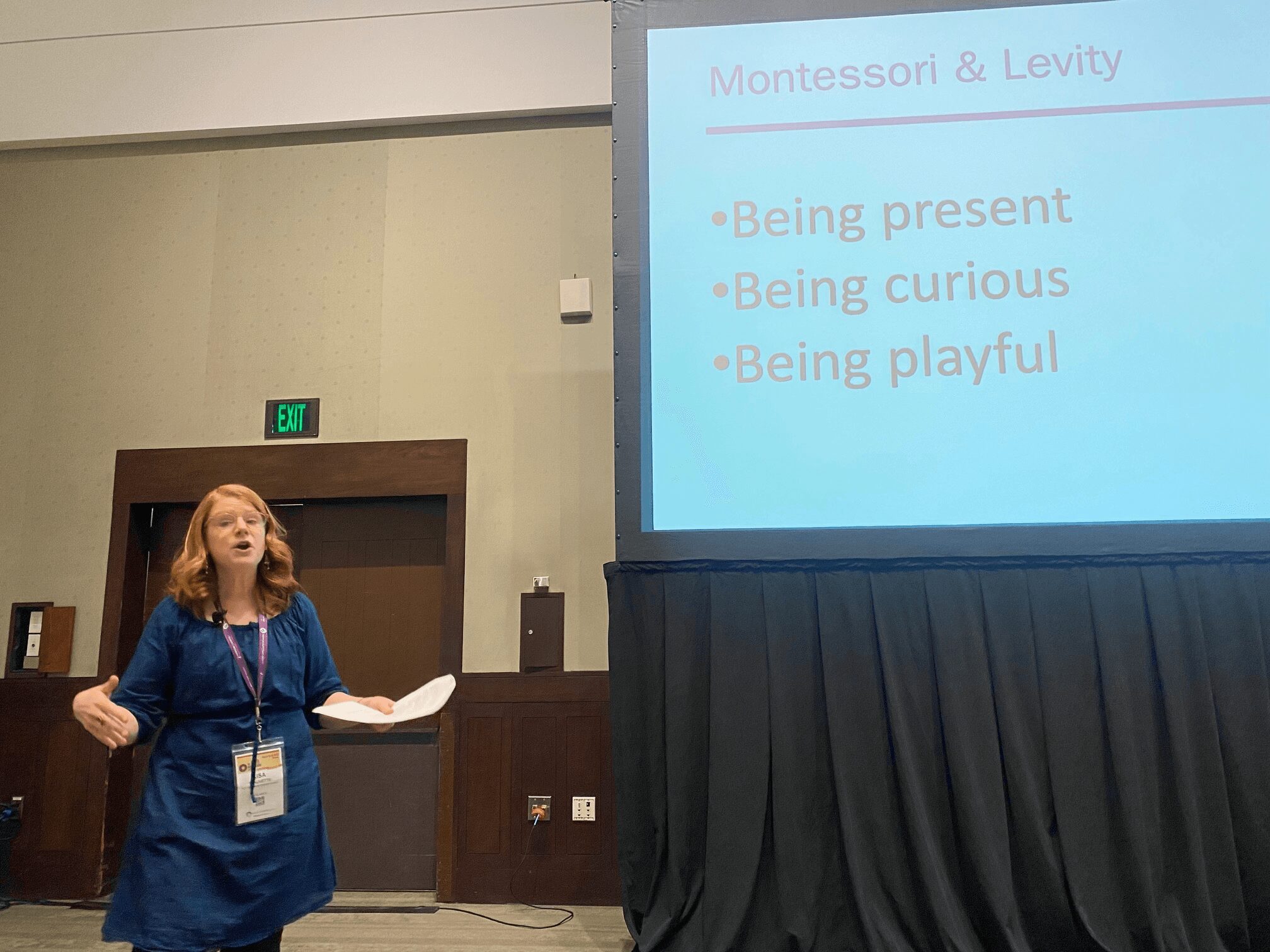
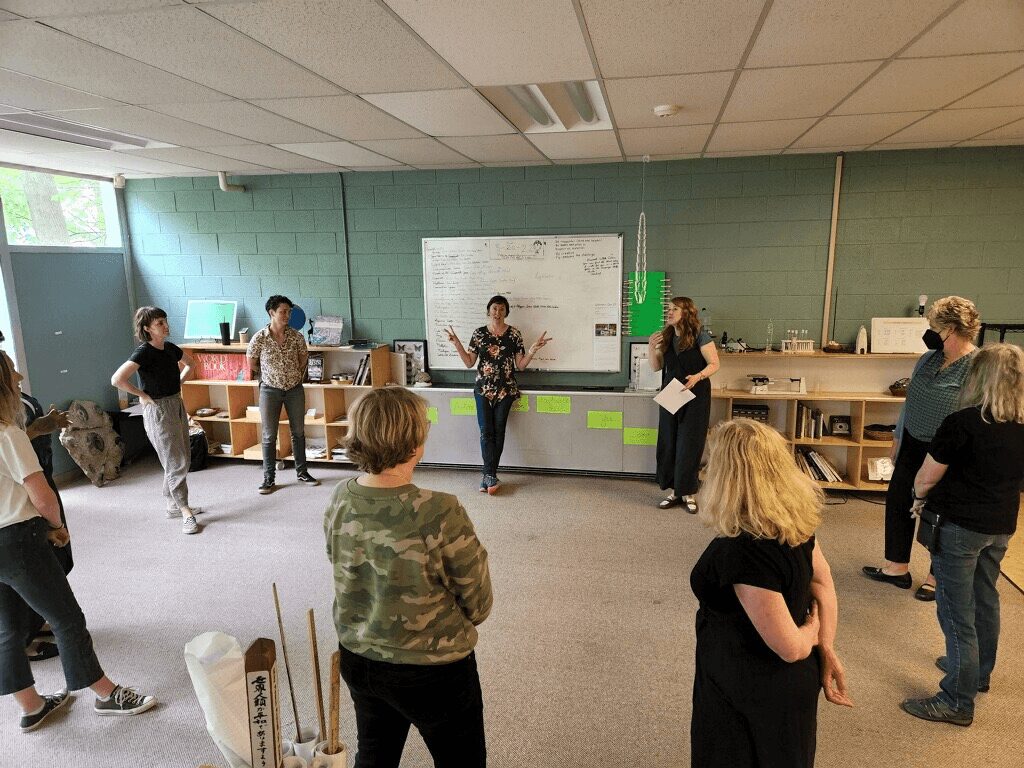
I am in the creative business of helping people reach their fullest potential! My daytime work is as a consultant to Montessori schools. I coach Montessori teachers and administrators on how to fully implement Montessori pedagogy. What is so inspiring and fun about Montessori education is the tenet of catering the educational experience to support an individual’s optimal growth within a community.
So, my job as a coach requires me to build relationships with educators to support their individual paths of growth. They, in turn, build relationships with their students for optimal development. Through strong relationships, we are most effective in teaching and learning. This aspiration of maximizing human potential also crosses over to my nighttime gig.
In improvisational performance, we must establish close relationships with our fellow players so we can confidently and trustfully build a scene and world together… on the spot, at the moment. We adapt our story, character, and motivation based on the give and take of scene-partners who are listening, caring, and responding to one another deeply and intently. As an instructor of improv, learners are vulnerable and self-conscious; making up a story and scene on the spot using your wit and intuition is harrowing.
Once again, strong relationships are at play. Improv students note that the lessons learned in improv cross over to their professional and personal lives. The improv tenets of agreement with abundance (yes, and!), willingness to change, failing with flair, and supporting your partner serve us well in all parts of our lives. Improv is not just for laughs. It is a way of being that builds community and contented relationships and lives.
Are there any important lessons you’ve learned that you can share with us?
We need to meet people where they are at. My decade of experience in a field, whether improvisation or Montessori, does not mean that what I say can automatically be followed. People need their own experiences and their own pathways to follow. The most impact I can impart upon others searching to move forward in their learning is to note patterns and areas to think about.
If a Montessori teacher is stuck on how to work with a student, I can bring the teacher back to the foundational theory and have the teacher puzzle out the next steps with the student. This is more effective than telling the teacher exactly how I would work with the student. The teacher’s own solution will meet them where they are at in their learning and will be more customized to their learning needs. If an improv student struggles with staying connected to the moment, suggesting that they connect with their scene partner usually brings folks around.
Instructions like, “Care about the other person; let their words affect you; like the other person.” Coaching an improviser to connect with the other person they are performing with grounds them. Getting people out of their head, when they are trying to be smart or be funny, and bringing them into connection with another person, is grounding and usually results in more fun and touching scenes.
Contact Info:
- Website: https://www.tiltthink.com
- Instagram: @tiltthinkimprov
- Facebook: https://www.facebook.com/profile.php?id=100051498047556