




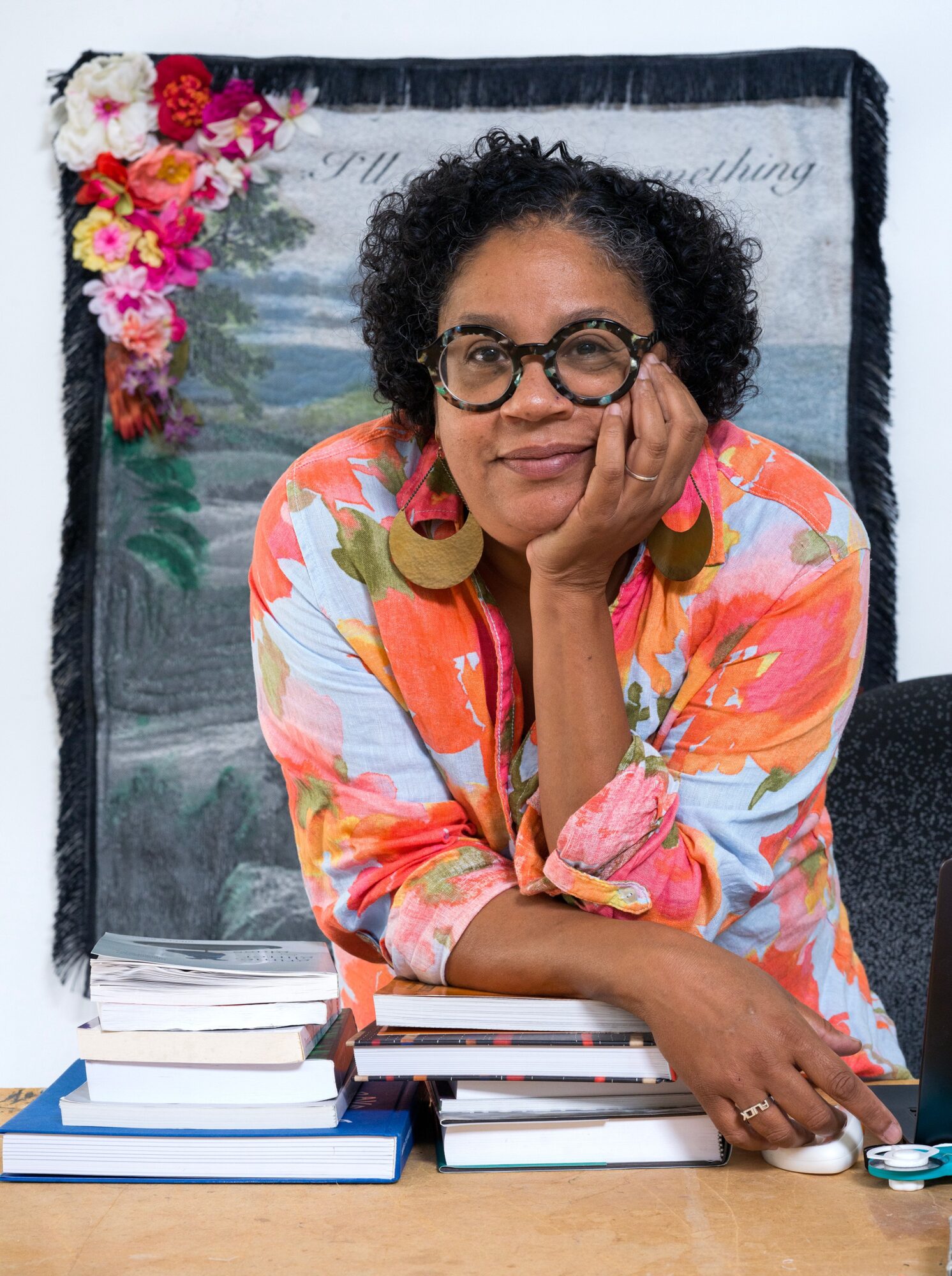
Today we’d like to introduce you to Joey Quiñones.
Hi Joey, thanks for sharing your story with us. To start, maybe you can tell our readers some of your backstory.
I am the Head of Fiber and Artist-in-Residence at Cranbrook Academy of Art. This is the start of my fourth year here. I am a working artist as well as an educator and mentor to the graduate students in my department. But in the first half of my life I was actually an English professor for over 17 years. I received my doctorate in literary studies from the University of Iowa in 2003, and for decades, teaching students how to read and write well felt like an act of social justice. Until it stopped feeling that way. I had taught African-American, Caribbean, and U.S. Literatures for decades, but starting shortly after the deaths of Trayvon Martin and Tamir Rice, I felt a crisis of faith. How can we, as a people, as a country, have the types of conversations we needed to have to enact social change when fundamentally we did not see each other, our pasts or our histories? I needed to learn a new language – a visual one – one that could transcend the classroom. I started sitting in on my colleagues’ art classes, trying to learn as much as I could about art. Eventually I made the decision to leave my tenured English position at Earlham College, and I enrolled in the MFA program in Fiber at Indiana University, Bloomington. Cranbrook alum Rowland Ricketts was my faculty advisor and mentor. I graduated in 2019, and have been dedicated to creating art and dialogue ever since.
Alright, so let’s dig a little deeper into the story – has it been an easy path overall and if not, what were the challenges you’ve had to overcome?
Definitely not a smooth road! Everyone thought I was crazy to leave a secure, tenured position in academia. It would have been easy and comfortable to stay where I was at and sort of coast for the remainder of my career. But students don’t deserve someone who half-heartedly wants to be there. I wanted my English students to have someone in the classroom who was as passionate about English as I was at the moment about Art. I have seen how transformative education can be, and even if I was really scared by all the uncertainty, I had to have a moment where I just said, if one of my students came to me and was contemplating a big change, what would I say? I would be encouraging, and supportive, and positive, and I had to learn how to speak to myself that way. I quickly learned that people sometimes see your desire for change as a commentary on their life and choices, and they can’t be really happy for you. And you have to learn that that is ok, and other’s opinions don’t have to have any bearing on your life.
It was also very hard to go from being faculty to being a student again. Grad school made me very compassionate towards my students because I was first hand experiencing how hard it was to be a non-traditional student, with a family and a full course load. I was much older than the folks in my MFA program and it is sometimes discouraging to see how often emerging artist as a category is strictly defined by age instead of experience. I am in my fifties now, but I still feel very early in my art career. The beautiful thing I find is that no experience is wasted, and my career as an English professor deeply shapes the way I approach art and art making.
Can you tell our readers more about what you do and what you think sets you apart from others?
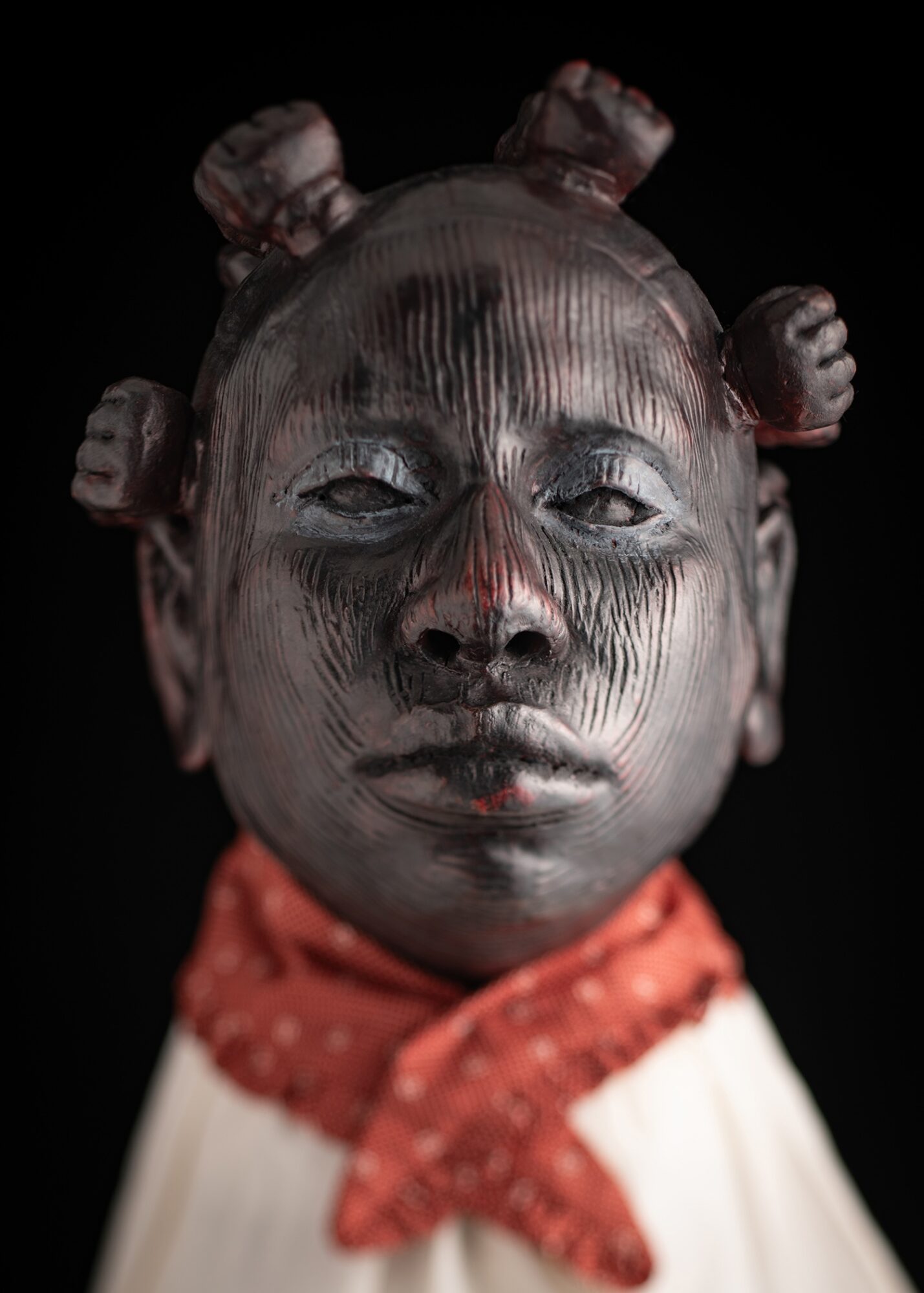
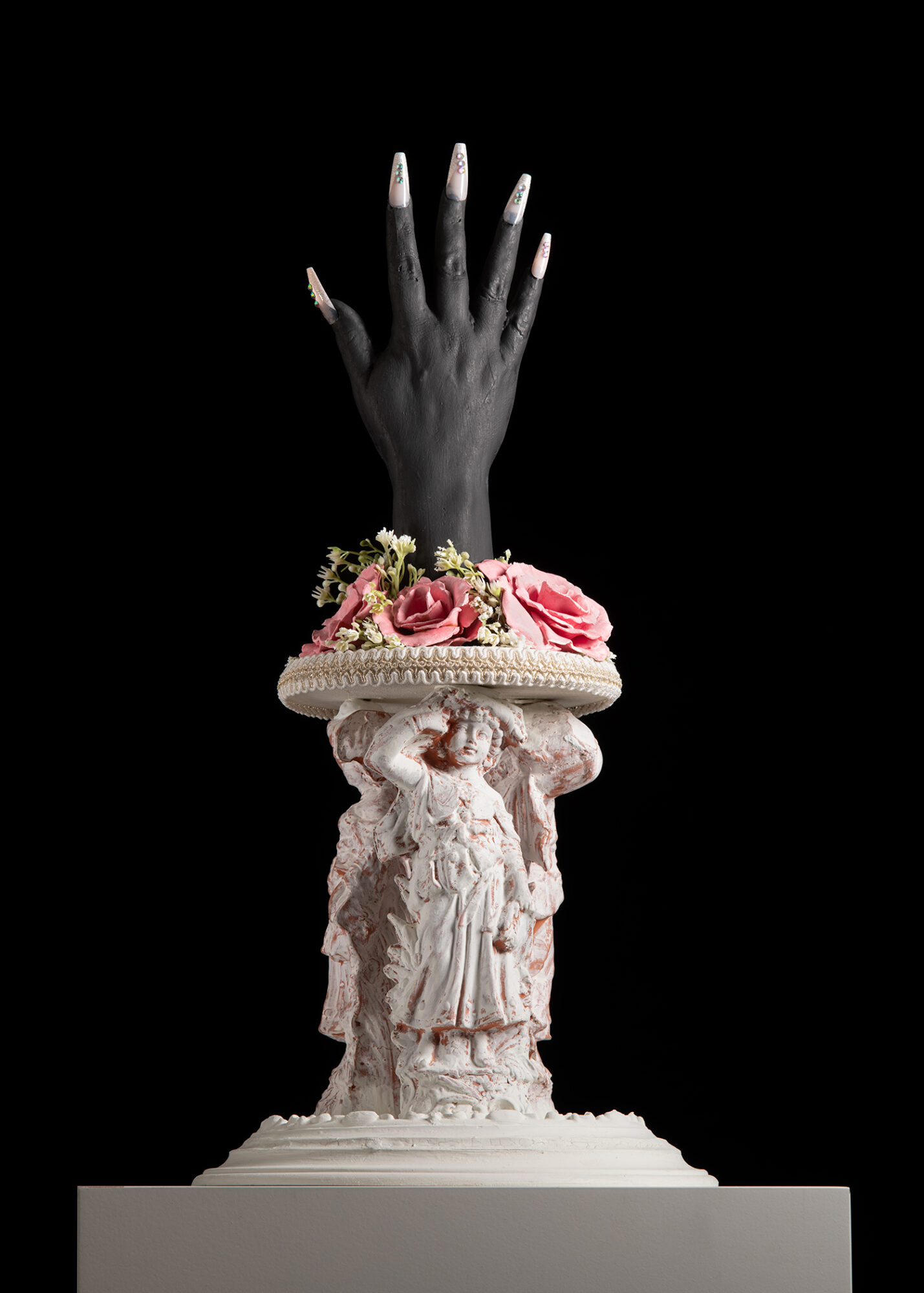
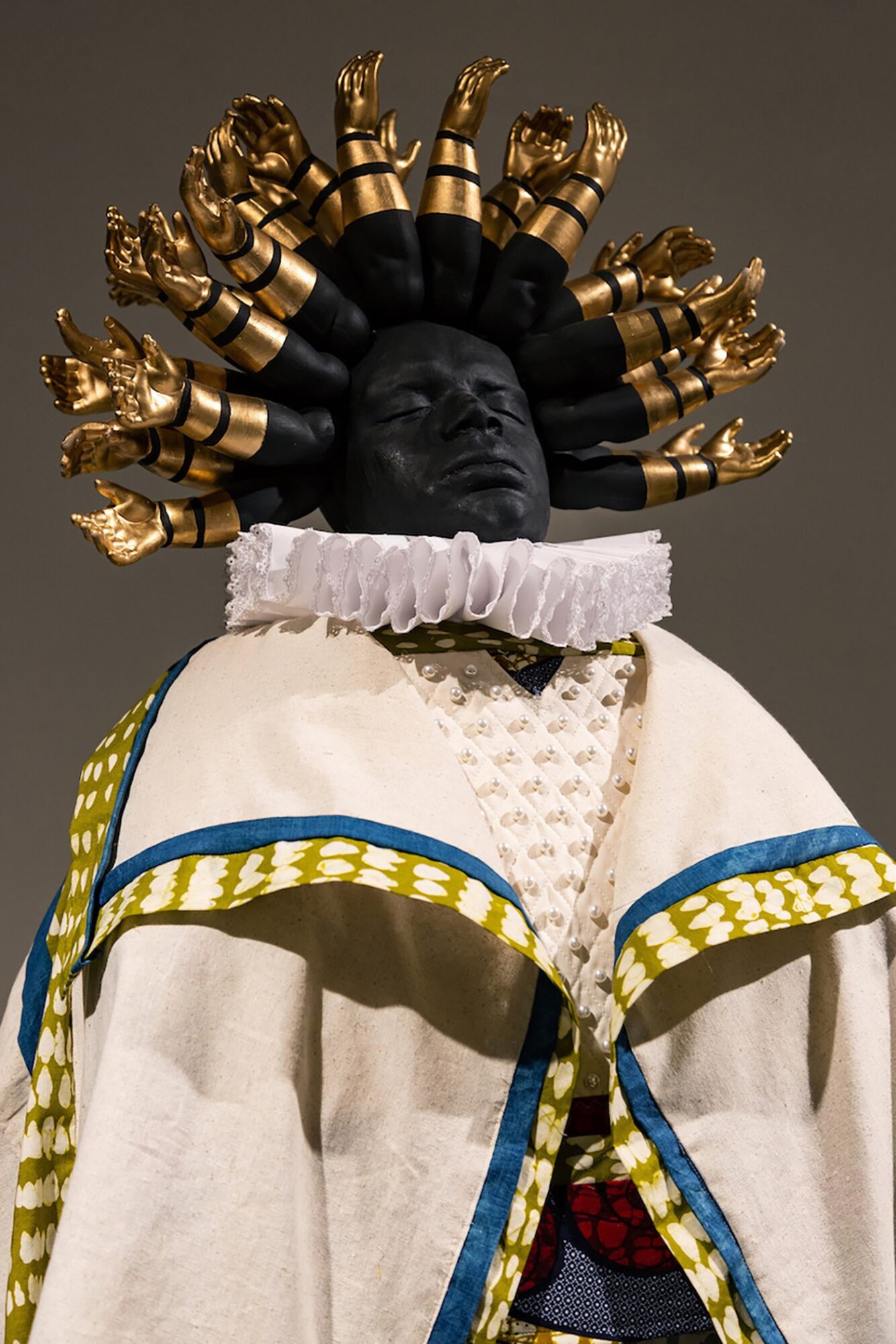
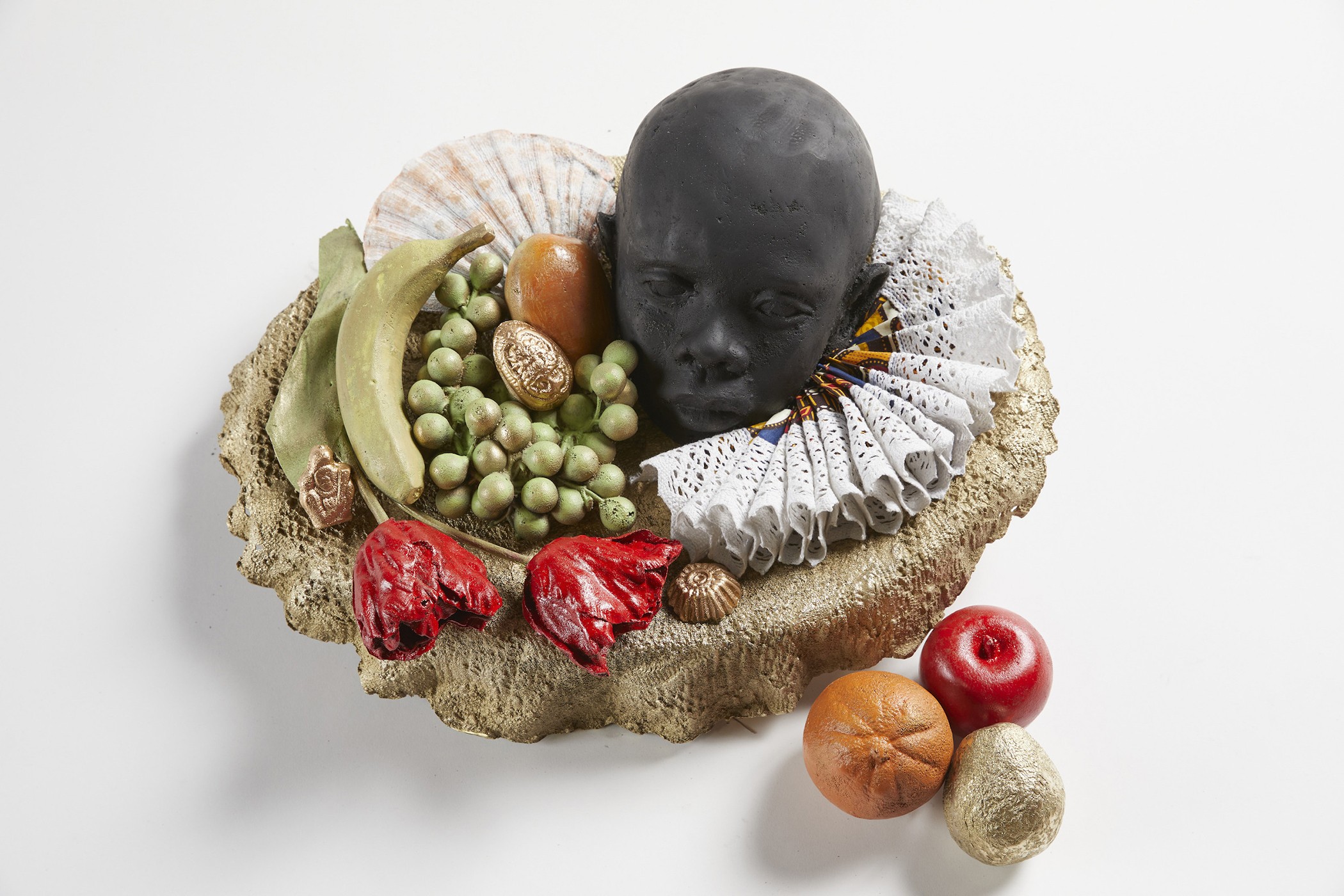
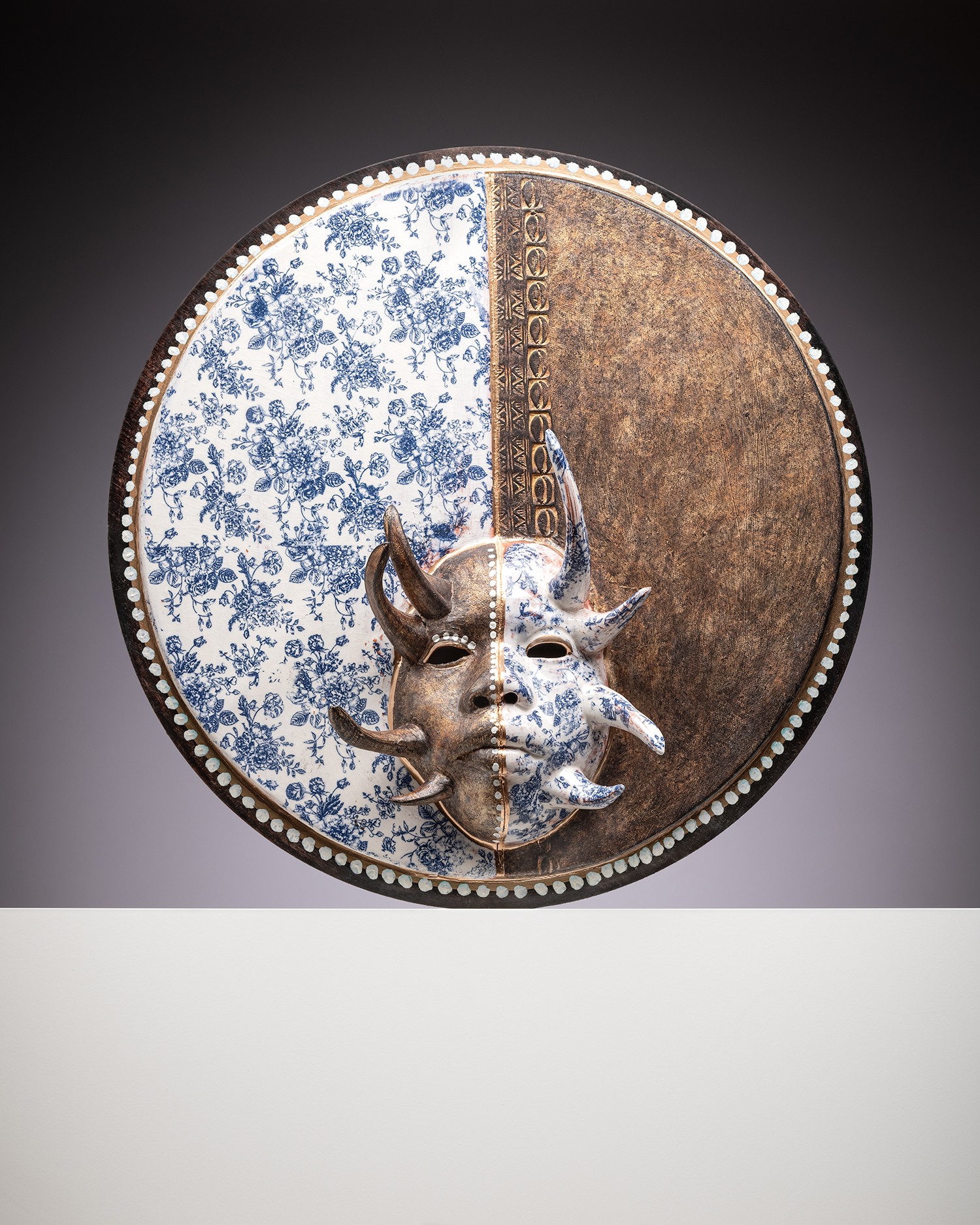
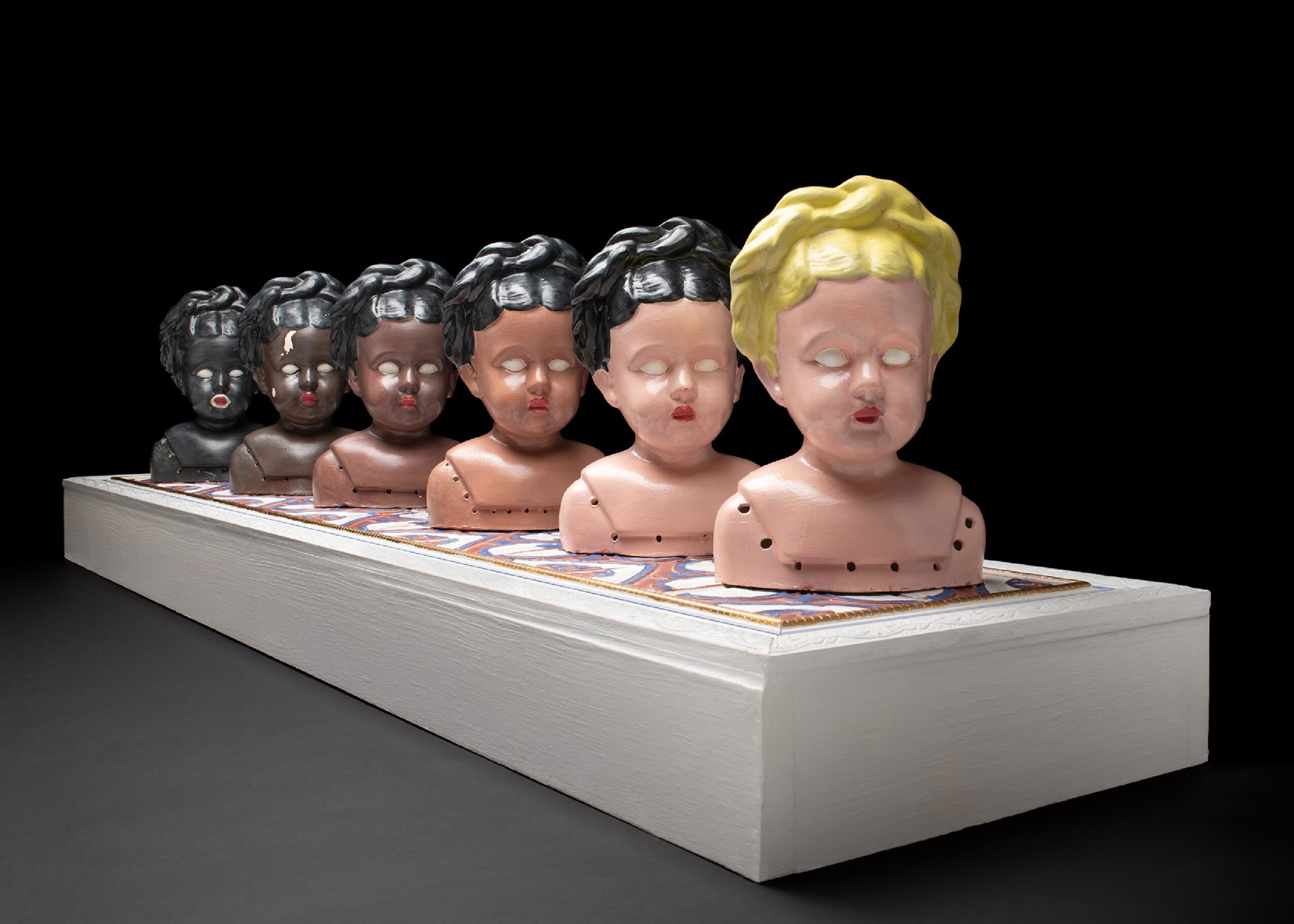
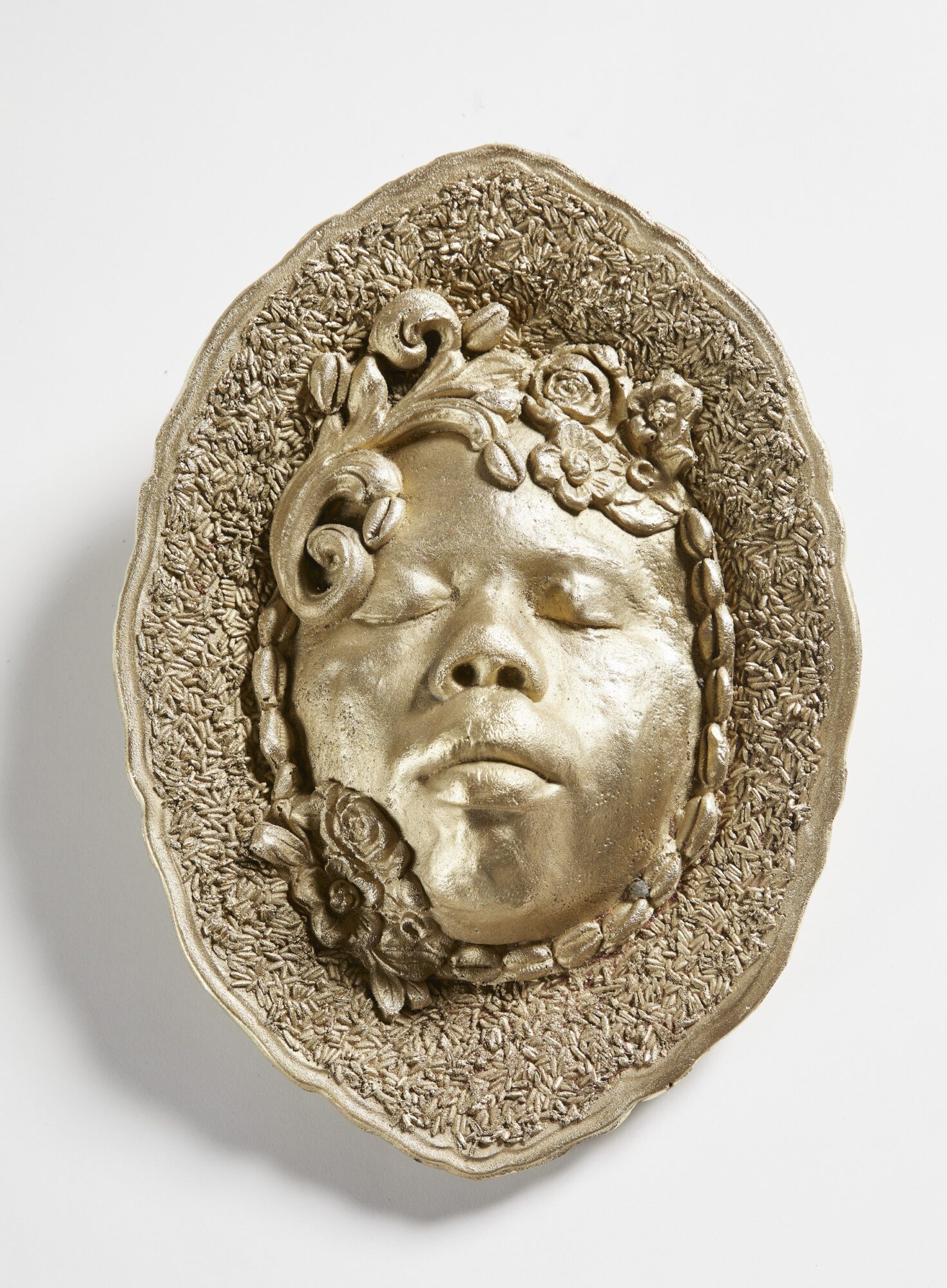
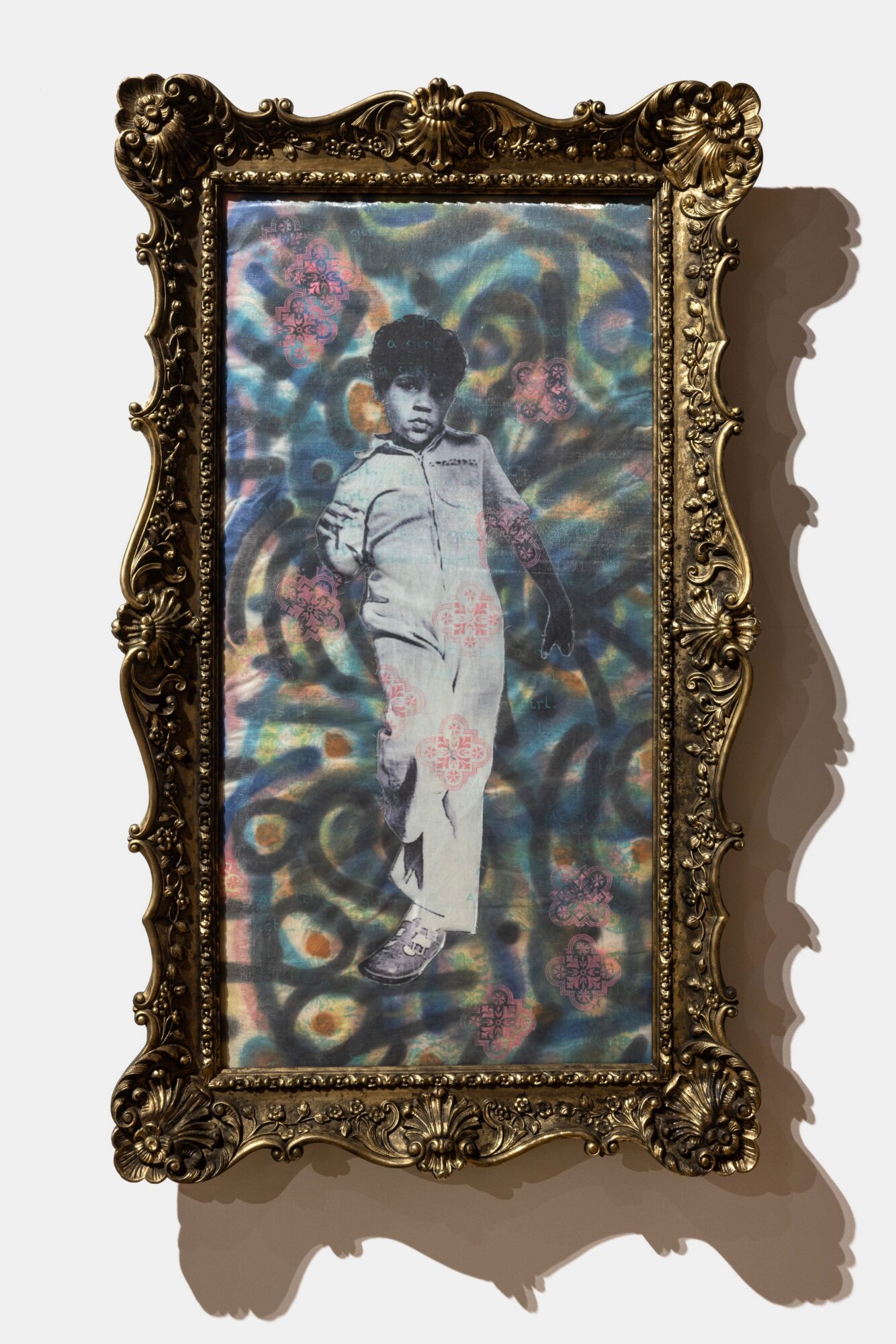
I am a queer, Afro Puerto Rican artist who creates sculptures from fiber, clay, wood, and found materials. I reimagine historical decorative objects so they can tell a more complex story of “American” history, one that takes into account connections between the people of the Caribbean, Latin America, Spain, and West Africa. Currently, I am fascinated with the decorative arts of the Enlightenment—a period associated with ideas about reason, liberty, freedom, and the right of the individual, but which also saw the rise of the global transatlantic slave trade. My artistic practice involves a lot of time spent in the archives, reading history and theory books, researching the material culture of the 1800s. I am most proud of how my artwork frames conversations about history and power and race in a global context. While so much time and energy has been focused on imagining a future where marginalized people can live freely, I am deeply convinced there are still stories we need to uncover and reimagine in the past. The past lives with us in the present.
How do you think about happiness?
I love my job. As the Artist-in-Residence and Head of the Fiber department at Cranbrook Academy of Art, I have the opportunity to work with and mentor the next generation of Fiber artists. My students are profoundly talented, and the freedom I have to determine my own curriculum allows me to be the type of educator I have always wanted to be. I get to create opportunities for my students, all while I make my own artwork right alongside them. My studio door is always open, and my students love to see what I am working on. I share my whole process with them. They get to see my accomplishments as well as my failures, and they get to see that professionally, everything I ask them to do I do on a regular basis for my own art career. I think training artists to develop their own voice and giving them the support and freedom to explore is rewarding. Artists have the power to imagine a different and better world, and that brings me joy every day.
Pricing:
- I prefer to sell my artwork to institutions.
Contact Info:
- Website: https://www.joeyquinones.com
- Instagram: @joeyquinones_art