
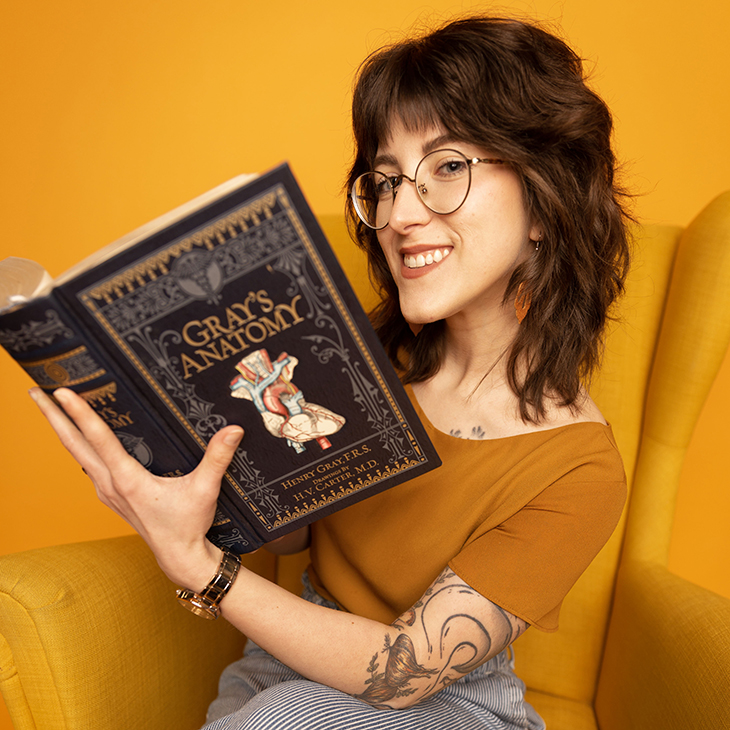
Today we’d like to introduce you to Emily Hromi.
Hi Emily, it’s an honor to have you on the platform. Thanks for taking the time to share your story with us – to start maybe you can share some of your backstory with our readers?
I attended the Cleveland Institute of Art and graduated with a BFA in Life Sciences Illustration (formerly Biomedical Art) in 2014. I was fortunate to have a few relevant internship experiences while in school, most notably a position as a student medical illustrator at the Cleveland FES Center, which gave my career an early jumpstart.
Soon after graduating I had the opportunity to move to Grand Rapids, which I took, wanting a change of scenery after living in Ohio my whole life. I was hoping to work as a medical illustrator straight out of school, but I found a lack of medical illustration jobs in my new city and wasn’t ready yet to dive into freelancing. Instead, I accepted the first creative position that was offered to me, which began my unintended but meaningful career detour into the planetarium industry. In September 2014 I started working at the Roger B. Chaffee Planetarium at the Grand Rapids Public Museum, first as a producer and later in a management role.
I was not working as a medical illustrator, but the work I was doing was still very relevant to my education since it combined science communication, science and data visualization, artistic production, and creative problem solving. But by 2018 my job had become much more administrative, and I felt called back to medical illustration (or if not medical illustration, something else that was primarily creative). Ultimately I started my business in 2019 and began working for myself full-time.
These days I am primarily a freelance medical illustrator, but I do a huge variety of other professional creative work as well. Most recently I officially became a Board Certified Medical Illustrator, which I was just informed of in early November.
Can you talk to us a bit about the challenges and lessons you’ve learned along the way. Looking back would you say it’s been easy or smooth in retrospect?
It has not always been a smooth road! I spent nearly a year figuring out how to leave my job in a way that would not be catastrophic for me or for the Museum (which I still cared about deeply, in a complicated sort of way). I didn’t just decide to quit one day. It took a lot of work and dedication to build my portfolio, establish an online presence, network, and seek out potential clients and collaborators. I continued to work at the Museum through all of this, and I only decided to move on once I was absolutely sure I was ready to be self-employed; and even then, the Museum and I worked out a two-month transition plan so that I could continue to oversee basic operations while my successor was hired and trained. At the time that this was all happening, the decision to leave my job and endure this huge career shift felt very emotional and bittersweet, but it was really important to me to leave on good terms and not burn any bridges. Since then, I have maintained strong connections to the Museum and have worked as a collaborator with them in a few different capacities. At this point I have been working independently longer than I worked at the Museum, but the five years that I was there were so formative and they make up such a significant and impactful part of my story. Through having had this experience, I’ve learned that careers—especially creative careers—have more plasticity than popular perception would have you believe.
As you know, we’re big fans of you and your work. For our readers who might not be as familiar what can you tell them about what you do?
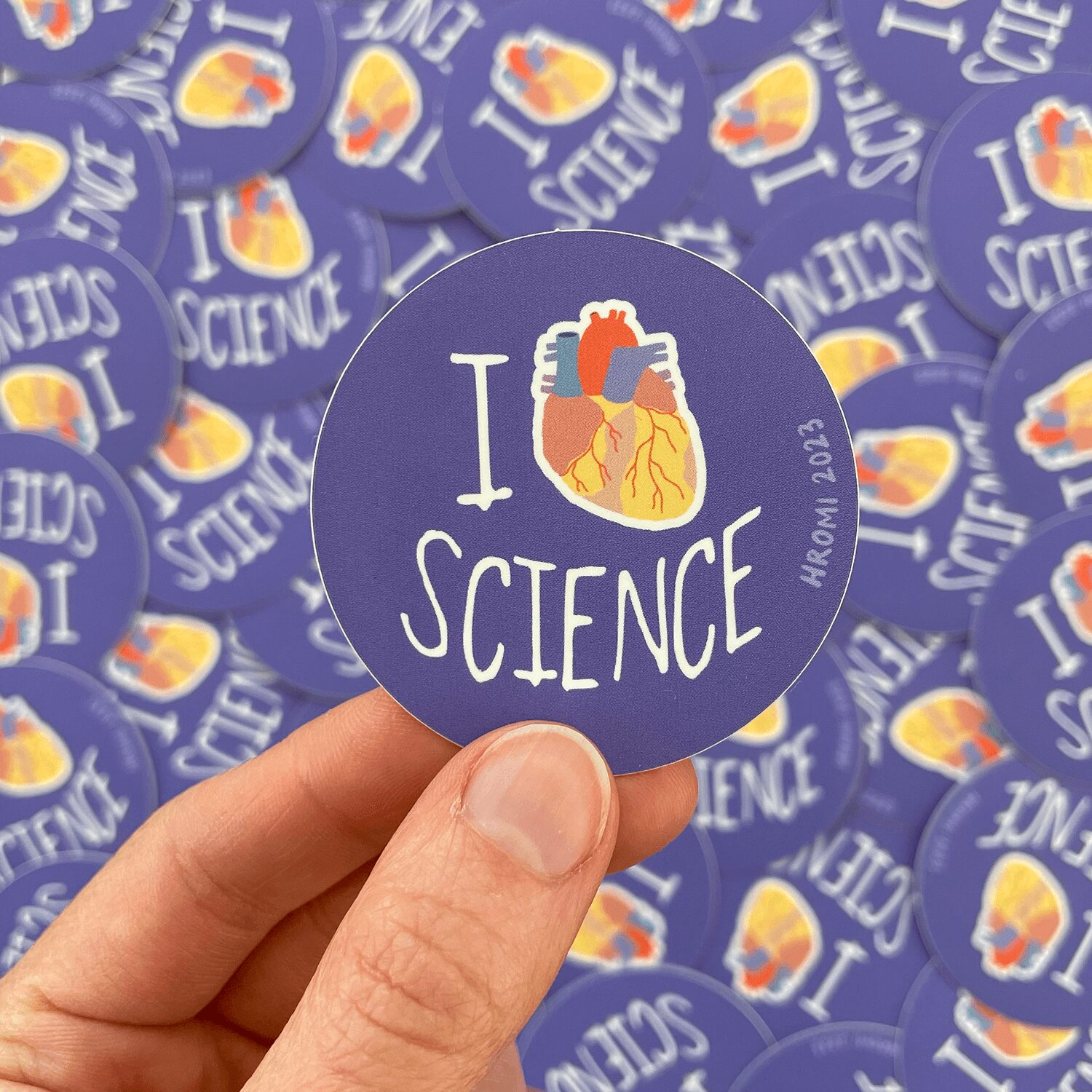
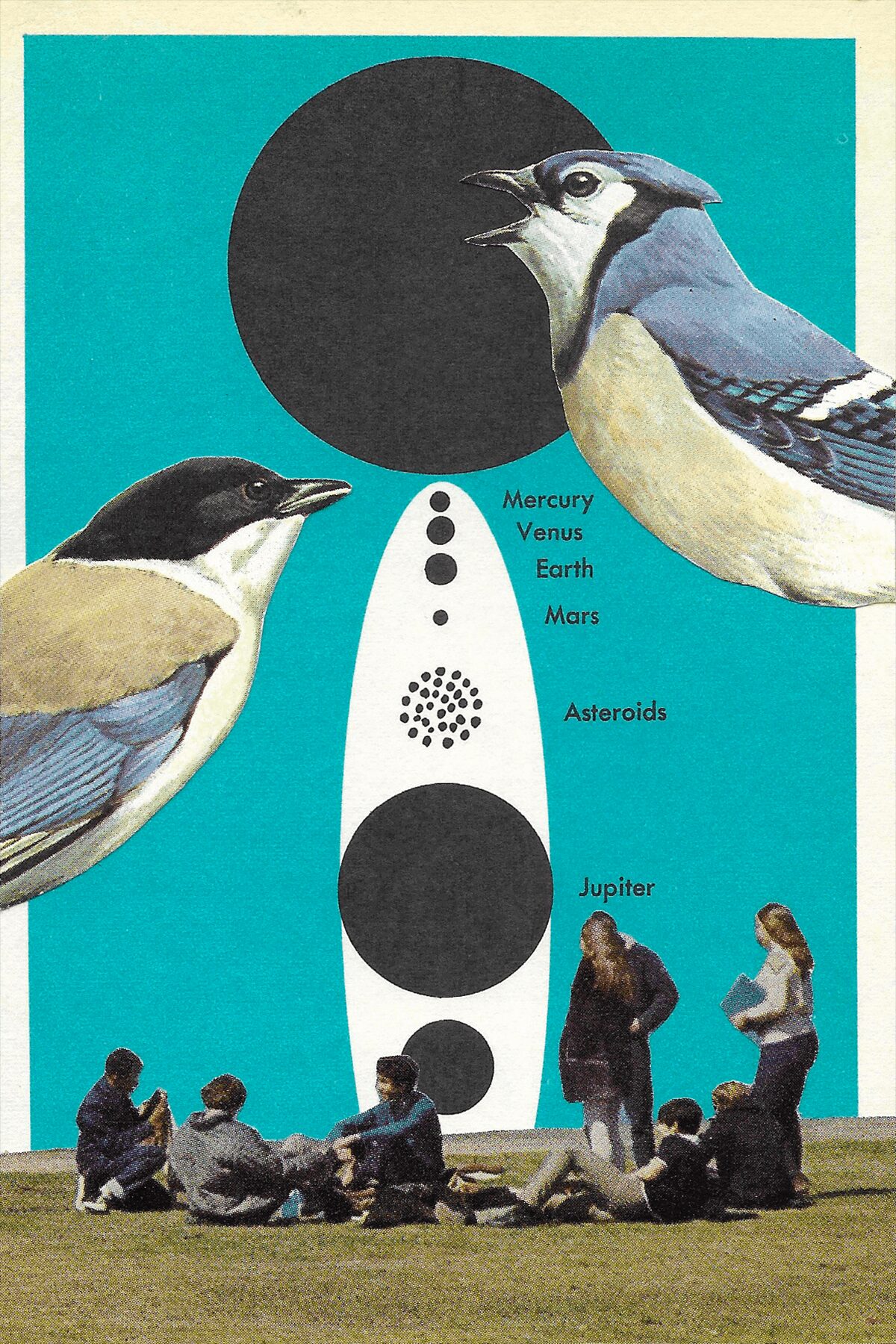
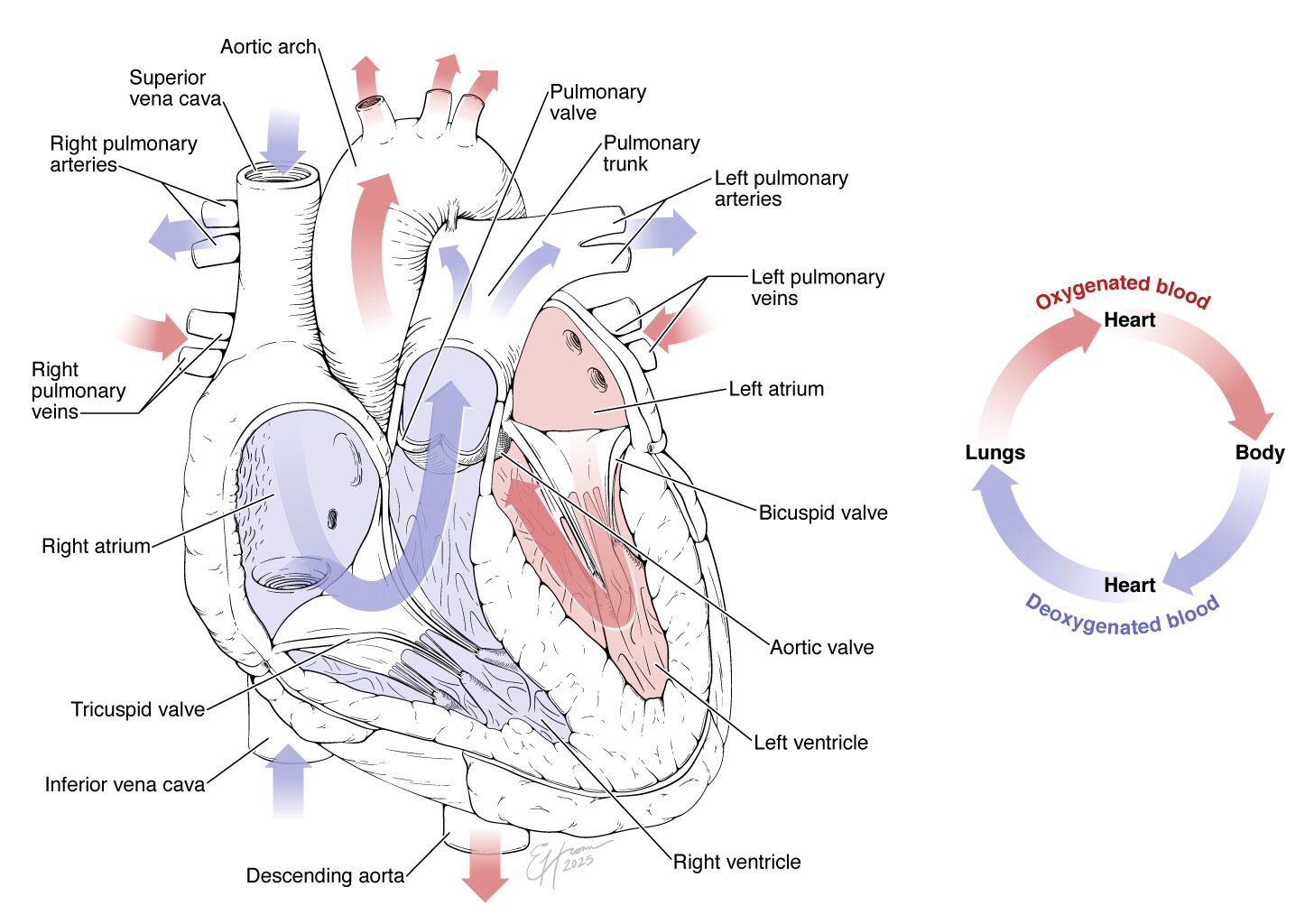
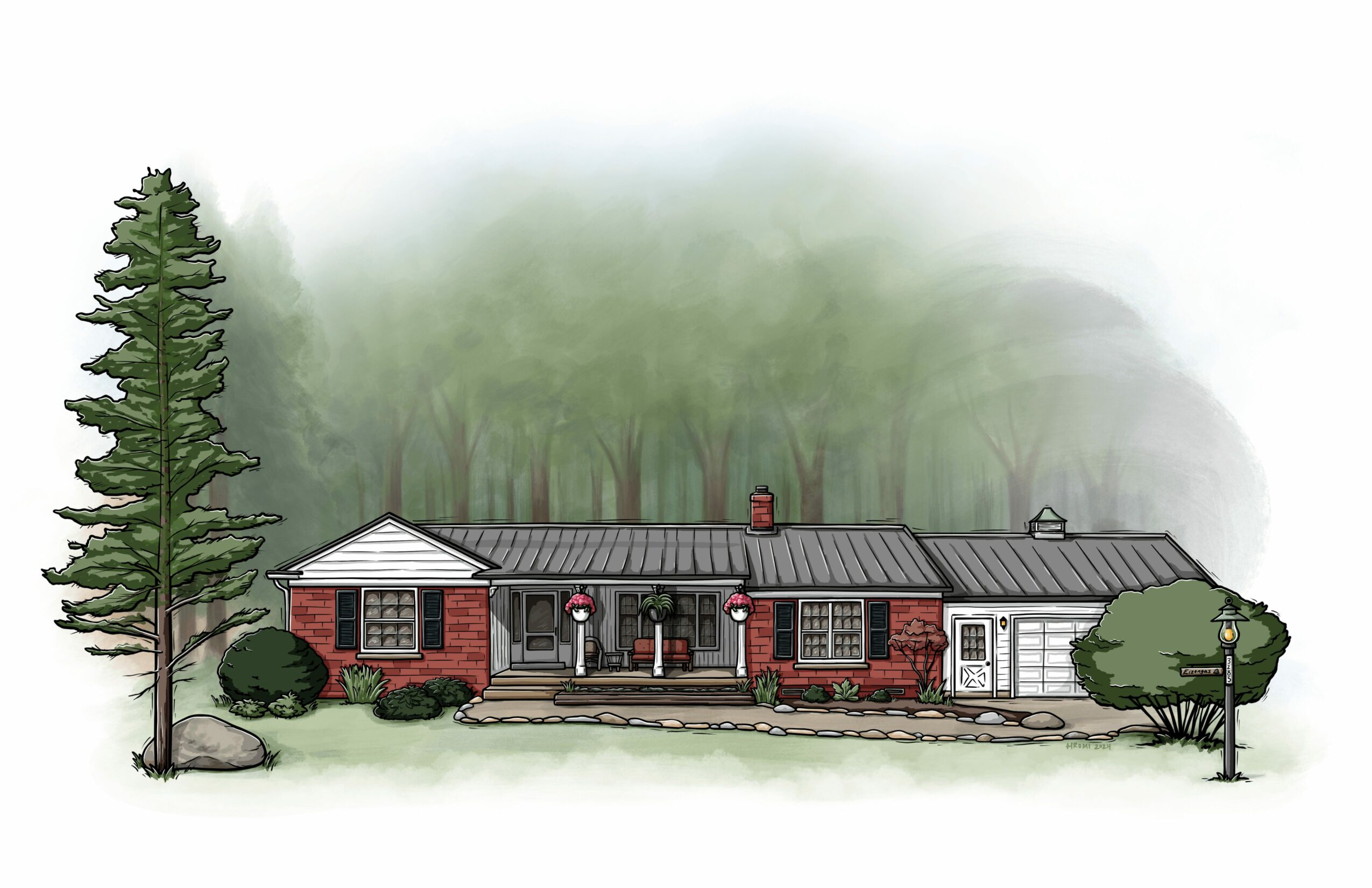
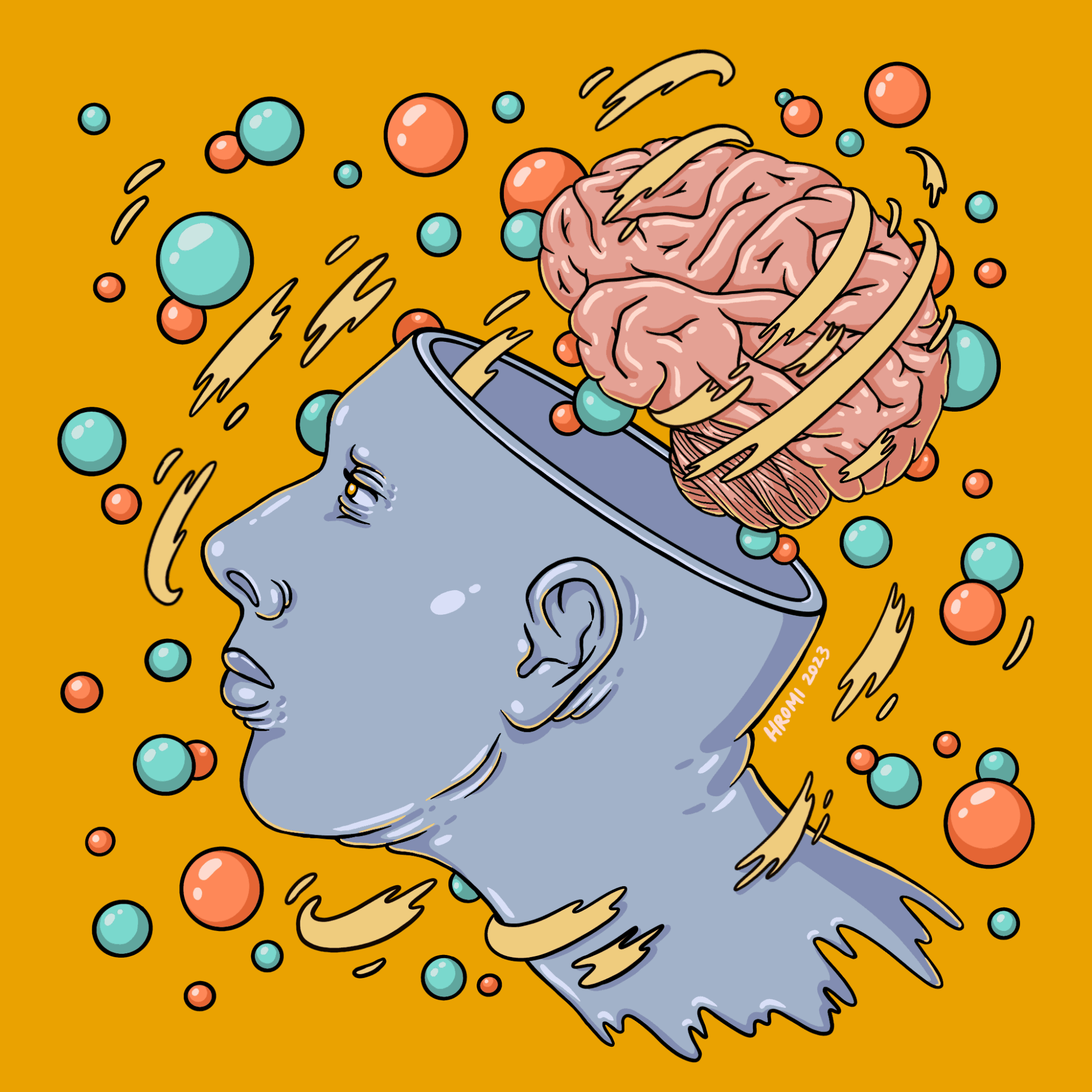
As mentioned I am a medical illustrator, which is a particularly distinct creative niche. I’m primarily a digital artist, and for my medical illustration projects I work with a combination of vector art and digital painting. Generally my other non-medical illustration projects include a lot of the same techniques and approaches, just with different subject matter and different goals. Outside of medical illustration, I am known (at least locally) for my illustrations of iconic places in Grand Rapids, as well as custom house portraits. Over the last few years I have also really fallen in love with analog collage, which was something I originally began exploring as a purely artistic and therapeutic outlet, but as with most visual art-related endeavors the line between expression and profession has become a bit blurred.
This is more of a general attribute outside of technique or actual creative practice, but I value my ability to follow through, which does directly translate to a firm commitment to my clients and collaborators, and I believe that sets me apart from others. Especially within the medical illustration industry, there is such a huge sea of highly skilled artists out there offering the same services that I offer, and some have been doing it for decades longer than I have. But the way I approach my interactions and obligations is uniquely me.
So maybe we end on discussing what matters most to you and why?
Authenticity matters most to me. I sort of struggle with marketing because I don’t enjoy feeling that I need to present myself in a voice that doesn’t seem like mine, or feeling that I am tricking people into interacting with my work, and over the past year that has greatly changed the way that I engage with the internet. I’ve majorly pulled back from social media and instead I rely on my audience finding my work through local events, community spaces, and professional organizations. Not being on the major social media platforms anymore comes with a little bit of FOMO, but I’m better able to focus on the art that I’m making and the genuine relationships that I’m building with my clients, collaborators, and friends.
Contact Info:
- Website: https://linktr.ee/studiohromi
- LinkedIn: https://linkedin.com/in/emilyhromi
- Other: https://bsky.app/profile/studiohromi.bsky.social