




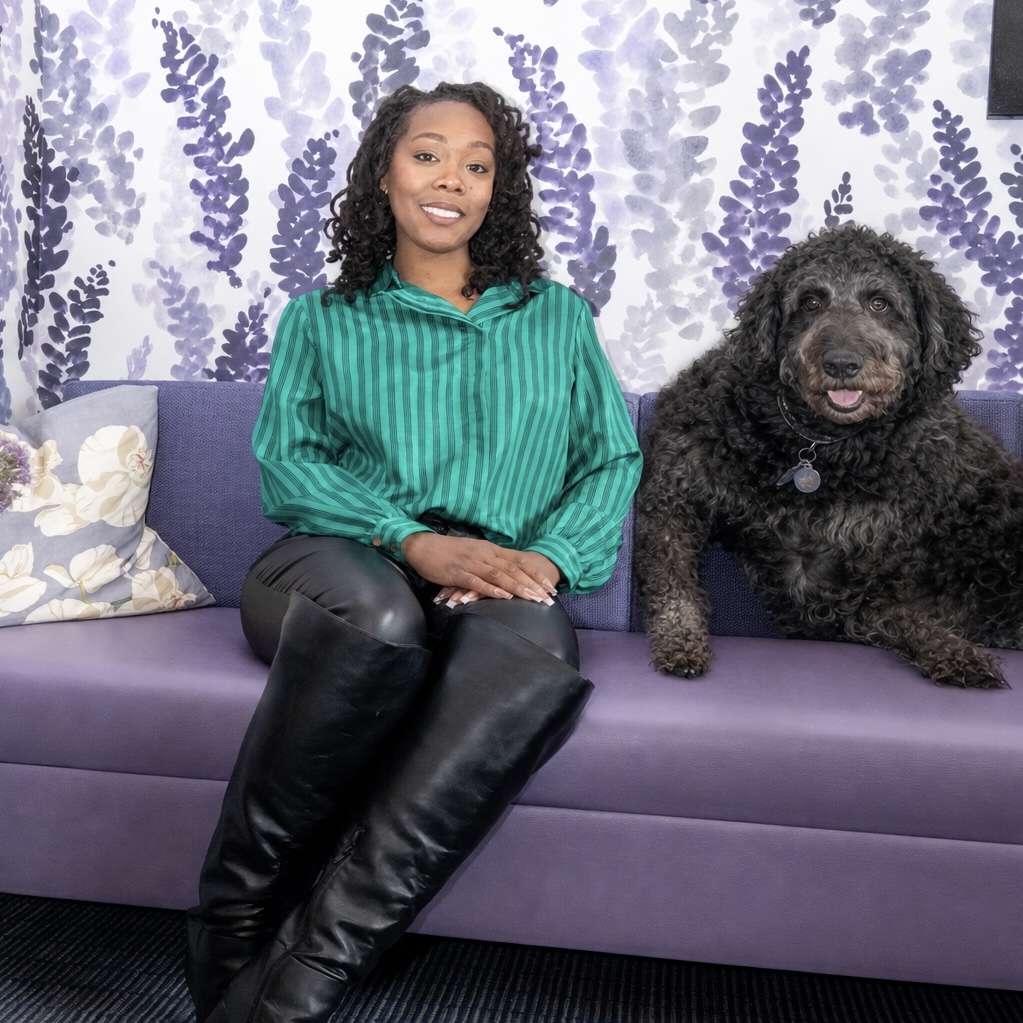
Today we’d like to introduce you to Tatiana Billings.
Alright, so thank you so much for sharing your story and insight with our readers. To kick things off, can you tell us a bit about how you got started?
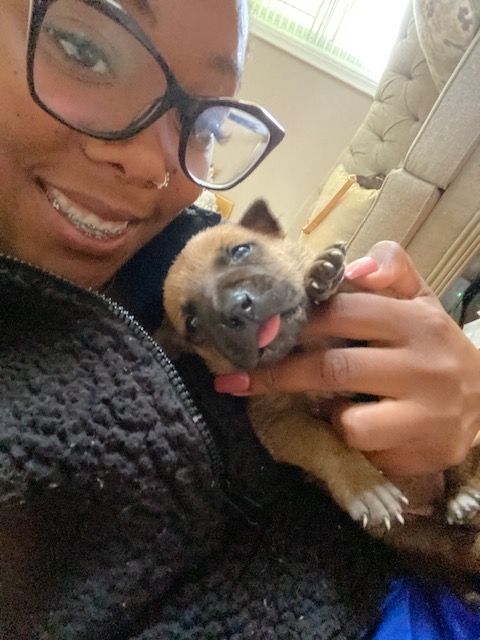
My story starts with a lifelong love for animals. Growing up, my family always had pets, dogs, turtles, cats, even a pigeon at one point. Animals were a constant in my life, and caring for them came naturally.
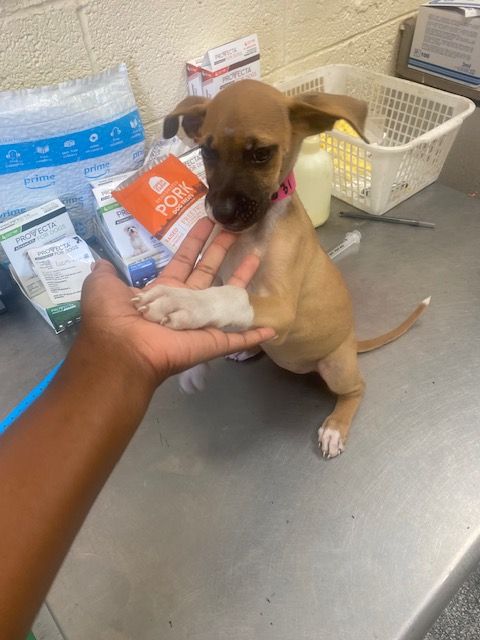
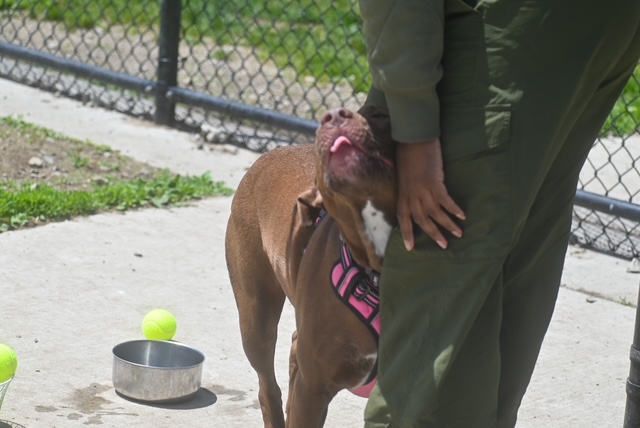
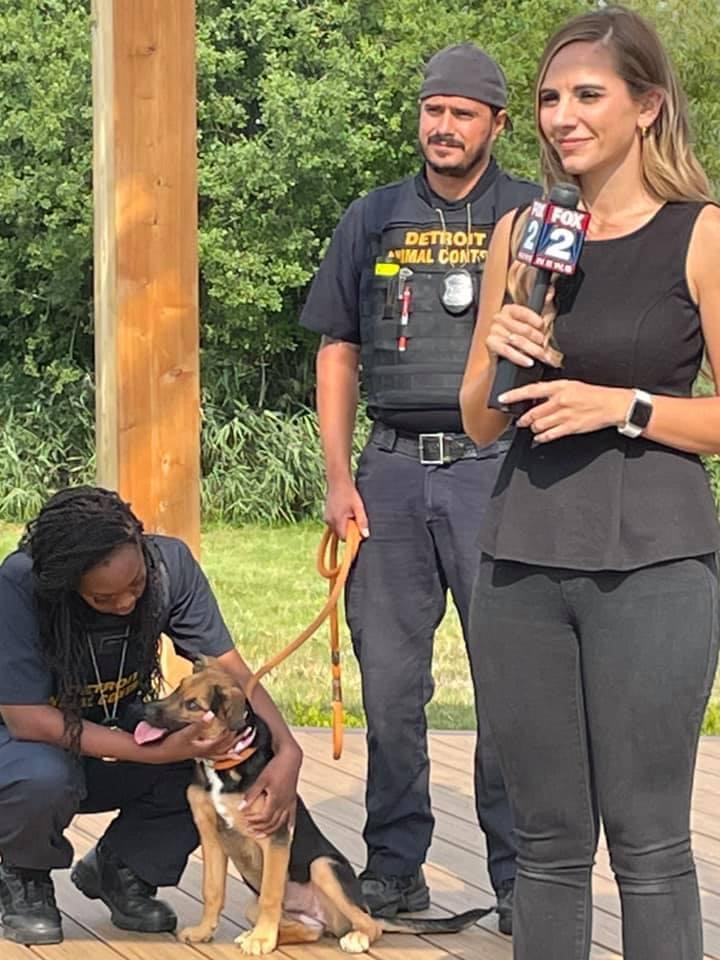
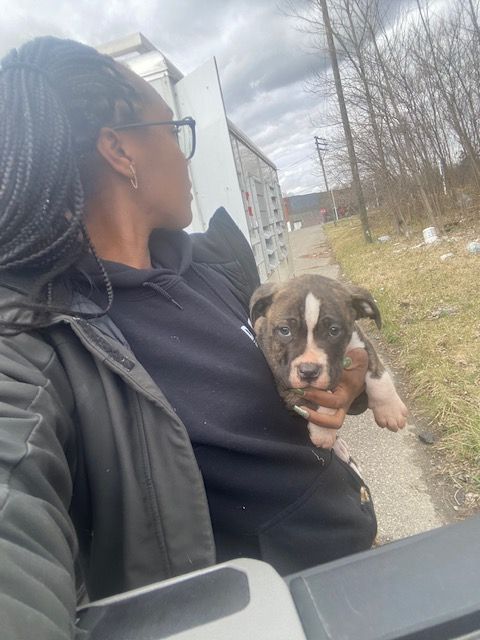
As I got older, that passion led me into animal rescue work and later into animal welfare enforcement, where I spent time responding to calls, supporting pet owners, and seeing firsthand how people’s experiences with their animals were shaped by race, income, and access. I witnessed real gaps in resources and support, especially for families who loved their pets but didn’t have the same opportunities or information as others.
Over time, I also became aware of the narrative surrounding Black and brown pet owners, a narrative shaped more by assumptions than reality. Too often, our communities were portrayed as uninterested, uninformed, or irresponsible, when in truth many people were doing the best they could with limited access, limited support, and systems that weren’t built with them in mind. The issue wasn’t a lack of love for their pets. It was a lack of resources, representation, and culturally aware guidance. I wanted to help shift that narrative toward one that reflects the truth: Black and brown pet owners are committed, caring, and deeply connected to their animals.
Eventually, the compassion fatigue from my work started to build. I knew I wanted to make a deeper impact, but I wasn’t sure how. Then one day, I was listening to Beyoncé’s Break My Soul, and when she said “release your mind” and “release your job,” I felt that in my spirit. After months of contemplation, that was the moment I finally said, “Okay, it’s time.” I quit my job, went back to school, and decided to figure out how to combine my love for dogs with something that could actually change the environments people and pets share.
I originally went to school for something completely different, but choosing urban studies and planning turned out to be the perfect way to merge my passion for dogs with my commitment to shaping a more pet‑friendly Detroit. It gave me the tools to understand how neighborhoods, resources, and community spaces impact people and their pets, and how I could help make those spaces more accessible and supportive.
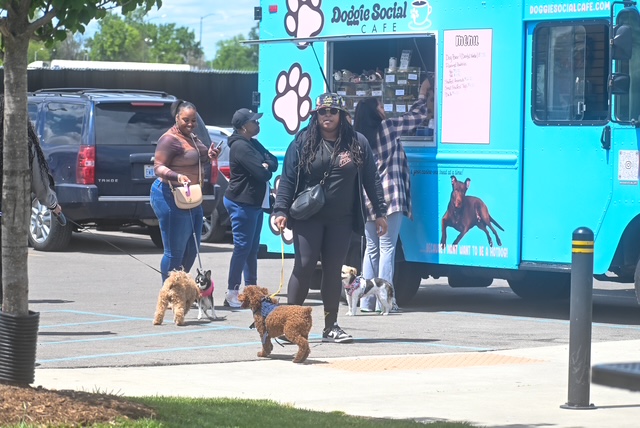
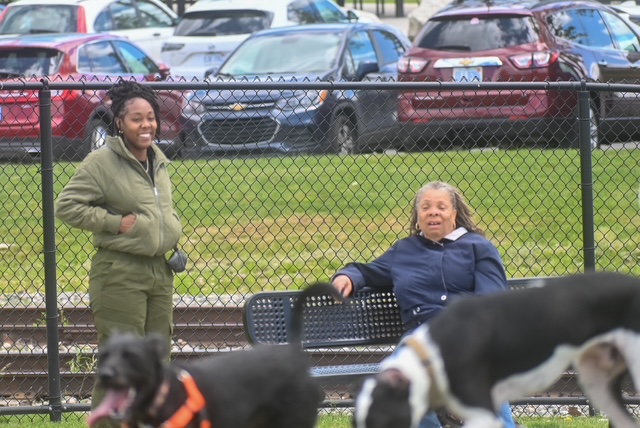
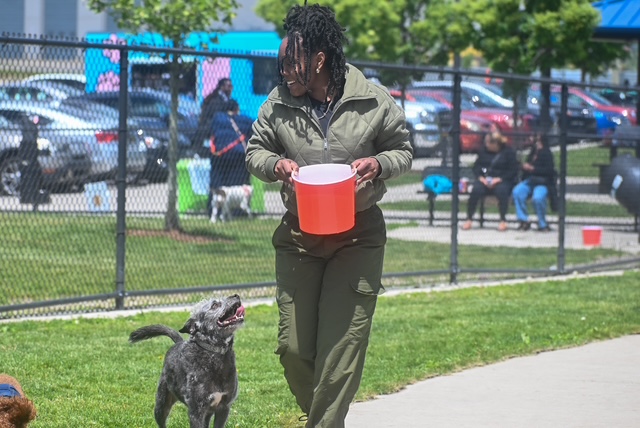
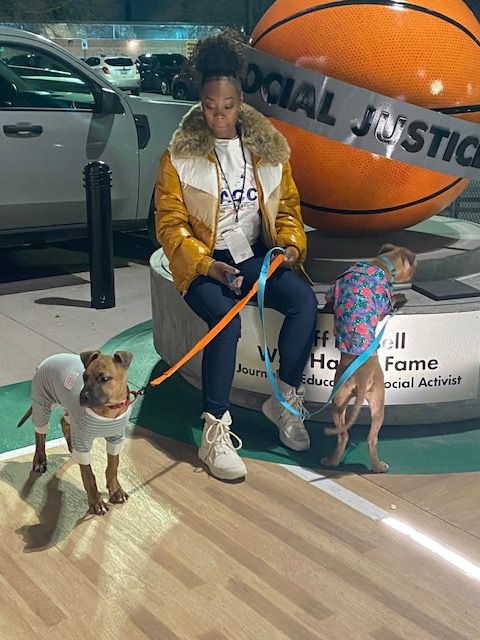
Mutts & Melanin began one year ago as a simple idea, just a few dog owners meeting up at a local park to connect. What started as casual meetups quickly grew into something meaningful. People kept showing up. Conversations turned into community. And it became clear that there was a need for a space where Black and brown dog owners could feel seen, supported, and understood.
Today, Mutts & Melanin has grown from a small gathering into a thriving community, one built around culture, responsible dog ownership, and access to real‑world support. My journey has been shaped by the animals I’ve cared for, the work I’ve done, and the belief that everyone deserves pet care resources that meet them where they are.
We all face challenges, but looking back would you describe it as a relatively smooth road?
It definitely hasn’t been a smooth road. When I started Mutts & Melanin, it was just a few dog owners meeting up at a local park. I didn’t have a blueprint, a team, or funding, just an idea that wouldn’t leave me alone and a feeling that my community deserved something different.
Compassion fatigue from my animal welfare work was real. I was carrying stories, situations, and emotions that stayed with me long after I clocked out. I knew I needed a change, but I didn’t know what that change looked like. And then Beyoncé dropped Break My Soul. When she said “release your mind” and “release your job,” it hit me in a way I wasn’t expecting. After months of wrestling with what I wanted my life to look like, that song became the moment I finally admitted to myself that I needed to walk away. So I did. I quit my job and went back to school.
Starting over wasn’t easy. My first degree was in something completely different, so choosing urban studies and planning meant rebuilding my path from the ground up, academically, financially, and emotionally. But it also felt like the first time my love for dogs and my love for Detroit were finally speaking the same language.
Another challenge has been the lack of representation in animal welfare. There were so many moments where I felt like I was navigating this work alone because I didn’t see people who looked like me in the spaces I was trying to enter. Finding role models has been challenging because representation in animal welfare is still limited. That’s why discovering the BIPOC in Animal Well‑Being Collective was so important, it’s one of the few spaces where BIPOC professionals in animal care can connect, support each other, and build the kind of community we don’t always find in traditional animal‑welfare environments. Being part of that collective reminded me that even if the blueprint doesn’t exist yet, we’re creating it together.
So no, the road hasn’t been smooth. But every challenge has shaped me, stretched me, and pushed me closer to the work I’m meant to do, and to a community that continues to grow in ways I never imagined.
Thanks for sharing that. So, maybe next you can tell us a bit more about your work?
My work sits at the intersection of animal welfare, community care, and representation. Through Mutts & Melanin, I create spaces, resources, and experiences that center Black and brown pet owners, people who are often overlooked, misunderstood, or left out of the mainstream animal‑welfare conversation.
I specialize in community‑based pet education, culturally aware outreach, and building dog‑friendly environments that reflect the realities of the neighborhoods I serve. I’m known for making responsible dog ownership feel accessible, relatable, and judgment‑free. Whether it’s hosting meetups, sharing practical education, or connecting people to resources, my work focuses on meeting pet owners exactly where they are.
One of the things I’m most proud of is how Mutts & Melanin started: just a few people meeting up at a local dog park. No budget, no blueprint, no big strategy, just connection. And from that small beginning, it’s grown into a community where people feel seen, supported, and celebrated. Watching folks show up month after month, forming friendships, learning together, and feeling represented in a space that wasn’t built with them in mind, that’s what keeps me going.
What sets me apart is the lens I bring to this work. I’ve been on the front lines of animal rescue and animal welfare enforcement, so I’ve seen the disparities up close. I’ve also lived the compassion fatigue that comes with that work. And even now, some days I still have imposter syndrome, moments where I can’t believe I’m actually creating the life I used to dream about. But stepping out on faith, choosing myself, and building something from the ground up has grown my confidence in ways I never expected.
Another thing that sets me apart is that I’m representative of the community I serve. Many people working in animal welfare come from outside the neighborhoods they’re trying to support, which can unintentionally create distance or misunderstanding. My approach is different because I’m not looking at this work from the outside in. I’m part of the same community, culture, and lived experience as the people I’m showing up for. I don’t view my work as “saving” anyone; I see it as contributing to a community I belong to. That perspective keeps everything grounded in respect, shared experience, and authenticity.
I’m also intentional about highlighting Black and brown pet business owners and services, groomers, trainers, walkers, makers, and entrepreneurs who are often overlooked in mainstream pet spaces. Mutts & Melanin gives them visibility, platforms, and community support so people can discover and invest in businesses that reflect their culture and values. Uplifting them is just as important as uplifting pet owners, because representation in the pet industry matters at every level.
Let’s talk about our city – what do you love? What do you not love?
What I like best about Detroit is its history of shaping movements, industries, and culture in ways that reach far beyond the city limits. Detroit has always been a place where people come to build, create, and reinvent themselves. At different points in history, this city was a national hub for innovation, activism, music, labor organizing, and community‑driven change. Detroit didn’t just participate in major cultural shifts, it led them.
You can feel that legacy everywhere, in the architecture, the neighborhoods, the arts, and even in the way people greet each other with a simple “what up doe”, a phrase that carries warmth, familiarity, and a sense of belonging. It’s a reminder that Detroit has its own language, its own rhythm, and its own way of making you feel at home.
I love that Detroit is a place where ideas don’t just sit, they grow legs. People here take a thought, a hope, a “maybe one day,” and turn it into something real. Creativity shows up in the way folks build businesses, revive old spaces, and pour into their neighborhoods with whatever they have. There’s a closeness in Detroit that you can actually feel, the kind that shows up in small moments, in familiar faces, in the way people show up for each other. That mix of history, grit, and genuine connection is what makes Detroit feel like home.
What I like least about Detroit isn’t the people, it’s the systems. Too often, Detroiters have to fight for things that should be basic: access, investment, safety, resources, and representation. Our communities are rich in culture and connection, but they’re not always treated that way. We deal with disparities that didn’t happen by accident, and those inequities show up in everything from housing to education to animal welfare.
I also dislike how often Detroit is misunderstood or misrepresented by people who don’t live here. They see headlines, not neighborhoods. They see stereotypes, not families. They see problems, not potential. And that disconnect affects how resources are distributed and how our communities are supported.
But even with those challenges, Detroiters continue to build, create, and care for each other in ways that make this city one of the most resilient places in the country.
Contact Info:
- Instagram: https://www.instagram.com/muttsandmelanin/