





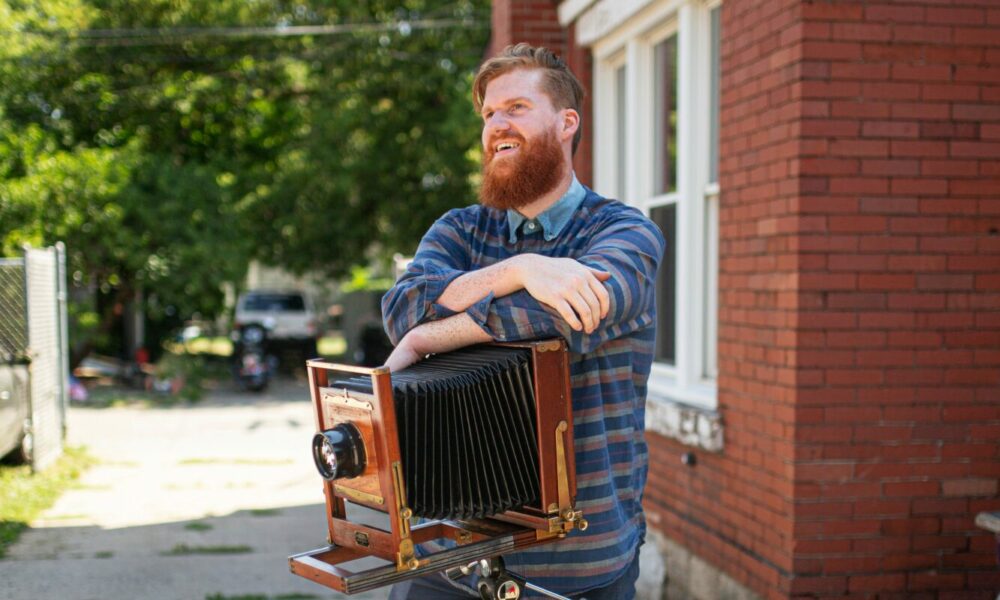
Today we’d like to introduce you to Steven Glynn.
Hi Steven, can you start by introducing yourself? We’d love to learn more about how you got to where you are today.
I started doing photography as a hobby in college. I saved up to buy a basic Canon DSLR camera that a local pawn shop had. From there I just kept practicing until I was comfortable booking portrait sessions about a year into my practice. From there I spent about four years practicing digital photography and growing my client base for portraits and brand work. A friend of mine reached out and asked if I wanted an old large-format camera he had acquired. I didn’t have much use for it, but accepted the gift. I felt bad taking it off his hands without using it so I decided to learn how to do tintypes. After six months of failing to make any worthwhile images, I finally figured out the process to a point people took notice and wanted one done of them! I then started do more and more tintypes as people requested them. Now they make up 50% of my business! I have people from across the state and country come into my Lansing studio for them now! I still do digital photos; however, tintypes are increasingly becoming a popular alternative to digital photos for engagements, maternity photos, family photos, and more. People can’t seem to get enough of this nearly forgotten craft.
Can you talk to us a bit about the challenges and lessons you’ve learned along the way? Looking back would you say it’s been easy or smooth in retrospect?
When I started making tintypes, I failed a lot. It was really difficult to get good results in general. In addition to that, the material costs for metal plates, silver nitrate, and other chemistry were really adding up. I was a working photographer relatively new in my career using my limited resources to fund the learning process. I wasn’t sure if it made any sense to keep doing the process. I felt really defeated at times and even felt remorse for spending all that time, energy, and money on the process. However, as my skills and knowledge increased it became more and more feasible to sustain. I was getting great results and having a lot of fun in the process. As my clientele grew it even became profitable and I was able to move out of my home studio and transition into my own brick-and-mortar space! That’s when I met another obstacle. I had opened up about a week prior to the announcement of the pandemic and the looming lockdowns in Michigan. Like many I was paying for a studio I couldn’t accept clients in. I was very fortunate that my diverse skill set allowed me to stay working. By doing things like live streaming production for local businesses and doing product photography I was able to stay busy and keep working on my craft in my free time. I am very grateful for that time looking back, I was able to spend a lot of time perfecting my process and setting up my studio exactly how I wanted. Once I was able to safely open my doors back up, I was able to transition back into doing tintypes and other in-person shoots!
Thanks for sharing that. So, maybe next you can tell us a bit more about your work?
I am most known for my work as a tintype portrait artist. The Tintype process was invented in the 1850s, the images from the civil war were done on. this process. It involves hand coating a metal plate in silver and chemically developing an image onto it. The process is very hands on, everything is made from scratch. Each time you want to take a photo, you have to create and process the image from start to finish, this usually take me about 30 minutes per image. A variety of photo chemicals and a darkroom are required in studio or on the road in order to make a photo – unlike modern alternatives like film. If I want to make a photo of something outside of the studio, I have to create the “film” or plate, take the photo, develop it, and fix it on site before it dries out (this can be as short as a few minutes). If I wait too long, it’s too hot out, or it’s too windy the image will dry out before I’m done and it will be ruined. Because the image is wet the entire time it’s being taken it’s often referred to as Wet Plate Collodion (Collodion being one of the key ingredients in the process). My most popular size of plates is 8×10 inches. Such a large medium results is a very sharp image that can easily be viewed in your hands or on display.
I have enjoyed great success and recognition with my digital and film work, however because so few people do tintypes, I have seen a ton of awesome opportunities. Over the last four years, I have taken hundreds of individual/family portraits and worked with some great companies. I am constantly amazed at how many tintypes I have taken especially when you consider it takes on average 30 minutes per image!
Who else deserves credit in your story?
My wife Megan has been my greatest supporter. From the start encouraging me to get into photography to allowing me to turn our basement into a darkroom and our living room into a makeshift studio. And now encouraging me to do sessions when people are available like evenings and weekends – even when it means less time together. She really makes what I do possible and I am forever thankful.
I have a very small circle of fellow tintype photographers around the world I have met that have helped me work through obstacles I have faced whether it’s better understanding chemistry to finding parts for very old essential equipment.
Contact Info:
- Website: sglynnphoto.com
- Instagram: instagram.com/sglynnphoto
- Facebook: Facebook.com/sglynnphoto
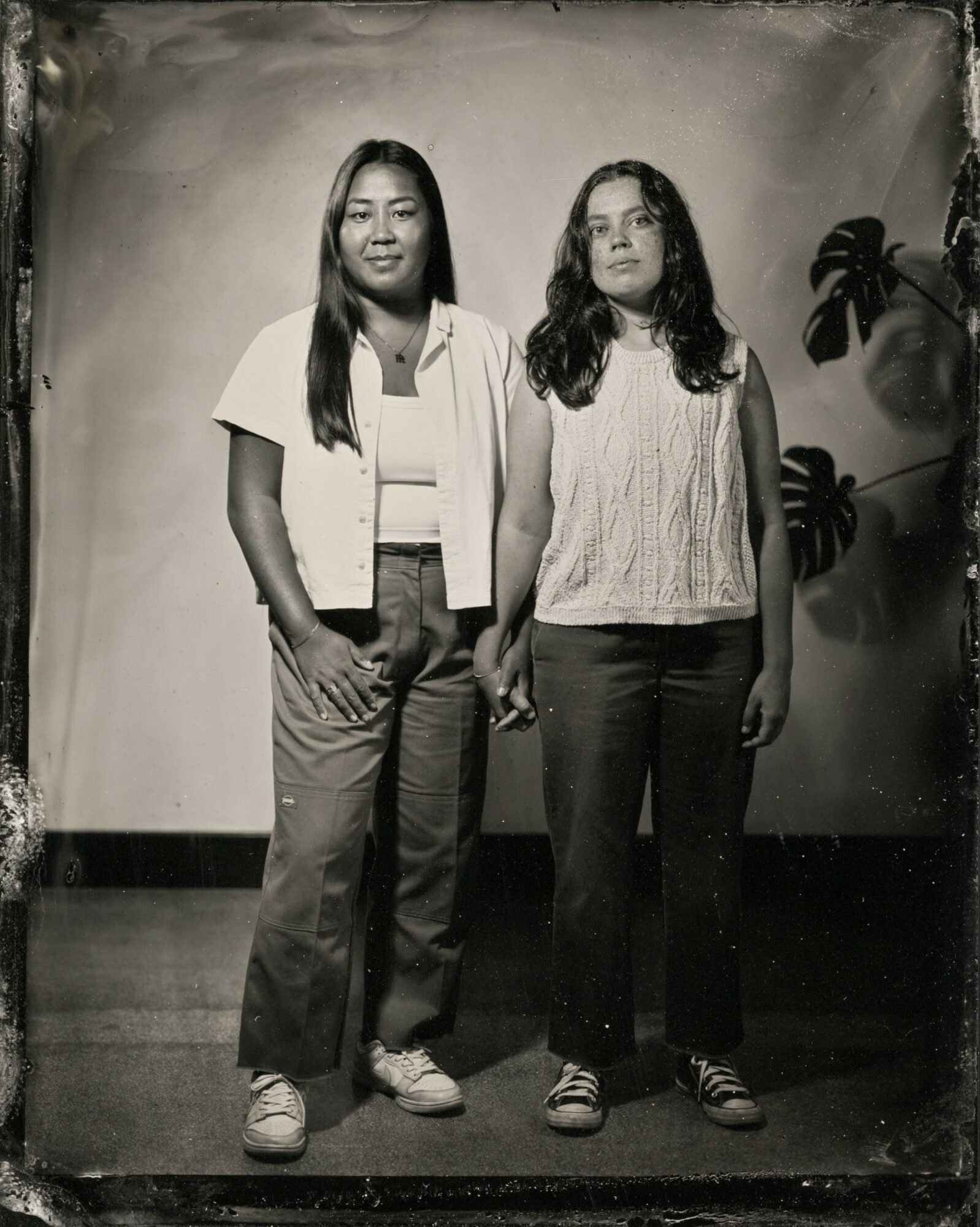
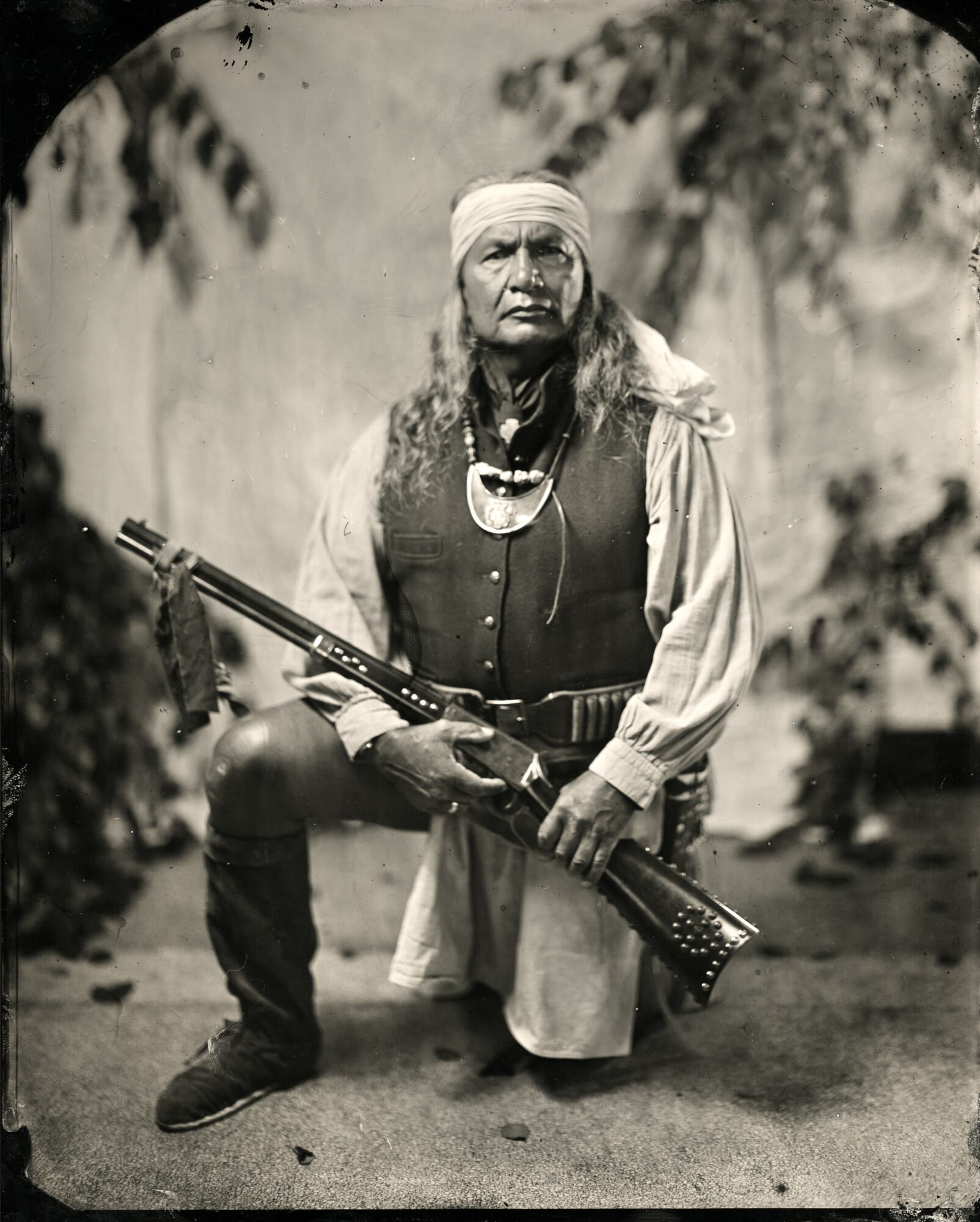
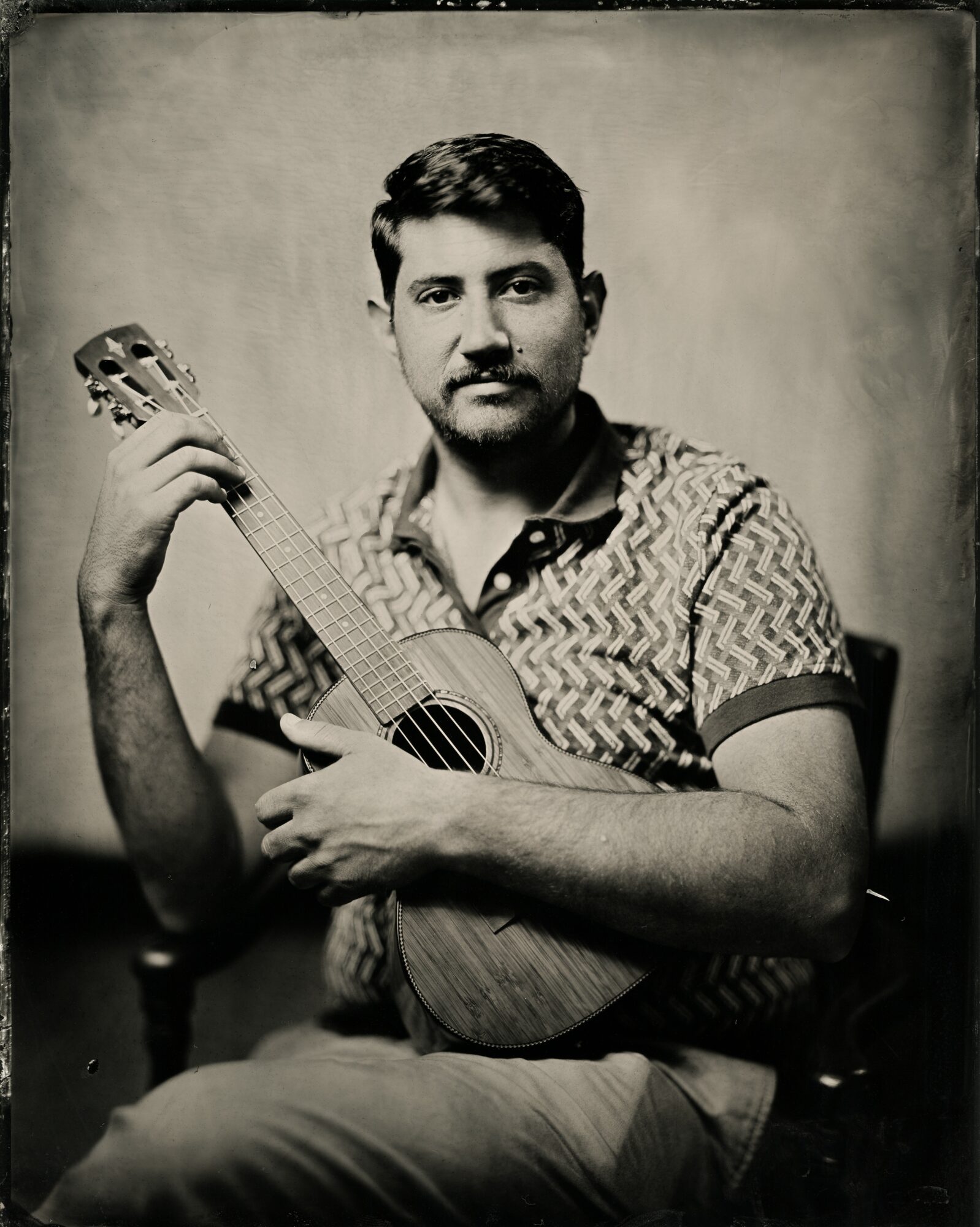
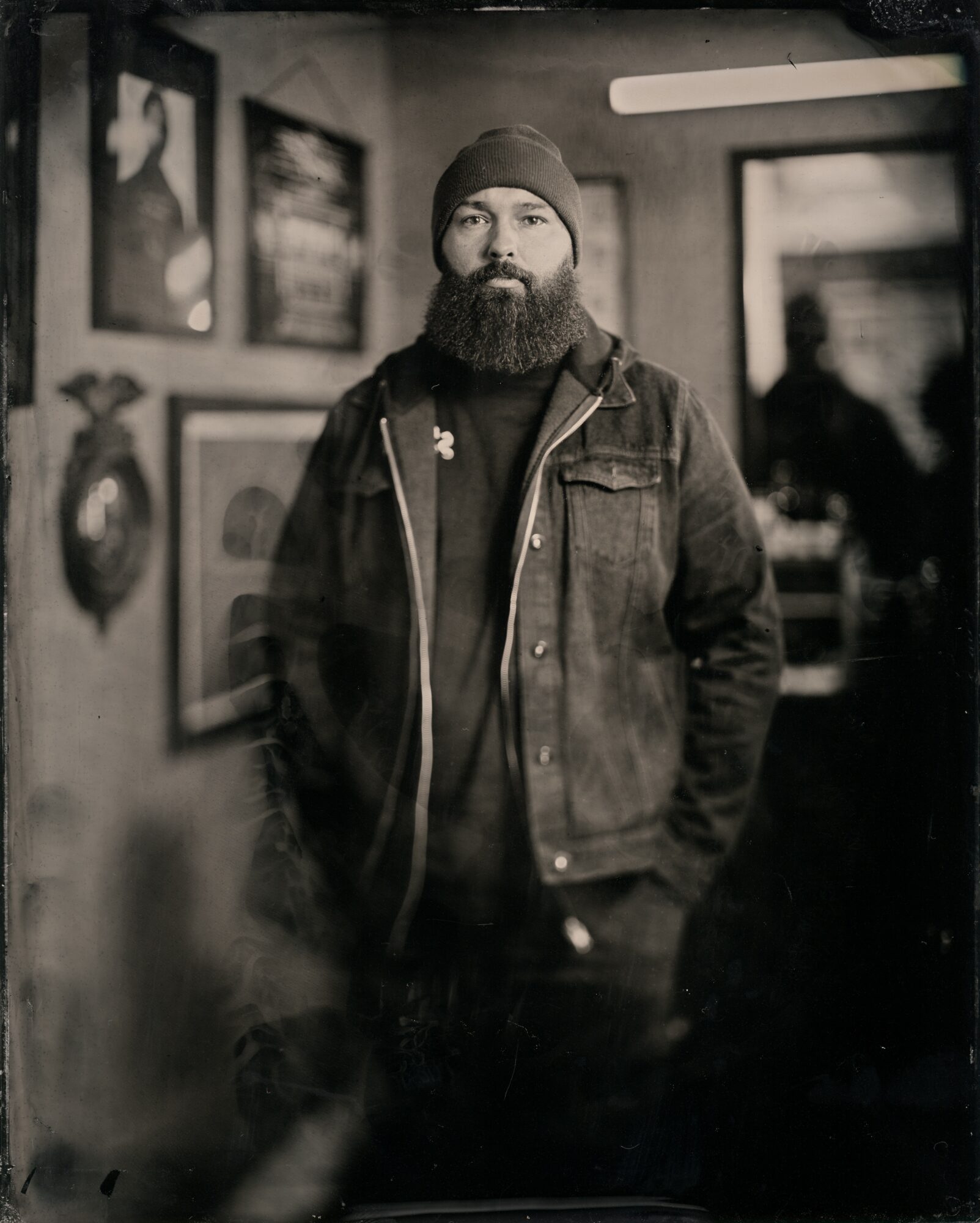
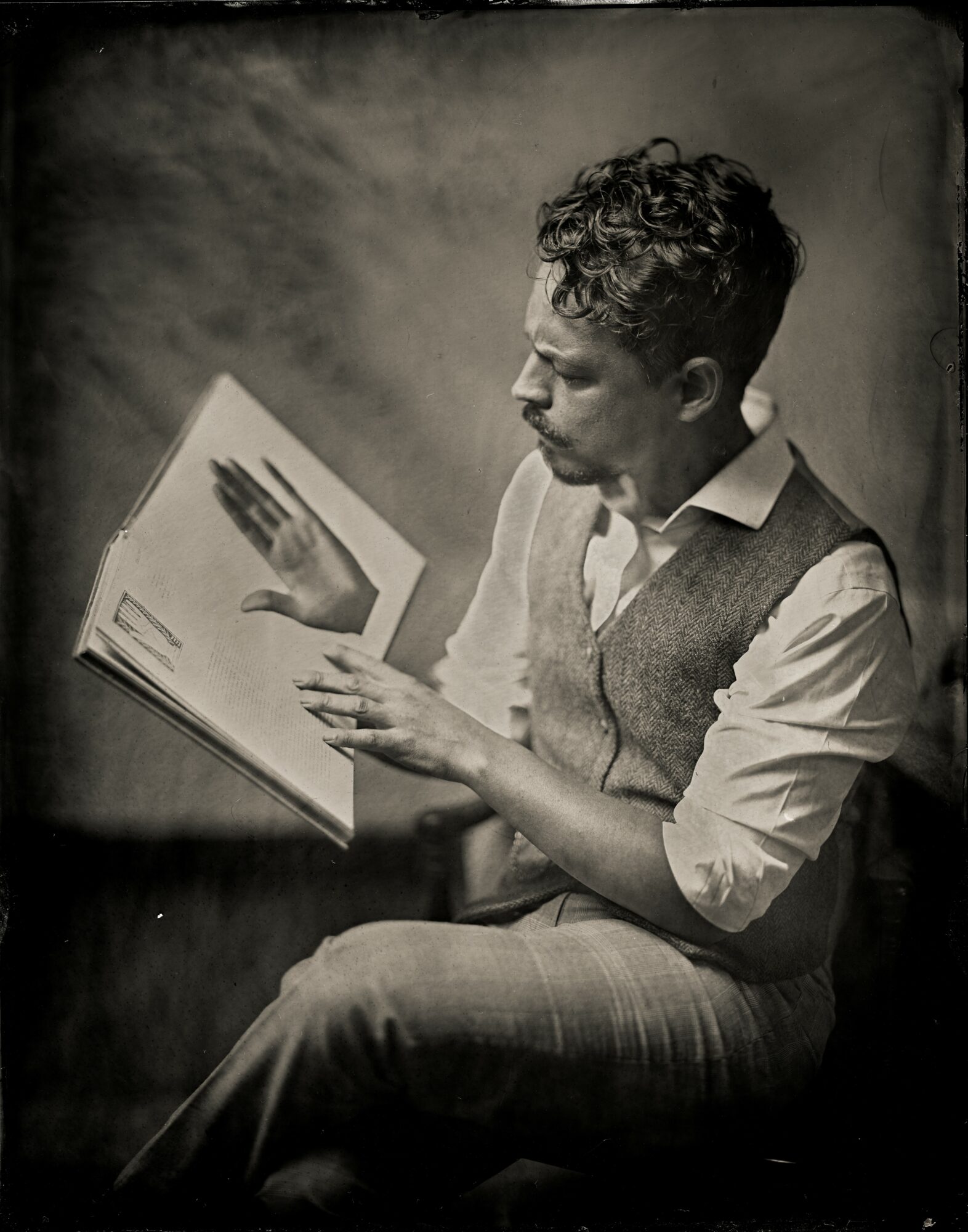
Image Credits
Margaret Shaw
Steven Glynn