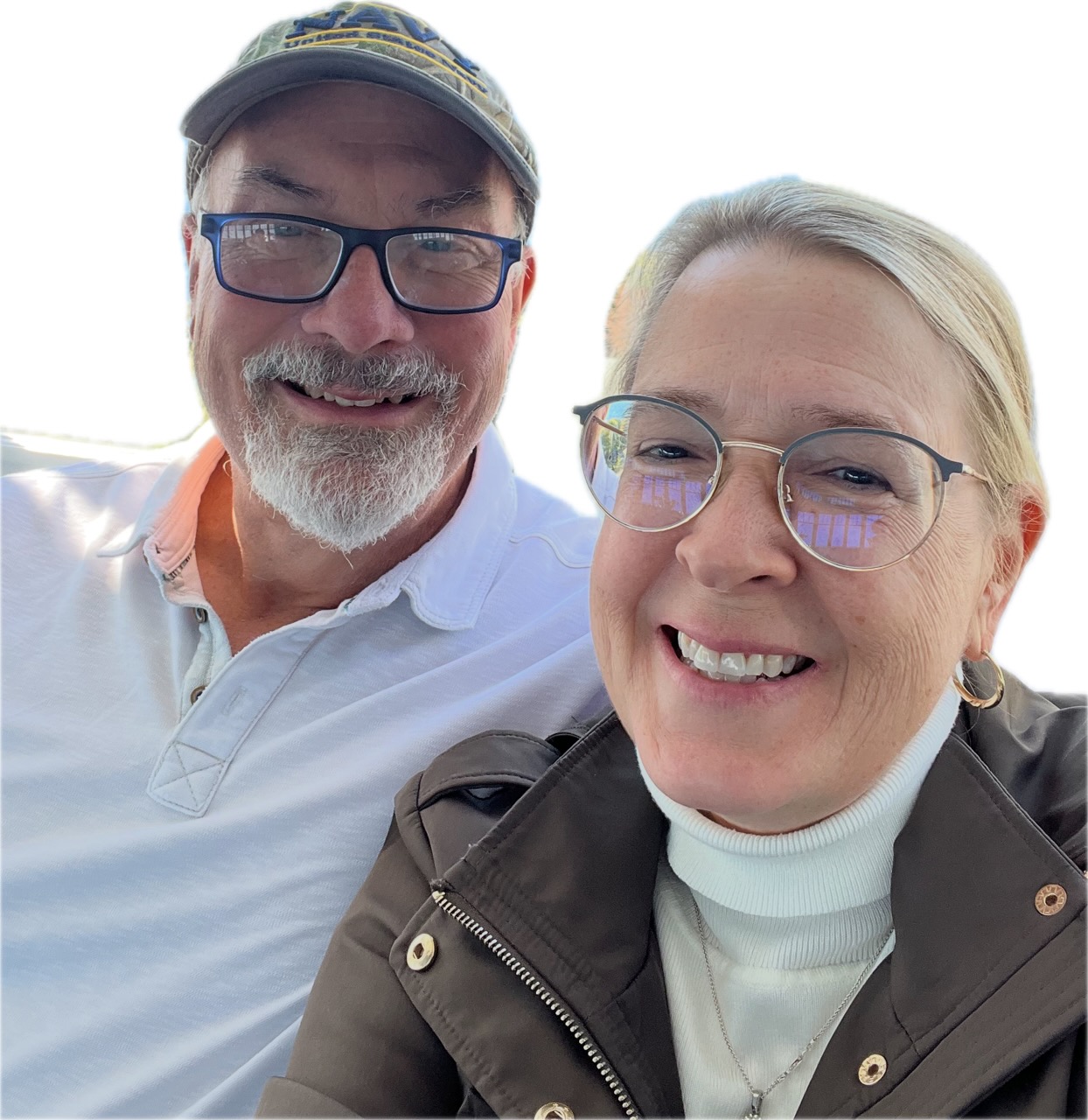





Today we’d like to introduce you to Marc Huntoon.
Hi Marc, can you start by introducing yourself? We’d love to learn more about how you got to where you are today?
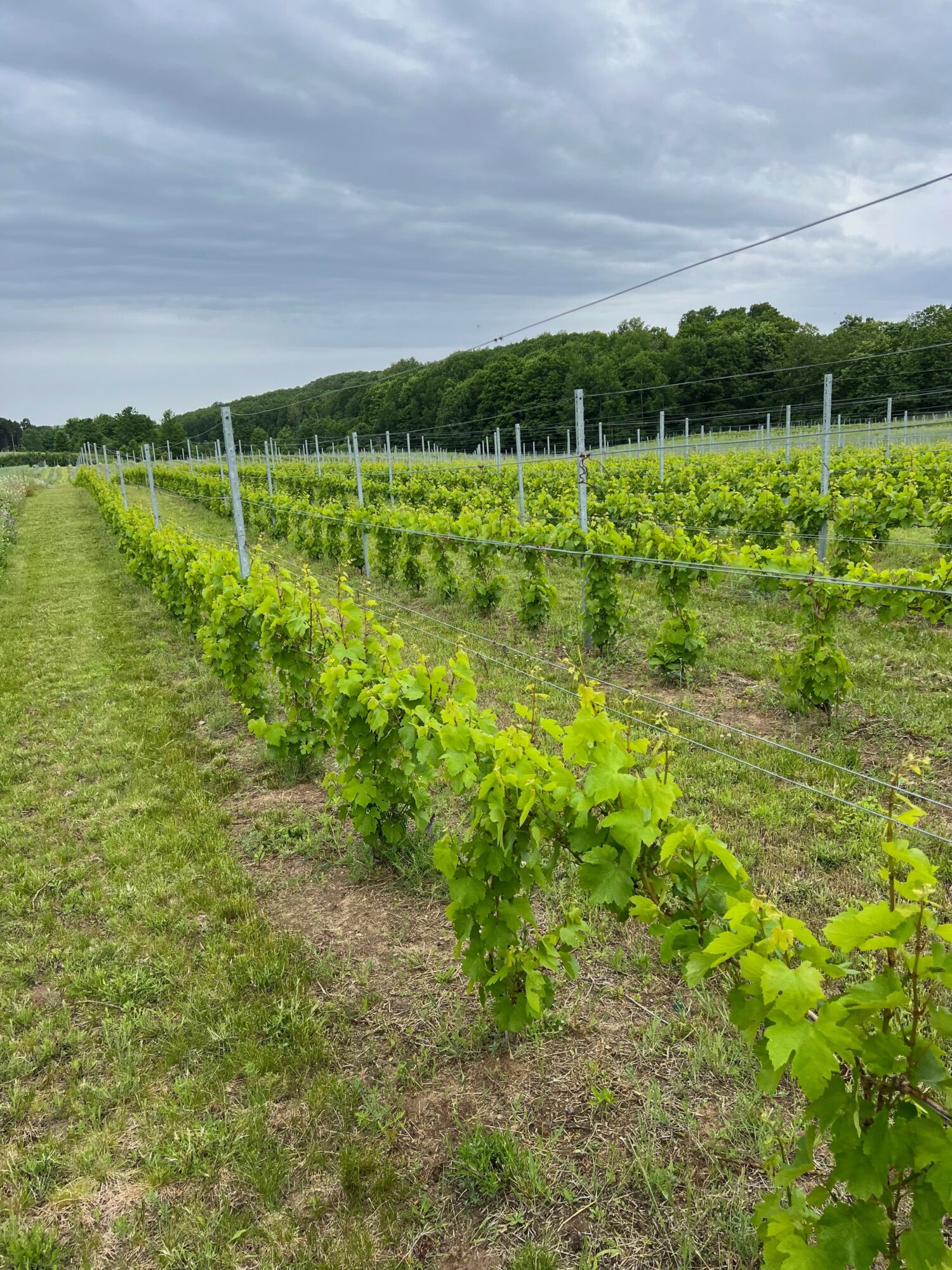
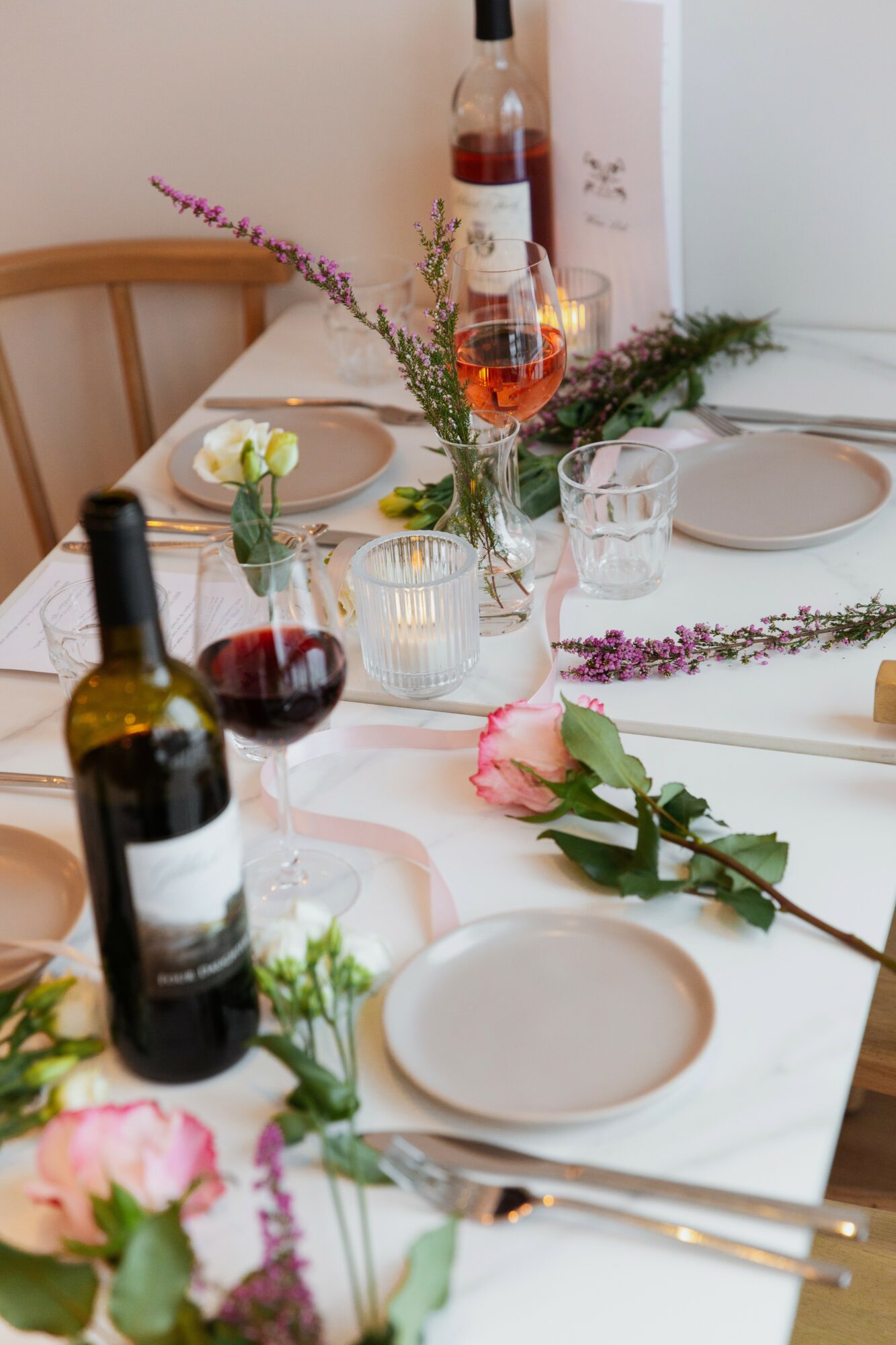
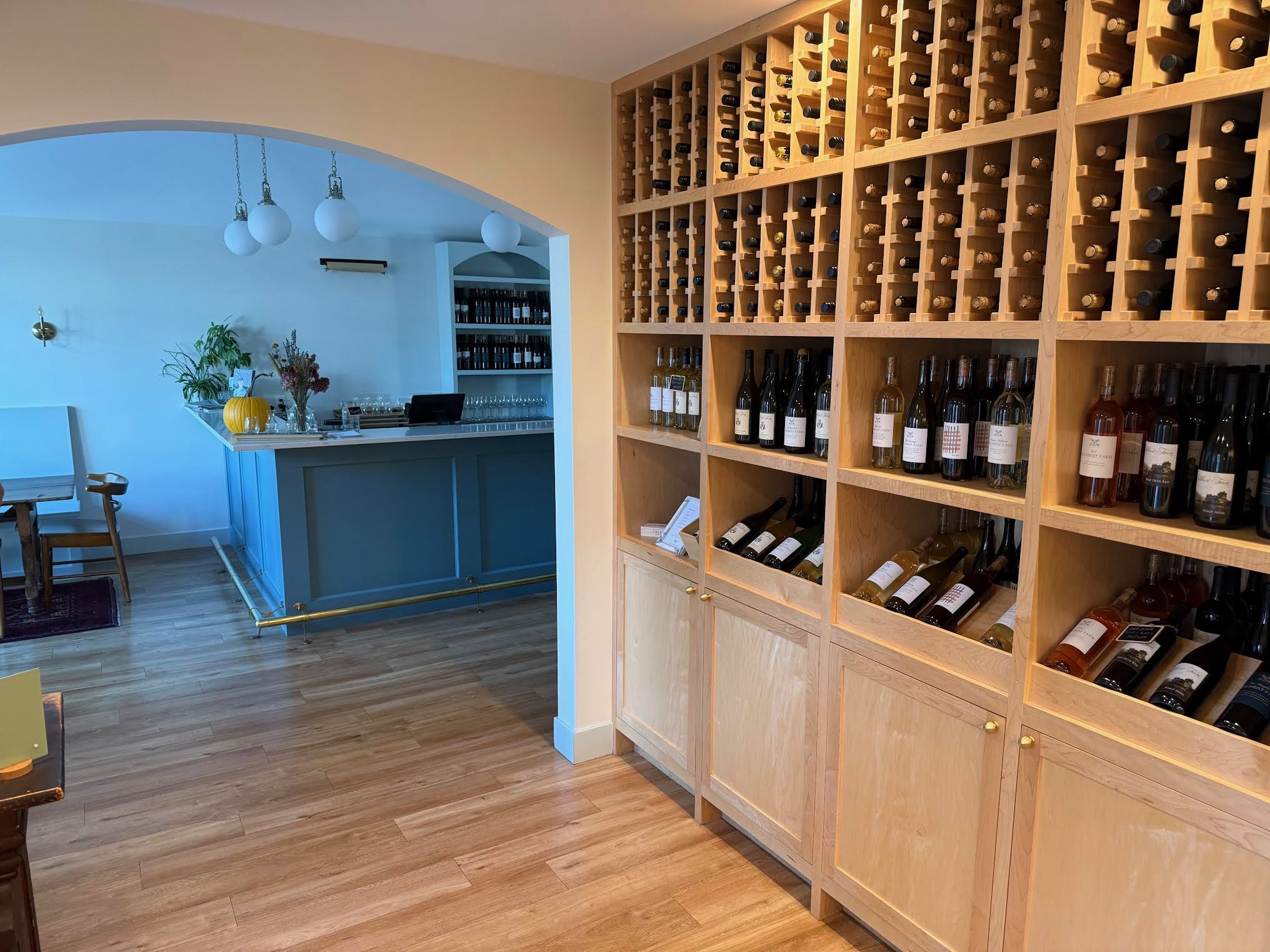
My wife Elizabeth and I are semi-retired academic physicians, both hailing from small villages in Michigan. We worked at places like Mayo Clinic, Vanderbilt, and Virginia Commonwealth and were fortunate to be asked to lead programs, lecture around the country and all over the world. Wine was always something we enjoyed, and the opportunity to own and manage a winery was something we talked about a great deal. Her interests in “food as medicine” led us to add a kitchen featuring farm to table ingredients that we largely grow or source locally from like-minded folks. Our focus is on sustainability and regenerative farming/soil science is important to us. Already we have several award winning wines and we hope to showcase the benefits of this type of farming. We opened our tasting room in Suttons Bay just over two years ago and are using many of our talents in writing and research for medicine to augment new possibilities for our winery. This year we are branching out to include events held both at the tasting room and farm/vineyard. We specifically want to feature writers, researchers, artists, and personalities for a regular series of community events.
Alright, so let’s dig a little deeper into the story – has it been an easy path overall and if not, what were the challenges you’ve had to overcome?
Owning and operating a winery is incredibly capital intensive, and reminds us of our medical careers in that the payoff takes a few years to come to realization. There are no guarantees of success and like many things in life, quality goods are not necessarily what the average person is looking for. It can be disheartening when a wine or a dish is truly excellent but not appreciated. As a former trainee once told me, I’ve had some of the best times with really terrible wine if the company was good. Nevertheless, we plan to keep pushing quality and trust the process.
Alright, so let’s switch gears a bit and talk business. What should we know about your work?
One of the things I enjoyed in my previous career in medicine was being the Editor-In-Chief for the journal Regional Anesthesia and Pain Medicine. As I brought expertise from my work in managing acute, chronic, cancer, and obstetric pain, i was able to build the impact factor in my final year to the highest rated pain subspecialty journal in the world. The satisfying part of that job was that although I had tremendous help from my editorial board and numerous mentors, colleagues and researchers, I had sole oversight of the ultimate content we published. Now with our winery, my wife and i have done the requisite work to choose the site for our vineyard, the varietals to plant, the management and harvesting methods, what directions to take in building a wine portfolio, and developing a sustainable, healthy food source.
Networking and finding a mentor can have such a positive impact on one’s life and career. Any advice?
The concept of “expert” or “mentor” is interesting. I’ve heard some say that it’s someone from out of town. What I told my mentees through the years was to pick a neglected topic and delve into the research in the area. Once you do that, a new method, treatment, or product seems to come to mind. Simply designing a study, writing a paper about that or publishing a book seems to be the springboard for adding to your “expertise” All one needs then are opportunities to expound on that topic and one discovers that others want that information. When I seek mentors for myself, I simply look for people that strike me as “knowing something I don’t”.
Contact Info:
- Website: https://gilchrist.farm