


Today we’d like to introduce you to Jake Schmiedicke
Hi Jake, we’d love for you to start by introducing yourself.
Everyone loves a good story, and that was certainly true in my case. From a young age, I’ve always had an affinity for stories. As a kid I would devour any good book I could get my hands on – mysteries, fantasy adventures, historical novels – and could usually remember and recount the stories in-depth to other people (whether they wanted to hear it or not.)
Looking back, I see now that I was also very visually oriented – I wouldn’t just read the words of the story, but would be imagining the scenes in my head, like a movie. What did the characters look like? What was the environment around them like? I was even imagining – what I would later learn as a filmmaking term – “shots.” The way certain phrases or descriptions were written in a story would conjure up in my imagination a “wide shot”, a “close up,” etc. I remember doing this even in the years before I was in the habit of watching films regularly. I know it’s hard to believe these days with the ubiquity of screens everywhere, but growing up in my family we had only infrequent access to films and television.
At some point in my childhood I discovered comic books and graphic novels, and immediately fell in love. Here was true visual storytelling, told frame-by-frame. I tried my hand at creating my own comic books so that I could use this visual medium to tell my own original stories, but I felt like my artistry never got beyond a very rudimentary level.
Then one day in my early teens, my parents bought a camcorder for documenting family events. At first I didn’t quite connect the dots. I used it a couple times to record a family wedding or vacation, but this felt somewhat boring to me and I failed to see the potential. Then one day, goofing around with my friends, we decided to use the camcorder to record ourselves staging a sword-fight in the yard (as teenage boys do.) We recorded our very dramatic sword-fight, and gleefully played it back on the camcorder to watch ourselves. It was like a revelation. Finally I understood. Here at last was a way to visually tell the stories I wanted to tell.
After that I was hooked. I was constantly recruiting my younger siblings and our friends to help me make movies – sometimes with a script I had written, but often simply made up on the spot. At this time in my youth I was also watching films more frequently – Star Wars, The Karate Kid, Gladiator, The Terminator, etc. Films for me represented the ultimate storytelling experience. It was a story that was more than just words but was paired with powerful visuals, sound effects, visual effects, and music to create a story with the potential to leave a deep impression. Those were the kinds of films I wanted to make.
I continued making short-films, as well as documenting daily life, throughout high-school and into college. At college I would make short films and funny skits with my friends and we would show them as part of the entertainment at school dances. After college, I wasn’t sure what to do. I was hesitant to continue on to film-school and rack up more student debt. So I worked for a few years to pay off my student loans, and continued making films with my friends as time allowed. But it seemed as I grew older there was less and less time to do the thing that I loved and more and more time spent working. Goofing around with a camera in the backyard was fun, but I couldn’t see a way of making a living at it.
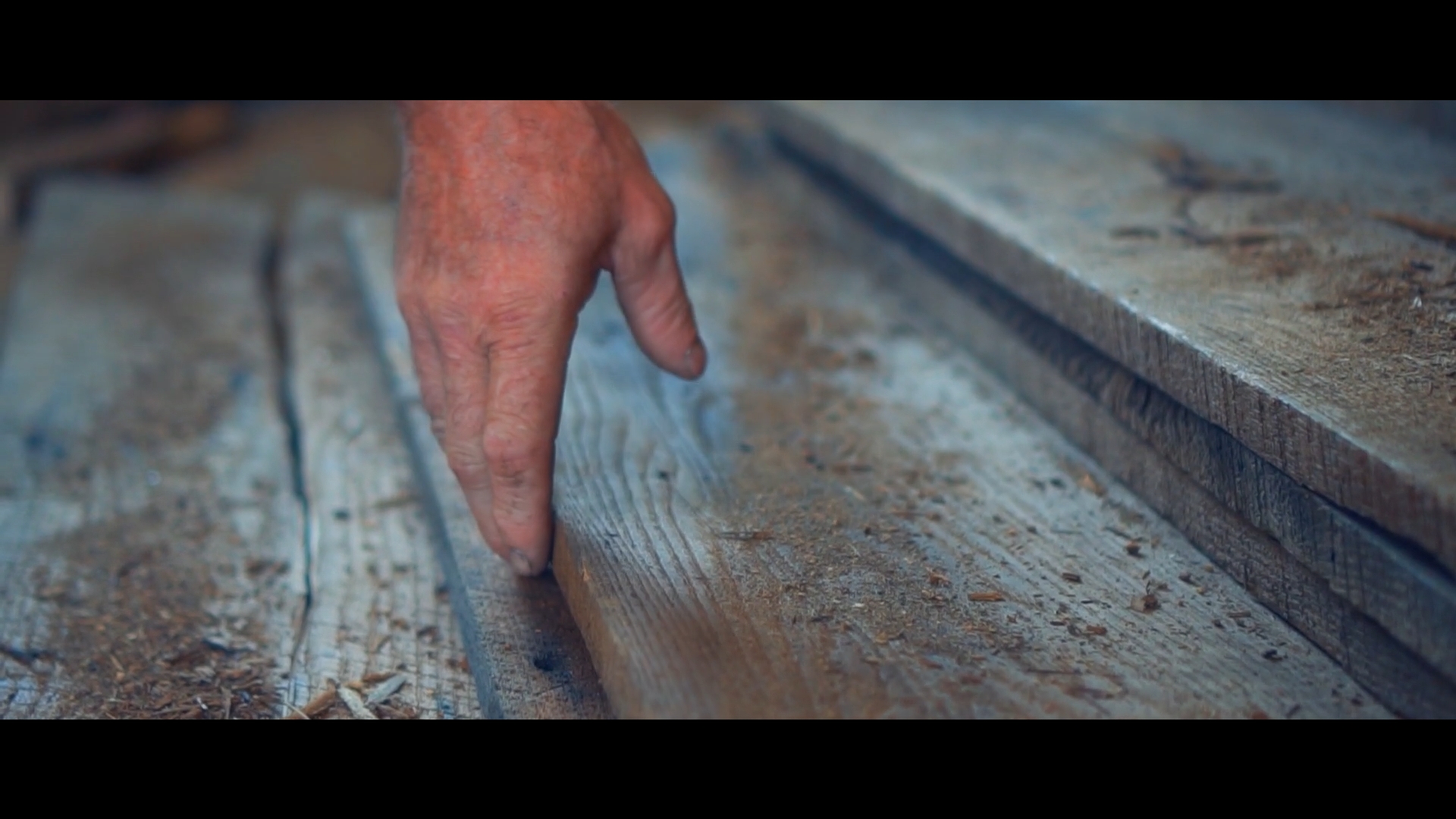
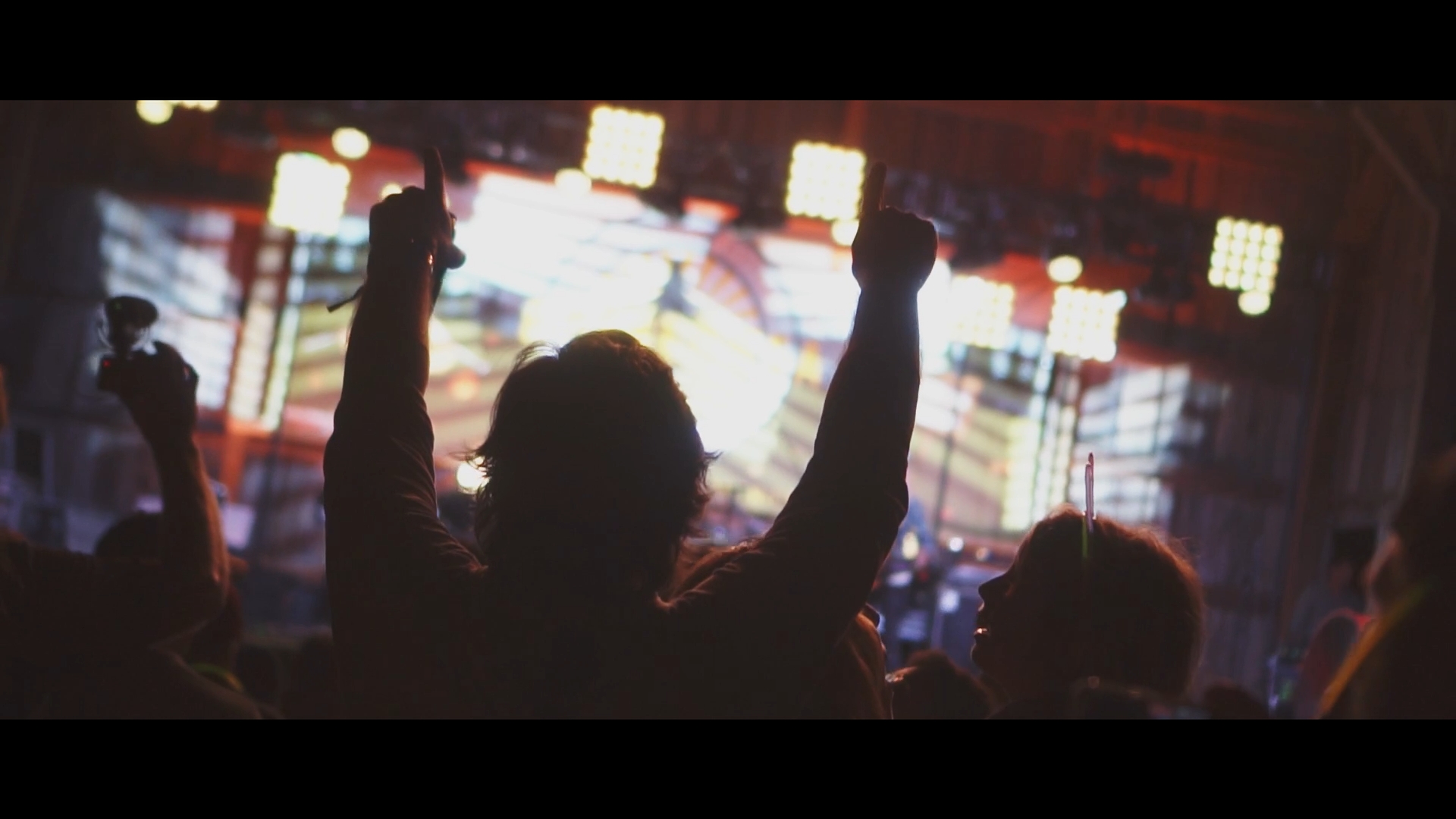
Finally, on the verge of 30, my fiancé Melanie (now happily married almost 10 years) encourage me to pursue video work and try to make a living with my camera. Being at this point fed up with having a “normal” job, I was finally ready to hear it. I started working on a website and started telling people I was a freelance filmmaker. But by the time we returned from our honeymoon, I still hadn’t finished my website, had no clients lined up, and had very little to show in terms of a portfolio (besides a lot of backyard films with my friends.) Thankfully, my wife and I both come from large families, and several of our siblings are small-business owners and entrepreneurs, and gave me my first shot at making branding films for them. I still had a lot to learn about the technical aspects of cinematography and editing, but I still approached these projects as I would a movie – how do I tell this story visually? These first handful of videos turned out quite well, despite my lack of technical knowledge, and I will forever be grateful to my family for giving me a chance at telling the story of their business – my sister Maria at Salon deZEN, my brother Mike at the Strong Oaks Woodshop, his wife Dian at Divine Assistance Academy, my brothers-in-law Alex and Dan at Appaloosa Music Festival, and my brother-in-law Mark Nelson at the Steubenville Nutcracker Village in Ohio. These videos to me represent the beginning of my portfolio and became showpieces that continued to bring in more work for me years later.
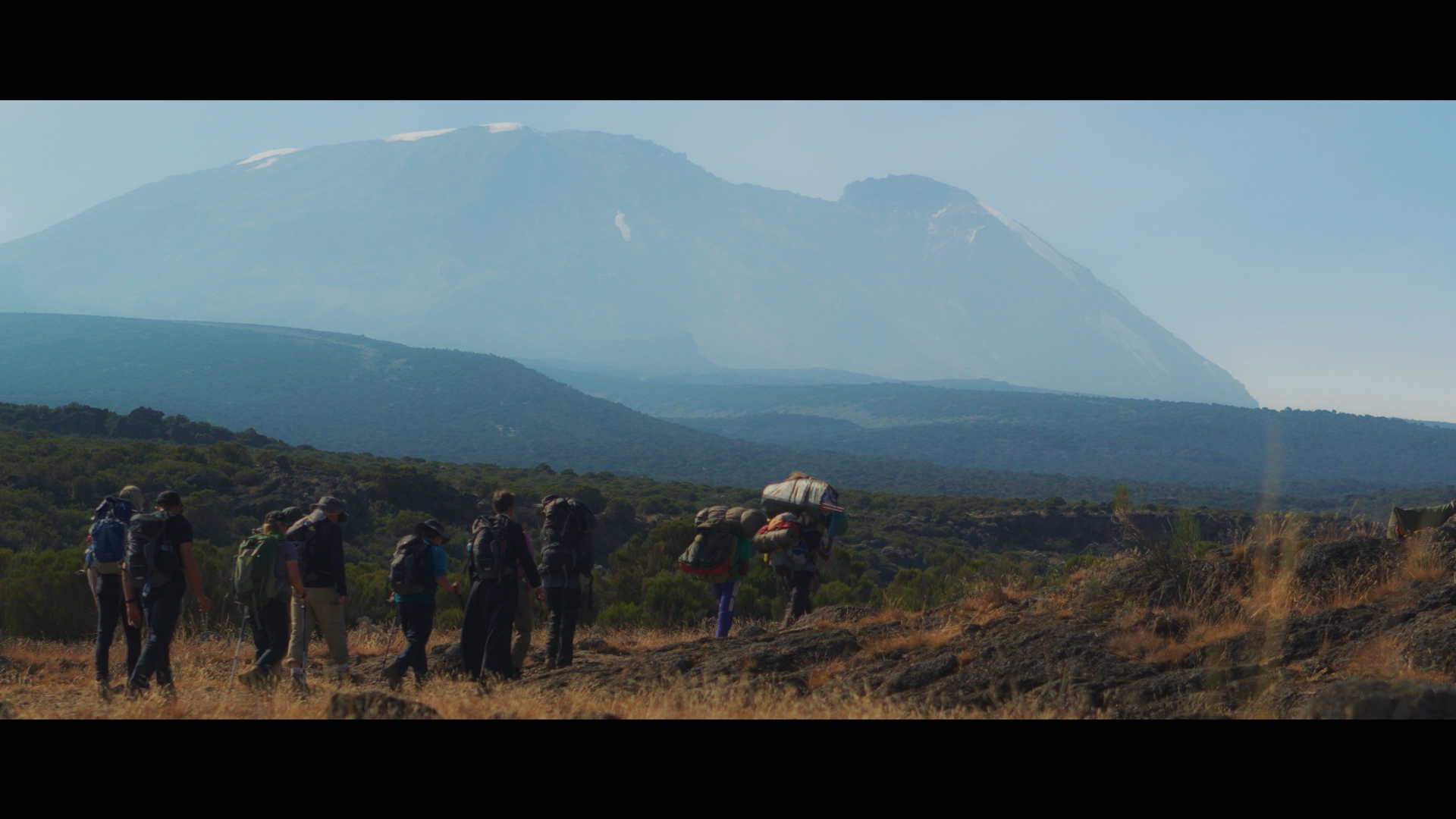
That was 10 year ago now, and I have gotten a lot better at my craft since then, and my work has taken me on some wild adventures all around the world. I’ve been blessed to be a part of some really amazing projects and have gotten to work with some incredible clients. And I still make silly short films in the backyard, only now it’s with my own kids and their cousins. I still consider film-making to be an incredibly powerful art form for sharing stories, and I jump at any chance I get to take a break from commercial and promo work and be a part of a feature film or documentary.
Alright, so let’s dig a little deeper into the story – has it been an easy path overall and if not, what were the challenges you’ve had to overcome?
It is definitely a path that has had a lot of challenges along the way, and I wouldn’t recommend it to everyone. Obviously, as a freelancer, I can’t always count on a regular paycheck, so finances have been a source of anxiety from time to time, but we’ve always been able to make it through those dry spells, and as I’ve gotten older and more experienced I’ve gotten better at managing my money during the times when I have a lot of work coming in the door. At the beginning, I didn’t have a lot of money to pour into getting the best gear, so I had to make do with what I had. I even got some help from best friend, Robbie (who had appearances in many of my backyard films as a youth) to get a drone for video back when they first made an appearance on the filmmaking scene. I’ve received a lot of help from family and friends along the way, which has certainly been a blessing during the struggles on this road.
And course I’ve struggled with imposter-syndrome, which I think is almost a universal experience for working artists. Am I any good? Am I a real film-maker? Is doing commercial work selling out on my dreams? These are the kinds of questions that raise their ugly heads again and again, but the longer you work as an artist the better you get at ignoring these questions and just doing the work. So at this point I just try to do the work in front of me as best as I can, and not care too much about what other people think. (Except my wife. I care what she thinks.)
Alright, so let’s switch gears a bit and talk business. What should we know about your work?
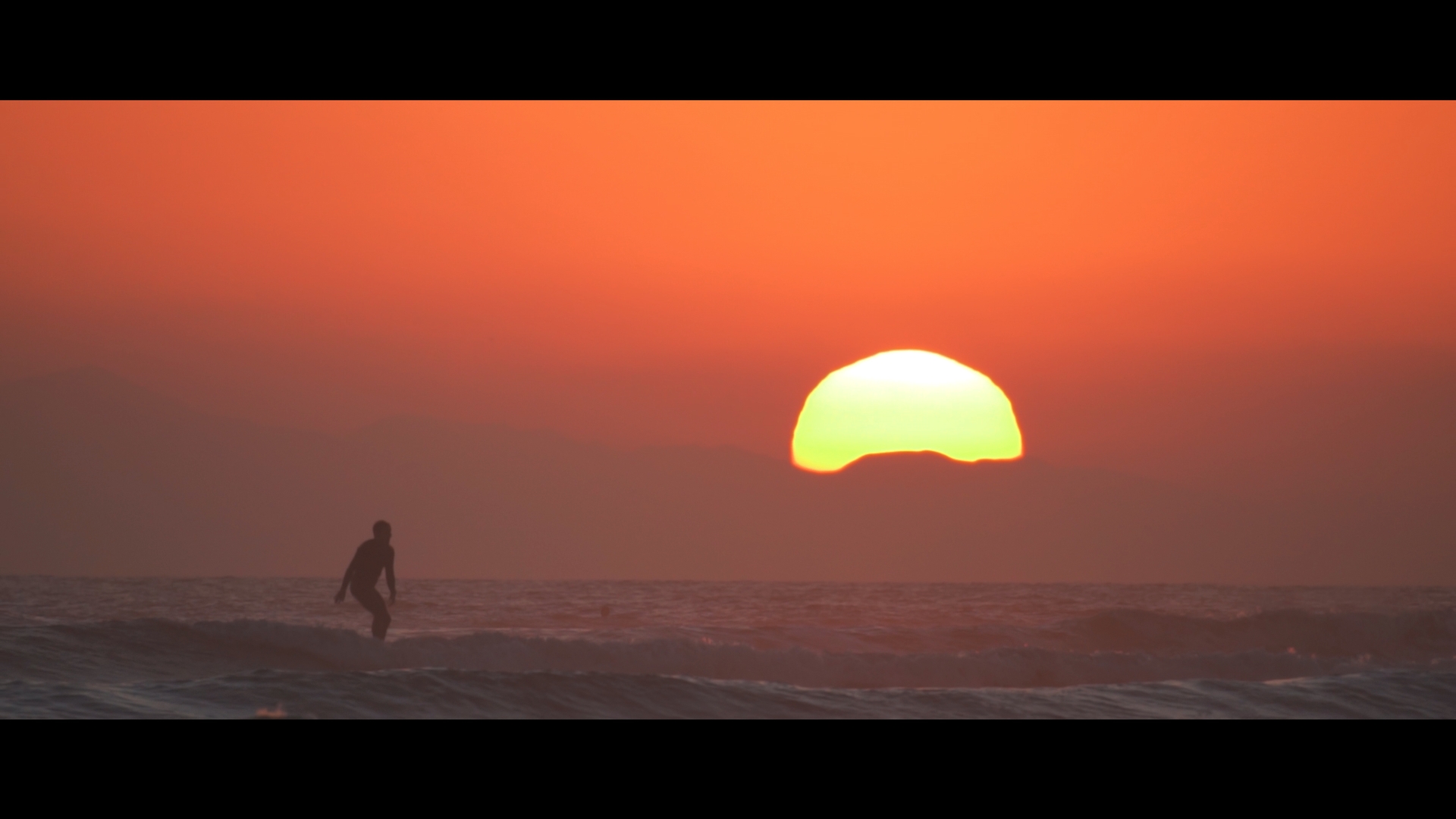
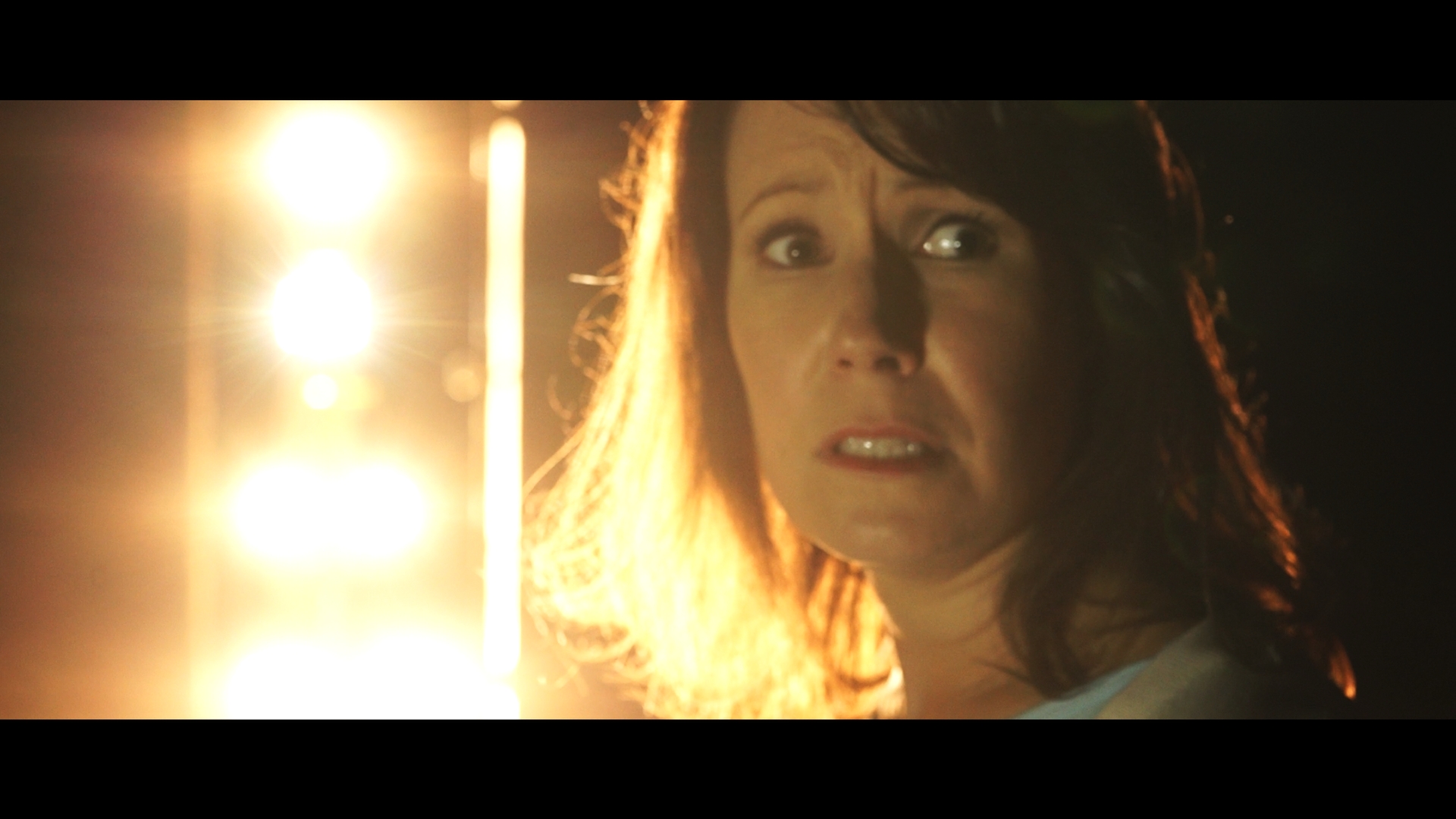
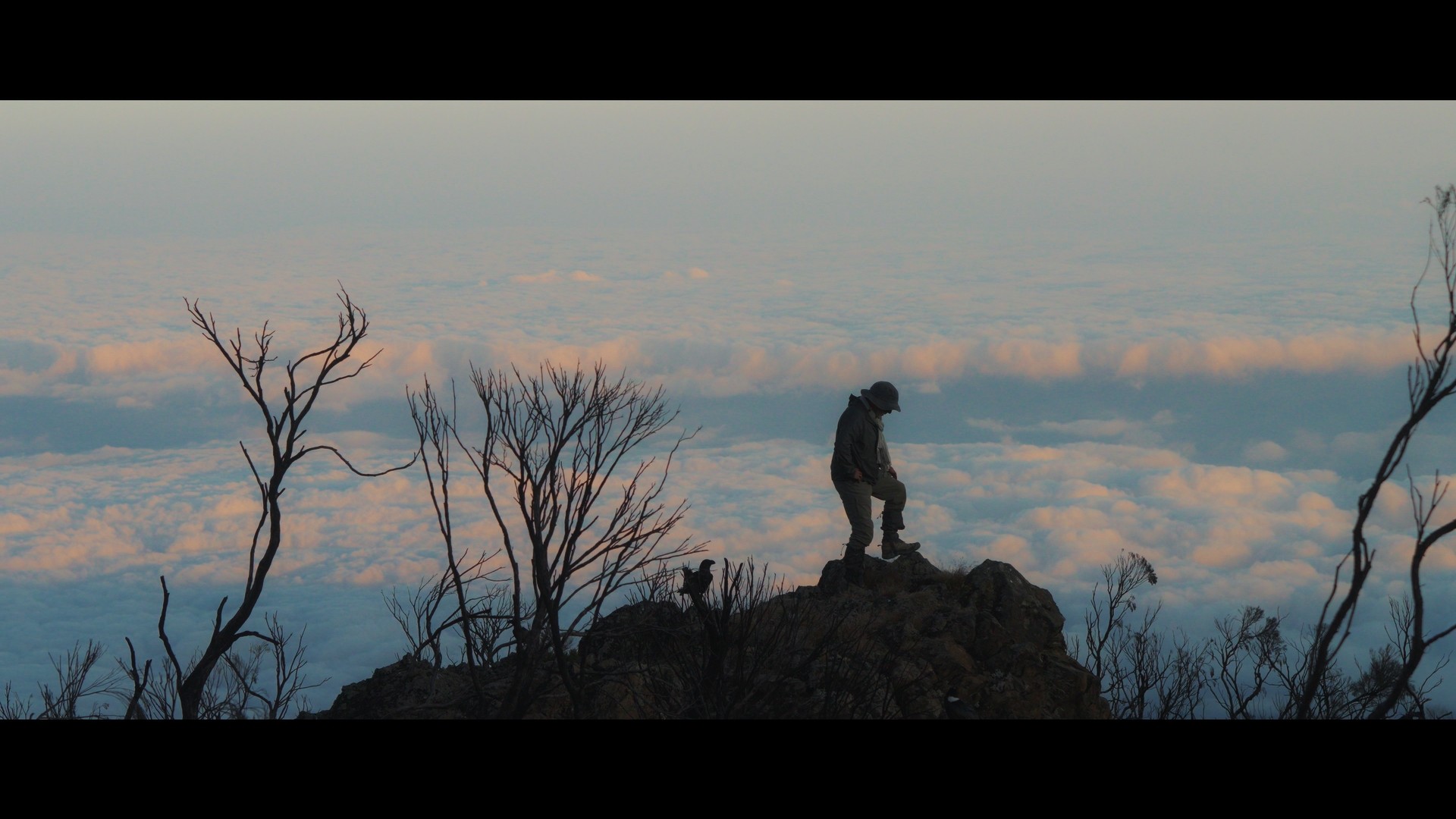
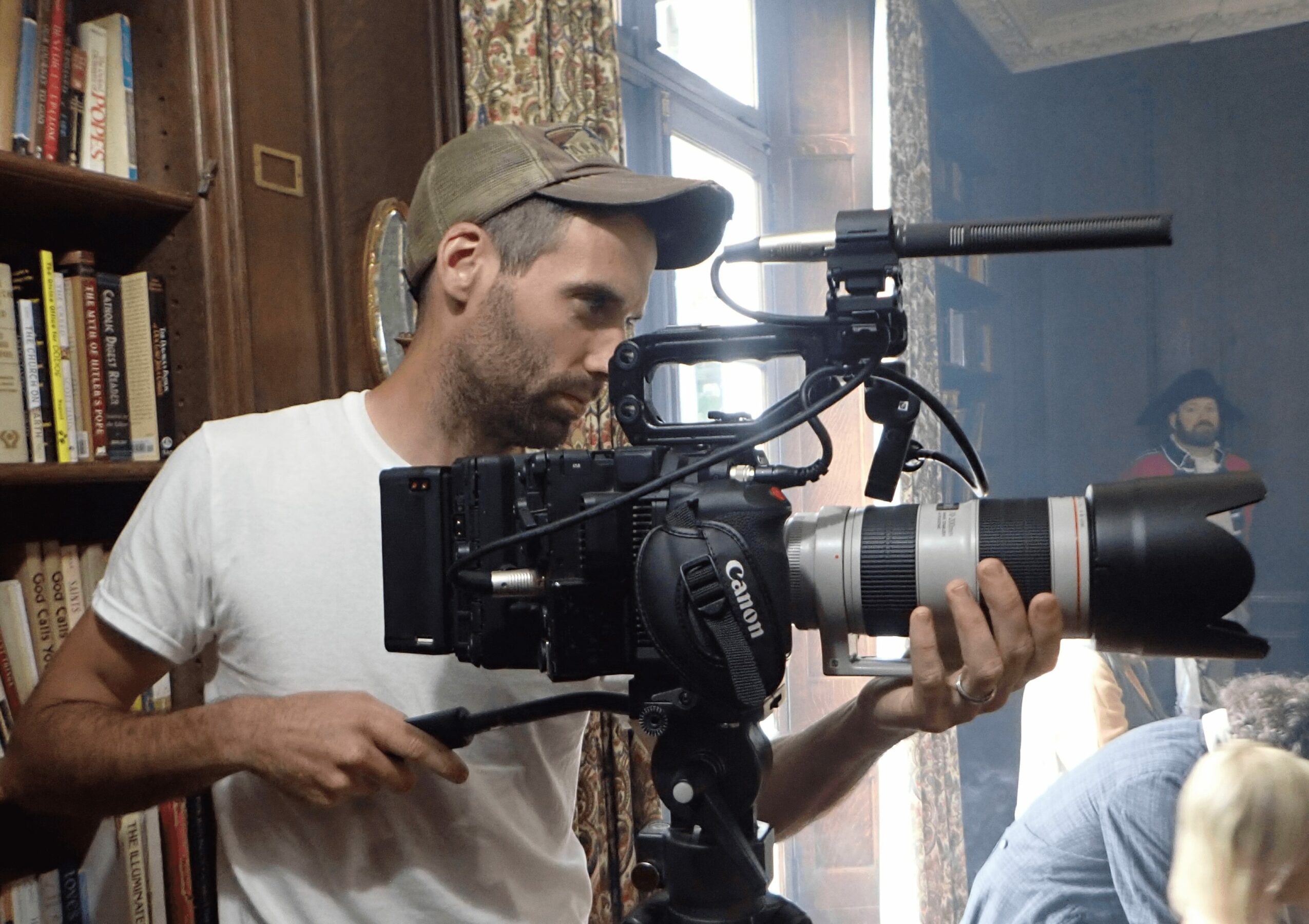
I am a freelance filmmaker, with a specialty in cinematography and editing. The bulk of my work is branding and promotional films for businesses, schools and events, but every once in a while I’ll make a music video or a short film, or work as a cinematographer on a documentary or indie feature film.
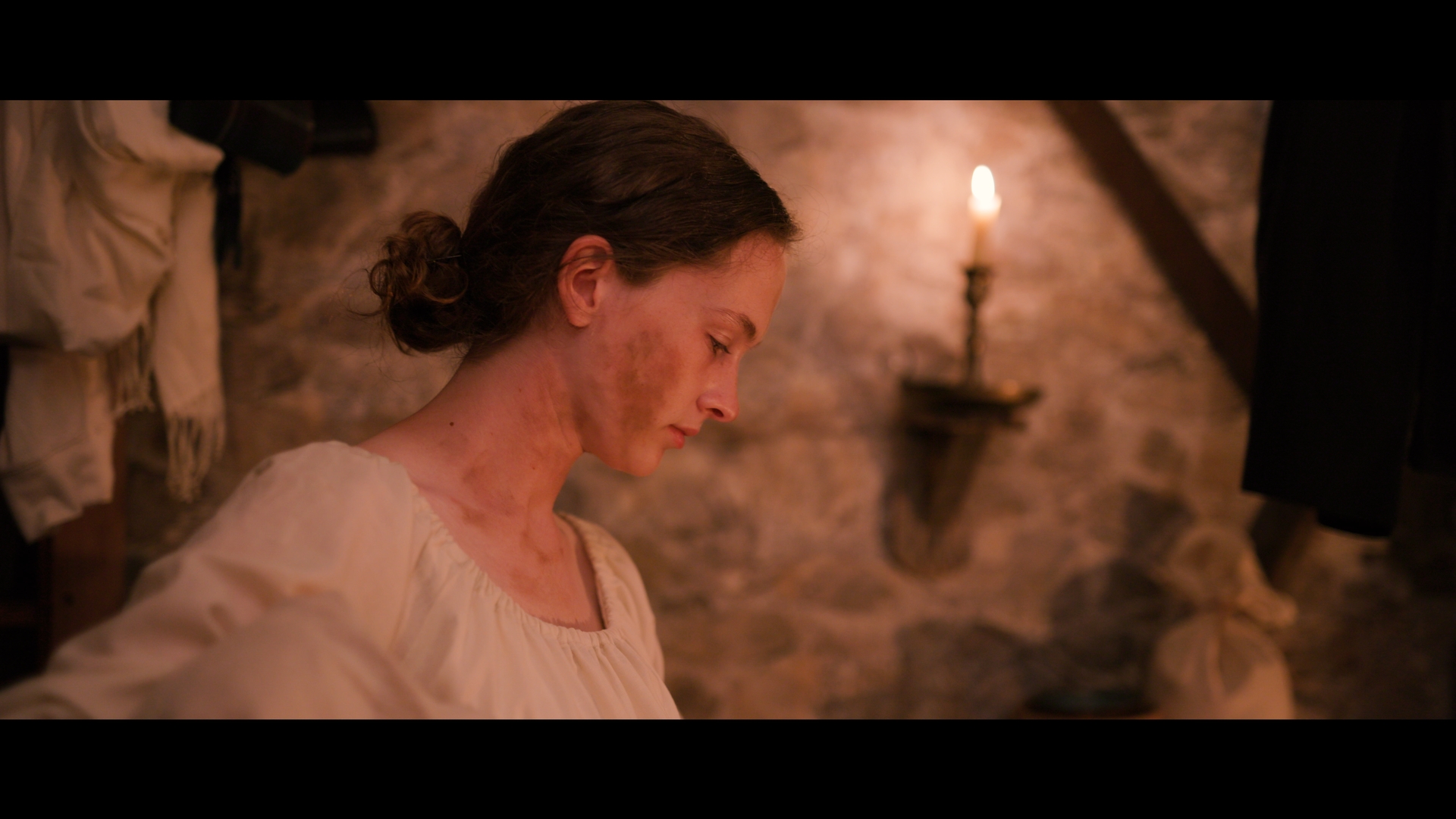
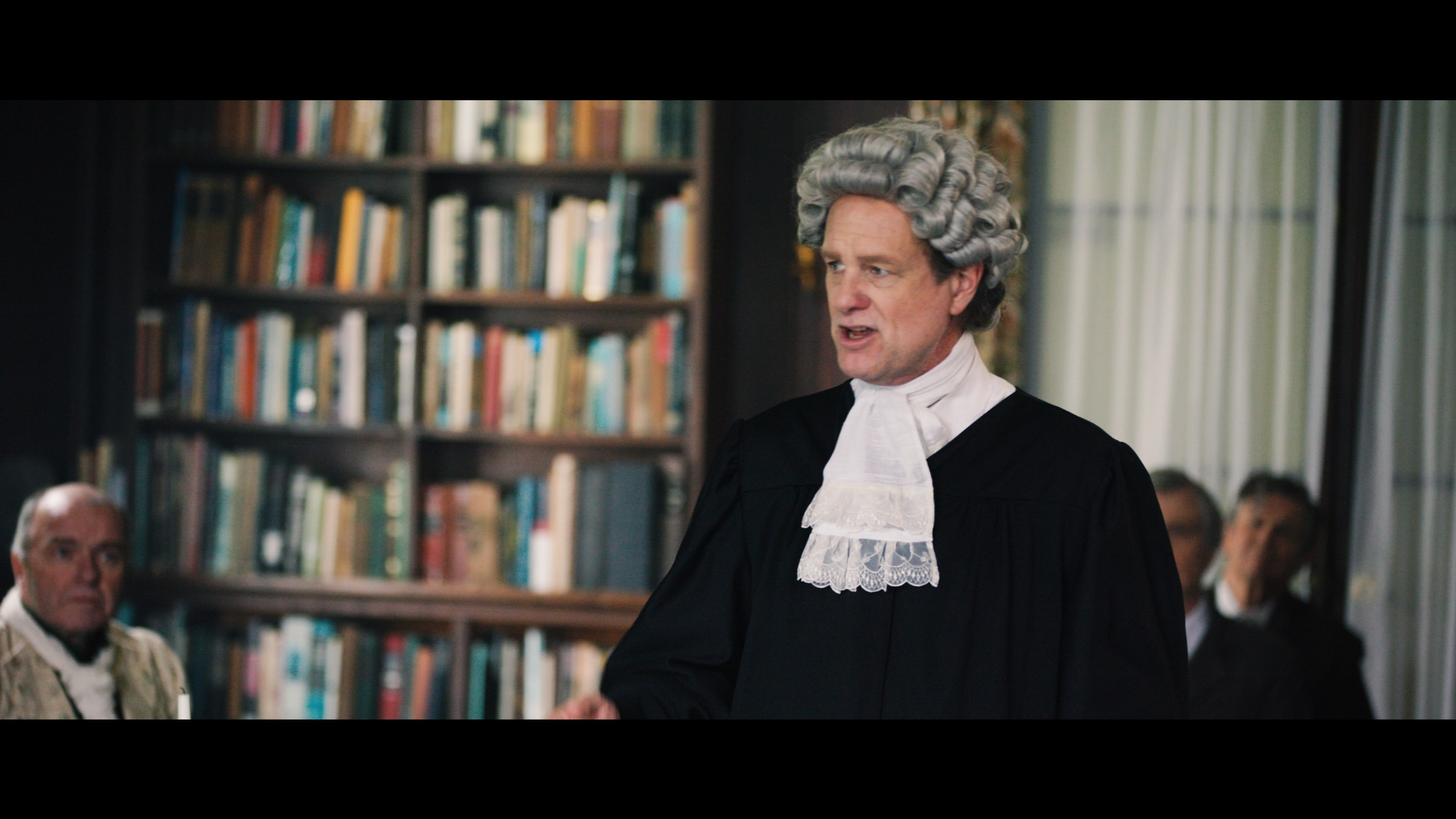
A couple of years back I was hired as cinematographer and editor for an independent feature film called The Liberator, the story of which takes place in 1800s Ireland. So the cinematography involved a lot of daylight for the day scenes, and candle and lantern light for the night scenes, which was a great challenge to get everything looking natural and not too artificially lit. It turned out really well and it’s certainly one of the projects I’m most proud of.
I think what sets me apart from others is my sense for story, and how to tell it visually. I know there are better cinematographers and editors out there from a technical stand point, but to be able to grasp the meaning of a story and the best way to tell it as a film is a rare skill.
What quality or characteristic do you feel is most important to your success?
I think my success can be attributed to my talent for visual storytelling combined with a strong work ethic. I will be on my feet all day running around with my camera getting the shots I need to tell the story, even if I know half or more of the shots will end up on the cutting room floor. I will bend over backwards (sometimes literally) if it means I can get that perfect shot which encapsulates the story I’m trying to tell. Then, once I have the shots I need and sit down at my computer to edit, being able to take them all and put them into a video – whether it’s a commercial, branding film, music video, documentary or narrative film – that engages with the audience and tells a compelling story is a fundamental skill that has gotten me this far.
Pricing:
- – Cinematography: $500-$1000 per day
- – Editing: – $300-$600 per finished minute of video
- Complete video production package: $1000-$1500 per finished minute of video
Contact Info:
- Website: https://www.storyquestvideo.com/
- Instagram: https://www.instagram.com/jake.schmiedicke/
- Facebook: https://www.facebook.com/storyquestvideo
- LinkedIn: https://www.linkedin.com/in/jake-schmiedicke-3b120717
- Youtube: https://www.youtube.com/@storyquestvideopro