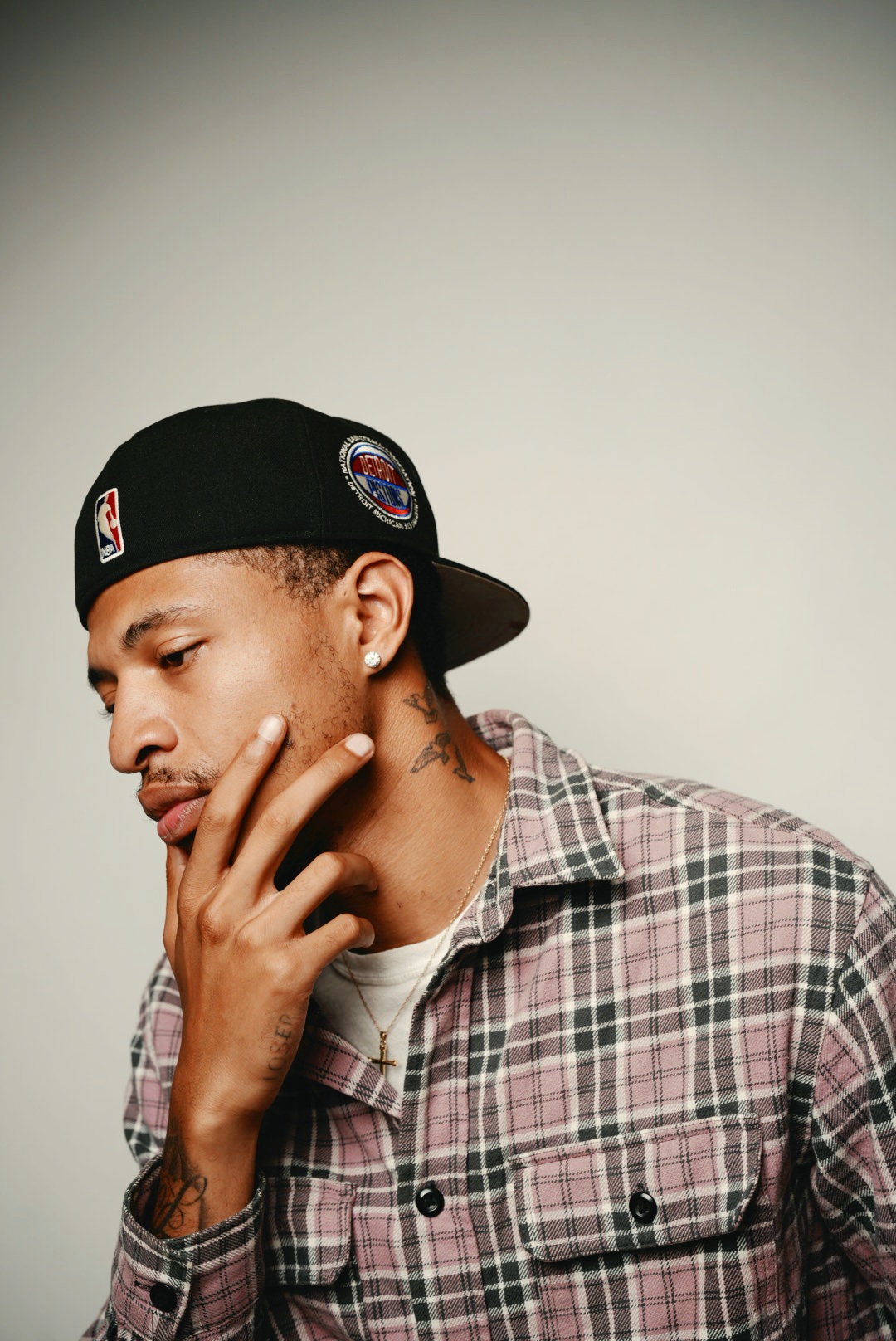





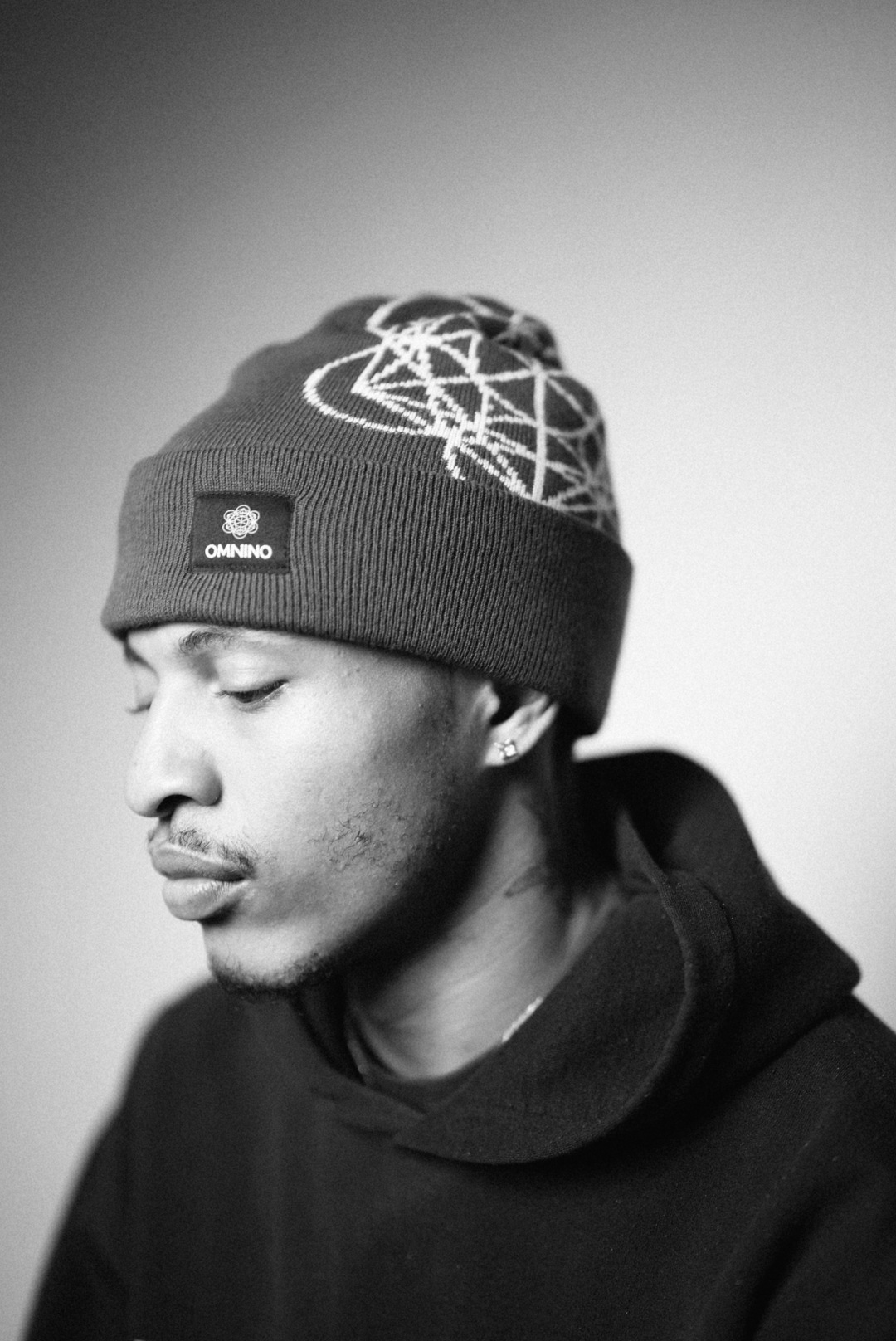
Today we’d like to introduce you to Bryce Williams.
Hi Bryce, it’s an honor to have you on the platform. Thanks for taking the time to share your story with us – to start maybe you can share some of your backstory with our readers?
My story is definitely different from a lot of others.
I was raised in a family where sports were our everyday outlet. From a very young age, my brothers and I were taught teamwork, unity, discipline, and, most importantly, diligence. Those qualities weren’t things I learned from playing just one sport; they became the foundation of everything I participated in.
My parents were persistent about keeping us involved in sports. From the age of five, we traveled throughout Michigan, the Midwest, and the Southern states for tournaments, games, and competitions. By the time I was ten, I had seen nearly 30% of the United States. Experiencing different cities, environments, and cultures at such a young age gave me a perspective on life that I don’t think I would have developed otherwise.
As we got older, however, things began to change. Sports slowly went from being an outlet to feeling more like a priority. At the same time, my brothers and I began discovering our own creative interests. Eventually, our creative genetics began to overpower our love for athletics.
My parents did everything they could to put us in a position to pursue athletics and potentially attend school tuition-free. But as I grew older, I realized that my path was moving in a different direction. There aren’t nearly as many opportunities or scholarships for creatives as there are for athletes, so I knew I would have to create my own opportunities.
At 15, I completely lost my love for playing sports. Around that same time, I started a small graphic design business creating sports edits, videos, and photography. What started as a creative outlet began generating a little money, and more importantly, it showed me that I could potentially build something of my own.
That realization changed my life.
I decided to leave Detroit at 15 and move to Atlanta to attend the largest performing arts school I had ever seen. I had first fallen in love with the atmosphere after visiting Atlanta for my cousin’s school play. I remember seeing the environment, the creativity, and the opportunities around me and thinking that I needed to experience it for myself.
At 15, there wasn’t much keeping me in Detroit beyond my friends and family. My creativity wanted to see more.
Moving to Atlanta gave me the opportunity to do exactly that. Over the years, I built incredible relationships, experienced different lifestyles and cultures, and continued developing my creative identity. I also began building businesses of my own.
One of those businesses was Dripset Magazine.
Dripset became more than just another creative project. It became the foundation for what would eventually become The Marathon Files Association. Without Dripset, businesses and creative ventures such as Tripset Magazine, Wenu Magazine (Ready Wenu), The Great Escape Detroit, and The Base Book may have never existed.
Looking back, I realize that the decision I made at 15 was much bigger than simply moving to another city. I was choosing to bet on myself.
That decision put me in position to become the businessman, role model, father, and overall human being I am today.
By the age of 21, I had lived in five different cities. Every move gave me another perspective. Every environment taught me something different. Every relationship, opportunity, failure, and success contributed to the person I was becoming.
I’ve always expressed my creativity through the world around me—through different atmospheres, lifestyles, cultures, people, and experiences. I never wanted to simply exist in one place and see life from one perspective. I wanted to explore it.
Now, at 25, I’m beginning to see the results of ten years of dedication to my craft. The career I envisioned, the businesses I imagined, and the creative world I spent years building are finally starting to stick.
And honestly, I’m just getting started.
The journey continues.
Can you talk to us a bit about the challenges and lessons you’ve learned along the way. Looking back would you say it’s been easy or smooth in retrospect?
Having so many goals and dreams is a blessing, but it can also create a bumpy road, especially when you don’t always know which direction to take. For me, I think school played a pivotal role in shaping how I approach life. From a young age, we were taught to learn several different things at once and expected to perform above average in every subject. We learned how to balance assignments, projects, tests, extracurriculars, and everything else that came with being a student. In a lot of ways, school taught me how to manage multiple responsibilities at the same time.
The problem is, my creativity never really shuts off. My mind can feel like it’s working a 20-hour shift, constantly managing ideas, organizing businesses, developing new concepts, and finding additional opportunities for myself and my clients. At times, that amount of creativity became overwhelming, but I learned how to manage it because managing it was something I had been trained to do my entire life. Eventually, though, I started questioning whether the way I was managing everything was actually helping me or simply keeping me busy.
I never really had a favorite subject in school because I genuinely enjoyed learning about everything. I wanted to understand as much as I could, and I never saw a reason to limit myself to one area when there were so many things that interested me. What I wasn’t prepared for was the idea that once school ends, the world expects you to choose one thing and build your life around it. Pick a career. Pick a passion. Pick a lane. That transition was difficult for me because I never viewed my interests as separate pieces of my life. They were all connected to who I was.
Becoming an entrepreneur made that even more apparent. My creativity naturally pushes me toward different industries, ideas, businesses, and opportunities, and trying to decide what deserves my attention has been one of the biggest challenges I’ve faced. I don’t believe having multiple passions means you lack focus. I believe it means you have to develop a different kind of focus—one that allows you to manage multiple visions without losing sight of the bigger picture.
If we can spend years taking seven classes at once, complete different assignments for each, work on multiple projects, study for multiple exams, participate in activities, and still find a way to succeed, I believe we are capable of applying that same mentality to entrepreneurship. We can build multiple businesses, develop different talents, create new opportunities, and still find a way to make each one meaningful. The limitation isn’t always our ability; sometimes it’s the mindset we’ve been conditioned to accept.
Learning how to navigate that has made adulthood both challenging and compelling for me. I’ve had to understand that I may never be someone who chooses one passion and ignores everything else. Instead, I’m learning how to give each idea its proper place while continuing to move toward the bigger vision. I may not always know exactly where every path is leading, but I know I’m willing to keep exploring them.
Regardless of the conditions life has dealt me, I’m here for the journey. I’ve never been interested in living a life that fits neatly into one category, and I don’t think I’m supposed to. There is still too much to create, too much to learn, and too much left to experience.
Appreciate you sharing that. What else should we know about what you do?
When I first met Voyage, I was 20 years old and just beginning my second business, Dripset Magazine, in Atlanta, Georgia. Voyage probably doesn’t know this, but being interviewed by them inspired me to want to do more. That interview gave me a different perspective of myself and helped me recognize something I had always been passionate about but hadn’t fully pursued: storytelling.
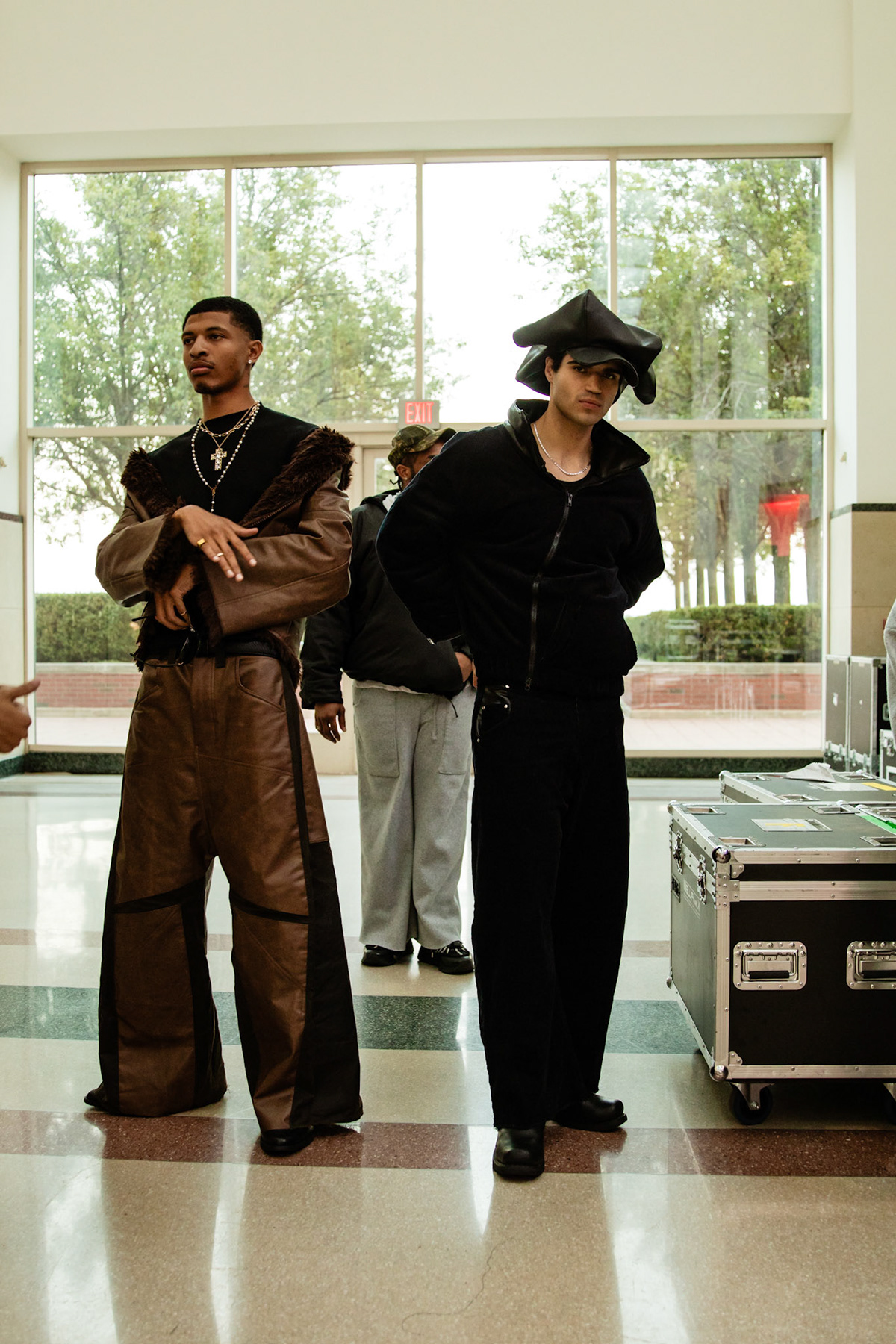
Not long after, I began working on my first fashion magazine. I started with what was around me—friends with clothing brands, photographers with images they wanted to showcase, and creatives who simply needed somewhere for their work to live. At the time, I had no idea that this project would become the beginning of what would eventually grow into a magazine empire of my own.
Today, The Marathon Files Associations serves as the umbrella corporation behind Dripset Magazine, Tripset Magazine, Spirithon, Ready Wenu (@wenudetroit), The Base Book, Passengers FM2, and J Cheer Events. Across the company, we have seven different magazine concepts covering travel, cannabis, fashion, food, education, culture, and overall experiences. I’ve designed more than 50 unpublished magazines and seven that have officially been published, and I’m still learning the publishing industry every day. My strongest abilities have always been creativity and problem-solving. The business side is something I’m continuing to develop.
With magazines becoming increasingly scarce in this generation, I’ve always believed that every publication I create has to have an undeniable aesthetic. For the past five years, I’ve been building this company around one simple idea: the quality of the story should match the quality of the physical product. I want people to experience these magazines, not simply read them. I’ve joked with people before that you might whoop someone with a magazine, but you’d whoop someone for even touching one of mine. That’s how seriously I take the work.
For me, this isn’t a career in the traditional sense. It’s something I would do for free. I would still create magazines if the world shut down. I would still create them if I had nothing left to my name. I know that because I’ve already built them under those circumstances. When I had nothing, I made magazines. When the world felt uncertain, I made magazines. I’ve been doing this since the beginning because creating them has never depended on what I could get in return.
There is financial opportunity in publishing, but money has never been the reason I tell stories. I don’t believe you can accurately understand someone’s story while being too focused on what is in their pockets. In this industry, I believe you have to live in someone’s mind before you ever worry about what’s in their wallet. You have to understand their perspective, their experiences, their motivations, and the world they come from.
That responsibility means something different to me because I’m not only the storyteller. I’m the designer, businessman, editor-in-chief, creative director, problem solver, and everything in between. I’m invested in the story before there is ever a transaction attached to it. Nobody has to pay me to care about telling someone’s story because I already intended to tell it.
If anything, consider it a donation.
Because the stories were always going to be told.
Any advice for finding a mentor or networking in general?
Community is one of the biggest pillars of any foundation. Without it, you can sincerely begin to feel lost. A couple of years ago, my dad noticed that I was struggling to keep one of my businesses alive because I didn’t have enough help and, more importantly, didn’t have anyone around me to help. He told me something that didn’t immediately register: “Your tribe is where your vibe is.”
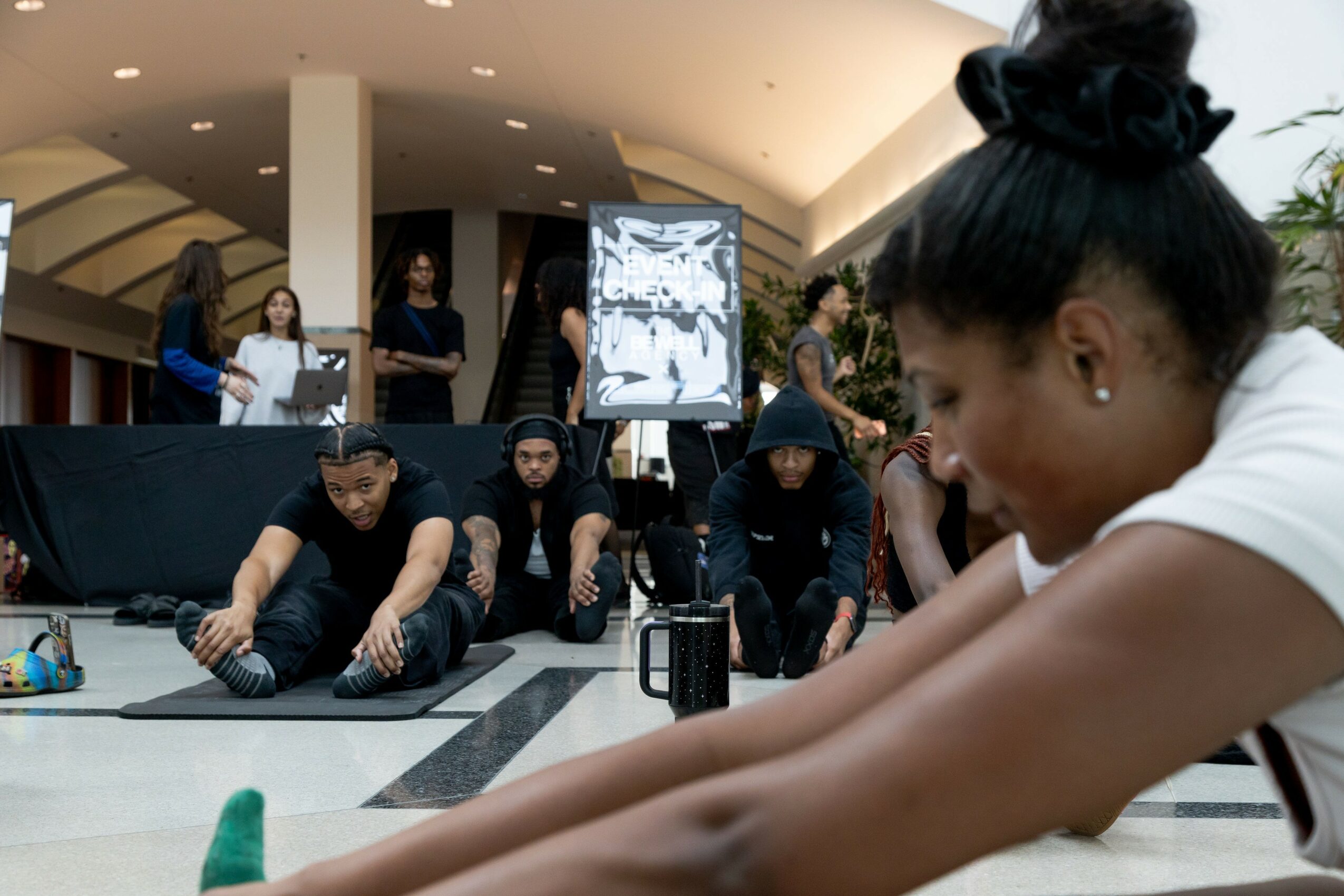
At first, I didn’t understand what he meant. I couldn’t see how my tribe could possibly fit inside my bedroom and office because, at the time, that was my entire world. My office was where I worked, created, planned, communicated, and spent most of my time. So I had to ask myself a different question: What do I actually enjoy outside of this room? Do I like yoga? Yes. Do I like photography? Absolutely. Do I like fashion? Definitely. The more questions I asked myself, the more I realized that the things I genuinely enjoyed required me to leave my desk and interact with other people.
People didn’t really know I existed beyond social media because I had made my workspace my entire environment. I was building businesses, but I wasn’t necessarily building community. That realization forced me to understand that sometimes the thing holding you back isn’t a lack of ability. It’s a lack of environment.
I also developed a different understanding of what mentorship means to me. I don’t believe a mentor is someone you follow step-by-step so you can become the next version of them. A mentor should show you the path they took, explain what they encountered along the way, and give you enough perspective to understand what you might face while becoming a better version of yourself. Their journey doesn’t have to become yours for their experience to be valuable.
There are plenty of people within your communities who are willing to share that kind of knowledge if you are genuinely pursuing growth. You just have to be willing to show up, ask questions, listen, and build relationships. Sometimes the opportunity isn’t sitting behind a computer waiting for you to find it. Sometimes it’s standing right next to you at an event, in a studio, at a gym, in a creative space, or in a conversation you almost decided not to have.
I’ve also learned not to focus too much on what someone else does better than me. Sometimes you’re simply not the best, and that’s okay. The purpose of being in a strong community isn’t always to be the person at the top. Sometimes it’s to surround yourself with people who challenge you enough to get there.
If you are the best person in your environment, challenge yourself somewhere else. Put yourself in rooms where you have more to learn. Find people who are doing things you haven’t figured out yet. Let yourself be uncomfortable enough to grow.
Because sometimes the best mentor isn’t a person at all.
Sometimes it’s the challenge.
Pricing:
- Dripset Magazine – Starts at $30
- Tripset Magazine – Starts at $35
- Wenu Magazine – Starts at $40
- Passengers FM2 Magazine – $20
- Spirithon Magazine – $30
Contact Info:
- Website: https://tripset.live/
- Instagram: https://www.instagram.com/marathonbenofiles/
- Youtube: https://www.youtube.com/@marathonbeno