





Today we’d like to introduce you to Aren Homrich.
Hi Aren, thanks for sharing your story with us. To start, maybe you can tell our readers some of your backstory.
I was first introduced to architecture in high school through a hand drafting class, and I immediately enjoyed the blend of creativity and technical problem solving. When it came time to choose a college, I knew I wanted to pursue a creative field, but I wasn’t sure which direction was the right fit. After comparing several schools with strong design and architecture programs, I was drawn to Lawrence Technological University because of its Transportation Design program. As someone who has always loved cars, it seemed like a natural choice.
Once I began exploring that path, however, I realized that appreciating automotive design and branding wasn’t the same as wanting to design cars every day. I found myself wanting something more varied and people focused. That realization led me to enroll in an Interior Design studio as an elective, and it completely changed my perspective. It introduced me to a profession I hadn’t fully understood and showed me how design could directly improve the way people live, work, and experience spaces.
The Interior Architecture program at LTU allowed me to explore the creative and human focused side of design while also giving me a strong technical foundation. From there, I continued directly into the Master of Architecture program, which gave me experience in both disciplines. I graduated with my Master’s this past May and am now working toward architectural licensure, with the long term goal of owning my own design practice.
Today, I work as a freelance architectural and interior designer through my own LLC while collaborating with Reed Walker Design Collective on a variety of historic preservation, adaptive reuse, hospitality, and community focused projects. It’s been especially rewarding because Jenna Reed Walker was one of the professors at LTU who inspired me to pursue interior architecture, so getting the chance to work alongside her professionally has been a full circle experience.
I’ve also had the opportunity to contribute to campus planning initiatives at LTU, helping develop planning packages to improve classrooms and shared campus spaces. Knowing that my work has helped improve the student experience has been incredibly rewarding.
Throughout college, I gained experience through internships with Eastbrook Homes, Integrated Architecture, and Gensler Detroit. Each role exposed me to different project types, teams, and approaches to design, and reinforced that there are many different paths within the profession.
Currently, I’m also exploring opportunities in real estate, where I can combine design, architecture, and investing through residential renovation and development projects. It’s an exciting way to expand on my interest in creating spaces that are both functional and financially sustainable.
One question I keep coming back to is whether to specialize or remain a generalist. While specialization is often encouraged, I’m still at a point in my career where I want to explore different project types and figure out what I enjoy most. One piece of advice from my former professor, Philip Plowright, has always stuck with me: “As architects, we are always learning.” That’s one of the things I enjoy most about this profession. Every project brings new challenges and opportunities to learn, and I’m looking forward to seeing where that takes me.
Alright, so let’s dig a little deeper into the story – has it been an easy path overall and if not, what were the challenges you’ve had to overcome?
I wouldn’t say it’s been a completely smooth road. Like most people, I’ve had setbacks and moments where things didn’t go according to plan. Looking back, though, those experiences have taught me resilience and adaptability.
One of the biggest lessons I’ve learned is that careers and education are rarely linear. It’s important to have a plan, but it’s just as important to be willing to adjust when new opportunities or challenges come up. Being open to change has helped me grow both professionally and personally.
Another lesson I had to learn was that no one is going to map out your career for you. When I graduated from high school, I kept hoping someone would tell me which career was the “right” one for me. Eventually, I realized that finding the right path takes self reflection, curiosity, and a willingness to keep exploring. Even now, I’m still learning more about what motivates me and the kind of designer I want to become.
As you know, we’re big fans of you and your work. For our readers who might not be as familiar what can you tell them about what you do?
Professionally, I work as a freelance architectural and interior designer through my own LLC. My work includes residential projects such as kitchen renovations, additions, and new home design, as well as supporting larger commercial projects as a subcontractor. I’ve contributed to manufacturing and warehouse facilities, along with boutique hospitality projects such as hotels, restaurants, and community spaces.
I would say my strengths are space planning, custom millwork design, and the early conceptual phases of a project. I enjoy helping clients turn their ideas into thoughtful and functional design solutions.
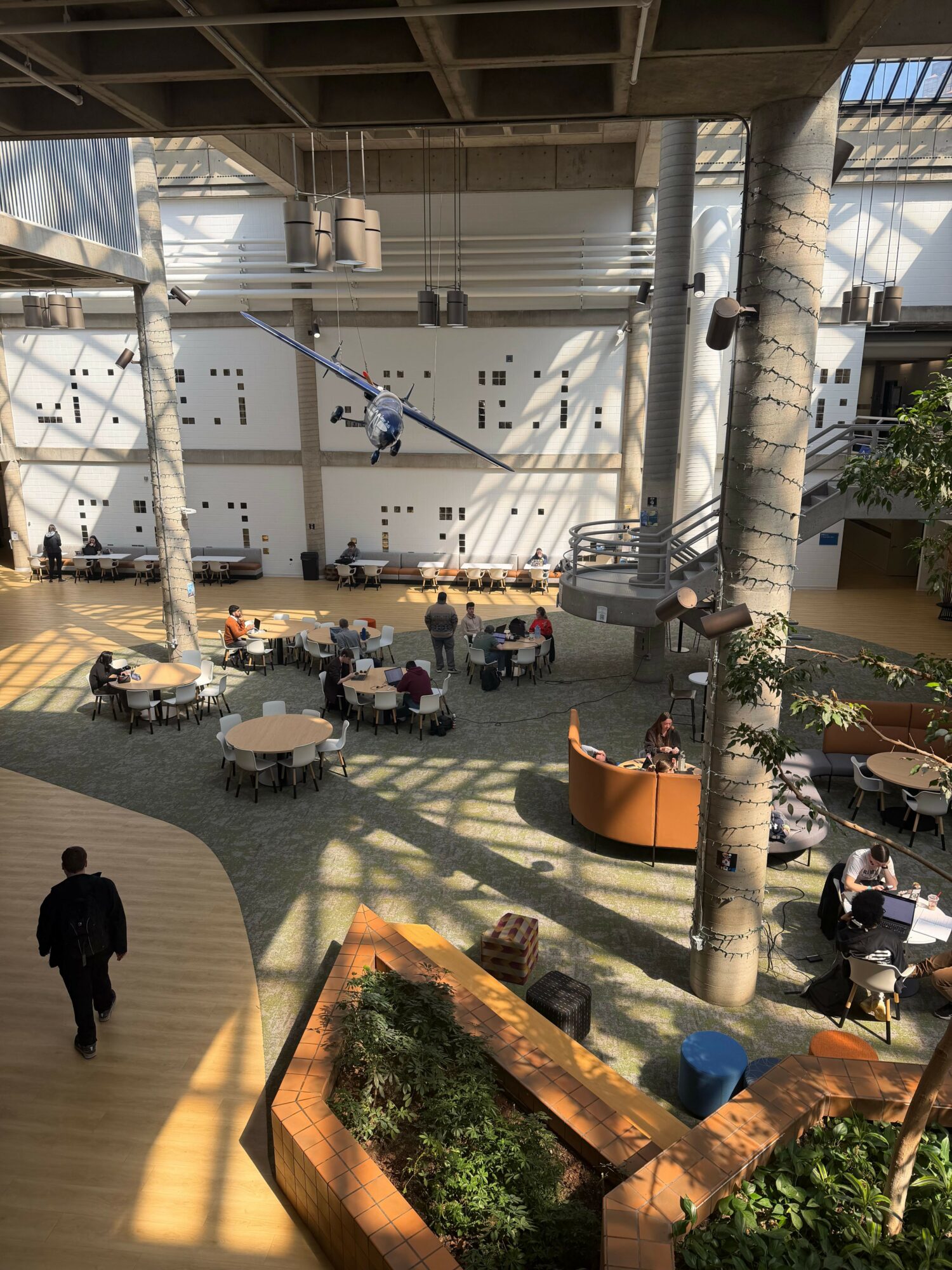
One project I’m especially proud of was working with Lawrence Technological University as part of the campus planning team while I was in graduate school. I helped develop planning packages that supported improvements to classrooms and shared campus spaces, including the university atrium. It was rewarding to work on spaces that students, faculty, and staff use every day.
What sets me apart is my combination of hand sketching, visual communication, and technical design skills. I enjoy balancing creativity with problem-solving and have always paid close attention to detail. Over time, I’ve also learned the importance of balancing precision with efficiency and collaboration. Working on multidisciplinary projects has shown me that the best outcomes come from strong teamwork as much as individual skill.
Networking and finding a mentor can have such a positive impact on one’s life and career. Any advice?
I’ve been fortunate to make a few really meaningful connections that developed naturally over time. For me, it’s always been about quality over quantity. One mentor who genuinely invests in your growth can have a much bigger impact than a long list of acquaintances. The strongest professional relationships are built on mutual respect, curiosity, and shared interests.
One thing I’ve learned is that networking doesn’t have to feel transactional. Some of my best connections started with simple conversations about a shared interest, a project, or even the fact that we attended the same university. Finding common ground makes it much easier to build genuine relationships.
As a student, some of the best networking opportunities came through school. Attending events, participating in reviews, and building relationships with professors opened doors I never expected. Those connections eventually led to internships, freelance work, and professional collaborations. One example is my current work with Reed Walker Design Collective. Jenna was one of my professors at LTU, and years later I’ve had the opportunity to work alongside her professionally.
I also had a great experience as a summer intern at Gensler, where I met talented designers who were generous with their time and advice. Experiences like that reinforced how valuable it is to stay curious, ask questions, and keep in touch with the people you meet.
My biggest piece of advice is to focus on building genuine relationships rather than collecting contacts. Be curious, follow up, stay in touch, and don’t be afraid to ask questions. People are often much more willing to help than you might expect.
Pricing:
- $50/hr Subcontracted design work / construction dwgs
- $55-60/hr Freelance design work & construction dwgs
- $65/hr rendering & visualization services
Contact Info:
- Instagram: @ahomrich_design
- LinkedIn: Aren Homrich