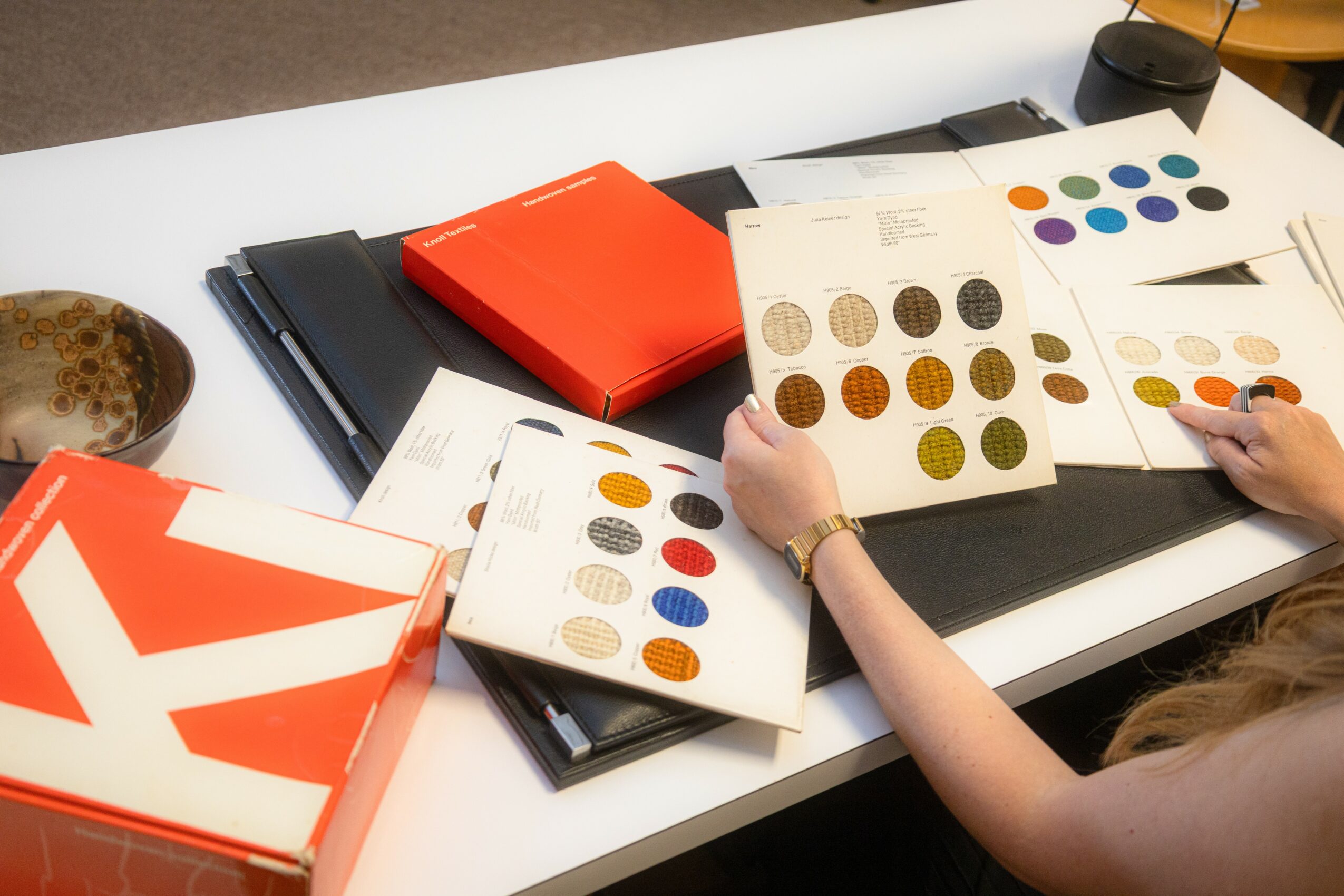






Today we’d like to introduce you to Terri Stearn.
Terri, we appreciate you taking the time to share your story with us today. Where does your story begin?
Terri Stearn stood at the bottom of a winding staircase; beside her was a yapping dog, making himself quite comfortable on the deep-green carpet. The woman on the second floor called: “Thank you! Here’s what I owe you!” and dropped a check that came fluttering down. Stearn managed to catch the check just before it landed on the carpet, the one on which the dog also was standing, the one Stearn had just valued at $250,000 and that had once been in the collection of Sigmund Freud.
The famed psychoanalyst was a collector (and interpreter) not only of stories but of Oriental carpets, many of which he purchased in Vienna and brought with him when he settled in London. Some of those rugs remain on exhibit at his former home, now the Freud Museum, and some ended up in the hands of private collectors, like a woman who now lives in Bloomfield Hills. She’d owned the carpet for many years but never knew how much it was really worth.
But Terri Stearn knew the exact worth of the carpet, just as she knows, or can quickly discern, the value of a lithograph or a sculpture, a dreidel with a surprising history, a painting found at a garage sale.
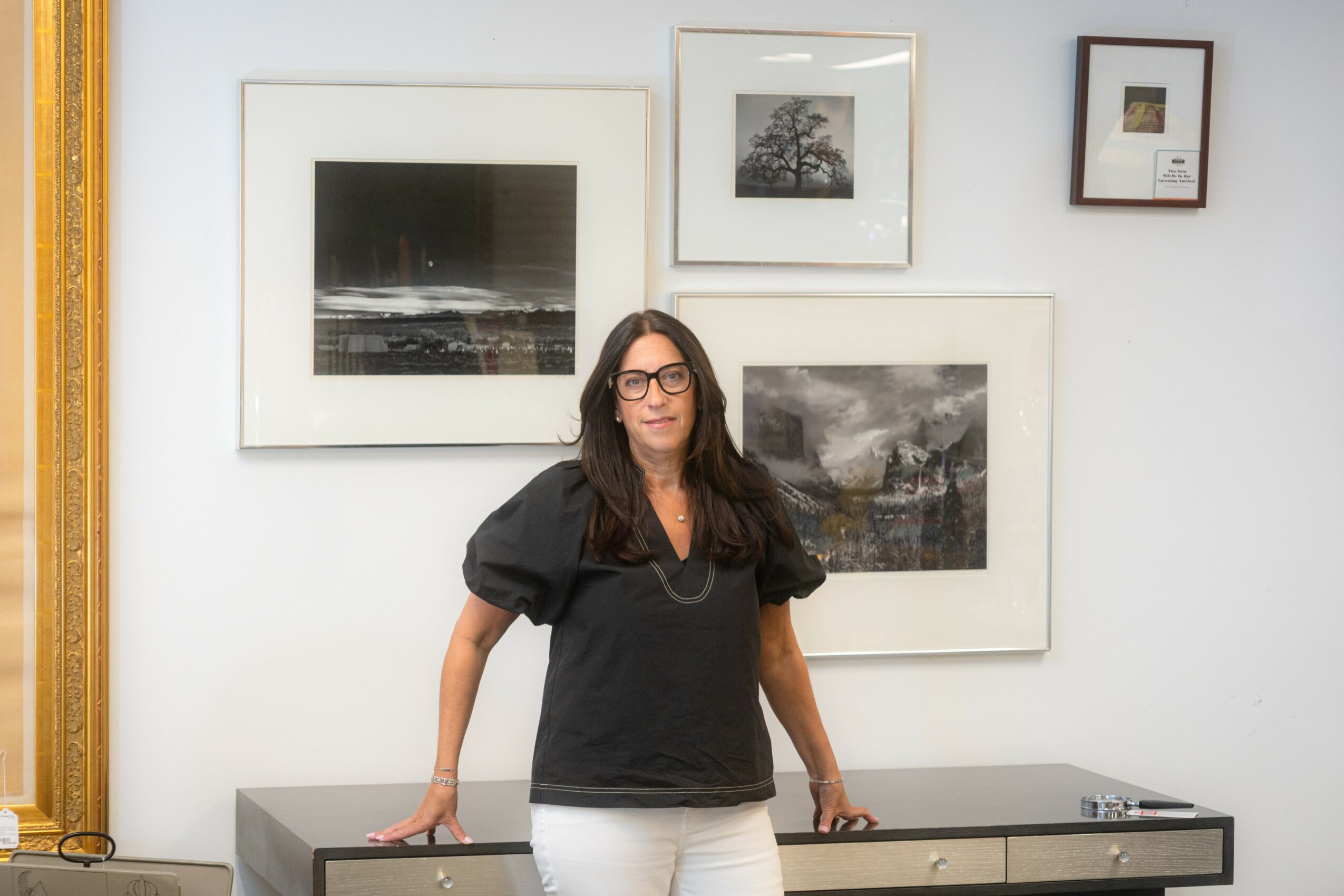
Stearn is the owner of of Detroit Fine Art Appraisals. She is accredited by the American Society of Appraisers and The International Society of Appraisers and has, since opening her business 11 years ago, come across an extraordinary collection of unusual, beautiful and sometimes unbelievably valuable treasures.
Stearn has always loved art. She holds a degree in art and art history from Eastern Michigan University and for many years was director of the three large galleries in the area. One afternoon a past client asked Stearn if she would be willing to come to her home to put a value on her collection of paintings. Stearn agreed, and soon she found herself staring at more than 60 works of art, including several pieces by Marc Chagall, their deep and rich blues and reds and yellows so vibrant it could take your breath away. Beautiful? It was paradise. Stearn quickly realized, she says, “Okay, this is what I am going to do.”
She enrolled in class, she studied for months, she organized. Everything goes into red folders with stickers and QR codes and notes – exactly the kind of thing most people don’t do, but anyone who owns anything of value should do. Understanding the value of a work of art is important for insurance (“I had a painting worth $40,000 but no proof” is not the sort of thing you want to tell your agent after a fire), for inheritance or for resale purposes.
Suppose, for example, that you’re going to have a garage sale and you put in that old painting of grandma’s that you never really liked. And suppose you thought you were getting a great deal when you sold it for $50. You just might have been very mistaken. Stearn recalls a woman in Berkley who put down five $10 bills for a picture at an estate sale and, basically on a hunch, decided to call for an appraisal. There was no visible artist’s signature, but Stearn discovered a name hidden on the back: Samuel Walters.
Walters, a recognized marine artist, became one of the brightest and most enduring lights of the Liverpool School of marine art. His finesse earned him the reputation as “the aristocrat of 19th Century British marine painters”.
Stearn valued the work at $50,000.
Many of Stearn’s clients are individuals with large, private collections. She also works with the Detroit Institute of Art to appraise works donated to the museum, and she gets a fair number of calls from individuals like the lucky Berkley shopper or someone who inherited a piece from a relative or friend, like one woman who called and said, “A guy gave this piece to my husband, and he was a friend of Norman Rockwell.”
The appraisal usually starts with a face-to-face meeting, where clients can discuss whether they want to simply learn the value of their piece or are interested in selling (Stearn can help with that, too). Stearn may find herself listening to an “expert” who smiles knowingly, confidently, and tells her (as has actually happened): “This is an original by Jasper Johns.” But it is not an original, and it is not by Johns, and it’s worth nothing. Or it might be the other expert who says, (and this, too, has actually happened): “I’ve got some stuff that’s mostly garbage but my husband insists on knowing how much it’s worth,” and it includes a signed piece by Salvador Dali. Or another collector who took Stearn to her basement to show her “this painting we own but no one likes it.” The artist: Victor Vasarely.
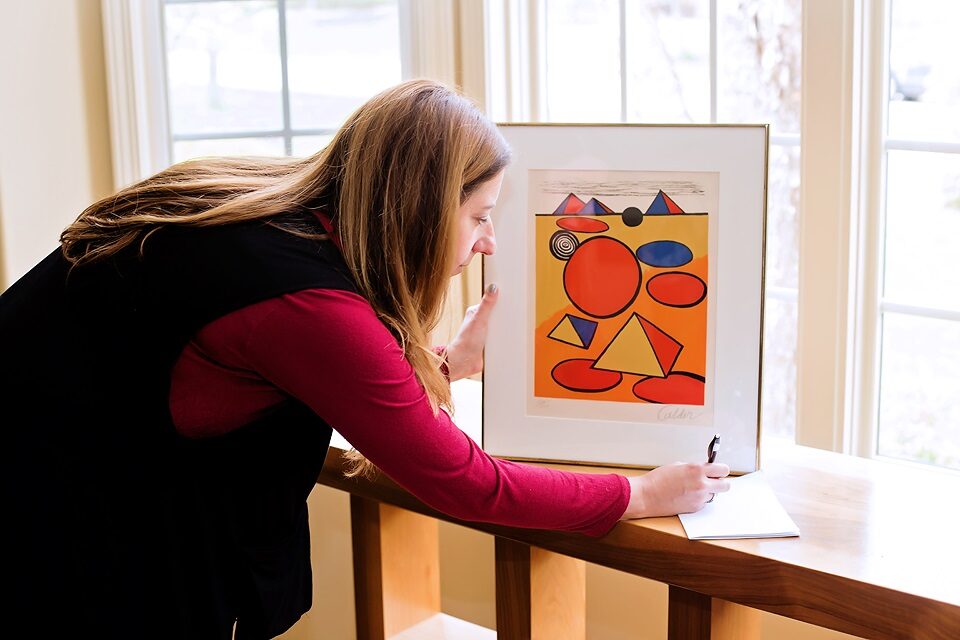
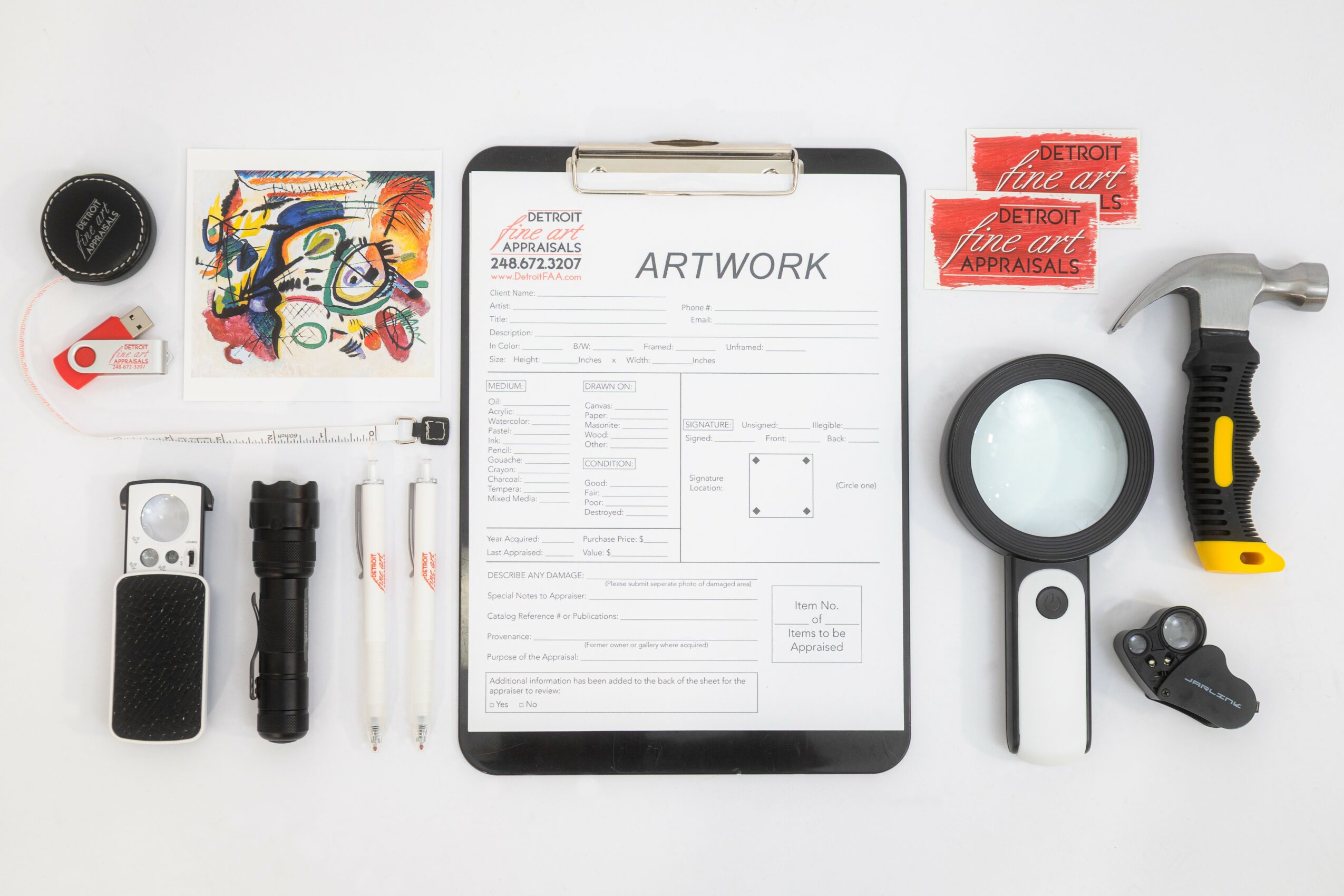
Stearn will take measurements and photos, ask about provenance (history of ownership) and enquire as to any available paperwork. Most people do not have it, and even if they do it may not be relevant. An artist relatively unknown 20 years ago may have created a watercolor initially valued at $100, but then he found fame and today that same watercolor is worth $10,000. Stearn also will consider whether it’s a one-of-a-kind, or one in a series of prints or any other number of factors that can determine value.
While she can appraise everything from carpets to paintings to antiques (jewelry is the only item she prefers not to work with-but she has someone on her team that does), Stearn’s field of expertise is Contemporary art, Detroit art, and religious relics Judaica, which has proven to be a much more exceptional area than you might imagine. Stearn recently came to appraise the collection of one congregation only to discover that it includes a dreidel that was taken into space. The journey, that boldly took the spinning top where no dreidel had gone before, added $10,000 to the item’s value.
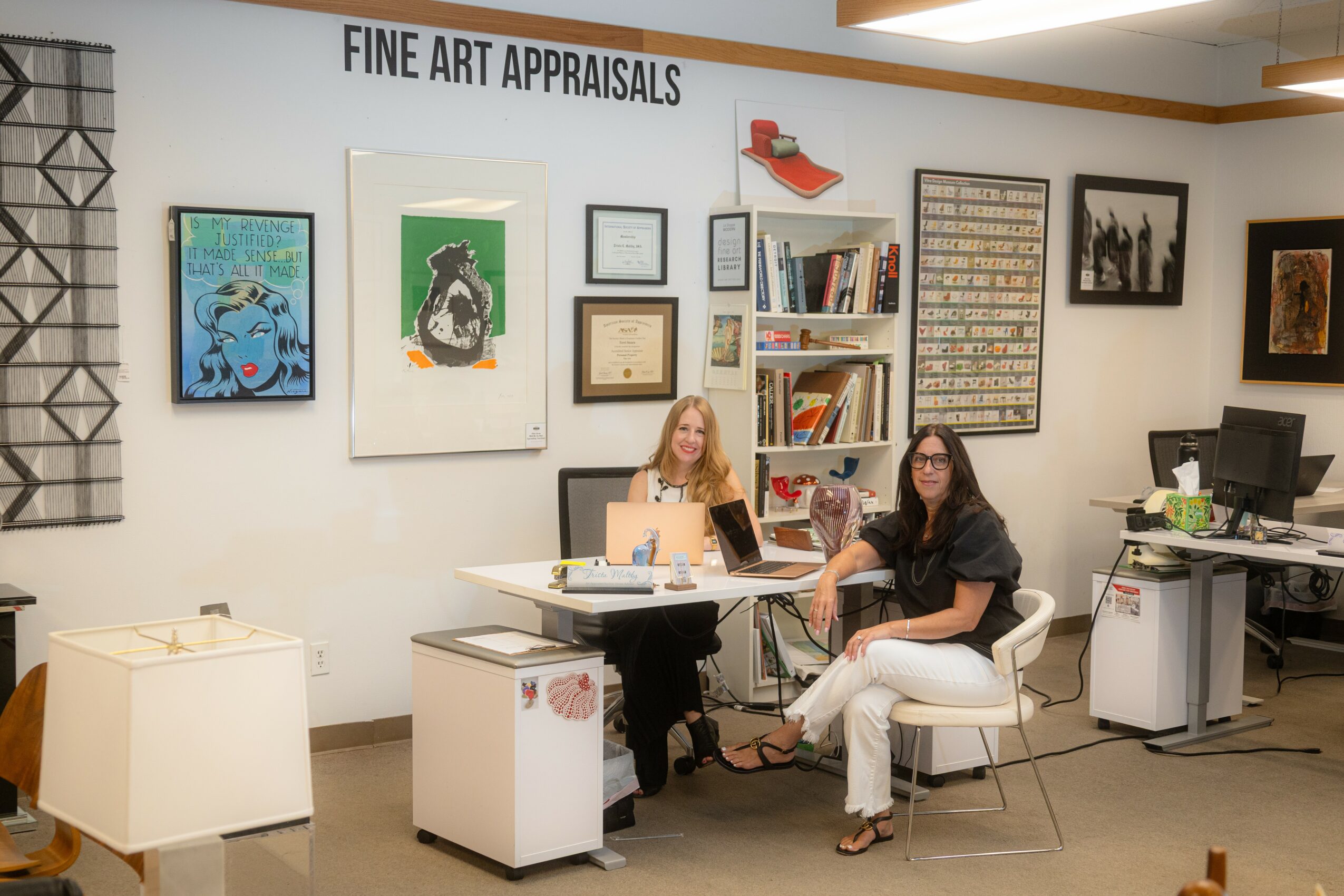
10 years ago she founded Le Shoppe Auction House with her partners Deborah Slobin and Julie Sundburg. A boutique auction house selling Iconic Furniture and Art.
I’m sure it wasn’t obstacle-free, but would you say the journey has been fairly smooth so far?
Dealing with clients who think their artwork is vrey valuable. Sometimes I am the bearer of bad news
Alright, so let’s switch gears a bit and talk business. What should we know?
In home art appraisals for insurance and estate purposes. Art dealer and auction house owner
What do you like best about our city? What do you like least?
I find for the most part people love to support local businesses. We have a community that likes to build other businesses up
Contact Info:
- Website: https://detroitfineartappraisals.com
- Facebook: https://www.facebook.com/detroitfineartappraisals
- LinkedIn: https://www.linkedin.com/in/terri-stearn-asa-isa-am-74b97880/
- Other: https://leshoppemodern.com