




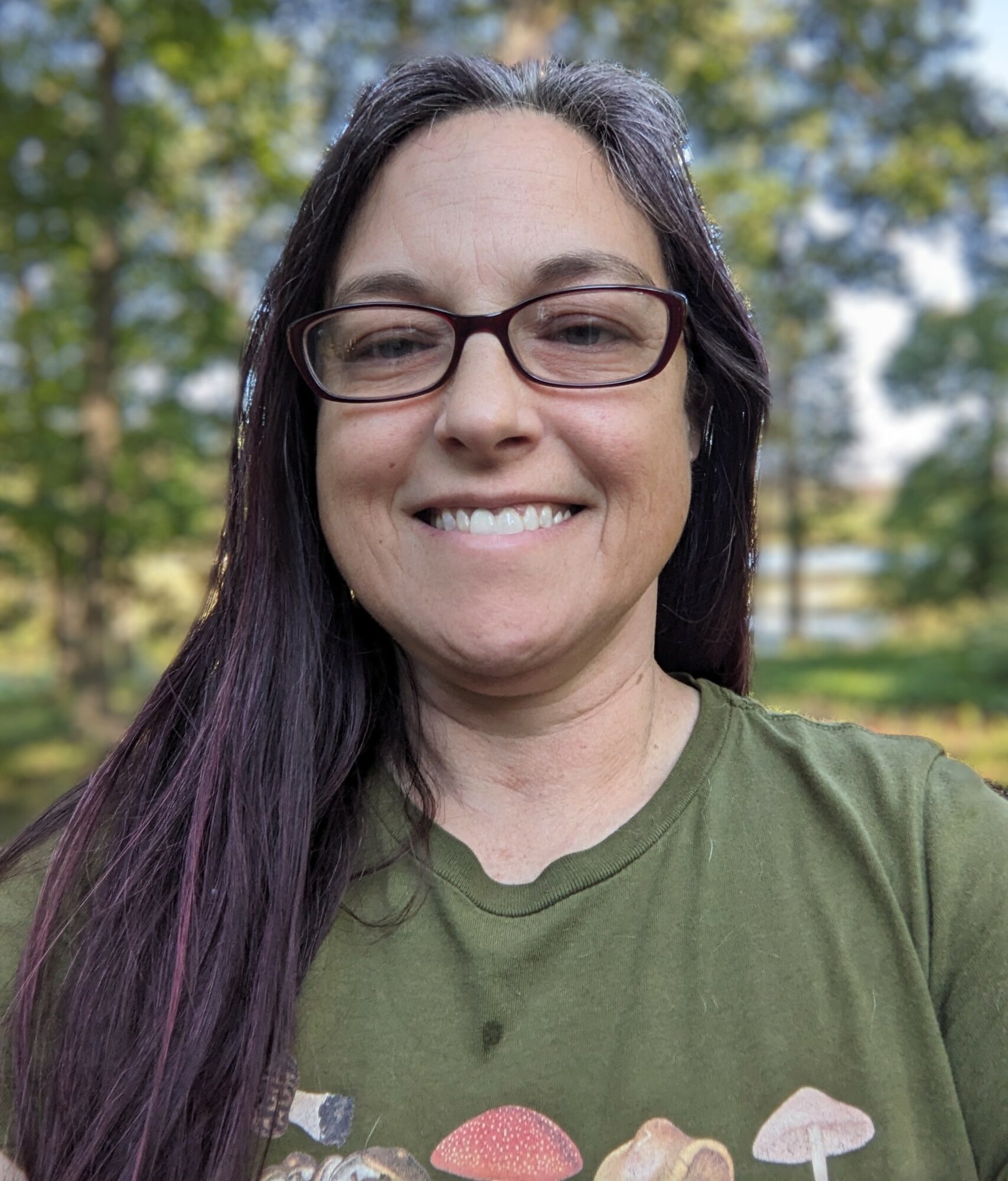
Today we’d like to introduce you to Rachel Mifsud.
Rachel, we appreciate you taking the time to share your story with us today. Where does your story begin?
The funny thing about my story is that I never actually intended to start a business. I started a Meetup group because I wanted to meet other experienced foragers. I thought, Surely there have to be other people around here who are as excited about plants and mushrooms as I am. Instead, a bunch of beginners showed up and started asking me to teach them. Eventually, I decided I was going to shut the Meetup down. I wasn’t trying to become a foraging instructor. But when I told people I was done, they basically said, “Wait, we’ll pay you to teach us.” And I thought, “Really? Sure, why not?”
That was the beginning of Will Forage for Food, and honestly, that same pattern has continued ever since. The business has never really been something I carefully planned and built according to some grand vision. People keep asking for classes and showing up, so I keep doing it. The Great Lakes Foragers Gathering happened the same way. It started as a potluck with maybe a dozen people. We enjoyed it, so we did it again. More people came. Then more people. At some point, it became an actual event. So neither Will Forage for Food nor the Gathering exists because I sat down and decided the world needed another business or another festival. They exist because the foraging community in this region wanted them to exist.
My background probably made me reasonably well prepared for accidentally ending up here. I have degrees in environmental biology and ecology, spent several years working as a field biologist and environmental scientist, and have been teaching biology and environmental science for over 25 years. But I also grew up foraging, camping, hunting, trapping, fishing, gardening, and preserving food. I’ve always been fascinated by the natural world and by the question, How does this plant work? What can we do with it? That curiosity eventually became my career. And as long as people keep wanting to learn, connect, and gather around wild food, I’ll keep doing this.
Can you talk to us a bit about the challenges and lessons you’ve learned along the way. Looking back would you say it’s been easy or smooth in retrospect?
The biggest challenge is probably that none of this was planned. There are people who start businesses because they have a business plan. They identify a market, develop a product, set goals, and carefully scale their operation. That is not how I got here. Things have grown organically, which is wonderful. But it also means that I’m constantly figuring out how to build the structure around something that has already grown. Will Forage for Food started because people wanted classes. The Gathering started because people wanted to get together. And both have continued to grow because people keep showing up. So the challenge has never really been, “How do I convince people this should exist?” The challenge is more often, “Okay, apparently this exists now. How do we make it work?”
I’m also a very small business. There are some volunteers that help with the Gathering. But mostly it’s just me. I teach the classes, plan the events, market them, answer emails, maintain equipment, manage registrations, do the bookkeeping, buy supplies, coordinate instructors and volunteers, and deal with approximately eight million tiny details that nobody ever thinks about when they’re attending a fun event in the woods.
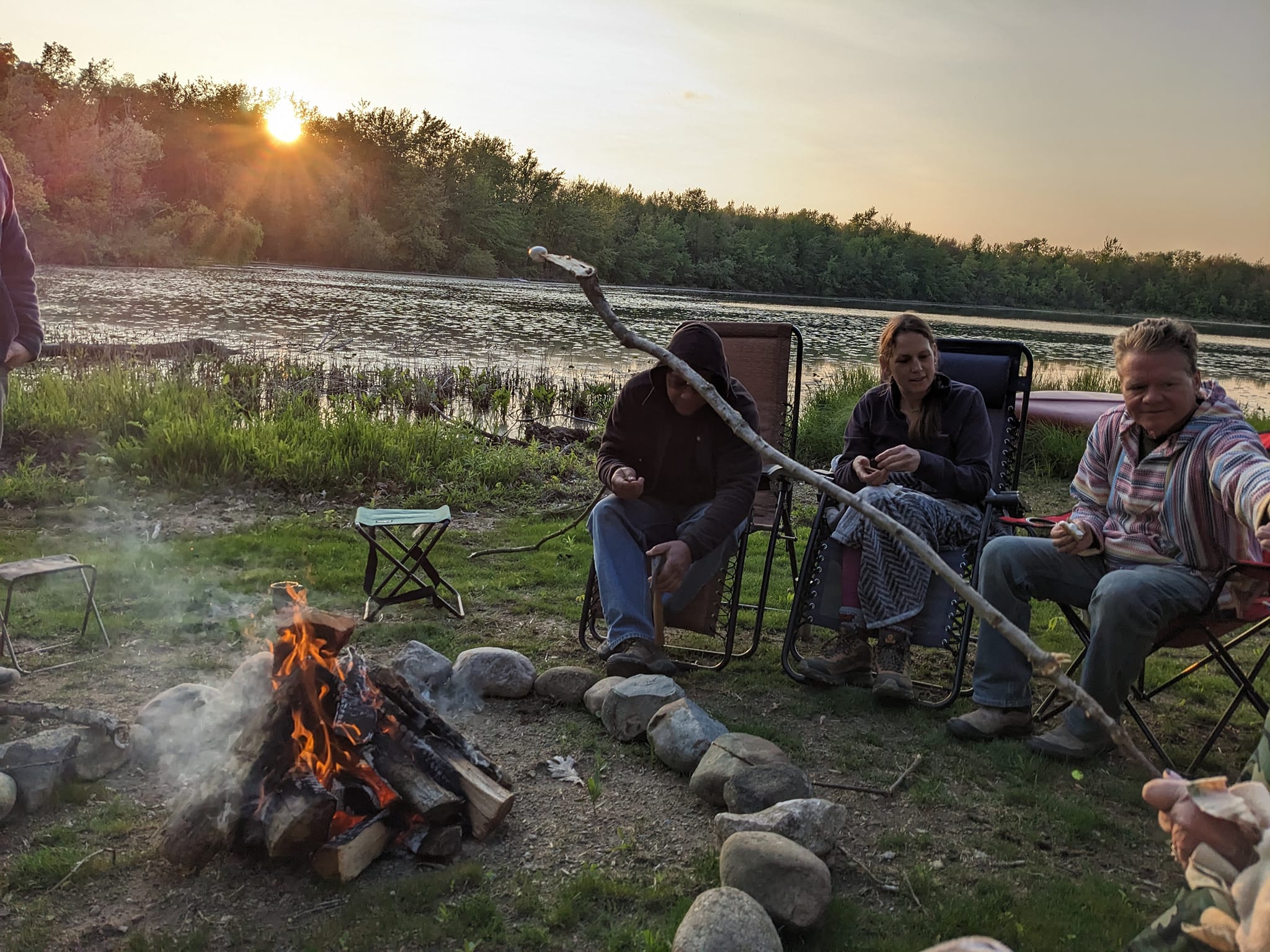
The Gathering is especially complicated because it is so community-driven. We’re not just renting a conference center and ordering catering. People forage food throughout the year. They preserve it. They donate it. Volunteers spend days cooking. Instructors donate enormous amounts of time and knowledge. People bring their skills and their energy and somehow, every year, we create this incredible thing together. It can be chaotic. It can be exhausting. Sometimes I wonder why I thought any of this was a good idea. And then I get to the event and see hundreds of people sitting around a campfire, learning from each other, eating food that was growing in the woods a few months earlier, and reconnecting with the natural world—and I remember exactly why.
Alright, so let’s switch gears a bit and talk business. What should we know?
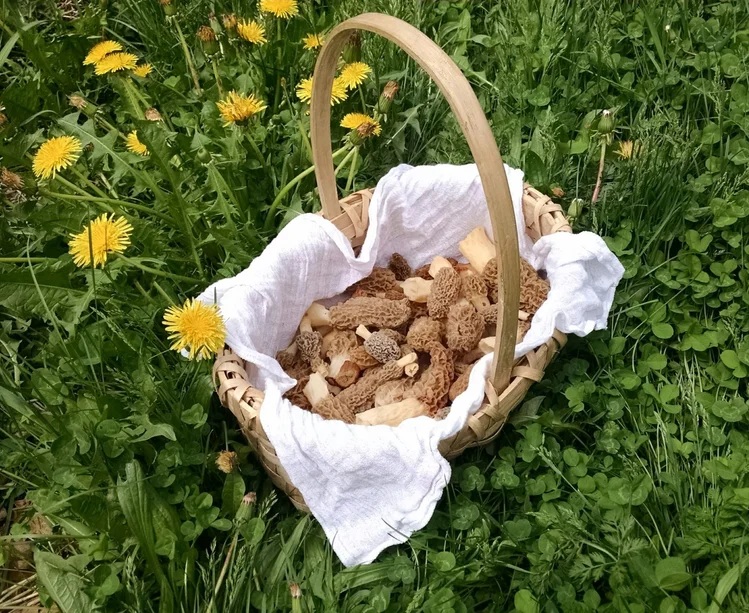
The simplest description of my work is that I teach people how to do their shopping in the woods. But that covers a lot.
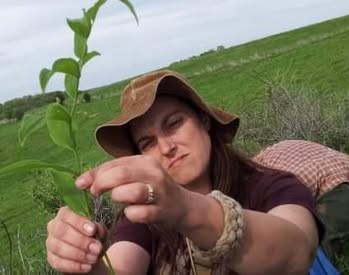
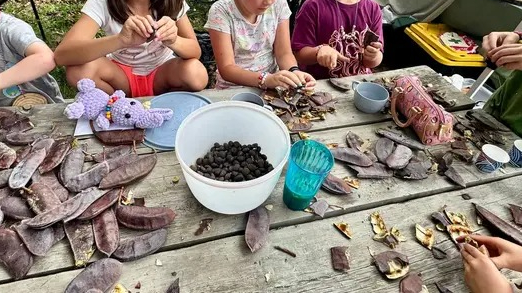
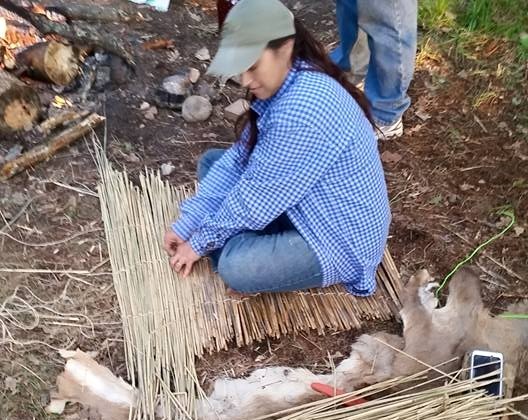
Through Will Forage for Food, I offer a lot of hands-on classes. Things like foraging walks, workshops, lectures, private classes, and special events. I work with individuals, families, libraries, homeschool groups, schools, garden clubs, and all kinds of organizations. Some classes are about identifying edible and medicinal plants. Some focus on mushrooms. Some are about cooking with wild foods, fermentation, herbal medicine, mushroom cultivation, or traditional and primitive skills. And I really do mean hands-on when I say hands-on. I don’t just want people to sit in a room while I tell them how something works. If we’re learning to make something, I want people making it. If we’re learning about plants, I want us outside looking at actual plants. If we’re learning to forage, I want people developing the skills and confidence to go out and start recognizing things for themselves.
I also offer private programs and property walks. People can hire me to come to their land and help them discover what is already growing there. Sometimes people have lived somewhere for years and have no idea that their yard is full of edible or useful plants. And one of my biggest projects is my online Foraging 101 course. That allows people who can’t attend an in-person class, or who want a more structured learning experience, to build their skills over time right in their own neighborhood.
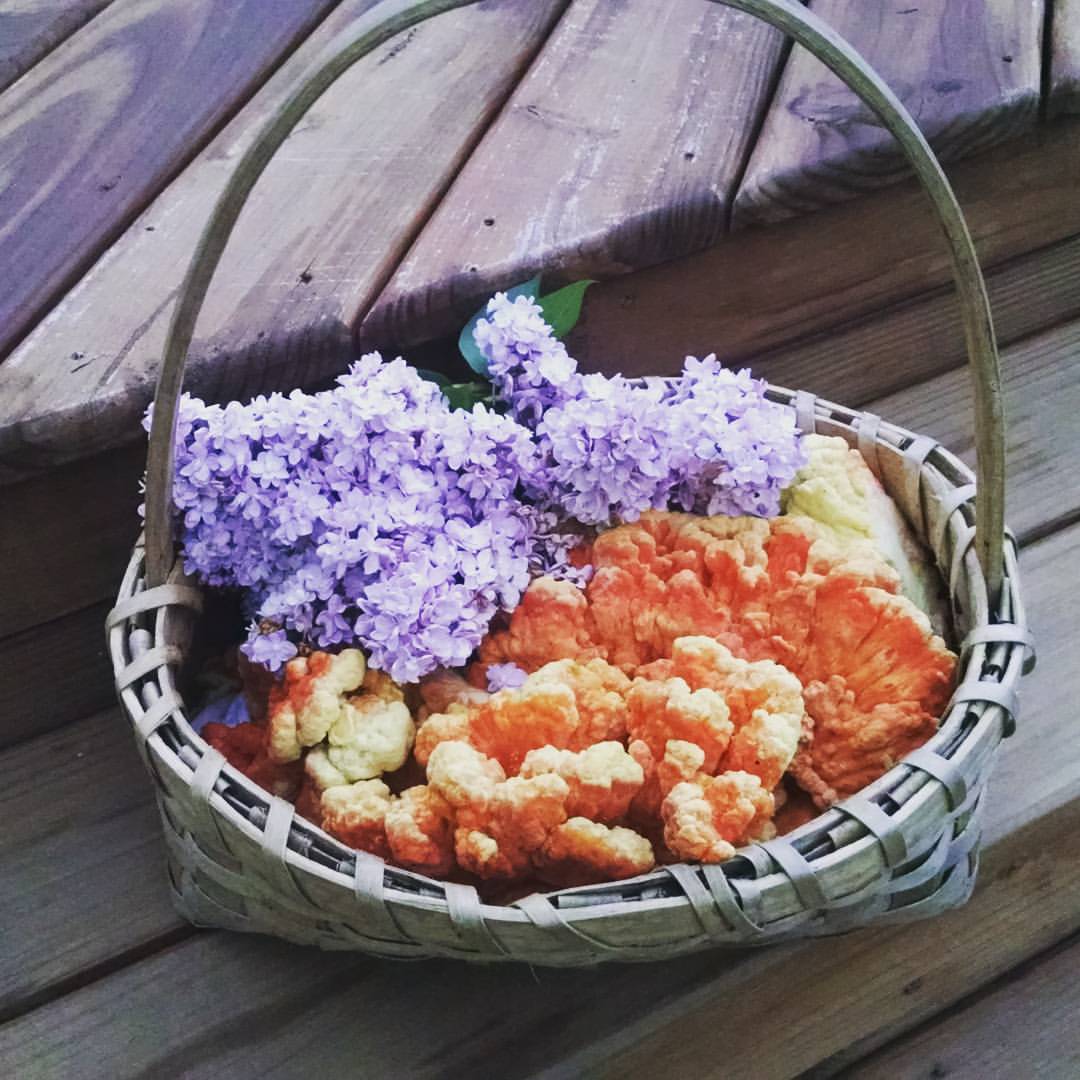
But the actual work is bigger than teaching people which plant is edible and which one will make you sick. Foraging is a doorway. You start out wanting to know whether you can eat something, and before long you’re asking why it grows there, what insects use it, what kind of soil it prefers, what other plants grow with it, how people have used it historically, and what happens to an ecosystem when that plant disappears. Suddenly, you’re paying attention. And I think that’s the real work I do: helping people learn to pay attention to the world around them.
Alright, so to wrap up, is there anything else you’d like to share with us?
Yes. We absolutely have to talk about the Great Lakes Foragers Gathering. Because it is ridiculous. In the best possible way.
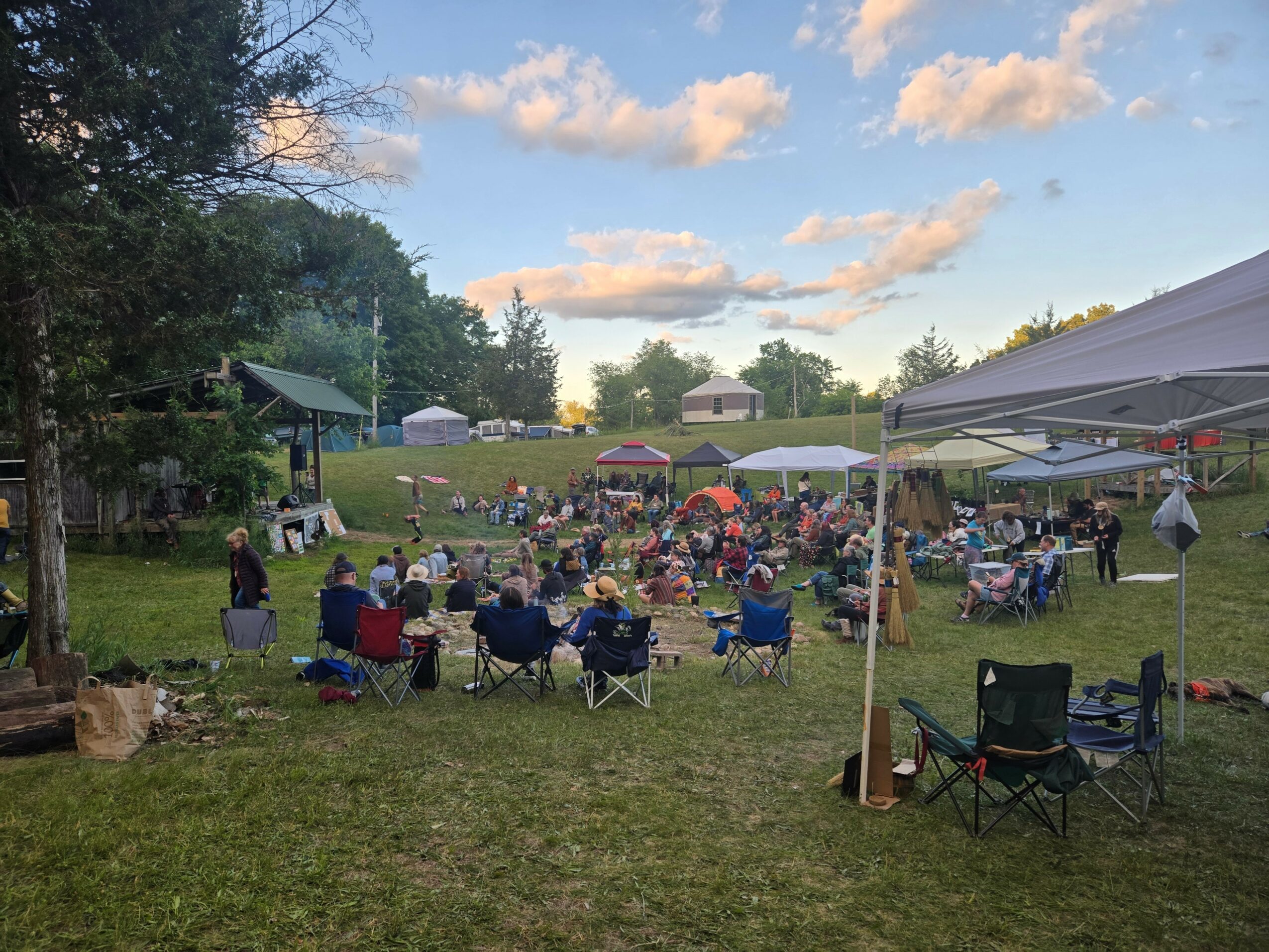
What started as a potluck with about a dozen people has grown into the largest and longest-running annual wild foods event in the Great Lakes region. Every year, hundreds of people, from a dozen states and Canada, come together for several days of classes, plant walks, mushroom walks, workshops, cooking, camping, eating, music, contests, and general wild-food weirdness. We bring together some truly incredible instructors and an amazingly diverse group of participants. You might find a botanist, an herbalist, a professional chef, a survival instructor, a mushroom nerd, a hunter, a gardener, a scientist, and someone who learned everything they know from their grandmother all sitting around the same campfire. And everybody has something to teach.
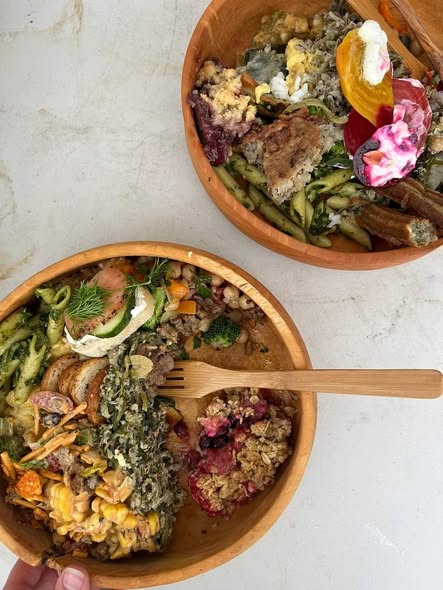
The food is one of the things that makes the Gathering especially extraordinary. People forage throughout the year specifically for the event. They preserve mushrooms, plants, fruits, nuts, and other wild ingredients, and then our kitchen crew somehow turns all of that into meals for hundreds of people. It takes an absolutely absurd amount of work. And people volunteer to do it because they believe in what we’re creating.
That is really the thing I want people to understand about the Gathering. It isn’t just an event that I put on for an audience. It belongs to a community. The instructors, volunteers, kitchen crew, vendors, attendees, and organizers all help create it. Every year, somebody brings a new skill. Somebody has a new idea. Somebody says, “You know what we should do next year?” And sometimes that idea becomes part of the Gathering. It’s messy and creative and completely unlike any other event I’ve ever experienced. The best part of the event is watching people find their people. Foraging can feel like a strange obsession when you’re the only person you know who gets excited about a mushroom growing out of a log or spends twenty minutes staring at a weed in a parking lot. Then you come to the Gathering and realize there are hundreds of us. And that’s pretty magical. Honestly, I don’t think you can completely understand it until you’ve been there.
Ultimately, that’s the story behind both Will Forage for Food and the Great Lakes Foragers Gathering. I may have started them, but they have grown because a community wanted them. As long as that community is here, I imagine we’ll keep finding reasons to get together, wander around the woods, learn something new, and ask the ever important question: “Can I eat this?”
Pricing:
- Public classes (posted on my website) range from $25-$100
- Weekend Camps run around $200-250, including meals
- Lectures run 90 minutes, including Q&A, for $250 plus travel
- Private classes, walks, and site assessments vary based on length. Typically they range from $200-$400, plus travel
- There is a discount for schools, scouts, and homeschool groups. There are also scholarship and work study spots for some classes and events
Contact Info:
- Website: https://www.willforageforfood.com/
- Instagram: @will_forage_for_food
- Facebook: https://www.facebook.com/groups/WillForageforFood
- Youtube: https://www.youtube.com/@willforageforfood6842
- Other: https://www.tiktok.com/@will_forage_for_food