




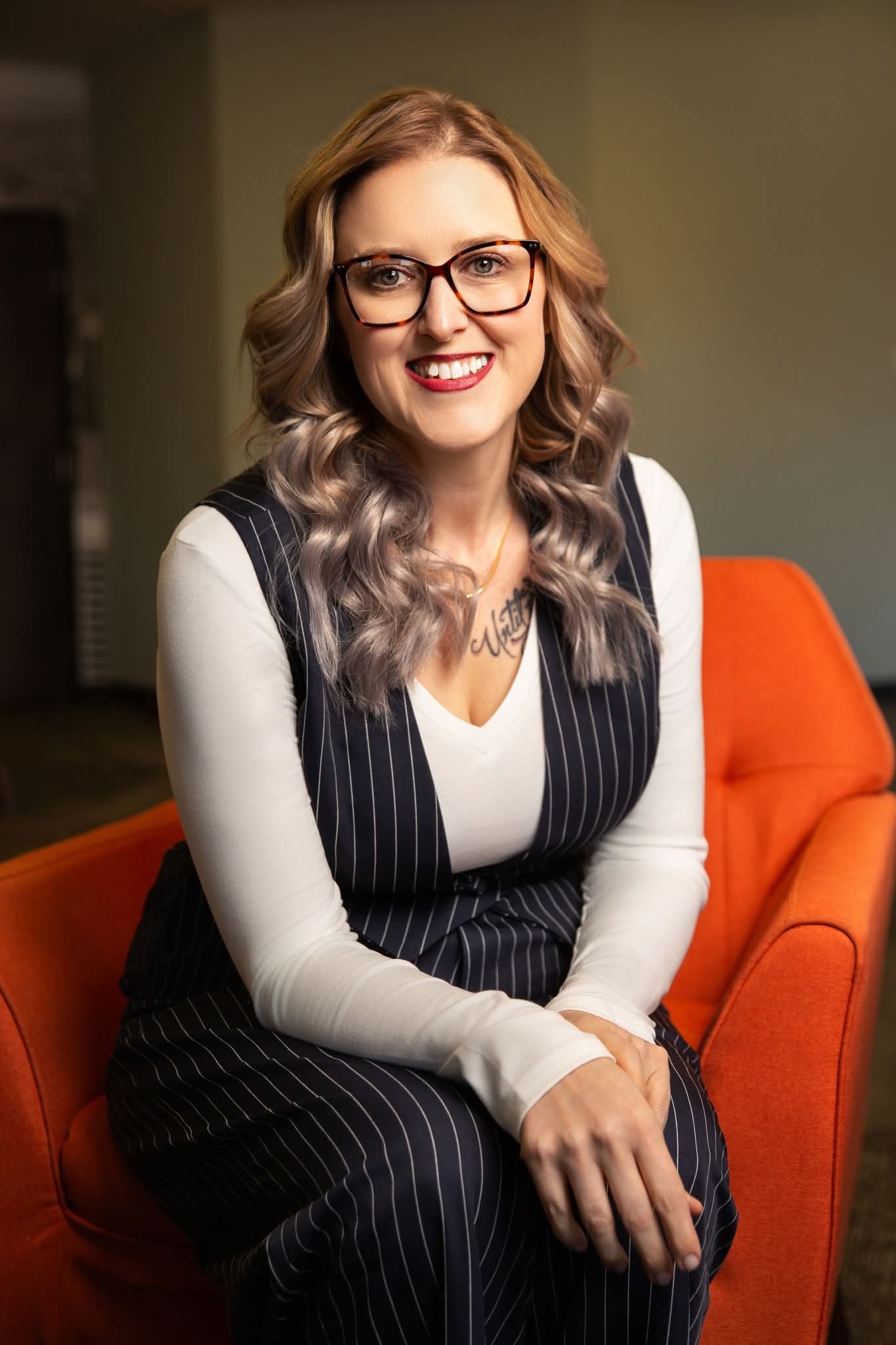
Today we’d like to introduce you to Nicole Haney.
Hi Nicole, it’s an honor to have you on the platform. Thanks for taking the time to share your story with us – to start maybe you can share some of your backstory with our readers?
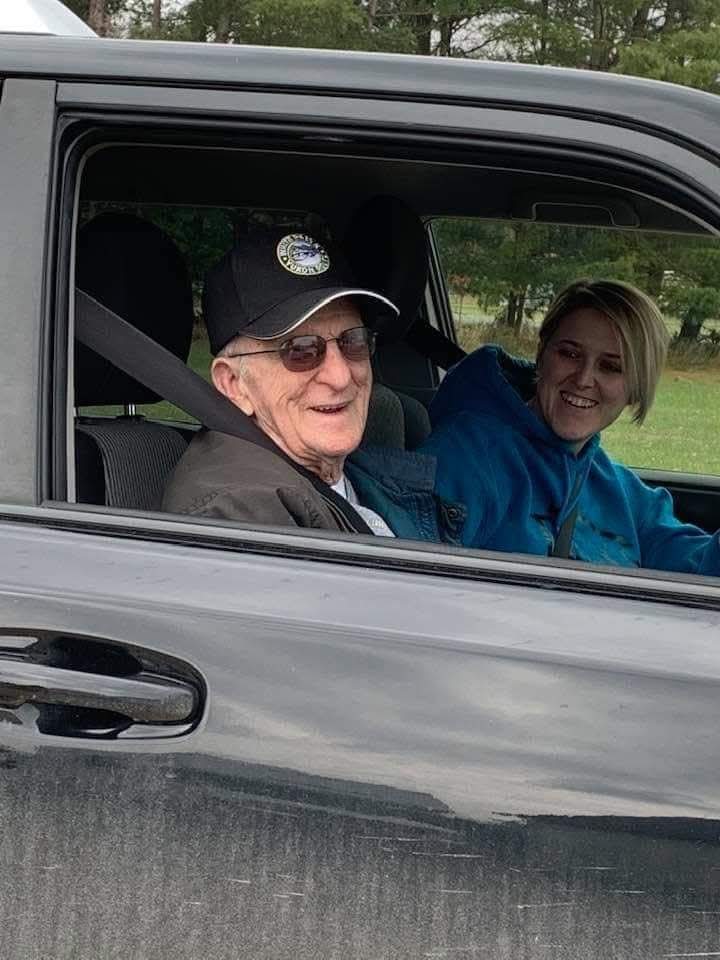
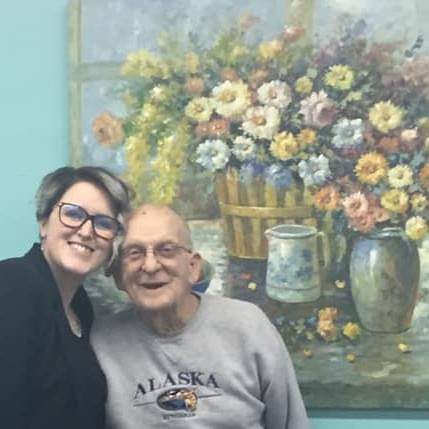
My journey began in 2015 when my grandfather was diagnosed with Alzheimer’s disease. Navigating his care exposed serious gaps in the system—care that was task-driven, fragmented, and often stripped of dignity. I was already working in healthcare oversight at the time, but experiencing it personally changed my perspective and solidified my purpose.
I started Papa’s Place because I couldn’t find the kind of care my family needed, so I built it. What began as an adult day program grew into home care, assisted living, and dementia-specific services rooted in structure, accountability, and respect for the individual. Along the way, I developed operational systems and leadership frameworks that supported both families and staff without compromising standards.
Today, I own and operate multiple senior care businesses and coach other leaders in building ethical, sustainable organizations. Everything I’ve built comes back to one belief: care should protect dignity, leadership should create clarity, and systems should serve the people within them.
Alright, so let’s dig a little deeper into the story – has it been an easy path overall and if not, what were the challenges you’ve had to overcome?
I wish it was smooth sailing. I tell my clients all the time “it won’t be easy but it will be worth it. ”
The hardest part of all of this was losing my grandfather in the midst of COVID. Building a care organization during a global crisis while grieving the very person who inspired it was heavy in a way that’s hard to describe. There was no pause button—care still had to be delivered, staff still needed leadership, and families still relied on us.
Grief and responsibility collided, and I had to learn how to lead while hurting. That season changed me. It deepened my resolve, sharpened my standards, and reinforced why this work has to be done with humanity at the center—not just process or policy.
Thanks for sharing that. So, maybe next you can tell us a bit more about your business?
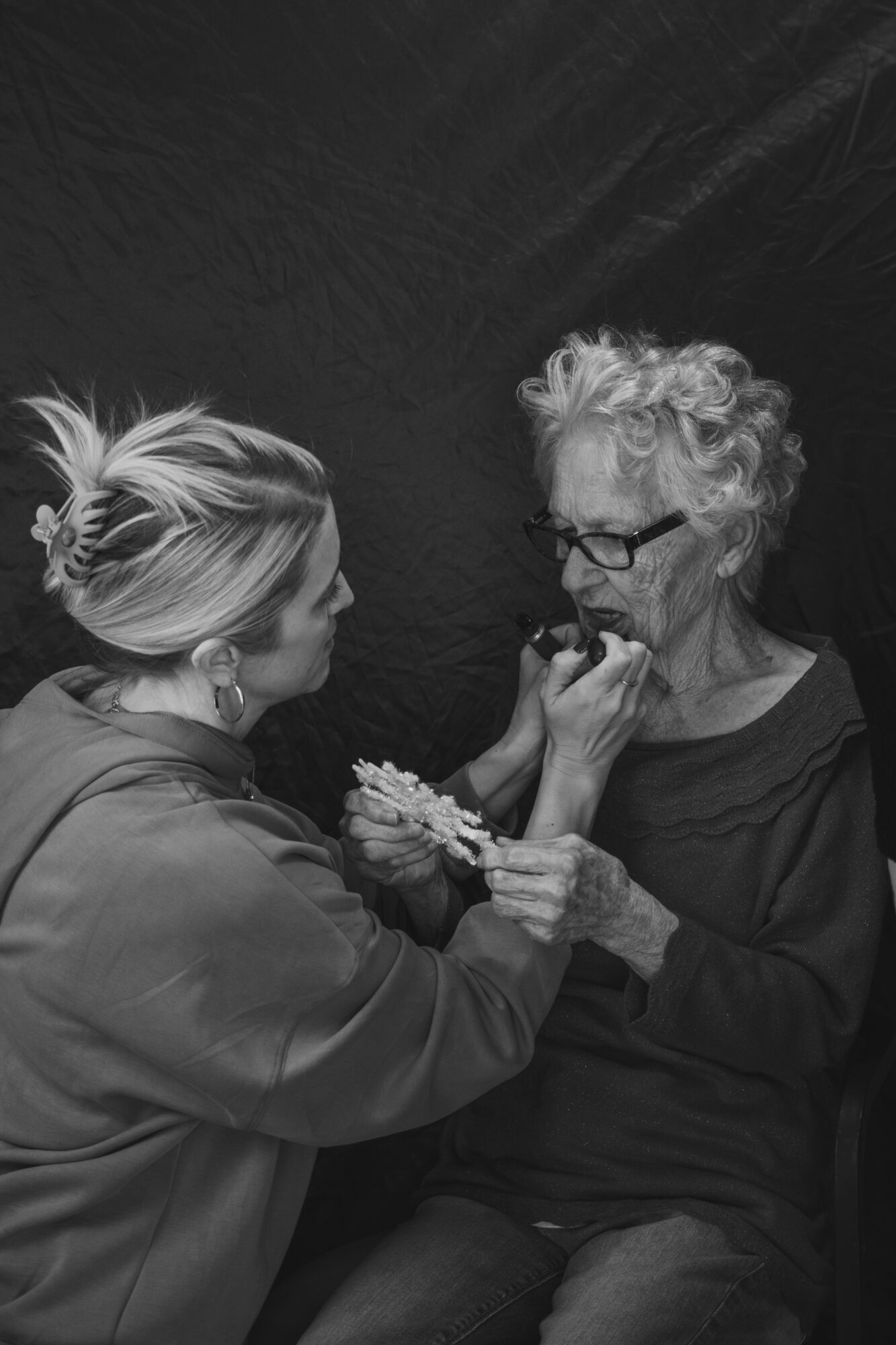
I own Papa’s Place Adult Day Center and Home Care, which provides structured adult day services and in-home support for older adults, many of whom are living with dementia or other neurological conditions. I also own Tustin House Assisted Living, a residential assisted living home designed for individuals who need consistent, relationship-based care in a stable environment. In addition, I founded N. Haney Enterprises, a consulting and leadership development firm where I work with senior care owners across the country to strengthen operations, compliance, and leadership.
Working across this entire continuum—adult day, home care, assisted living, and consulting—gave me a vantage point most people don’t have. I wasn’t just seeing care from one setting; I was watching the same individuals move through systems, and I was hearing the same frustrations from families, staff, and owners everywhere. No matter the location or model, dementia care followed the same pattern: diagnosis, then escalation.
What I am most proud of is BrainWave, a dementia care framework I created after years of watching the same pattern repeat itself across every level of care. Too often, dementia care jumps from diagnosis straight to escalation. Someone is diagnosed, and the system immediately begins preparing for decline, crisis, and control—more supervision, more restrictions, more medication. What gets missed is the long middle space where support, structure, and understanding could slow that spiral and protect the person.
That gap is what I call the Missing Middle. It’s the phase where individuals are still present, still capable, and still deeply affected by their environment—but are often treated as if they are already lost. When this middle is ignored, behaviors escalate not because the disease suddenly worsened, but because the brain is overwhelmed, misunderstood, or stripped of autonomy too quickly.
I created BrainWave to live in that Missing Middle. It focuses on how the brain processes change, stress, stimulation, and loss of control, and it teaches caregivers how to respond before crisis occurs. Through structured rhythm, predictable environments, and identity-preserving care, BrainWave helps regulate the brain instead of fighting it. This approach reduces agitation, protects dignity, and keeps people engaged longer—without over-medicalizing their experience.
What makes BrainWave different is that it is designed to evolve alongside the person. The “waves” shift as cognition changes, allowing care to adjust intentionally instead of reactively. This protects individuals living with dementia from unnecessary escalation and gives families and caregivers a clearer, calmer path forward.
This work matters because dementia care does not have to skip straight to survival mode. When we honor the Missing Middle, we give people time, safety, and humanity back—and that is what BrainWave was built to do.
Do you have any advice for those looking to network or find a mentor?
I think we often misunderstand mentorship. The most impactful guidance I’ve received didn’t come from one person or a formal title—it came from paying attention to people who were actually doing the work well and being willing to learn from many perspectives. I’ve learned as much from observing what not to do as I have from people who were ahead of me.
What has worked best for me is building relationships through proximity and integrity, not transactions. I’ve focused on connecting with people who value standards, accountability, and substance over visibility. Asking thoughtful questions, showing up prepared, and being willing to do the work before asking for guidance goes a long way.
When it comes to networking, I believe in depth over volume. A few strong, aligned relationships will take you farther than a room full of surface-level connections. Be clear about what you’re building, stay curious, and don’t chase access—build credibility. The right people tend to find you when your work speaks for itself.
Contact Info:
- Website: https://Www.papasplaceadc.com
- Facebook: https://www.facebook.com/share/1AF8S5Qo3D/
- LinkedIn: https://www.linkedin.com/in/nicole-haney-6b634152