




Today we’d like to introduce you to Charisse Thomas.
Hi Charisse, so excited to have you on the platform. So before we get into questions about your work-life, maybe you can bring our readers up to speed on your story and how you got to where you are today?
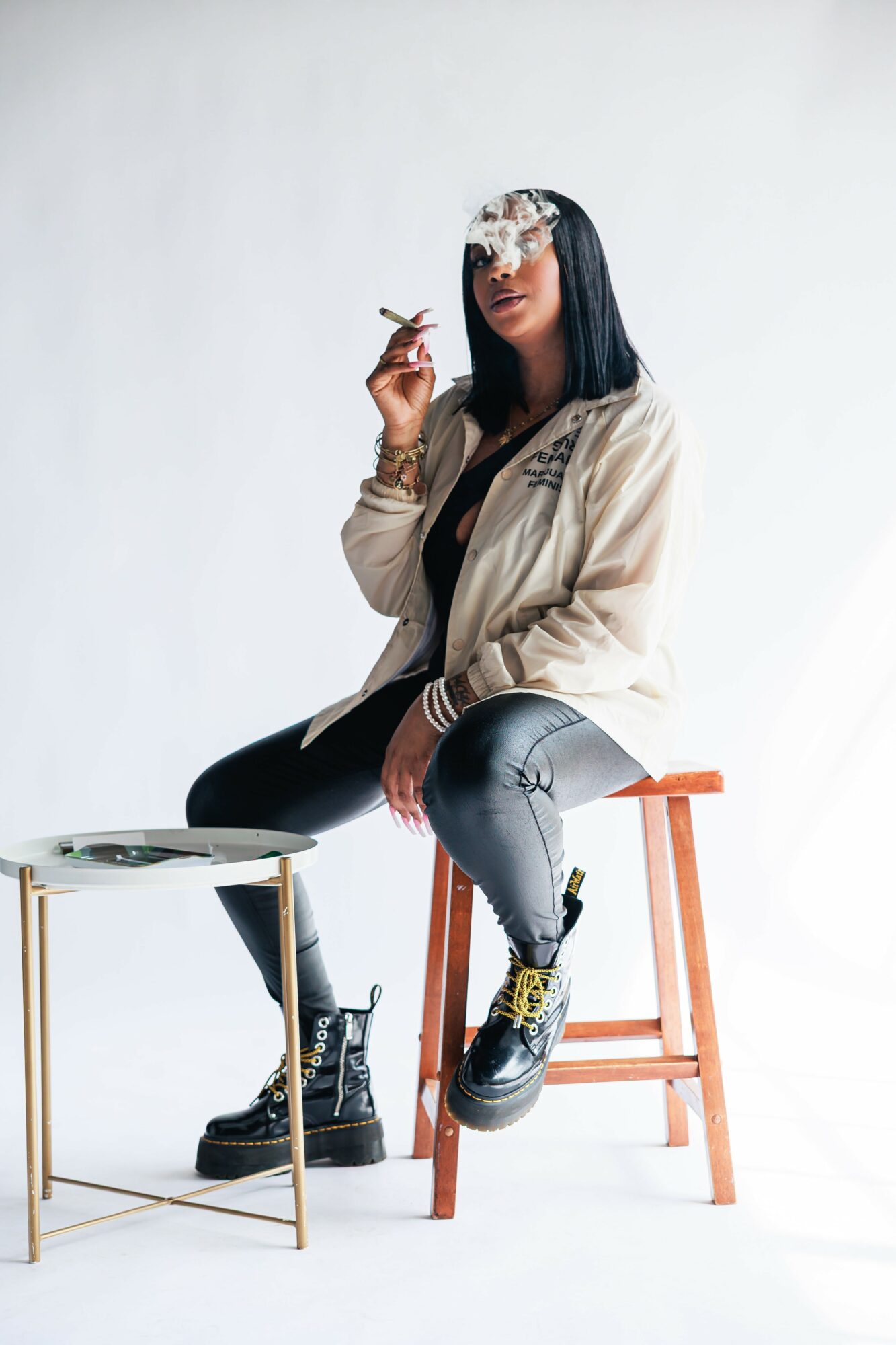
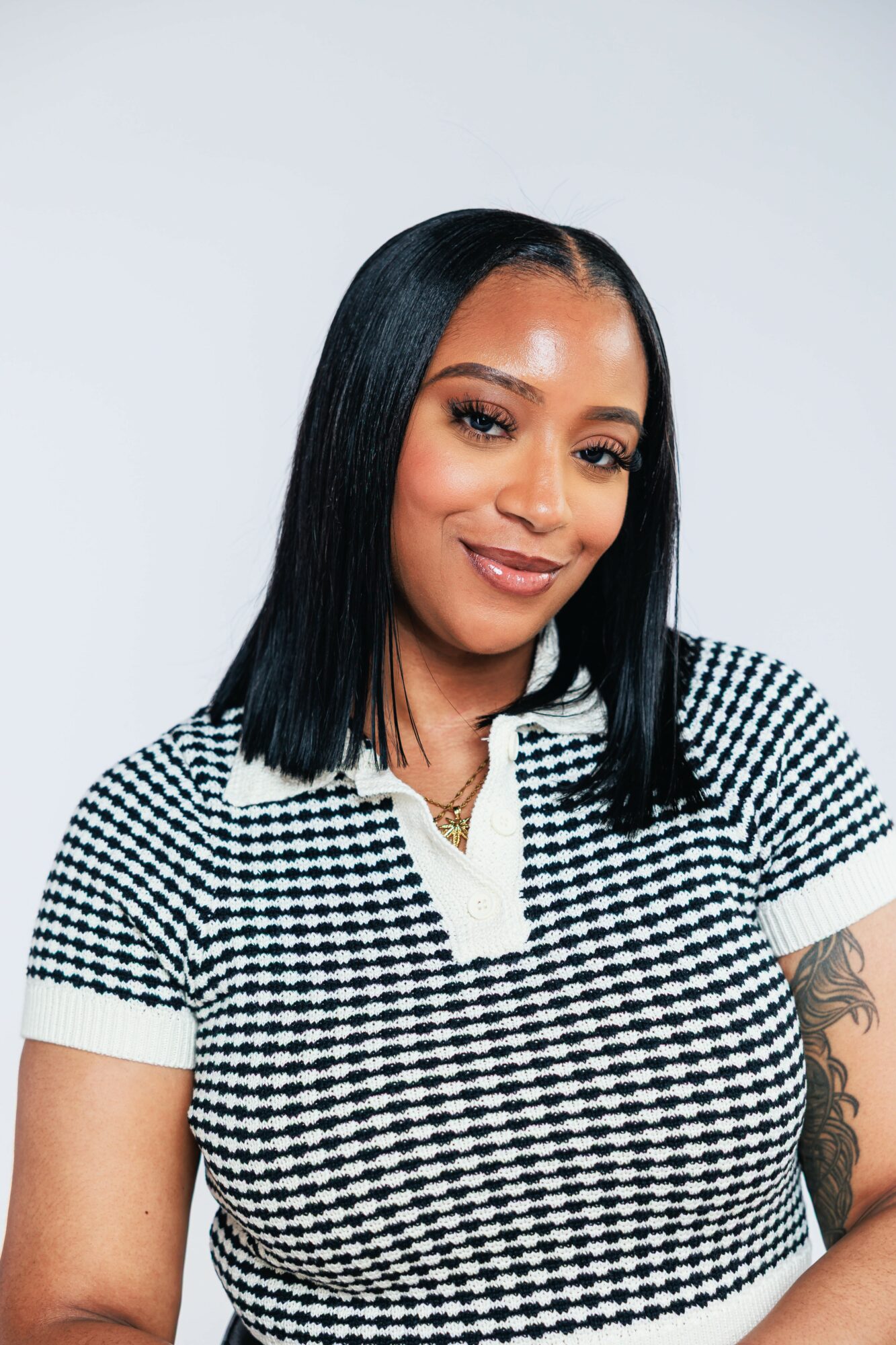
I’m Charisse Thomas, founder of Detroit-born social-impact cannabis brand Grams & Pearls. It’s rooted in ritual, education, advocacy, and community. More than anything, I think of Grams & Pearls as my contribution to cannabis culture.
My path into cannabis didn’t begin with entrepreneurship. It began with creativity. After college, I started doing freelance creative consulting and design work for cannabis companies. That’s what brought me into the industry professionally. My gifts literally made room for me. I wasn’t chasing the cannabis industry—I was contributing to it through the skills I already had.
Once I was in those rooms, I started paying attention to who was there and, more importantly, who wasn’t. I didn’t see many women who looked like me. Black women have always been consuming, sharing, healing, and building community around this plant, but we weren’t reflected in the brands, the imagery, or the larger conversation. That disconnect stayed with me. I realized there was space for a different voice, and that realization eventually became Grams & Pearls.
When I launched in 2018, I wasn’t trying to build the biggest cannabis brand in Michigan. I wanted to create something that felt familiar. Something that felt elevated without feeling exclusive. Something that celebrated our relationship with cannabis. As my own relationship with cannabis evolved, so did the business. I stopped seeing cannabis as just something you consume and started seeing it as one herb within a much larger ecosystem of botanicals. That curiosity sent me down the rabbit hole of herbalism. I wanted to understand how herbs have been used across cultures, how they complement cannabis, and how we could reintroduce people to that knowledge in a way that felt modern, approachable, and rooted in tradition. That shift changed everything.
One of the things I say often is that cannabis is an herb. That may sound simple, but I think we’ve spent so much time separating cannabis from the broader world of plant knowledge that we’ve forgotten where it belongs. A big part of our work is reconnecting those dots. You’ll see that philosophy reflected in everything we do.
What started as a lifestyle brand has evolved into something much broader. Today, Grams & Pearls isn’t just a product brand. It’s a platform for exploration. Grams & Pearls now lives at the intersection of education, advocacy, and community. Through immersive educational experiences like Smoke Signals, botanical activations like The Herb Bar, thoughtfully designed products, and our advocacy work, we’re helping people develop more intentional relationships with cannabis while creating spaces where Black women feel represented, welcomed, and empowered to explore the plant on their own terms.
Detroit has shaped that perspective more than I probably realized at the beginning. This city teaches you how to build with what you have. It teaches resilience without asking for recognition, creativity without waiting for permission, and the importance of investing in your community because your community is investing in you. That same commitment to equity eventually led us to establish the nonprofit Project G.R.I.T, which stands for Growth, Resilience, Impact & Transformation. While Grams & Pearls is the brand, Project G.R.I.T. is our commitment to creating a more equitable cannabis industry through advocacy, education, and opportunity. Legalization opened doors, but it didn’t automatically create access. I believe we all have a responsibility to help ensure that the communities most impacted by prohibition are also part of shaping what comes next.
I’m grateful for how much the vision has expanded. I hope Grams & Pearls continues to leave the cannabis community better than we found it, and that our contribution to the culture is measured not only by what we created, but by the conversations we sparked, the community we cultivated, and the people we inspired to see cannabis differently.
We all face challenges, but looking back would you describe it as a relatively smooth road?
It definitely hasn’t been a smooth road, but I don’t think meaningful work ever is.
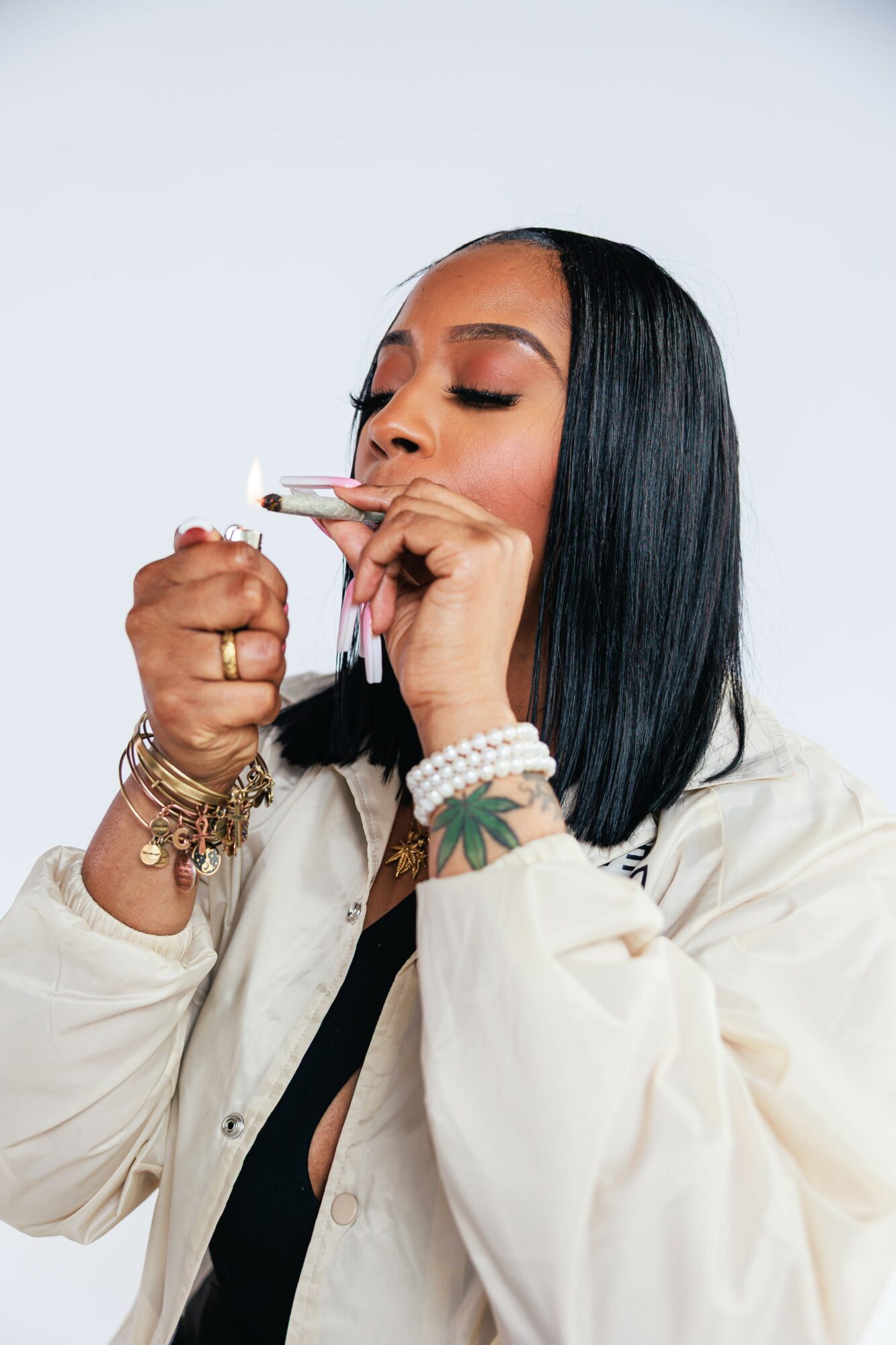
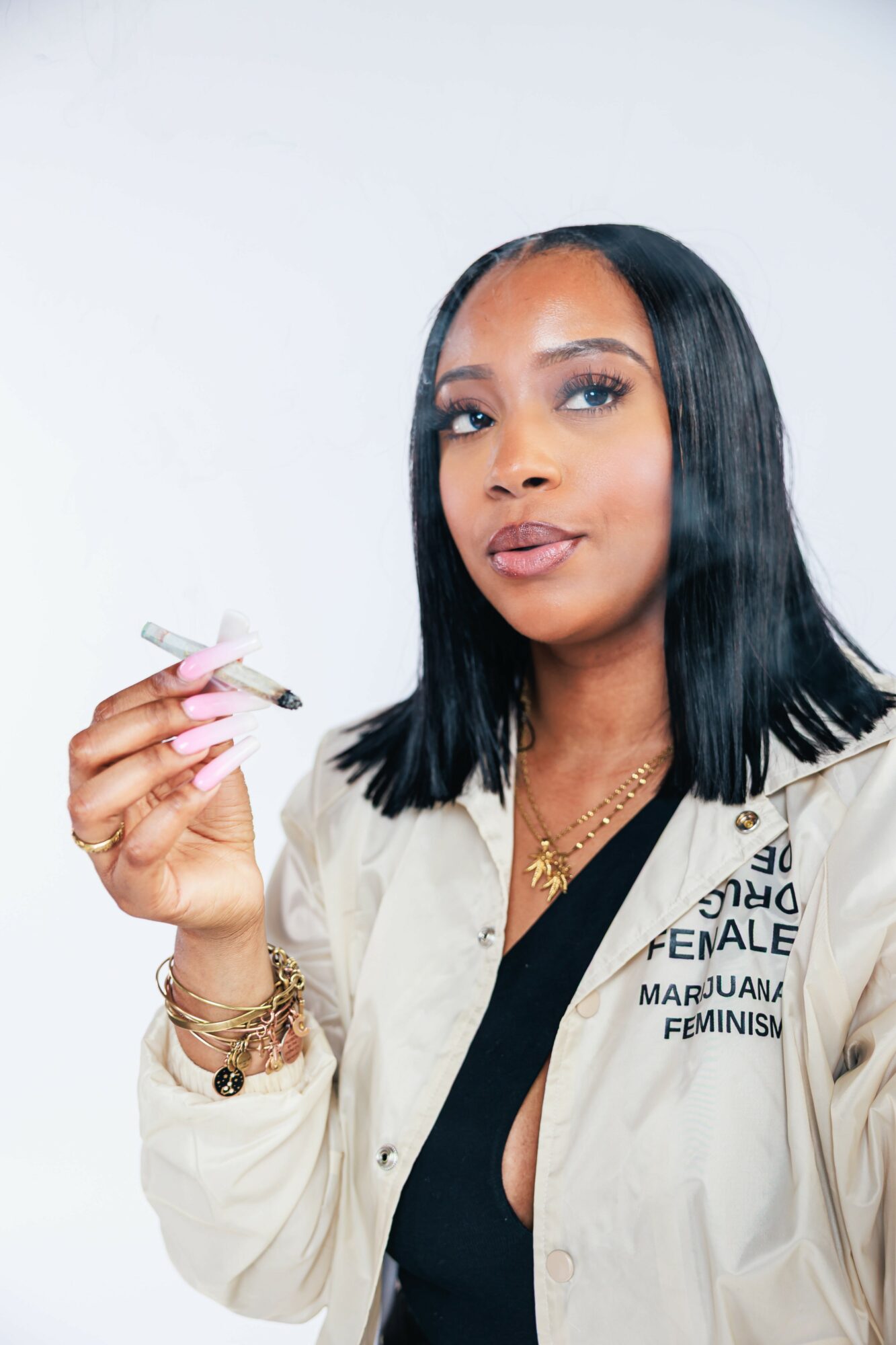
There is a version of the smoking woman that society has decided is acceptable and a version that isn’t. For a long time, cannabis was something people whispered about. It wasn’t something you openly connected to your name, your career, or your reputation. As a corporate professional, a mother, and a founder, I understood that choosing to build Grams & Pearls publicly meant some people would make assumptions about me before they ever had a conversation with me. The work I do for women in this space is an act of cultural rebellion. I want every woman who has ever felt shame around the plant to see that there is another way to hold it.
The second challenge is visibility in the most literal sense. Building a cannabis brand in the digital era means building inside a system designed to suppress you. What I’ve learned is that visibility can be a form of advocacy. Every time someone sees a woman who is thoughtful, successful, community-rooted, and unapologetic about her relationship with cannabis, it quietly challenges the stereotypes we’ve inherited. I’ve never wanted to convince people to consume cannabis. I’ve wanted to invite them to question why they’ve been taught to fear or judge it in the first place.
The business itself has presented its own challenges. Cannabis entrepreneurs operate within systems that often weren’t built with us in mind. Social media platforms routinely suppress educational cannabis content. You learn to write around it, code-switch your captions, and rebuild from zero more times than you want to count. Accounts are shadow-banned without notice, posts are removed, and years of community building can disappear because an algorithm doesn’t distinguish between education and illicit activity. Payment processors, advertising platforms, and financial institutions create similar hurdles, forcing cannabis businesses to become incredibly creative just to access the same tools many other industries take for granted.
The third challenge is the operational reality of entrepreneurship itself. I’ve built Grams & Pearls while maintaining motherhood and a full-time corporate career. The brand wasn’t built overnight. It was built in the margins. For years, there were early mornings, evenings, weekends, airport terminals, and every quiet moment in between. I’m not telling that story for sympathy — I’m telling it because it’s the honest architecture of what independent brand-building actually looks like, and because I think naming it matters. Over the years, I have often said that entrepreneurship is a spiritual practice. It is not a romanticized phrase for me. It’s the only framework that has ever made sense for the kind of sustained faith that building something from nothing requires.
Looking back, I don’t see those challenges as setbacks. They clarified my purpose. Every workshop we host, every Herb Bar activation, every honest conversation, and every opportunity to show up authentically is bigger than a business. It’s our contribution to building a cannabis culture that is more informed, more inclusive, and more human than the one we inherited.
Great, so let’s talk business. Can you tell our readers more about what you do and what you think sets you apart from others?
If there’s one thing I hope people know about Grams & Pearls, it’s that we aren’t trying to convince people that cannabis belongs in wellness. We’re inviting people to remember that it always has, and that we exist to help people build more intentional relationships with cannabis while centering Black women in a culture we’ve always helped shape. I think we’ve spent decades asking whether cannabis should be legal, but we haven’t spent nearly enough time asking what a healthy relationship with cannabis actually looks like. That’s the conversation we’re interested in.
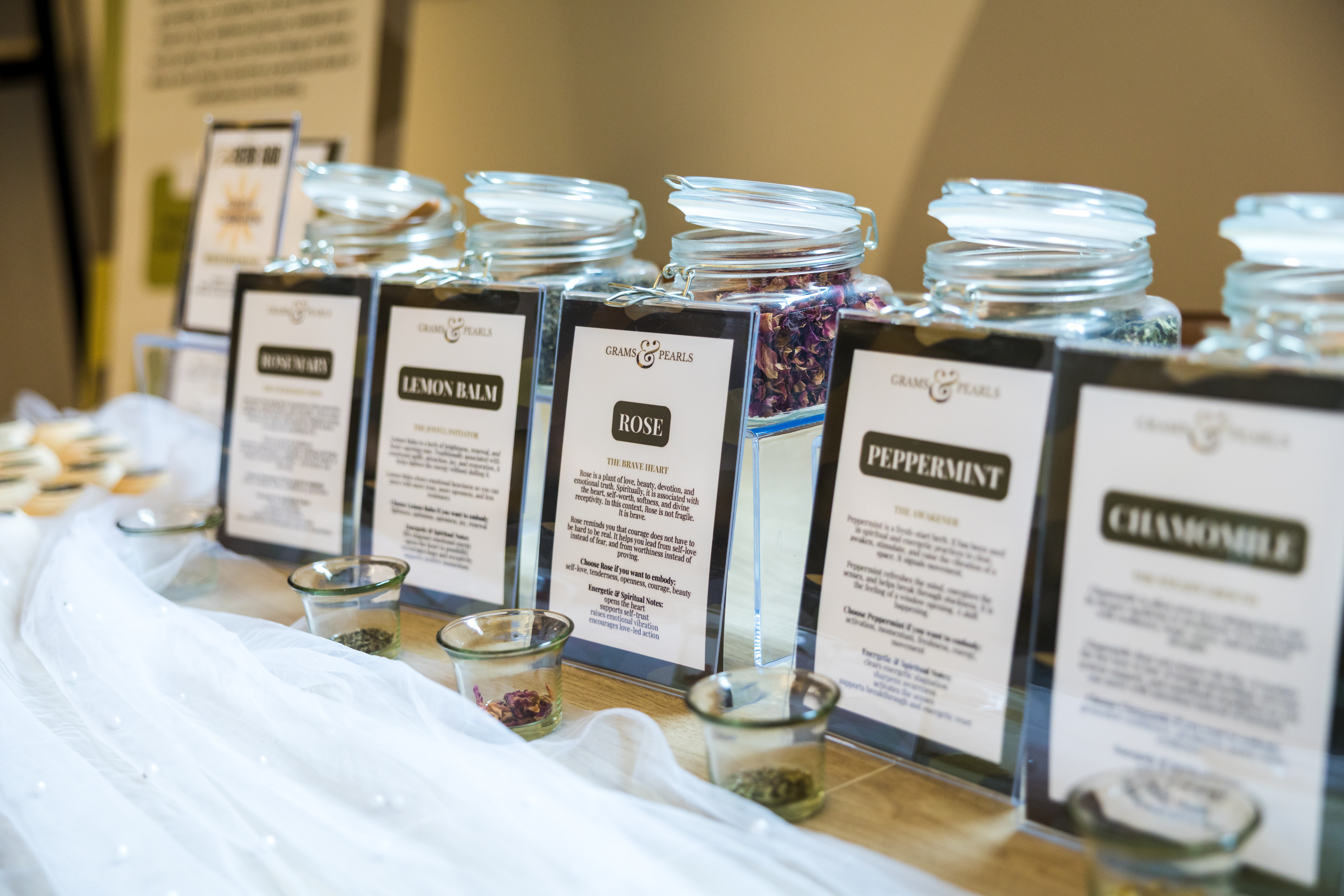
Most brands lead with what they sell. We lead with what we believe. We believe cannabis is an herb—with a history, a cultural lineage, and a rightful place within the broader tradition of botanical wellness. Somewhere along the way, cannabis became isolated from the larger ecosystem of plants we’ve trusted for generations. We naturally embrace lavender, chamomile, rosemary, peppermint, and countless other herbs for the role they play in our daily rituals, yet cannabis is often treated as something separate. I don’t believe it should be. One of the simplest things I say, and one of the beliefs that has shaped our entire company, is that cannabis is an herb. That perspective changes everything.
When you begin to see cannabis as part of a larger botanical tradition, the conversation shifts. It becomes less about chasing higher THC percentages or the newest product release and more about understanding the plant, your body, your intentions, and the role cannabis can play within a balanced wellness practice. To me, cannabis isn’t a cure. It’s one tool within a much larger ecosystem of healing, creativity, rest, connection, and self-discovery.
That’s what we mean when we say we’re Rooted in Ritual. Ritual isn’t about perfection or aesthetics. Ritual reminds us that how we consume something is just as important as what we consume. It’s choosing to consume consciously instead of automatically. It’s asking yourself, “What do I need today?” Before asking, “What am I consuming?” That mindset has become the foundation of everything we build.
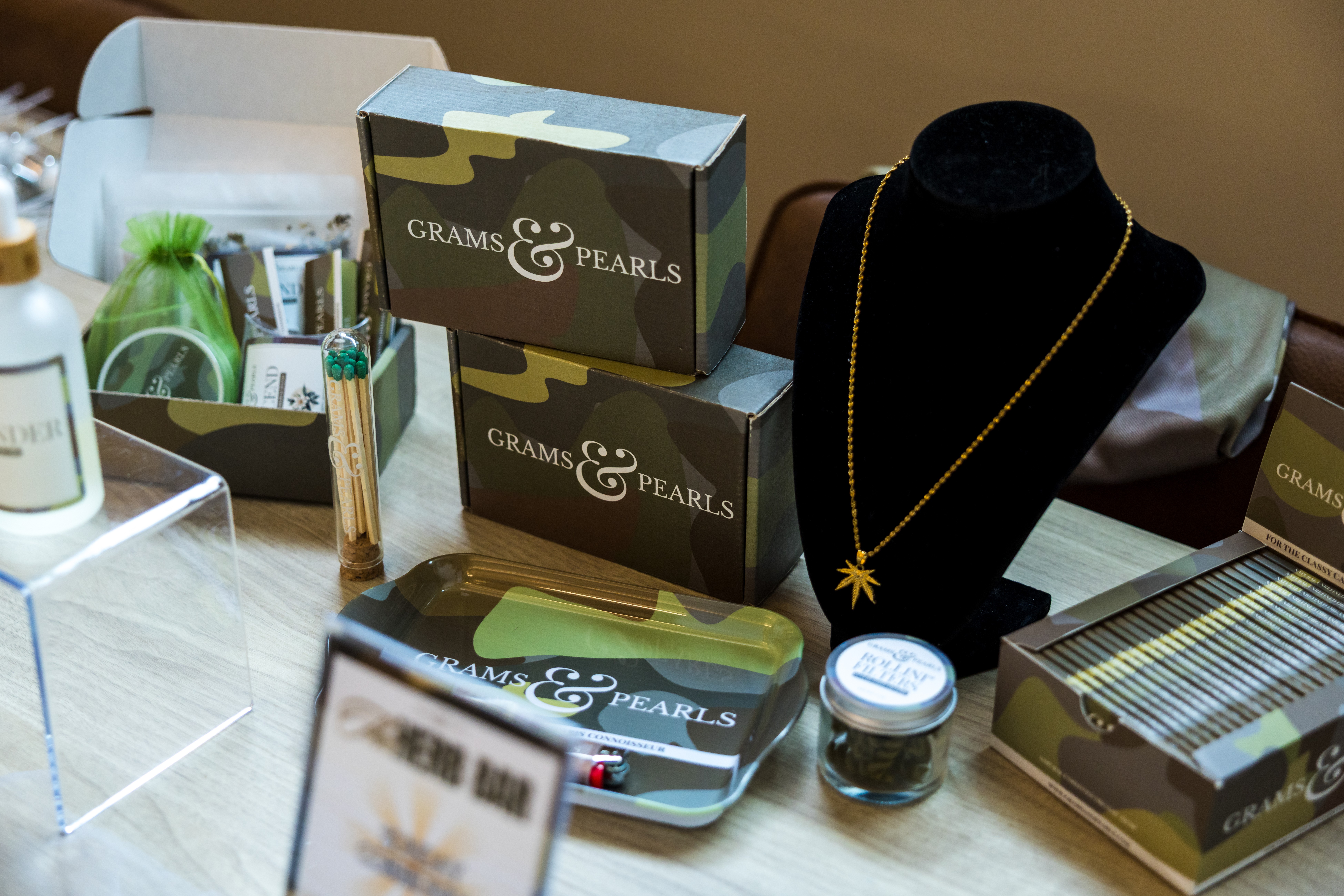
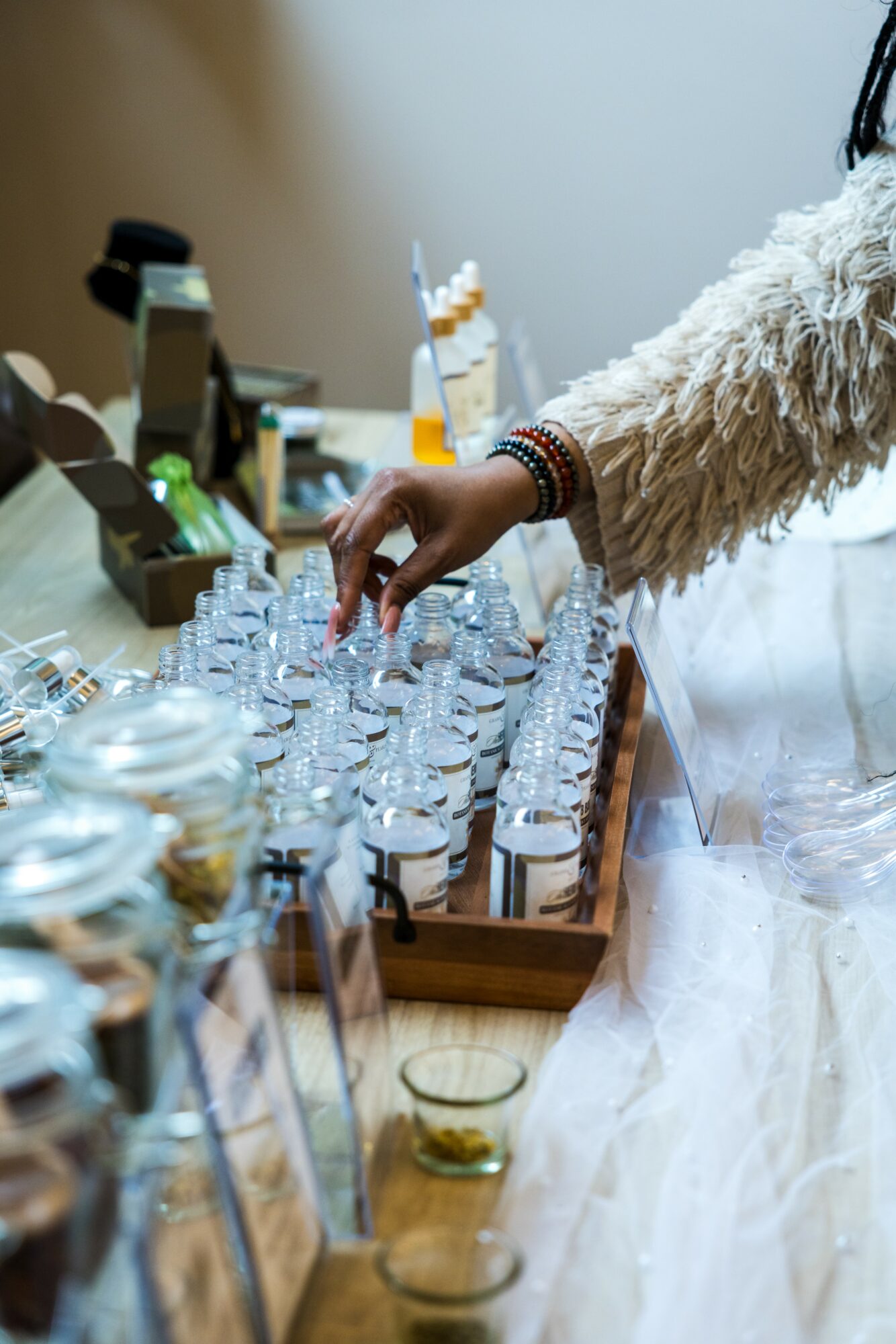
Our signature activation, The Herb Bar, is probably the best expression of that philosophy. It’s a mobile botanical ritual experience where guests explore herbs through sight, scent, touch, and storytelling before creating their own personalized herbal smoking blends. We intentionally begin with herbs because we want people to understand that cannabis exists within a much older lineage of plant wisdom. The blend someone creates isn’t the goal—it’s the learning that happens while they’re creating it. Knowledge is the takeaway. Curiosity is what starts the journey.
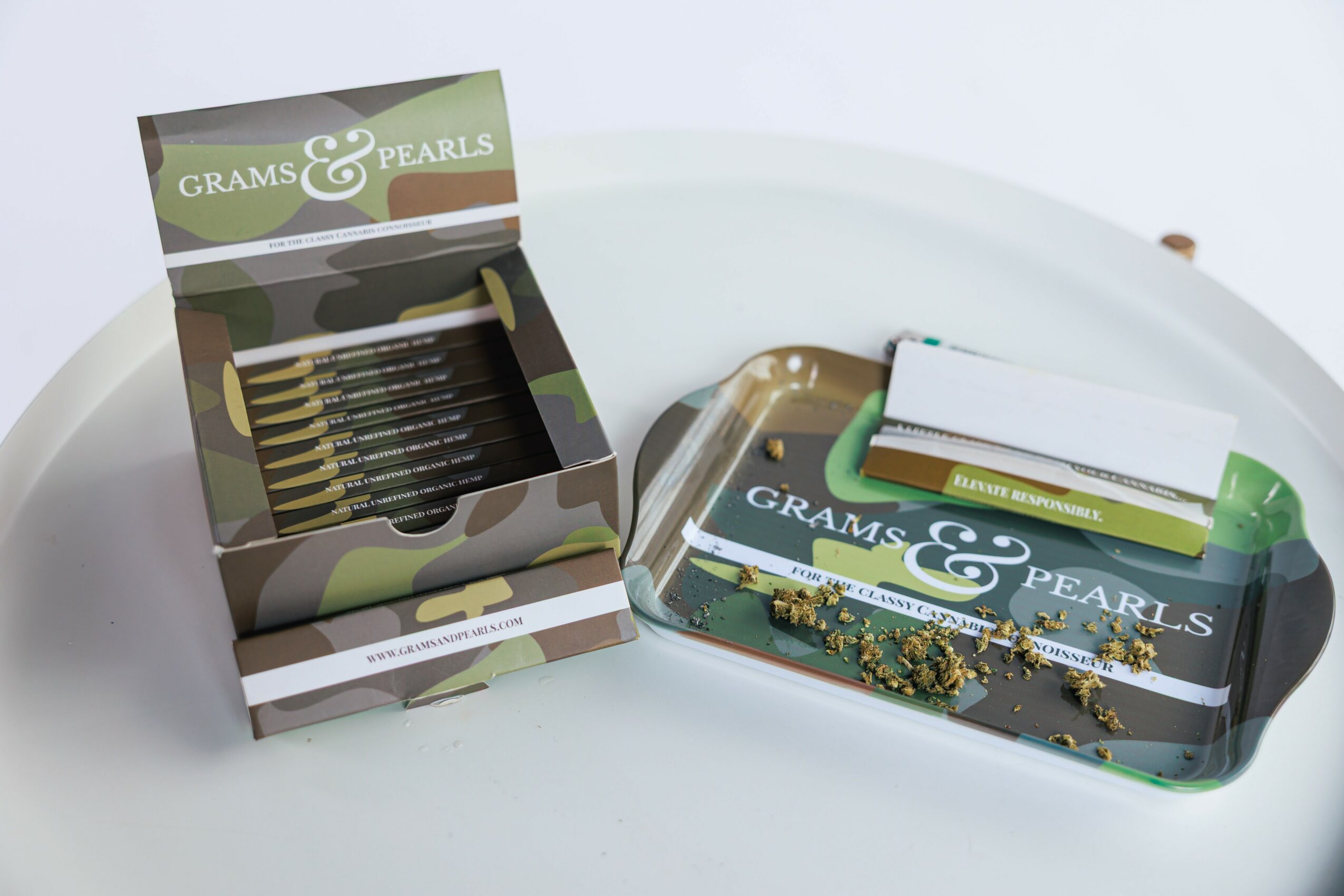
That philosophy doesn’t stop at our events. It extends into everything we create. From our signature hemp rolling papers and herbal smoking blends to cannabis-positive jewelry, apparel, and thoughtfully designed smokeware, every product is created to support a more intentional relationship with cannabis. We don’t think of our products as merchandise—we think of them as tools that help people carry the culture with them long after the experience ends. That philosophy extends beyond our experiences and into our writing. Through our Substack we explore the intersection of cannabis, culture, wellness, entrepreneurship, and identity.
Every product we create, every event we host, and every story we tell is really asking the same question: What becomes possible when we approach cannabis with more intention than assumption? Education has always been our greatest form of advocacy because informed people make empowered decisions. We aren’t interested in telling people what to buy or how to consume. We’re interested in giving them the knowledge to make those decisions for themselves.
Ultimately, I hope Grams & Pearls contributes to a more mature cannabis culture—one where curiosity is valued as much as consumption, where ritual is valued as much as recreation, where education is valued as much as commerce, and where Black women are recognized not simply as consumers of cannabis culture, but as innovators, educators, entrepreneurs, and architects of where it’s going next.
I believe the next chapter of cannabis will be defined less by legalization and more by integration. For years, cannabis was discussed primarily through the lenses of legalization, recreation, or criminal justice reform. While those conversations remain important, we’re now seeing growing interest in how cannabis intersects with wellness, mindfulness, pain management, sleep, creativity, and overall quality of life.
I’m particularly excited about the growing interest in botanical wellness. We’re already seeing people return to practices that have existed for generations. Herbs. Breathwork. Meditation. Sound healing. Functional mushrooms. Adaptogens. People are beginning to understand that wellness isn’t one modality—it’s an ecosystem. I believe cannabis naturally belongs within that ecosystem, not outside of it. That’s where I think the industry is headed.
Consumers are becoming more sophisticated. People don’t just want access anymore. They want understanding. They want to understand terpene profiles. They want to know where their products come from and how they are made. They’re asking better questions about dosage, intentional use, and how cannabis interacts with the body. The brands that earn lasting trust will educate first, build community second, and sell products third. I’m hopeful that we’ll continue to see a broader understanding of cannabis as a cultural plant, not just a commercial one. Long before it became an industry, cannabis was part of traditions, ceremonies, and communities around the world. There’s wisdom there that deserves to be preserved as the market continues to evolve.
The other conversation I hope continues is representation. Black communities and Black women in particular have contributed enormously to cannabis culture while often being left out of the economic opportunities created by legalization. I don’t think equity is a box to check. It’s an ongoing commitment. It means creating pathways for ownership, amplifying diverse voices, and making sure the people who helped shape cannabis culture have the opportunity to help shape its future.
We’ve spent years asking whether cannabis belongs in our communities. I think the better question now is: “What kind of cannabis culture are we building?” I believe the future of cannabis belongs to the people willing to educate, build community, and honor the cultural history of the plant. If we get that right, the next decade won’t simply grow the industry—it will redefine it.
Let’s talk about our city – what do you love? What do you not love?
Detroit has taught me that creativity isn’t about having unlimited resources, it’s about having unlimited resourcefulness. This city has always found a way to create culture, innovate, and build community regardless of the circumstances, and I carry that mindset into everything I do. There’s a deep sense of pride here, but there’s also generosity. People genuinely want to see each other win, and I’ve experienced that firsthand as an entrepreneur.
If I had one hope for Detroit, it would be that the opportunities being created here continue to reach the communities that have poured into this city for generations. Detroit is changing quickly, and I hope that growth remains equitable, accessible, and community-centered so the people who helped shape its culture can continue shaping its future.
Contact Info:
- Website: https://www.gramsandpearls.com
- Instagram: @gramsandpearls
- Youtube: @gramsandpearls