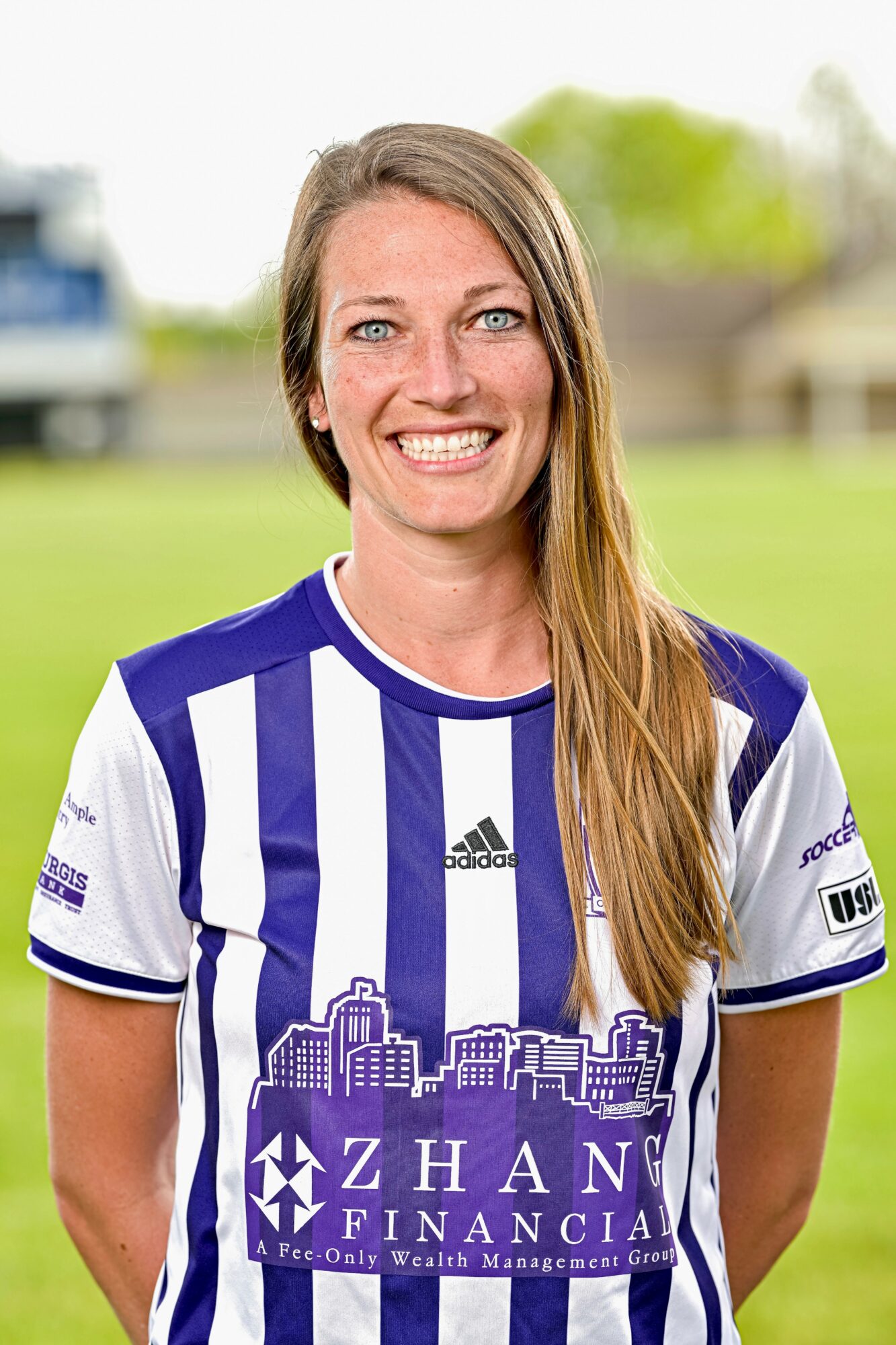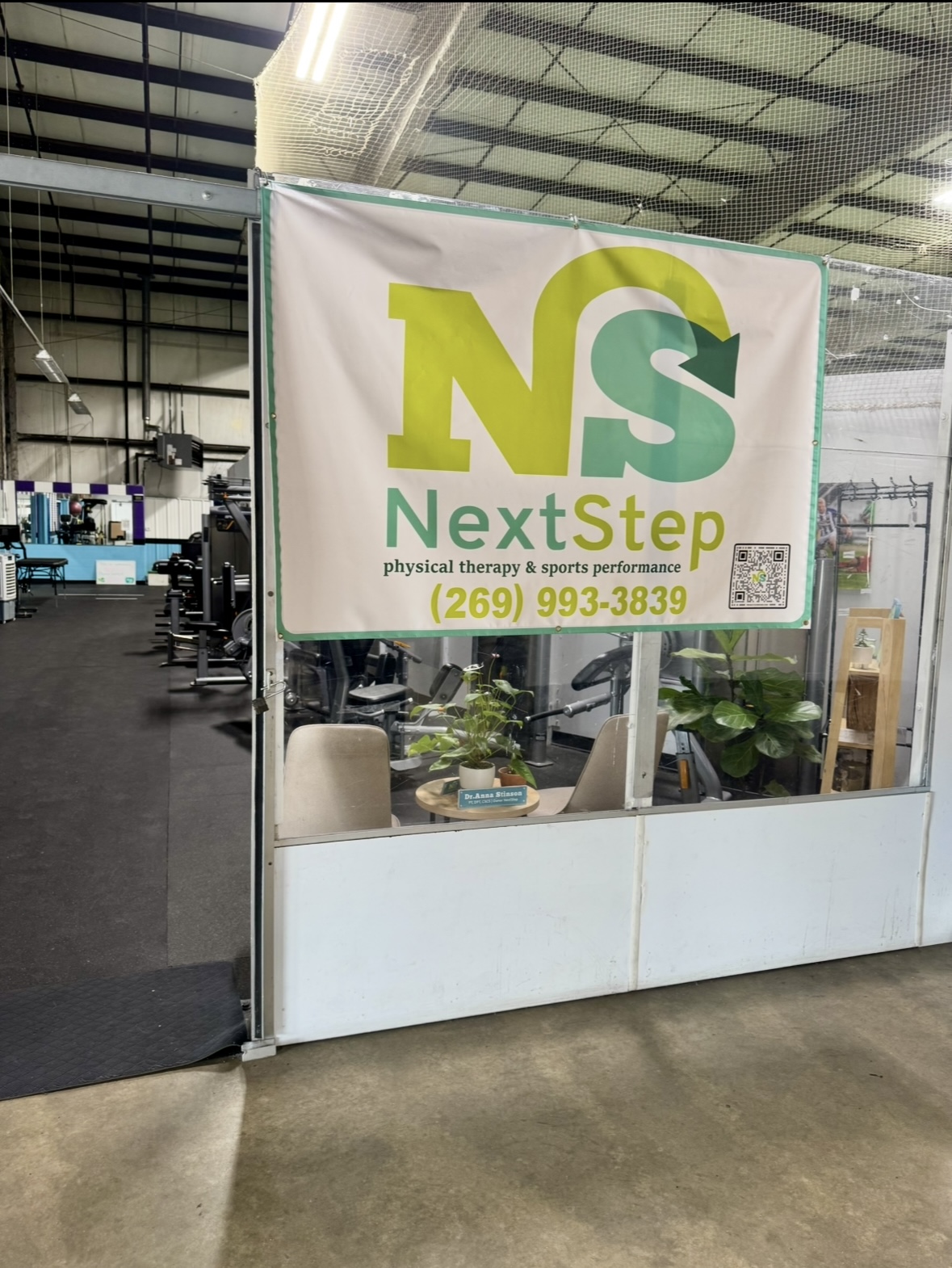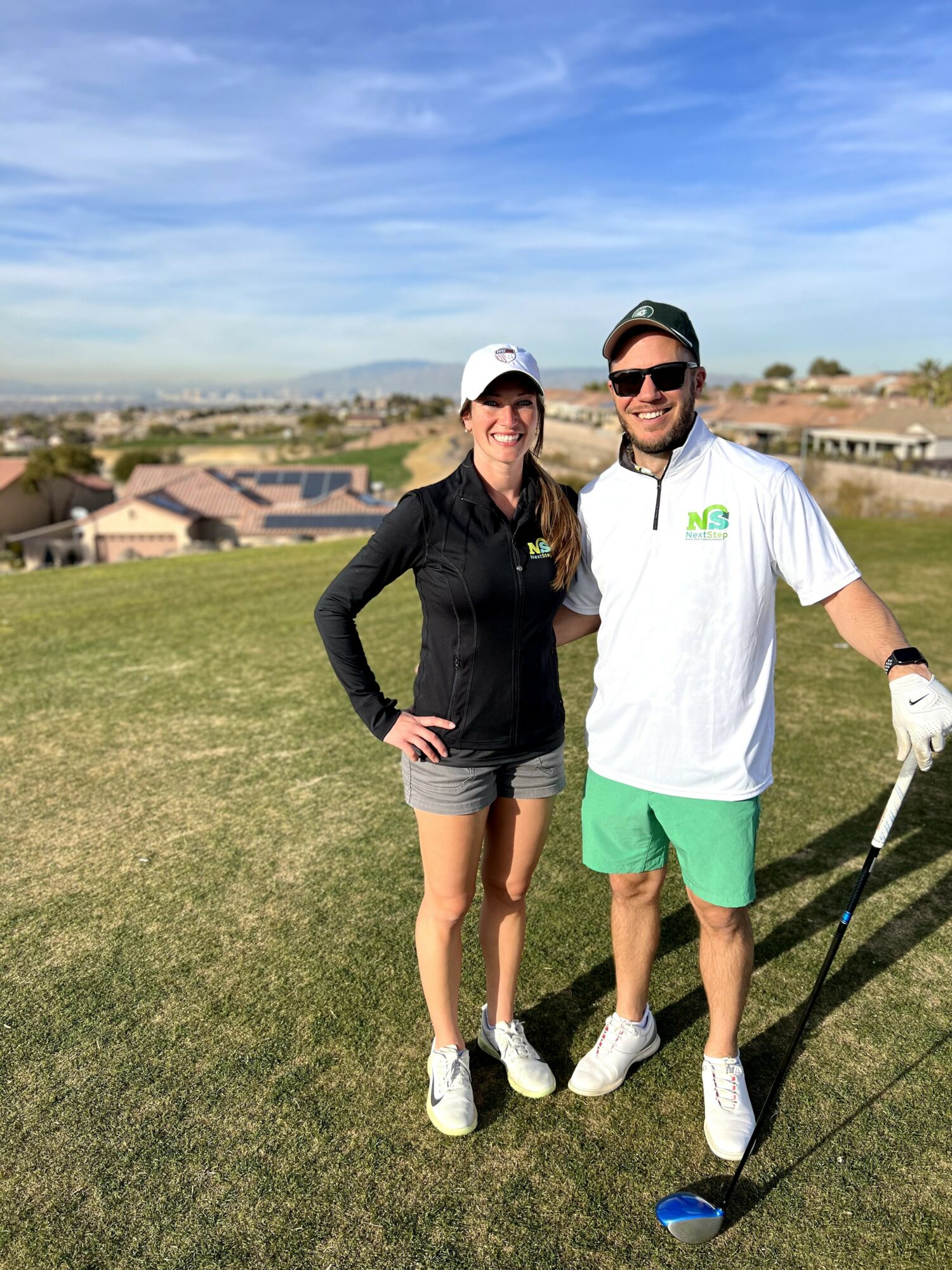






Today we’d like to introduce you to Anna Stinson.
Alright, so thank you so much for sharing your story and insight with our readers. To kick things off, can you tell us a bit about how you got started?
As a kid, I had huge dreams of playing Division 1 soccer in college. With tons of hard work (and support from a multitude of people), I committed to a division 1 school my sophomore year of high school. However, in my Junior year, I suffered an injury on both of my hips, which led to two surgeries and an extensive bout of physical therapy. Not only did the physical therapy get me back to where I needed to be, but it also became my happy place during a pretty difficult time. It was then that I decided I wanted to become a physical therapist, so that I could be that same glimmer of hope for those I work with.
After playing soccer in college and continuing on to obtain my doctorate in physical therapy, I worked in two different outpatient clinics, helping people of all ages heal from a wide variety of injuries or neurological conditions. There were a lot of great aspects about these jobs, however, I never quite felt as if I could actually help people the way they needed and deserved. There are endless restrictions from insurance companies, including what we are allowed to do with patients, how long we can spend with them, or even if we can see them at all. Most clinics have their employees seeing an unreasonable number of patients daily, including juggling multiple patients at once, all so that they can continue to make their same high profits as reimbursement rates drop.
I constantly felt frustrated by being handcuffed into giving subpar care, and I was quickly feeling my passion and enthusiasm for helping others fade. I knew I couldn’t keep working in this broken healthcare system, so I decided to take the risk of starting my own practice without the restrictions and limitations of insurance.
I spent about a year doing research on cash-based physical therapy, including all legalities, charting/billing, scheduling, marketing, etc. Any free time I had outside of work, I spent researching and planning how to set my vision into motion. It was terrifying, exciting, and fulfilling to know I was taking the biggest risk of my life.
Now here I am, two years into my business, and I couldn’t be happier that I made the leap!
I’m sure it wasn’t obstacle-free, but would you say the journey has been fairly smooth so far?
One thing I struggled with in the beginning was figuring out how to effectively educate people on this relatively new concept of a cash-based physical therapy model. It’s definitely a simple concept (pay a flat rate for a service), but explaining the WHY behind what I’m doing is more complex. It’s difficult to quickly and effectively describe the benefits of this model to patients, especially when it’s not something many people have had experience with.
Appreciate you sharing that. What should we know about Next Step Physical Therapy & Sports Performance?
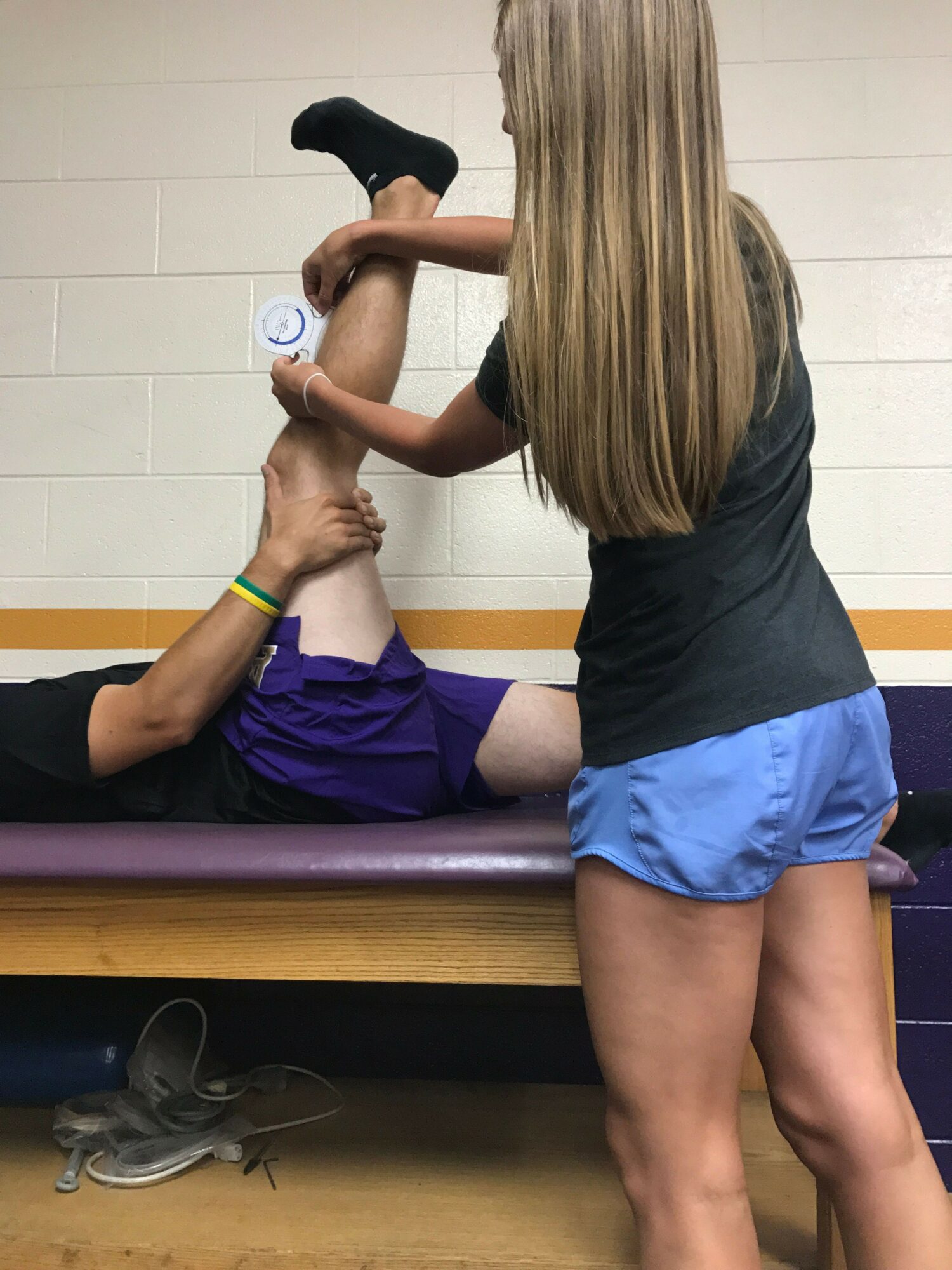
I am a physical therapist who specializes in rehabilitating sports injuries and improving sports performance for all athletes. Although I see a wide variety of injuries, from generic low back pain to advanced post-concussion rehab, my specialty is getting athletes back to their sport after suffering an ACL tear. I kept noticing a wide gap in services available to kids who tear their ACL, as insurance benefits usually end 5 or 6 months post-surgery (due to insurance companies deeming physical therapy care “unnecessary” at that point). However, at 5-6 months, most people are just getting back into the higher level running, jumping, and cutting phase of rehab, which is a critical time to develop the proper strength and mechanics to prevent re-tearing the ACL. For this reason, I began specializing in the “Return-to-play” aspect of ACL rehabilitation, so kids who have been cut off from typical PT services have an avenue to fully recover and gain the proper strength, body awareness, and mental confidence to return to their sport. Research has shown that athletes who meet strict rehabilitation criteria before returning to their sport are 6 times more likely to still be playing their sport 2 years later, so having expert guidance during this end-phase of rehab is incredibly important.
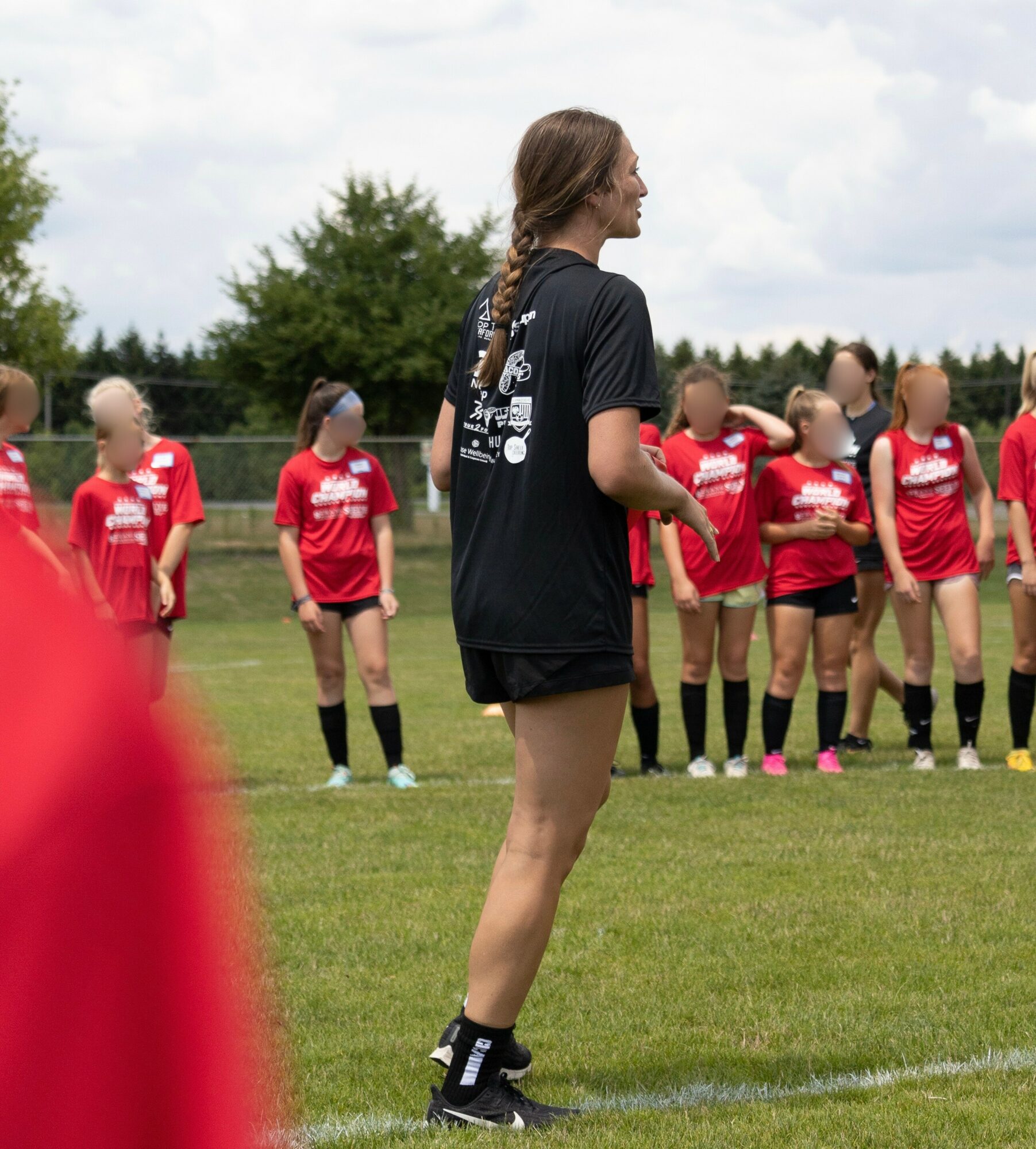
With this said, my main goal is to try to minimize the risk of athletes tearing their ACL in the first place, since it is such a life-altering injury and financial burden for parents. So, I incorporate a lot of ACL-specific prevention and strengthening into all of the sports performance sessions I hold with youth athletes. If I am able to help just one kid prevent this injury through education and proper strengthening, I would find that to be the greatest success of my business.
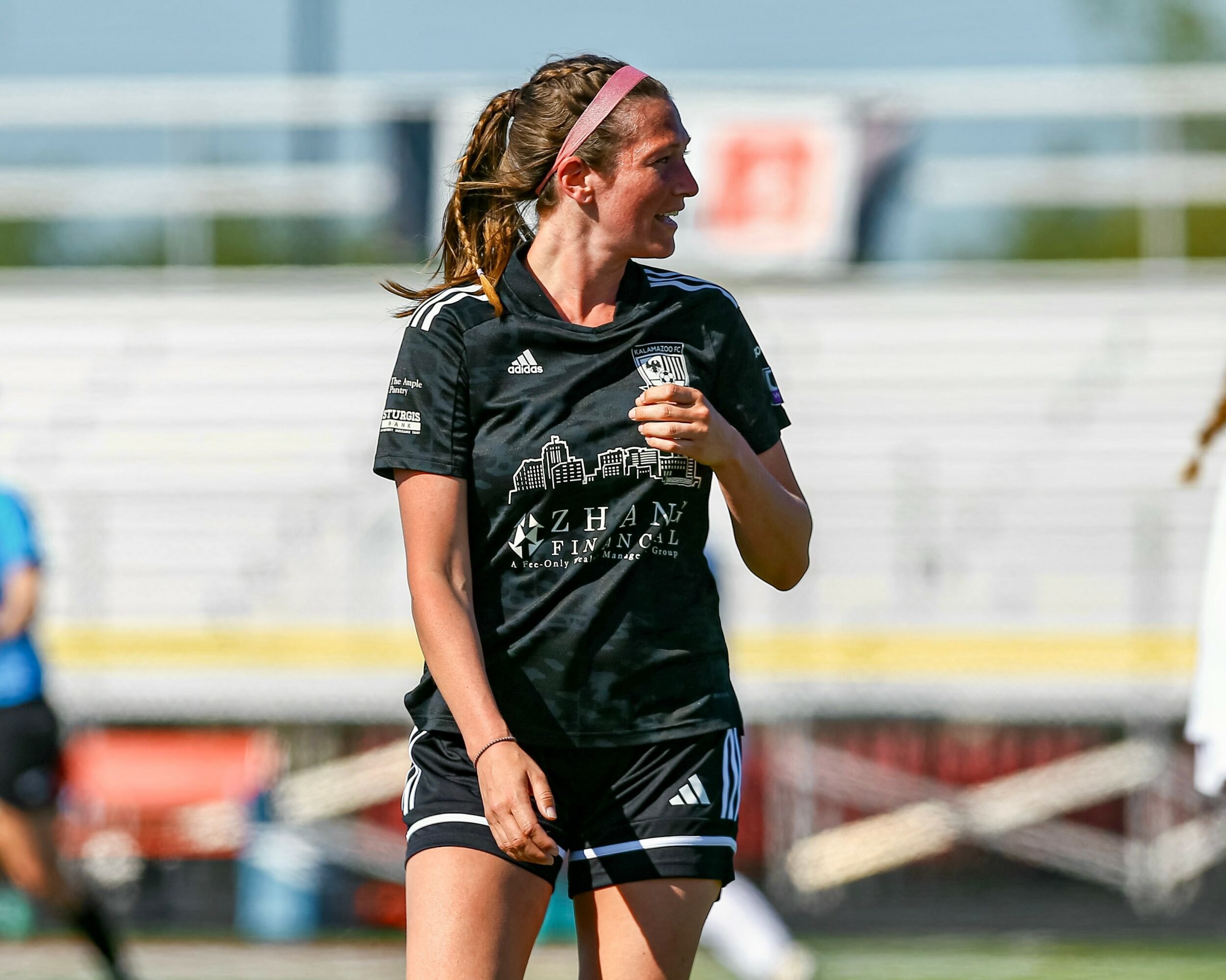
I think one of the things that sets me apart is that I have continued to play sports at a high level throughout my career. I have played in a semi-professional soccer league since graduating from PT school, and I truly believe it helps me “walk the walk” and understand what it takes to continue to compete against elite college and post-collegiate athletes. It is definitely a challenge juggling the business, raising our little one, and attending practices and games for Kalamazoo FC, but my husband has been incredibly supportive in all three of these areas, and I am humbled by his constant encouragement and guidance!
Where do you see things going in the next 5-10 years?
Truly, I see this cash-based model as the future of not only physical therapy, but of the medical field as a whole. This model has slowly gained traction and popularity for numerous reasons, and I think it will only continue as people start to fully take charge of their bodies and their own healthcare decisions. For background, “cash-based” just refers to the concept of not having contracts with insurance companies, so patients pay a flat rate for the services provided (and can still can receive out-of-network reimbursement). Additionally, it does not mean a client can only pay with cash, but they are actually able to use their HSA/FSA, credit cards, cash/checks, etc.
There are a few glaring benefits that I typically choose to share with those unsure about the cash-based physical therapy model. The biggest benefit is that each client is getting an extremely personalized, one-on-one experience. I also provide additional services outside of their treatment time, including adding new exercises to their programs remotely as they progress and also being available via text/call any time they have changes to their particular pain/injury.
The second benefit is financial. Despite the outside view of an expensive price tag per visit, research has shown that patients who do cash-based PT end up spending much less than those choosing a provider who takes insurance. For instance, on average, I only see my PT patients between 1-2 visits total (this does not include ACL rehab). PT visits include fully assessing the cause of a patient’s injury, educating and providing catered exercises (with videos), and allowing the freedom to take on their own program as soon as they are ready. This greatly decreases the cost of an injury, as they typically do not need a physician referral, are skipping out on the 12+ visits that traditional physical therapy would include, and do not have an insurance copay.
Before a deductible is met, a typical bout of PT costs a patient between $800-$5000 or more. These visits are also typically shared with one or two other patients who are seeing the same therapist at the same time, with much of the care passed off to a student “technician” who does not have any formal PT training/education. Understanding this, it becomes much more reasonable to pay $150 for 1-2 visits to see a doctor of physical therapy for one-on-one, tailored care.
Pricing:
- $150 for an Initial Evaluation
- $150 for a follow-up visit
- $80/hour for sports performance (which can be split up among a small group)
Contact Info:
- Website: https://nextstepperformance.wixsite.com/next-step
- Instagram: @nextstepportage
- Facebook: https://www.facebook.com/share/1DSaZCA9uZ/?mibextid=wwXIfr
- Youtube: https://youtube.com/@nextstepportage?si=NwQ_lvws6GqhBGhA