




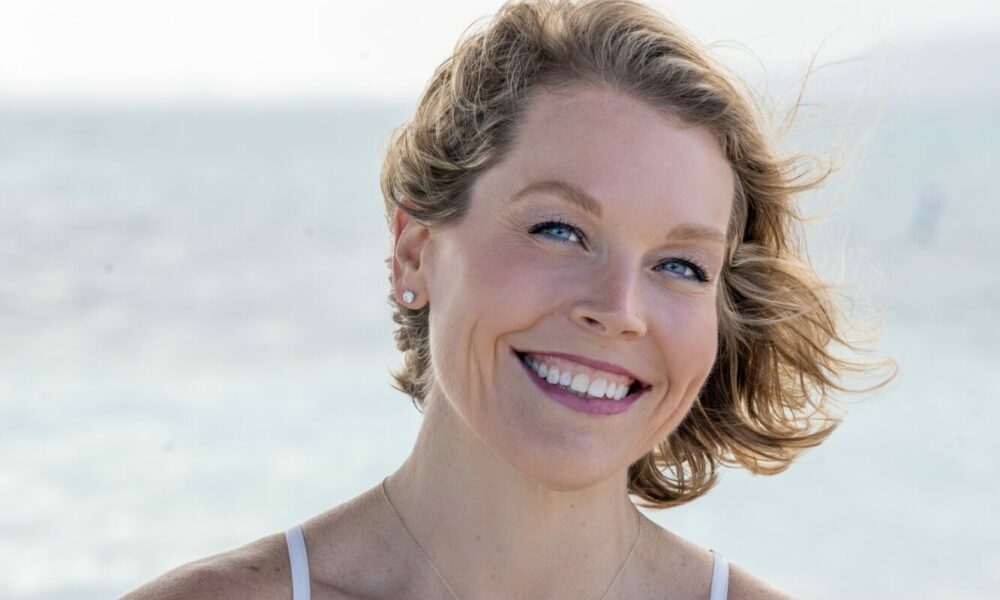
Today we’d like to introduce you to Angela Christoff.
Hi Angela, can you start by introducing yourself? We’d love to learn more about how you got to where you are today?
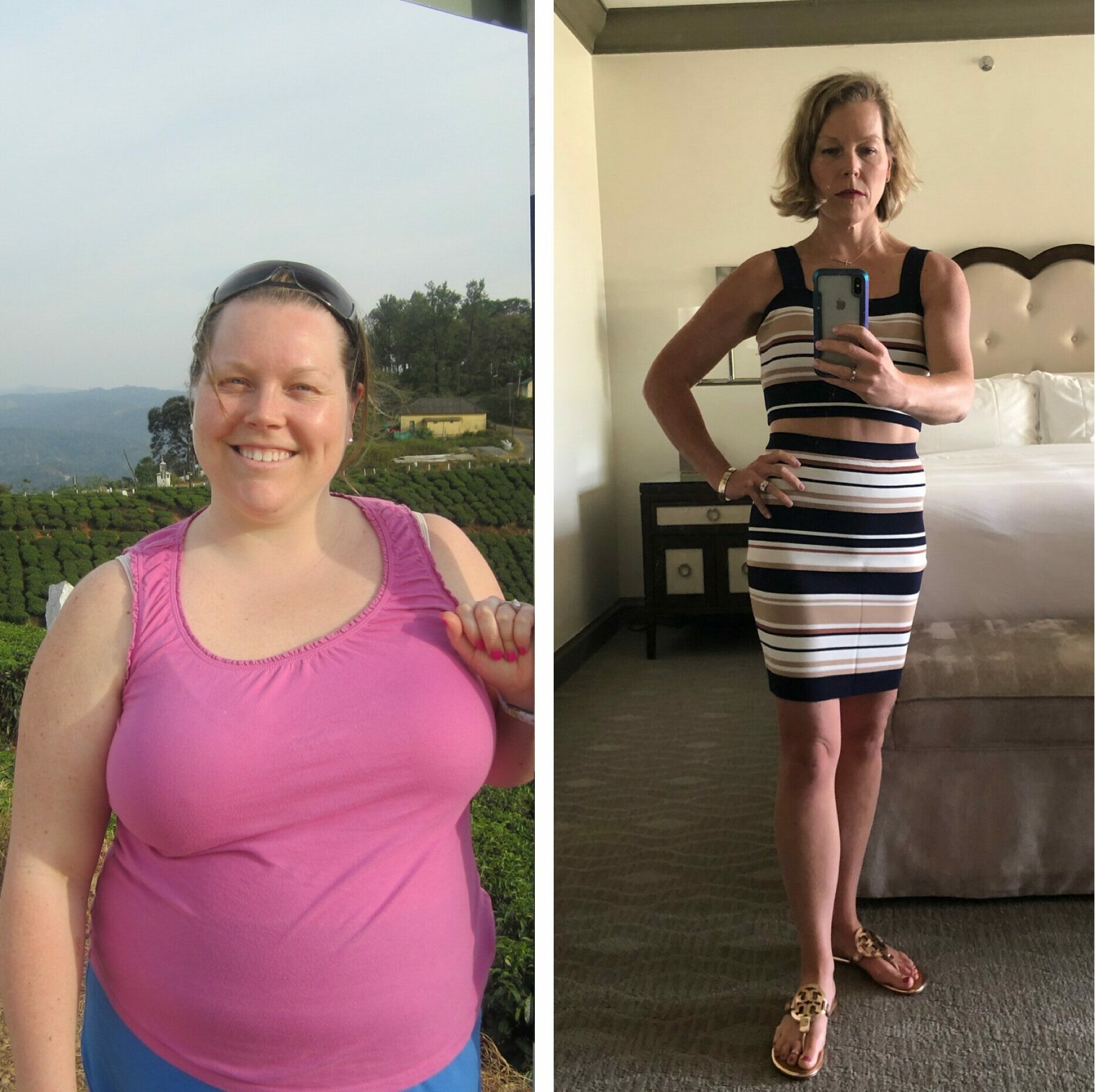
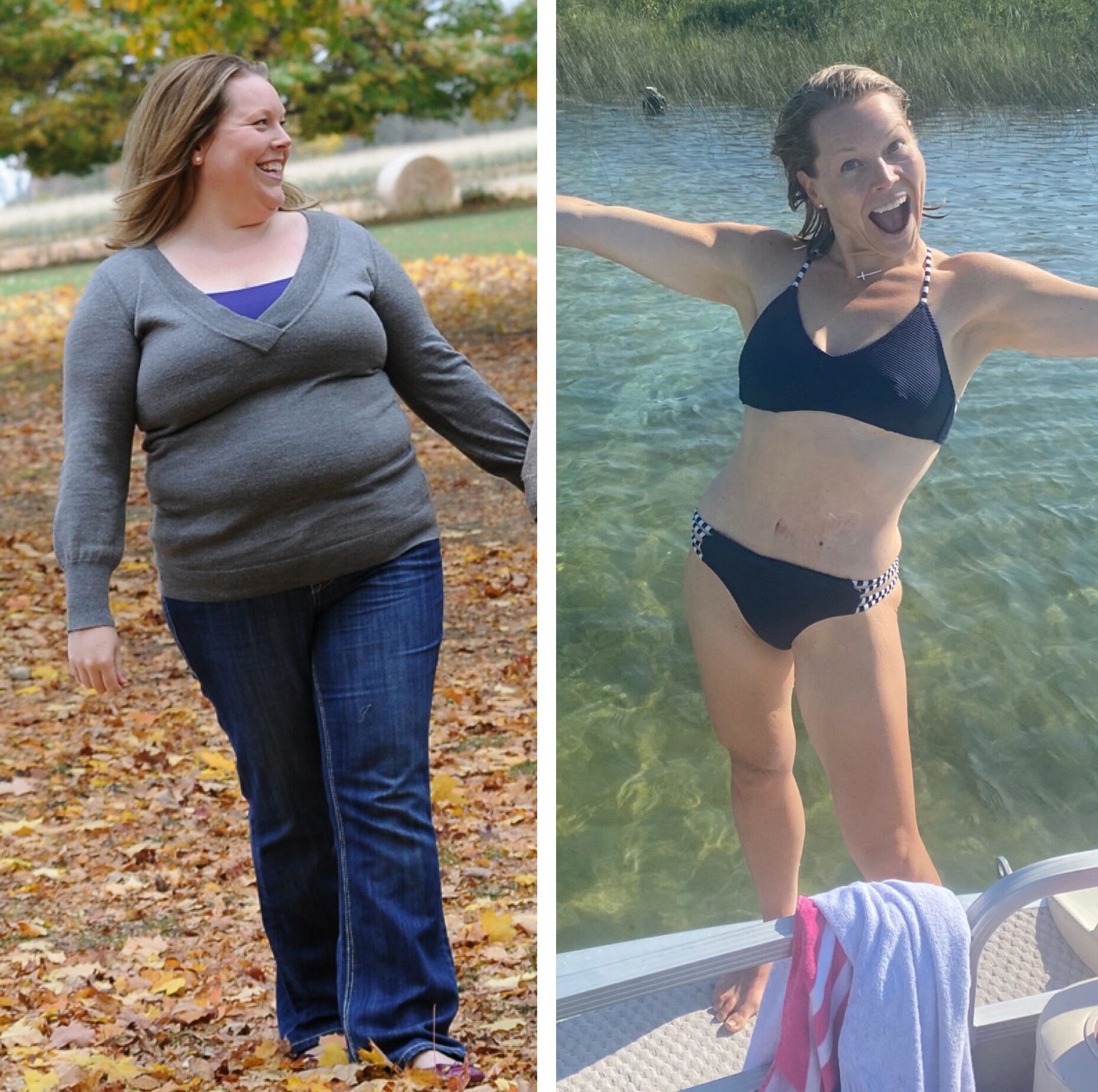
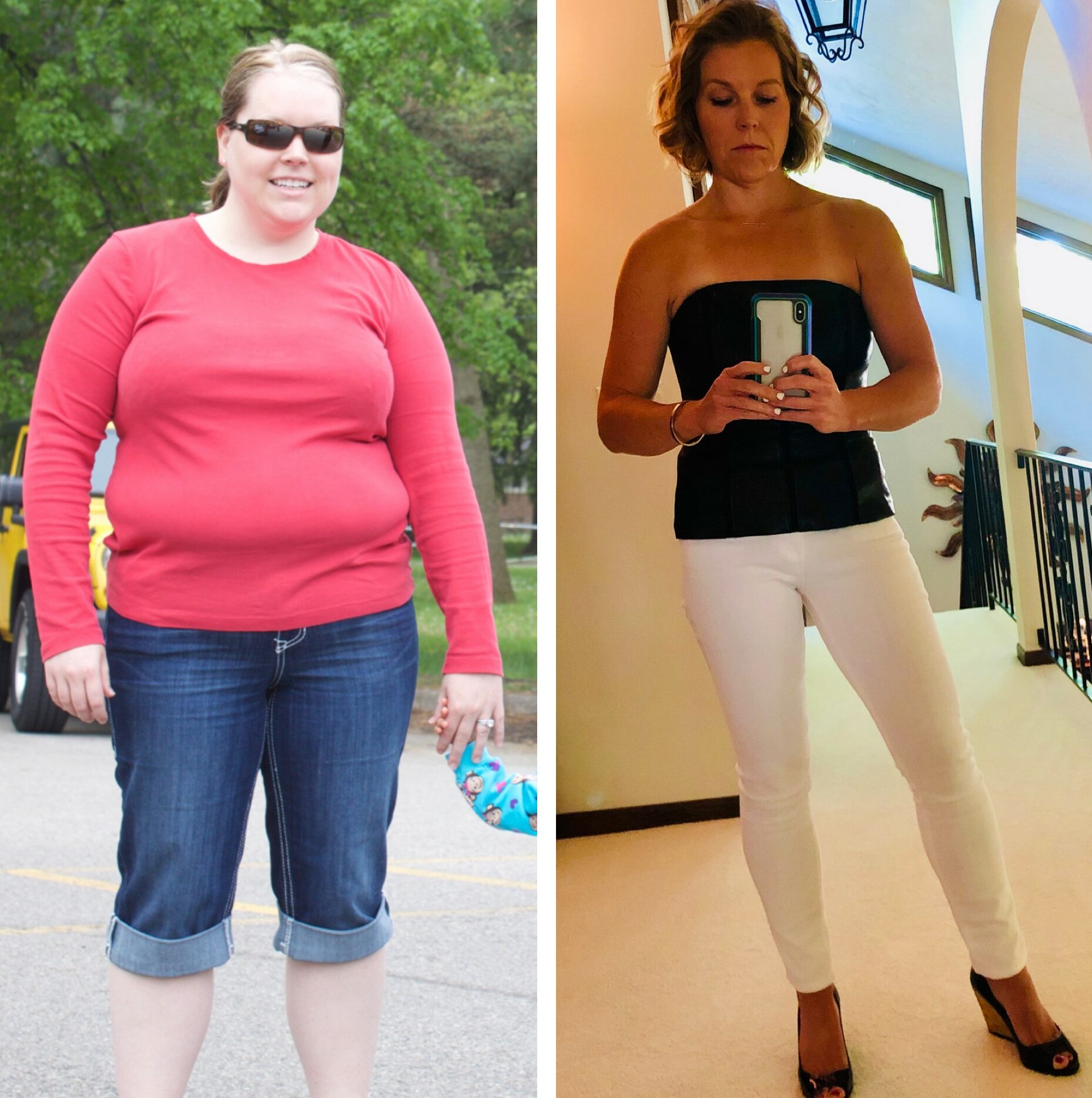
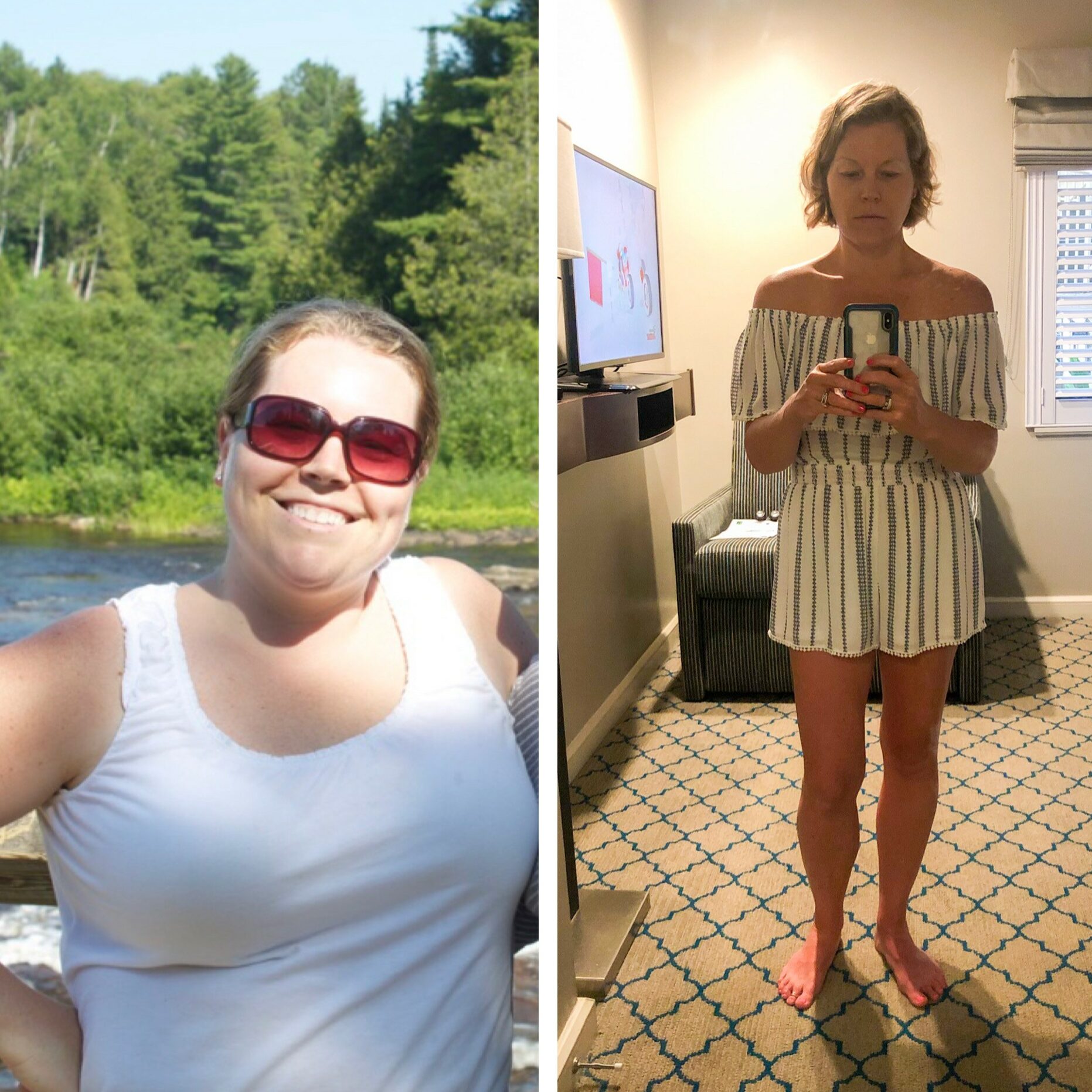
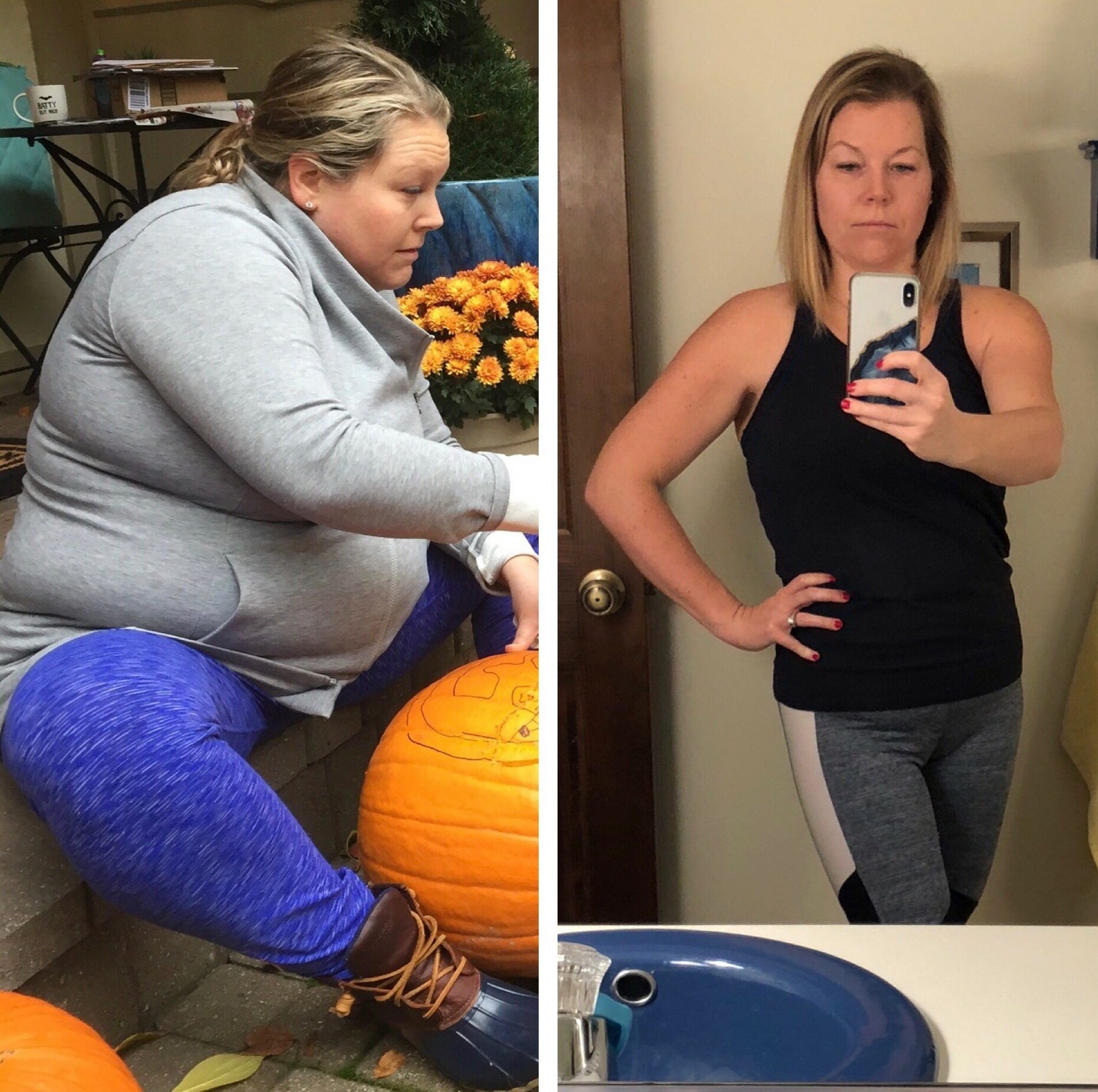
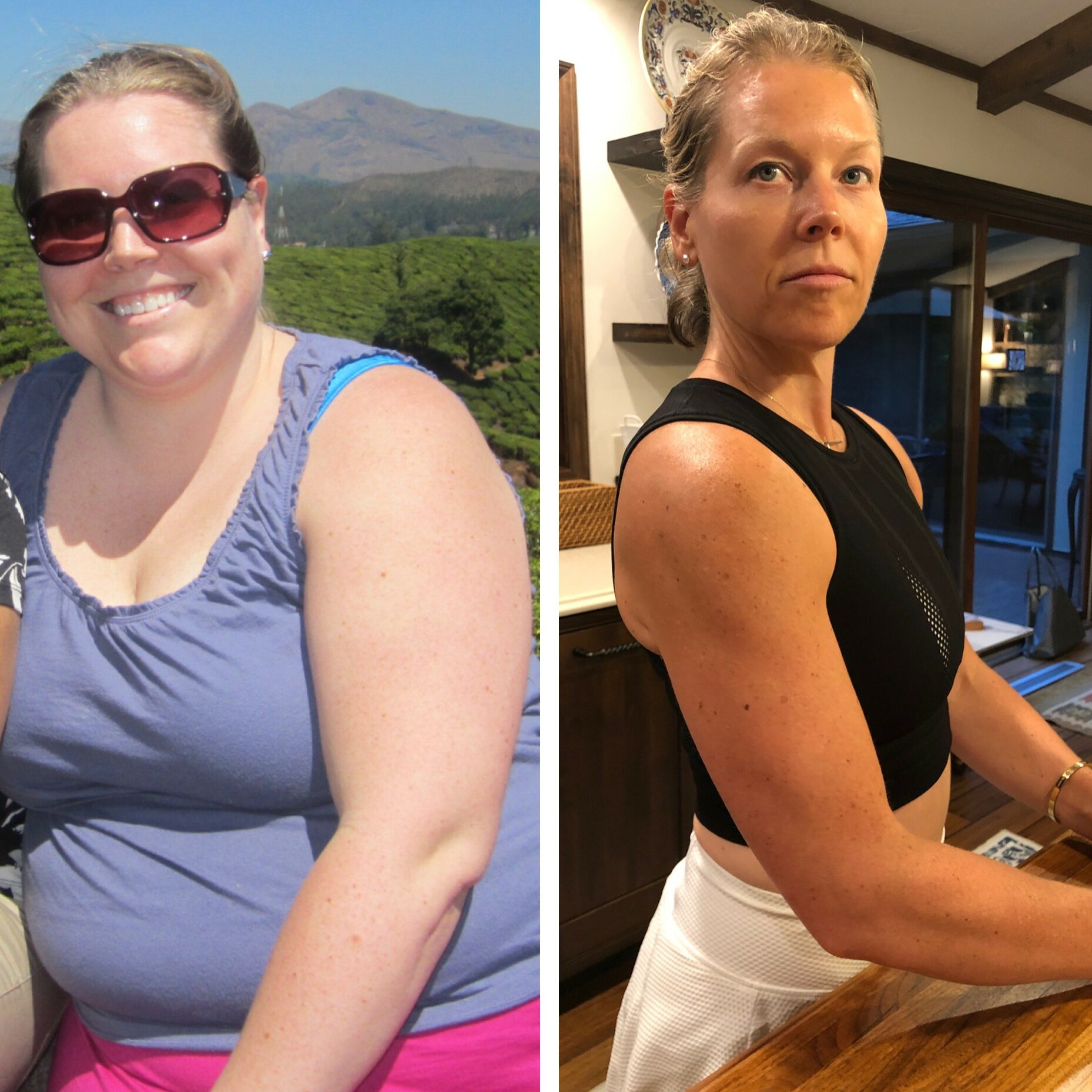
Five years ago, I found myself exhausted, in chronic pain, and 100 pounds overweight. I was a new mom, and couldn’t take proper care of myself or my newborn son. I was miserable. Miserable in my head, miserable in my heart, my body ached, and my spirit was crushed. I wanted more than anything to enjoy this new baby I was blessed with, but I needed energy and physical capacity to enjoy him. I needed myself back.
My physical state was a disaster. Every time I got up from the couch, my feet ached, my knees locked up, and it took me a minute or two to stabilize my body and my feet before starting to walk. I imagined this was what being 90 years old felt like. I was just 38. When I finally did get up, I moved slowly, with bulk, and without agility. I bumped into door frames and ran into table corners. When I looked down, I could see my massive belly, but I couldn’t see my toes. I was plagued by a constant state of bloat, and my mental fog was so bad, I would forget why I walked into the kitchen the moment I managed to get myself off that couch. I suffered from chronic pain all of the time. I couldn’t cross my legs when I sat, and my belly had gotten so big that I couldn’t reach around it to tie the ties on the sides of my bathing suit bottom. Everything about my body felt overly full, slow, sluggish, achy, bloated, and I couldn’t concentrate or sleep. I felt old, creaky, unproductive, and disgusting.
Also, at the height of my frustration was how my weight affected me emotionally. I deeply value discipline, commitment, rigor, integrity, authenticity, and health. These values embody me; they are who I am. But none of these values were being lived or demonstrated through my diet, my food decisions, my food habits, or the way in which I cared for my body. On the contrary, I was living the very antithesis of these values, dishonoring that discipline, commitment to self, and priority of health every time I made a food decision that perpetuated my physical problems, rather than solved them. I was disgusted with myself for letting my own self-care slide, for allowing myself to live in a way that was so grossly inconsistent with the values I hold for myself, my children, and others. I wanted desperately to create a diet and a body that embodied those values and returned my mind and physical self to a place that looked like and felt like ‘ME.’
My weight felt like a massive act of betrayal. Because unlike the person who lacks food education and just doesn’t know any better, I was deeply educated about food and nutrition – after all, I was a corporate executive for the world’s largest vitamin, mineral, and supplement brand! I made a conscious and deliberate choice to actively ignore everything I knew about nutrition and wellness in order to indulge my broken palate and my emotional baggage. I knew it had to stop, but I didn’t know how to stop it. What I did know was that my relationship with myself, and my relationship with food, were destroying my integrity. And if my obesity wouldn’t kill me, a loss of integrity surely would.
I had been overweighted my entire adult life. I yo-yo-dieted every year for the last 20 years, having spent countless time and energy, and thousands of dollars on commercial weight-loss programs like Weight Watchers, Atkins, South Beach, Jenny Craig… I tried them all – some of them two and three different times – and nothing had worked for me long-term. The emotional toll of gearing myself up to ‘go on a diet,’ to restrict food so I could lose weight, just to watch the weight fall away, but then come back harder and faster the next time around was so terrifying, I had all but thrown the towel in on losing weight entirely. Twenty years of this dieting nonsense, and I just eventually surrendered. I finally submitted to the belief that I was destined to be obese for the rest of my life. It was at this point of surrender that I experienced the most catastrophic effect on my health: my weight ballooned and I became the heaviest I had ever been. I was caught in a vicious cycle, drowning, and of all the things I didn’t know or understand about why I couldn’t manage this part of my life, I knew one thing that was an unequivocal fact: I was the only one who could pull myself out of it.
In January of 2017, I declared that I would start my last weight loss journey. This would be the very last attempt at weight loss I would ever participate in. If it didn’t work, I would never again initiate another attempt. This was it. What I needed more than anything was to design a way of eating, and a relationship with food that was stable, timeless, enjoyable, and supported, rather than eroded, my health. I needed to design a diet for life that built a sense of permanence and sustainability into the way I interacted with food. I knew what I needed in order to accomplish this: I needed my relationship with food to be purposeful, I needed my food to be of a high quality, and I needed to be able to indulge at various times. I needed a purpose and values-driven commitment to eating. To accomplish this, I had to design a way of eating and making food decisions that felt easy, simple, and enjoyable, but which was also consistent, and sustainable over the long term. The good news was, I knew WHAT I needed. The hard part was designing HOW to accomplish all of it. I didn’t have all the answers, but I knew what I wanted to do to get started. I would follow a Whole30 program for one month to see what I could learn from eating a whole-food diet. I was curious to know what it would feel like not to consume any sugar, sweeteners, gluten, grains, dairy, alcohol, or other foods responsible for the chronic pain, inflammation, and obesity that I was plagued with. I was also curious to learn what it would feel like to have to make new and different food decisions in restaurants and in social settings that were designed to support my obesity rather than my health. I was eager to learn what I would discover if I were charged with having to govern my food decisions according to the new rules and standards that I had set for myself, rather than allowing the standards of the environment to control my food decisions for me. It seemed a totally backward concept socially, but a completely logical one, nutritionally. I was only going to do this for one month. I wanted to see what I learned. I wanted to see how I felt. I wanted to see how my body responded.
I started my Whole30 on March 1, 2017. Within seven days, my brain fog was gone, I was completely clear of mind, the pain in my knees, ankles, and lower back was significantly reduced, and my energy levels were the highest they had been in years. This all happened in one week. By the end of the second week, I was no longer bloated, my digestive system was normalizing, and my sleep had become powerfully restorative. By the end of the third week, my face had cleared up, I was taking daily walks to energize myself, and I was seeing a color and a vibrancy to the world around me that I had been craving and now finally had access to again. It was bliss. My Whole30 was set to end in another week, and I was not willing to let go of the benefits I had realized during my program.
By the end of the third week of my Whole30 program, I sat down to map out how I would continue eating and making food decisions after the Whole30 ended. I evaluated which parts of the program worked really well for me and which I could continue easily and joyfully, and which ones were harder, more unrealistic long-term, and which could be modified so that I could carry forward the essence of them without rigidly sticking to the practices of them. Once I had mapped that out, what I had discovered was that maintaining a whole-food diet, in general, that was absent of refined sugars, starches, and grains was my way forward. And on day ‘31’ of my Whole30, I transitioned to that whole-foods diet, with a new set of terms. The question I was asking myself was, could I practice my new diet permanently, consistently, sustainably, and joyfully, forever? Could I do it through birthday and anniversary celebrations? Could I do it through the holidays? Could I do it through vacations, trips, and business travel? Could I do it through weddings, funerals, and other parts of life that drive us to the cookie bin? I knew there was only one way to find out. I knew there was only one way to find out. I would have to test-drive my diet ‘hypotheses across all of those events, at least once, to see how it felt, and if it worked – could I eat my new ‘diet for life’ permanently, consistently, sustainably, and joyfully? I set about designing an experiment. For the remainder of the year – the last nine months – I would follow my new diet, without exception, just to see how my mind, my heart, and my body responded. I wanted to learn more about how I could navigate social contexts without subjecting myself to the sugar and alcohol-laden traditions that come with nearly all of them. I wanted to learn more about how I could navigate social contexts without subjecting myself to the sugar and alcohol-laden traditions that come with nearly all of them. I wanted to learn more about how I could eat a diet without sugar. I wanted to learn how to build my meals around plants and protein. It was a nine-month experiment, fueled by wild success from the past four weeks of that Whole30. My head was focused, my body was feeling amazing, my heart was hungry, and I had a collection of plans, ideas, and solutions to experiment with. Game on.
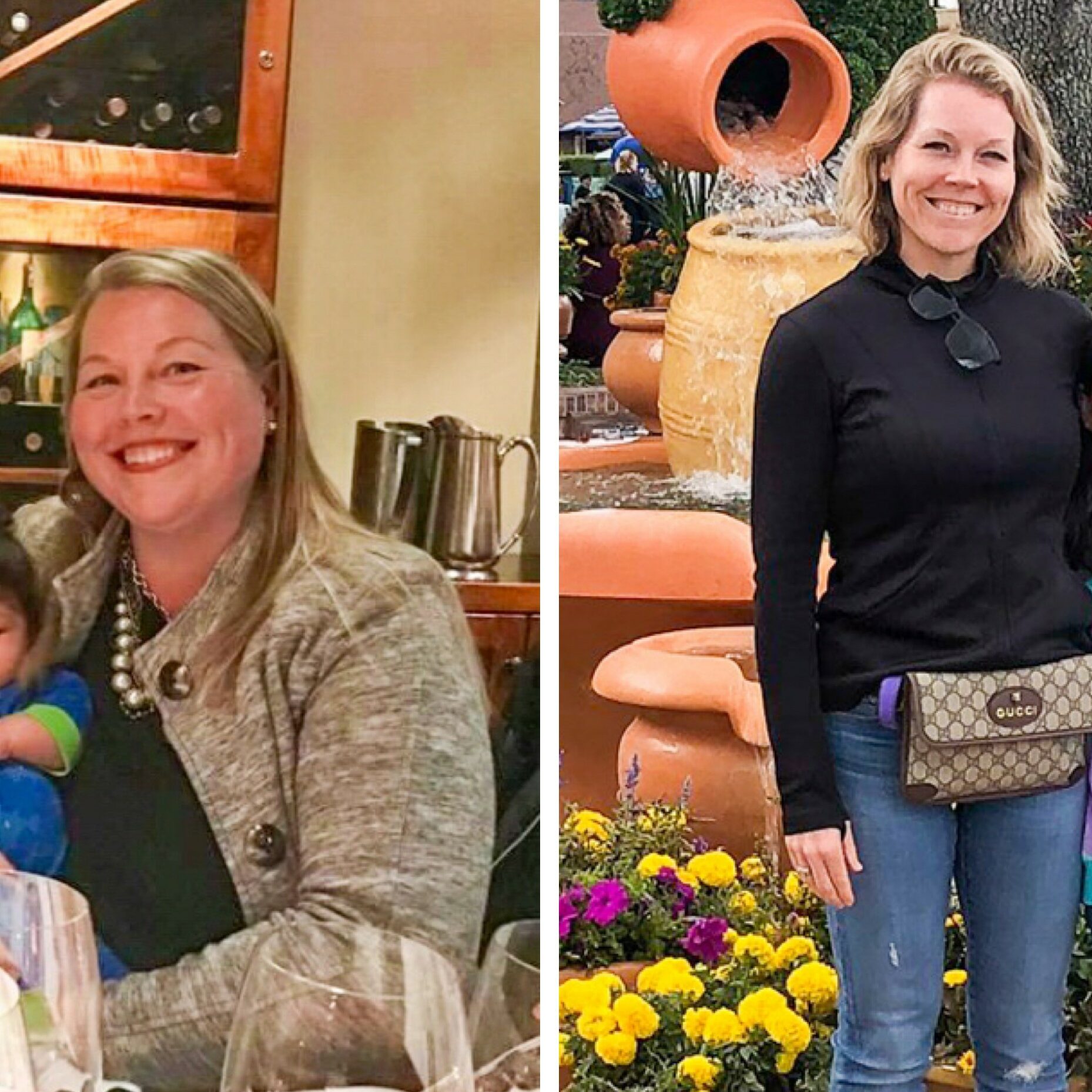
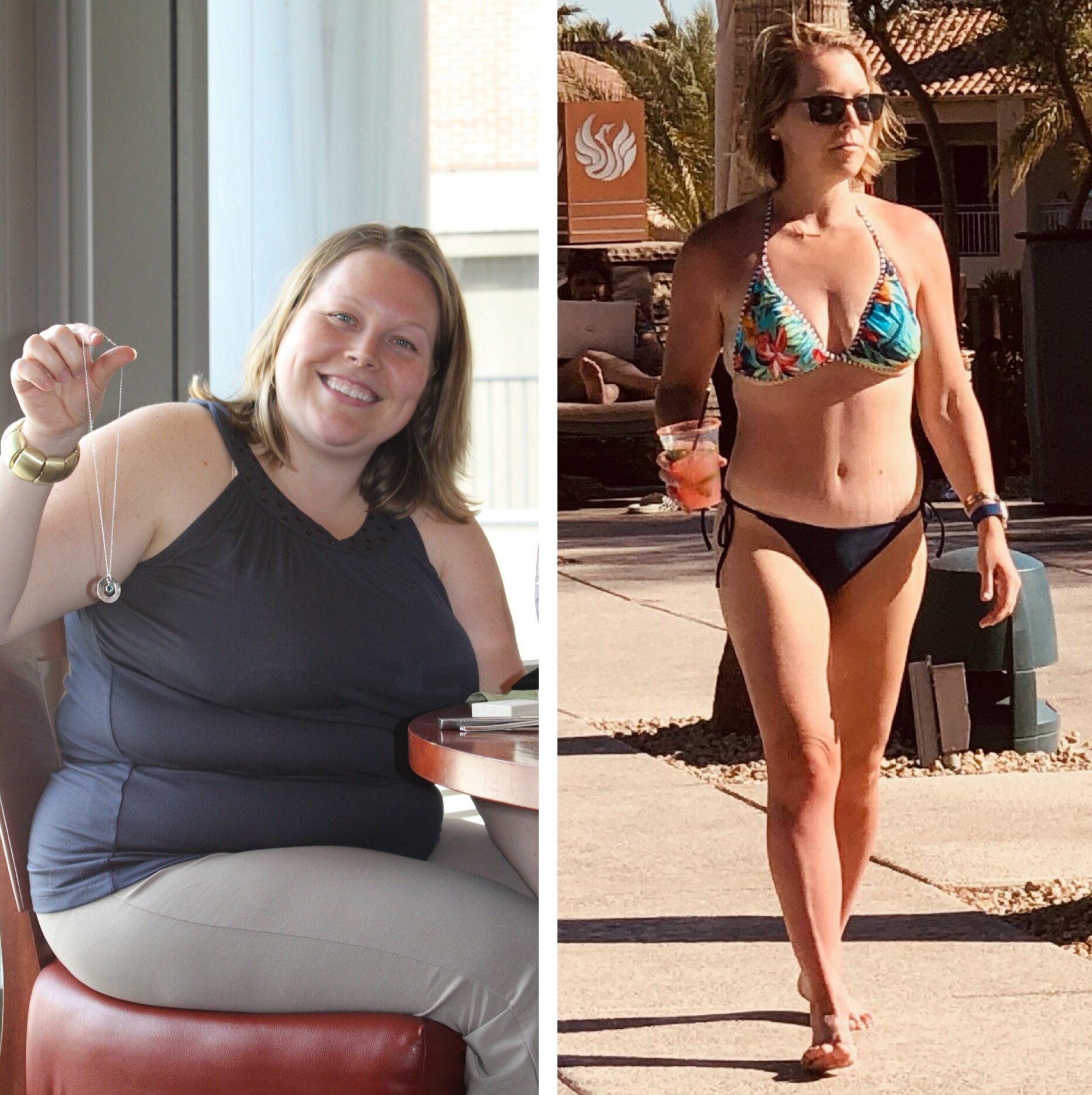
Nine months later, my experiment had delivered. I had lost 70 pounds. It was more than I had ever lost in my entire life without re-gain. I had gone from 225 to 155 in 10 months.
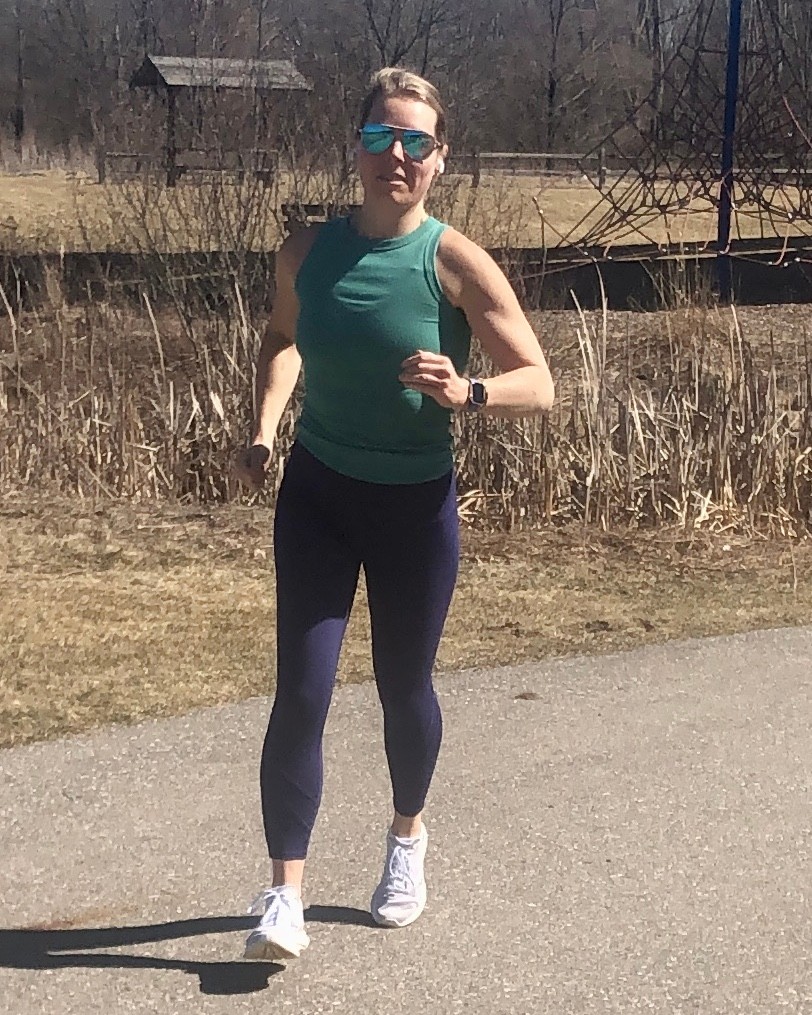
My experiment ended on December 31, 2017, and I found myself again, in a position of having to determine what I was going to do next. KEEP GOING was the only thing I could possibly consider, but I was always looking to one-up myself, so I added one new thing to the mix: exercise. I had spent the whole of 2017 focused on re-inventing my relationship with food. That singular focus had delivered monumental results, and I had learned so much about myself and about how to manage my relationship with food in long-lasting and joy-filled ways. But now, 2018 would be about how to add in movement. I started working out, trying a variety of different things to help spark my curiosity and interest. I discovered a love affair with strength and conditioning workouts; moving weight made me feel strong, powerful, and in charge – three things I never experienced when obesity ran my life. I began working out two days a week. Then I hungered for more and added a third day. Months later, when my arms started to become toned and I could see some definition in my legs, I craved even more. I added a fourth day. And by mid-year, I had lost another 30 pounds, and more importantly, I had built a love affair with what my body could do. It was game-changing.
By the summer of 2018, my body had shed 100 pounds. I had done it naturally, without drugs, medications, shakes, fasts, cleanses, detoxes, and ridiculous fitness regimens. I did it through a whole lot of self-exploration, tough self-love, patience, grace, experimentation, trial-and-error, and discipline. I’ve kept that weight off for more than five years. I am currently in the 5% of the obese population who is successful at losing – and keeping off – excessive amounts of weight. I know what it takes to lose it, but more importantly, I know what it takes to keep it off. Building a solid set of skills and habits for how we treat ourselves, and how we interact with food, is at the heart of real weight transformations.
To this day, I have not stopped. Life is a collection of moments. I make the best decisions for my mind, my heart, and my body at the very time those decisions need to be made, and then I let the rest go. I don’t worry about yesterday, and I don’t worry about tomorrow. My weight is up some days, and down on others. Some days eating well is easy and other days it’s harder. Some days I feel like working out, and some days I don’t. I stay the course 90% of the time because it’s an act of self-respect, I believe that my #1 job is to take care of myself, and I know now that my methods bear fruit.
In the end, the things that work for me are: living my purpose, living my values, and exercising my daily commitment to myself around my eating and movement practices. I live and make decisions every day in accordance with those elements, and I don’t make excuses. I focus on and put 100% of my energy into my habits, and I let the outcomes go. I take pride in the process, and I put little emphasis on the destination. And I always celebrate the wins. They happen every. Single. Day.
It doesn’t matter where we land; it matters how we get there.
I’m sure you wouldn’t say it’s been obstacle-free, but so far would you say the journey has been a fairly smooth road?
Life is bumpy. Weight loss is bumpier. I weigh myself every Tuesday morning, just to keep track of my progress, which now is maintenance. When I was in weight-loss mode, however, there were a total of eight different weeks throughout that year-and-a-half journey where not only had I not lost weight, I had gained it. Our immediate reaction is to become discouraged when that happens. Some of us even throw the towel in then and start reaching for the ice cream. But what we don’t realize is that beyond the scientific explanation of the body simply retaining more or less water on any given day, weight loss is not a transactional, sprint-like concept. It’s a marathon-grade project. We have to evaluate progress over the course of months and years, not weekly weigh-ins. I had to teach myself how to record my weight while remaining emotionally detached from it. I had to teach myself how to regard it for what it truly was – a single point-in-time data snapshot, and not this judge or critique of my self-worth or the quality of my overall, collective progress. I had to learn how to take weighing myself seriously, but to take it with a grain of salt too, because it wasn’t capable of assessing all of the learning and progress, I was creating for myself.
The other major obstacle was re-learning what occasions constituted eating practices, and how to do social events. We live in a world where food – and junk food – is pushed in our faces 24/7. I had to relearn what true eating occasions were, and which occasions did not need to involve food (i.e., on my way into The Home Depot to buy lightbulbs, I don’t, in fact, require a hotdog at the moment!). I also had to learn how to decline certain foods at social events, and create alternative practices that involved making and bringing my own ‘Angie-approved’ foods to share (which by the way, are now preferred by everyone I’m with over the conventional alternative). I had to learn how to feel like I was participating in something without the engagement of food. That was a hard one to learn, and now that I have learned it, and have learned how to practice it effectively, it has become effortless, expected, and easy. It’s freeing.
We’ve been impressed with Pura Vida Health, LLC, but for folks who might not be as familiar, what can you share with them about what you do and what sets you apart from others?
Angie Christoff is the Founder and Principal Health Coach of Pura Vida Health, LLC, a Grand Rapids-based health coaching practice that helps women transform their lives through weight loss, self-love, and a positive relationship with food. She is a self-described ‘recovering Corporate American,’ having left a two-decade career in global market research and strategic planning for the world’s largest nutrition and wellness companies. She now pursues her passion for health and wellness through serving women directly, helping them to achieve their health goals and advance their quality of life. Angie is in the process of completing her certification in Integrative Health Coaching from the Duke University School of Integrative Medicine and will be Board-certified in 2023. She is married with two children, splits her time between Grand Rapids and Traverse City, Michigan, and hates peas.
Pura Vida Health, LLC is a heart-centered, integrative health coaching practice that helps women transform their lives through healthy eating, ‘weight happiness’, and self-love.
At Pura Vida Health, LLC, we believe that happiness is a birthright. And we believe that women are at their happiest, feel the most fulfilled, and are equipped to meet their physical and emotional needs, as well as the needs of their families and others, when they are living life at their healthiest – in mind, heart, and body. As women, our ability to help ourselves, and to help others, is deeply rooted in our identity, values, and belief systems, much of which is affected by our relationship with food.
Our mission and passion lie in helping women eat well, lose weight, gain health, and build trust and confidence in themselves so that they can live a life full of vigor, vitality, and joy. Helping women lose weight permanently, sustainably, and joyfully is what we are most proud of. Our methods and approaches help women learn how to design a ‘diet for life for themselves that is built on their unique purpose, values, health goals, and lifestyle needs. This is very different from commercial weight loss programs which largely ignore these four elements, and instead focus on teaching methods for counting or tracking units of energy, such as calories or points. Our system goes deeper, to foster connection between the type of women we wish to become, and the selection of foods that nourish our bodies. We help women build customized systems of decision-making support based on these elements so that they learn how to make food choices that are logical, effortless, nutritious, joy-filled, and supportive of their health and weight goals.
Pura Vida Health, LLC offers private coaching services locally, regionally, and nationally, in a variety of formats to meet the needs of our clients. We are currently accepting new clients. To apply for coaching, please email Angie.
Contact Info:
- Email: [email protected]
- Website: www.puravidahealthllc.com
- Instagram: https://www.instagram.com/pura.vida.health/
- Facebook: https://www.facebook.com/PuraVidaHealthLLC

 Suggest a Story: VoyageMichigan is built on recommendations from the community; it’s how we uncover hidden gems, so if you or someone you know deserves recognition please let us know here.