



Today we’d like to introduce you to Tyler Quinn
Tyler, we appreciate you taking the time to share your story with us today. Where does your story begin?
Growing up, I always wanted to engage with music in a creative way, professionally or otherwise. When I was a teenager, filmmaking as an art struck me in a massive way. In high school I took media class as an elective to get out of taking gym. In a roundabout way, taking this class may have been the most significant decision of my life in the way it oriented my career path and my development as an artist.
This class allowed me to engage with my interests in film and music creation and allowed me the flexibility to explore in a way that developed an independent learning style that guides me to this day. Exploring music creation in a DAW and film/video production in a NLE inevitably led me to discover and develop a passion for sound design. Even more significantly still, this class provided me with a sandbox to independently learn hand drawn animation, stemming from a lifelong interest in drawing. Using hand drawn animation began as a means of problem solving, because I didn’t have the means to film the surreal, wacky ideas I had in my head, but I could draw well enough to get these ideas across. In a lightning=bolt moment, I realized that this medium allowed me to engage in every creative act I was passionate about (drawing, film/video, music and sound). Outside of this class, I continued to singlehandedly make short films this way through high school, creating six short films from 2011 – 2016.
Around the time I was sixteen, I started to think about a career and post-secondary education. I had originally considered being a music major at Michigan State University, prior to taking media class. I attended a mixer at the local community college with an arrangement of booths and admissions representatives from several universities from across Michigan. I waited in line for a good long while to discuss the music department with the Michigan State representative, and speaking with him was quite discouraging. I remember his demeanor being arrogant and elitist and he painted a picture of the music department being competitively cutthroat, rigorous and theoretical with little focus on a creative environment and little resources for someone like me interested in integrating music creation with technology. After this my mom encouraged I explore options from other universities, so I approached the table for Michigan Technological University, which had no line, and spoke with their representative. To contrast, she was warm and friendly and after talking to her about what my interests were and the endeavors that I had found meaning in with media class, she excitedly talked about Michigan Tech’s Sound Design program. She described exactly what I was looking for, a creative, multi-disciplinary program that allowed engagement with several fields and career outlets and had a focus on technology. In the end the only program I applied to after high school was Michigan Tech’s Sound Design program, and I’m very grateful to have been accepted in.
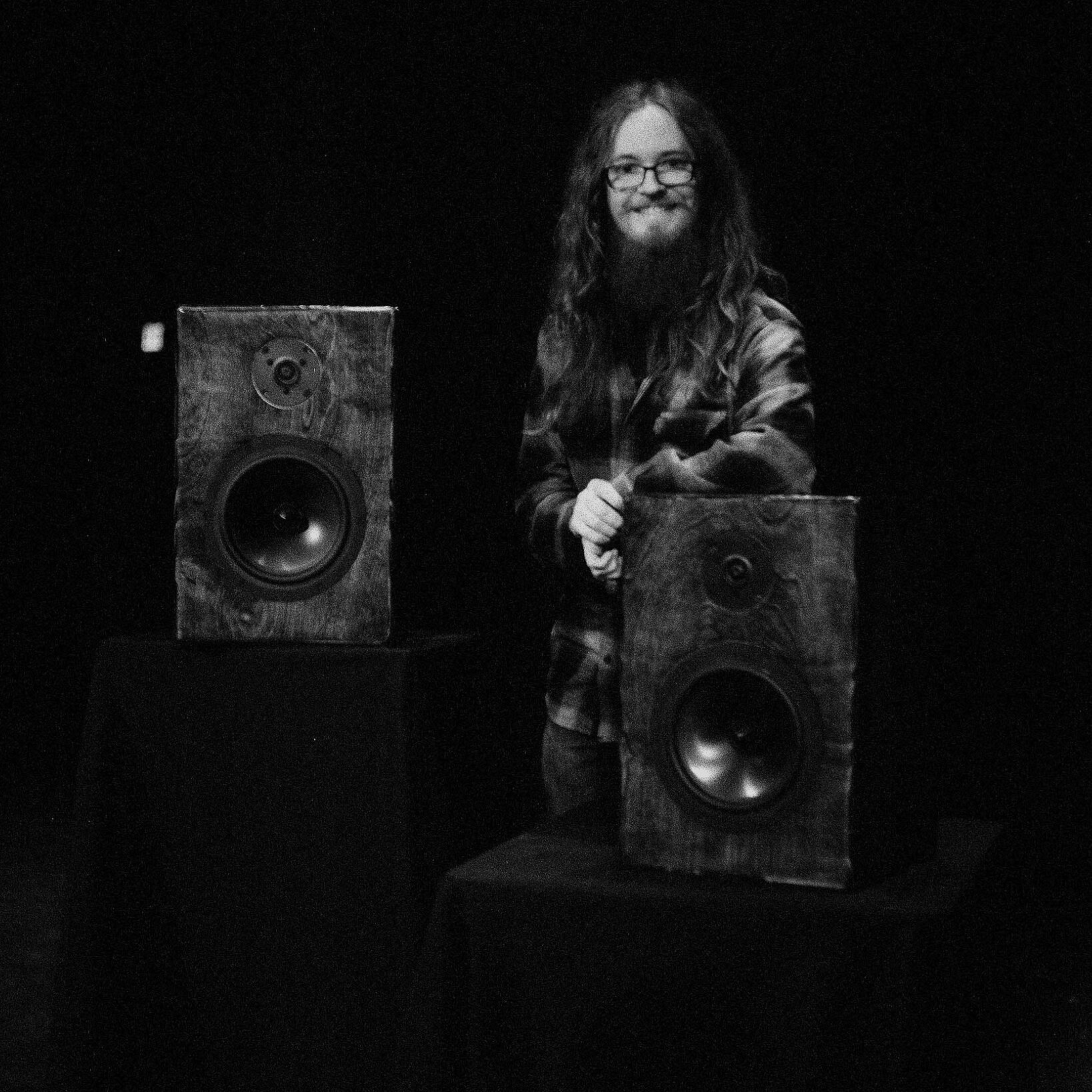
I spent the next five years as a sound design major with a minor in Music Composition at Michigan Technological University. Through my education I gained a hands on and theoretical knowledge of using sound to support live theater, film, music production, art installations, and more. Some of the largest projects I worked on at Michigan Tech were composing, producing and recording a 7 minute death metal song with over 10 musicans, composing, producing and composing a choral mass to support a stage production of Agnes of God, Recording, Mixing and Mastering live concert productions for Michigan Tech’s Orchestra, Jazz Band and Chorus, designing and constructing my own pair of loudspeakers (that I use to mix and edit professional and personal projects to this day), devoted two semesters to a documentary short and composed a cycle of 12 vocal chamber songs for my final composition project, as well as countless other smaller projects. Rigorous and difficult though these five years were, I found a lot of joy and love in the friendships I made in this small community of artists and technicians.
My education ended on a sad note when my final semester was relegated to an online only model, in reckoning with the beginning of the Covid-19 pandemic, and I was physically separated from the friends I had made over the previous years. I graduated that May with a heartfelt virtual ceremony with other graduating classmates. I returned home to an uncertain future with the pandemic having also shutdown the entirety of the industries I had hoped to find a career in. As luck would have it though, the Playhouse at White Lake, Semi-professional theater that I had been involved with for two previous Summers asked if I would like to help them figure out sound for their experimental endeavor of a virtual Summer theater festival. Five years after this I have just finished my seventh season as the sound designer for this theater and have worked with them year round even outside of working on plays, doing audio engineering for various concerts and other live events. My work for the Playhouse allowed me a foot in the door to do design work for Muskegon Civic Theater. I’ve also done a couple of other odd freelance jobs around the Muskegon area and remotely working as an audio engineer for a rock album, a sound designer for various projects for Divine Star Software (who’s CEO I befriended at Michigan Tech), composed music for an unscripted podcast about supernatural phenomena, and more. At this point I have a little over 50 theatrical sound design credits to my name and recently undertook a huge project with the Playhouse at White Lake, creating a vast amount of vivid soundscapes and almost 30 minutes of original music to support the inaugural performance for a new script based on the life of Joseph Merrick.
In the past two years I’ve also carved away a niche of time to continue a focus in film, having made four personal experimental films as a solo filmmaker (with even a couple of small festival screenings), have chipped away at a long belated seventh animated short film and am in the process of creating the final mix for a short film that a filmmaker friend from Lansing has made, that I created the sound effects and original music for.
I’m sure it wasn’t obstacle-free, but would you say the journey has been fairly smooth so far?
I live in a largely rural area, where there is not much funding for the performing arts, so like most of the people I work with, I do have to sustain myself with a day job, but I have been extremely lucky to have found, even a semi-professional community such as this, to be able to have steady work as a multi-disciplinary creative. And moreso to have been able to develop long lasting collaborations that allow me the creative flexibility that I have.
The biggest challenge with this is managing time and making time to meet or succeed the quality of work that is expected of me or that I expect of myself on top of the demands of a day job or whatever curveballs life throws at me (e. unexpected expenses, car troubles, health, etc.).
Thanks – so what else should our readers know about your work and what you’re currently focused on?
I specialize in creative audio (sound effects and music production) particularly for studio or post production applications like sound or music for film/video, studio recordings or even video editing.
I’ve found that I have a strong elasticity for learning software and can adapt to learn different audio or video editing applications quite quickly.
My work on a broad scale is known for being detail oriented, experimental, playful, plays with genre conventions and combines both research based and instinctual approaches often on an almost 50/50 division. I also approach my work with a sense of authorship or originality, for instance, I often find it easier to record, perform or synthesize my own sounds from scratch instead of plumbing through a library of pre-recorded material that will fit the application. Or if I’m creating music in a DAW, I’ll often create my own instrumentation out of sampled field recordings, or build synthesized sounds from the ground up without the aid of presets. I find that this is a more intuitive approach for me to get work done quickly, but also gives it a distinctly personal quality.
I think what sets me apart from others is the versatility of what I’m able to create. In the past I’ve made underscore music for stage plays, where the disparity has been as large as one play having a noir jazz arrangement for it’s underscore, another has one in the style of an early 90s sitcom, another is gregorian chant, another is orchestral to support victorian elements and so on. I’m also as much at home creating soundscapes that are harsh and confrontational as much as I am creating soundscapes that are elysian and peaceful.
I’m most proud if I’m able to support an overarching piece like a stage play or film in a way that is felt instead of heard, or am able to leaving an audience with the gears in their brain still turning after the production has ended.
What matters most to you? Why?
What matters most to me is being part of and doing my part to nourish a harmonious community. Even outside of being creative and being professional, there is no sustainable ecosystem without a community of people who feel safe to direct what they know and what they are capable of. Being able to contribute and grow as a person in my community and being able to lift up the voices of others within my community is something I’ve always found immense fulfillment and joy from. I’ve also lived long enough to see that discord within a community erodes the foundation that it’s built on and adversely affects all those that live within it.
Contact Info:
- Website: https://www.tylerquinnportfolio.com/
- Instagram: https://www.instagram.com/tylerquinn82/
- Youtube: https://www.youtube.com/channel/UCxhTURAkUjbpqQTYL3iFS0A
- Other: Bandcamp: https://tylerquinn.bandcamp.com/
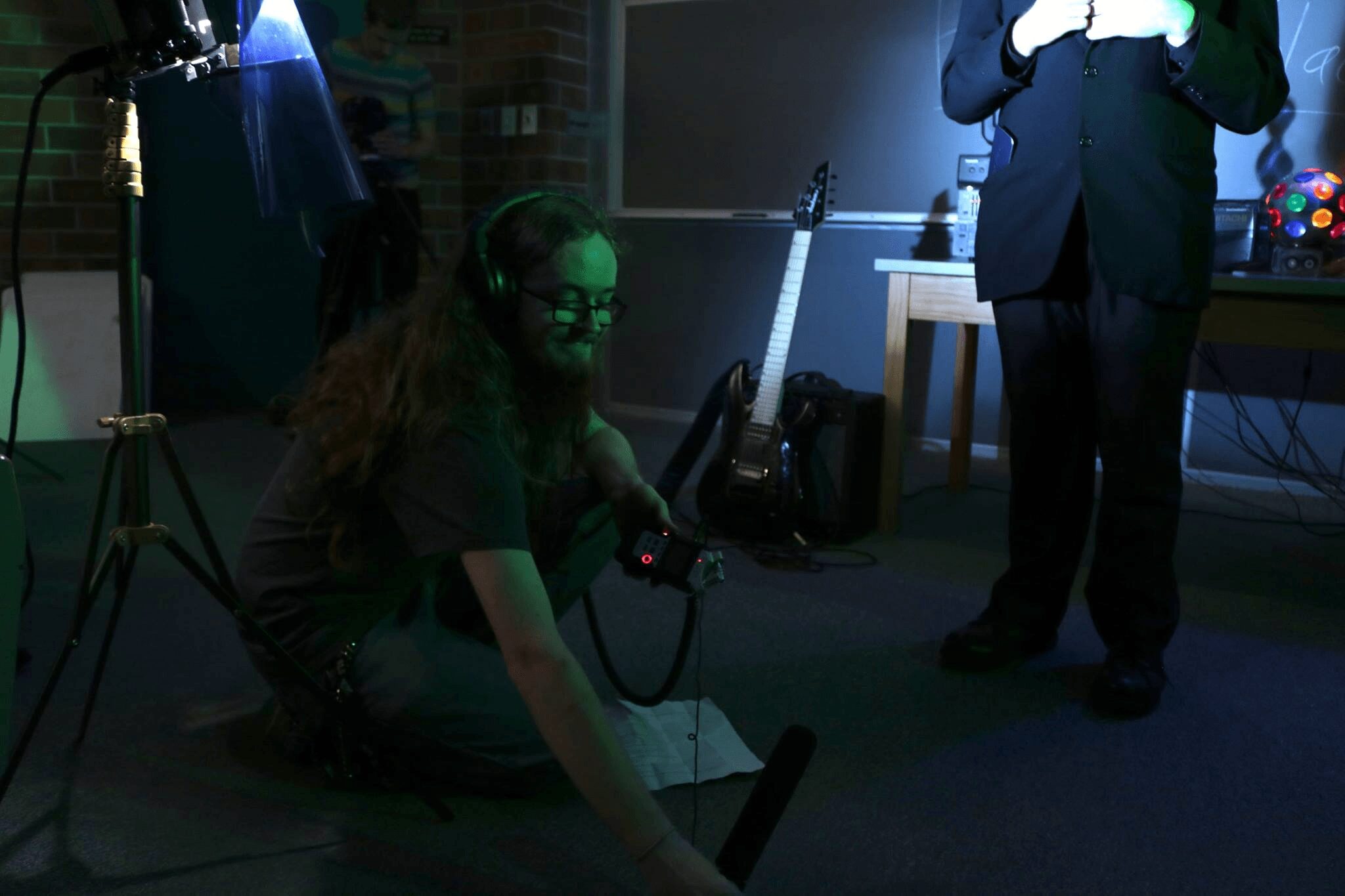
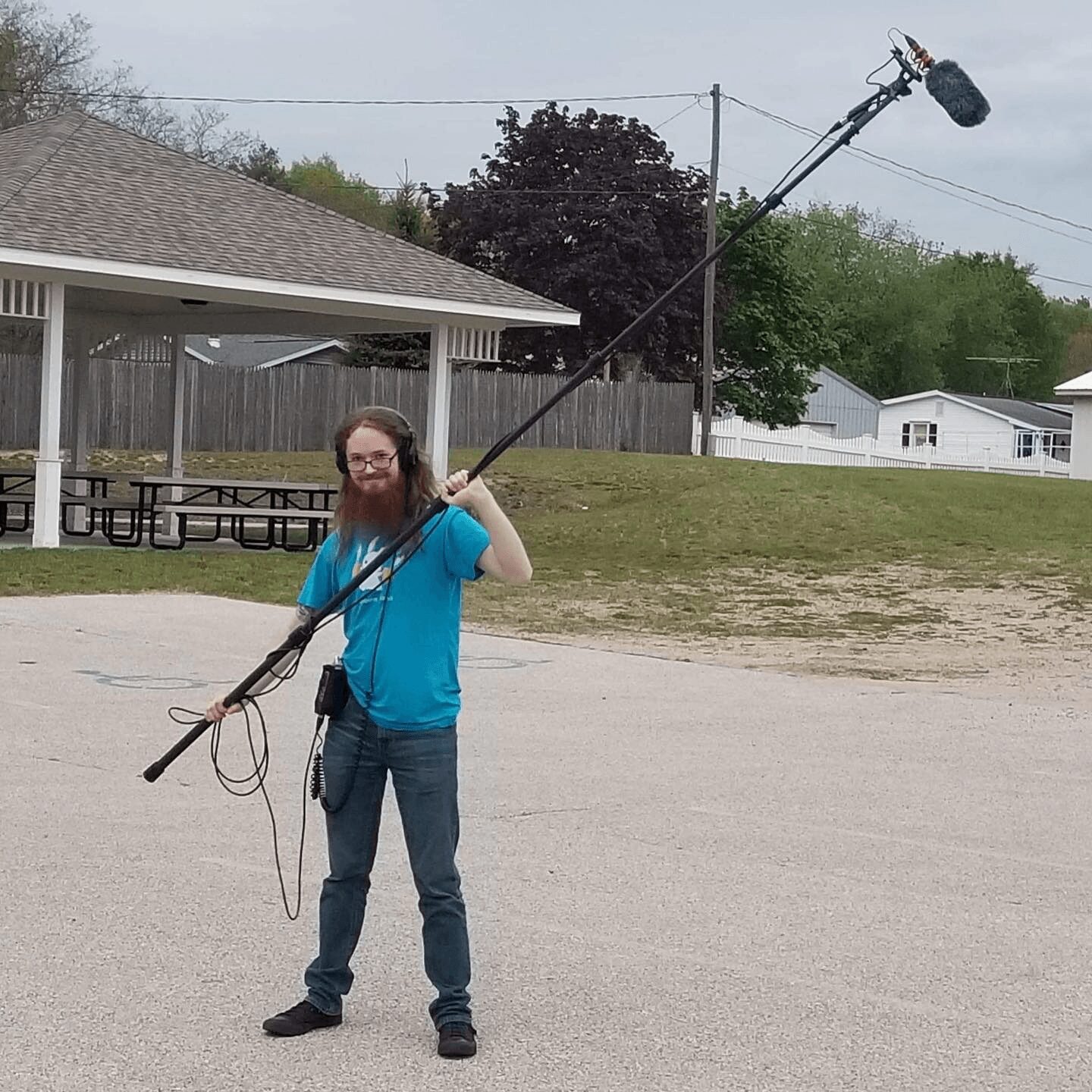
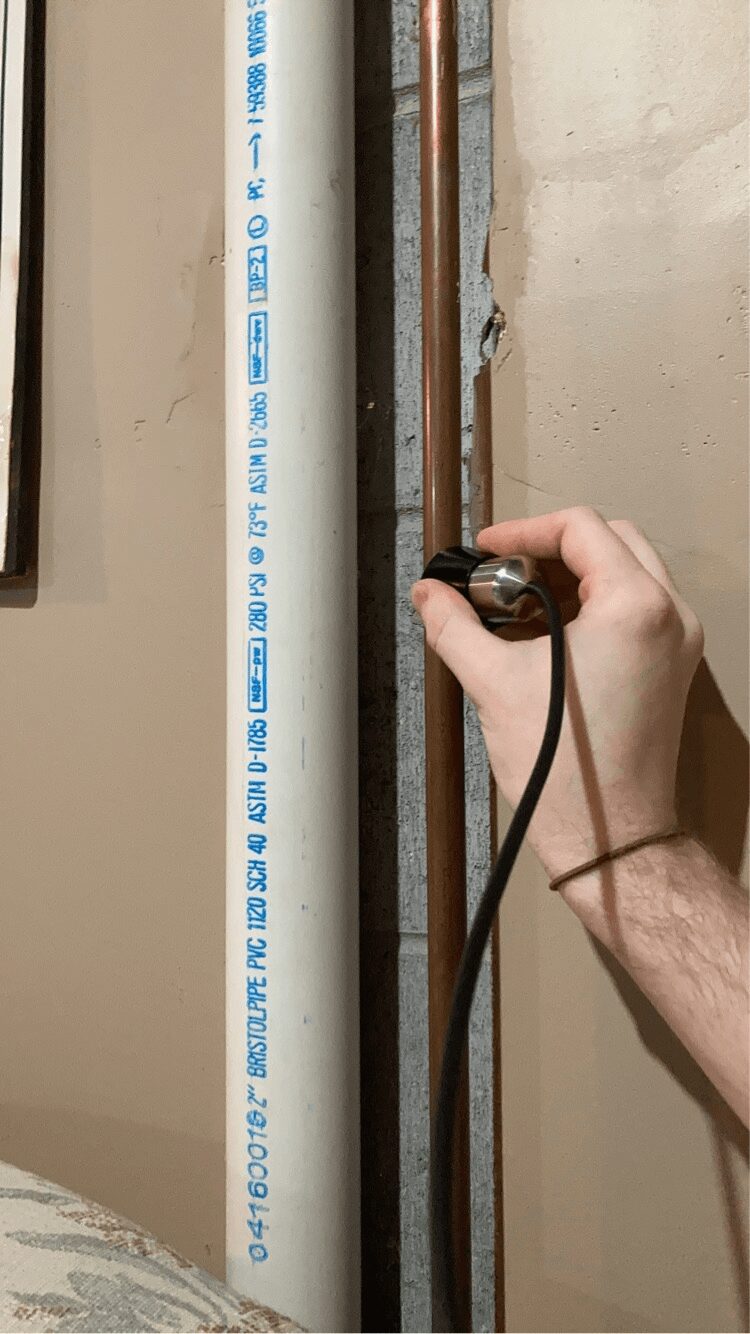
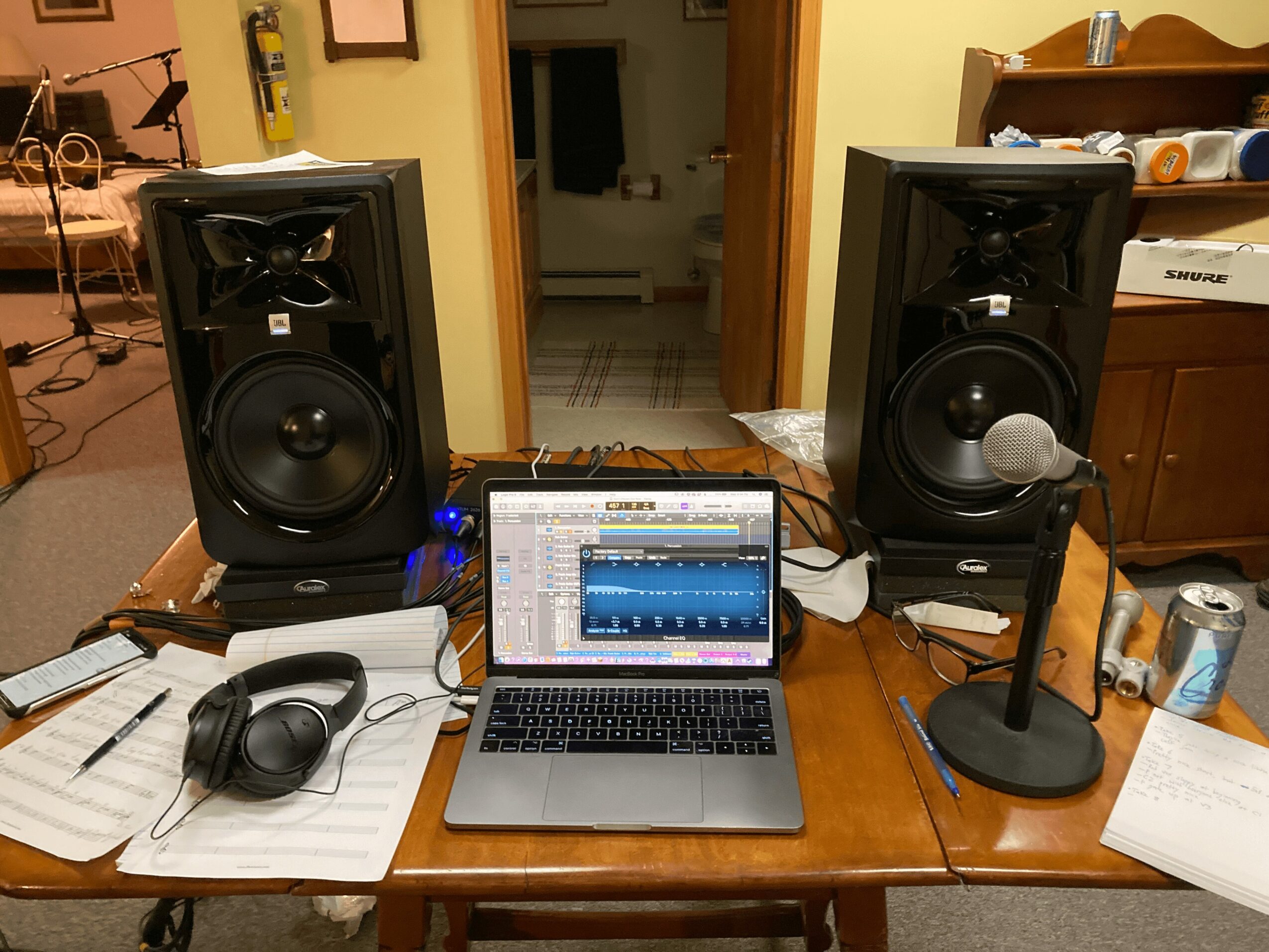
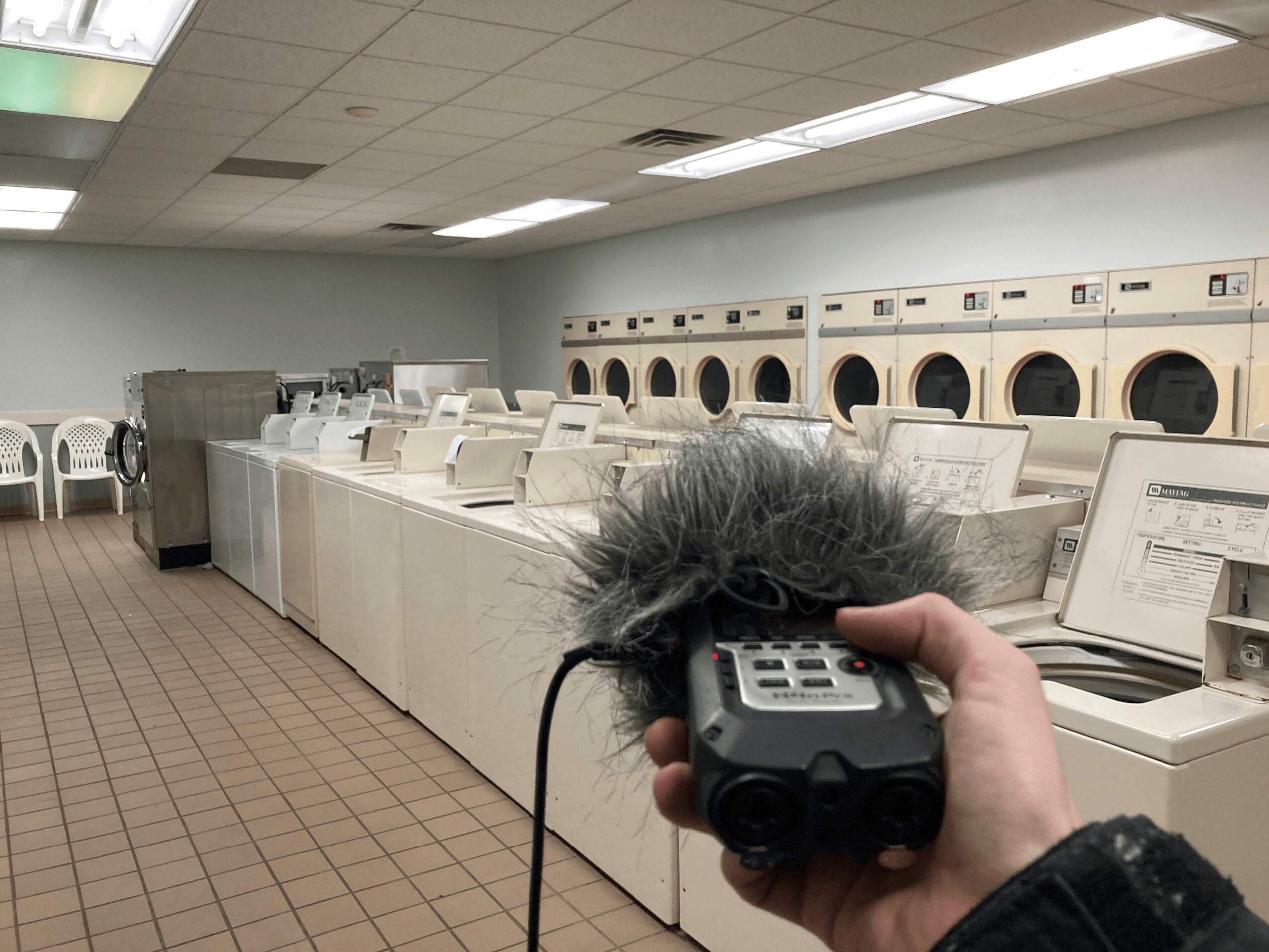
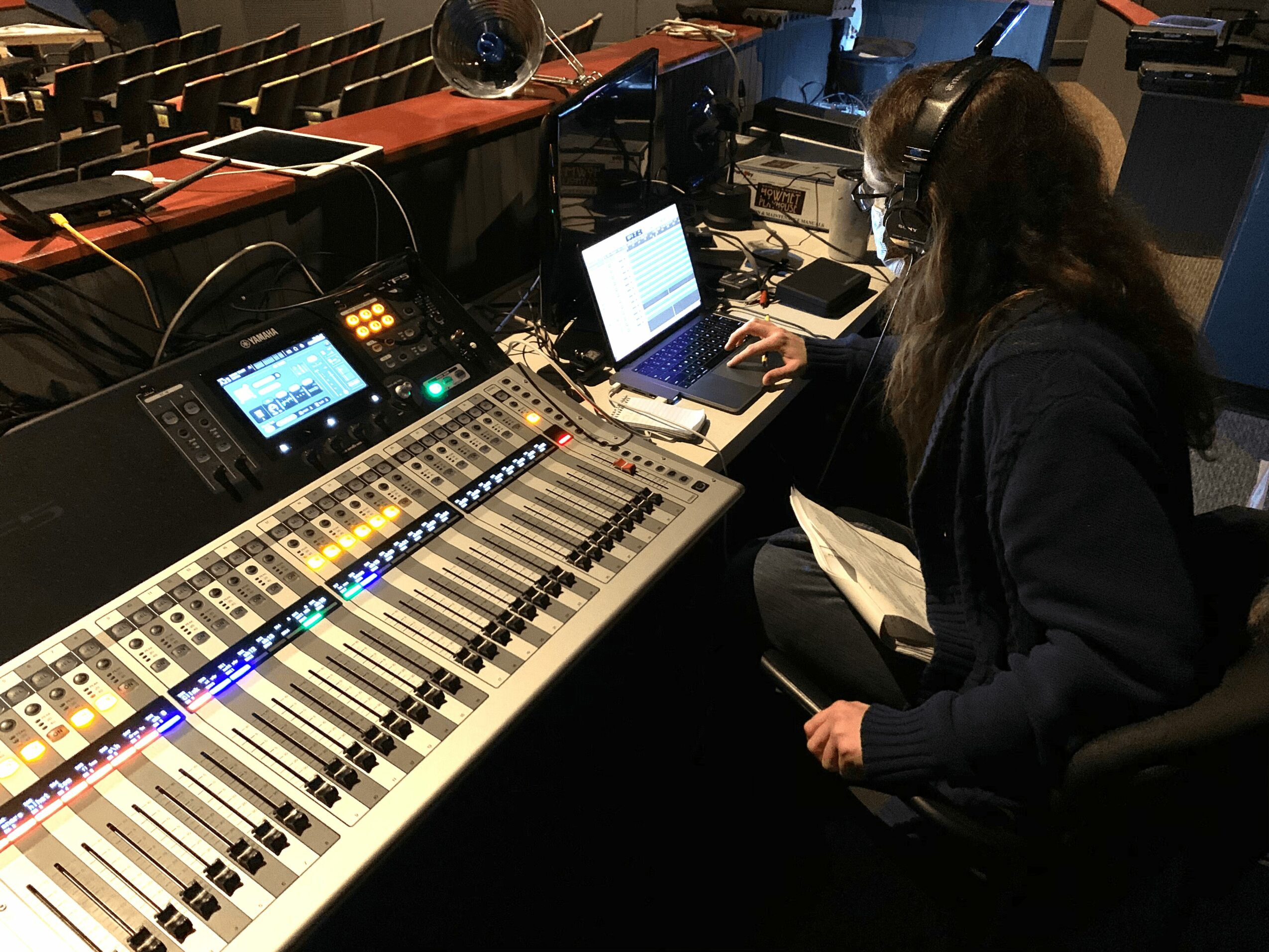
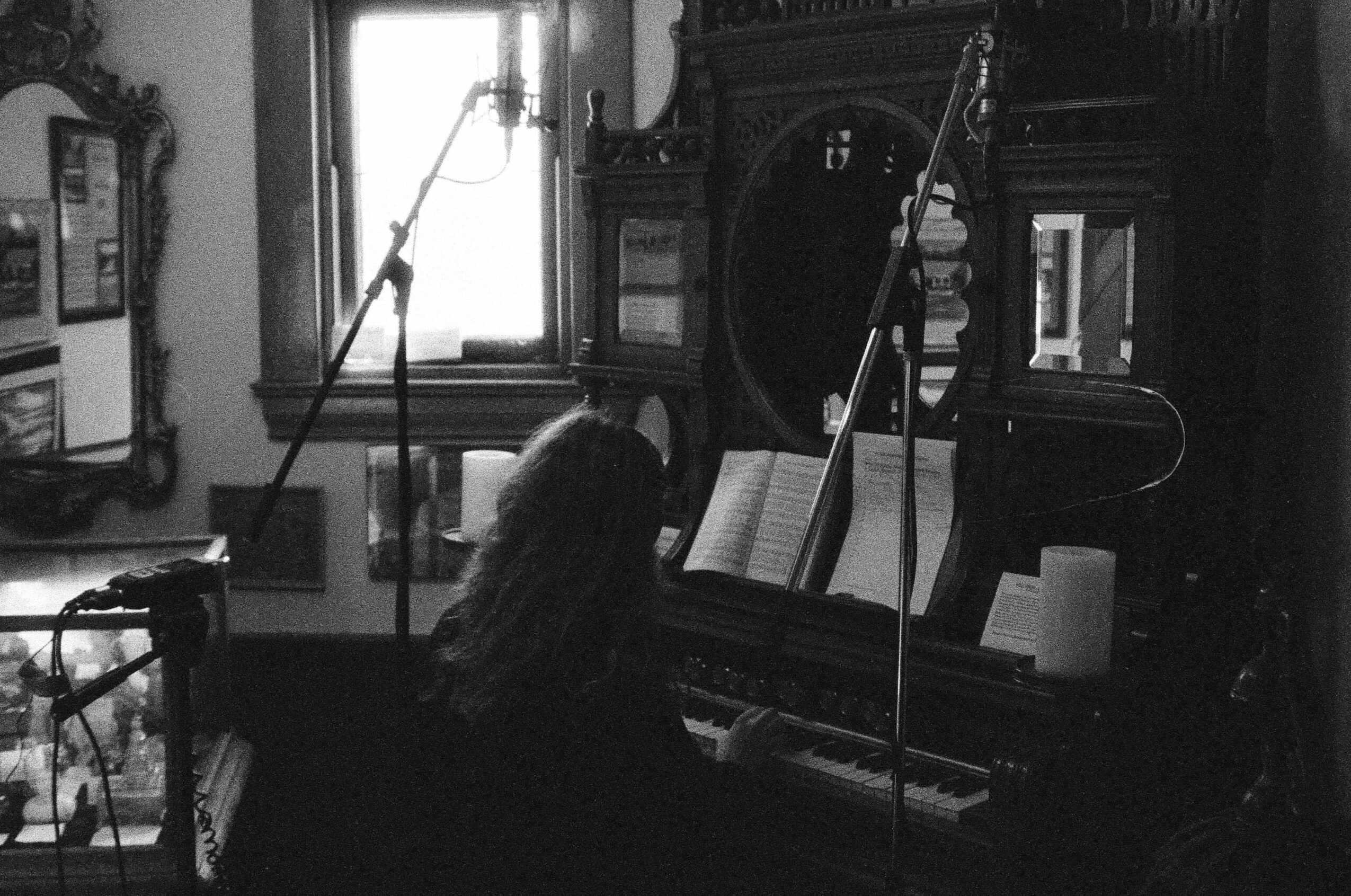
Image Credits
Taran Schatz, Cindy Beth Davis-Dykema, Jake Quinn, Tyler Quinn