



Today we’d like to introduce you to Shannon Tomasik
Hi Shannon, thanks for joining us today. We’d love for you to start by introducing yourself.
My journey with photography started when I was just a kid. I’d gather my sister and cousins for photoshoots, and we’d create little magazines from the pictures to share with our family. As I grew, I ventured into videography, making movies with family and friends, and a new passion for becoming a director of photography in films. However, photography always had my heart.
In high school, I began taking high school senior and family photos for friends and relatives, and when I was 18, someone asked me to shoot their wedding. I hesitated but said yes—and I was hooked. That experience sparked a passion for wedding photography, and from there, I started shooting more weddings and other paid sessions, eventually making my business official with the help of my sister, Sasha, managing the business side.
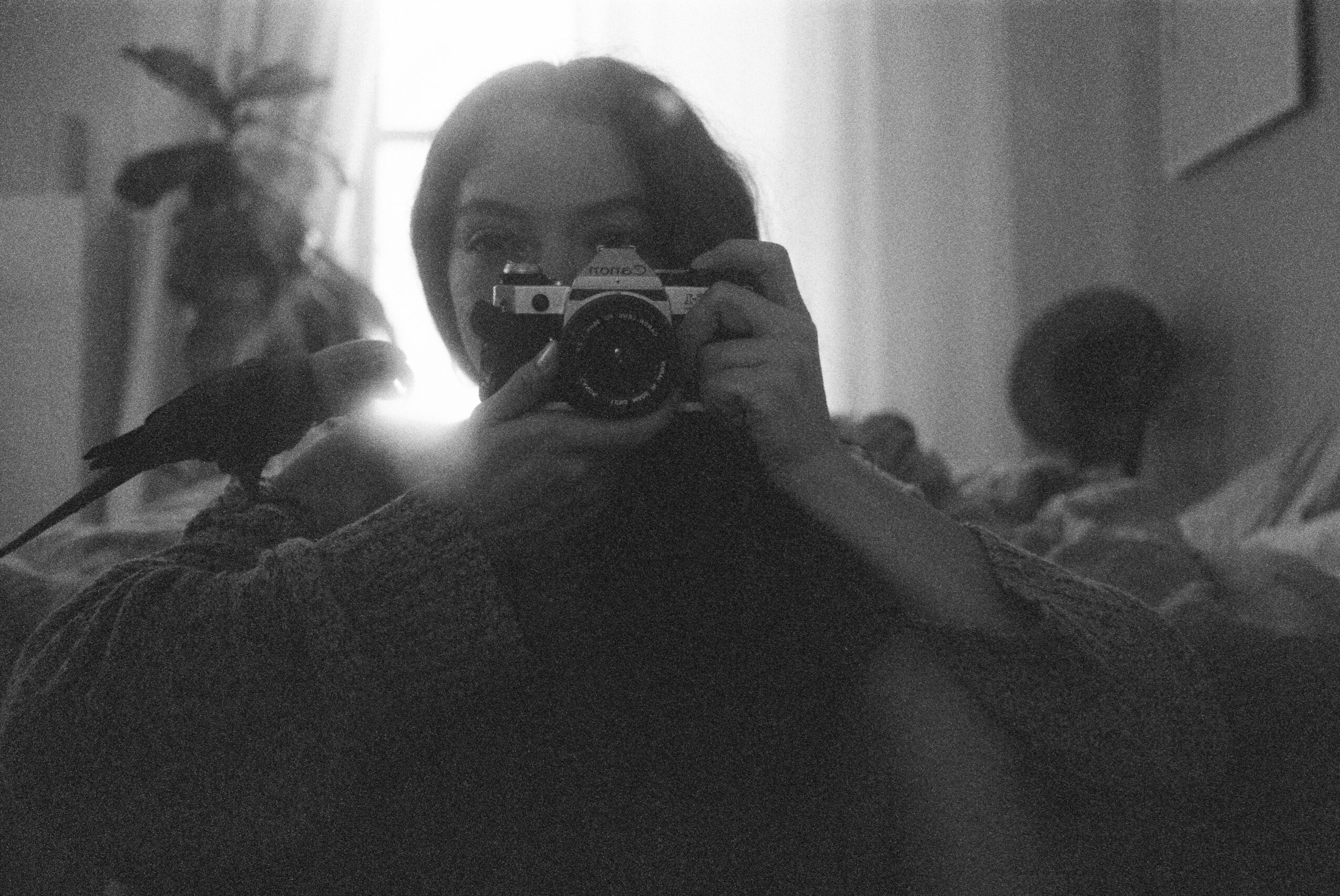
At the same time, I found joy in personal work, creating self-portraits inspired by song lyrics to tell stories. In 2016, I was gifted my first film camera, which opened up a new world for me. Film became a powerful tool for expressing my inner emotions through self-portraits, and it played a key role in my healing journey. And it’s something I’ve continued to do ever since.
Alright, so let’s dig a little deeper into the story – has it been an easy path overall and if not, what were the challenges you’ve had to overcome?
It hasn’t always been a smooth road. Early on, I took on too many weddings and eventually burned out. I decided to step back from weddings for a while and focus on my personal work with self-portraits, which brought me a lot of fulfillment. When I was ready to return to weddings, I struggled to book as many due to the long break. It’s been a journey to rebuild, and I’m still working toward getting back to where I was. But I’m hopeful and excited about the possibilities.
I also faced challenges with my self-portraits when I transitioned from digital to film. Shooting digitally is much easier—you can see mistakes immediately and adjust. With film, you don’t see the results until weeks later, once the roll is finished and developed. That learning curve was tough and discouraging at first. It took me about three rolls before I started getting images I was proud of and that truly felt right.
Now, I’m much more confident with film, achieving an 80-90% success rate with my self-portraits. Of course, there are still times when a roll doesn’t turn out as I imagined, (or I accidentally open the back of my camera before the roll is finished… oops) but I’ve learned not to let it discourage me. Mistakes happen, but they’re a valuable part of the process, and they’ve taught me the importance of perseverance and growth.
Thanks for sharing that. So, maybe next you can tell us a bit more about your work?
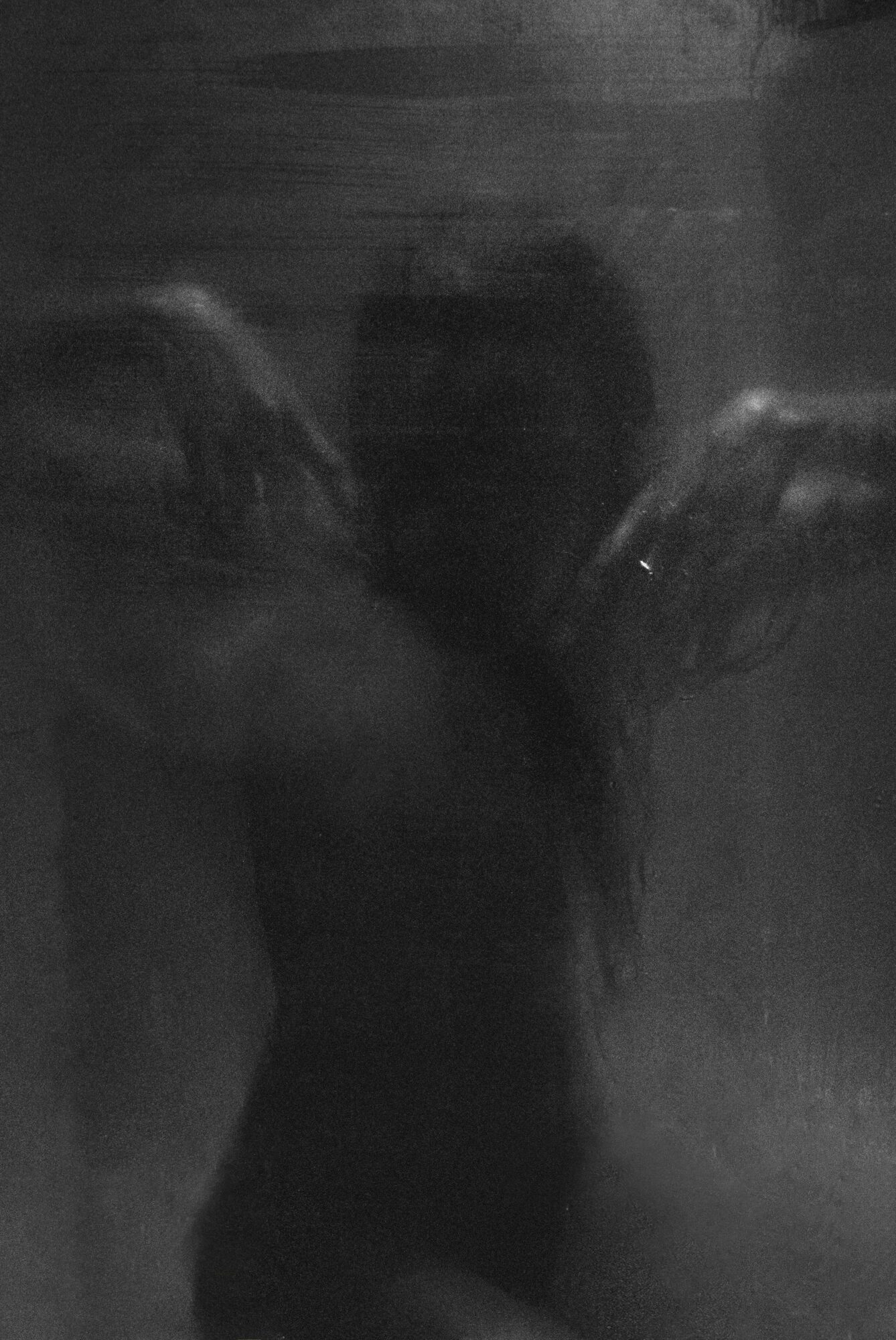
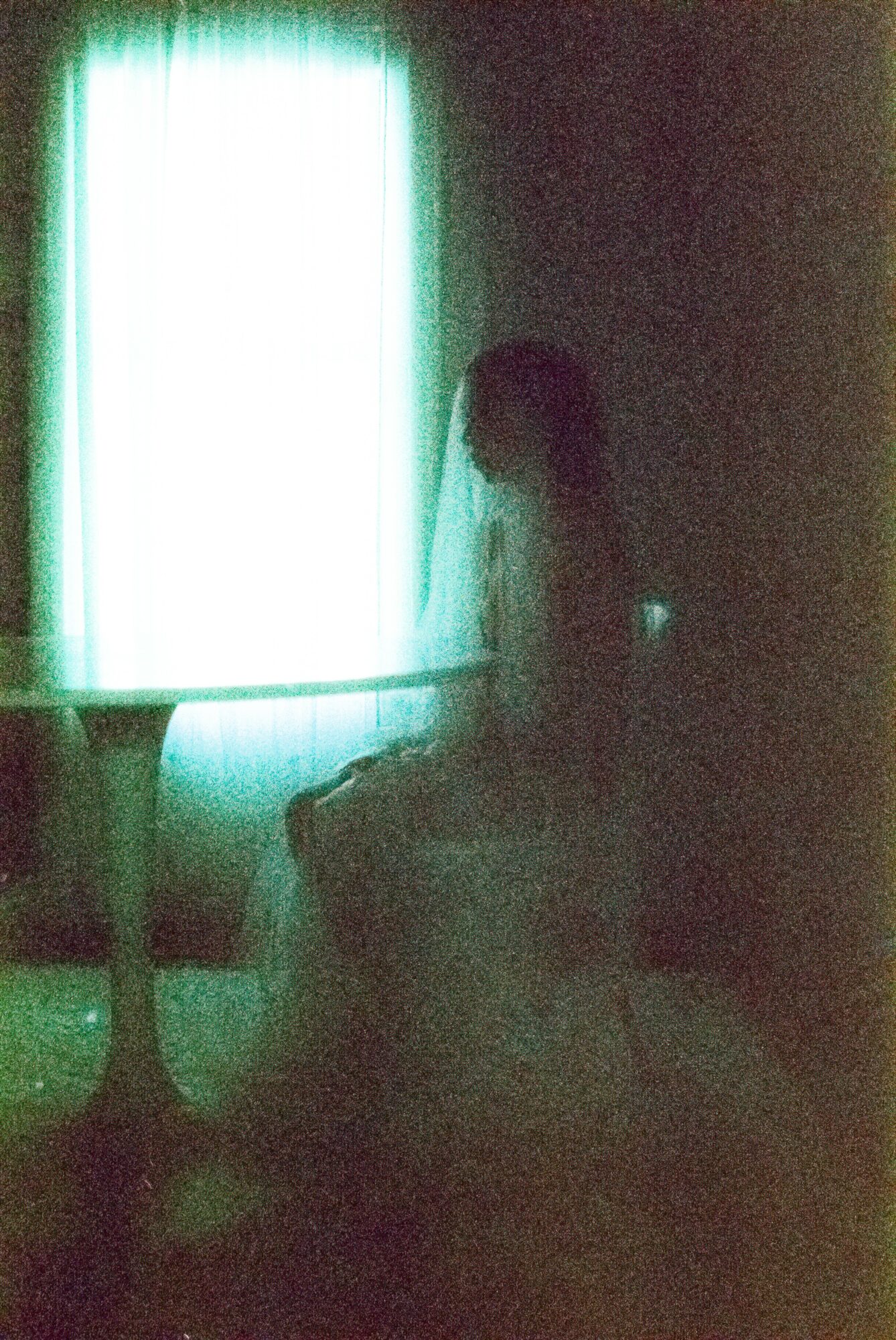
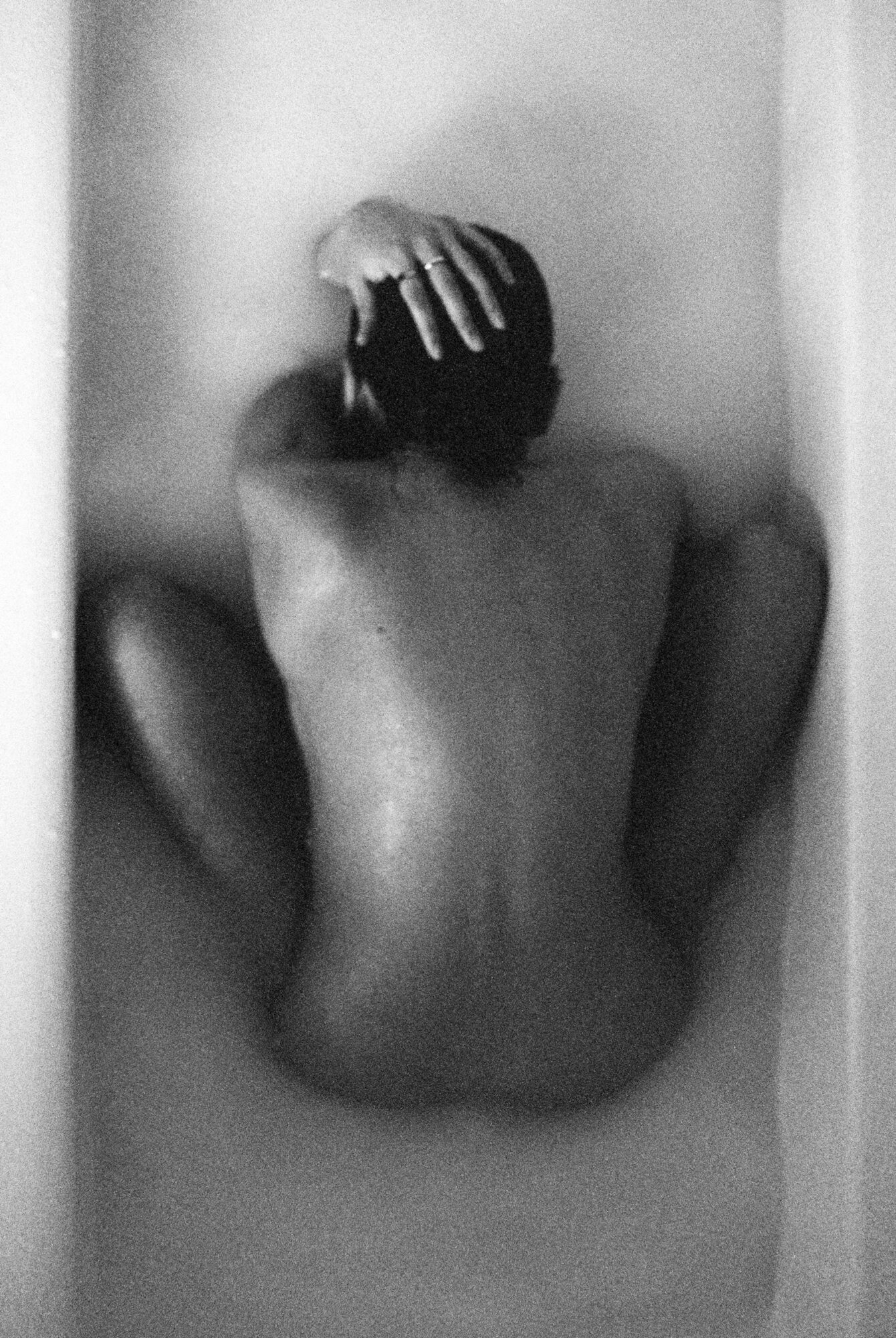
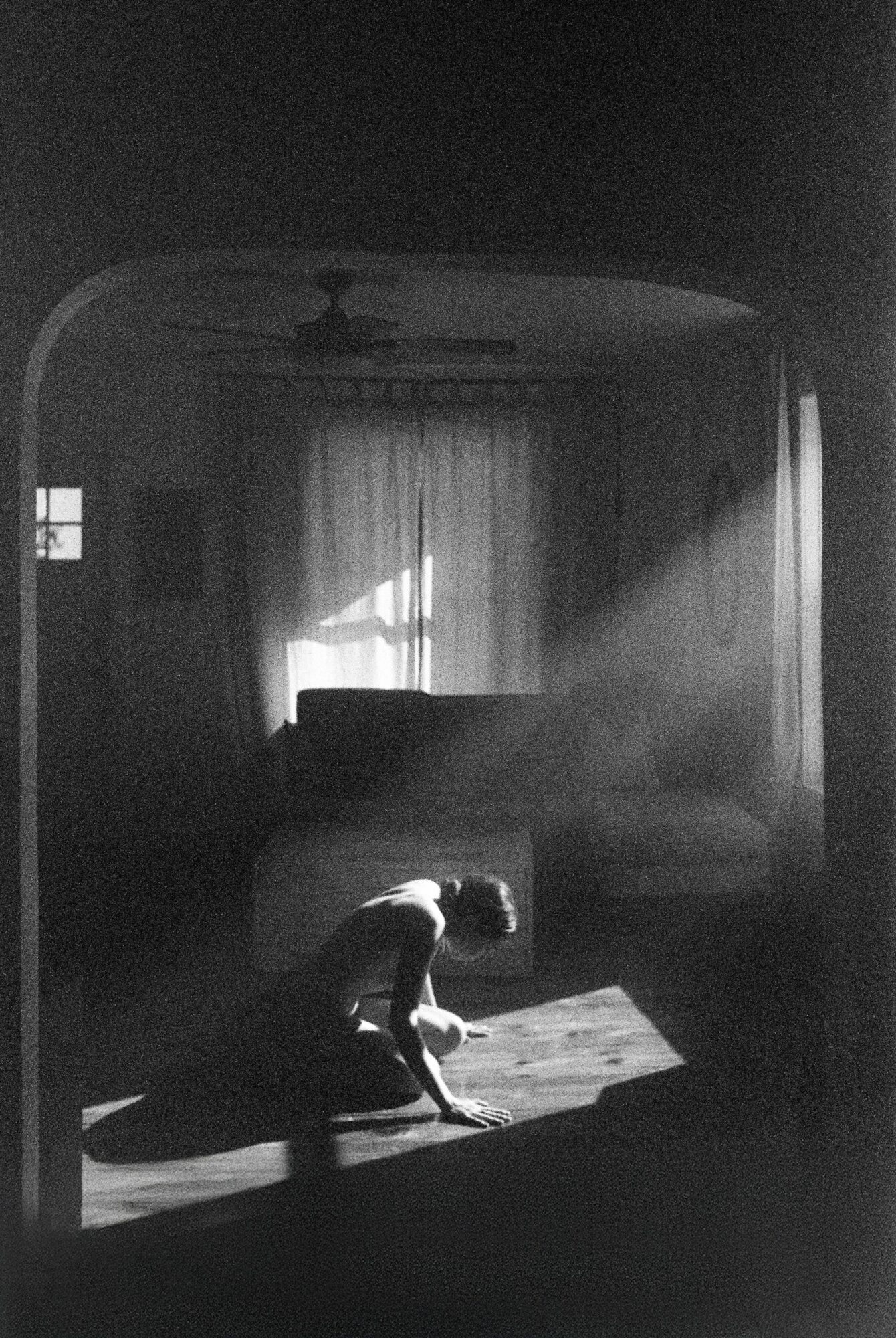
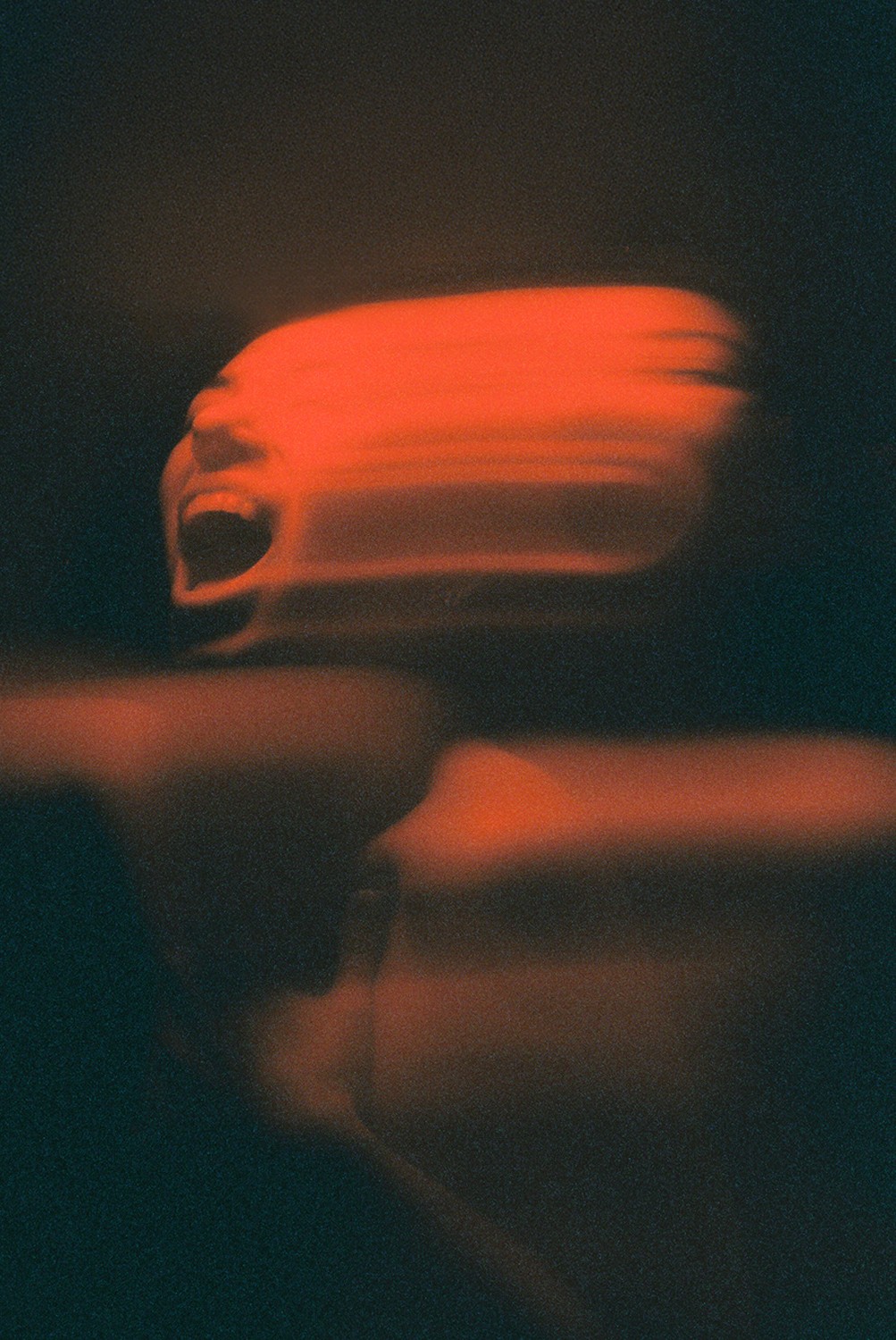
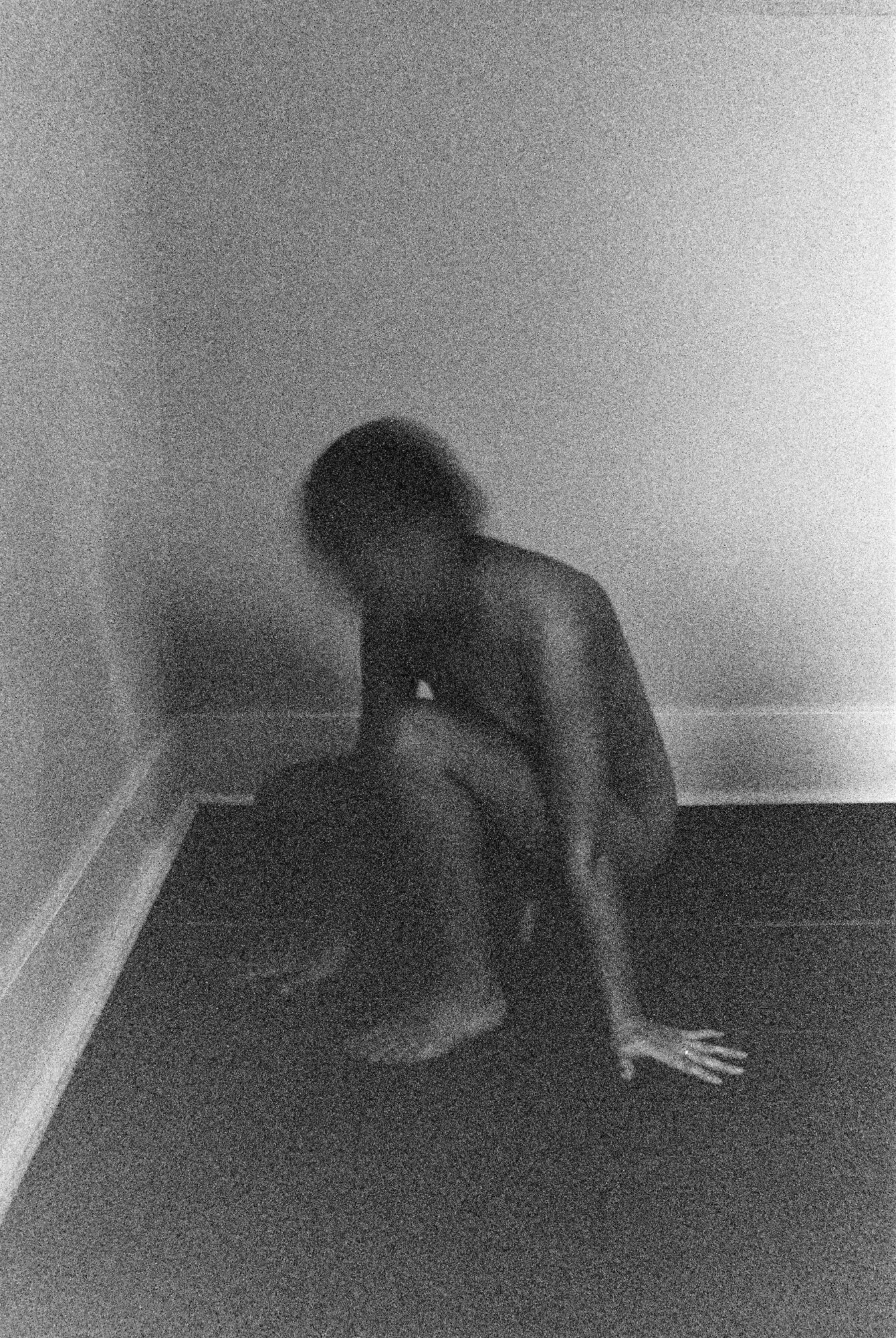
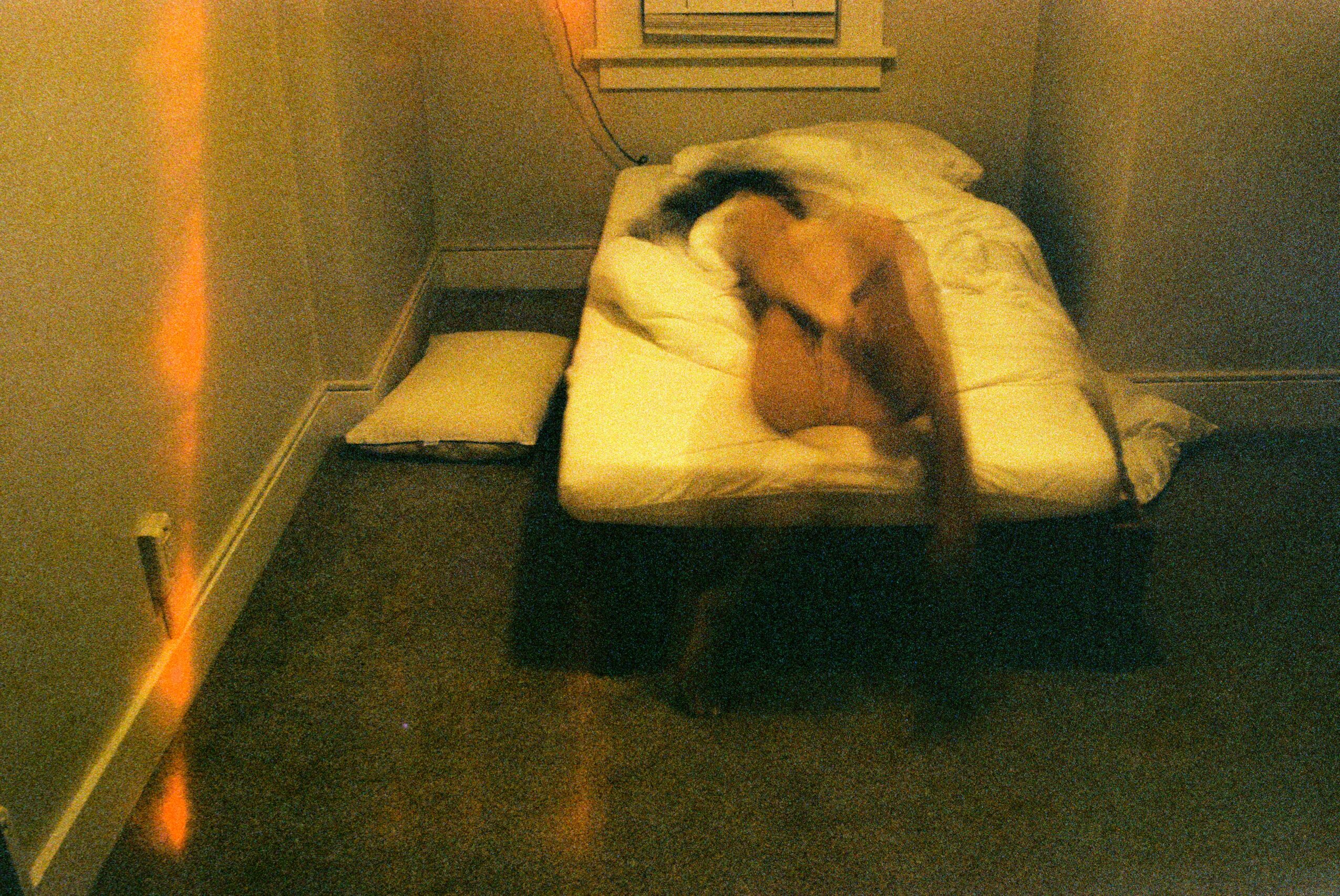
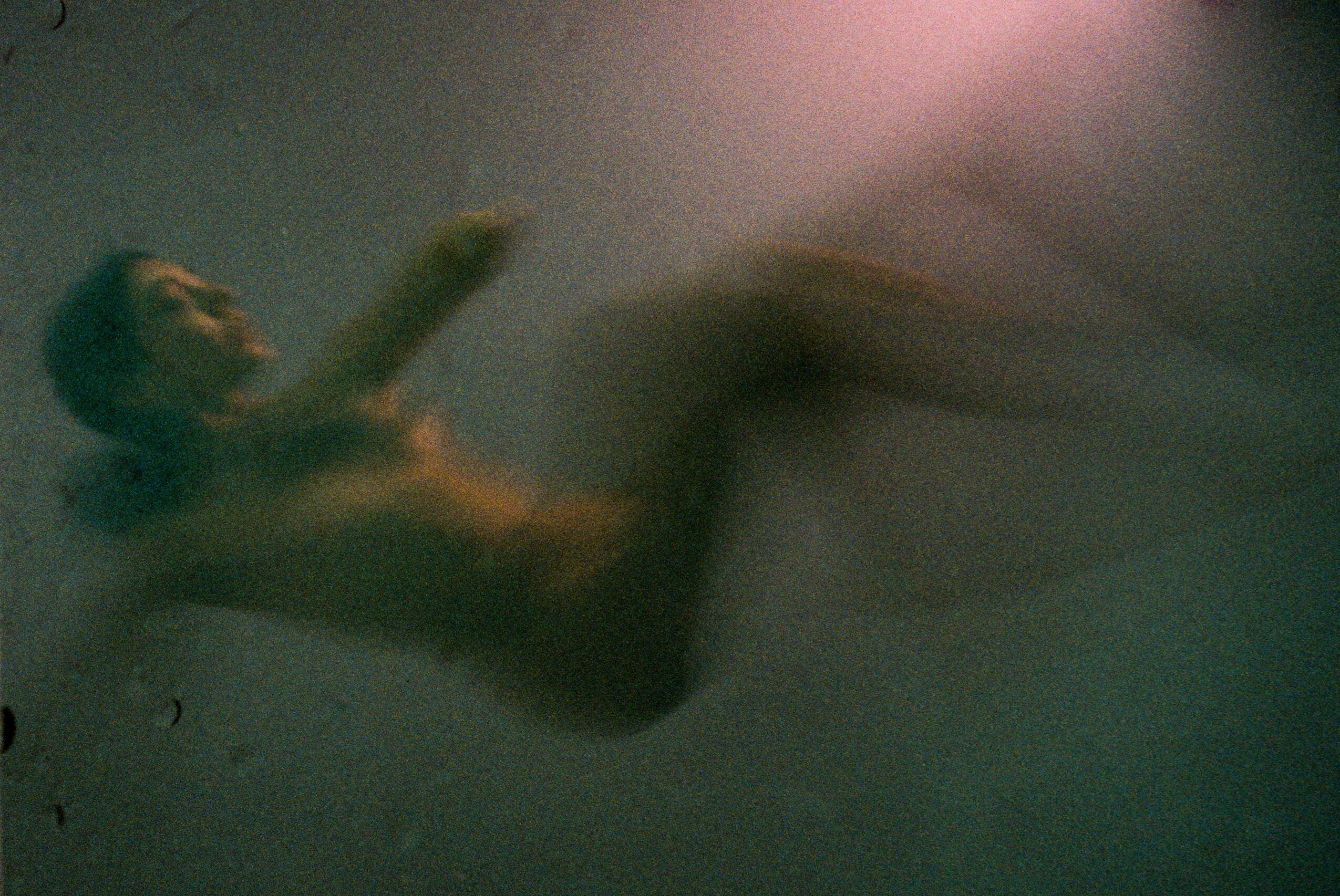
I specialize in self-portraits on film, though I also occasionally create artistic photos with friends. Self-portraits are at the core of my work—they’re how I express myself most deeply. My artistry blends emotions with personal storytelling, inviting viewers into my inner world. Through my images, I explore my thoughts, discomforts, fears, and questions about the human existence, creating work that not only reflects my state of mind but also evokes feelings and interpretations from others. When I’m feeling down, self-portraits become a form of meditation for me. Sometimes I approach a shoot with a clear vision, but other times, I jump in without any plan, letting the process guide me.
I’m also incredibly proud of my newfound love of teaching. Speaking at workshops has been so fulfilling, allowing me to guide others and share deeper insights into my craft and how I create my images. It’s wonderful to dive deeper into the art of self-portraits and embrace a new level of vulnerability by using words to complement what my photos express. Teaching has been just as enriching for me as it is for the artists I work with—every time I walk away from a weekend of teaching and creating with others, I feel like I’ve gained new insights and inspiration. It’s a way to create and connect that I never expected to enjoy so much.
I’m known for using analog techniques like underexposure, long exposures, and playing with unique light to create dark, mysterious, and emotive images. These techniques allow me to break conventional photography rules, crafting work that leaves room for viewers to draw their own conclusions. I value the imperfections and raw beauty of film, using it to convey honesty and vulnerability in my work. I think this willingness to push boundaries and embrace imperfection is what sets me apart.
I’m incredibly proud of the recognition my work has received, such as teaching workshops to talented international artists, exhibiting in multiple shows around the world, and collaborating with artists whose work I admire. But what I’m most proud of is simply the images I create. When I get a roll of film back and see an image that looks and feels exactly the way I imagined, it’s an unparalleled sense of achievement. That’s what keeps me creating—not the exhibitions or accolades, but the joy of making something that feels true to me.
Do you have any advice for those just starting out?
My advice for anyone starting their self-portrait journey on film is simple: keep trying. Your first self-portrait probably won’t turn out the way you imagined, but don’t let that discourage you. The more you practice, the better your images will become. And don’t be afraid to experiment. Film can be expensive, so it’s tempting to play it safe, but growth comes from taking risks. Even if you ruin an entire roll, the moment you finally get it right will make all the ‘failed’ shots worth it.
Also, let your emotions guide you. Art is meant to evoke feelings, so don’t focus solely on creating something ‘pretty.’ Instead, aim for the raw, messy, or even ‘ugly’ images that truly feel right. We’re not perfect all the time, and our art shouldn’t be either. Lean into what’s real, and you’ll create something that resonates far beyond the surface.
I also recommend not letting the gear or technical aspects of self-portraits on film get the best of you. It’s easy for photographers to get caught up in wanting the best gear or obsessing over focus and exposure, but often, the less you have, the more you can focus on creating something meaningful. I’ve used the same simple, inexpensive camera to make all my work, and it works great for me! I just dive in and bring the emotion out, rather than spending hours deciding which camera or settings to use. I think this approach is one of the things that allows me to make the emotive, raw work that I do.
Contact Info:
- Website: https://www.shannontomasik.com
- Instagram: https://instagram.com/shannontomasik
- Other: https://patreon.com/shannontomasik