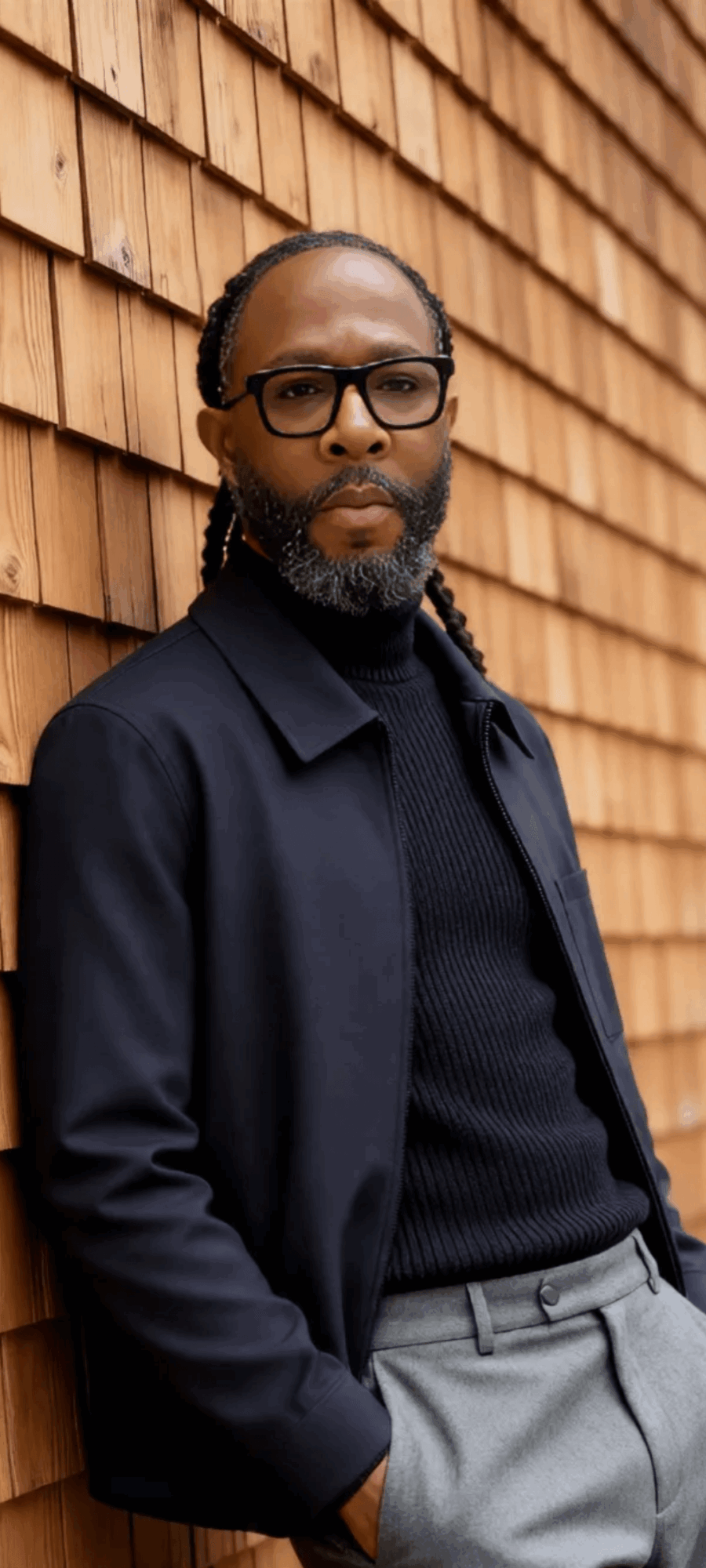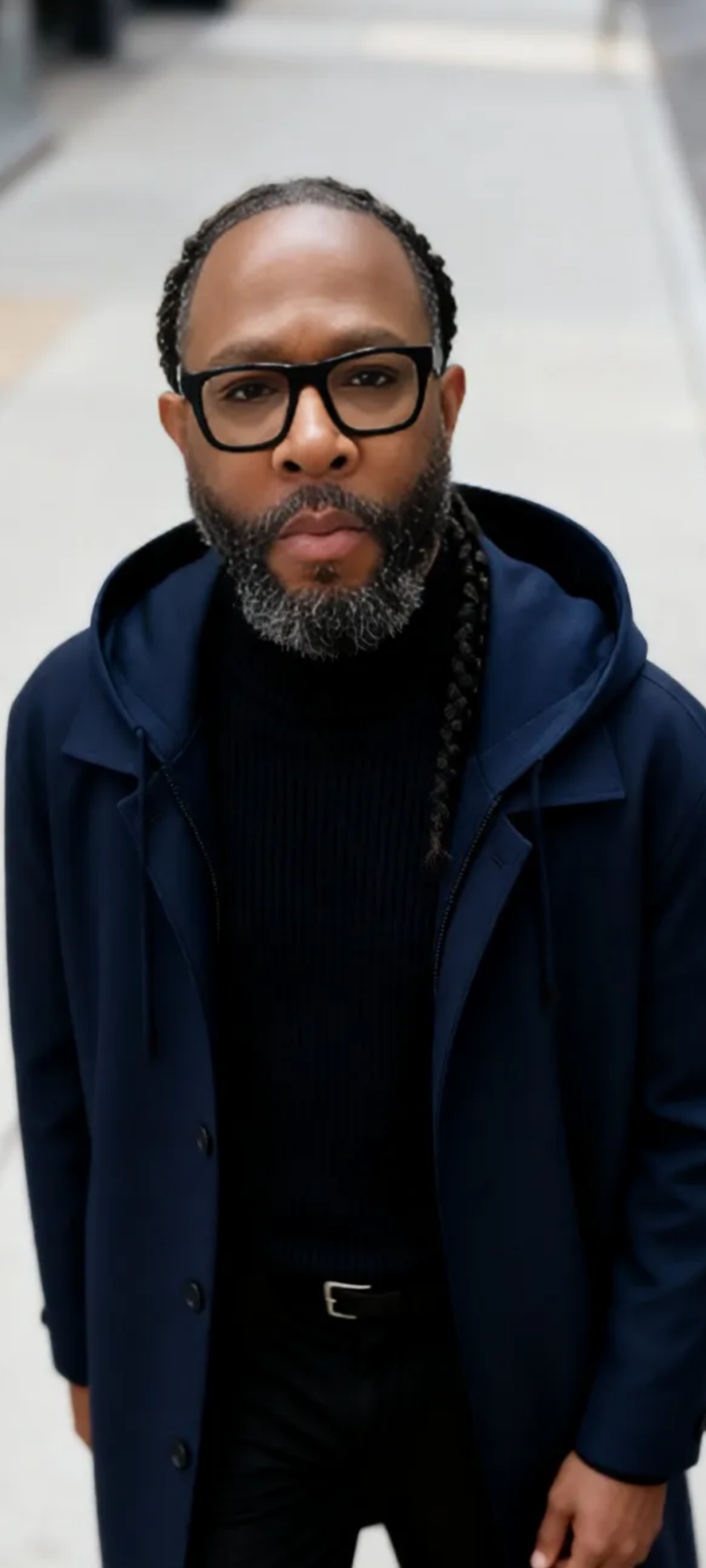





Today we’d like to introduce you to Melvin Price Jr.
Hi Melvin, so excited to have you with us today. What can you tell us about your story?
If I were tracing my story back to its earliest roots, I would probably begin with a conversation I had with my father when I was seven years old.
He was preparing to leave for a year-long hardship tour in Korea. That meant at home would be my mother, my older sister, who had me by all of one year—my infant sister, and me. Before he left, my father sat me down and explained that, in his absence, I would be the man of the house. Seven years old was a little young for the promotion, but I understood the assignment. And my father was remarkably specific.
When we were out walking, my mother and sisters were never to walk behind me. I was to remain three to five paces behind them, where I could see them and make sure they were safe. If I was present, they shouldn’t have to touch a door. The garbage belonged to me. So did the grass and, when winter came, the snow. At night, I was responsible for checking the perimeter of our home and making sure every door was locked. We didn’t have a car, so trips to the grocery store were made on foot. My mother needed her hands available for my baby sister, which meant the grocery bags belonged to me, too.
I carried those bags with the seriousness of a grown man.
I couldn’t have articulated it then, but my father was giving me my first definition of manhood. It had very little to do with authority and everything to do with responsibility. A man paid attention. A man made himself useful. A man understood that strength meant very little if it couldn’t be used in service to someone besides himself.
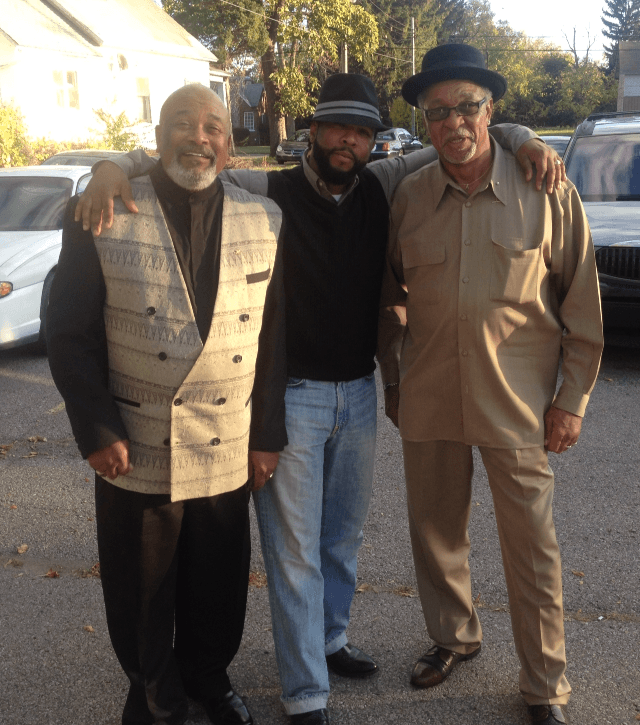
I saw the same ethic in my grandfather. Among the Price men, helping wasn’t something you announced. If something needed to be done and you had the capacity to do it, you did it. That lesson settled deeply into me.
As I grew older, I developed an almost visceral reaction to seeing people mistreated. I would speak up, step in and, in my younger years, sometimes physically intervene. My methods weren’t always as mature as my intentions, but the instinct was consistent: I had difficulty witnessing someone being diminished and convincing myself that it was none of my business.
The more complicated part of my story is that knowing what kind of man you were raised to become and actually becoming that man are two very different things.
By my early thirties, I had a wife and a son, and I was being forced into an uncomfortable conversation with myself. I was still straddling two worlds. One was connected to street life and choices that had become increasingly incompatible with the future I said I wanted. The other required discipline, accountability, and a level of responsibility that couldn’t coexist indefinitely with the first.
Eventually, I had to confront a truth that was as simple as it was unforgiving, you cannot keep walking in one direction while praying to arrive somewhere else. So I changed direction. Not dramatically. Not perfectly, and certainly not all at once.
Change, I discovered, is much less cinematic than people make it sound. Sometimes it is simply the decision to tell yourself the truth today, make a better choice tomorrow, and get back up when you discover that yesterday’s habits did not disappear simply because today’s intentions changed. Man About Change was born from that process in 2007.
That’s important to me because MAC was never founded from the position of a man who had figured life out and wanted to teach everybody else what he knew. It was born while I was trying to figure myself out. At 32, I was learning lessons about manhood, accountability, self-awareness, and purpose that I wished had taken root much earlier in my life.
And somewhere in that process, a question began to trouble me in the best possible way:
If these lessons can change the trajectory of a 32-year-old man, what might they interrupt in the life of a 10-year-old boy?
What might he recognize sooner? What choices might become available to him? What pain might never have to become his teacher?
That question became bigger than my own transformation.
It followed me through years of working in education. It followed me into my work with young people and families. It shaped Man About Change and Team LOYALTY, and it continues to shape the way I think about community, leadership, and service.
But even my understanding of helping has changed.
For much of my life, helping meant seeing someone struggling beneath the weight of something and instinctively reaching over to carry part of the load. There is dignity in that, and I hope I never lose that instinct.
Today, however, I find myself equally interested in the weight itself.
Why is this burden here? Who or what keeps placing it here? Why do some families inherit opportunities while others seem to inherit obstacles? Why are some children repeatedly asked to demonstrate extraordinary resilience simply to reach what others experience as ordinary life?
Those questions have drawn me beyond individual intervention and deeper into education, history, systems, policy, and the conditions that shape our communities long before any one person is told to simply make better choices.
In some ways, I am still that seven-year-old boy carrying grocery bags home for his mother.
I’ve just learned that there are different kinds of bags.
Some are carried by individuals. Some by families. Some have been passed from one generation to another. And sometimes loving people well requires more than helping them carry what is heavy; it requires having the courage to ask why they were made to carry it in the first place.
That is where I find myself today.
Not arrived. Becoming.
My purpose, as I understand it now, is not to accumulate everything life teaches me and call that wisdom. It is to make those lessons useful. I want what I have learned, survived, inherited, earned, misunderstood, and eventually come to understand to become something that another person can build upon. I want my growth to create room for somebody else’s, and theirs to create room for someone after them.
Maybe that is what my father was really beginning to teach me all those years ago: whatever strength you possess carries with it a responsibility beyond yourself.
Have I become the man he was preparing that seven-year-old boy to become? No, but I hope I’m closer.
I have come to believe that manhood, and perhaps life itself, is less about finally becoming someone and more about remaining willing to become, and if I ever become convinced that I’ve arrived, that will probably be the clearest evidence that I still have a great deal left to learn.
Would you say it’s been a smooth road, and if not what are some of the biggest challenges you’ve faced along the way?
Smooth? No. But I also wouldn’t describe the road as simply “hard,” because some of the most difficult terrain I’ve had to navigate wasn’t around me. It was within me.
One of the hardest things I have had to overcome is shame.
There are decisions I made and ways I treated people earlier in my life that I genuinely regret. Accountability required me to acknowledge those things without excuses. But somewhere along the way, accountability became something more destructive. I stopped simply believing that I had done things I wasn’t proud of and began believing those things said something permanent about what I deserved.
There is an enormous difference between believing, “I did something wrong,” and believing, “Something is wrong with me.”
For years, I didn’t fully understand how much that distinction was shaping my life.
If somewhere inside you there is a belief that you don’t deserve the best life has to offer, eventually you begin participating in that belief. You don’t always give opportunities everything you have. You hesitate when you should move. You abandon things before they have the opportunity to succeed. You call it procrastination, inconsistency, bad timing or a hundred other things without recognizing that sometimes you are quietly protecting yourself from the possibility of receiving something you haven’t yet decided you deserve.
Healing required me to learn that accountability and condemnation are not the same thing. I can take responsibility for who I was without sentencing the man I am becoming to live there forever. Life tested that lesson in ways I could never have anticipated.
In 2010, my wife and I were living with our young son in a home where, unbeknownst to us, black mold was growing inside the walls. Our son kept getting sick. We watched him go through episode after episode while doctors struggled to determine what was causing it.
There are few things more humbling than being a father watching your child suffer and realizing that love does not automatically give you the power to make him well. We eventually discovered the mold almost by accident. We were trying to qualify for new windows through a local community initiative when the problem was uncovered. Suddenly, we had an answer. But the answer created another problem. The house was making our son sick, and we had nowhere else to go.
We couldn’t afford another place. I was working two jobs. By then, I had already made the decision to change the direction of my life. I was going to church, trying to establish a relationship with Yah, working, providing and doing everything I understood a responsible man was supposed to do. And still, I had to take my family to a homeless shelter.
That broke something in me. I had experienced bouts of homelessness when I was single, but this was different. When it was just me, I could endure it. Taking my wife and child into a shelter made me feel as though every definition of manhood I had carried since childhood was being called into question at once. I was devastated. Hurt. Confused. Broken.
And because shame was already part of the conversation I had been having with myself, I didn’t interpret the experience simply as a family encountering circumstances beyond our control. Somewhere inside me, it became evidence.
Evidence that maybe my past really had disqualified me from a better future. Evidence that no matter how hard I worked, how much I changed or how sincerely I tried to do things differently, life would eventually remind me of who I had been.
That was a dangerous belief because once you become convinced that disappointment is inevitable, fear begins making decisions that you think are yours.
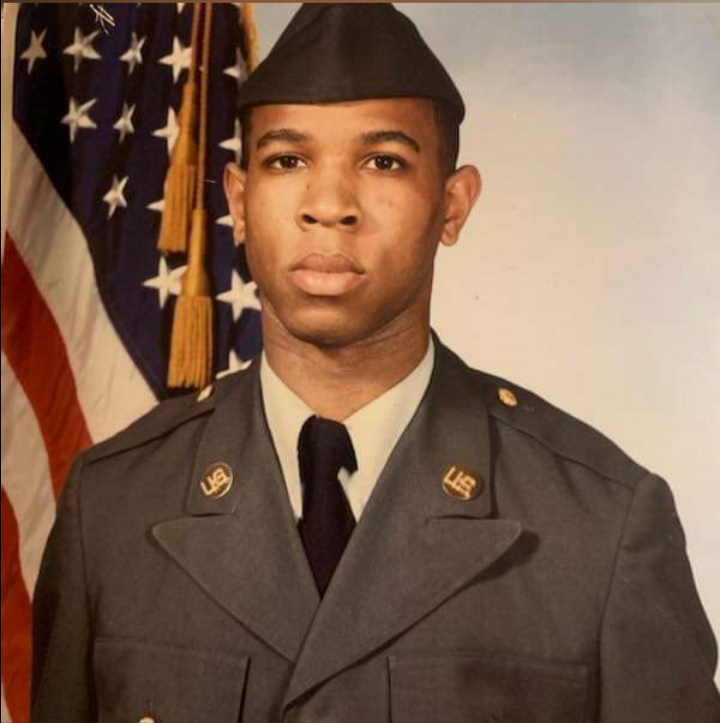
I understand that much better today. For years, I had also been experiencing symptoms that I now recognize as anxiety and panic. They reached all the way back to my time in the military, but I didn’t have language for what was happening. I just dealt with it. I pushed through it. I adapted around it.
It wasn’t until 2022, when I was hospitalized, that someone finally helped me understand what I had been experiencing.
That realization forced me to examine another dimension of my life. How many decisions had I made believing I was being cautious when I was actually afraid? How many opportunities had I talked myself out of because uncertainty felt dangerous? How much energy had I spent trying to control outcomes because the unknown had become something I instinctively prepared myself to survive?
Those aren’t comfortable questions. But neither is growth. I’ve had to learn that strength is not the absence of fear, struggle or uncertainty. And it certainly isn’t pretending they don’t exist. Sometimes strength is developing enough self-awareness to recognize when yesterday’s wounds have been given permission to make today’s decisions.
I’m still learning that.
I don’t romanticize homelessness. I don’t romanticize anxiety. And I don’t believe every painful experience arrives carrying some beautifully packaged lesson. Some things hurt. Some seasons are unfair. Some experiences leave wounds that require real work to heal.
But I do believe we get to decide what authority those experiences will have over the rest of our lives. My past deserves my accountability, but it does not deserve ownership of my future. That distinction has taken me years to understand. And some days, I’m still learning it.
As you know, we’re big fans of you and your work. For our readers who might not be as familiar what can you tell them about what you do?
The simplest way I can describe my work is that I pay attention to gaps.
Sometimes that gap exists between a young person and the support they need. Sometimes it exists between an organization’s intentions and its ability to turn those intentions into something people can actually experience. And sometimes everyone in a community can see the need, but no one has quite figured out what should occupy the space between concern and action. I tend to find myself somewhere in that space.
Professionally, much of my career has been spent in education and human services, particularly behavioral intervention. That work has strengthened one of my core beliefs: accountability and dignity are not opposing ideas. We can hold young people accountable without humiliating them, reducing them to their worst moment, or confusing what they did with who they are.
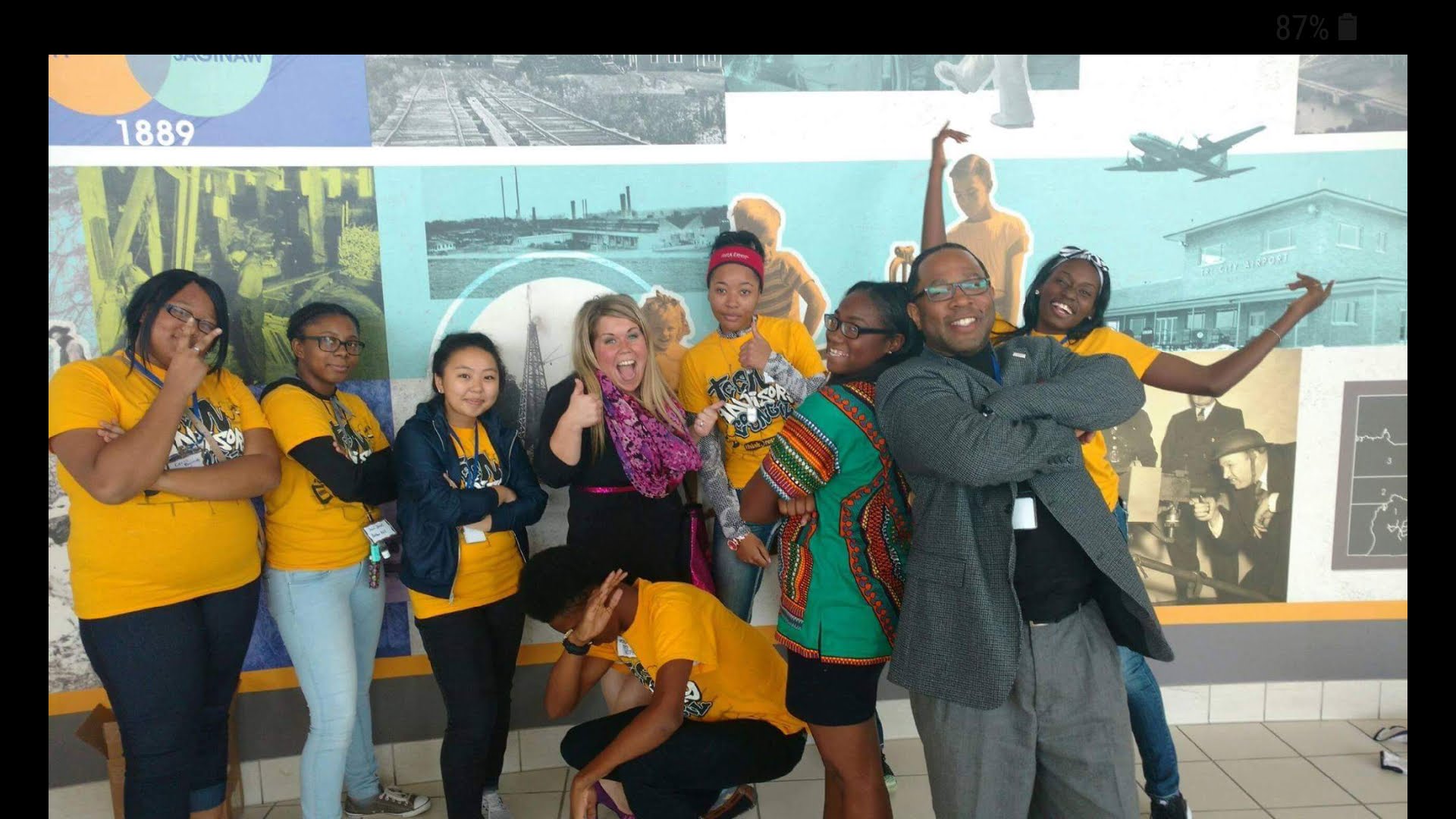
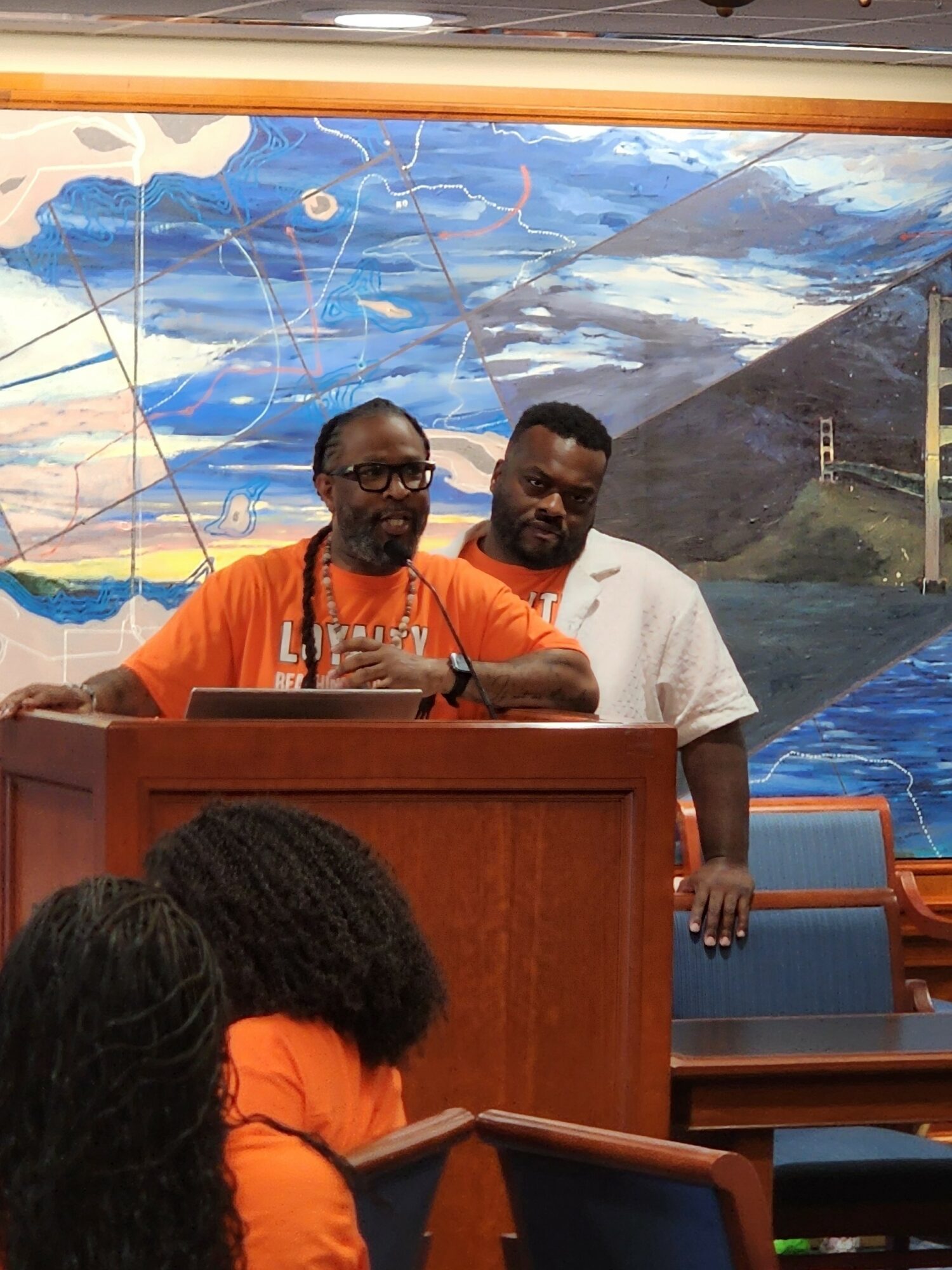
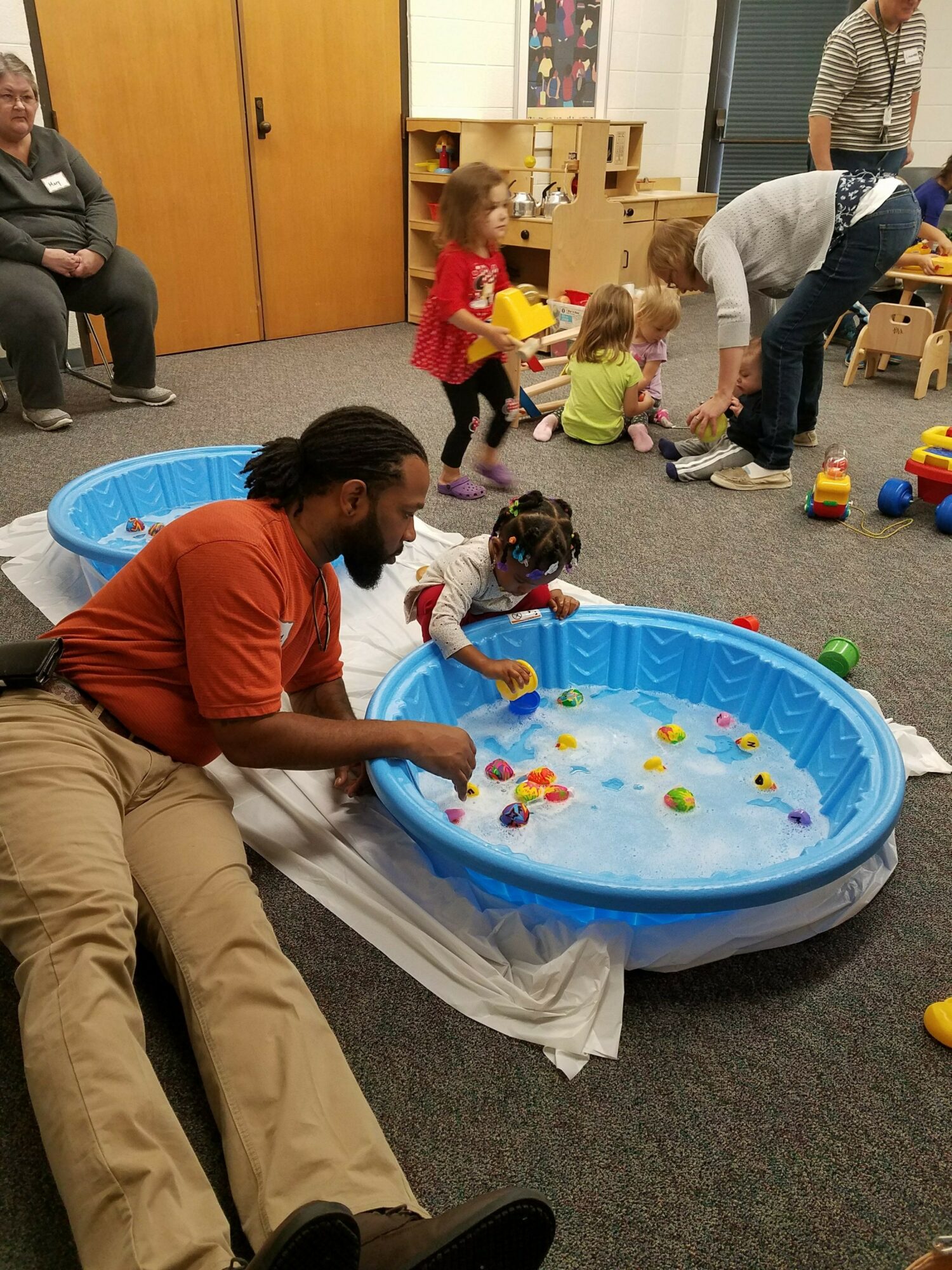
Outside of my professional work, I founded Man About Change, a nonprofit built around the idea of breaking cycles and building futures. I also serve on the board of Team LOYALTY, a Saginaw-based organization mentoring young people and creating opportunities for their development. But titles don’t explain my work particularly well.
People generally come to me with problems. A coworker may need someone to listen, offer another perspective, and help think through a solution. A community organization may have identified an underserved population but need help developing the program, partnership, or structure to reach them. I think that is probably what I specialize in: helping turn concern into structure.
What I am most proud of, though, isn’t anything I’ve built. I’m proud that after everything life has shown me, I still have a heart for people. Life can teach you compassion, but if you’re not careful, it can also teach you cynicism. You can spend enough time around broken systems, limited resources, unmet promises, and human disappointment that eventually protecting yourself becomes easier than continuing to care. I don’t ever want to become so sophisticated about problems that I lose my sensitivity to the people experiencing them.
That heart is what compels me to build. If something people genuinely need doesn’t exist, my instinct is to ask whether we can create it. If it exists but isn’t reaching them, can we build a bridge? And if there is a gap everyone has simply learned to walk around, I am usually the person asking why we’ve accepted the gap in the first place.
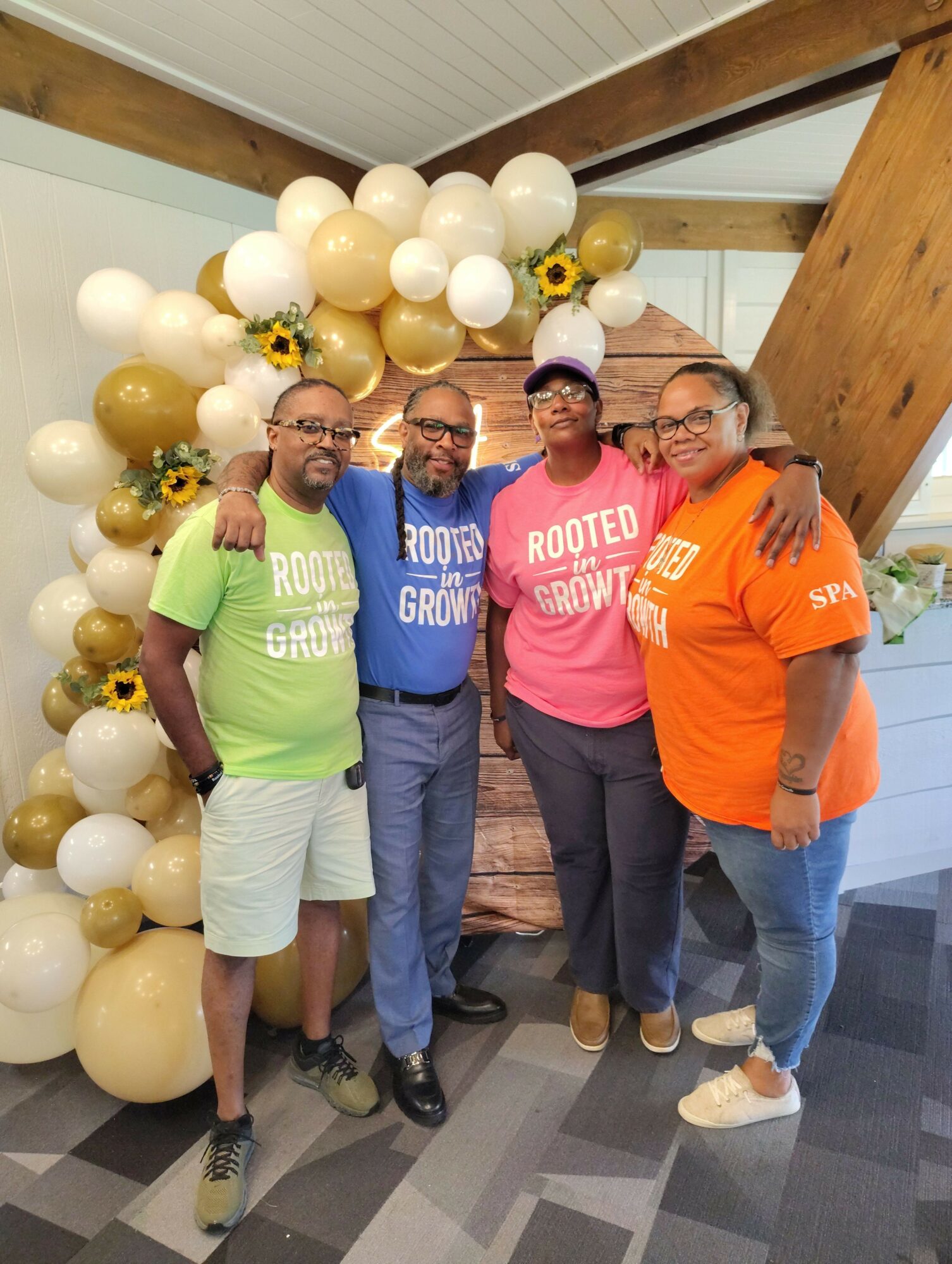
One of the things I am most excited about building now is ROOTED, an initiative through Man About Change for young men. It grew from the question at the center of my own story: What happens when we give a young man at 10 access to lessons some of us had to survive until 32 to understand?
Our imagination for these young men has to be larger than simply keeping them out of trouble. I want them equipped to understand themselves, develop healthy relationships, think critically, lead, build financial understanding, recognize possibilities beyond what they see every day, and eventually become men capable of changing what is possible for the generations that follow them. But the longer I have worked with individuals and families, the more my questions have moved upstream.
I started asking why certain problems keep appearing in the same communities. What conditions keep reproducing them? How much of our energy is spent helping people survive circumstances we should also be working to prevent? Those questions have drawn me deeper into history, economics, law, public policy, and systems. They have also contributed to my decision to run for Saginaw City Council in the upcoming general election.
I didn’t arrive there because I suddenly developed an interest in politics. I arrived there because the radius of my questions kept getting larger. Eventually, I had to ask myself: If I am willing to help people navigate the consequences of decisions made in rooms where policy is shaped, am I also willing to enter those rooms? Running for City Council is part of answering that question.
As for what sets me apart, I hesitate to define myself by comparison with other people doing good work. What I can say is that I am willing to build where I see something missing, sometimes to a fault. For much of my life, I believed service meant being willing to carry as much weight as necessary if doing so gave somebody else a better chance. I’m learning that sustainable leadership requires something different.
If everything depends on me carrying it, I haven’t necessarily built something. I may have simply made myself indispensable to it. There is a difference. So increasingly, I measure the quality of what I build not by how much of me it requires, but by how much possibility it creates for everyone else.
I listen. I look for what is missing. I help build what might belong there. And then, hopefully, we build it strong enough that it no longer needs me to hold it up.
Any big plans?
I have some fairly ambitious dreams for the future, but I think I’ve reached a place in life where ambition means something different to me than it once did.
Over the next decade, I want Man About Change to have a home of its own—a state-of-the-art brick-and-mortar space that serves as a safe haven, resource center, and community for males across generations. I envision a place where a boy can walk through the door and find mentorship and possibility, where a young man can find direction and opportunity, and where an older man can find community, purpose, and a place to pour what he has learned back into someone coming behind him.
Ultimately, I want MAC to become a stable, credible community institution that is still serving people 40 years from now.
And I don’t believe that work has to stop in Saginaw.
I want to travel, speak, and eventually help expand MAC programming into communities that share some of Saginaw’s demographic, economic, and social realities. Not because I believe we can parachute into communities with a Saginaw solution and tell people what they need, but because many communities are wrestling with similar questions about boys, men, families, opportunity, and belonging. I would love for what we learn here to become part of a larger exchange about what is possible elsewhere.
I see public service expanding as well. Right now, that means running for Saginaw City Council. In the years ahead, I hope it means having opportunities to advocate for Saginaw—and communities like it, in Lansing, in Washington, D.C., and perhaps one day before governments around the world. Wherever that journey leads, I want to remain close enough to ordinary people that policy never becomes an intellectual exercise detached from the lives it affects.
There is also a much quieter future I want. I want the freedom to travel with my wife, just the two of us sometimes, and to take trips with our entire family. I want enough control over my schedule and enough financial stability that when my wife, my children, and, one day, my grandchildren need me, my first thought doesn’t have to be whether I can afford to go, whether I can get off work, or what obligation stands in the way. I want to be able to say, “I’m coming.”
There was a time when success, to me, might have been easier to measure by what I owned, what I accomplished, or how far I had climbed. Today, freedom is becoming one of my measures: the freedom to serve, the freedom to build, the freedom to advocate, the freedom to experience the world with the people I love, and the freedom to be present when presence matters most.
Through all of it, I want my faith to remain the governing force in my life. Whatever platforms, positions, resources, or opportunities come, I want to represent God well in how I treat people, how I exercise influence, and what I choose to do with whatever I am entrusted with.
So yes, I have big plans. I want to build an institution. I want to influence policy. I want to carry this work beyond Saginaw. But I also want to come home. I want to love my wife well. I want to be available to my children and grandchildren. I want to see the world with them. And I want to eventually look at something I helped plant years earlier and discover that it has grown strong enough to provide shade for people whose names I may never know.
If the next 10 years give me some version of that life, I will consider myself extraordinarily blessed.
Contact Info:
- Website: https://manaboutchange.org