




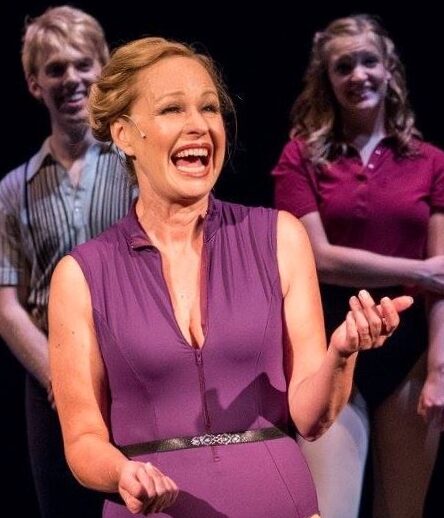
Today we’d like to introduce you to Lynne Brown-Tepper.
Hi Lynne, please kick things off for us with an introduction to yourself and your story.
My journey with Circle Theatre (and Theatre in general) began in 1977 when my parents took me to see a production of CABARET (directed by Fred Sebulske, music directed by Duane Davis, choreographed by Ken Tepper). While that may not have been the best first production for a 12-year-old to see, it made a big impact. Circle Theatre was also the first community theatre I performed with.
After studying theatre in NYC and working for film and production companies in Los Angeles, my career brought me back to Circle Theatre again (this time behind the scenes) in 2000 when I took on the role of Production Manager. And, at the end of 2008, I moved into the role of Executive Director (in addition to my role as Production Manager).
Would you say it’s been a smooth road, and if not what are some of the biggest challenges you’ve faced along the way?
It hasn’t always been a smooth road. Producing live theatre gets harder and harder every year. There are constantly new, unforeseen challenges that didn’t exist 10 years ago. COVID made it particularly challenging. Because we are a community theatre, all of our performers and crew are volunteers. COVID necessitated including double-casting and understudies. This requires more work for our volunteers and staff. Social media also continues to be a blessing and a curse.
Can you tell our readers more about what you do and what you think sets you apart from others?
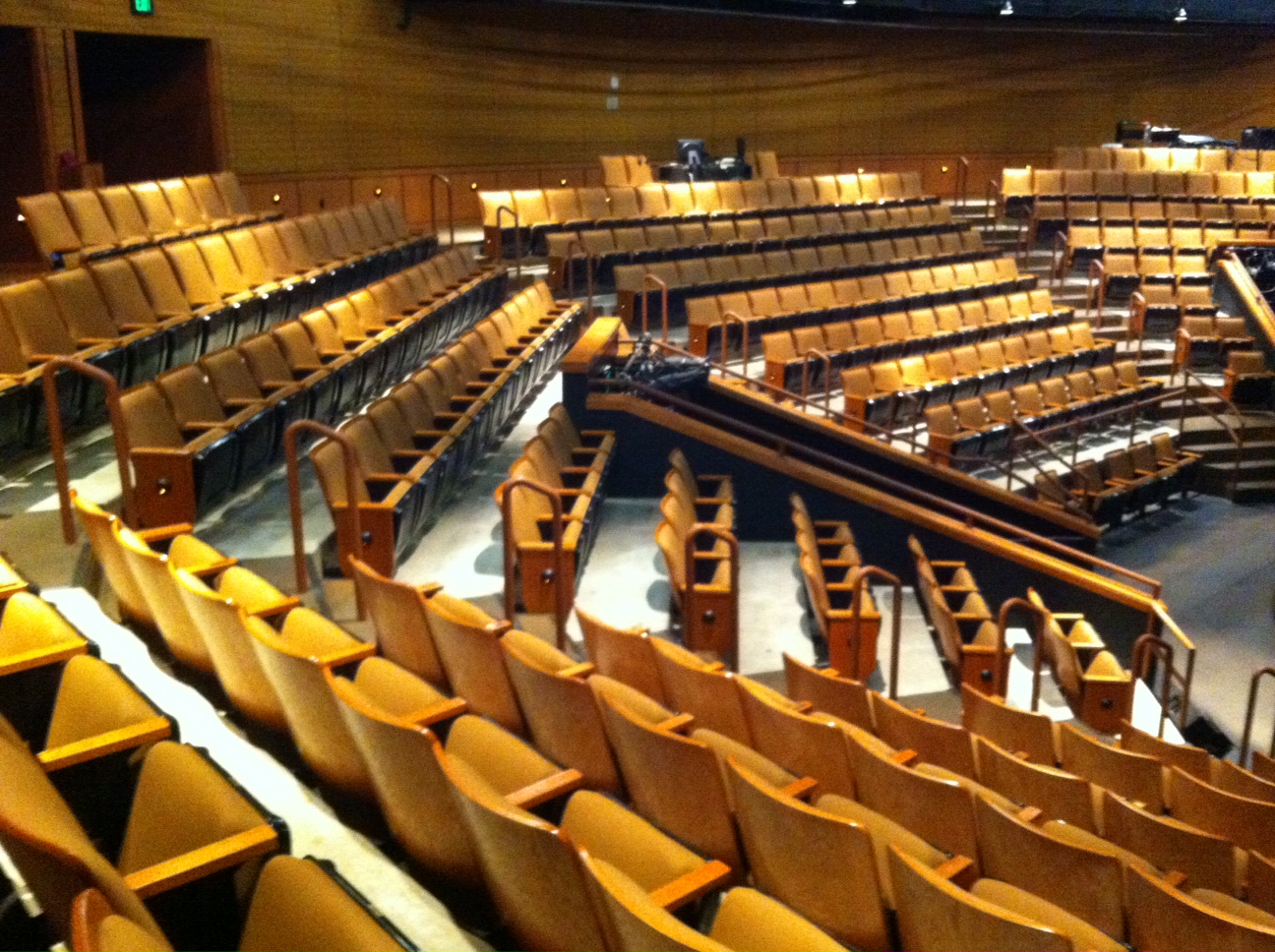
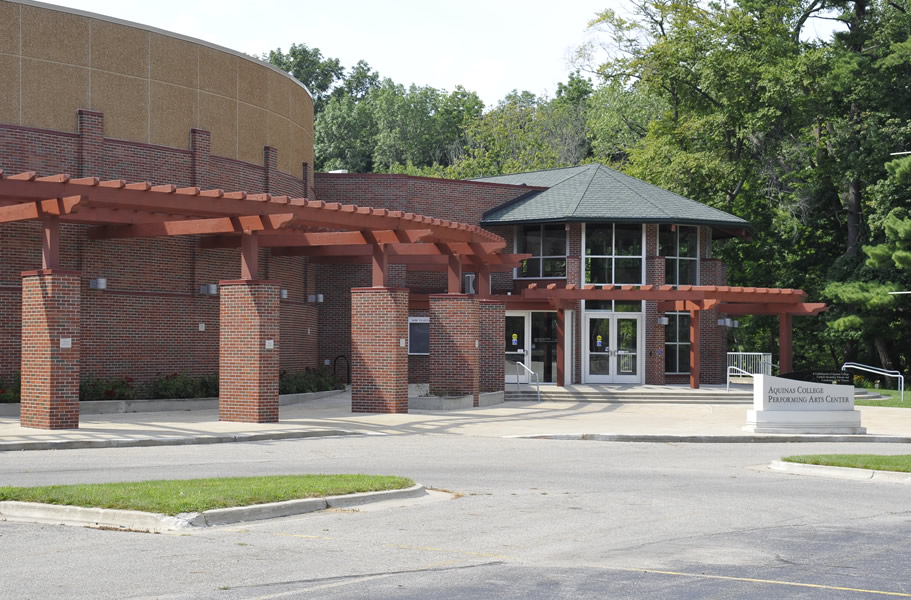
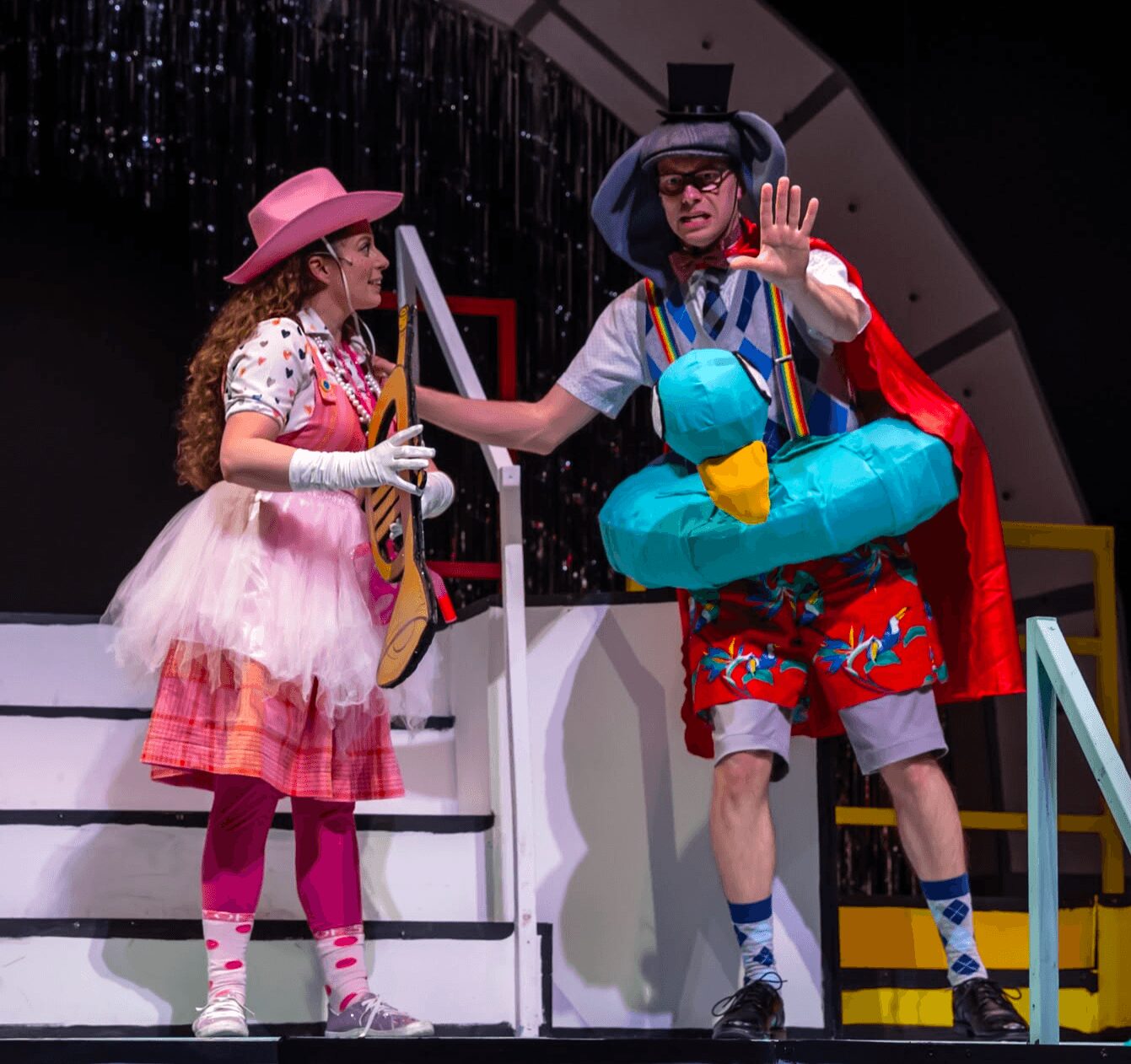
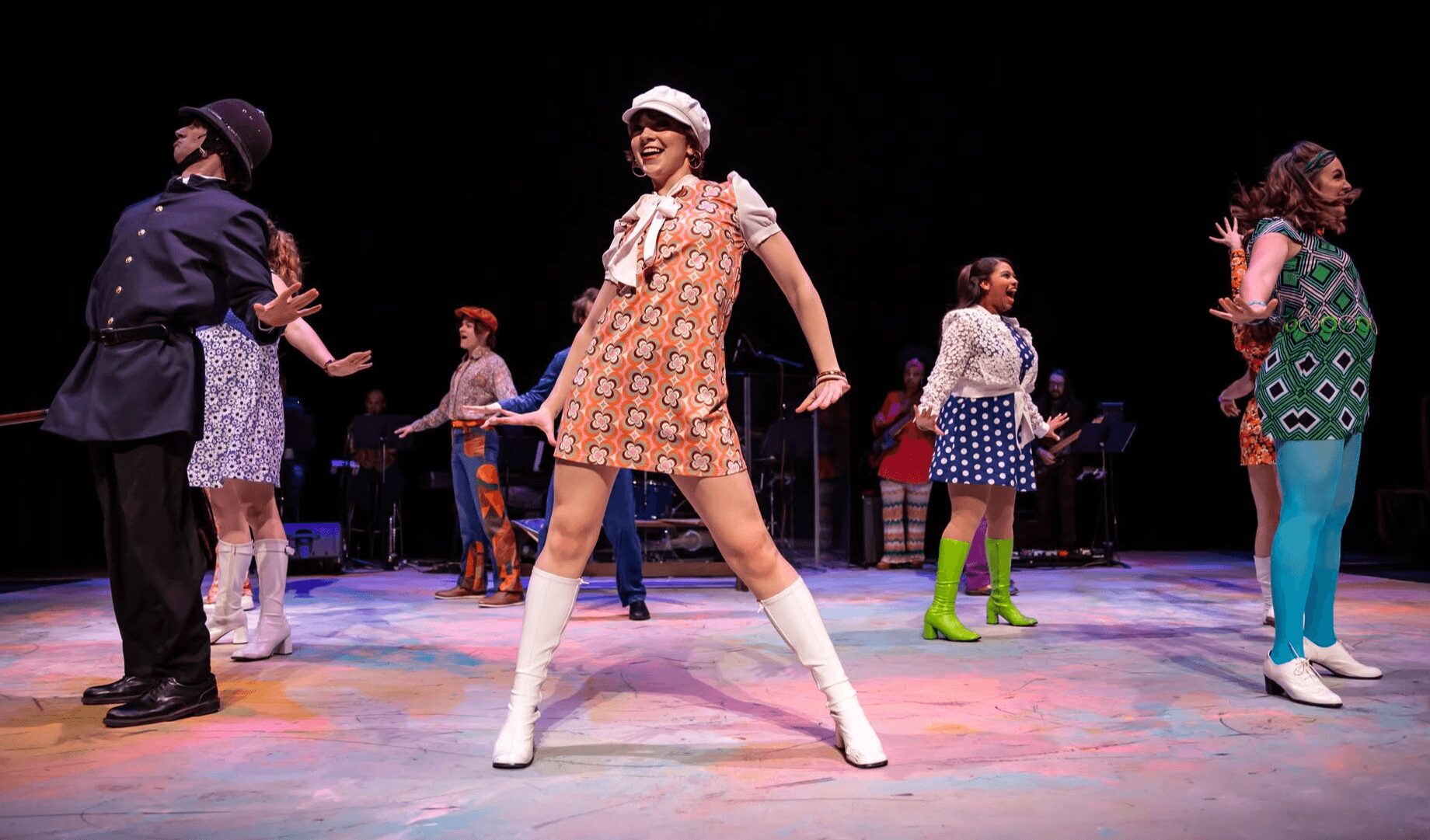
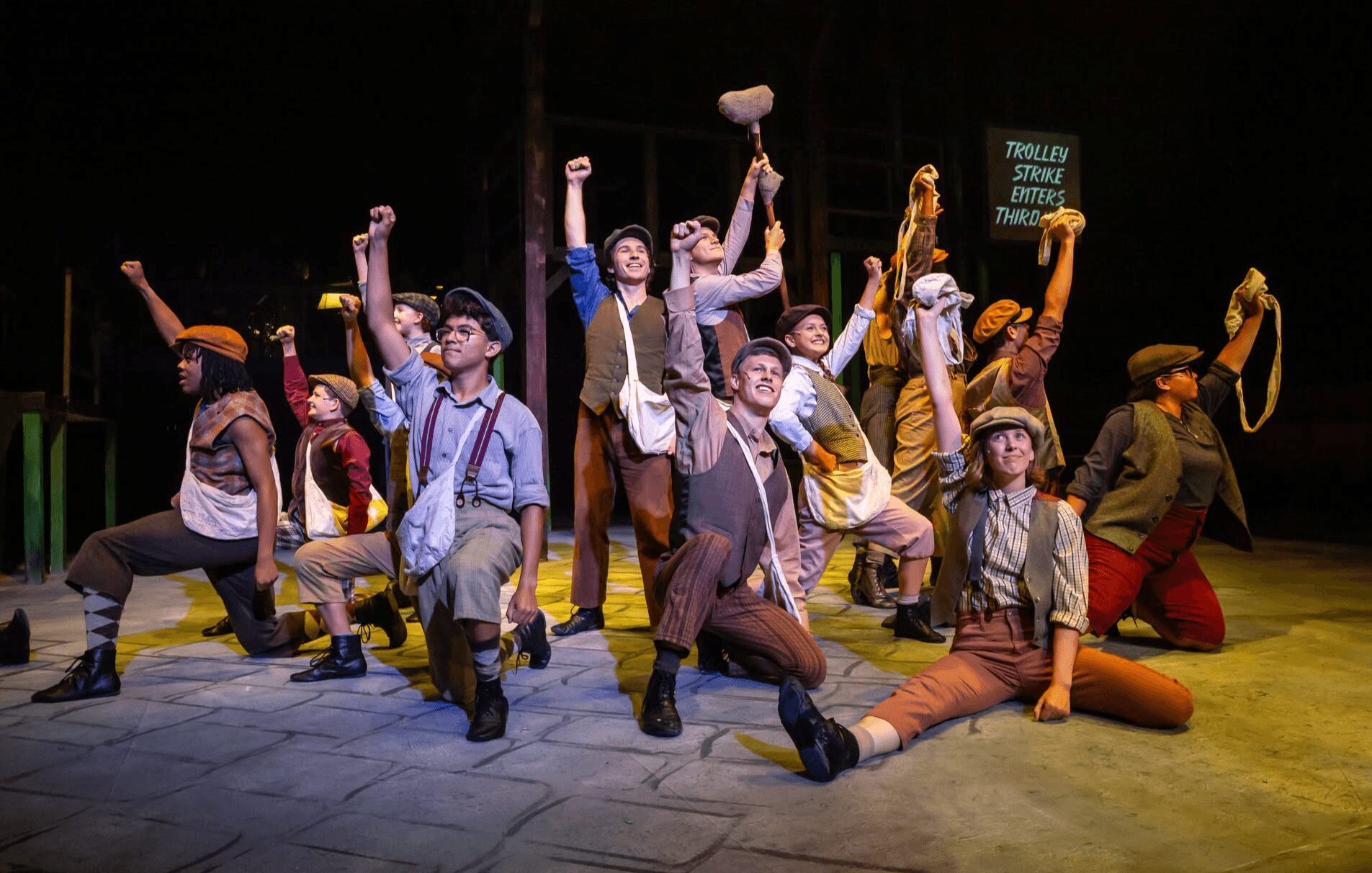
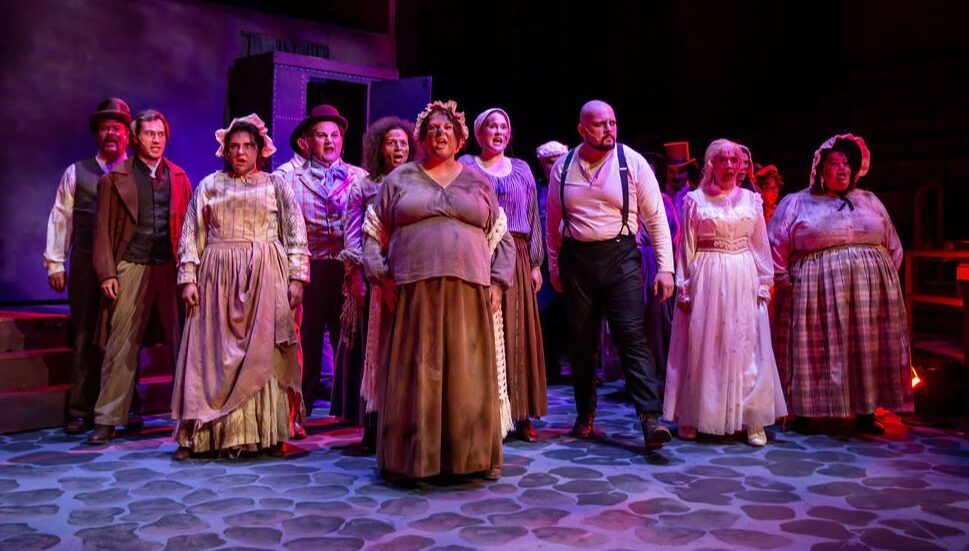
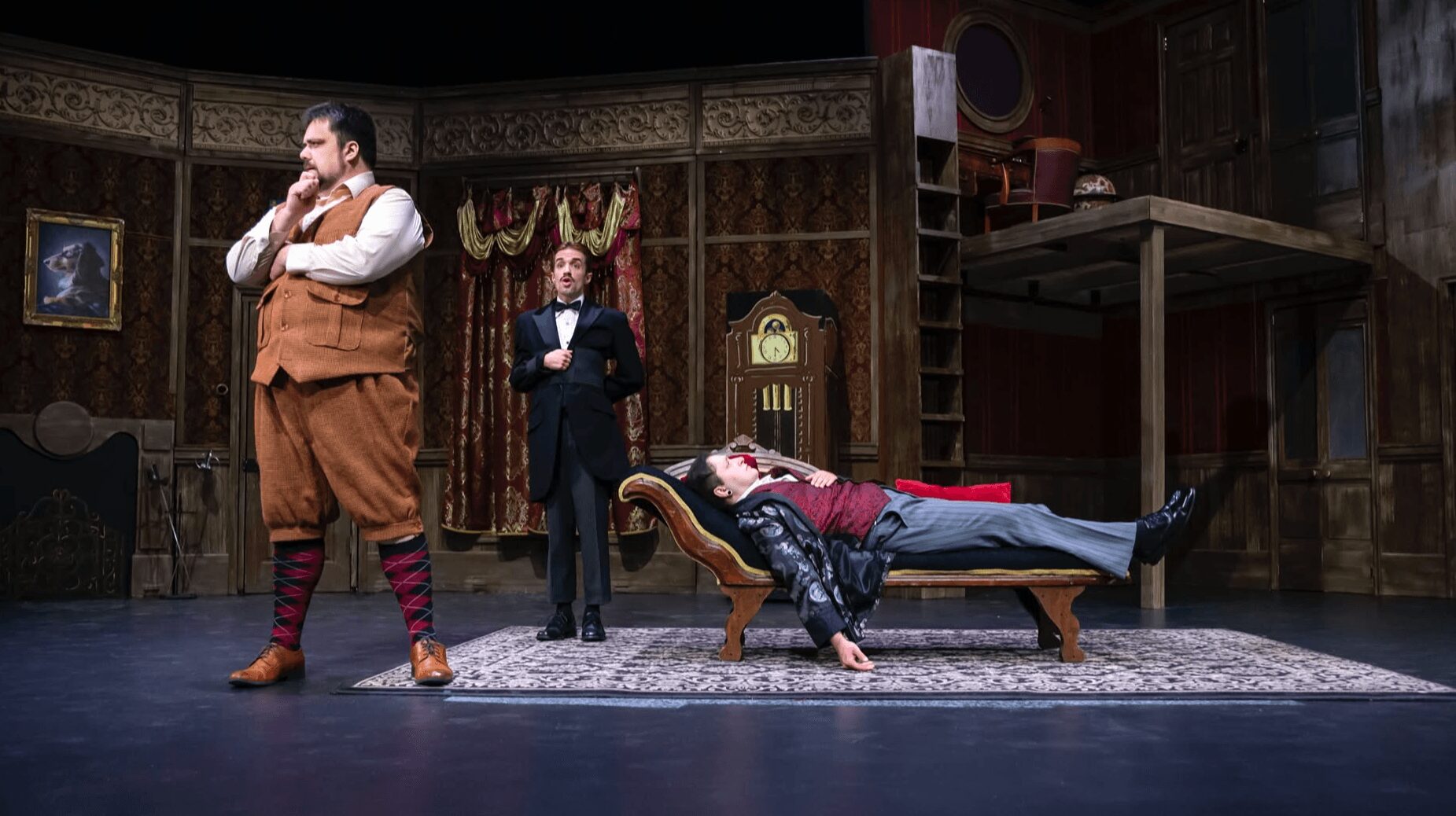
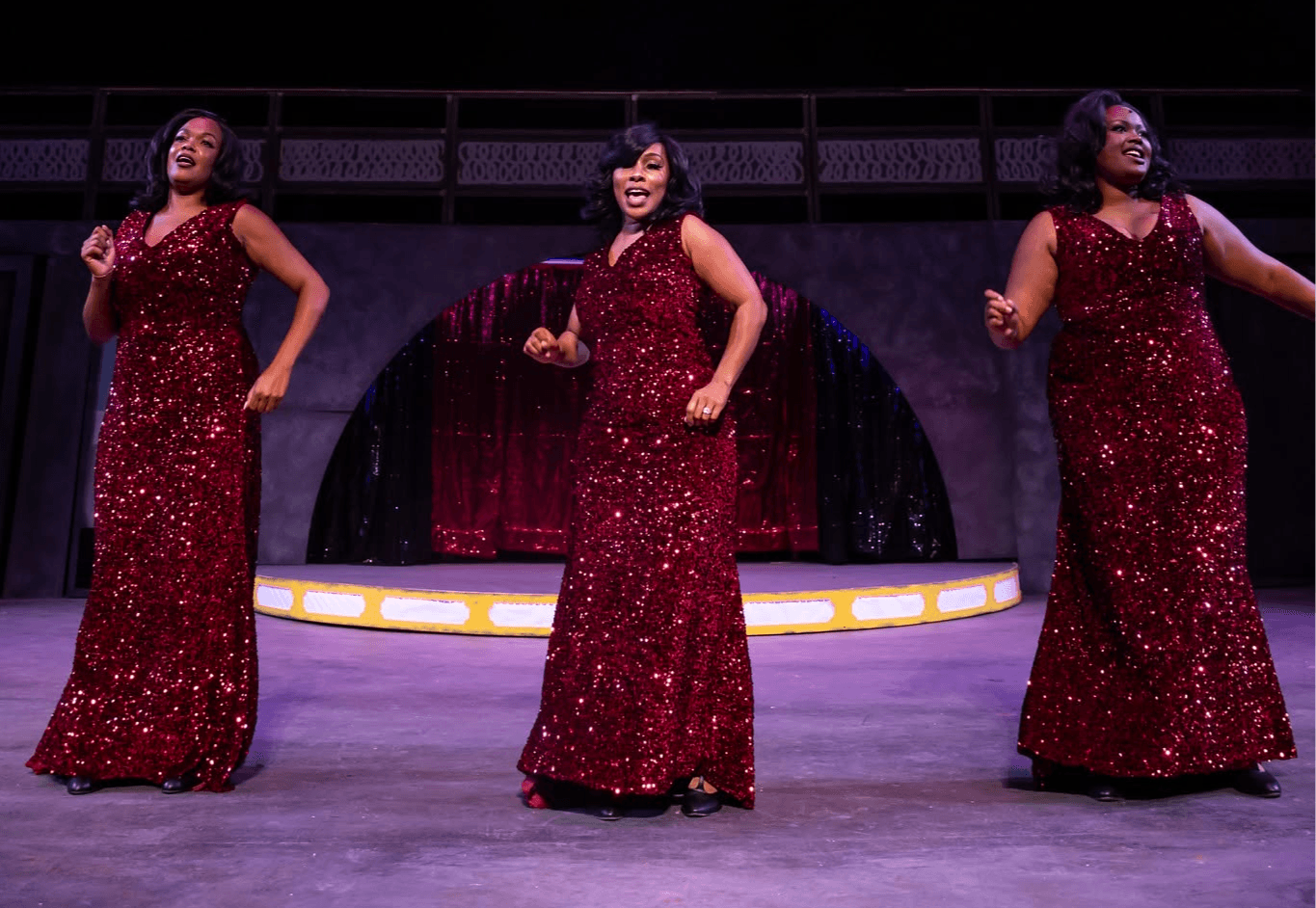
Circle Theatre (located in the Aquinas Performing Arts Center) is one of the most unique theater spaces in West Michigan because of its ¾ thrust stage and due to its nationally unique collaboration with the community (between four entities: Aquinas College Theatre Program, Community Circle Theatre, Catholic Central High School, and West Catholic High School). Circle, the only local summer community theatre, annually provides diverse and inclusive programming opportunities for community audiences, performers, students, designers and technicians that include: Main Stage performances consisting of three musicals and two plays for adults, Magic Circle performances for young audiences, a concert series (consisting of four differently themed rotating concerts), special events (Season Kick-Off concert, Pride Love Out Loud Exhibit, etc), a master class workshop series led by qualified teachers/certified instructors (ex. Stage Combat For Beginners, Sight Singing, Fosse Dance, Stage Management For Beginners etc., Intro To Costume Design, Directing for Community Theatre, Acting for Farce) for adults and young adults. and two college scholarships (James L. Mitchell and Cedric & Sandra Ward).
In the community of Circle Theatre, the annual statistics reflect the dedication and collective effort that brings the stage to life. Throughout the year, Circle produces 12 separate productions, captivating audiences with a total of 86 performances. This schedule translates into 166.75 hours of performance programming, all within a 6 month period of time, with a staff of 6 (3 full-time, 1 part-time, 2 shared with Aquinas). And, just to give you a comparison, the average theatre (ex. Grand Rapids Civic Theatre) does 8 separate productions annually within a 10 month period of time, with 19 full-time staff members (obviously, this doesn’t include the school).
I guess you could say that Circle operates with more of a grass-roots approach when it comes to producing theatre. And at the heart of Circle’s operations is a vast network of volunteers, with over 260 individuals contributing their time and expertise. Among them, 99 are new to Circle this season (52 out of 103 performers this season are new alone), bringing fresh perspectives and energy to the collaborative atmosphere. The collective volunteer effort amounts to an astonishing 15,000 hours, reflecting the commitment of the community.
As an administrator, I have been told that I have a maternal approach to leading. Because I began as a performer, I prefer to work collaboratively, which, given our small staff, is an effective choice. I believe that working collaboratively allows for other voices, opinions, and feedback to be heard, which allows for informed decision-making.
My day-to-day job consists of part administrator, part artistic director, part babysitter, part referee, part hand-holder.
I’m most proud of the opportunities that we have given to new directors, designers, and performers. That’s what community theatre is all about.
How do you define success?
A successful theatre season for me means that our volunteers feel valued and have a good experience while in our space. At the same time, I would say that patron satisfaction is also an important factor. We really can’t have one without the other.
Pricing:
- There is no cost in volunteering at Circle (ex. performers, ushers, crew members)
- Circle Theatre has “Rush”/half-price tickets available for main stage performances on the day of the performance
- Circle Theatre offers a $10 ticket for main stage preview performances
- Memberships are first and foremost the best way for our patrons to engage with Circle Theatre, and save money on tickets. All of our memberships offer a 20% discount (or more) on tickets, along with added benefits. Our basic annual membership for $30 pays for itself after the purchase of just 5 main stage tickets!
- Group orders of 12 tickets, or more, are entitled to discounts upon request. (12-21: 15% discount, 21-50-19: 20% discount, 50+ 25% discount)
Contact Info:
- Website: https://circletheatre.org/
- Instagram: CIRCLETHEATREGR
- Facebook: https://www.facebook.com/circletheatre
- Twitter: @CIRCLETHEATREGR
- Youtube: CIRCLETHEATREGR