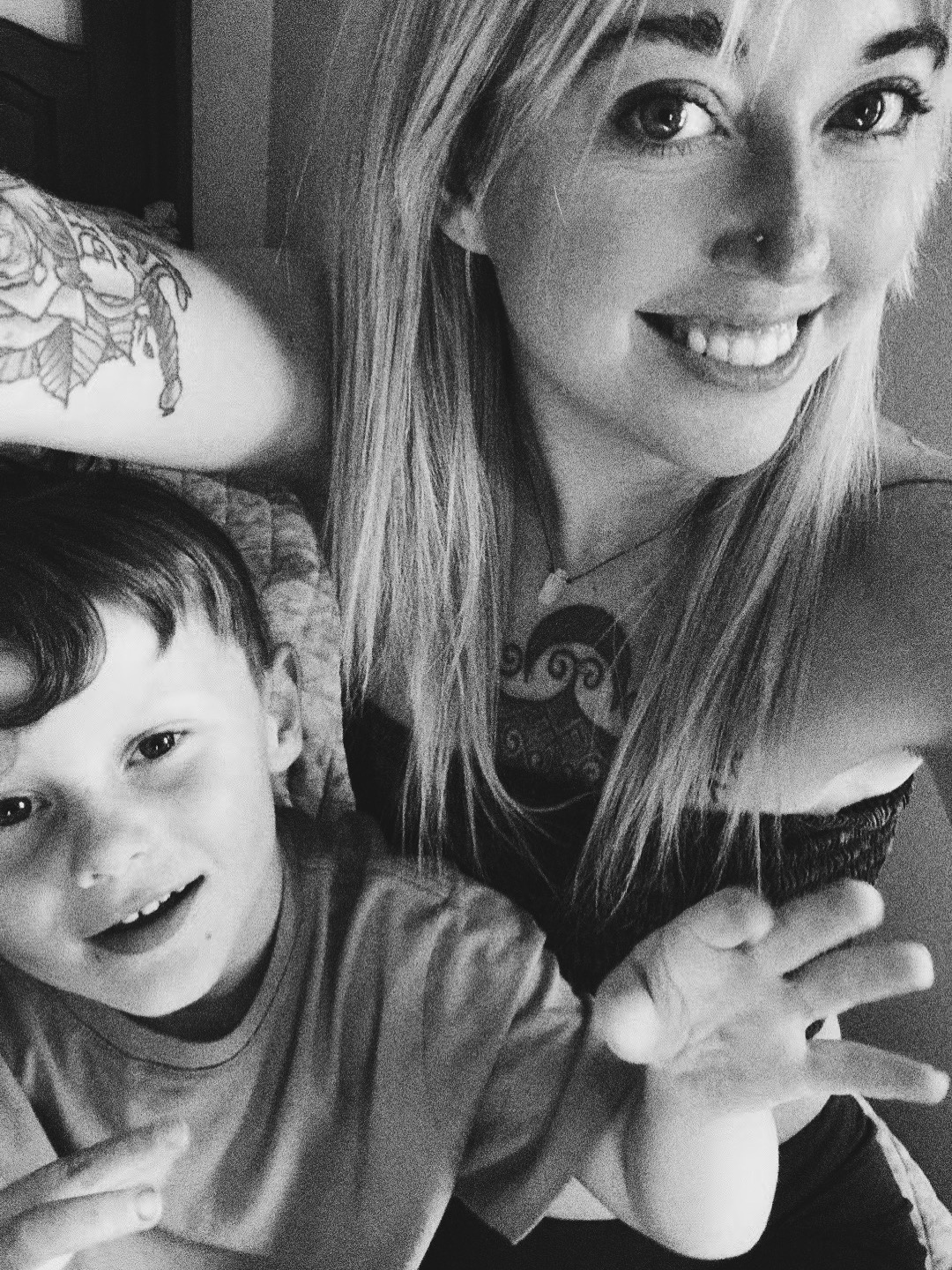





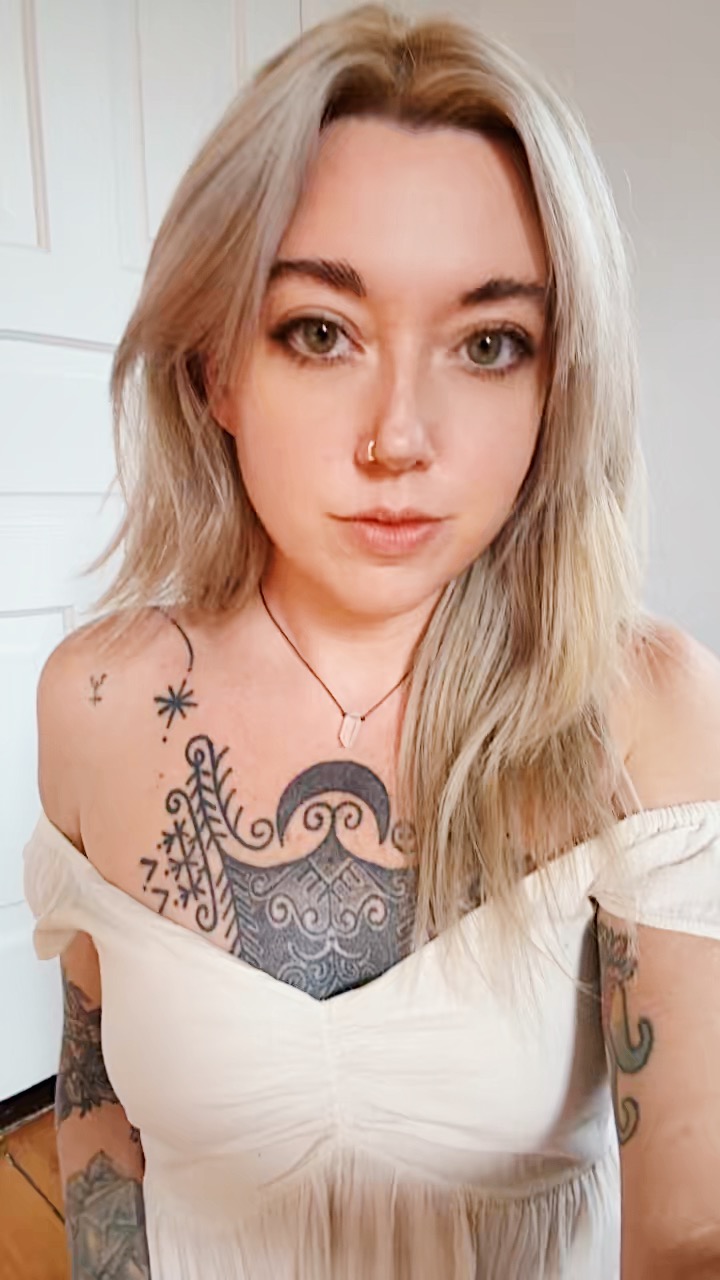
Today we’d like to introduce you to Ember Henderson.
Hi Ember, we’re thrilled to have a chance to learn your story today. So, before we get into specifics, maybe you can briefly walk us through how you got to where you are today?
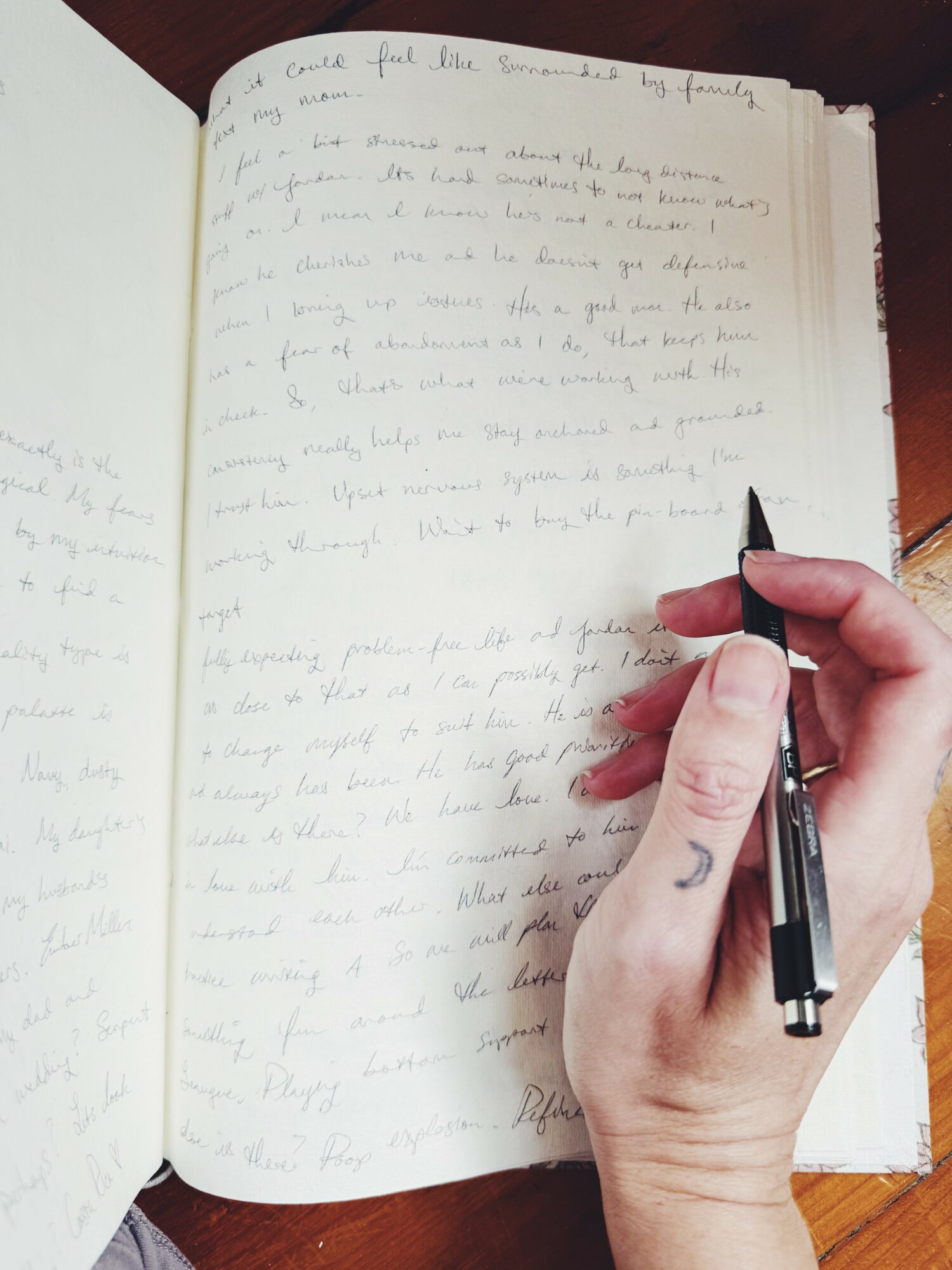
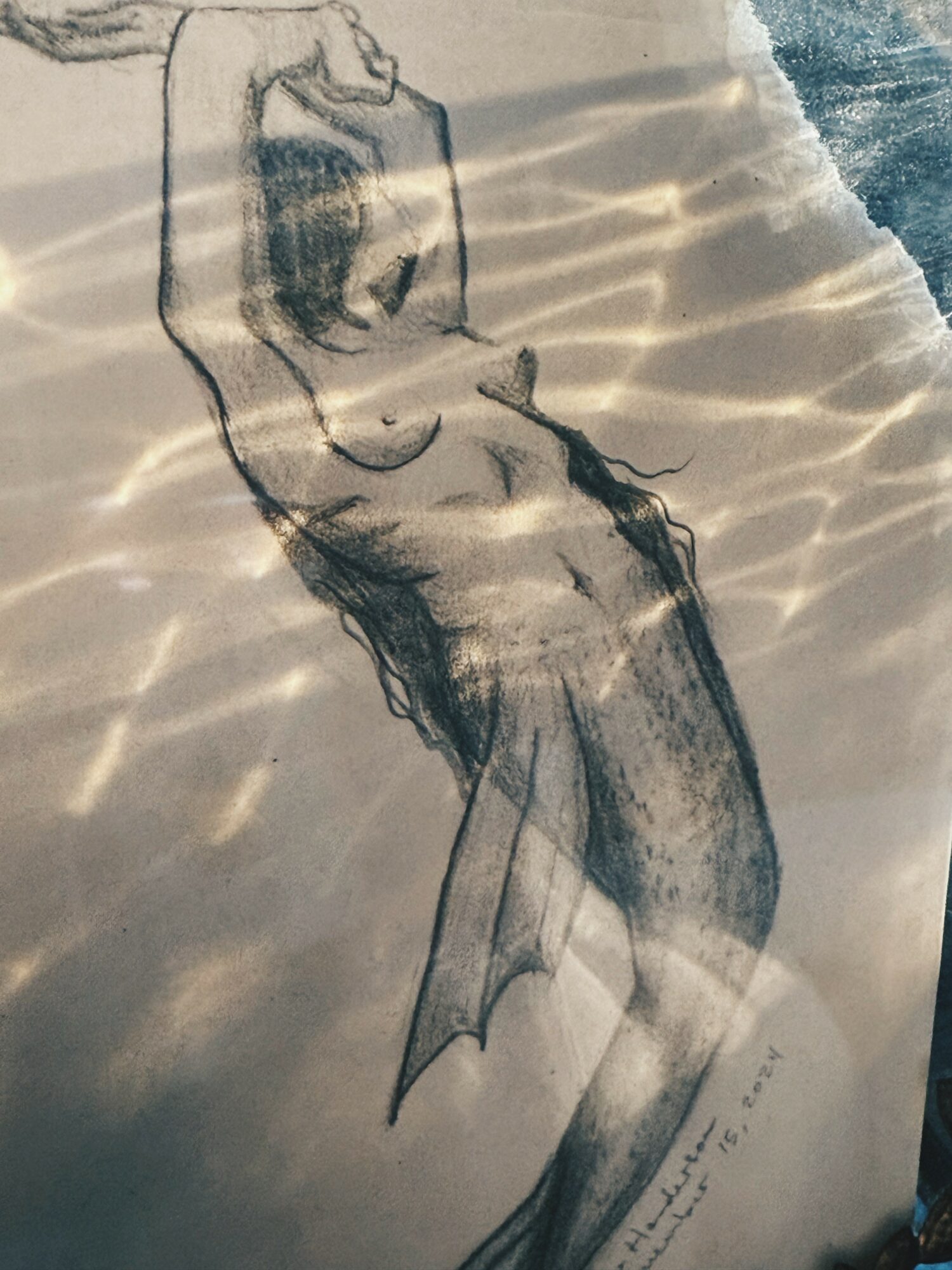
I have always been a maker of things. For most of my life that showed up through visual art: painting, collage, handmade objects, anything that let me work with texture and meaning at the same time. I have kept journals for years, not because I planned to write a book, but because writing has always helped me notice what I might have missed while living. Looking back, I can see that the instinct to write was there long before I called it writing.
Over time, something in me began to shift. I started feeling drawn toward longer forms, toward storytelling, toward the kind of work that asks you to stay with it over months or years. I did not have a teacher or a moment of declaration. I just felt the pull deepen, the way a riverbank changes shape without announcing it. One day I realized I was no longer collecting scenes and ideas. I was shaping a world. That was the beginning of the novel.
The book I am working on now is my first, and it feels like the right next step in my creative life. It is a historical novel set in early Ypsilanti, before the city existed, when the first settlement was still called Woodruff’s Grove. I did not choose the story because it was dramatic. I chose it because it was quiet, almost forgotten, and because the land itself felt like it was holding something. The more I researched, the more I felt I was not inventing a story, but uncovering one.
Right now my days are spent writing in steady pieces, one thousand words at a time, letting the book unfold the way a season does: not rushed, not forced. I am still an artist in many forms, but the novel has become the center of my creative attention. It feels less like changing mediums and more like following the same thread into a deeper room.
Would you say it’s been a smooth road, and if not what are some of the biggest challenges you’ve faced along the way?
I would not call the path smooth, but I also would not trade it. Most of my growth as an artist has come from seasons that were difficult, where I had to create in the margins of life rather than the center of it. There were years when survival came first, and creativity had to wait. There were long stretches of silence where I was learning without producing, observing without sharing. I used to think those years were lost. Now I understand they were shaping me.
The struggles were not dramatic from the outside, but they were real. Learning to trust my own voice. Learning to stay with a project long enough for it to reveal what it wanted to be. Learning patience with my pace, instead of comparing myself to people who move faster or louder. And learning to create even when no one is watching yet, which might be the hardest part.
What steadied me was the work itself. Writing taught me that you can move forward even when the path is not clear. You do not need a perfect plan, only a reason to keep going. Every chapter I finish reminds me that progress does not always feel like progress while it is happening. It is only when you look back that you see how far you have come.
Alright, so let’s switch gears a bit and talk business. What should we know about your work?
My work has always lived at the intersection of observation, intuition, and craft. I am a writer and an artist, and my focus is on creating work that appears quiet on the surface but carries depth beneath it. Whether I am writing fiction, journaling, or working with visual materials, I am drawn to the small details that hint at something larger: the patterns people overlook, the objects that hold meaning even when no one is explaining them.
Right now my primary work is my first novel, Woodruff’s Grove. It is historical fiction, but not in the traditional sense. I am less interested in re-creating the past through action and more interested in capturing the emotional and spiritual interior of a place that no longer exists.
The book is set in early Michigan, but it is really about presence, silence, endurance, and the way ordinary lives leave traces that outlast them.
If there is something that sets my work apart, it might be the pace and the tone. I do not write for speed or spectacle. I write in a way that asks the reader to slow down and lean in. I trust the intelligence of the reader. I do not explain everything. I let meaning reveal itself the way it does in life: gradually, through repetition, through quiet symbols that are easy to miss unless you are paying attention.
What I am most proud of is not a finished piece, but the way I work. I am patient. I am not rushed by trends or algorithms. I would rather create something that feels alive fifty years from now than something that hits loudly for a moment and is forgotten. My hope is that people who find my work feel something settle in them: not because I told them what to feel, but because the work gave them space to feel it.
Before we let you go, we’ve got to ask if you have any advice for those who are just starting out?
My first advice is simple: do not rush the beginning. Starting is not the same as being behind. There is a quiet apprenticeship that happens before the visible work begins, and that time is not wasted. Reading, observing, thinking, living, healing, noticing. All of that is part of the work, even if it does not look like progress yet.
I used to believe that real artists were the ones who moved fast, published early, or already knew exactly what they were making. Now I know that depth takes time, and there is nothing wrong with being a beginner for longer than you expected. If you are paying attention, you are already becoming the artist you will need to be.
My second piece of advice is to work in small, consistent pieces. Do not wait for the perfect idea or the perfect schedule. Start with what you have, even if it is an hour a day or one page a week.
Momentum does not feel like momentum in the moment. It reveals itself later. I wrote the first half of my novel in quiet increments that looked like nothing from the outside, but they added up. They always do.
Lastly, protect the relationship you have with your work. Before it belongs to an audience, an editor, or a market, it belongs to you. Do not let comparison or urgency drain the joy out of it. There is no clock on becoming. If you stay with the work, it will meet you.
Contact Info:
- Instagram: https://Instagram.com/vapid.liminal