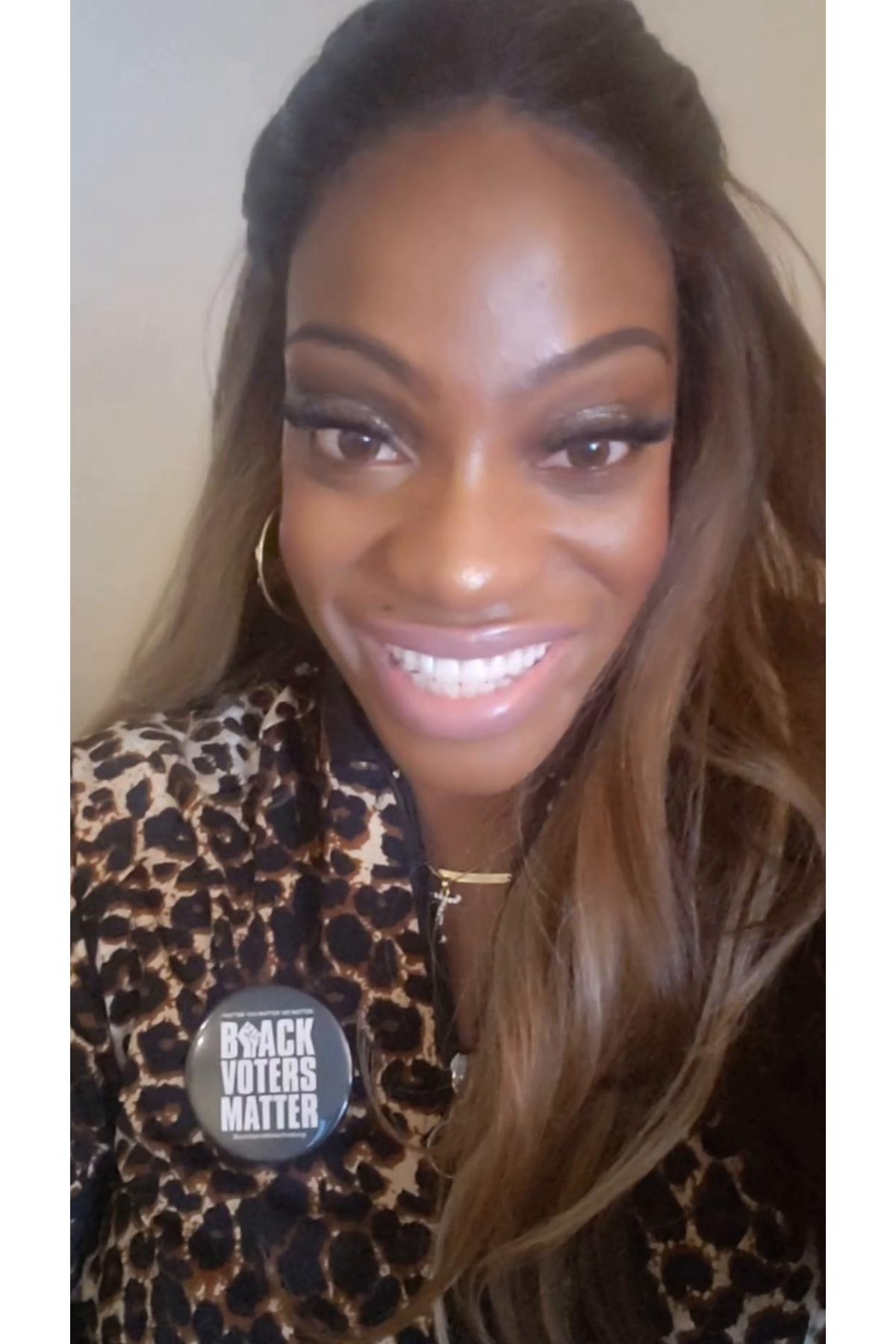





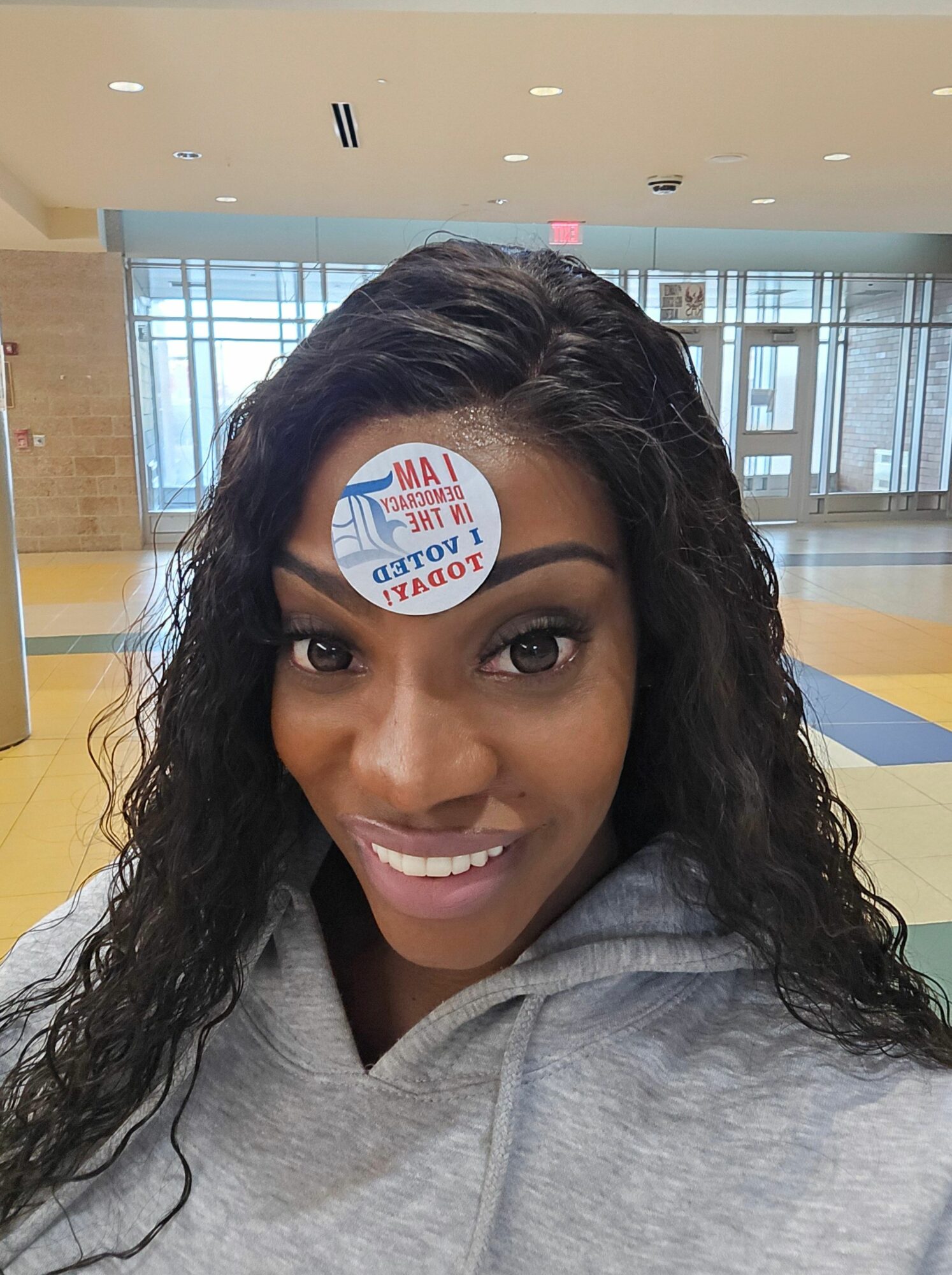
Today we’d like to introduce you to Elisheva Johnson.
Elisheva, we appreciate you taking the time to share your story with us today. Where does your story begin?
I am from a small rural town in Michigan, not far from Lake Michigan, where poverty was normal and survival was not a theory, it was a daily practice. We grew up seeing things a child should never have to see — domestic violence, alcohol abuse, instability, fear — the kind of environment that teaches you too early how fragile life can be. When I was 13, I moved to Chicago to live with my grandma, and that shift changed me. I went from a mostly white school to a predominantly Black school, and while that transition was hard, it also opened up new possibilities for me. I was still carrying the weight of leaving my sisters behind in that toxic environment, and I carried that grief for years. My sister passed away at 3 because of the instability we were living in, and that loss never left me.
As I got older, I found myself repeating the very patterns I had hoped to escape. I met a young man and ended up in another toxic situation, and after a near-death experience, I was left with a child at 17 and thrown into adulthood before I had the chance to really become a girl. Nobody was talking to me about college. I was always told the same thing: get a job or go to the Army. That was supposed to be the whole future. But somewhere along the way, I realized something that shook me to my core — you can work full time, give everything you have, and still be poor. That revelation changed how I saw the world, but at first it also pushed me deeper into pain. I stole from my job, and that brought me into the criminal legal system. That was one of the hardest times of my life. It triggered more bad decisions, and I started drinking. I was not the best mother during that season, and I carry that truth honestly.
But I also carry the truth of what it meant to fight my way back. After a year in a sobriety program, I broke that cycle, and I have never had problems with alcohol again. I got back on track, but life was still heavy. The fines and court fees hit me hard, and being unable to find stable work made everything harder. My son was looking at schools and dreaming of becoming a pilot, and I knew I had to keep moving for him and for myself. I didn’t have college momey that ripped my sole out
We ended up in a special community for working poor families in Kalamazoo called Open Doors, and that place changed my life. I will always be grateful to Stephanie for the support and stability that made room for hope again.
Then one Sunday, at a dinner offered by the church in our community, everything shifted. A guest speaker came — a young white student from a private college, someone who could not have been more different from me on paper — and she spoke about community organizing and the fight for $15 in Michigan. I was immediately intrigued. Around that same time, I was in one of the darkest places of my life, even thinking about suicide and ways to make my death look like an accident so my son could get the insurance money and go to college. That’s how deep the pain was. And then, right at that moment, she called. The phone rang so hard it moved across the table, and I answered it. From there, my life began to change.
That call opened the door to a different kind of future. It pulled me toward organizing, toward justice work, toward understanding that my pain was not just mine alone — it was connected to systems that were designed to keep people like me struggling, silent, and small. Over time, I became the Founding Director of Emergent Justice, and I built my work around the very things I had lived through: poverty, criminalization, family instability, motherhood under pressure, and the fight to survive. I learned to turn survival into strategy. I learned to turn grief into leadership. I learned that my voice, my story, and my lived experience were not a liability — they were part of my power.
Today, I stand as someone who has been through the fire and still chose to build something from it. I lead with truth, with heart, with lived experience, and with a deep commitment to helping other people break cycles, reclaim dignity, and build lives that are not defined by the worst things that happened to them. That is how I got here.
We all face challenges, but looking back would you describe it as a relatively smooth road?
I shared many obstacles in my original story but I can list.
I grew up in a high-stress, unsafe home where I had to witness adult problems too early.
I carried grief for my sister and the weight of leaving my other sisters behind.
Moving to Chicago at 13 meant a hard cultural and school transition, even as it opened new possibilities.
I became a mother at 17, which pushed me into adulthood fast and narrowed the options people offered me.
I learned that full-time work still did not protect me from poverty, which changed how I understood the world.
The criminal legal system became part of my life after I stole from work, and that period deepened my struggle.
Drinking became part of that painful season, but I later broke that cycle through sobriety support.
Court fines, fees, and unstable employment kept financial pressure on me even after I started getting back on track.
Finding Open Doors in Kalamazoo gave me stability, support, and a turning point.
My path into organizing came through a life-changing phone call and a moment when I was close to giving up.
In later years, my work faced organizational harm, displacement, and loss of funding, adding professional struggle on top of personal survival.
As you know, we’re big fans of you and your work. For our readers who might not be as familiar what can you tell them about what you do?
I do community-rooted justice work that sits at the intersection of organizing, coaching, and narrative change. I specialize in helping people and organizations move from survival to strategy, especially through Participatory Defense, leadership development, and my own model, Cognitive Liberation Coaching.
What I’m known for is building with people who are closest to the harm and closest to the truth. I’m proud that our Participatory Defense work has helped families fight back in real time, including the Mario Willis campaign, where community power, court advocacy, and truth-telling came together in a serious way.
Cognitive Liberation Coaching grew out of the same place: I kept seeing that movement leaders and directly impacted people already know how to fight systems, but they still need support staying grounded, clear, and whole while doing it. So I built a coaching approach that helps people name what they’ve lived through, interrupt internalized oppression, and lead with more clarity, integrity, and ease.
What sets me apart is that I don’t come to this work from the outside. I come from lived experience, from survival, from organizing, and from knowing what it means to keep going when the system is trying to take everything .
Any big plans?
I’m looking forward to building the next chapter of my work in a way that is more sustainable, more mine, and more aligned with my values . One big focus for me is growing Cognitive Liberation Coaching so it can support more movement leaders, organizers, and directly impacted people who need space to stay grounded while doing hard work .
I’m also excited about developing my own businesses, including Ten out of Ten Counseling Services and a healing house model that combines care, stability, and practical support . Since I’m in an empty-nesting season, I’m thinking a lot about freedom, financial security, and creating something that lasts beyond just getting by .
At the same time, I still care deeply about roles and opportunities where I can keep organizing, managing, and leading with impact. I’m open to project management, program leadership, and community-centered work that lets me use everything I’ve learned while building toward a future that feels whole and purposeful .
Pricing:
- https://beanewyou.best/
- https://beanewyou.best/
Contact Info:
- Website: https://beanewyou.best/